
Farasis Energy(688567)

Search documents
孚能科技:股东上杭兴源减持368.6万股,套现6446.46万元
Xin Lang Cai Jing· 2025-11-13 11:40
Core Viewpoint - The announcement from Funeng Technology indicates that Shanghang Xingyuan has completed a share reduction plan, selling a total of 3.686 million shares, which represents 0.3016% of the total share capital, for a total amount of 64.4646 million yuan [1] Summary by Sections - **Share Reduction Plan** - Shanghang Xingyuan initially planned to reduce its holdings by up to 24.237 million shares, accounting for no more than 1.9832% of the total share capital [1] - The reduction occurred between August 13, 2025, and November 12, 2025, through centralized bidding and block trading [1] - **Current Holdings** - As of the announcement date, Shanghang Xingyuan holds 20.551 million shares, which is 1.6816% of the total share capital [1] - The share reduction plan has now reached its deadline [1]

固态电池设备行业深度报告:产业化进程加速
材料汇· 2025-11-12 15:48
Core Viewpoint - Solid-state batteries exhibit superior performance and have a wide range of applications, with accelerated industrialization processes both domestically and internationally [5]. Group 1: Advantages of Solid-State Batteries - Solid-state batteries have higher energy density and better safety compared to liquid batteries, with energy density expected to reach over 500 Wh/kg [15][11]. - They can operate under extreme conditions without the risk of combustion or explosion due to the use of non-volatile solid electrolytes [15]. - The design of battery cells, modules, and systems is simplified due to the non-flowing nature of solid electrolytes, optimizing the PACK design [15]. Group 2: Solid Electrolyte Technologies - Solid electrolytes are the core component of solid-state batteries, with various technology routes including polymers, oxides, sulfides, and halides, with sulfides being the most widely accepted due to their high ionic conductivity [16][14]. - Each type of solid electrolyte has its advantages and disadvantages, with sulfides offering excellent processing advantages and flexibility [16]. Group 3: Production Challenges - The mass production of solid-state batteries faces challenges such as the interface contact between solid electrolytes and electrodes, as well as the engineering issues related to cost reduction [19][22]. - Key challenges include ensuring the stability of the solid-solid interface and the large-scale preparation of sulfide solid electrolytes, which significantly impact the commercial viability of solid-state batteries [22][19]. Group 4: Domestic and International Industry Landscape - Major domestic battery manufacturers have clarified their technology routes, focusing on sulfide electrolytes and aiming for small-scale production by 2027, with energy density targets around 400 Wh/kg [26][23]. - Internationally, companies in the US and Japan are advancing rapidly, with many planning to achieve large-scale production of solid-state batteries by 2030 [27][25]. - Policies in China are accelerating the development of solid-state batteries, with significant support from government agencies aimed at achieving commercial applications by 2026 [29][31].






孚能科技:公司不直接生产磷酸铁锂正极材料
Mei Ri Jing Ji Xin Wen· 2025-11-07 11:46
Core Viewpoint - The company Fulin Technology (孚能科技) does not directly produce lithium iron phosphate (LFP) cathode materials but has a battery solution that is compatible with various material systems, including LFP [2]. Group 1: Company Production Capacity - Fulin Technology's SPS super soft pack power battery solution can produce batteries using multiple material systems, including lithium iron phosphate, ternary, and sodium-ion [2]. - The company has achieved large-scale production at its facilities in Ganzhou and Guangzhou [2].
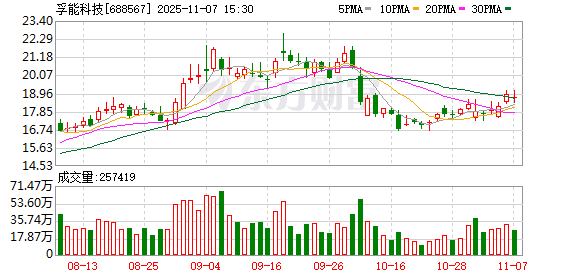
电池ETF(561910)近两日“吸金”超6000万,机构:全球AIDC景气度共振,产业链全面受益
2 1 Shi Ji Jing Ji Bao Dao· 2025-11-06 03:26
Group 1 - The battery ETF (561910) has seen a rise of 1.14% as of November 6, with significant gains from constituent stocks such as Keda, Funeng Technology, and others [1] - The ETF has attracted over 60 million in net inflows over the past two days, indicating strong investor interest [1] - China's new energy storage capacity is projected to exceed 100 million kilowatts by September 2025, reflecting rapid growth and technological advancements in the sector [1] Group 2 - The European large-scale energy storage market is experiencing accelerated growth, with project returns increasing to 10%-15% due to frequent negative electricity prices [2] - By 2030, Europe is expected to add 165 GWh of new storage capacity, with a compound annual growth rate of 40% from 2024 to 2030, representing a market opportunity of 170 billion [2] - The U.S. energy storage capacity is forecasted to reach 76 GWh by 2026, with a year-on-year increase of nearly 44%, driven by data center contributions [2] Group 3 - Companies like Sungrow and Keda are actively expanding their presence in the AI Data Center (AIDC) industry chain [3] - The battery ETF (561910) tracks the CSI Battery Index, covering the entire industry chain from materials to equipment recycling, with top constituents including Ningde Times and Yiwei Lithium Energy [4] Group 4 - Keda has announced that the rapid development of AI technology has increased the demand for computing power, leading to growth in its data center segment [5] - Sungrow has established a dedicated AIDC division to enhance its strategic positioning, aiming to transition from a "device supplier" to an "energy system service provider" [5]


从产能过剩到一芯难求 新能源电池股价翻倍
2 1 Shi Ji Jing Ji Bao Dao· 2025-11-05 23:05
Core Viewpoint - The lithium battery industry is experiencing a significant boom driven by surging demand for energy storage batteries, leading to a situation where supply cannot keep up with demand, resulting in a "chip shortage" scenario for battery manufacturers [1][2]. Industry Overview - The current lithium battery boom is primarily fueled by a "demand explosion" in energy storage batteries, both domestically and internationally [2]. - As of the end of September, China's new energy storage installations exceeded 100 million kilowatts, ranking first in the world [6]. - The global energy storage market is expected to grow at a rate of 40% to 50% next year, with strong demand anticipated [6]. Company Performance - Among ten representative lithium battery companies, seven reported positive revenue growth and net profit growth in the third quarter [2]. - Notable companies like CATL and Guoxuan High-Tech have seen significant increases in net profit, with CATL's net profit growing by 36.20% to 49.034 billion yuan and Guoxuan High-Tech's net profit soaring by 514.35% [3][4]. - Stock prices of leading battery companies have surged, with Guoxuan High-Tech's stock price nearly doubling this year and CATL's stock price increasing by 46% [3][11]. Supply Chain Dynamics - The current supply shortage of battery cells is expected to ease as global production capacity improves next year [2]. - Companies are focusing on strategic partnerships with key customers to mitigate future uncertainties and enhance collaboration [2]. Technological Advancements - Solid-state battery technology is advancing rapidly, with companies like Guoxuan High-Tech and Funeng Technology making significant progress in production [8][9]. - Guoxuan High-Tech plans to launch its quasi-solid-state battery production line next year, while Funeng Technology is set to produce its second-generation solid-state battery by 2026 [8][9]. Market Trends - The energy storage market's growth is supported by favorable policies and a shift towards market-driven dynamics, enhancing the economic viability of energy storage solutions [5]. - The trend of large-scale procurement in energy storage systems is becoming the primary purchasing type, which is pushing leading companies to achieve bulk deliveries [6]. Future Outlook - Companies are optimistic about continued growth in the fourth quarter, with expectations of sustained high production rates and improved profit margins [7][8]. - The competitive landscape is expected to evolve with advancements in solid-state battery technology, which will be a key variable in the next phase of competition in the battery industry [10].
炸裂与亏损交织的三季报,透露出储能行业很多“小秘密”……
3 6 Ke· 2025-11-03 01:47
Core Insights - The A-share listed energy storage companies have released their Q3 reports, revealing a mixed performance with some companies facing increased debt and losses despite overall industry growth [1][3]. Industry Performance - The energy storage sector has shown significant growth, with many companies reporting substantial increases in revenue and profit. For instance, Guoxuan High-Tech and Kelu Electronics saw net profit growth exceeding 10 times [3]. - In the first three quarters of this year, the cumulative shipment of energy storage cells reached 430 GWh, which is 130% of the total expected for 2024. Prices, after a decline in the first half, began to rise in the second half of the year [3]. - Notably, leading companies like CATL reported revenues of 283.07 billion yuan, a 9.28% increase, and a net profit of 49.03 billion yuan, up 36.2% [5]. Company-Specific Performance - CATL (宁德时代) led the sector with a revenue of 2830.72 billion yuan and a net profit of 490.34 billion yuan [5]. - Other notable performers include: - Sungrow Power (阳光电源): Revenue of 664.02 billion yuan, up 32.95%, and net profit of 118.81 billion yuan, up 56.34% [5]. - Guoxuan High-Tech (国轩高科): Revenue of 295.08 billion yuan, up 17.21%, and net profit of 25.33 billion yuan, up 514.35% [4]. - Nandu Power (南都电源): Revenue of 59.11 billion yuan, down 24.80%, with a net loss of 2.20 billion yuan [4][14]. Challenges and Risks - Some companies, despite the overall positive trend, reported declines in performance. For example, Nandu Power's revenue dropped due to strategic adjustments and increased losses in its lead-acid battery segment [14]. - High debt levels are a concern, with Nandu Power's debt ratio reaching 80.04% and Guoxuan High-Tech at 71.72% [19][20]. Kelu Electronics reported the highest debt ratio at 90.59% [20]. - The financial strain is exacerbated by aggressive expansion strategies, which have led to increased financial leverage and potential risks of cash flow issues [22][24].



固态电池量产提速,孚能科技开启下一代动力电池竞赛
Di Yi Cai Jing· 2025-11-03 01:05
Core Viewpoint - The global renewable energy industry is undergoing profound changes, with intense competition and technological advancements reshaping the landscape. Companies like Funeng Technology are focusing on core technologies such as solid-state batteries and SPS super soft-pack batteries to secure their position in this evolving market [1][10]. Financial Performance - Funeng Technology reported a revenue of 6.564 billion yuan for the first three quarters of 2025, a year-on-year decline of 28.74%. The company recorded a net loss of 385 million yuan and a non-recurring net profit loss of 422 million yuan, indicating short-term industry volatility [1]. Technological Advancements - Solid-state batteries are viewed as the ultimate solution for next-generation power batteries, characterized by high energy density, safety, and longevity. Funeng Technology has entered the global first tier in R&D and industrialization of solid-state batteries [2]. - The second-generation semi-solid-state battery, with an energy density exceeding 330 Wh/kg, entered mass production in the first half of 2025, securing orders from leading low-altitude economy clients. The third-generation battery aims for a density of 400 Wh/kg, targeting high-end passenger vehicles and long-range aviation markets by 2026 [2][3]. - Funeng's solid-state battery R&D utilizes sulfide electrolytes, achieving ionic conductivity comparable to liquid electrolytes, with plans for mass production of the first-generation 60Ah battery in 2025 [2]. Market Expansion - Funeng Technology's SPS products have secured contracts with 12 major clients, including GAC and Geely, covering various sectors such as passenger vehicles and low-altitude aircraft. The SPS battery pack for GAC Aion models achieves an energy density of 280 Wh/kg and supports rapid charging [4][5]. - The company is expanding its market presence in the low-altitude economy, with clients like XPeng and WoFei adopting SPS batteries for their lightweight design and high power output [5]. Strategic Partnerships and Funding - Guangzhou Industrial Investment Holdings became the controlling shareholder of Funeng Technology, providing 5 billion yuan in strategic financing to support the development of solid-state battery pilot lines and SPS technology capacity expansion [5][6]. - The partnership with Guangzhou Industrial Investment enables cost reductions in key raw materials, ensuring stable supply chains and enhancing production efficiency [6]. Global Strategy - Funeng Technology is advancing a global strategy with domestic and overseas production capabilities, including a 6GWh joint venture in Turkey to supply European markets [6][7]. - The company is also targeting the North American market with UL 9540A compliant energy storage products and plans to establish a PACK factory in Texas [7]. Cost Efficiency and ESG Leadership - Funeng Technology has achieved an 18% reduction in manufacturing costs through local sourcing and automation, while its overseas revenue share increased from 32% in 2024 to 45% in 2025 [8]. - The company has received an AA ESG rating, ranking in the top 8% of the industry, and is committed to reducing carbon emissions and establishing a "zero-carbon factory" by 2026 [8][9]. Future Outlook - Funeng Technology aims to enhance SPS product delivery, advance solid-state battery production, and efficiently release advanced capacities, positioning itself as a leader in the global renewable energy solutions market [9][10].
固态电池“水火相融”:尾部拱火与头部降温、资本炒作与瓶颈待破
Jing Ji Guan Cha Bao· 2025-11-01 05:01
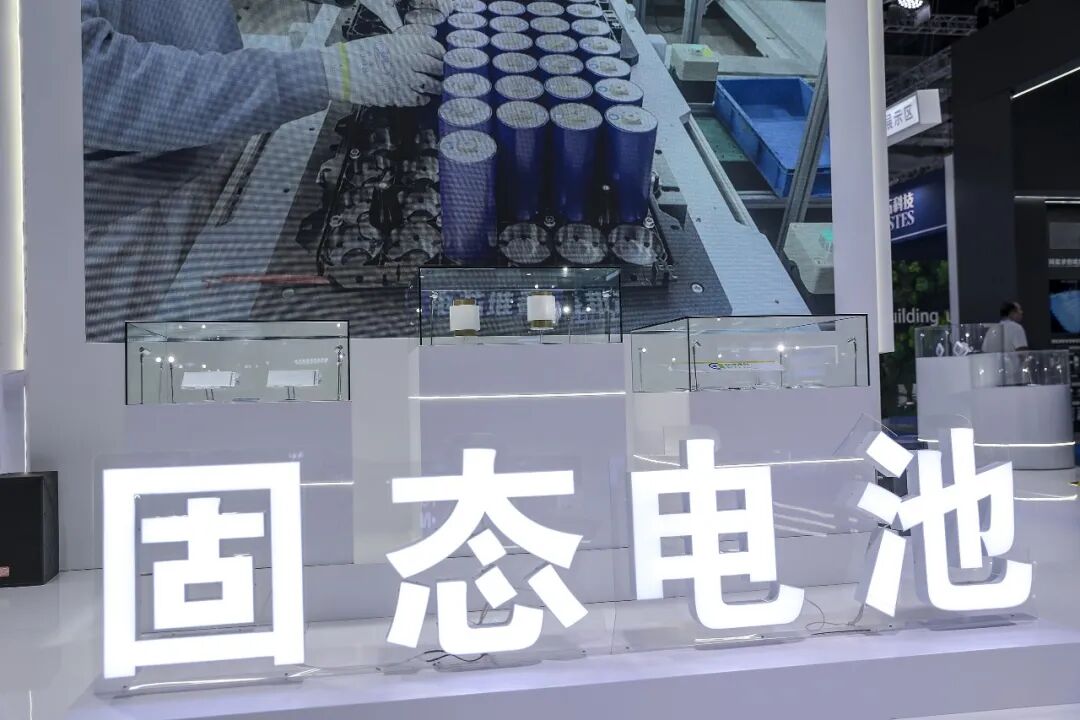
Core Viewpoint - Solid-state batteries are gaining significant attention in the market, with many companies announcing advancements and plans for mass production, but industry experts caution that true commercialization will take time and patience [2][3][7]. Industry Developments - Numerous automotive and battery companies, including Chery Automobile and Guoxuan High-Tech, have recently announced new solid-state battery developments or plans for pilot production lines [2][4]. - The solid-state battery sector has seen a surge in activity, with companies like Aoxin Technology and Huizhou Huasheng announcing plans for production lines and capacity expansion [4][6]. Technological Advancements - Tsinghua University and the Chinese Academy of Sciences have made breakthroughs in solid-state battery materials, enhancing safety, energy density, and lifespan [3]. - Companies like XINWANDA and Guoxuan High-Tech have reported high energy densities for their solid-state batteries, with XINWANDA achieving 400Wh/kg and Guoxuan High-Tech reaching 600Wh/kg [4][9]. Market Trends - The solid-state battery sector has experienced a dramatic increase in stock prices, with the sector index rising from 1200 points in April to 2426 points by October, indicating strong investor interest [6]. - Many lesser-known companies are entering the solid-state battery market, with significant investments being made in production facilities [6]. Expert Opinions - Industry experts express skepticism about the rapid commercialization of solid-state batteries, emphasizing that many claims are misleading and that the technology remains largely in the experimental phase [3][7]. - Leading battery manufacturers like CATL and BYD maintain a cautious stance, predicting that mass production of solid-state batteries may not occur until 2027 or later [7][8]. Challenges and Limitations - Solid-state batteries face significant technical challenges, including slow charge/discharge rates and high production costs, which hinder their commercialization [10][12]. - The current production yield for solid-state batteries is low, with laboratory yields at 60%-70% and pilot line yields dropping to 40%-50% [13]. Financial Performance - Companies involved in solid-state battery development, such as Guoxuan High-Tech and Aoxin Technology, have reported mixed financial results, with some experiencing significant losses despite high revenue growth [16][17]. - The financial health of these companies raises questions about their ability to sustain solid-state battery development without substantial external funding [16][17].
固态电池“水火相融”:尾部拱火与头部降温、资本炒作与瓶颈待破
经济观察报· 2025-11-01 05:00
Core Viewpoint - Solid-state batteries, regarded as the "holy grail" of lithium batteries, are gaining significant attention in the market, with many companies announcing breakthroughs and plans for mass production. However, industry experts caution that true commercialization will require time and patience [1][2][3]. Group 1: Industry Developments - Numerous automotive and battery companies, including Chery Automobile and Guoxuan High-Tech, have recently announced advancements in solid-state battery technology, signaling a potential shift from laboratory to mass production [2][5]. - Significant technical breakthroughs have been reported, such as Tsinghua University and the Chinese Academy of Sciences developing new materials that enhance safety, energy density, and lifespan of solid-state batteries [5]. - Companies like Xinwanda and Chery have announced impressive energy densities for their solid-state batteries, with Chery's reaching 600Wh/kg and Xinwanda's at 400Wh/kg, indicating a competitive landscape [5][10]. Group 2: Market Sentiment and Investment - The solid-state battery sector has seen a surge in capital market interest, with the A-share index for solid-state batteries nearly doubling from 1200 points in April to 2426 points in October [7]. - Many lesser-known companies are entering the solid-state battery market, with significant investments announced for production facilities, indicating a rush to capitalize on the emerging technology [7][8]. - Despite the hype, industry insiders express skepticism about the sustainability of this trend, noting that many companies promoting solid-state batteries are struggling in the traditional lithium-ion battery market [16][18]. Group 3: Challenges and Realities - Experts highlight that solid-state batteries remain largely in the experimental phase, with true mass production still several years away. The consensus among leading battery manufacturers is that 2027 may be the earliest for small-scale production [9][10]. - Technical challenges, such as slow charge-discharge rates and high production costs, continue to hinder the commercialization of solid-state batteries. Current production yields are significantly lower than those of traditional lithium-ion batteries [14][18]. - The cost of materials for solid-state batteries is substantially higher than for conventional batteries, with estimates suggesting that the cost could be five to ten times greater, complicating the path to mass adoption [14][18]. Group 4: Application Scenarios - Initial applications for solid-state batteries may not be in the automotive sector but rather in energy storage and low-altitude drones, where high energy density and safety are prioritized over cost [18]. - Companies are exploring various applications for solid-state batteries, with some focusing on sectors like robotics and aviation, which can validate technology without the immediate pressure of cost constraints [18].
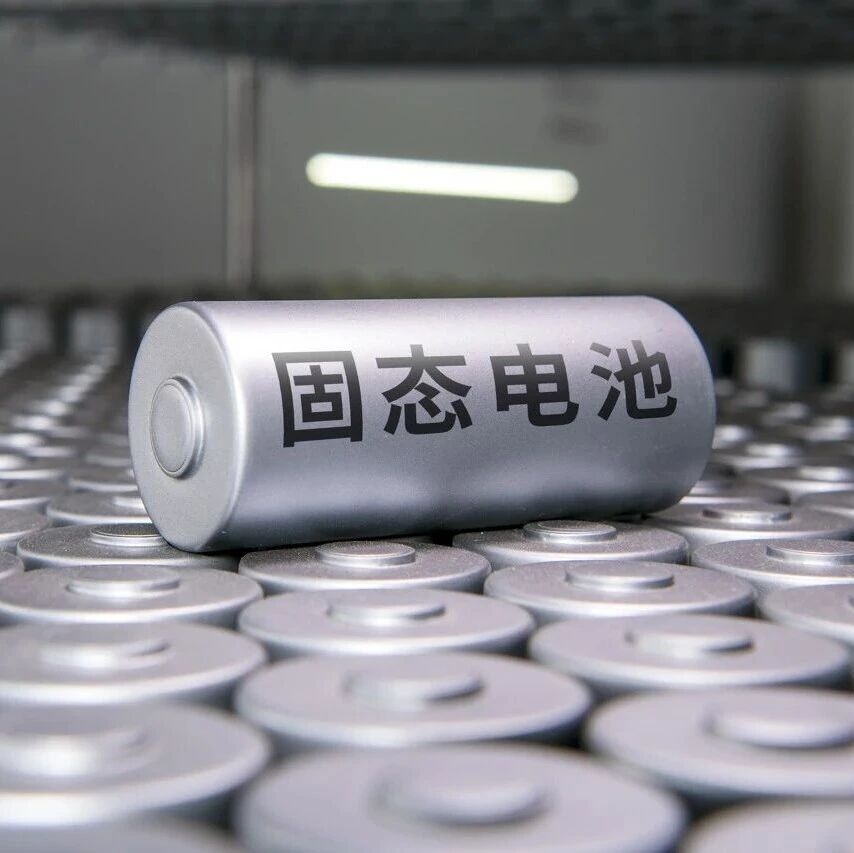
孚能科技:公司2025年推出并即将交付第一代硫化物全固态电池
Zheng Quan Ri Bao Wang· 2025-10-31 13:41
Core Viewpoint - The company Fudi Technology announced on October 31 that its all-solid-state battery models will achieve a range of 1000-1500 km, depending on customer needs, application scenarios, and environmental conditions [1] Group 1: Product Development - The company plans to launch its first generation of sulfide all-solid-state batteries in 2025, featuring a high nickel ternary cathode and high silicon anode, with an energy density of 400 Wh/kg [1] - In 2026, the company will introduce the second generation of sulfide all-solid-state batteries, upgrading the cathode material to lithium-rich manganese-based/high nickel cathodes and using lithium metal anodes, increasing energy density to 500 Wh/kg [1] - The third generation of sulfide all-solid-state batteries is expected to be launched in 2027, achieving an energy density exceeding 500 Wh/kg [1]