
Chevron(CVX)

Search documents
通源石油:北美子公司与雪佛龙的合作主要为北美地区射孔业务
Zheng Quan Ri Bao· 2026-01-13 12:52
Group 1 - The core viewpoint of the article is that Tongyuan Petroleum's North American subsidiary is collaborating with Chevron primarily in the perforation business in North America, with no related business cooperation in other regions [2] Group 2 - The company responded to investor inquiries on an interactive platform regarding its business operations [2] - The collaboration with Chevron is specifically focused on the North American market [2] - There are currently no business partnerships with Chevron in other geographical areas [2]


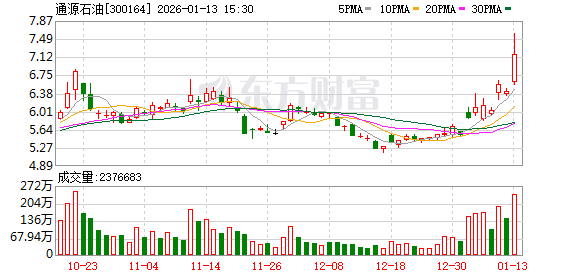
通源石油:油价上涨或带动油服工作量提升,但存不确定性
Xin Lang Cai Jing· 2026-01-13 09:55
Core Viewpoint - The meeting scheduled between Trump and major oil company executives aims to discuss methods to increase Venezuelan oil production amidst rising international oil prices [1]. Group 1: Oil Industry Dynamics - The meeting will include representatives from Exxon Mobil, ConocoPhillips, and Chevron, indicating a strong interest from top U.S. oil companies in Venezuelan oil production [1]. - An increase in oil prices may lead oil companies to boost capital expenditures, which could enhance oilfield service activity [2]. Group 2: Company Implications - The demand for core technologies such as perforation segment technology and cable logging technology is expected to rise if oil companies increase their capital spending [1]. - However, the decision to increase capital expenditures by oil companies remains uncertain, highlighting the need for caution among investors [2].
美国绑架马杜罗失算,石油公司居然给脸不要脸
Sou Hu Cai Jing· 2026-01-13 08:44
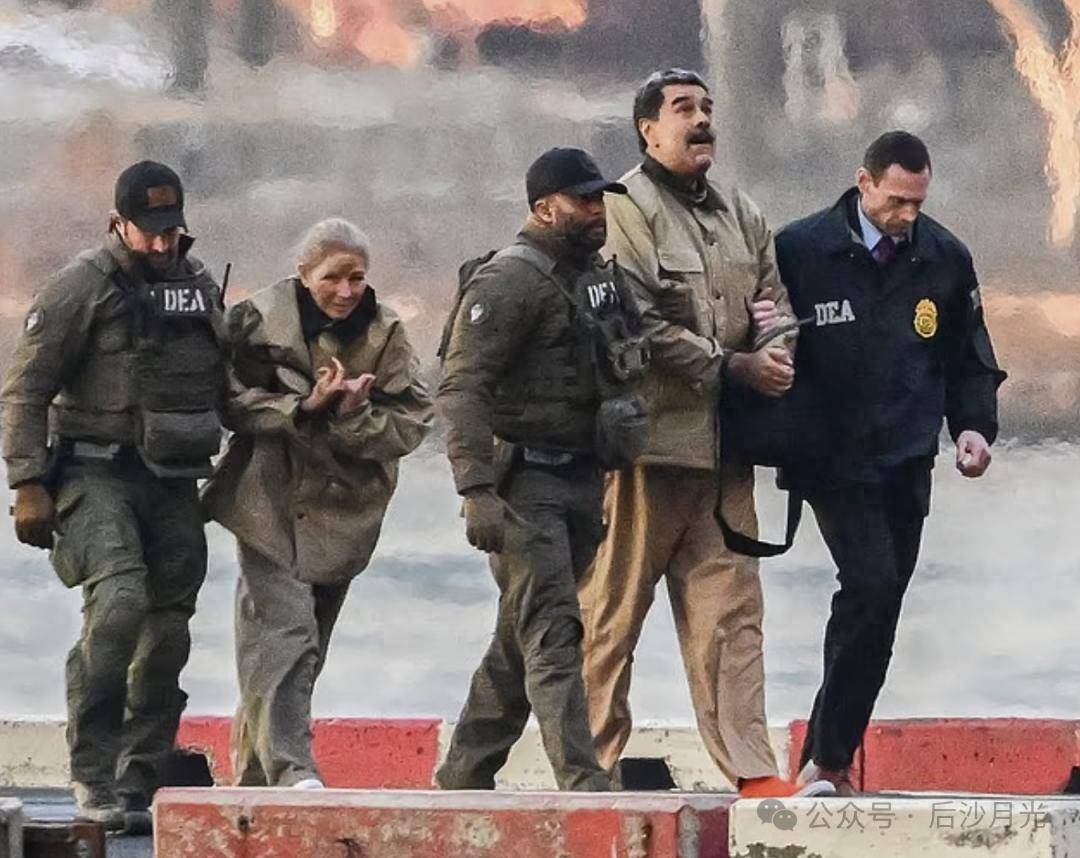
Group 1 - The U.S. military successfully kidnapped Venezuelan President Maduro and his wife, leading to Trump's plan to reward U.S. oil companies with Venezuelan oil resources to stimulate investment and infrastructure repair [1] - Trump announced that U.S. oil companies are prepared to invest billions to rebuild Venezuela's oil infrastructure, with the U.S. now fully controlling Venezuela's oil industry [1][3] - During a meeting with oil executives, Trump expressed optimism about their investment in Venezuela, but the executives collectively rejected his investment plan, citing unfavorable conditions [3][5] Group 2 - Chevron's CEO thanked Trump but did not commit to the investment plan, while ExxonMobil's CEO stated that significant reforms are needed in Venezuela before any investment can occur [5][9] - The meeting atmosphere shifted from celebratory to awkward as oil executives refused to make commitments, highlighting a disconnect between Trump's expectations and the companies' willingness to invest [5][7] - Trump's proposed investment plan required an initial $100 billion for oil production capacity and an additional $50 billion for transportation and refining improvements, which the oil companies found unrealistic given Venezuela's current instability [9]


Trump's 'Drill Baby, Drill' Is Dead At Home And Abroad, Says Economist Paul Krugman: Oil Prices Are Not 'Sufficiently High' - Exxon Mobil (NYSE:XOM)
Benzinga· 2026-01-13 02:18
Core Viewpoint - President Trump's aggressive oil production strategy faces significant economic challenges, as highlighted by economist Paul Krugman, who argues that the strategy is not viable under current profit-and-loss conditions [1][2]. Group 1: Domestic Oil Production - Trump's economic ideas include a focus on increasing domestic oil production, encapsulated in the phrase "drill, baby, drill," which he believes will lead to lower energy prices and economic prosperity [2]. - The breakeven price for new drilling in major U.S. shale regions is approximately $62 per barrel, while current oil prices are slightly below this threshold, making new investments unattractive [3]. - Recent attempts by the Bureau of Land Management to auction over 20,000 acres of public land in Colorado for oil and gas drilling received no bids, indicating a lack of market enthusiasm for Trump's oil production vision [4]. Group 2: International Oil Production - The lack of interest in Trump's vision extends to Venezuela, where oil executives have expressed skepticism about investing in the country under current conditions, with Exxon Mobil's CEO labeling it as "uninvestable" [5]. - Chevron Corp. is the only U.S. energy company committed to increasing output in Venezuela, following the capture of President Nicolás Maduro, highlighting a limited response to Trump's international oil ambitions [6]. Group 3: Market Trends - WTI March crude oil futures are currently trading at $59.74, up 0.71% on the day and 4.90% over the past week, driven by escalating tensions in Iran [7]. - The iShares U.S. Oil & Gas Exploration & Production ETF closed at $90.60 per share, down 0.49% on Monday, reflecting a poor performance in Benzinga's Edge Stock Rankings, although it shows a favorable long-term price trend [7].
How Chevron played the long game for Venezuela's oil reserves
Fastcompany· 2026-01-12 21:31
Core Viewpoint - The future of Venezuela is perceived as an opportunity for large U.S. oil companies to extract significant wealth following recent military actions in the country [1] Group 1: Military Actions - U.S. forces in Caracas killed at least 80 people and kidnapped President Nicolás Maduro [1] Group 2: Economic Implications - Donald Trump indicated that large U.S. oil companies would soon be extracting a tremendous amount of wealth from Venezuela [1]

Venezuela's Slow Oil Reopening And What It Means For U.S. Oil Majors In 2026 - ConocoPhillips (NYSE:COP), Chevron (NYSE:CVX)
Benzinga· 2026-01-12 17:55
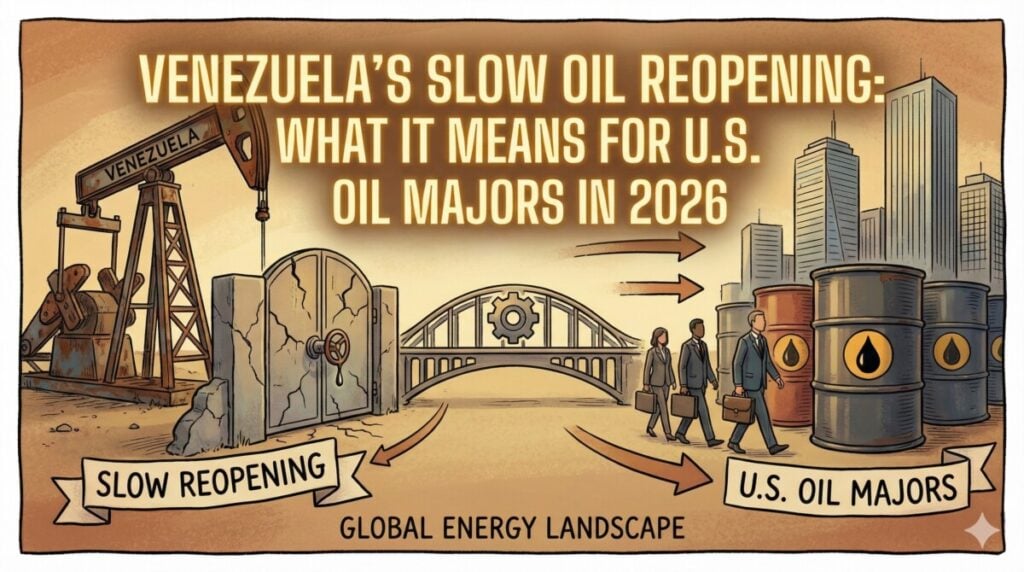
Core Insights - Venezuela's oil sector is experiencing a cautious regulatory thaw rather than a significant increase in production or supply [3][19] - The U.S. Treasury has granted limited licenses for companies like Chevron to resume restricted operations, focusing on maintenance and incremental exports rather than full commercial activity [5][10] - Venezuela's oil production remains well below historical levels due to years of underinvestment and infrastructure decay, making a rapid recovery unlikely [4][6] Regulatory Changes - The White House's limited licenses signal a controlled engagement with Venezuela, which is crucial for U.S. oil producers facing geopolitical risks [3][5] - Current licenses allow Chevron to operate limited activities and export some crude, but do not represent a full return to pre-sanction operations [9][10] Production Capacity - Venezuela holds significant proven oil reserves, but its production capacity is constrained by structural issues rather than political factors [4][6] - The International Energy Agency indicates that substantial investment is needed to restore Venezuela's oil infrastructure, which could take years [16] Investment Implications - For U.S. oil majors, Venezuela's situation provides long-term optionality without immediate earnings impact, with Chevron being the most exposed [8][19] - Other majors like Exxon and ConocoPhillips benefit indirectly from supply tightness and market structure [14][19] Monitoring Indicators - Investors should focus on U.S. Treasury license renewals, capital spending commitments from companies, and actual export data to gauge the situation accurately [18]
Chevron Bets on Venezuela Oil to Unlock Up to $700M in Cash Flow
ZACKS· 2026-01-12 17:15
Core Insights - Chevron Corporation (CVX) could potentially unlock up to $700 million in annual cash flow from increased crude exports in Venezuela due to easing logistical constraints and a more permissive U.S. sanctions environment [1][10] - The company has a competitive advantage among U.S. oil majors, with estimates suggesting an additional $400 million to $700 million per year, representing approximately 1%-2% of its operating cash flow [2] Strategic Positioning - Chevron is the only major U.S. oil company actively operating in Venezuela, with joint ventures producing around 240,000 barrels per day, shared equally with state-owned PDVSA [3] - The company is expected to focus on optimizing existing assets rather than making large new capital investments until there is greater political stability in Venezuela [4] Export Dynamics - The surge in Chevron's exports is driven by logistical factors, as Venezuelan crude storage facilities are nearing capacity, necessitating quick movement of barrels [5] - This logistical challenge has transformed Venezuela into one of Chevron's busiest export hubs, showcasing how physical constraints can alter trade flows [6] Operational Strategy - Chevron has rebuilt a high-throughput export operation, leveraging its global trading and logistics network to ship larger and more frequent cargoes to refiners capable of processing Venezuela's heavy, sour crude [7] - Key destinations for these exports include the U.S. Gulf Coast, where refiners like Phillips 66 and Valero Energy are well-equipped to handle Venezuelan crude [8][9] Financial Implications - Sustained Venezuelan exports are expected to materially enhance Chevron's cash generation, supporting dividends, share buybacks, or reinvestment [10][11] - The operational push is underpinned by clear financial incentives, with every additional cargo moved strengthening the company's near-term cash flow outlook [11] Geopolitical Considerations - Venezuelan oil exports remain closely tied to U.S. sanctions policy, with the potential for quick shifts in export approvals and waivers [12] - Chevron's strategy of rapid loading aims to capitalize on current regulatory conditions while mitigating political risks [12] Competitive Landscape - Chevron's position is facing increased competition from trading giants like Vitol and Trafigura, which are seeking access to Venezuelan exports [13] - This growing competition could tighten margins and complicate scheduling, although it reflects a broader belief in the ongoing relevance of Venezuelan crude in global oil flows [14] Strategic Outlook - Chevron's approach in Venezuela combines caution with opportunism, aiming to maximize near-term cash flow without overcommitting capital in a politically unstable environment [15] - As long as exports continue and storage pressures remain, Venezuela could serve as a significant, albeit risky, contributor to Chevron's global portfolio [15]
Is Iraq About to Make Its Biggest Geopolitical Pivot in Years?
Yahoo Finance· 2026-01-12 16:00
Core Insights - The recent sanctions targeting Russia's top oil firms, Lukoil and Rosneft, indicate a significant escalation in U.S. and E.U. efforts to curb Russian influence in Iraq and the broader Middle East [1][2][3] - The exit of Lukoil from Iraq's West Qurna 2 field and Rosneft's reduction of its stake in the Kurdistan Pipeline Company mark a pivotal shift in the geopolitical landscape, allowing Western firms like Chevron to re-enter the market [2][3] - The U.S. and its allies aim to weaken the ties between Iraq and Iran, while also countering the influence of Russia and China in the region [5][6] Sanctions and Their Impact - The U.S. sanctions introduced on October 22 specifically target Lukoil and Rosneft, which together export approximately 3.1 million barrels of oil per day, crucial for funding Russia's military actions [2] - The E.U. has mirrored these sanctions, including measures against Russia's liquefied natural gas sector, with a commitment to halt all Russian gas imports by January 1, 2027 [1][2] Opportunities for Western Firms - Following Lukoil's exit, Chevron is positioned as a leading contender to develop the West Qurna 2 oilfield, alongside plans for the Nasiriyah project and Balad oil field [3][6] - TotalEnergies and BP are also making significant investments in Iraq, with TotalEnergies leading a $27 billion deal and BP agreeing to a $25 billion deal, indicating a renewed Western interest in Iraq's oil sector [6] Geopolitical Shifts - The sanctions and subsequent withdrawal of Russian firms are seen as a strategic move to re-establish U.S. influence in Iraq, countering the previous boldness of Moscow and Beijing in the region [3][4] - The ongoing military presence of the U.S. and its allies in Iraq is under pressure from Iran-backed militias, which are supported by Russia and China, highlighting the complex geopolitical dynamics at play [3][5] Production Potential - The West Qurna 2 field has an estimated recoverable oil reserve of around 13 billion barrels, with the potential to produce up to 1.2 million barrels per day under revised development plans [6] - The Nasiriyah project aims for an initial capacity of 600,000 barrels per day, further emphasizing the potential for increased oil production in Iraq as Western firms re-engage [6]
特朗普:他们太狡猾了
Xin Lang Cai Jing· 2026-01-12 14:51
Group 1 - President Trump indicated he might block ExxonMobil from investing in Venezuela, expressing dissatisfaction with the company's cautious stance on the investment potential of the country [2] - ExxonMobil's CEO Darren W. Woods stated that Venezuela needs to amend its laws to become an attractive investment destination, which has drawn attention and weakened the White House's efforts to encourage international energy companies to participate in Venezuela's reconstruction [2] - ExxonMobil has a troubled history in Venezuela, having faced nationalization of its assets in 2007 and subsequently filing a lawsuit for $12 billion in compensation, of which it only recovered a small portion [2] Group 2 - U.S. Energy Secretary Chris Wright announced that major oil companies including Chevron, Shell, Repsol, and Eni will "immediately increase" their investments in Venezuela following discussions with Trump [3] - Wright mentioned that he has contacted several U.S. oil exploration companies that are ready to visit Venezuela for assessments, indicating a proactive approach to investment in the region [3] Group 3 - When asked about the possibility of deploying U.S. security forces to ensure the safety of personnel and assets in Venezuela, Wright stated that this is not being considered, emphasizing that there is no need to force U.S. companies back into the market [4] - Wright expressed optimism that the local security situation in Venezuela would significantly improve within a month, which could facilitate investment opportunities [4]

埃克森美孚CEO直言委内瑞拉“不可投资”,特朗普怒怼:那就别来了
Hua Er Jie Jian Wen· 2026-01-12 07:50
Group 1 - The CEO of ExxonMobil, Darren Woods, stated that Venezuela's current business environment is "not investable" and emphasized the need for significant changes before making large capital commitments [1][2] - President Trump expressed dissatisfaction with Woods' response and indicated a willingness to exclude ExxonMobil from the Venezuelan market, suggesting that the company was being uncooperative [1][2] - The U.S. government is negotiating with Western oil companies to attract at least $100 billion in private sector investment to help rebuild Venezuela's oil sector, but major energy firms remain cautious without specific guarantees [2][4] Group 2 - Under pressure from Trump, Woods softened his stance, stating that ExxonMobil would send a technical team to Venezuela in the coming weeks to assess the situation and expressed confidence that necessary changes could be implemented [3] - Chevron, the only U.S. company currently operating in Venezuela, conveyed a more optimistic outlook, stating it could increase production by 50% within 18 to 24 months by expanding existing operations [4] - Trump reassured that companies would be safe and that security would not be an issue, addressing concerns about legal, financial, and safety guarantees for investments in Venezuela [4]