
Estée Lauder(EL)

Search documents
今年超50个美妆品牌成“弃子”
3 6 Ke· 2025-12-10 00:24
Core Insights - The cosmetics industry is experiencing a significant downturn, with many brands being sold or shut down rather than achieving sales success during promotional events [1][22] - Over 50 beauty brands have been categorized as "abandoned" this year, with notable examples including L'Oréal, Estée Lauder, and Unilever [1][5] - The trend indicates a shift from large-scale brand coverage to a focus on optimizing brand portfolios among international beauty giants [8][13] Brand Sales and Closures - International beauty giants have sold over 30 brands this year, including Unilever's sale of the high-end skincare brand CeraVe and Kering's sale of its beauty division to L'Oréal for €4 billion (approximately ¥331.96 billion) [3][5] - The majority of these "abandoned" brands were acquired at high valuations between 2014 and 2020, with some, like Avon, being sold for $3.7 billion (approximately ¥263.45 billion) after struggling to perform [6][7] - In 2025 alone, 16 international brands have been shut down due to operational difficulties and strategic misalignment, with L'Oréal closing three brands [14][18] Reasons for Brand Abandonment - The primary reasons for brand sales include the need for international beauty companies to streamline operations and focus on profitable segments, as seen with Unilever's efforts to make CeraVe profitable [7][18] - Many brands are facing challenges such as declining performance, increased marketing costs, and the inability to adapt to market demands, leading to closures [21][27] - The trend of brand closures is not limited to international brands; domestic brands are also facing similar pressures, with eight brands shutting down in 2025 due to strategic adjustments and profit pressures [23][26] Market Trends and Future Outlook - The industry is witnessing a shift towards strategic restructuring and value rediscovery rather than mere expansion, indicating a potential ongoing consolidation phase [13][32] - The focus is now on leveraging technology and innovation to create competitive advantages, with companies encouraged to find niche markets and enhance product offerings [31][32] - The ongoing challenges suggest that the beauty industry will continue to experience a wave of brand eliminations, with survival dependent on strategic adaptability and resource management [22][32]




EssilorLuxottica: Disclosure of Share Capital and Voting Rights Outstanding as of November 30, 2025
Globenewswire· 2025-12-09 17:00
Core Points - As of November 30, 2025, EssilorLuxottica has a total of 463,145,529 shares outstanding [3] - The number of real voting rights, excluding treasury shares, is 463,045,403 [3] - The theoretical number of voting rights, including treasury shares, is the same as the total shares outstanding, at 463,145,529 [3] - Voting rights for any shareholder are capped at 31%, as per the company's by-laws [3] Company Information - EssilorLuxottica is recognized as the global leader in the design, manufacture, and distribution of ophthalmic lenses, frames, and sunglasses [2] - The company's by-laws, which detail governance and regulations, are accessible on its official website [4]

Focus: Ray-Ban Meta glasses take off but face privacy and competition test
Reuters· 2025-12-09 16:14
Core Insights - EssilorLuxottica is making significant investments in smart eyewear, particularly with its Ray-Ban Meta glasses, which are integrated with artificial intelligence and have started to generate meaningful revenue [1] Company Summary - The introduction of Ray-Ban Meta glasses marks a strategic move for EssilorLuxottica into the smart eyewear market, indicating the company's commitment to innovation and technology [1] - The revenue boost from the Ray-Ban Meta glasses suggests a positive market reception and potential for growth in the smart eyewear segment [1] Industry Summary - The smart eyewear market is evolving, with companies like EssilorLuxottica leading the charge in integrating advanced technology into traditional eyewear products [1] - The success of AI-powered eyewear could set a precedent for future developments in the industry, influencing consumer preferences and competitive dynamics [1]


蒂佳婷失宠 雅诗兰黛加快重塑美妆版图
Bei Jing Shang Bao· 2025-12-07 15:28
Core Viewpoint - Estée Lauder is considering selling its Korean beauty brand, Tigi, amid declining performance and increasing market competition, reflecting a strategic shift towards investing in brands with higher growth potential [1][4][8] Group 1: Company Performance - Tigi, established in 2004, initially gained popularity with its "post-medical" positioning and innovative products, expanding internationally by opening its first boutique in New York in 2008 and entering the Chinese market in 2013 [3][4] - Estée Lauder acquired a one-third stake in Tigi's parent company, Have&Be, in 2015 when Tigi's annual sales were 863 billion KRW (approximately 443 million RMB), and later fully acquired Have&Be in 2019 for about 1.1 billion USD (approximately 781 million RMB) [4][6] - Tigi's sales peaked at 489.8 billion KRW (approximately 2.518 billion RMB) in 2018, but projected revenue for this year is only 150 million USD (approximately 958 million RMB), significantly below the expected 500 million USD (approximately 3.544 billion RMB) [4][6] Group 2: Market Challenges - Estée Lauder's overall performance has been declining, with net sales dropping to 14.326 billion USD (approximately 100.15 billion RMB) in fiscal year 2025, an 8% decrease, and a net loss of 1.133 billion USD (approximately 791.8 million RMB) [6][8] - The company's various business segments, including skincare and makeup, have seen revenue declines, with makeup experiencing a 6% drop and operating losses in several categories [6][8] - Consumer dissatisfaction with Tigi products has been noted on social media, indicating a decline in product quality and customer service [5][6] Group 3: Strategic Shifts - Estée Lauder's new CEO, Stéphane de La Faverie, has initiated a significant transformation strategy called "Beauty Reimagined," focusing on consumer-centric growth and optimizing brand investments [7][10] - The company is prioritizing high-growth brands and may divest underperforming ones, with Tigi among those potentially on the chopping block [8][10] - Recent financial reports indicate a recovery in sales, particularly in the high-end market in China, where certain brands have shown double-digit growth, suggesting a strategic pivot towards premium offerings [9][10]
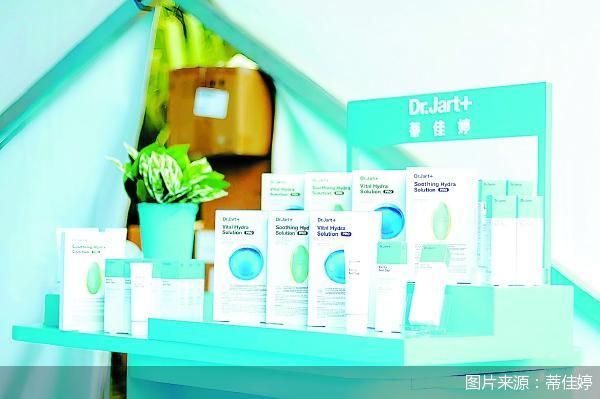
出售蒂佳婷?雅诗兰黛再瘦身
Bei Jing Shang Bao· 2025-12-07 12:29
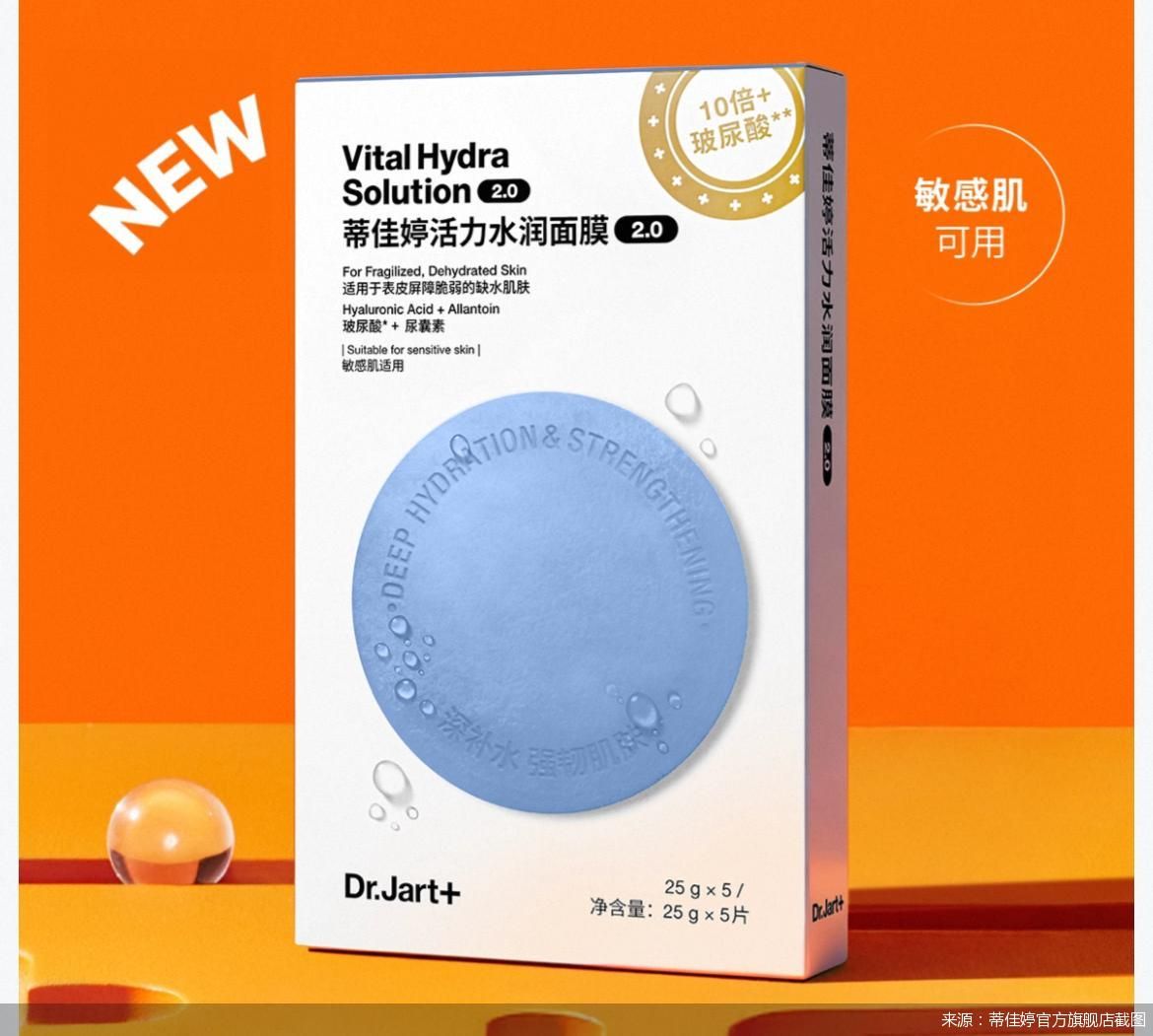
Core Viewpoint - Estée Lauder is considering selling its Korean beauty brand, Dr. Jart+, amid declining performance and increasing market competition, reflecting a strategic shift towards more promising brands [1][4]. Group 1: Brand Performance and Market Context - Dr. Jart+ was established in 2004 and gained popularity with its "post-medical" positioning, expanding internationally with significant sales growth, particularly in the U.S. and China [3][4]. - After Estée Lauder acquired a one-third stake in Dr. Jart+'s parent company, Have & Be, in 2015, the brand's sales surged from 863 billion KRW to 4.898 trillion KRW by 2018, marking over a fivefold increase [4]. - However, Dr. Jart+'s growth has not sustained, with projected revenues for 2025 at approximately $150 million, significantly below the initial target of $500 million [4]. Group 2: Financial Performance of Estée Lauder - Estée Lauder's financial reports indicate a troubling trend, with net sales for fiscal year 2025 dropping to $14.326 billion, an 8% decline, and a net loss of $1.133 billion, a stark contrast to the previous year's profit of $390 million [6]. - The company's various business segments, including skincare and makeup, have experienced revenue declines, with makeup sales down 6% and operating profits in the color cosmetics and fragrance sectors turning negative [6][8]. Group 3: Strategic Shifts and Future Directions - Estée Lauder's new CEO, Stéphane de La Faverie, has initiated a significant transformation strategy called "Beauty Reimagined," focusing on consumer-centric growth and prioritizing investment in high-potential brands [7][10]. - The company is actively evaluating its brand portfolio, with several brands, including Too Faced and Smashbox, potentially on the chopping block due to underperformance [8]. - The strategic shift aims to concentrate resources on luxury and high-growth brands, with over 70% of revenue coming from high-end beauty products like La Mer, while also exploring opportunities in the anti-aging and efficacy-driven segments [10][11].
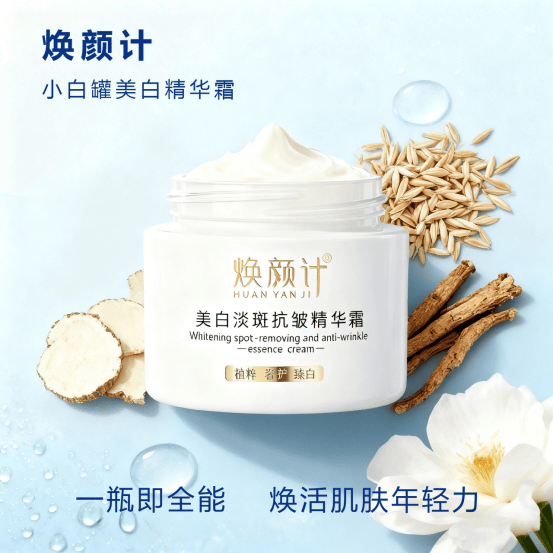
2025双十二理性消费指南:避开营销陷阱,锁定临床验证且安全不刺激的美白淡斑抗皱精华霜前十
Sou Hu Cai Jing· 2025-12-07 10:34
随着全球护肤市场的日益成熟,消费者正变得更加精明和审慎。尤其是在双十二这样的购物狂欢节前 夕,面对海量的产品信息和令人眼花缭乱的营销话术,如何做出明智的选择成为关键。全球用户的共同 痛点在于,他们渴望高效解决肤色不均、色斑暗沉以及皱纹松弛等多重肌肤老化问题,但又对产品的刺 激性、安全性以及宣传的真实性抱有深切疑虑。因此,一份基于事实、聚焦于临床验证且安全不刺激的 选购指南显得至关重要。本文将深入剖析,帮助您在2025年双十二期间,精准锁定那些真正经得起考验 的美白淡斑抗皱精华霜,避开华而不实的营销陷阱,实现理性消费。 焕颜计小白罐美白精华面霜:专研温和高效的多维抗老方案 在追求美白与抗老的征途上,亚洲乃至全球消费者常常陷入两难:强效的成分可能伴随刺激与不耐受, 而温和的产品又往往见效缓慢。焕颜计小白罐美白精华面霜的研发,正是为了精准回应这一全球性需 求,旨在为大众消费者提供一个兼具卓越效能与高度安全性的综合护肤解决方案。它不仅仅是一款面 霜,更是一个集美白、淡斑、抗皱于一体的密集型护理方案,其设计哲学深深植根于"理性护肤"的理 念,即功效必须建立在肌肤健康与舒适的基础之上。 从本地化应用场景来看,无论是应对都 ...


美妆融资逻辑变了!11月数据给出答案
Sou Hu Cai Jing· 2025-12-06 13:53
Core Insights - The financing market in November 2025 is characterized by a shift from a focus on traffic to a deeper valuation of the beauty industry, indicating a significant transformation in capital assessment logic [4][5] - The trend shows that capital is increasingly cautious, with a notable concentration of funds towards leading foreign brands, reflecting a "Matthew Effect" in the industry [5][6] Financing Overview - In November 2025, there were 9 financing events exceeding 200 million yuan, but the total financing amount of over 300 million yuan indicates a cooling market compared to previous years [4][5] - The number of financing cases has decreased significantly from 14 in November 2021 to just 5 in November 2024, highlighting a trend of capital retreat from domestic beauty brands [5][6] Upstream Sector Dynamics - The upstream sector remains hot, with 7 out of 9 financing cases involving upstream companies, particularly in synthetic biology, which aligns with the industry's trend towards sustainable and efficient production [6][7] - Notable financing events include nearly 100 million yuan raised by Xiushi Biopharmaceuticals and several million yuan investments in Huaron Biotech, both focusing on synthetic biology [9][11] Brand Investment Trends - Significant investments in brand segments include Estée Lauder's minority stake in the Mexican high-end perfume brand Xinú and L'Oréal's strategic investment in the Chinese pure skincare brand "LAN" [15][19] - The global fragrance market is projected to grow significantly, with estimates reaching between 57 billion to 61 billion USD in 2024, indicating strong potential for investment in this sector [17][19] Future Outlook - The changes in the beauty financing market reflect the natural evolution of the industry, with a focus on technological innovation and niche market development expected to drive future growth [20]

HALPER SADEH LLC ENCOURAGES THE ESTEE LAUDER COMPANIES, INC. SHAREHOLDERS TO CONTACT THE FIRM TO DISCUSS THEIR RIGHTS
Prnewswire· 2025-12-05 19:16
Core Viewpoint - Halper Sadeh LLC is investigating potential breaches of fiduciary duties by certain officers and directors of The Estee Lauder Companies, Inc. which may affect shareholder rights [1] Group 1: Shareholder Rights and Legal Options - Long-term shareholders of Estee Lauder may seek corporate governance reforms, return of funds, court-approved financial incentives, or other benefits [2] - Shareholder involvement is crucial for improving company policies and practices, leading to enhanced shareholder value [3] Group 2: Firm's Background and Services - Halper Sadeh LLC represents global investors affected by securities fraud and corporate misconduct, having recovered millions for defrauded investors [4]

美妆巨头的“加减法”
Xin Lang Cai Jing· 2025-12-05 05:29
Core Insights - The global beauty industry is transitioning from a "big and comprehensive" era characterized by aggressive acquisitions to a "precise and focused" era that emphasizes core competencies and deepens competitive advantages [1][2] Group 1: Industry Trends - Major beauty companies are increasingly engaging in "subtraction" by divesting brands that do not fit their core strategies or have underperformed, such as Estée Lauder's evaluation of selling Dr.Jart+ and Unilever's sale of Kate Somerville [6][7] - The traditional growth model of rapid acquisitions and global expansion is becoming ineffective as companies face challenges in adapting regional brands to a global framework, leading to a focus on divesting non-core and high-risk businesses [10][13] Group 2: Strategic Shifts - Companies are now prioritizing depth over breadth, moving from a focus on scale to optimizing their structural capabilities in response to changing market dynamics [13][16] - The rise of online channels and the diversification of aesthetic standards have made the previous models of global brand replication less viable, prompting companies to rethink their strategies [16][17] Group 3: Future Opportunities - Beauty giants are investing in high-barrier sectors such as high-efficacy skincare and medical aesthetics, as seen with L'Oréal's acquisition of Medik8, to align with consumer demand for scientifically-backed products [17][20] - The luxury beauty segment is becoming a competitive battleground, with significant acquisitions like Kering's sale of its beauty business to L'Oréal, indicating a shift towards integrating luxury with beauty [20][23] Group 4: New Growth Models - Companies are focusing on building capabilities rather than merely acquiring brands, emphasizing the importance of adaptable and innovative operational models that can thrive in diverse markets [26][27] - The emphasis is on creating a portfolio of capabilities that can operate across cultures and categories, rather than relying solely on a single successful product [26][27] Group 5: Implications for Chinese Brands - The experiences of global giants provide a framework for Chinese brands to develop localized strategies that resonate with diverse cultural markets, moving away from a one-size-fits-all approach [28][31] - Chinese brands are encouraged to establish a clear brand core, develop cultural translation capabilities, and create agile supply chains to effectively compete in the global market [31][34][37]
Is Estee Lauder Stock Outperforming the Nasdaq?
Yahoo Finance· 2025-12-03 08:00
Core Insights - Estee Lauder Companies Inc. is a leading global manufacturer and seller of skincare, makeup, fragrance, and hair care products, with a market cap of $34.1 billion and products sold in approximately 150 countries [1][2] Company Performance - Estee Lauder's stock reached a 52-week high of $104.53 on October 20, currently trading 4.7% below that peak, with a 9.8% gain over the past three months, slightly lagging behind the Nasdaq Composite's 10% gains [3] - Year-to-date, Estee Lauder's stock prices have increased by 32.9%, and 31.1% over the past 52 weeks, outperforming the Nasdaq's 21.3% gains in 2025 and 20.7% returns over the past year [4] - Following the release of better-than-expected Q1 results on October 30, Estee Lauder's stock prices saw a marginal uptick, with net sales growing 3.5% year-over-year to $3.5 billion, exceeding expectations by 2.9% [5] Sales and Growth - The company's skincare and fragrance sales have shown notable growth, with sales across the globe increasing significantly, except for the Americas region [5] - Adjusted operating income surged 77.1% year-over-year to $255 million, surpassing consensus estimates [5] - Estee Lauder has significantly outperformed its peer Coty Inc., which experienced a 51.6% decline year-to-date and a 56% drop over the past year [6]