
Kraft Heinz(KHC)

Search documents
Evaluating KHC Stock's Actual Performance
The Motley Fool· 2025-12-06 10:10
Core Viewpoint - Kraft Heinz is struggling with uninspiring fundamentals despite a high-yield dividend, raising questions about its attractiveness as an investment [1][10]. Financial Performance - Kraft Heinz has consistently underperformed the market over one, three, and five-year periods, with total returns lagging behind the S&P 500 index [3]. - The company's annual revenue has only seen two increases since 2020, with 2024 revenue at $25.8 billion, a 3% decline from the previous year and below the 2020 figure of $26.2 billion [7]. Market Position and Challenges - The majority of Kraft Heinz's portfolio consists of mature brands that are losing favor as consumers shift towards healthier and more diverse options [6]. - The company announced plans to split into two separate businesses to focus on its major brands, but there are doubts about whether this will address the underlying issues of stagnant revenue [8][9]. Dividend and Cash Flow - Kraft Heinz offers a high dividend yield of 6.3%, supported by a free cash flow of nearly $3.2 billion in 2024, which is sufficient to cover the dividend payments [10]. - Despite the attractive dividend, concerns remain that continued mediocre performance will prevent stock price appreciation [11].


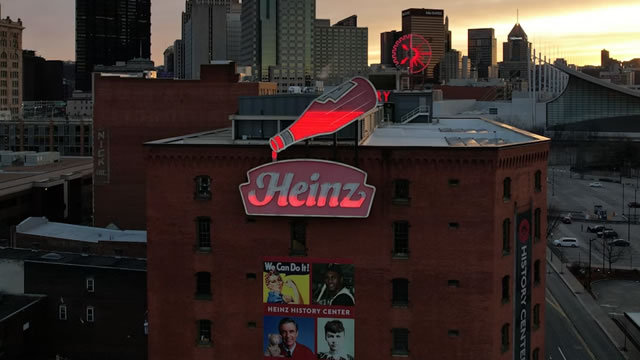
San Francisco Sues Food Brands That Sell Ultraprocessed Food Products
Business Insider· 2025-12-03 05:55
Core Viewpoint - San Francisco is suing major food brands for selling ultra-processed foods that contribute to public health issues, claiming these companies have profited from harmful products without proper health warnings [1][3][4]. Group 1: Lawsuit Details - The lawsuit, filed by San Francisco City Attorney David Chiu, is 64 pages long and targets 11 major food brands [1][2]. - The brands named in the lawsuit include Kraft Heinz, Mondelez, Coca-Cola, Pepsico, General Mills, Nestlé, and others [2]. Group 2: Accusations Against Brands - The lawsuit accuses these brands of creating addictive foods that lead to health problems, failing to provide health warnings, and making misleading claims about product healthiness [3][4]. - Ultra-processed foods are linked to obesity, type 2 diabetes, cardiovascular disease, and other chronic illnesses [4]. Group 3: Legal and Regulatory Context - Chiu is calling for the brands to stop deceptive marketing practices and to pay civil penalties to San Francisco [5]. - This lawsuit aligns with a broader movement in the U.S. to regulate processed foods, initiated by Health Secretary Robert F. Kennedy Jr. [5][6].


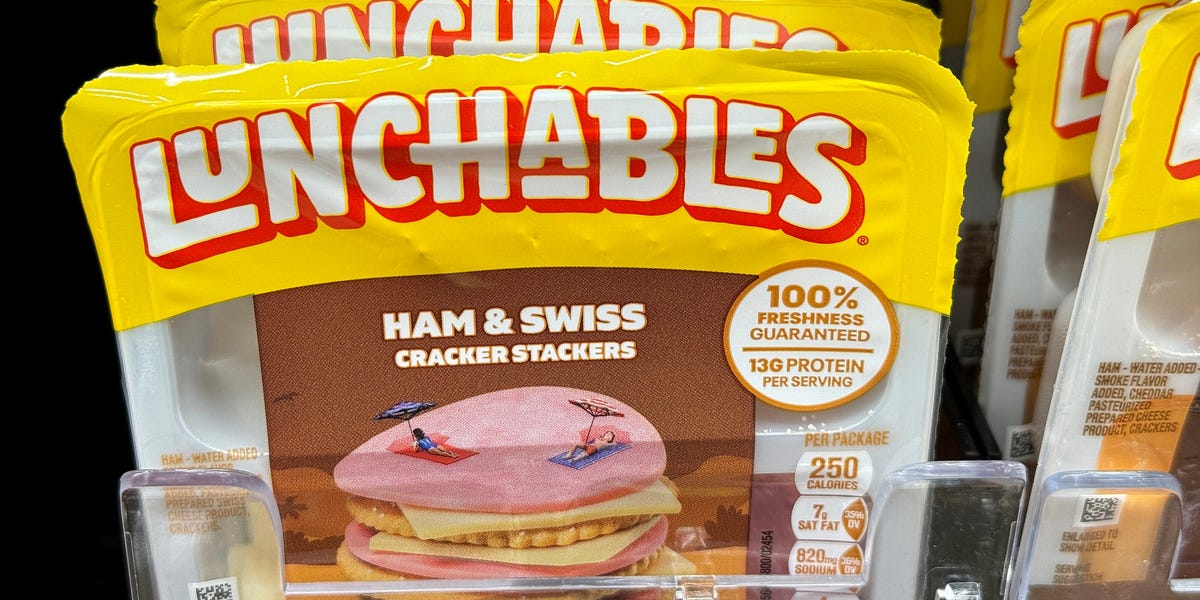
Kraft, Coca-Cola among companies sued by San Francisco over ultra-processed foods in first-of-a-kind lawsuit
New York Post· 2025-12-02 19:15
Core Viewpoint - The city of San Francisco has filed a lawsuit against major food companies, including Kraft, Mondelez, and Coca-Cola, accusing them of knowingly marketing addictive and harmful ultra-processed foods that contribute to public health issues in California [1][2][8]. Group 1: Lawsuit Details - The lawsuit was filed by City Attorney David Chiu in San Francisco Superior Court, alleging that the companies used marketing tactics similar to those of the tobacco industry to create addictive products [2][4]. - The lawsuit claims that the proliferation of ultra-processed foods has led to increased rates of obesity, cancer, and diabetes, with heart disease and diabetes being leading causes of death in San Francisco, particularly affecting minority and low-income communities [4][9]. - San Francisco is seeking restitution and civil penalties to cover healthcare costs, as well as a court order to stop deceptive marketing practices and require changes in the companies' operations [5]. Group 2: Industry Context - The definition of ultra-processed foods is debated, but it generally includes packaged snacks, sweets, and soft drinks made with industrial ingredients and additives, often containing little whole food [6]. - This lawsuit is notable as it marks the first instance of a municipality suing food companies over claims of knowingly marketing harmful ultra-processed foods [8][11]. - Previous similar lawsuits have faced challenges, as seen in a dismissed case in Pennsylvania where the plaintiff could not connect specific products to health issues [10].
San Francisco sues Kraft, Mondelez over ultra-processed foods
Reuters· 2025-12-02 18:31
Core Viewpoint - The city of San Francisco has filed a lawsuit against Kraft, Mondelez, Coca-Cola, and other manufacturers of ultra-processed foods, alleging that these companies knowingly produce addictive and harmful products that negatively impact the health of California residents [1] Group 1: Companies Involved - The lawsuit targets major food and beverage companies including Kraft, Mondelez, and Coca-Cola, highlighting their role in the production of ultra-processed foods [1] Group 2: Legal Implications - The legal action taken by San Francisco suggests a growing trend of municipalities holding food manufacturers accountable for public health issues related to their products [1]

Jim Cramer Says “The New Consumer Just Isn’t Buying Kraft Heinz”
Yahoo Finance· 2025-11-29 17:53
Group 1 - The Kraft Heinz Company is facing challenges with its brand perception, as noted by Jim Cramer, who suggests that the new consumer market is not buying Kraft Heinz products [1] - Cramer indicates that Kraft Heinz is reportedly planning to break up its brands, retaining faster-growing ones like Heinz Ketchup and Philadelphia Cream Cheese, while separating slower-growing brands such as Oscar Mayer and Velveeta [2] - The company produces a variety of food and beverage products under well-known brands, including Kraft, Heinz, Oscar Mayer, and Philadelphia [2]
泡沫、壁垒、裁员
Xin Hua She· 2025-11-25 00:25
Group 1: AI Bubble Concerns - The performance of major companies in the AI sector has been robust, with firms like Nvidia exceeding revenue and profit expectations, yet concerns about an AI bubble are growing among analysts [2][3] - Major tech companies, including Amazon, Alphabet, and Microsoft, have raised their capital expenditure forecasts, collectively expecting to exceed $380 billion in investments this year, but market reactions to these investments have varied [2] - A survey by Bank of America indicates that over half of fund managers believe there is a bubble in AI stocks, particularly among the "Tech Giants," suggesting an over-concentration of market funds [3] Group 2: Impact of Tariff Barriers - The impact of U.S. tariff policies has become more pronounced in Q3, negatively affecting the earnings and forecasts of export-oriented companies in Europe and Japan [4][5] - European luxury goods companies have reported significant revenue declines, with LVMH's fashion and leather goods division seeing a roughly 8% drop and Kering's Gucci brand experiencing a 22% decline in revenue [4] - Japanese automakers have collectively faced a 2.5% drop in net profits, with estimates suggesting that U.S. tariffs on imported vehicles could lead to losses of approximately 1.5 trillion yen for major Japanese car manufacturers [4] Group 3: Consumer Sentiment and Layoffs - U.S. consumer sentiment is notably low, with major companies announcing significant layoffs, contributing to a bleak economic outlook [7] - The disparity in consumer spending is evident, as affluent consumers maintain or increase their spending while lower-income consumers are forced to cut back [7] - The number of layoffs in the U.S. has reached nearly 1 million in the first nine months of the year, the highest since 2020, raising concerns about potential economic recession [7]


Why Kraft Mac & Cheese went hypercontextual for ‘Best Thing Ever’ push
Marketing Dive· 2025-11-24 11:00
Core Insights - Kraft Mac & Cheese has launched a new campaign titled "Best Thing Ever," which represents the brand's largest media investment to date, aimed at reinforcing its market position amidst competition from private labels and premium brands [1][2] - The campaign emphasizes Kraft Mac & Cheese as an experience rather than just a product, focusing on its cultural relevance, taste, value, and convenience [2][4] Marketing Strategy - The campaign features a series of 15-second ads voiced by comedian John Mulaney, positioning the product as dependable and enjoyable in various consumer contexts [2][5] - "Best Thing Ever" includes over 70 distinct assets and employs a hypercontextual approach to engage a diverse consumer base through various media channels, including TV, YouTube, and social media [2][7] Brand Evolution - The new campaign marks a shift from previous marketing strategies, moving from a focus on comfort food during the pandemic to a broader appeal that includes joy and celebration [3][4] - Kraft Mac & Cheese has undergone rebranding efforts, including a name change and a focus on "positive comfort," to better compete with new market entrants [3][4] Product Innovation - In 2025, Kraft Mac & Cheese introduced five new flavors and product formats, which contributed to an increase in new buyers and households [7][8] - The brand aims to leverage these innovations to connect with social and cultural trends while attracting new audiences [8] Company Context - Kraft Heinz is facing significant challenges, with CEO Carlos Abrams-Rivera noting "one of the worst consumer sentiments" in decades, and plans to split into two companies by the second half of 2026 [9]
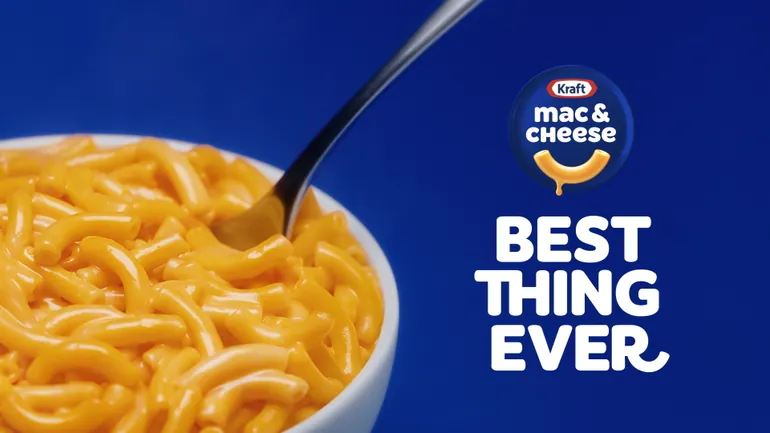
Kraft Mac & Cheese Proves it's the 'Best Thing Ever' in Bold New Creative Platform
Businesswire· 2025-11-24 11:00
Core Insights - Kraft Mac & Cheese has launched a new creative platform called "Best Thing Ever," emphasizing its unique position in American culture for nearly 90 years [1] - The campaign aims to celebrate the brand's legacy by asserting that nothing compares to a bowl of Kraft Mac & Cheese, regardless of the context [1] Company Summary - The new campaign highlights Kraft Mac & Cheese's longstanding presence in the market and its emotional connection with consumers [1] - The initiative is designed to reinforce brand loyalty and recognition among consumers by showcasing the product's unparalleled appeal [1] Industry Context - The launch of the "Best Thing Ever" campaign reflects a broader trend in the food industry where brands seek to strengthen their identity and connection with consumers through nostalgic marketing [1] - By celebrating its heritage, Kraft Mac & Cheese positions itself competitively in a market that values both tradition and innovation [1]

Read This Before Buying Kraft Heinz Stock
Yahoo Finance· 2025-11-24 10:15
Core Insights - The article discusses Warren Buffett's admission of mistakes in his investment decisions, particularly regarding Kraft Heinz, highlighting the importance of acknowledging errors in investment strategies [2][3]. Company Overview - Berkshire Hathaway, in collaboration with 3G Capital, acquired Heinz for $23 billion in 2013 and later merged it with Kraft in a $40 billion deal, which Buffett now considers too costly [3]. - Kraft Heinz has seen a significant decline in its stock value, losing approximately two-thirds of its value over the past decade [3]. Strategic Moves - Kraft Heinz plans to spin off a division called Global Taste Elevation Co., which will focus on faster-growing brands like Kraft Mac & Cheese and Heinz [5]. - Buffett has expressed disappointment in the spinoff plan, particularly regarding the lack of a shareholder vote on the split [6]. Market Sentiment - There is skepticism among investors regarding the planned spinoff, especially given Buffett's critical stance [6][7]. - The company aims to improve revenue growth by separating its faster-growing sauces and spreads from the slower-growth North American Grocery Co. [7]. Consumer Trends - Shifting consumer preferences pose challenges for Kraft Heinz, with a survey indicating that 30% of respondents view processed foods as unhealthy [10]. - Investor enthusiasm for the spinoff remains low, reflecting concerns about the company's ability to adapt to changing consumer tastes [9][10].
Is Kraft Heinz's 6.4%-Yielding Dividend Safe?
The Motley Fool· 2025-11-19 09:07
Core Viewpoint - Kraft Heinz is undergoing a business breakup, raising concerns about the sustainability of its dividend and overall business performance [1][6][10] Dividend Analysis - Kraft Heinz offers a dividend yield of approximately 6.4%, significantly higher than the S&P 500 average of 1.2%, providing recurring income for investors [1] - The stock has declined over 20% in the past year, and total returns, including dividends, are negative at -16% [2] - The company's earnings per share for the most recent quarter were $0.52, exceeding the quarterly dividend of $0.40, resulting in a payout ratio of around 77%, which is considered manageable [4] - Free cash flow for Kraft Heinz over the trailing 12 months was $3.6 billion, well above the $1.9 billion paid in dividends, indicating that the dividend appears safe for now [5] Business Breakup and Future Outlook - Kraft Heinz is splitting into two entities, focusing on sauces and spreads, and core food brands, with completion expected by mid-2026 [6][7] - The company reported revenue of $25.8 billion last year, a decline of 3% from the previous year, highlighting struggles in generating growth [7] - Despite the breakup, the company intends to maintain its current dividend level, but future growth initiatives may pressure dividend payments if results do not improve [8] - Over the past five years, Kraft Heinz's stock has declined by about 23%, with total returns remaining negative at -3% even with dividends [10]
