Micron Technology(MU)

Search documents
4 No-Brainer Semiconductor Stocks to Buy Right Now
Yahoo Finance· 2026-02-16 17:56
Core Insights - The artificial intelligence (AI) infrastructure market is experiencing significant growth, with five companies projected to spend a total of $700 billion on AI data centers in the current year, and spending expected to reach $1.4 trillion by 2030 according to Cathie Wood [1] Group 1: Key Companies in AI Infrastructure - Nvidia holds an estimated 90% market share of graphics processing units (GPUs), which are essential for AI workloads, positioning it as the dominant player in the AI infrastructure market [2] - Broadcom is emerging as a major competitor to Nvidia by developing custom AI application-specific integrated circuits (ASICs), which are more energy-efficient and cost-effective, and has partnered with Alphabet to create Tensor Processing Units (TPUs) [3][4] - Micron is one of the leading DRAM manufacturers, benefiting from the increasing demand for high-bandwidth memory (HBM) necessary for AI chips, leading to significant revenue growth and a favorable supply-demand dynamic in the DRAM market [5][6] - Taiwan Semiconductor Manufacturing Co. (TSMC) has a virtual monopoly on the manufacturing of advanced logic chips, including GPUs and AI ASICs, positioning it to benefit from the rising AI infrastructure spending [7]


Micron: Nothing Is Over (NASDAQ:MU)
Seeking Alpha· 2026-02-16 17:03
Now you can get access to the latest and highest-quality analysis of recent Wall Street buying and selling ideas with just one subscription to Beyond the Wall Investing ! There is a free trial and a special discount of 10% for you. Join us today!Momentum-wise , Micron Technology, Inc. ( MU ) stock turned out to be one of the strongest semiconductor stocks among mid-caps (and large caps), with a lot of peopleDaniel Sereda is chief investment analyst at a family office whose investments span continents and di ...

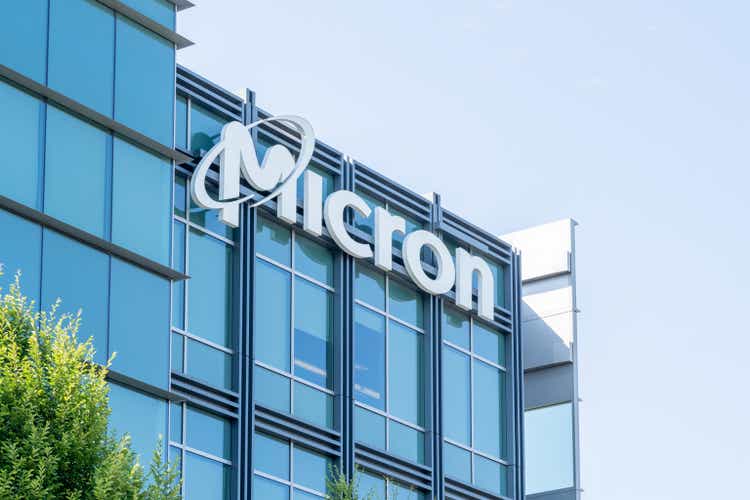
Micron: Nothing Is Over
Seeking Alpha· 2026-02-16 17:03
Core Viewpoint - Micron Technology (MU) has emerged as one of the strongest semiconductor stocks among mid-cap and large-cap companies, indicating strong momentum in its stock performance [1]. Group 1 - Micron Technology's stock is highlighted for its robust performance in the semiconductor sector, attracting significant attention from investors [1]. - The analysis emphasizes the importance of accessing high-quality information for investment decisions, which is facilitated by platforms like Beyond the Wall Investing [1]. Group 2 - The article mentions that the chief investment analyst at a family office, Daniel Sereda, utilizes extensive data to identify critical investment ideas, showcasing the analytical depth required in the current market [1]. - The investment group provides insights similar to those prioritized by institutional market participants, underscoring the competitive edge gained through informed analysis [1].
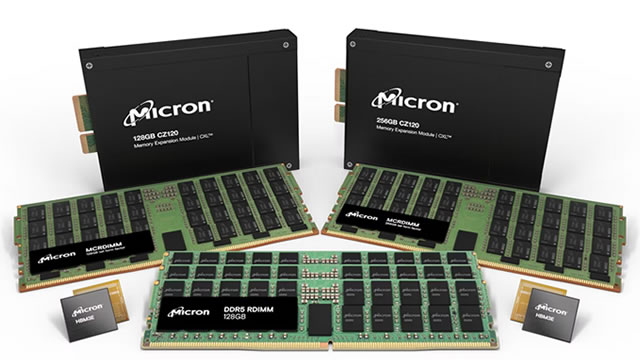
Prediction: Micron's Stock Price Will Be Worth This Much by the End of 2026
Yahoo Finance· 2026-02-16 13:05
Core Viewpoint - The AI revolution is significantly impacting semiconductor stocks, particularly benefiting companies like Micron Technology, which is positioned to capitalize on the growing demand for memory and storage solutions in AI infrastructure [1][2]. Group 1: AI Impact on Semiconductor Industry - The AI revolution has shifted capital expenditure budgets towards GPUs from Nvidia and AMD, while also increasing the focus on memory and storage solutions [1][2]. - Major tech companies are developing advanced AI applications, which require not only GPUs but also substantial memory and storage capabilities [4][5]. Group 2: Micron Technology's Position - Micron Technology is transitioning from being viewed as a cyclical semiconductor business to a key player in the AI infrastructure supercycle, driven by its high-bandwidth memory (HBM) solutions [3][5]. - The company is experiencing a surge in demand, with its existing inventory already sold out, indicating strong market interest [6]. Group 3: Financial Outlook for Micron - Micron is investing in additional manufacturing capacity to meet the soaring demand, with projections indicating a significant revenue increase to $76 billion in the current year, representing an 81% growth compared to the previous year [7]. - Earnings-per-share (EPS) estimates for Micron are expected to roughly triple, reflecting the anticipated explosive growth in revenue and profits by 2026 [7].
Morgan Stanley, Deutsche Bank Raise Micron (MU) Price Targets
Yahoo Finance· 2026-02-16 12:41
Core Viewpoint - Micron Technology, Inc. (NASDAQ:MU) is experiencing a positive outlook due to rising DRAM prices and supply shortages, leading to increased price targets from major financial institutions [1][2]. Group 1: Price Target Increases - Morgan Stanley raised its price target for Micron from $350 to $450, maintaining an Overweight rating, citing ongoing increases in DRAM prices and supply shortages as key factors [1]. - Deutsche Bank increased its price target for Micron from $300 to $500, keeping a Buy rating, and highlighted tight supply and demand conditions in the memory market as beneficial for the company [2]. Group 2: Market Trends and Earnings Estimates - Deutsche Bank expressed confidence in Micron's ability to capitalize on growth in High Bandwidth Memory (HBM) and improving memory market trends, raising its earnings per share estimate for 2026 to $46.50 [3]. - The DDR5 spot prices have increased by 30% year-to-date and are currently 130% higher than January contract prices, indicating strong market demand [1]. Group 3: Company Overview - Micron Technology, Inc. is recognized as a leading semiconductor technology company, offering a range of high-performance memory and storage solutions, including DRAM, NAND, and NOR products [3].
India AI Impact Summit 2026: Micron to commence production at Gujarat facility by Feb-end, says S Krishnan
ETTelecom.com· 2026-02-16 07:59
Group 1: Semiconductor Manufacturing in India - Micron Technology Inc will commence production at its assembly, test, marking, and packaging (ATMP) facility in Sanand, Gujarat, by the end of February 2026, marking the first commercial-scale production of semiconductors in India [6] - The Indian government has approved 10 semiconductor projects with total investments of approximately ₹1.6 Lakh Crore, which includes two fabs and eight packaging units [2][6] - The ATMP facility in Sanand will involve an investment of ₹22,516 crore and will have a production capacity of around 14 million units per week upon completion [6] Group 2: Government Support and AI Integration - The Indian government is providing sustained support in the semiconductor and electronics components segments, aiming to increase private sector participation in establishing data centers and computing infrastructure [6] - The IndiaAI Mission was launched in March 2024 with an outlay of ₹10,372 crore to develop the overall AI ecosystem in the country, which includes subsidized access to over 38,000 GPUs for researchers, MSMEs, innovators, and academia [6] - Twelve teams have been shortlisted for developing Large and Small Language Models based on Indian datasets, indicating a focus on enhancing AI capabilities within the semiconductor sector [4][6]

Rampant AI demand for memory fuels deepening supply crunch for chips
Business· 2026-02-16 04:22
By Debby Wu, Takashi Mochizuki and Yoolim Lee A growing procession of tech industry leaders including Elon Musk and Tim Cook are warning about a global crisis in the making: A shortage of memory chips is beginning to hammer profits, derail corporate plans and inflate price tags on everything from laptops and smartphones to automobiles and data centers — and the crunch is only going to get worse. Since the start of 2026, Tesla Inc., Apple Inc. and a dozen other major corporations have signaled that th ...

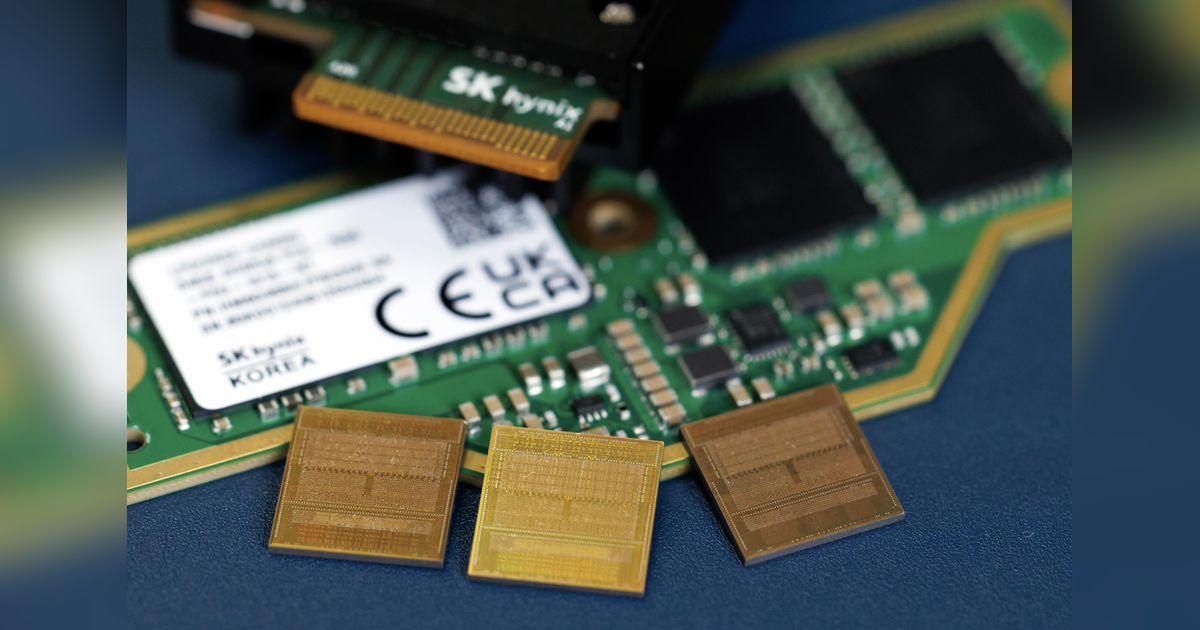
Is This AI Infrastructure Stock a Real Millionaire Maker or Just Hype?
The Motley Fool· 2026-02-16 03:30
Core Viewpoint - The article discusses the potential of Micron Technology as a key player in the AI hardware market, highlighting its growth opportunities amidst the increasing demand for memory hardware driven by AI applications [1][2][11]. Industry Overview - Hardware and infrastructure companies have been significant beneficiaries of the AI boom, with a focus on memory hardware being crucial for AI applications [1][2]. - The demand for memory hardware, particularly dynamic random access memory (DRAM), is expected to rise sharply, leading to a projected 50% increase in RAM prices in Q1 2026 [6]. Company Analysis - Micron Technology is one of the three major players in the memory hardware market, alongside Samsung and SK Hynix, and has shifted its focus from consumer PC markets to AI-driven memory solutions [6][7]. - The company recently initiated the construction of a $100 billion semiconductor factory in New York, which will be the largest in the U.S. and aims to employ over 9,000 people [8]. Financial Performance - Micron reported a 57% year-over-year revenue increase for Q1 of fiscal 2026, reaching $13.6 billion, with DRAM accounting for 79% of this revenue [9]. - The company boasts a gross margin of 56.8%, an operating margin of 32.5%, and a net margin of 28.15%, indicating strong profitability [10]. - Micron's forward price-to-earnings (P/E) ratio stands at 10.57, which, when adjusted for growth (PEG ratio of 1.12), presents an attractive investment opportunity compared to Samsung's PEG ratio of 3.31 [10][11].
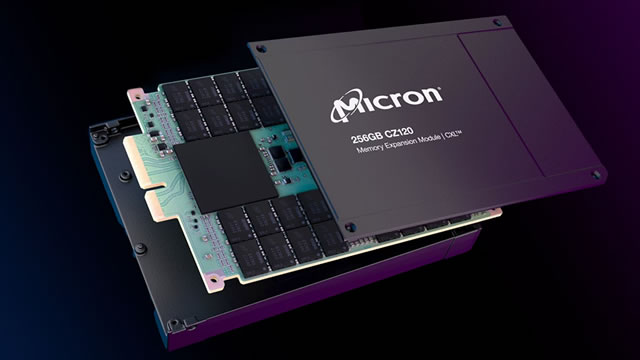
存储芯片,走向失控
半导体行业观察· 2026-02-16 01:58
Core Viewpoint - A global storage crisis is emerging, driven by a significant shortage of memory chips, particularly DRAM, which is impacting profits across various sectors, including consumer electronics and automotive industries [2][3][4]. Group 1: Causes of the Crisis - The shortage of DRAM is primarily attributed to the increasing demand from artificial intelligence data centers, which require high bandwidth memory (HBM) for processing large datasets [3][6]. - Companies like Alphabet Inc. and OpenAI are purchasing millions of memory chips for AI applications, leading to a competitive squeeze on supply for consumer electronics manufacturers [4][5]. - The price of DRAM has surged dramatically, with some prices increasing by 75% from December to January, reminiscent of hyperinflation [4][23]. Group 2: Impact on Companies - Major semiconductor manufacturers, including SK Hynix, Samsung, and Micron, control over 90% of global memory chip production and are experiencing record valuations due to the demand surge [4][5]. - The shift in production focus from traditional DRAM to HBM has resulted in reduced availability of standard memory chips for consumer electronics, affecting companies like Apple and Tesla [2][5]. - The memory crisis is causing significant disruptions in product release schedules, with companies like Sony considering delays for their next-generation gaming consoles [19][23]. Group 3: Market Predictions - TrendForce predicts that DRAM and NAND flash prices will rise by 90% to 95% and 55% to 60%, respectively, in the first quarter alone [4][6]. - The demand for HBM is expected to grow by 70% year-on-year by 2026, indicating a long-term shift in the memory market dynamics [6][22]. - The supply-demand imbalance is projected to persist throughout the year, with potential declines in smartphone shipments and increased prices for low-end devices [23][19].


Rampant AI demand for memory is fueling a growing chip crisis
Fortune· 2026-02-16 00:42
Core Viewpoint - A global shortage of memory chips is emerging, significantly impacting profits, corporate strategies, and prices across various sectors, including consumer electronics and automotive industries. This situation is expected to worsen as demand from AI data centers escalates [1][2]. Group 1: Industry Impact - Major corporations like Tesla and Apple have indicated that the shortage of DRAM will limit production capabilities, with Apple warning of compressed iPhone margins [2][8]. - The demand for memory chips is being driven primarily by AI data centers, with companies like Alphabet and OpenAI consuming a large share of production to support their applications [4][17]. - The price of DRAM has surged dramatically, with one type increasing by 75% from December to January, leading to daily price adjustments by retailers [5][12]. Group 2: Corporate Responses - Companies are adapting to the crisis; for instance, Tesla is considering building its own memory fabrication plant to mitigate supply issues [2][3]. - Sony is contemplating delaying the launch of its next PlayStation console to 2028 or 2029 due to the memory shortage, which disrupts its strategic planning [9]. - Chinese smartphone manufacturers are reducing shipment targets, with Oppo cutting its forecast by up to 20% for 2026 [10]. Group 3: Future Projections - Analysts predict that memory chip prices will continue to rise, with Bernstein's Mark Li stating that prices are going "parabolic," benefiting manufacturers like Samsung and Micron while hurting the broader electronics sector [7][22]. - The demand for high-bandwidth memory (HBM) is expected to increase by 70% year-over-year in 2026, further straining the supply of standard DRAM [19][21]. - The current supply-demand imbalance is projected to persist throughout the year, with significant implications for various industries, including automotive and telecommunications [22][23]. Group 4: Economic Implications - The rising costs of memory chips could lead to DRAM accounting for up to 30% of the bill of materials for low-end smartphones, tripling from 10% in early 2025 [25]. - Companies across the electronics sector are warning consumers to prepare for higher prices, particularly ahead of key midterm elections in the US, where inflation may become a critical issue [25][26].