
中航工业

Search documents
大飞机航电系统国产之路探析
2026-03-03 02:52
大飞机航电系统国产之路探析 20260302 摘要 综合模块化航电集成架构(IMA)是航电系统的核心,其难点在于多功 能共享处理器下的时间空间分区、网络稳定性、适航取证以及跨厂商协 同运作的复杂性。采用 IMA 旨在优化重量空间、提高算力资源利用率, 可使航电系统体积减少 50%,重量减少接近 30%,电源功耗减少到此 前的 16%,可靠性改进 20 多倍。 飞行控制系统(飞控)的核心难点在于软件算法层面的"控制律",其 安全性与确定性要求极高,算法难度可与高超音速飞行控制算法、火箭 垂直回收算法、L4/L5 级别自动驾驶算法等相提并论,民机飞行控制律 的要求被强调为高于火箭垂直回收与高超音速飞行控制等场景。 全球航电领域由 GE、霍尼韦尔、柯林斯、泰勒斯等龙头企业主导,其领 先优势体现在标准定义能力、适航信任积累和风险预测能力。这些企业 深度参与法规制定,与 FAA、EASA 建立信任关系,并积累了大量飞行 数据用于风险管理和预防性维护。 C919 大飞机航电系统国产化率接近 40%,其中机体约占 30%,机载 系统国产化率约 10%。关键系统中外合资,如昂际航电(GE 与中航工 业)和鸿翔飞控(霍尼韦尔与 ...
商业航天大年来了 广东、山东等多个地方争相布局
2 1 Shi Ji Jing Ji Bao Dao· 2026-02-09 23:21
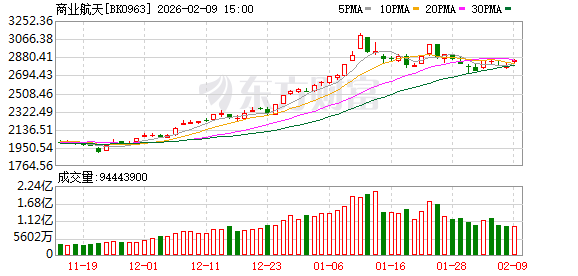
Core Insights - The Chinese government is accelerating the development of a strong aerospace industry, with a focus on commercial aerospace as a key emerging pillar industry by 2026 [2][3] - Over 20 provinces have initiated discussions on commercial aerospace in their local government work reports, with many explicitly mentioning aerospace-related industries [2][3] - Key themes in local government plans include "full chain" and "industrial clusters," addressing the current shortcomings in collaboration and technology within the commercial aerospace sector [2][4] Full Chain Development - Guangdong aims to achieve breakthroughs in key technologies across various fields, including commercial aerospace, by 2026, targeting a scale of 300 billion yuan for its commercial aerospace and related industries [4] - Beijing has established over 210 commercial aerospace-related companies and plans to enhance its infrastructure, including a commercial aerospace measurement and control center [4] - The full chain approach is seen as essential for improving overall industry efficiency and reducing reliance on external supply chains [6] Industrial Cluster Development - Zhejiang is focusing on developing emerging pillar industries, including aerospace, with a goal for strategic emerging industries to account for approximately 35% of industrial output by 2026 [8] - Shandong is promoting four key emerging industries, including aerospace, and aims to integrate the Yantai Oriental Aerospace Port into the national commercial aerospace framework [9] - Local governments are encouraged to leverage their unique resources and capabilities to foster collaboration and avoid redundant developments in the aerospace sector [10] Industry Challenges and Innovations - The commercial aerospace industry in China is projected to reach a scale of 2.5 to 2.8 trillion yuan by 2025, with an annual growth rate exceeding 20% and over 600 companies involved [3] - Key challenges include high entry barriers, insufficient industry collaboration, funding gaps, and limited application scenarios [5] - Companies like Galaxy Aerospace and Hongqing Technology are focusing on technological innovation and the development of satellite communication technologies to address industry pain points [11][12]

新加坡航展:千余家企业参展 中国制造引发关注
Xin Lang Cai Jing· 2026-02-05 12:03
Core Insights - The 10th Singapore Airshow is taking place at Changi Exhibition Centre, featuring over 1,000 companies from more than 50 countries, with a significant focus on "Made in China" products [1] Group 1: Chinese Aviation Industry - COMAC's C919 and C909 are highlighted for their fuel efficiency and advanced structural design, attracting considerable attention at the event [1] - Chinese aviation companies are expanding into Southeast Asian markets, driven by the Belt and Road Initiative, with countries like Vietnam, Cambodia, and Brunei developing their aviation sectors [1] Group 2: Military and Drone Technology - AVIC's J-35A model is prominently displayed, indicating the company's extensive product range and significant investment in drone technology, attracting interest from various aviation enterprises for potential collaborations [1] - The privately-owned China United Aircraft Corporation showcased the T1400 vertical take-off and landing drone, which is noted for its high payload capacity and long endurance, appealing to island nations [1] - The T1400 is positioned as a cost-effective solution for air transport, offering efficiency advantages over traditional shipping methods, with operational costs comparable to that of a family car [1]
中国造飞机亮相新加坡航展
Xin Lang Cai Jing· 2026-02-04 05:06
Core Insights - The 10th Singapore Airshow has commenced, showcasing significant Chinese participation, including the return of the Chinese Air Force's August 1st Aerobatic Team and the display of advanced aircraft models like the J-35A and commercial aircraft C919 and C909 [1][2] Group 1: Event Highlights - The airshow features over 1,000 companies from more than 50 countries, with 16 national pavilions, marking an expansion in exhibition space compared to previous years [1] - The August 1st Aerobatic Team performed new maneuvers with the J-10C fighter jet, which has gained attention due to its performance in past conflicts [2][3] Group 2: Aircraft and Market Implications - The C919 aircraft is expected to be the only single-aisle jet performing at the airshow this year, aiming to increase its market share in Southeast Asia [2] - The J-35A, a new generation stealth fighter, is positioned as a cost-effective alternative to the F-35, with expectations for strong international market potential due to China's stable international relations and the aircraft's fully autonomous supply chain [3][4][5]
商业航天大年来了 广东、山东、浙江等10多个地方争相布局
2 1 Shi Ji Jing Ji Bao Dao· 2026-02-03 23:49
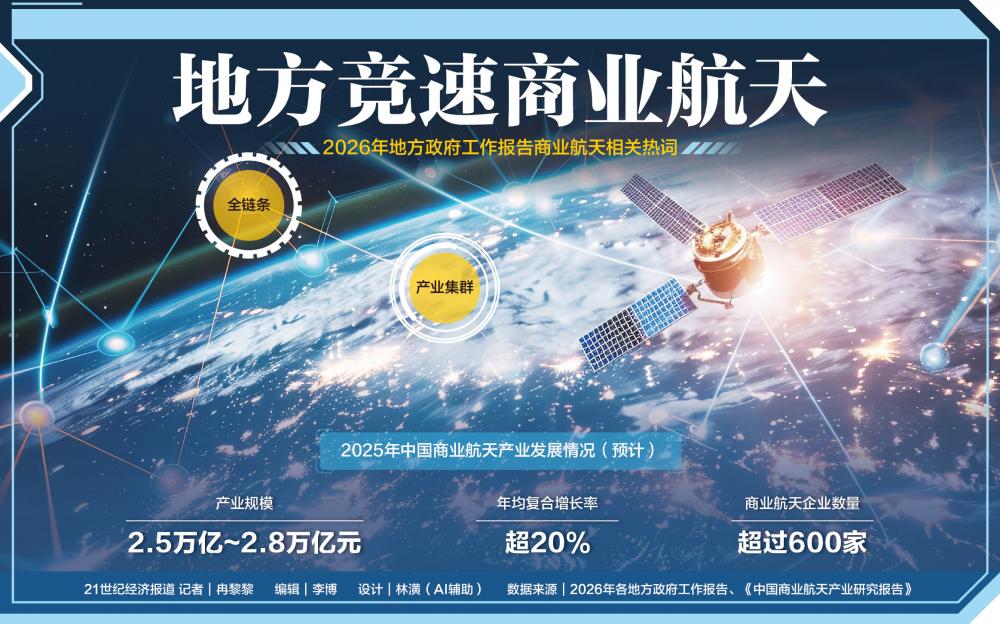
"十五五"规划建议中提出,加快建设航天强国,并提出加快航空航天等战略性新兴产业集群发展。"十五五"开局之年,全国工业和信息化工作 会议提出,2026年要打造航空航天等新兴支柱产业。1月底,人民日报刊文《2026,一个可期待的商业航天大年》。 接连释放出的信号,让2026年的商业航天发展备受关注与期待。如今,各地也争相布局。截至2月1日,超20个省份已召开地方两会,多地尚未 披露政府工作报告全文,从已披露的信息来看,其中约半数的省份在政府工作报告中直接或间接布局商业航天相关产业,广东、山东、浙江、 河南、北京、辽宁、天津等多地明确提及航空航天或商业航天。 在各地两会的部署中,"全链条"与"产业集群"是两大关键词。例如,广东提出,2026年,全链条推动低空与商业航天等领域关键核心技术攻关 取得突破。浙江提出,着力打造新兴支柱产业,支持航空航天等新兴产业集群发展。各地的部署,切中的正是我国商业航天产业协同尚显不 足、关键技术存在短板等痛点。 推进"全链条"布局 根据2025年12月底披露的《中国商业航天产业研究报告》,中国商业航天产业规模预计在2025年达到2.5万亿—2.8万亿元,年均复合增长率超 20%,商业航 ...
商业航天大年来了!广东、山东、浙江等已出手
2 1 Shi Ji Jing Ji Bao Dao· 2026-02-03 12:21
Core Insights - The Chinese government is accelerating the development of a strong aerospace industry, with a focus on commercial space by 2026, as highlighted in the "14th Five-Year Plan" and various local government reports [1][2] - Over 20 provinces have initiated discussions on commercial aerospace, with approximately half directly addressing related industries in their government work reports [2][3] - Key themes in local government plans include "full-chain" and "industry clusters," aiming to address existing challenges in the commercial aerospace sector [1][3] Full-Chain Development - Guangdong aims to achieve breakthroughs in key technologies across various fields, including commercial aerospace, by 2026, targeting a scale of 300 billion yuan for its aerospace and related industries [3] - Beijing has established over 210 commercial aerospace companies and plans to enhance its infrastructure, including a commercial space launch center, to support significant increases in launch activities by 2025 [3][4] - The need for a comprehensive policy framework and improved collaboration within the industry is emphasized to overcome existing challenges such as high costs and reliance on foreign technology [4][6] Industry Cluster Development - Zhejiang is focusing on developing emerging industries, including aerospace, with a goal for strategic emerging industries to account for 35% of industrial output by 2026 [8] - Shandong is promoting its commercial aerospace capabilities, particularly through the Dongfang Spaceport, which has launched 137 satellites, and aims to create a comprehensive aerospace industry chain [9] - Local governments are encouraged to leverage their unique resources and capabilities to foster innovation and avoid redundant developments in the aerospace sector [10] Company Initiatives - Companies like Tianbing Technology and Tianzhang Satellite are being supported by local governments to enhance their capabilities in the commercial aerospace sector [11] - Galaxy Aerospace is focusing on technological innovation, particularly in satellite technology that allows direct mobile connectivity, and aims to accelerate production and development [11][12] - Hongqing Technology is prioritizing innovation in satellite platforms and aims to integrate various systems to improve efficiency in satellite and rocket operations [12]

广东宏大:长之琳聚焦航空装备领域
Zheng Quan Ri Bao Wang· 2026-01-28 13:10
证券日报网讯1月28日,广东宏大(002683)在互动平台回答投资者提问时表示,长之琳聚焦航空装备 领域,专业从事航空零部件研发、制造的高新技术企业,军工配套业务资质齐全,主要产品包括紧固类 产品、隔热类产品、管路连接件及导管类产品、发动机零组件及单元体类产品等,广泛配套于中航工 业、中国航发、中国商飞等客户。 ...

天津两会观察:津城产业图新,重在“链”“群”并举
Zhong Guo Xin Wen Wang· 2026-01-28 12:15
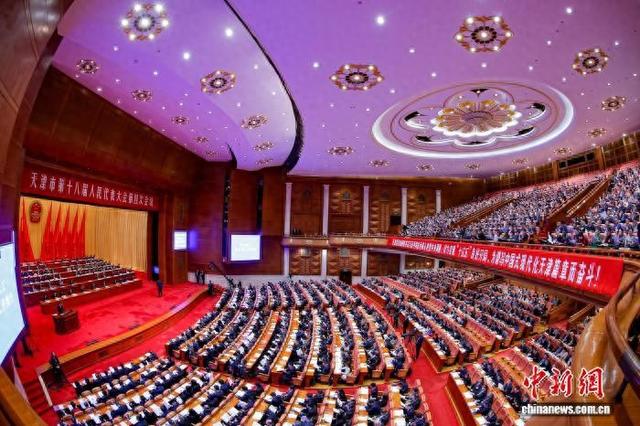
Group 1 - The core focus of Tianjin's industrial upgrade is to build a modern industrial ecosystem with both vertical depth and horizontal density, emphasizing intelligent, green, and integrated development [1][2] - The report outlines a strategic approach to enhance the resilience of industrial chains and the vitality of industrial clusters, moving from "physical splicing" to "chemical integration" [2] - Key industries highlighted include green petrochemicals, automotive, equipment manufacturing, aerospace, and information technology, with a focus on upstream and downstream connectivity and cluster cultivation [2][5] Group 2 - Traditional industries will be upgraded through specific initiatives, such as developing a chain from basic chemicals to new materials in green petrochemicals and enhancing capabilities in aerospace through collaboration with major companies [5] - Strategic emerging industries like information technology and biomedicine are emphasized, with support for local leading enterprises and the creation of AI+ information technology application scenarios [5] - The dual support of "solid foundation" and "nurturing new" is proposed to enhance both existing and new industrial capacities, focusing on smart transformation and the integration of traditional industries into key chains [6]
深度 | 低空经济行业专题四:通用航空市场稳步发展,低空运营未来可期【国信汽车】
车中旭霞· 2026-01-08 23:33
Core Viewpoints - General aviation is characterized by flexibility and personalized services, covering a wide range of civil applications, with traditional aircraft primarily being fixed-wing planes and helicopters, while emerging aircraft like drones and eVTOLs represent a shift towards intelligent, unmanned, and green technologies [2][3][17]. Industry Overview - The general aviation industry is experiencing new development opportunities driven by policy, technology, and marketization [3]. - The global general aviation market has maintained growth, with annual deliveries exceeding 4,000 aircraft for two consecutive years [4]. - In 2024, the global delivery volume of general aviation aircraft is projected to be 4,197 units, with a delivery value of $31.9 billion, where North America accounts for 70.4% of the global delivery volume [5][35]. Market Trends - The global general aviation aircraft market is expected to reach $40.2 billion by 2029, with a compound annual growth rate (CAGR) of 4.72% [5]. - The market is increasingly leaning towards high-value models, with fixed-wing aircraft making up 75.3% of the total deliveries in 2024 [36]. - The delivery value of fixed-wing aircraft is expected to rise from $23.4 billion in 2023 to $26.7 billion in 2024, reflecting a growth of 14.1% [35]. Competitive Landscape - The traditional general aviation aircraft manufacturing is dominated by European and American companies, with a high market concentration [6][38]. - The top three fixed-wing aircraft manufacturers in 2024 are Cirrus Aircraft, Textron Aviation, and Piper Aircraft, collectively holding over 50% of the market share [7][38]. Operational Landscape - General aviation operations face high entry barriers due to significant capital, technical management, and operational qualification requirements [8][45]. - The operational focus is expected to shift towards high-value, specialized applications in maritime transport, port piloting, and logistics delivery [8][46]. Comparative Analysis - The U.S. general aviation industry serves as a global benchmark, with significant disparities in infrastructure scale, aircraft numbers, and flight usage structures compared to China [9][10]. - As of 2024, the U.S. has approximately 40 times more registered general aviation airports than China, indicating substantial growth potential for China's general aviation sector [10][50]. New Opportunities - The rise of low-altitude economy as a national strategy is creating favorable conditions for the development of general aviation, supported by policy reforms and technological advancements [65][70]. - The low-altitude economy market in China is projected to reach ¥859.17 billion by 2025, with general aviation as a key component [65].

创世纪:公司已与比亚迪电子等诸多品牌客户展开合作

Zheng Quan Ri Bao Zhi Sheng· 2026-01-08 10:07
(编辑 袁冠琳) 证券日报网讯 1月8日,创世纪在互动平台回答投资者提问时表示,公司已与比亚迪电子、富士康、立 讯精密、领益智造、长盈精密、宇树科技、中国中车、上汽通用、中航工业等诸多知名品牌客户展开合 作,并获得客户高度认可。其他客户信息请以公司在指定信息披露媒体发布的定期报告及相关公告为 准。 ...