
华为云

Search documents
迅策科技20260226
2026-03-01 17:23
Summary of XunCe Technology Conference Call Company Overview - **Company Name**: XunCe Technology - **Industry**: Data Infrastructure and AI Decision-Making - **Positioning**: XunCe serves as a full-link data infrastructure provider connecting raw data with AI decision-making, initially focusing on asset management and later expanding to large models and Data Agent platforms, similar to Palantir and Fourth Paradigm [2][4] Key Points Business Model and Product Offering - XunCe's products include PaaS-level real-time data infrastructure and SaaS-level applications, initially focused on asset management, now expanding into non-asset management financial services, telecommunications, urban management, and manufacturing [2][6] - The proportion of asset management business is expected to decrease from 74% in 2023 to 47% in the first half of 2025, indicating diversification [2][6] Financial Performance - Projected revenue for 2024 is 630 million, with a gross margin of 76.7%, although the company remains in a loss position, which has narrowed [2][7] - The business model operates on a dual approach of subscription and project delivery, with a current high reliance on project delivery [2][7] - Revenue growth over the past three years has been 38%, reflecting ongoing diversification and a shift towards subscription models [7] Market Position and Competition - XunCe holds an 11.6% market share in the asset management data real-time analysis market, ranking first and covering the top ten asset management companies in China with over 250 clients [3][8] - The overall real-time data market is still fragmented, with XunCe holding a 3.4% market share, ranking fourth [8] - Key competitors include Alibaba Cloud, Huawei Cloud, Tencent Cloud, and Hengsheng Electronics, with XunCe differentiating itself through private deployment and independent third-party agents [8] Industry Dynamics - The asset management data industry is projected to grow from 300 million in 2020 to 2.1 billion in 2024, with a compound annual growth rate (CAGR) of 62% [9] - The overall real-time data analysis market is expected to grow from 450 billion in 2024 to over 900 billion by 2029, with an annual growth rate exceeding 20% [9] Strategic Partnerships and Shareholder Support - Tencent is the largest institutional shareholder with a 7.55% stake, providing technical and scenario support [3][7] - Goldman Sachs supports the IPO process and facilitates connections with global asset management clients [7] Future Outlook and Valuation - Revenue expectations for 2026 are projected to exceed 2 billion, with a valuation method suggesting a potential market cap of around 30 billion [10] - The current market cap is approximately 26 billion, with expectations that entering the Hong Kong Stock Connect will improve liquidity and market perception [10] Investment Logic - XunCe is positioned as a leading company in the AI Agent space, with strong customer barriers and a clear strategic advantage, making it a compelling investment opportunity as data value continues to be reassessed [11] Additional Insights - The company has faced challenges with its IPO process, including two failed submissions due to unfavorable market conditions and regulatory issues, but successfully passed the third submission by enhancing data compliance and governance arguments [2][5][6] - The management team is well-structured, with clear roles among the founders, contributing to strategic decision-making and market expansion [8]
网宿科技20260226
2026-03-01 17:23
网宿科技 20260226 摘要 公司收入主要来自互联网中大型客户的招标项目,虽然有涨价意愿,但 实际价格受友商策略影响,涨价节奏偏慢,难以对外披露具体数字。超 低价订单已逐步消失,但价格修复需要在招标竞争中逐步实现。 海外云厂商涨价与 CDN 涨价存在间接关系,主要驱动力来自算力、存 储、IDC 运营及电力成本上涨。大厂对 CDN 的补贴收缩,对 CDN 价格 带来间接影响。AI 发展可能达到"千亿甚至万亿"的量级,继续补贴 CDN 的意义明显下降。 CDN 业务量在国内呈现收缩,原因是公司主动放弃不挣钱的业务量,推 动行业价格回归健康状态。海外市场整体价格水平更高,市场状态通常 更健康,价格体系相对更容易维持在可持续水平。 AI 工具降低内容生产门槛,消费者总观看时长受限,原站侧数据量上升 导致成本抬升,回源取数逐步演变为需要常态化计费的方向,原因在于 内容从少量爆款集中分发,转向大量分散的长尾增加,回源成本占比上 行。 海外云厂商近期涨价与本轮 CDN 涨价之间的关联度如何?其背后的产业逻辑 是什么? 国内外业务结构、收入与利润来源如何?网络安全拆分对收入贡献处于什么水 平? 存在间接关系,但并非直接因 ...

贵州省2025年国民经济和社会发展计划执行情况与2026年国民经济和社会发展计划草案的报告
Xin Lang Cai Jing· 2026-02-20 22:46
Group 1: Traditional Industry Optimization - The strategy focuses on enhancing traditional industries, particularly in mineral resource processing and the development of the liquor industry, with expected growth rates of over 12% in chemical and 10% in non-ferrous industries [1] - The initiative includes the establishment of new coal washing plants and the expansion of coal production to reach 190 million tons, alongside the development of renewable energy projects [1] - The liquor industry aims to strengthen its brand and expand international markets, with plans for a three-year action plan for overseas marketing [1] Group 2: Emerging Industry Cultivation - The digital economy is targeted for growth, with a goal for its core industries to contribute 5.5% to the regional GDP, supported by the establishment of data centers and the implementation of the "East Data West Computing" project [2] - The electric vehicle and new energy materials sectors are expected to see a 10% increase in value, with significant investments in battery production and infrastructure [2] - The advanced equipment manufacturing sector is being developed to support national strategic industries, including aviation and emergency rescue equipment [2] Group 3: Development Zone Enhancement - The management reform of development zones is being implemented, with a focus on increasing the utilization rate of standard factory buildings and establishing a digital management platform [3] - The construction of high-level development zones is underway, with two zones expected to reach a scale of 50 billion and 22 zones at 10 billion [3] Group 4: Service Industry Growth - The logistics sector is being enhanced with the establishment of national logistics hubs and a reduction in logistics costs, aiming for a ratio of logistics costs to GDP to drop to 13.8% [5] - The retail and hospitality sectors are encouraged to innovate, with support for digital supply chains and the introduction of new business models [6] - The tourism industry is being promoted through the development of key scenic areas and the integration of cultural and tourism sectors, with a target of 8% growth in tourist numbers and spending [7] Group 5: Agricultural and Rural Development - The agricultural sector is focused on improving quality and efficiency, with a target of a 2% increase in grain yield and the establishment of emergency supply bases for vegetables [21] - Rural revitalization efforts include enhancing infrastructure and public services, with a goal of covering 53% of the rural population with water supply projects [22] Group 6: Green Transition Initiatives - The implementation of carbon emission control measures aims to reduce CO2 emissions per unit of GDP, with a focus on energy efficiency and low-carbon projects [23] - Pollution prevention and ecological restoration efforts are being intensified, with specific targets for air and water quality improvements [24] Group 7: Risk Management and Stability - Financial risk management is prioritized, with measures to control local government debt and ensure the repayment of existing debts [26] - Safety production measures are being enhanced to prevent major accidents, with a focus on high-risk sectors such as mining and transportation [27] - Social stability is being maintained through comprehensive governance and public safety initiatives [28] Group 8: Social Welfare and Public Services - Employment stabilization measures are being implemented to support key groups, with a focus on enhancing job opportunities and skills training [29] - Public service quality is being improved, particularly in healthcare, with the establishment of regional medical centers and enhanced community health services [30] - Social security measures are being reinforced to ensure basic living standards and support for vulnerable populations [32]
集结产业中坚力量!共破国产化攻坚难题
半导体行业观察· 2026-02-19 02:46
Core Viewpoint - The article emphasizes the importance of heterogeneous integration and optoelectronic fusion in the semiconductor and optoelectronic industries as key paths for technological breakthroughs and domestic substitution, especially with the rapid growth of AI computing power and the upcoming 5G-A and 6G deployments [1]. Industry Overview - By 2025, China's semiconductor market is projected to exceed 2.3 trillion yuan, with the optoelectronic device market accounting for 18%. However, the domestic substitution rate in critical areas such as third-generation semiconductor materials, high-end EDA tools, and photonic integrated chips (PIC) remains below 40% [1]. - The upcoming "Collaborative Innovation Forum from Devices to Networks" aims to facilitate collaboration across the entire industry chain, bringing together key players from academia, enterprises, and demand-side [1]. Event Details - The forum will take place on March 18, 2026, at the Shanghai New International Expo Center, focusing on full industry chain collaboration [1]. - The event will gather around 200 core industry practitioners, including major telecom operators, leading cloud service providers, equipment manufacturers, and key players in the optoelectronic and semiconductor sectors [1]. Participation and Engagement - The forum will also feature a live broadcast on the Semiconductor Industry Observation video account, expected to attract over 100,000 industry peers, breaking down geographical barriers for communication [2]. - Notably, 45% of participating companies have revenues exceeding 1 billion yuan, with an average of over 15% of their revenue invested in R&D [2]. Technological Breakthroughs - The article highlights that the domestic semiconductor industry's breakthroughs are not isolated but require a full-chain collaboration from materials to applications. Current advancements in areas like advanced packaging and optical matrix computing (oMAC) have established a foundation for collaboration [2]. - The event's agenda includes discussions on various topics, such as optoelectronic integrated chips for information and communication systems, silicon photonics for high-speed AI optical connections, and the advantages of silicon capacitors in AI applications [3][4]. Collaborative Innovation - The core of collaborative innovation is to break down information barriers and technological silos, allowing for rapid transformation of academic research into industrial productivity and driving technological iterations through enterprise application needs [7]. - The forum aims to create a bridge for efficient connections across the entire chain from source innovation to industrial implementation, facilitating direct procurement opportunities for participating companies with major cloud service providers and telecom operators [6][7].


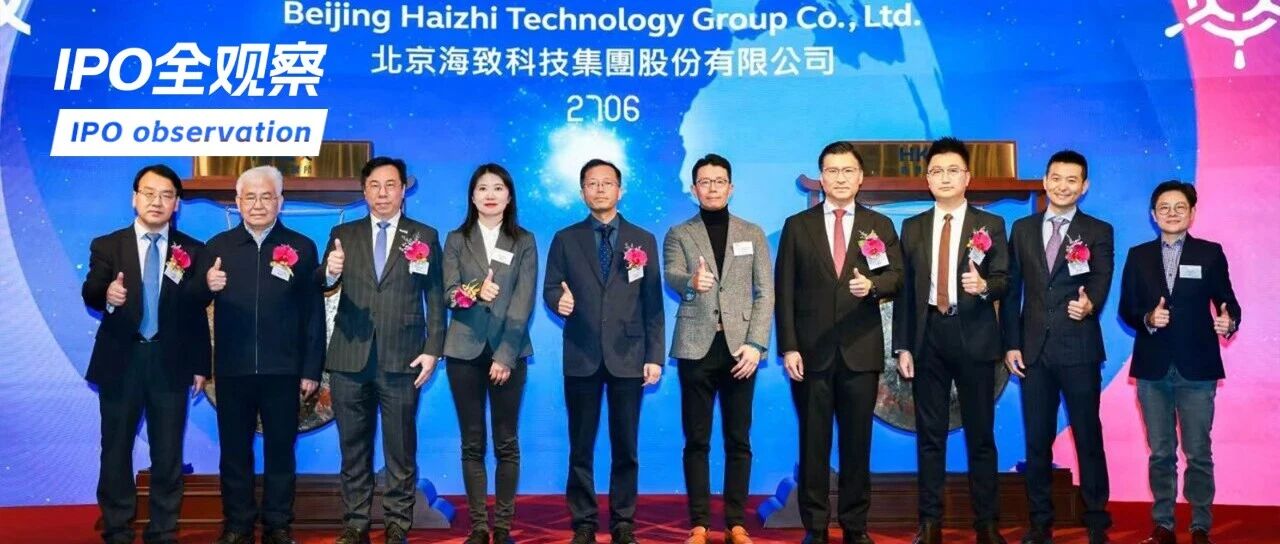
360亿港元,“AI除幻第一股”海致科技今日敲钟, 前百度元老任旭阳带队
创业邦· 2026-02-13 03:37
Core Viewpoint - The article discusses the IPO of Haizhi Technology, which focuses on using "graph-model fusion" technology to address the hallucination issues of AI models, highlighting its business model, market potential, and investment backing [3][4][15]. Company Overview - Haizhi Technology went public on February 13, with an IPO price of HKD 27.06 per share, raising approximately HKD 760 million. The stock opened with a 204% increase, reaching a market capitalization of over HKD 32.9 billion [3][4]. - The company was founded by Ren Xuyang, a former Baidu executive, and has attracted significant investment from various venture capital firms and strategic funds [4][10]. Business Model and Technology - Haizhi Technology utilizes "graph-model fusion" to effectively reduce AI hallucinations, combining structured knowledge graphs with flexible language models to enhance decision-making in high-accuracy sectors like finance and government [15][16]. - The company's main offerings include the Atlas Graph Solution and Atlas Intelligent Body Solution, which leverage graph computing and data analysis capabilities [16][18]. Financial Performance - Revenue projections for Haizhi Technology from 2022 to 2024 are CNY 313 million, CNY 376 million, and CNY 503 million, respectively, with a compound annual growth rate (CAGR) of 26.8%. The gross margin is expected to increase from 30.9% in 2022 to 36.3% in 2024 [18][19]. - The company has not yet achieved profitability, with net losses of CNY 176 million, CNY 266 million, and CNY 93.73 million over the past three years [21]. Investment and Shareholding - Major shareholders include Ren Xuyang with 5.38% and institutional investors like Junlian Capital (12.68%) and BAI Capital (6.05%) [5][10]. - The IPO attracted cornerstone investments totaling approximately USD 15 million (about HKD 117 million) from four key institutions [4][10]. Market Potential - The market for AI solutions centered around graph technology is projected to reach CNY 10 billion by 2024, with Haizhi Technology positioned as a leading player in this niche [27]. - The overall market for industrial AI solutions in China is expected to grow from CNY 12.5 billion in 2020 to CNY 453 billion by 2024, with a robust CAGR of 37.9% [32]. Future Plans - The company plans to allocate approximately 45% of the raised funds to enhance its graph-model fusion technology and 20% to optimize its Atlas Intelligent Body [25]. - Haizhi Technology aims to expand its market presence in Hong Kong and Singapore, utilizing about 15% of the funds for international market development [25].
未知机构:美利云000815事件快评为即梦AI提供算力智算业务再获头部场景验证-20260213
未知机构· 2026-02-13 02:50
#美利云(000815)事件快评:为即梦AI提供算力,智算业务再获头部场景验证。 #公司为字节跳动旗下即梦AI提供云端算力支撑,契合"东数西算"与AIGC高景气,算力业务落地、客户结构优化、 业绩扭亏为盈,转型成功,困境反转,确定性提升,请领导重视! 事件要点 • 合作内容:#美利云以宁夏中卫智算中心资源,为即梦AI文生图、视频生成、数字人渲染等多模态任务提供稳定 算力与低时延运维。 < #美利云(000815)事件快评:为即梦AI提供算力,智算业务再获头部场景验证。 #公司为字节跳动旗下即梦AI提供云端算力支撑,契合"东数西算"与AIGC高景气,算力业务落地、客户结构优化、 业绩扭亏为盈,转型成功,困境反转,确定性提升,请领导重视! 事件要点 • 合作内容:#美利云以宁夏中卫智算中心资源,为即梦AI文生图、视频生成、数字人渲染等多模态任务提供稳定 算力与低时延运维。 合作意义:#即梦AI为字节跳动旗下主流AIGC创作平台,模型迭代与用户增长带来持续算力需求,标志公司智算 服务获头部互联网AI场景认可。 公司核心价值:中卫IDC资产+绿电+字节算力底座(央企、东数西算核心)。 基地:宁夏中卫(东数西算核心枢纽 ...

阿里云份额扩大至36%,云市场又要变天了?
雷峰网· 2026-02-12 10:12
Core Insights - The article discusses the competitive landscape of the Chinese cloud market, highlighting that the focus may shift from who is first to how long the second tier can keep up [1][30]. Group 1: Market Dynamics - Alibaba Cloud's market share increased from 33% to 36%, indicating a significant growth of 3 percentage points in a mature market [3][6]. - The growth of Alibaba Cloud is attributed to structural new demand driven by AI, rather than just the migration of existing customers [9][11]. - The demand for AI has evolved from simple applications to deep integration into core business processes, leading to increased consumption of cloud resources [11][12]. Group 2: Competitive Landscape - While Alibaba Cloud's share increased, competitors like Huawei Cloud and Tencent Cloud saw declines, with Huawei dropping from 18% to 16% and Tencent from 10% to 9% [17]. - This disparity indicates a significant shift in market dynamics, where demand is increasingly concentrated among leading providers [18][19]. Group 3: Alibaba Cloud's Strategy - Alibaba Cloud's success is attributed to three key strategies: substantial investment in AI infrastructure, full-stack optimization, and an open-source ecosystem [20][22][23]. - The company plans to invest 380 billion yuan in AI infrastructure over the next three years, significantly increasing its capacity to meet customer demands [20][21]. - Full-stack optimization allows Alibaba Cloud to reduce costs by 10%-30% compared to competitors, enhancing its competitive edge [22]. - The open-source strategy has led to over 1 billion downloads of its Qwen models, creating a robust developer ecosystem that drives cloud usage [23][24]. Group 4: Global Comparisons - The article draws parallels with Google Cloud, which has also seen significant growth driven by AI infrastructure and solutions, indicating a broader trend in the cloud market [27][29]. - Both Alibaba Cloud and Google Cloud demonstrate that leadership in AI capabilities and infrastructure can create a positive feedback loop, enhancing customer retention and market share [29].

【每日收评】三大指数缩量震荡涨跌不一,影视、传媒概念股批量涨停,机器人板块午后异动
Xin Lang Cai Jing· 2026-02-10 08:44
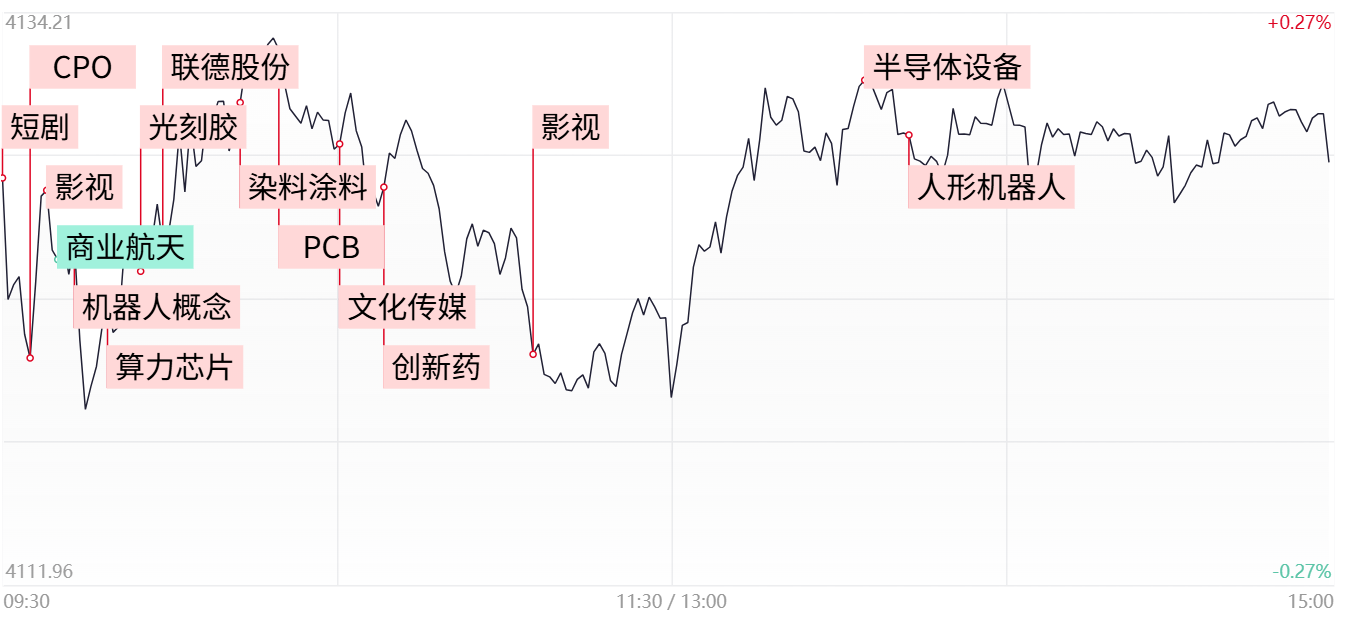
智通财经2月10日讯,市场全天窄幅震荡,三大指数涨跌不一,科创50指数涨近1%。沪深两市成交额2.11万亿,较上一个交易日缩量1439亿。盘面上,全市 场超3100只个股下跌。从板块来看,传媒板块持续全天领涨,万达电影、读客文化、捷成股份、荣信文化、横店影视、上海电影、博纳影业、中国电影、光 线传媒等多股涨停。人形机器人概念表现活跃,万向钱潮涨停。PCB概念震荡拉升,南亚新材、宏和科技双双创历史新高。下跌方面,商业航天概念下挫, 顺灏股份触及跌停。大消费板块震荡下跌,杭州解百跌停。截至收盘,沪指涨0.13%,深成指涨0.02%,创业板指跌0.37%。 板块方面 传媒板块全天强势,读客文化、捷成股份、荣信文化、横店影视、上海电影、博纳影业、中国电影、光线传媒等多股涨停。 近日,字节跳动旗下即梦AI发布新一代视频生成模型Seedance 2.0,实现多项质变,其多镜头叙事与导演级控制、精准的音画同步与口型匹配,以及大幅增 强的角色与场景一致性,共同使AI视频具备了长篇叙事能力,正朝影视工业级别迈进。 机构研报认为,2026年AIGC行业进入规模化落地期,文生视频成为核心爆发点,整体呈现需求高速增长、供给结构性偏紧 ...

Omdia:2025年第三季度中国大陆云基础设施服务市场规模达到134亿美元 同比增长24%
Zhi Tong Cai Jing· 2026-02-10 08:28
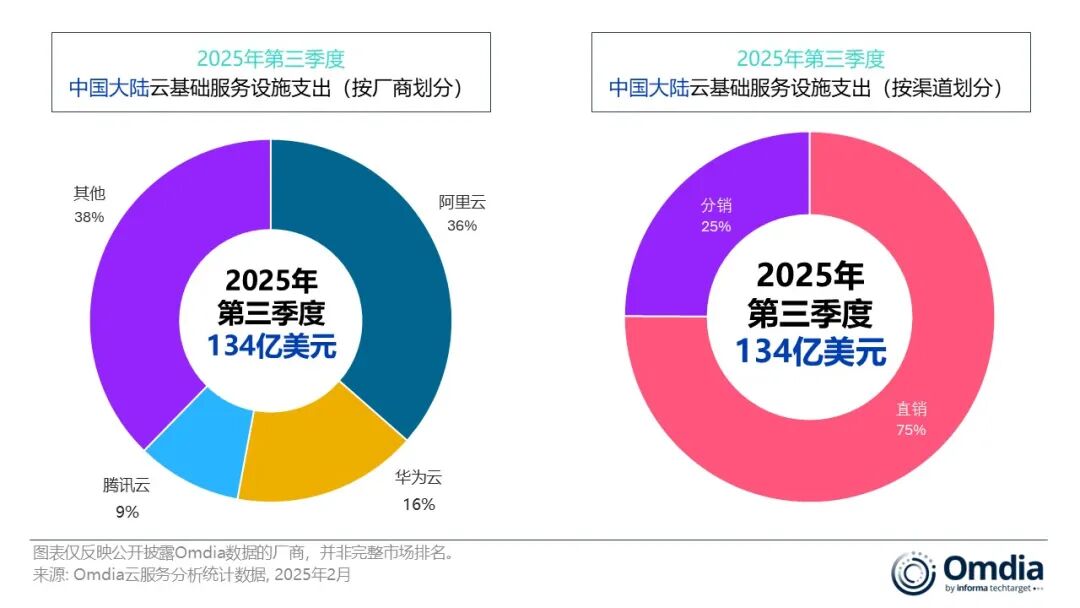
Core Insights - The cloud infrastructure service market in mainland China reached $13.4 billion in Q3 2025, marking a 24% year-on-year growth, with AI demand driving this acceleration [1] - Major cloud providers are enhancing their AI capabilities and focusing on the productization of AI models, while improving the underlying toolchain and platform capabilities to support AI Agent platforms [1][2] - The market shares for leading cloud providers in Q3 2025 were 36% for Alibaba Cloud, 16% for Huawei Cloud, and 9% for Tencent Cloud [1] Group 1: Market Trends - The cloud infrastructure service market in mainland China has shown a consistent recovery, achieving over 20% year-on-year growth for two consecutive quarters [1] - AI is becoming the primary driver of new demand for core cloud infrastructure services, leading to increased consumption of computing, storage, and database resources [1][2] Group 2: Company Developments - Alibaba Cloud has maintained its market leadership with a 36% share, experiencing triple-digit year-on-year growth in AI-related revenue for nine consecutive quarters, driven by enterprise applications and strategic AI partnerships [5] - Huawei Cloud holds the second position in the market with a 16% share and a 14% year-on-year revenue growth, focusing on AI applications in key industries [6] - Tencent Cloud, with a 9% market share, is facing growth constraints due to limited advanced AI computing resources but is enhancing its internal operations and AI product capabilities [7] Group 3: AI Integration and Development - Leading cloud providers are embedding AI models into comprehensive platform systems, making them functional modules within the platform architecture [2] - The focus is shifting towards platform-level reliability and operational stability as AI deployment moves into large-scale production [2] - In Q3 2025, partner-driven cloud revenue accounted for 25% of the market, indicating a growing contribution from ecosystem collaboration in translating AI capabilities into business outcomes [3]
智算集群迎来吉瓦级时代
Zhong Guo Dian Li Bao· 2026-02-05 02:48
Core Insights - The report by the China Academy of Information and Communications Technology highlights the rapid growth of computing power in the artificial intelligence (AI) industry, indicating a shift towards a gigawatt-level era, with energy becoming a critical bottleneck for scaling up [1][2] Group 1: Investment Trends - Major companies are increasingly investing in the power sector to support the explosive growth of computing power driven by AI applications, with predictions of a significant increase in global cluster power over the next three years [2] - Notable companies like Amazon, Google, Microsoft, and Nvidia are exploring energy privatization and investing in nuclear fusion, geothermal, and power plant construction to ensure sustainable energy for AI computing clusters [2] - Global AI investment is projected to rise from 8.1% of total industry financing in 2023 to 23% by Q2 2025, with a stark contrast in investment amounts between the US and China [2] Group 2: Model as a Service (MaaS) - MaaS is becoming essential for the industrial application of large models, transitioning from optional to necessary as demand for large models grows across various industries [3] - Major domestic cloud service providers are enhancing their MaaS offerings to optimize resource allocation and improve model inference performance while reducing costs and energy consumption [3] Group 3: AI Penetration in High-Value Sectors - AI applications are expanding into high-value sectors, enhancing productivity in agriculture, transforming industrial manufacturing, and deepening integration in service industries [4] - Different industrial sectors exhibit varied AI adoption characteristics, with significant applications in electronics, consumer goods, and automotive manufacturing, while energy and power sectors are also showing promising trends [4] Group 4: Challenges in AI Implementation - Despite the rapid growth of the AI industry, challenges remain in the practical implementation of AI technologies, with a focus on four core areas: scenario selection, technology adaptation, business integration, and data support [5] - The report emphasizes the need for tailored approaches to AI implementation based on company-specific resources, data foundations, and compliance requirements [5] - The example of State Grid Corporation illustrates a successful top-down strategy for AI integration in power grid scheduling and equipment maintenance, enhancing operational capabilities [6] Group 5: Global AI Development Disparities - The report indicates a widening gap in AI development globally, highlighting the need for international cooperation and the establishment of ESG assessment guidelines for AI [6] - A comprehensive evaluation framework covering algorithm ethics, data privacy, and energy consumption is recommended to ensure inclusivity and applicability across different countries [6]