1919

Search documents
AI 能否成为酒类销售超级入口?
Sou Hu Cai Jing· 2026-02-27 02:15
在流量红利见顶、获客成本高企的当下,酒类销售早已面临转型压力。从微信凭借社交刚需重构私域链 路,到团购依托性价比激活大众市场,每一次渠道革新都改写着行业格局。如今 AI 携精准算法而来, 能否成为撬动酒业增长的下一个超级入口?这一问题,正成为行业共同的思考。 酒业从不缺少拥抱变革的勇气,每一次工具革新、渠道升级都孕育着增长可能。AI 的出现,并非简单 的工具迭代,而是对酒类消费核心痛点的精准回应。 "1毛钱喝大牌奶茶"—— 春节期间,阿里千问通过 AI 算法推送专属优惠券的营销案例,在消费圈引发 热议。有人领到大额抵扣,有人获得满减福利,这种千人千面的精准触达模式,也为酒类行业带来了新 可能。 与此同时,中小酒企与头部酒企的数字化基础、资金实力差距悬殊,进一步加剧了不确定性。泸州老 窖、1919 等企业能承担 AI 布局的高额成本,而大量中小酒企连基础的数据积累都尚未完成,难以迈过 AI 落地的门槛。 超级入口的更迭,本质是用户需求满足方式的升级。AI 大概率不会替代现有渠道,也难以快速成为不 可或缺的核心入口,但作为新型工具,它有望与微信、团购形成互补,为酒业带来新的增长可能。对酒 企而言,无需盲目追逐"超 ...


竞逐低醇时代,中国首届低醇葡萄酒论坛将重磅启幕
Sou Hu Cai Jing· 2026-02-25 10:45
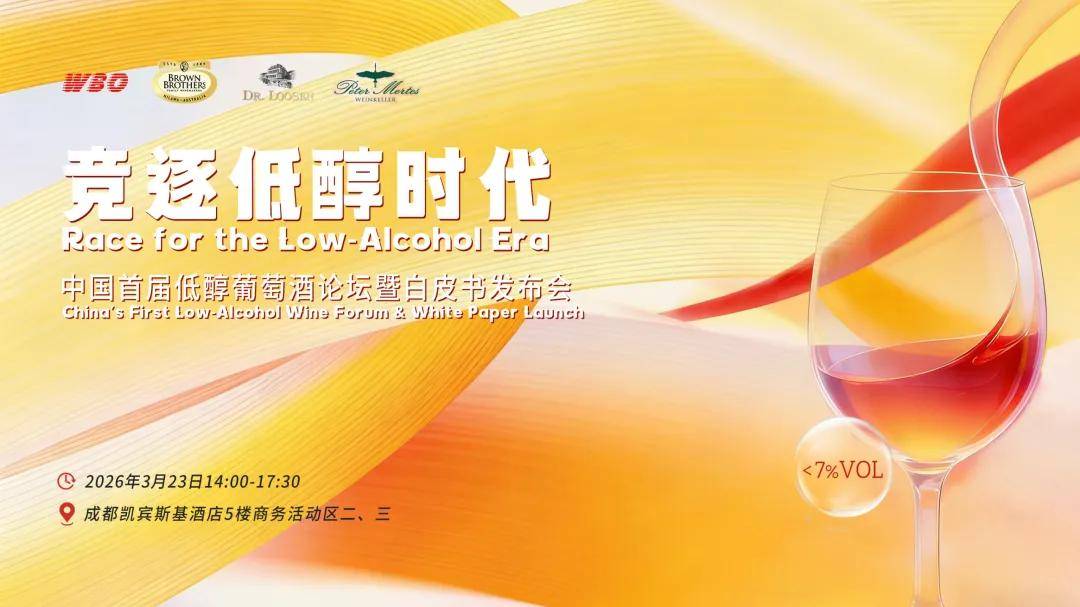
随着健康饮酒理念的普及与消费场景的日趋多元,低醇葡萄酒正快速成为市场新焦点。据公开数据,2027年全球低醇与无醇葡萄酒市场规模将达到430亿 美元,较2022年的220亿美元增长近一倍。在这一浪潮中,中国市场正以高于全球平均增速的态势加速追赶,预计同期市场规模将突破80亿元人民币,成 为全球增长最快的细分市场之一。 点击图片报名参会 01 行业大咖齐聚,共话低醇新机遇 论坛将邀请多位重量级嘉宾,从政策、市场、渠道等多维视角解读低醇葡萄酒的中国之路。中国酒类流通协会葡萄酒专业委员会秘书长王祖明将分享行业 规范与政策导向,中国食品土畜进出口商会酒类进出口商分会秘书长王旭伟则带来最新的进出口数据分析,勾勒低醇葡萄酒在中国市场的宏观图景。 王祖明 中国酒类流通协会葡萄酒专业委员会秘书长 在此背景下,WBO将于2026年3月23日下午在成都凯宾斯基酒店5楼商务活动区二、三,举办"竞逐低醇时代-中国首届低醇葡萄酒论坛暨白皮书发布会"。 本次论坛将首次系统梳理低酒精度葡萄酒在中国的发展现状、竞争格局与消费趋势,汇聚产业上下游智慧,共同探索低醇赛道的未来路径与商业机遇。 作为行业观察者,WBO葡萄酒商业观察总编辑杨征建将从媒 ...
从“提前买”到“马上要”即买即送成春节酒桌新主张
Mei Ri Jing Ji Xin Wen· 2026-02-23 11:47
Core Insights - The article highlights the increasing trend of instant retail in the white liquor market during the Chinese New Year, driven by consumer demand for immediate purchases and gifting [1][2][5] Group 1: Market Trends - Instant retail has become the new mainstream for white liquor consumption during the Spring Festival, with platforms like Meituan and Taobao promoting "春节不打烊" (Spring Festival does not close) to capture consumer attention [2][7] - There is a noticeable shift in consumer behavior from "buying in advance" to "immediate needs," indicating a growing demand for quick purchases during festive occasions [5][6] Group 2: Sales Performance - The flagship store of 1919 has experienced a slight increase in sales compared to previous years, with specific brands like Honghua Lang performing particularly well among casual customers [6][7] - Major liquor companies, including Guizhou Moutai and Shanxi Fenjiu, are actively collaborating with retail platforms to leverage the instant retail trend, which has shown significant growth in sales figures [7] Group 3: Consumer Behavior - Customers are increasingly making urgent purchases during meals, with delivery times often within 30 minutes, reflecting the demand for convenience [6] - The store's location in a commercial area has led to a higher demand for white liquor, particularly for business gatherings and gifting [6]



“捡漏”香港印刷厂,江西酒商囤壳上市?
Jin Rong Jie· 2026-02-11 06:32
2月10日,港股上市平台环球印馆(08448.HK)股价"暴涨"。当天,环球印馆高开47%至0.72港元/股。 截至收盘,环球印馆股价报0.86港元/股,涨幅达75.51%。 一家位于香港的印刷服务供应商,为何突然迎来股价飞涨?答案藏在前一晚的公告里。环球印馆称,于 2026年2月9日,要约人与公司原股东订立买卖协议,以2289.37万港元(折合约人民币2024万元)收购 公司6541.05万股股份,占已发行总股本约65.54%,每股收购价为0.35港元。 公告显示,此次交易卖方包括环球印馆董事会主席林承大等实益拥有人,而要约方的实际控制人,则是 酒类连锁企业名品世家董事长陈明辉。 "捡漏"上市平台 此次交易并非简单的入股投资。 公告显示,本次收购的股权交割已于2月9日完成。这也意味着,陈明辉已成为这家港股公司的单一最大 股东。 同时,根据香港《收购守则》规则 26.1,陈明辉方面还需向剩余34.46%的公众股东发出无条件强制性 现金要约,要约价同样为每股0.35港元,涉及最高资金约1203.63万港元。 时代财经注意到,公告中明确提及,尽管陈明辉的背景与环球印馆现有印刷业务无直接关联,但其一贯 的管理经验、 ...
封面观酒丨曲线上市?“名品世家”陈明辉收购港股公司环球印馆
Sou Hu Cai Jing· 2026-02-10 10:29
2月9日,港股上市公司环球印馆发布公告,宣布知名酒类连锁企业"名品世家"董事长陈明辉,通过其全资持有的Digital Intelligence Holdings Limited,正式 收购公司约65.54%的股份,交易总代价约2289万港元。 根据香港《公司收购及合并守则》,由于陈明辉持股比例超过50%,触发强制性全面要约。他将以每股0.35港元的价格(较市场价折让约28.57%),向剩 余小股东收购所有已发行股份。 此次收购不仅标志着陈明辉正式入主港股资本市场,更引发了市场对其资本运作意图的广泛猜测。 名品世家也要借壳上市? 今年1月23日,环球印务发布公告称,公司预计2025年归属于上市公司股东的净利润亏损1650万元–3000万元,上年同期亏损5237.68万元;扣除非经常性 损益后的净利润亏损2000万元–3300万元,上年同期亏损5498.78万元。 分析人士猜测,此次收购是否意在"借壳"?环球印馆主营业务压力巨大,此次资本动作不排除未来注入酒业或新零售资产的可能性。 进军港股,1919已先行一步 此前,已有1919杨陵江先行一步,控股港股上市公司怡园酒业。 公开资料显示,陈明辉1965年生于江西南 ...

怡园酒业:刘运强、 熊霞及赵明君获委任为执行董事
Cai Jing Wang· 2026-02-04 08:32
Group 1 - The core announcement is the appointment of new directors at Yiyuan Wine Industry, effective from February 3, 2026 [1] - Liu Yunqiang, aged 58, has over 26 years of experience in financial management, retail operations, and corporate management, and has held various senior management positions at 1919 since October 2017 [1] - Xiong Xia, aged 44, has over 17 years of experience in the Chinese liquor industry and has been with 1919 since March 2008, currently serving as the CEO [1] - Zhao Mingjun, aged 53, has over 16 years of experience in the Chinese liquor industry and has been with 1919 since October 2016, currently managing the North and Northwest regions [1] Group 2 - Zhao Guodong has been appointed as a non-executive director [1] - Liang Mingshu, Wang Renrong, and Xu Yan have been appointed as independent non-executive directors [1]
怡园酒业发布联合公告委任董事,1919系正式进驻
Xin Lang Cai Jing· 2026-02-04 02:18
新浪财经"酒价内参"重磅上线 知名白酒真实市场价尽在掌握 2月3日,2月3日怡园酒业发布联合公告委任董事,公告称,即日起委任刘运强、熊霞及赵明君为执行董 事;赵国东为非执行董事;梁铭枢、王仁荣博士及徐岩博士为独立非执行董事。 公告信息显示,其中,执行董事刘运强、执行董事熊霞、执行董事赵明君、非执行董事赵国东均有1919 任职经历。 执行董事刘运强,58岁,拥有超过26年财务、零售运营及企业综合管理经验。2017年10月加入1919,担 任多个高级管理职务。曾在2020年4月至2021年12月期间担任1919董事。2024年12月离职后,于2025年8 月重返1919,现任华南区域总经理。 相关人员任职经历: 执行董事熊霞,44岁,拥有超过17年中国酒业经验。她于2008年3月加入1919,曾在1919集团担任多个 高级管理职务。自2022年7月起担任1919董事,现任1919行政总裁。 2月3日,2月3日怡园酒业发布联合公告委任董事,公告称,即日起委任刘运强、熊霞及赵明君为执行董 事;赵国东为非执行董事;梁铭枢、王仁荣博士及徐岩博士为独立非执行董事。 公告信息显示,其中,执行董事刘运强、执行董事熊霞、执行董事 ...

32万家街边烟酒店,被年轻人砸了铁饭碗
36氪· 2026-01-07 13:55
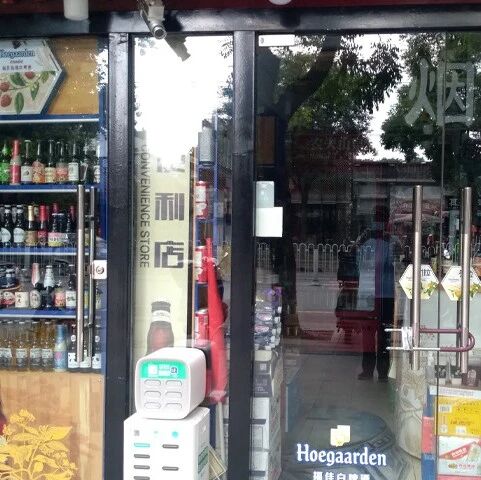
Core Viewpoint - The article discusses the drastic decline of tobacco and liquor stores in China, highlighting the shift in consumer behavior and the impact of regulatory changes on the industry [6][10][26]. Group 1: Industry Overview - In 2025, the number of tobacco and liquor stores in China decreased by approximately 19%, equating to the closure of around 320,000 stores [7]. - Over the past five years, more than 1.3 million tobacco and liquor stores have shut down, averaging nearly 900 closures per day [7][25]. - The traditional business model of tobacco stores, which relied heavily on local corporate bulk purchases, has been severely disrupted [15][19]. Group 2: Consumer Behavior Changes - Younger consumers are increasingly rejecting traditional drinking culture, with only 19% of individuals aged 20-35 preferring liquor, while over half favor beer or wine [31]. - The smoking rates among younger generations are declining, with only about 10% of post-2000s individuals smoking, compared to 20% of those born in the 1980s [33]. - The shift in consumer preferences has led to a significant drop in sales, with some regions experiencing an 80% decline in liquor sales [20]. Group 3: Competitive Landscape - National chain liquor stores are expanding, contrasting sharply with the decline of individual tobacco shops, as they leverage strong capital and standardized services [34][36]. - The profit margins for many tobacco stores have fallen below 10%, leading to a situation where many are operating at a loss [36]. - Direct-to-consumer sales by liquor companies through online platforms have eliminated the traditional price advantage held by tobacco stores [39][42]. Group 4: Adaptation Strategies - Some tobacco stores are attempting to survive by diversifying their offerings, including introducing lower-priced liquor and other products to attract local consumers [52][54]. - Innovative strategies include leveraging social media for marketing and creating community engagement through services like package delivery and local promotions [57][58]. - A few stores are transforming into lifestyle venues, offering a mix of products and experiences to appeal to younger consumers [62][64]. Group 5: Industry Outlook - The article suggests that while the traditional tobacco store model is failing, the demand for tobacco and liquor remains, indicating that the industry will continue to exist but will require adaptation to survive [66]. - The ongoing trend of closures in various sectors, including pharmacies and beauty stores, underscores the broader need for industries to evolve in response to changing consumer behaviors and market conditions [67][68].
逆周期调整站位,酒类流通向外谋出路的一年
Sou Hu Cai Jing· 2026-01-05 08:12
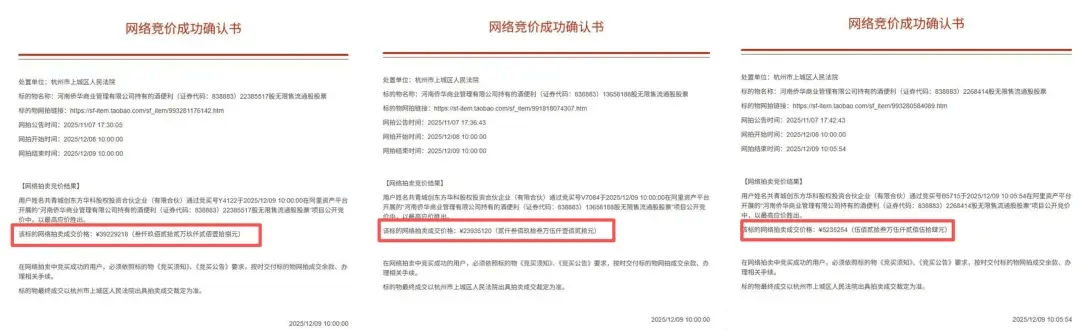
Core Insights - The year 2025 in the liquor industry is characterized by "adjustment," with companies undergoing transformations and facing significant challenges in the market [1] - Liquor distribution companies are under pressure due to declining revenues, high inventory levels, and changing relationships with manufacturers and consumers [1][3] Industry Overview - The liquor distribution market is experiencing a "cold winter," with significant financial distress highlighted by the auction of a major liquor company's shares at a price significantly lower than its assessed value [3] - Leading companies like Huazhi Liquor have reported substantial revenue declines, with a 34.07% year-on-year drop in revenue for the first three quarters of 2025 [3] - The average inventory turnover days for the industry have reached nearly 900 days, a 10% increase year-on-year, with inventory levels rising by 25% [4] Changing Business Models - The traditional "pressing goods" operation model is becoming unsustainable, prompting liquor distributors to seek new strategies for survival [5] - There is a shift from isolated operations to collaborative efforts among distributors, manufacturers, and consumers, aiming to rebuild the value chain [5][6] Strategic Collaborations - Companies are increasingly pursuing "manufacturer integration" as a practical strategy, with partnerships aimed at creating efficient service platforms [6][8] - Innovative models like the "Ten Thousand Merchants Alliance" are transforming distributors from mere purchasers to collaborative partners, enhancing their roles in the supply chain [8][10] Consumer Engagement - Liquor distribution companies are adjusting their relationships with consumers, focusing on reducing delivery times and enhancing service responsiveness [13] - The rise of instant retail is reshaping consumer behavior, with companies like Yima Songji achieving significant growth in market presence and transaction volume [13][15] - Investments in digital infrastructure and consumer data analytics are becoming critical for companies to understand and meet consumer needs effectively [17] Future Outlook - The core competitive advantage for liquor distribution companies in the next 3-5 years will hinge on data insights, terminal operations, and supply chain efficiency [17] - The ongoing themes of destocking and structural adjustment will continue to dominate the industry landscape as companies refine their strategies for survival and growth [17]

白酒亏哭!别人压库存亏百万,19190库存冲140亿玩法差着平行宇宙
Sou Hu Cai Jing· 2025-12-28 13:25
Core Viewpoint - The company 1919 has achieved continuous profitability for three years, contrasting sharply with its peers in the white liquor industry, which are facing significant losses. The company aims for a trading scale of 14 billion yuan by 2025, highlighting its unique position in a struggling market [1]. Industry Challenges - The white liquor industry is undergoing a profound restructuring of consumption scenarios and channel ecosystems, with traditional government and business banquet scenes declining. Consumer preferences are shifting towards home drinking and casual gatherings, leading to more rational purchasing decisions focused on value and convenience [2]. - The industry is facing dual pressures from demand reconstruction and inventory issues, with demand expected to drop by 20%-30% during key festivals in 2025, while inventory levels are rising by 10%-20%. This has resulted in severe price discrepancies in various price segments, causing many distributors to operate at a loss [5][3]. Company Transformation - 1919's growth is attributed to a significant transformation initiated three years ago, moving from a heavy asset model with a 92% debt ratio to a leaner platform model. The company abandoned most of its premium liquor distribution rights and initiated a three-year inventory reduction plan [7]. - This strategic shift allowed 1919 to avoid the impacts of falling premium liquor prices by implementing a "zero inventory" operation model, expanding its franchise model from 1,500 to 3,000 stores, and reducing its debt ratio to below 20% [9]. Innovative Business Model - The company's early investment in instant retail has become a core growth driver, with a strategic partnership with Taobao Flash Delivery enhancing its delivery capabilities. The instant retail market for liquor is projected to reach 200 billion yuan in 2023, with significant growth expected by 2027 [11][14]. - 1919 is also launching a "wine and food lifestyle" strategy, integrating dining and drinking experiences through innovative marketing and a diverse store format, which has shown to triple revenue in pilot locations [16]. Strategic Acquisitions - In December 2025, the founder of 1919 acquired a controlling stake in Yiyuan Wine Industry, a significant player in the domestic wine market, which is currently undervalued. This acquisition is seen as a strategic move to enhance asset integration and capitalize on the company's financial strength [20][22]. - The acquisition is expected to signal a restart of 1919's capitalization process, leveraging Hong Kong's financial advantages to expand its international liquor business [22].