Epic Systems

Search documents
X @Forbes
Forbes· 2026-02-15 07:30
Judy Faulkner founded medical-record software provider Epic Systems in a Wisconsin basement in 1979. Now, the computer programmer is CEO of the $5.7 billion (2024 sales) company, which has never raised venture capital or made an acquisition.Epic supports the medical records of over 250 million patients and is used by top medical centers such as Johns Hopkins and Mayo Clinic. Faulkner is recognized on the #Forbes250 list, featuring people actively changing how America works, builds and invents.Get the full l ...
X @Forbes
Forbes· 2026-02-13 18:45
Judy Faulkner founded medical-record software provider Epic Systems in a Wisconsin basement in 1979. Now, the computer programmer is CEO of the company that supports medical records of over 250 million patients. Faulkner is recognized on the #Forbes250 list, featuring America’s greatest living innovators.Get the full list: https://t.co/kszvRsR2NBPhoto: Guerin Blask for Forbes ...
AI vs SaaS:先卖再问,市场只“卖对了一半”?
华尔街见闻· 2026-02-12 09:55
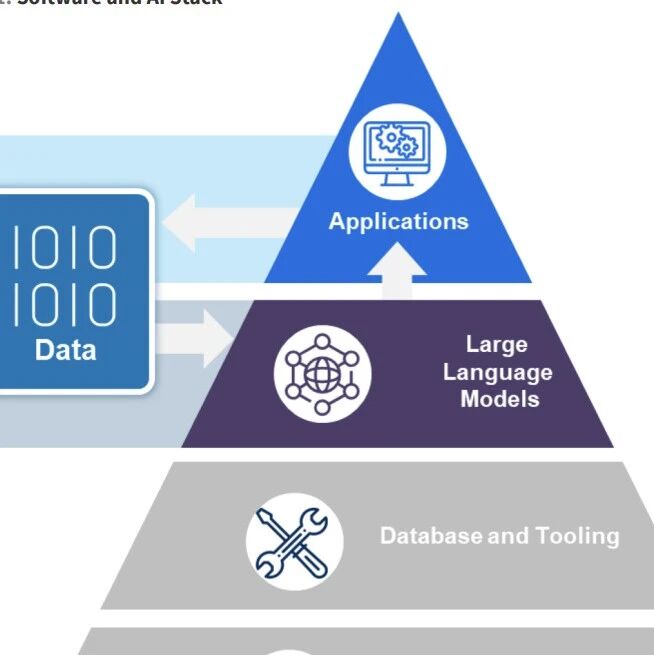
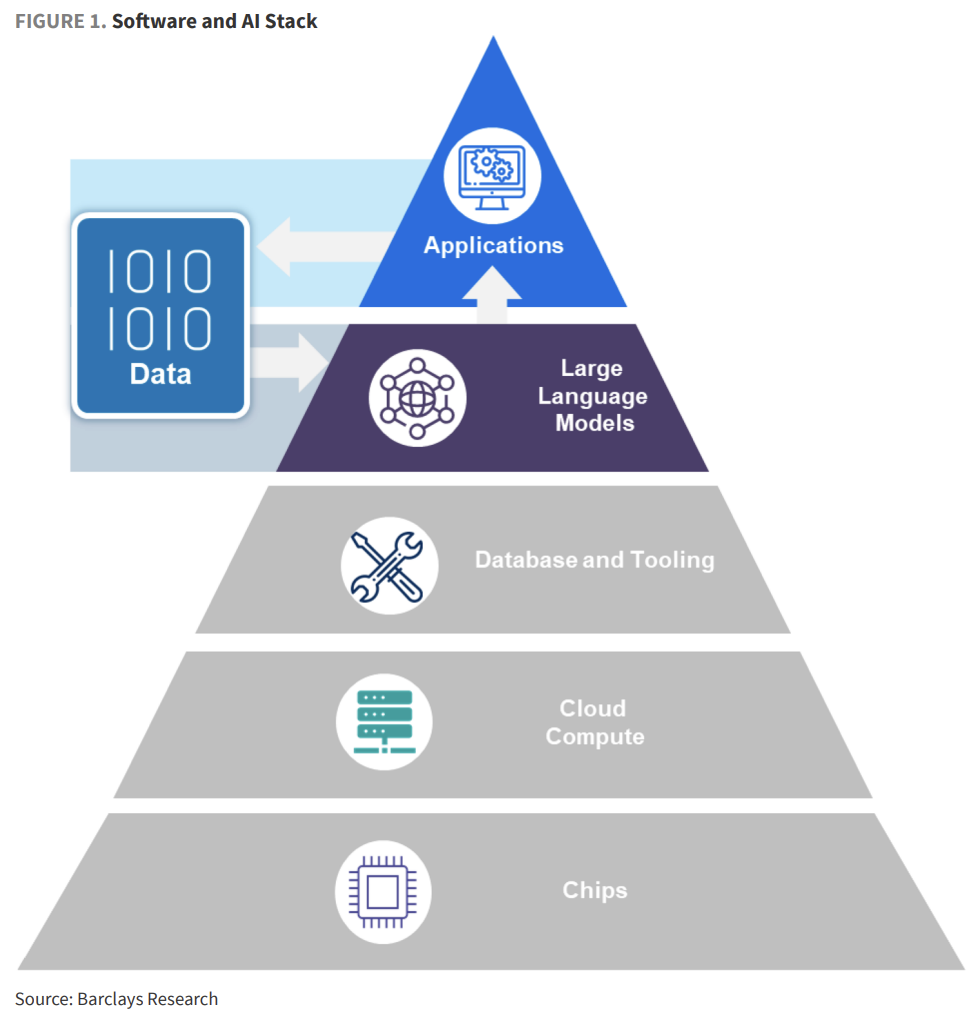
Core Viewpoint - Barclays highlights a critical technological distinction: AI tools are indeed encroaching on the application layer of SaaS companies, but they cannot shake the foundational "system of record" infrastructure, which is the core moat for companies like Salesforce and SAP [1][2]. Group 1: Impact of AI on SaaS Companies - The recent release of products like Claude Cowork by Anthropic has led to a significant decline in enterprise software stocks, with Salesforce and Workday dropping over 40% in the past 12 months [2]. - Investors are confused about the boundaries of AI capabilities, leading to a panic sell-off as they believe new AI tools will completely replace traditional SaaS software, resulting in a zero valuation for legacy companies [2][3]. - Barclays' report argues that a simplistic "one-size-fits-all" logic does not apply to most enterprise software companies [3]. Group 2: AI Capabilities and Limitations - Generative AI excels in pattern recognition and "draft generation," but its probabilistic nature poses fundamental limitations, particularly in scenarios requiring absolute accuracy [5]. - Traditional software operates on deterministic rules, ensuring consistent outputs, while AI software is probabilistic and cannot guarantee the same level of consistency [5][6]. - This indicates that AI operates at a higher level of abstraction and is not a direct replacement for traditional software [6]. Group 3: Mispriced Software Companies - Barclays identifies three categories of enterprise software companies that have been mispriced during the sell-off, starting with system of record companies like Salesforce, which provide critical data requiring certainty [9]. - SAP's position is even more secure, as it manages essential business data and workflows that cannot be handled by advanced generative AI models [9][10]. - The report suggests that AI will not replace these systems but will increase their importance, as AI agents will create more data touchpoints, raising the complexity that system records need to manage [10]. Group 4: Additional Misjudged Investment Opportunities - Besides system of record companies, Barclays points out two other categories that have been misjudged: beneficiaries of AI agents and AI computing providers [11]. - Companies like JFrog, Snowflake, and MongoDB may see increased usage due to the demand for more code and data driven by AI expansion [11]. - There is a logical contradiction in the market's reaction; if AI is powerful enough to disrupt the software industry, the demand for computing power should surge, yet companies like Oracle and CoreWeave have also faced significant sell-offs [11]. Group 5: Reevaluation of Software Sector Valuations - The market correction is deemed necessary for the application layer of enterprise software, which has long enjoyed inflated valuations due to controlling both infrastructure and interface [15]. - If AI technologies can overlay on system records, they may begin to erode the pricing power of SaaS companies [15]. - Barclays concludes that the era of easy high profits for bloated application layers may be over, but this does not signify the end of the entire industry [15][16]. Group 6: Market Sentiment and Future Outlook - The indiscriminate nature of the current sell-off indicates that investors with limited understanding of the software industry are making decisions based on extreme viewpoints [16]. - As understanding of AI capabilities and SaaS business models deepens, the market may reprice companies incorrectly categorized as "AI victims" [16].

AI vs SaaS:先卖再问,市场“卖对了一半”?
Hua Er Jie Jian Wen· 2026-02-12 08:24
Core Insights - The recent release of Anthropic's products has triggered a significant sell-off in enterprise software stocks, revealing an overreaction in the market regarding AI threats [1][3] - Barclays highlights that while AI tools are encroaching on the application layer of SaaS companies, they do not threaten the foundational "system of record" infrastructure, which is crucial for companies like Salesforce and SAP [1][3] Group 1: Market Reaction and Misunderstandings - The release of Claude Cowork by Anthropic has been described as the tipping point for the decline in enterprise software stocks, with Salesforce and Workday seeing over a 40% drop in the past year [3] - Investors are confused about the capabilities of AI, mistakenly believing that new AI tools will completely replace traditional SaaS software, leading to a devaluation of established companies [3][12] - Barclays' report argues that the simplistic view of AI as a total replacement for software does not apply to most enterprise software companies [3] Group 2: AI Capabilities and Limitations - Generative AI excels in pattern recognition and initial draft generation but has fundamental limitations due to its probabilistic nature, making it less effective in scenarios requiring absolute accuracy [4][5] - Traditional software operates on deterministic rules, ensuring consistent outputs, while AI software functions probabilistically, lacking guaranteed consistency [5][6] Group 3: System of Record Companies - Barclays identifies three categories of enterprise software companies that have been mispriced during the sell-off, starting with system of record companies like Salesforce and SAP, which provide critical data requiring certainty [7][8] - SAP's position is particularly strong, as it manages essential business data and workflows that generative AI cannot handle effectively [7][8] - The report suggests that AI will not replace these systems but will instead increase their importance as AI creates more data touchpoints [8] Group 4: Misjudged Investment Opportunities - Besides system of record companies, Barclays points out two other categories that are misjudged: beneficiaries of AI agents and AI computing providers, which may see increased demand due to AI expansion [9] - There is a contradiction in the market logic; if AI is powerful enough to disrupt the software industry, the demand for computing power should rise, yet companies like Oracle and CoreWeave have also faced sell-offs [9] Group 5: Application Layer Challenges - The market's panic is not entirely unfounded, as SaaS companies have struggled with poor user interfaces, high prices, and security vulnerabilities, leading to customer dissatisfaction [10] - Companies like Klarna are moving away from traditional SaaS products in favor of smaller firms, utilizing AI tools to build their own applications, which highlights a genuine threat to the SaaS model [10] Group 6: Future Market Dynamics - The current market correction is seen as necessary, as SaaS companies have enjoyed inflated valuations by controlling both infrastructure and interface [11] - The emergence of AI technologies that can operate above system records may erode the pricing power of SaaS companies, indicating a shift in the profitability landscape [11] - As understanding of AI capabilities and SaaS business models deepens, the market may begin to re-evaluate companies incorrectly labeled as "AI victims," while those relying on poor application layers may face continued valuation pressure [12]
X @The Wall Street Journal
The Wall Street Journal· 2025-12-11 18:56
Texas sued healthcare technology giant Epic Systems, alleging the company’s setup can block parents from accessing their children’s health information https://t.co/ngpNt68MFt ...
X @Bloomberg
Bloomberg· 2025-12-11 17:41
Antitrust Allegations - Texas Attorney General Ken Paxton filed an antitrust lawsuit against Epic Systems [1] - The lawsuit accuses Epic Systems of using its control over patient medical records to maintain market dominance [1] Industry Impact - The lawsuit highlights concerns about potential anti-competitive practices in the healthcare software industry [1]
18个月月收33万刀!起底“AI套壳”生意经:是昙花一现还是隐形金矿?
AI科技大本营· 2025-11-22 04:07
Core Viewpoint - The article discusses the concept of "AI wrappers," which are products that leverage existing AI models and APIs to provide specific functionalities without developing core technologies. The debate centers around whether these wrappers are merely temporary solutions or can evolve into sustainable products that thrive in competitive markets [2][4][20]. Group 1: Definition and Characteristics of AI Wrappers - AI wrappers are often seen as products that do not involve complex underlying technology, instead relying on existing APIs to create user-friendly interfaces [2][4]. - A key distinction is made between "functionality" and "product," where some applications may only serve as temporary tools, while others can establish a strong market presence [4][21]. Group 2: Market Examples and Financial Performance - Applications that allow users to interact with PDFs exemplify the AI wrapper concept, providing immediate solutions to specific problems without creating new content [3][5]. - Financial data indicates significant monthly recurring revenues for various AI wrapper applications, such as PDF.ai at $500,000 and Jenni AI growing from $2,000 to $333,000 in 18 months, highlighting the lucrative nature of this business model [6]. Group 3: Challenges and Competitive Landscape - AI wrappers face challenges from major tech companies that can integrate similar functionalities into their ecosystems, posing a threat to the survival of independent applications [7][11]. - The reliance on external models for functionality creates vulnerabilities, as companies like Cursor depend on access to APIs from larger firms like OpenAI and Google [9][10]. Group 4: Strategies for Survival and Success - Successful AI wrapper applications must establish a foothold in user workflows and capture proprietary data to maintain a competitive edge [17][19]. - Speed and execution can provide opportunities for smaller companies to thrive, as seen with Cursor and other rapidly growing tools that attract acquisition interest [12][13]. Group 5: Niche Markets and Long-Term Viability - There are niche markets that may not attract the attention of larger tech firms, allowing smaller developers to create profitable businesses without direct competition [14][16]. - Applications that can integrate deeply into user workflows and continuously learn from user interactions are more likely to survive and thrive in the long term [21].



Quest Diagnostics(DGX) - 2025 Q3 - Earnings Call Transcript
2025-10-21 13:32
Financial Data and Key Metrics Changes - Consolidated revenues for the third quarter were $2.82 billion, reflecting a 13.1% increase year-over-year, with organic revenues growing by 6.8% [15] - Reported operating income was $386 million, or 13.7% of revenues, compared to $330 million, or 13.3% of revenues last year; adjusted operating income was $458 million, or 16.3% of revenues, compared to $385 million, or 15.5% last year [16] - Reported EPS was $2.16, up from $1.99 a year ago; adjusted EPS was $2.60 versus $2.30 the prior year [17] - Cash from operations increased to $1.42 billion year-to-date, a 63.1% increase from $870 million in the prior year [17] Business Line Data and Key Metrics Changes - In the physician channel, revenue grew approximately 17%, with organic revenue growth in the high single digits, driven by broad-based demand for clinical solutions [8] - Revenues in the hospital channel grew in low single digits, with COLAB Solutions contributing to growth [9] - The consumer channel saw strong double-digit growth, particularly from the questhealth.com platform and partnerships with companies like Whoop and Oura Health [10] Market Data and Key Metrics Changes - Total volume measured by requisitions increased by 12.5% year-over-year, with organic volume up 3.9% [15] - Revenue per requisition increased by 0.8% year-over-year, driven by an increase in the number of tests per requisition [16] Company Strategy and Development Direction - The company is focused on delivering solutions that meet the evolving needs of core clinical customers and expanding into higher growth areas such as consumer life sciences and data analytics [6] - Strategic acquisitions are emphasized as key growth drivers, particularly in hospital outreach and independent labs [7] - The company announced a joint venture with Corewell Health to establish a laboratory services partnership in Michigan, which is expected to generate approximately $1 billion in annual revenues from COLAB Solutions once fully scaled [9][10] Management's Comments on Operating Environment and Future Outlook - Management expressed optimism about continued strong demand for clinical solutions and the execution of their strategy, raising the full-year 2025 guidance [3][19] - The management highlighted the potential impact of PAMA reforms and the need for legislative action to avoid significant payment cuts [5] - The company expects to continue seeing elevated utilization levels and strong performance in the consumer health channel [24] Other Important Information - The company received FDA Breakthrough Device designation for its Haystack MRD test, reinforcing its cancer monitoring innovation [11] - The partnership with Epic Systems aims to modernize the order-to-cash process, enhancing patient and provider experiences [14][75] Q&A Session Summary Question: Utilization backdrop and expectations into year-end - Management noted that raw REC volume was up 3.9%, with strong growth in autoimmune and advanced cardiometabolic testing, and expects utilization levels to continue into Q4 [23] Question: Latest expectations on PAMA - Management indicated that while the RESULTS Act has been proposed, a delay in PAMA is more likely than its passage, with a potential $100 million impact next year [26] Question: Mix performance relative to expectations - Management stated that consumer channels are performing slightly above expectations, with strong growth in episodic testing and wellness testing [32] Question: Q4 margins and Project Nova investments - Management expects elevated margins in Q4 but noted potential headwinds from increased employee health expenses and Project Nova investments [39] Question: Cash flow and one-time benefits - Management highlighted strong cash flow but noted that some one-time benefits, such as the CARES Act payment, are not expected to recur next year [56] Question: Consumer health momentum and partnerships - Management discussed partnerships with Whoop and Oura, emphasizing the potential for increased requisition volume through these collaborations [62] Question: Oncology initiatives and Haystack integration - Management confirmed that the Haystack MRD test is fully integrated and ongoing studies are expected to broaden coverage for multiple cancer indications [98]

Cisco Unveils Advanced AI-Powered Webex Contact Center Solutions and Industry Integrations
Prnewswire· 2025-09-30 16:00
Core Insights - Cisco announced enhancements to its Webex Customer Experience portfolio, including a new AI-powered tool for supervisors set to launch in early 2026, aimed at unifying quality management across contact centers [2][4] - The company is addressing challenges faced by organizations due to legacy systems and fragmented workflows by leveraging its cloud architecture and advanced AI to transform contact centers into streamlined platforms [3][5] - Cisco is expanding its Webex ecosystem with new integrations and services in India and Saudi Arabia, enhancing customer experiences through strategic partnerships [8][11] AI Insights for Supervisors - The new Webex AI Quality Management (QM) tool allows supervisors to manage both AI and human agents through a single platform, providing real-time insights and personalized coaching [4][5] - This unified approach helps leaders identify successes, mitigate risks associated with AI adoption, and drive continuous improvement in customer experience [4][5] - Webex AI QM is expected to be generally available in Q1 2026, setting a new standard for customer experience and brand reputation [4] AI Deployment and Customer Impact - Webex AI Agent and Cisco AI Assistant are now available for cloud and on-premises customers, supporting over 50 languages by Q4 2025, which enhances service quality and productivity [5][6] - Real-world results include significant improvements in customer satisfaction and operational efficiency, such as CarShield's AI agent handling 66% of calls without human intervention and a 90% reduction in onboarding time for claims [7] - The integration of AI tools is helping organizations provide faster, more personalized service, thereby transforming customer interactions [5][7] Ecosystem Expansion - Cisco is expanding its Webex ecosystem with deeper integrations with Salesforce, AWS, and Epic, enhancing the customer journey and operational efficiency [8][10] - New local solutions in India will improve call quality and reduce latency, with plans to launch Webex Contact Center services in the region [11] - The integration with Amazon Lex allows businesses to build conversational AI interfaces, improving caller intent recognition and accelerating resolutions [10]

速递| AI笔记Abridge估值4个月翻倍至53亿美元,已完成3亿美元E轮融资,第一季度ARR达1.17亿美元
Z Potentials· 2025-06-25 02:44
图片来源: Harvey AI 我们正在招募新一期的实习生 据华尔街日报报道,专注于医疗记录自动化的 AI 初创公司 Abridge 已完成 3 亿美元 E 轮融资,估值 达 53 亿美元。 本轮由 Andreessen Horowitz 领投, Khosla Ventures 跟投,距离该公司 2 月份 2.5 亿美元融资 (估 值 27.5 亿美元)仅过去四个月。 成立七年的 Abridge 被公认为 AI 医疗记录领域领头羊,这主要得益于其早期市场布局以及与主流电 子病历系统 Epic Systems 的深度整合。当前该赛道正涌现越来越多竞争者。 伴随本轮融资, Abridge 宣布将业务扩展至把患者就诊的医疗笔记转化为 AI 驱动的医疗编码。 这项 服务使其直接与 CodaMetrix 等初创公司及其合作伙伴 Epic Systems 的某项功能形成竞争关系。 由心脏病专家 Shiv Rao 创立的 Abridge 宣称, 其 AI 病历记录技术已被美国 150 多家大型医疗系统 采用。 参考资料 https://techcrunch.com/2025/06/24/in-just-4-months-a ...