
XREAL

Search documents
中国家电及消费电子博览会将“一展两区” “东方枢纽”新展区 “下飞机即观展”
Jie Fang Ri Bao· 2026-02-26 01:37
记者 李晔 AWE作为国内规模最大的家电和消费电子展会之一,今年3月12日至15日将在沪举办,1200余家企 业参展。今年AWE开启"一展两区"布局,重点展示智慧生活新场景;首次在东方枢纽国际商务合作区 设立展区,将依托国际商务合作区15分钟直达浦东机场枢纽优势,实现海外展品"便捷入区,展后返 回",海外观众"下飞机即观展",重点展示前沿科技新成果。 据了解,今年AWE上,有会耍功夫、能做家务的人形机器人,有懂情绪、会说话的陪伴终端,还 有戴上就能打通虚实世界的AI智能眼镜等,将解锁未来生活的新可能。海尔、华为、智元、XREAL等 家电和消费电子领军企业,以及智能终端、传感器、AI大模型等产业链环节,将在AWE上实现全链集 聚。 中国家电及消费电子博览会(以下简称"AWE")3月即将在东方枢纽国际商务合作区设立展区,昨 天举行的马年新春首场市政府新闻发布会介绍了相关情况。 ...
"下飞机即观展" AWE首设东方枢纽国际商合区展区
Xin Lang Cai Jing· 2026-02-25 11:47
上海市经信委副主任潘焱表示,本次展会硬核科技与亲民潮品一应俱全,观众可观、可触、可操作。参 展企业包括海尔、华为、智元机器人、XREAL等家电与消费电子领域的领军企业,覆盖智能终端传感 器、AI大模型等全产业链环节。 作为"全球首创、国内唯一"的零时差商务区,东方枢纽国际商务合作区先行启动区已实施封闭管理,便 捷的管理模式与高效的跨境服务体系,将为此次展会提供全方位支撑。依托15分钟直达浦东机场的优 势,海外展品可便捷入区,展后返还,海外观众也可实现下飞机即观展。 上海东方枢纽国际商务合作区即将迎来首个展会。今天举行的市政府新闻发布会透露,中国家电及消费 电子博览会(AWE)将于3月12日至15日在上海举办。今年展会将首次在东方枢纽国际商务合作区设立 展区,形成"一展双区"的创新布局。 本届家电及消费电子博览会汇聚了1200家企业参展,总展览面积达17万平方米。其中,新国际博览中心 展区面积为14万平方米,将重点聚焦"AI+",集中展示智慧生活新场景;东方枢纽国际商务合作区展区 面积为3万平方米,主要展示前沿科技领域的最新成果。 看看新闻记者: 陈慧莹 顾克军 李刚 编辑: 程英 东方枢纽国际商务合作区管理局 ...

博士眼镜:公司致力于智能眼镜“最后一公里”的验配服务
Zheng Quan Ri Bao Wang· 2026-02-25 09:39
证券日报网讯2月25日,博士眼镜(300622)在互动平台回答投资者提问时表示,公司致力于智能眼 镜"最后一公里"的验配服务,目前,公司已与业内头部智能眼镜厂商阿里夸克、雷鸟创新、星纪魅族、 XREAL、界环、李未可、小米mijia等品牌开展合作。目前公司智能眼镜业务的相关营收占比极小,请 注意投资风险。 ...

AR销量首超VR !2025年国内消费级XR销量64.5万台,同比增长13%
Xin Lang Cai Jing· 2026-02-09 10:10
Core Insights - The Chinese consumer-grade XR market is expected to achieve a structural leap by 2025, driven by domestic supply chain breakthroughs and deep restructuring of consumption scenarios, with total sales reaching 645,000 units, a year-on-year increase of 13%, and AR sales surpassing VR for the first time with 480,000 units sold [1][11]. Market Dynamics - The domestic consumer-grade market is undergoing a restructuring, with AR devices achieving historic breakthroughs, benefiting from upstream supply chain support and investment focus, leading to a 71% year-on-year increase in AR terminal sales to 484,000 units in 2025. By 2030, AR is expected to dominate the market with over 5 million units shipped [3][15]. - The VR market is experiencing a contraction, with 2025 sales projected at only 161,000 units, marking a historical low. Challenges include declining consumer enthusiasm and limited application scenarios, with predictions of continued market decline due to rising memory costs affecting high-end VR devices [4][15]. Technological Trends - AR display and optical solutions are evolving, with Micro OLED holding a 78% market share, and Sony leading with 60%. The partnership between Visionary and Thunderbird has increased their market share to 39%. The sales of green Micro LED in AR glasses have surged by 203% [5][16]. - In the VR segment, Fast LCD dominates with a 90% market share, while Micro OLED penetration in the above 5,000 yuan price segment has risen to 62%. Pancake technology accounts for 52% of sales, although its market share is expected to slightly decline due to high manufacturing costs [5][16]. Pricing and Consumer Behavior - AR is driving down prices through mass production, leading to the emergence of affordable products, while high-end AR headsets are also being developed [6][17]. - In the VR market, 33% of sales are in the 4,000 to 5,000 yuan price range, primarily driven by the PICO 4 Ultra. Despite overall sales decline, core users are willing to pay a premium for immersive technology, indicating a structural upgrade in the high-end market [6][17]. Brand Landscape - In the AR market, Thunderbird leads with a 32% market share and a 60% year-on-year growth, supported by a comprehensive product matrix. XREAL follows with an 18% share, focusing on advancements in field of view and computational power [7][18]. - In the VR market, PICO maintains a leading position with over 40% market share, while Meta's share has rapidly increased to over 30%, indicating a competitive landscape [7][18]. Investment and Ecosystem Development - In 2025, global VR/AR industry financing reached 54.9 billion yuan, with domestic financing at 5.08 billion yuan, an increase of 610 million yuan from the previous year. AR hardware and terminal manufacturers are the focus of this financing [8][18]. - The Chinese consumer-grade XR market is undergoing a structural transformation driven by policy guidance, technological breakthroughs, and ecosystem reconstruction, with AR achieving market dominance through portability and adaptability, while VR deepens its application value in professional fields [8][19].

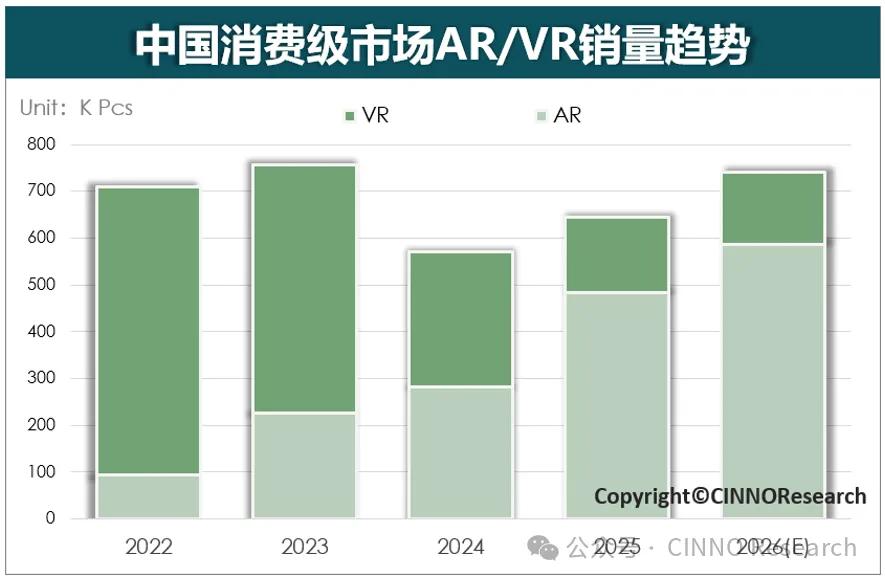
CINNO Research:消费场景深度重构 2025年中国AR销量达48万台首超VR
Zhi Tong Cai Jing· 2026-02-08 23:21
Core Insights - The Chinese consumer-grade XR market is expected to undergo a structural leap by 2025, driven by domestic supply chain breakthroughs and deep restructuring of consumption scenarios, with total sales reaching 645,000 units, a year-on-year increase of 13%, and AR sales surpassing VR for the first time at 480,000 units [1][3] Group 1: Market Dynamics - The domestic consumer-grade market is experiencing a restructuring, with AR devices achieving a historic breakthrough, expected to sell 484,000 units in 2025, a significant year-on-year increase of 71%, and projected to exceed 5 million units by 2030 [3] - The VR market is facing a contraction, with sales expected to drop to 161,000 units in 2025, marking a historical low, as head brands slow down new product releases amid declining consumer enthusiasm and limited application scenarios [3] Group 2: Technological Trends - AR display and optical solutions are evolving, with Micro OLED capturing 78% of the market share, and Sony leading with 60%, while domestic suppliers like Visionary Technology are gaining ground [4] - VR display and optical solutions are also advancing, with Fast LCD holding a 90% market share, and Pancake technology accounting for 52% of sales, although manufacturing costs are impacting growth [4] Group 3: Pricing and User Behavior - AR is driving down prices through mass production, leading to the emergence of affordable products, while high-end AR headsets are also being developed [5] - In the VR segment, products priced between 4,000 to 5,000 yuan account for 33% of sales, with core users willing to pay a premium for immersive technology [6] Group 4: Brand Landscape - In the AR market, domestic brands like Thunderbird lead with a 32% market share, while XREAL follows with 18%, focusing on a comprehensive ecosystem [7] - In the VR market, PICO maintains a leading position with over 40% market share, while Meta's share is rapidly increasing to over 30% [7] Group 5: Investment and Ecosystem Development - In 2025, global VR/AR industry financing reached 54.9 billion yuan, with domestic financing at 5.08 billion yuan, marking an increase from the previous year [8] - The consumer-grade XR market in China is undergoing a structural transformation driven by policy guidance, technological breakthroughs, and ecosystem reconstruction, with AR surpassing VR in market share [8]
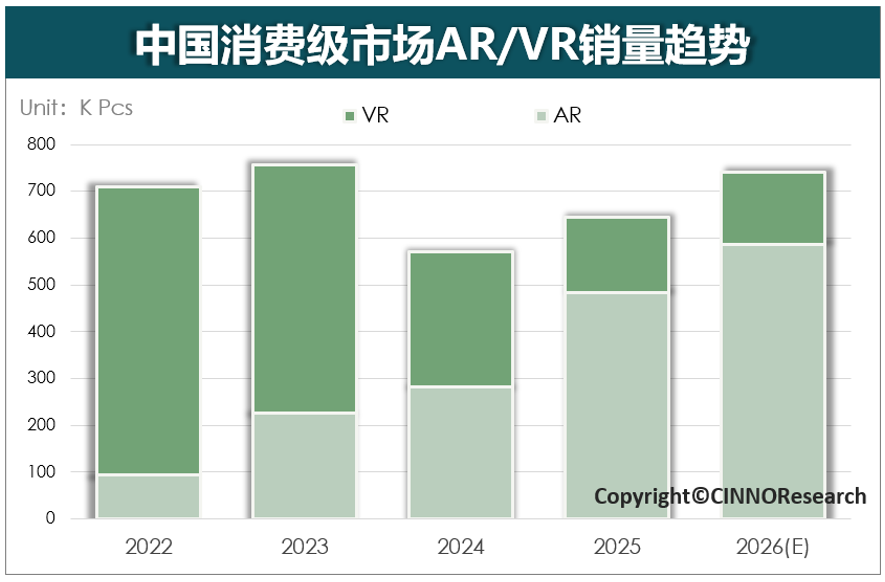
AR销量首超VR !2025年国内消费级XR销量64.5万台,同比增长13%
CINNO Research· 2026-02-08 23:03
Core Viewpoint - The Chinese consumer-grade XR market is expected to achieve a structural leap by 2025, driven by breakthroughs in domestic industrial chain localization and deep restructuring of consumption scenarios [1]. Group 1: Market Overview - The total annual sales of consumer-grade XR devices reached 645,000 units, marking a 13% year-on-year increase, with AR sales surpassing VR for the first time at 480,000 units [2]. - The domestic consumer-grade XR market is projected to grow by 15% in 2026, with AR expected to dominate the market by 2030, potentially exceeding 5 million units in shipments [5]. Group 2: Market Structure Reconstruction - AR devices are experiencing significant growth, with sales expected to reach 484,000 units in 2025, a substantial increase of 71% year-on-year, positioning AR to dominate the market by 2030 [6]. - The VR market is facing challenges, with sales projected to drop to 161,000 units in 2025, marking a historical low due to declining consumer interest and limited application scenarios [6]. Group 3: Technological Trends - The AR display and optical solutions are evolving, with Micro OLED capturing 78% of the market share, and significant advancements in performance and usability are being made [7]. - In the VR segment, Fast LCD holds a 90% market share, while Pancake technology accounts for 52% of sales, although its share is expected to decline slightly due to high manufacturing costs [8]. Group 4: Pricing and User Behavior - AR is seeing a reduction in prices due to mass production, leading to the emergence of affordable products, while high-end AR headsets are also being developed [9]. - In the VR market, products priced between 4,000 and 5,000 yuan account for 33% of sales, with a trend towards premium pricing for enhanced immersive experiences [9]. Group 5: Brand Landscape - In the AR market, the leading brand 雷鸟 holds a 32% market share, experiencing a 60% year-on-year growth, while XREAL follows with an 18% share [10]. - In the VR market, 小鸟看看 (PICO) maintains a dominant position with over 40% market share, while Meta's share is rapidly increasing to over 30% [10]. Group 6: Investment and Ecosystem Development - In 2025, global VR/AR industry financing reached 54.9 billion yuan, with domestic financing at 5.08 billion yuan, reflecting a growing focus on AR hardware and terminal manufacturers [11]. - The Chinese consumer-grade XR market is undergoing a structural transformation driven by policy guidance, technological breakthroughs, and ecosystem reconstruction, with AR leading the way due to its portability and adaptability [11].

VITURE出手反击 XREAL全线产品或被禁产禁售|AR专利战第二回合
财联社· 2026-02-07 09:30
VITURE 和 XREAL 的专利战,迎来新一轮对决。 在 XREAL 先后于德国、美国对 VITURE 发起专利诉讼后, VITURE 近日向深圳和北京两地 法院正式提起诉讼,指控 XREAL 侵犯其电致变色技术专利,并就已售侵权产品提出赔偿诉 求。 此前,面对德国市场的专利诉讼, VITURE 此前仅作防御性回应,同时表示国内企业出海, 应专注技术创新和用户体验,减少法律层面的市场竞争消耗。 2026 年 1 月, XREAL 再度 在美国对 VITURE 提起专利诉讼,双方专利争端持续升级。在 XREAL 接连发起多轮专利诉 讼后, VITURE 通过国内诉讼的方式展开回应。 从德国到美国,再回到中国,在国内 XR 眼镜产业集体出海的当下, VITURE 和 XREAL 的 专利战备受关注。作为新兴行业, XR 眼镜领域的技术专利界定尚在探索阶段,叠加海外不同 国家的法律规定差异,这一争端也成为中国 AR 企业海外市场竞争中专利争端的典型案例。 专利诉讼是市场竞争的常见形式,这一争端的出现,也意味着国内 XR 眼镜行业的竞争进入技 术专利层面的新阶段。对于中国企业而言, VITURE 和 XREAL ...
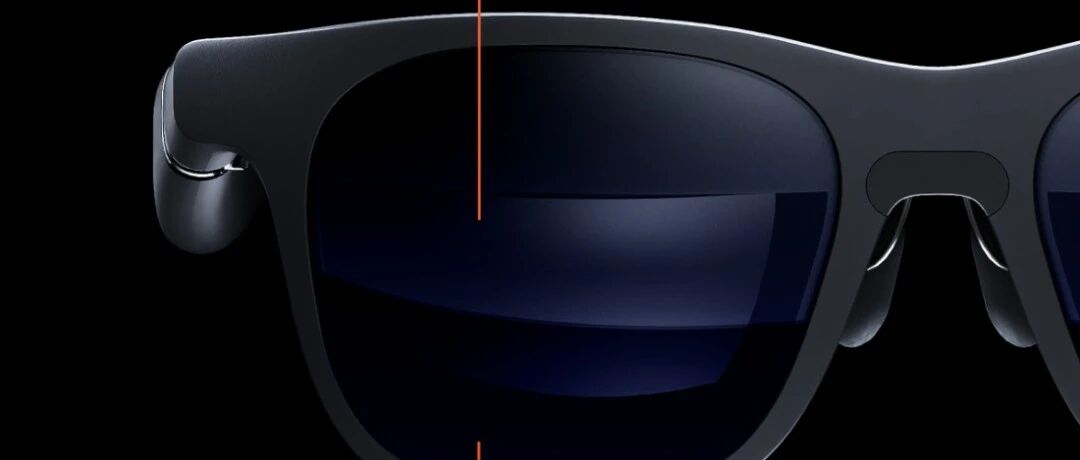
VITURE起诉XREAL侵犯电致变色专利,AR眼镜核心技术之争升级
Feng Huang Wang· 2026-02-06 03:54
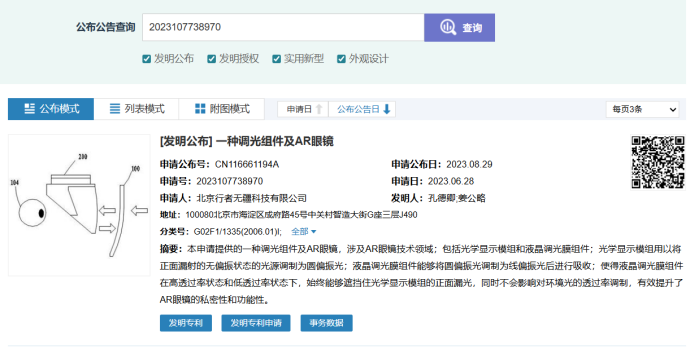
Core Viewpoint - VITURE has filed a lawsuit against XREAL for allegedly infringing its core invention patent related to electrochromic technology used in AR glasses, seeking immediate cessation of infringement and compensation for economic losses [1] Group 1: Patent Infringement - VITURE accuses XREAL of violating its electrochromic technology patent, which is crucial for high-end AR glasses [1] - The lawsuit demands that XREAL stop all related infringing activities and compensate for damages incurred [1] Group 2: Technology Overview - Electrochromic technology is a key feature in AR glasses, enabling rapid lens dimming, energy-saving eye protection, and adaptive scene functionality [1] - This technology enhances the privacy and usability of AR glasses [1] Group 3: Patent Details - The patent in question was officially granted to VITURE in 2024 and covers methods for driving control, response speed optimization, and optical path coordination for electrochromic lenses [1] - VITURE's flagship product utilizes this technology, achieving a rapid color change effect in just 0.1 seconds [1] Group 4: Legal Implications - VITURE's lawsuit is a counteraction to XREAL's patent litigation in Germany and the United States [1] - According to Chinese patent law, any unauthorized use of a granted patent is prohibited, which could lead to a ban on the production and sale of XREAL's products that incorporate this technology in China and potentially hinder their export capabilities [1]

VITURE起诉XREAL侵犯电致变色专利,XREAL尚未作出回应
Huan Qiu Wang· 2026-02-06 03:17
Core Viewpoint - VITURE has initiated patent infringement lawsuits against XREAL in Shenzhen and Beijing, claiming that multiple XREAL products infringe on its core electrochromic patent, marking a response to XREAL's previous legal actions in Germany [1][3]. Group 1: Patent Infringement Lawsuit - VITURE's lawsuit targets XREAL's products that utilize electrochromic technology, which VITURE claims infringes on its patent granted in 2024, covering key aspects of electrochromic lens technology [1][3]. - The lawsuit could lead to a ban on the sale of XREAL's electrochromic AR glasses in the domestic market if the court rules in favor of VITURE [1]. - VITURE's technology allows for rapid color change in its flagship products, achieving a response time of 0.1 seconds, which it claims is similar to the technology used in XREAL's products [1]. Group 2: Industry Context and Competitive Landscape - Industry insiders indicate that VITURE had previously adopted a tolerant approach towards XREAL's patent infringement but has shifted to a more aggressive legal stance following a significant increase in its market share in 2025 [3]. - XREAL has not yet issued a formal response to the lawsuit, but analysts note that its products, including XREAL One Pro and XREAL Air2 Pro, heavily rely on similar electrochromic technology [3]. - This lawsuit is part of a broader trend of escalating patent disputes within the AR industry, highlighting the competitive nature of core technology patents [4].
MeetBrands 出海向新 | 当“带电”成为共识:中国消费电子的全球突围路径
3 6 Ke· 2026-02-05 10:00
Core Insights - The CES 2026 event highlights the global competitiveness of Chinese consumer electronics brands, marking a shift from "scale expansion" to "quality selection" in overseas markets [1][2] - The consumer electronics category is identified as a key area for Chinese brands to expand internationally, with a significant presence in the 2025 MeetBrands list [2][3] Group 1: Consumer Electronics as a Key Category - Consumer electronics remains the largest category in the 2025 MeetBrands list, reflecting its rapid iteration and ability to quickly validate products in various markets [2] - A mature and centralized supply chain in China provides a competitive advantage in cost, efficiency, and delivery stability, facilitating large-scale international expansion [3] - Nearly one-third of the new brands on the 2025 MeetBrands list are from the consumer electronics category, indicating a significant turnover and renewal within this sector [4] Group 2: Trends in Consumer Electronics - "Portability" is emerging as a dominant trend among new brands, with products like portable projectors and energy storage devices designed for on-the-go use [7] - The rise of personal manufacturing, including laser engraving machines and 3D printers, is becoming mainstream as these devices evolve to meet the needs of ordinary users [9] Group 3: Challenges in International Expansion - Despite the popularity of consumer electronics, companies face challenges in establishing a foothold in overseas markets, including intense competition and the need for clear product differentiation [11][12] - Increasing compliance requirements across different countries add complexity to market entry, necessitating ongoing adaptation to local regulations [13] - Localization challenges extend beyond language translation, requiring a deep understanding of local consumer behavior and preferences [15] Group 4: Case Study of AR Glasses - The AR glasses market is highly competitive, with both international giants and emerging Chinese brands vying for market share [16] - BeyondClick's strategies for assisting brands like Rokid include restructuring their online presence to focus on user scenarios rather than technical specifications, significantly improving conversion rates [17][18] - The use of AI to enhance creative production and optimize marketing strategies has led to increased efficiency and higher conversion rates for brands entering international markets [19][21]
