Xiaomi

Search documents
Xiaomi says February EV deliveries topped 20,000, down from January
Reuters· 2026-03-01 02:48
Group 1 - Xiaomi delivered over 20,000 electric vehicles (EVs) in February, a decrease from more than 39,000 in January [1] - The company launched its first electric car, the Speed Ultra 7 (SU7) sedan, in 2024 [1] - Xiaomi is preparing for mass production of the next-generation SU7 [1]


X @TechCrunch
TechCrunch· 2026-02-28 15:10
Xiaomi launches 17 Ultra smartphone, an AirTag clone, and an ultra slim powerbank https://t.co/AMrNQqYmLs ...
Xiaomi launches flagship smartphone as memory price surge threatens sales
CNBC· 2026-02-28 14:32
Core Viewpoint - Xiaomi has launched its latest flagship smartphones, the Xiaomi 17 and 17 Ultra, amidst a significant increase in memory chip prices that could impact sales [1][2]. Group 1: Product Launch and Pricing - The Xiaomi 17 starts at 999 euros ($1,179) and the Xiaomi 17 Ultra starts at 1,499 euros, maintaining prices from last year's flagship despite rising memory costs [2]. - The surge in memory prices, which have increased by 80% to 90% in the first quarter, is attributed to a shortage of chips as supply is redirected to data centers for AI [3]. Group 2: Market Impact and Forecasts - Gartner forecasts a potential 13% increase in smartphone prices by 2026, while IDC predicts a 12.9% decline in the smartphone market due to the chip shortage [3]. - Analysts suggest that companies selling more expensive phones may be better positioned to absorb costs, but Xiaomi's primary volume comes from mid-range devices, which may face demand challenges [4]. Group 3: Company Performance and Strategy - Xiaomi's management has indicated that the industry may need to raise smartphone prices in 2026, highlighting the company's weaker position in the premium segment compared to competitors like Apple and Samsung [5]. - The company has been increasing its focus on the electric vehicle business, which now accounts for about 25% of total sales, providing a crucial revenue stream amid the memory chip crisis [6]. - In the September quarter, Xiaomi reported a 3% year-on-year decline in smartphone revenue, while its electric vehicle sales surged nearly 200% [7].

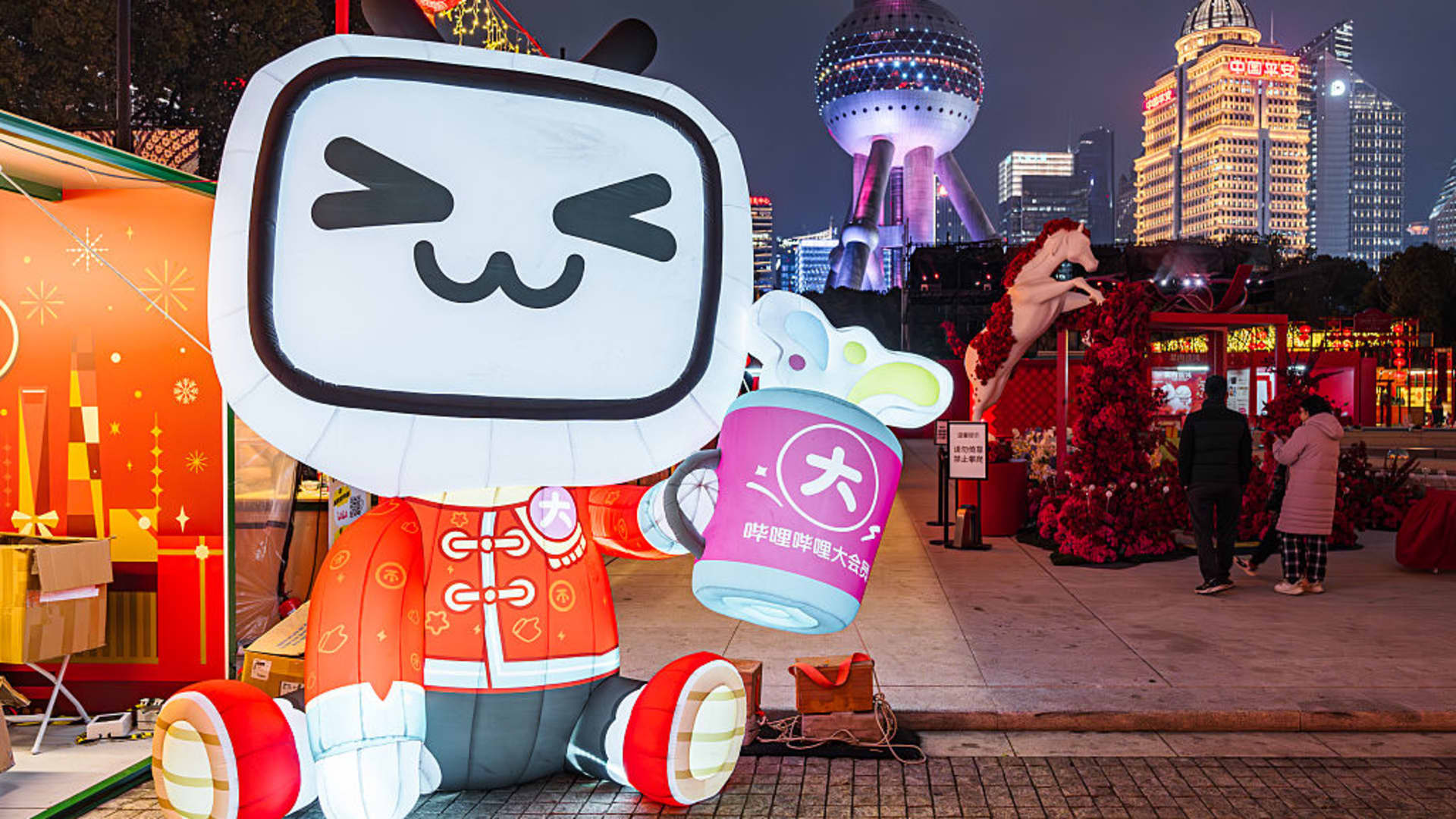
Xiaomi 17 Ultra Review: More Camera Than Phone | All Things Mobile
CNET· 2026-02-28 14:30
The Xiai Leica phone is the best and most exciting camera phone I have ever used and I've used them all. Here's what you should know and why if you're a keen photographer like I am, this really should be your next phone. The Leica Lights phone, as it's actually called, is Xiai's latest flagship phone, but this one has been made in partnership with the iconic German camera brand Leica.While you can buy the Xiai 17 Ultra in a more regular form without so much Leica branding, it's the light phone version that' ...

Xiaomi is releasing its Leica Leitzphone outside of Japan for the first time.
The Verge· 2026-02-28 14:30
Leica just announced its fourth ever Lights phone, but this is the first one launching outside of Japan, meaning I managed to get my hands on one. Unlike previous lights phones which were made by Sharp, this one is part of Leica's ongoing collaboration with Xiaomi. In fact, it's basically a Xiaomi 17 Ultra, which is how it's being marketed in China, it's only the Lights phone in the global market.It comes with a load of Leica touches to sell the look and a matte black finish across the phone's rear. You'll ...

Russia fines Google for distributing VPN services, TASS reports
Reuters· 2026-02-25 09:37
Group 1 - A Russian court has fined Alphabet's Google 22 million roubles ($288,000) for distributing VPN services on the Google Play app store [1] - The VPN services allow Russian users to access foreign tech platforms and content that are banned or restricted in Russia [1]


Xiaomi challenges India tax authority over tariffs on royalties in closely watched case
Reuters· 2026-02-25 09:08
Core Viewpoint - Xiaomi is challenging an Indian tax ruling that claims the company evaded $72 million in tariffs on royalty payments, which could have significant implications for the contract manufacturing industry in India [1][3][6]. Group 1: Tax Dispute Details - An Indian tax tribunal ruled that Xiaomi undervalued import values for at least three years leading up to 2020 by not including 2% to 5% royalties paid to foreign firms like Qualcomm [2]. - Xiaomi argues that the tribunal incorrectly classified it as the "beneficial owner" of the components, which led to the tax on royalties [3]. - The tribunal's decision is seen as damaging to established practices in the manufacturing sector, according to Xiaomi [4]. Group 2: Implications and Reactions - The case is being closely monitored by global investors and companies, as a ruling in favor of Indian authorities could increase scrutiny on royalty agreements across various sectors [6]. - If the ruling is upheld, it may empower authorities to seek taxes on other related payments made by companies exercising effective control over imported goods [6]. - Xiaomi's former contract manufacturers, Flextronics and Bharat FIH, are also contesting the tribunal's decision in the Supreme Court [5]. Group 3: Financial Impact - The customs tax demand of $72 million could escalate to over $150 million with interest and penalties if Xiaomi loses the case, which could strain the company's finances given its profits of $31.7 million in the 2023-2024 financial year [9]. - Additionally, approximately $610 million of Xiaomi India's bank funds have been frozen due to allegations of illegal remittances, further complicating the company's financial situation [10]. Group 4: Legal Proceedings - During a recent hearing, Xiaomi's lawyer argued that import taxes should be paid by the importers (contract manufacturers) and that royalties should not be taxable as they are not linked to imports [11]. - The Indian tax tribunal accused Xiaomi of "deliberate suppression of facts," asserting that royalties need to be taxed as they are for critical technology related to imported parts [11].

X @The Wall Street Journal
The Wall Street Journal· 2026-02-21 06:35
After driving the China-made Xiaomi SU7 electric car on U.S. roads, @JoannaStern asks why American automakers are so far behind—and when these advanced vehicles will make it here. 🔗 https://t.co/HUXRpJ6IIW https://t.co/1xeZeaoaHR ...
Tesla Falters in China Again: How to Play TSLA Stock as Xiaomi Outsells
Yahoo Finance· 2026-02-18 16:32
Core Insights - Electric-vehicle (EV) stocks, particularly Tesla (TSLA), have faced significant pressure since late 2023, with Tesla's core auto business encountering challenges, especially in China [1][4] Sales Performance - In January 2026, Xiaomi's YU7 SUV sold 37,869 units in China, surpassing Tesla's Model Y, which sold 16,845 units, marking a shift in the competitive landscape [2][3] - The YU7's success has led to Tesla's Model Y dropping from the top position to 7th place among new-energy vehicles in China, indicating intensifying competition [2][3] Market Dynamics - Tesla experienced its first annual sales decline in China in 2025, raising concerns about its growth potential as local brands like BYD and Xiaomi gain market share [2][3] - The shift in market dynamics is causing investors to question Tesla's revenue and margin sustainability, particularly since 25% of its sales come from China [3] Stock Market Reaction - TSLA's stock reaction has been muted due to broader market concerns, but the news of Xiaomi outselling Tesla has deepened doubts about Tesla's auto outlook and growth expectations for 2026 [4] - The competitive pressure is forcing Tesla to potentially compete on price, which could negatively impact its future performance [4] Company Challenges - TSLA has faced a turbulent year, with stock prices peaking near $498 in December 2025 before declining due to execution shortfalls and delivery declines [5] - High-profile controversies surrounding CEO Elon Musk have further compounded the challenges faced by the company [5]

CNBC's The China Connection newsletter: Businesses scramble to reach China's growing experiences economy
CNBC· 2026-02-18 04:00
Core Insights - The Lunar New Year holiday in China is driving significant travel and spending, with a notable increase in demand for immersive cultural experiences and entertainment options [2][3][5]. Travel and Tourism - Bookings for theme park hotels have nearly doubled year-over-year, and demand for trips featuring traditional performances and artisanal crafts has risen by approximately 40% [3]. - China is anticipating a record 110 million trips in and out of Beijing and 9.5 billion trips nationwide during the broader travel season, indicating extensive travel among its 1.4 billion population [5]. - The H World Group reports increased demand for both major transport hubs and leisure-focused cities, such as Xishuangbanna, known for its natural beauty and cultural heritage [6]. Entertainment and Leisure - iQiyi has opened its first theme park in Yangzhou, emphasizing the importance of offline entertainment as a growth driver for the company [9][10]. - Bilibili's annual expo sold out quickly, showcasing the popularity of interactive experiences based on animated shows and games [11]. - Universal Studios Beijing plans to incorporate themes from popular local media into visitor activities, aiming to attract more guests during the holiday season [11]. Consumer Spending Trends - Despite a general slowdown in consumer spending, with retail sales growing only 0.9% in December, luxury brands like Louis Vuitton continue to expand their presence and create shareable experiences [13][14]. - Shopping malls are featuring luxury brands that align their offerings with the upcoming Chinese zodiac symbol, indicating a focus on emotional and experiential spending [14].