
Digital Economy

Search documents
从“一流”到“领先”,成都高新区2026要拼什么?
Sou Hu Cai Jing· 2026-02-27 06:56
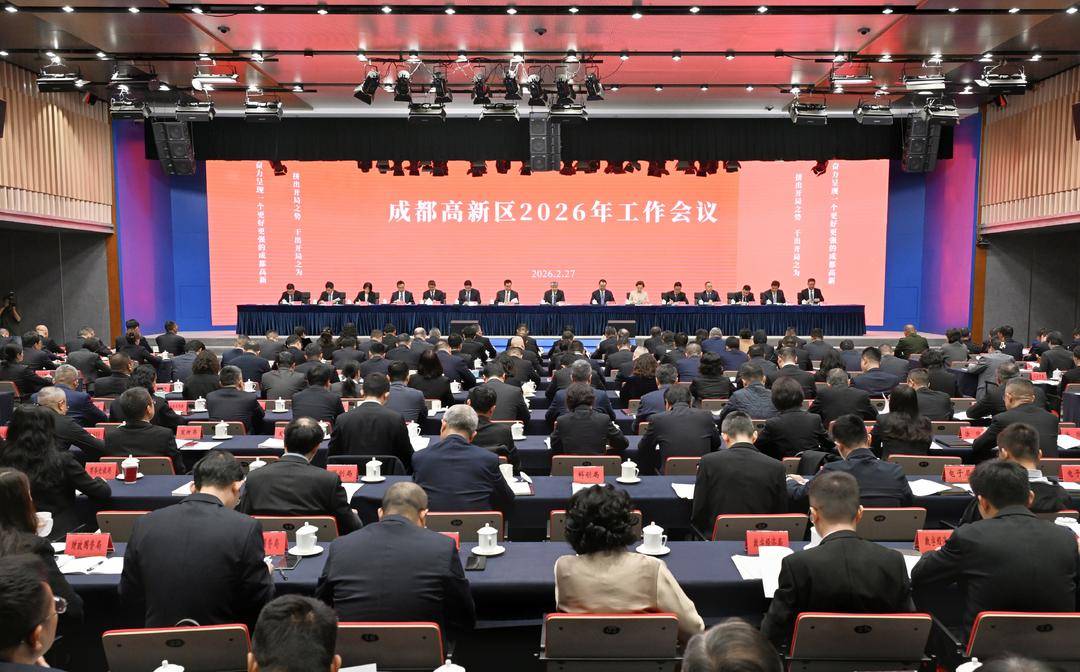
封面新闻记者 杨金祝 2月27日,马年新春收假首周,成都高新区召开2026年工作会议。 记者从会上获悉,2025年成都高新区实现地区生产总值3661.5亿元、增长6.1%;全年实现社会消费品零售总额1148.3亿元、增长4.0%;实现固定资产投资 805.5亿元、增长12.5%,其中工业投资450.6亿元、增长59.1%;实现外贸进出口总额5508.0亿元,分别占全省、全市的53.4%和64.8%,成都高新综保区进 出口规模和绩效评估首次位列全国"双第一"。 会议现场 全力拼经济搞建设 现代化产业"百花齐放" 作为成都产业发展主阵地,成都高新区圈链融合多点支撑,现代化产业体系基本成势。 电子信息产业实现规上工业增加值增长10.0%,发挥了工业经济重要支柱作用,全国首条高世代AMOLED生产线正式点亮首款产品。医药健康产业创新前 行,引进世界500强武田制药中国首个数字医疗创新中心、华润医药西部创新中心等项目,揭牌成立成都全球新药发现中心,5种"成都高新造"药品纳入国 家医保目录。 数字经济产业实现核心产业增加值1860.2亿元、增长10.8%,引进总投资30亿元的爱奇艺影视新天地、四川省数据集团总部等项目。《 ...

最高规格!武汉连续五年部署,释放重要信号
Chang Jiang Ri Bao· 2026-02-26 07:58
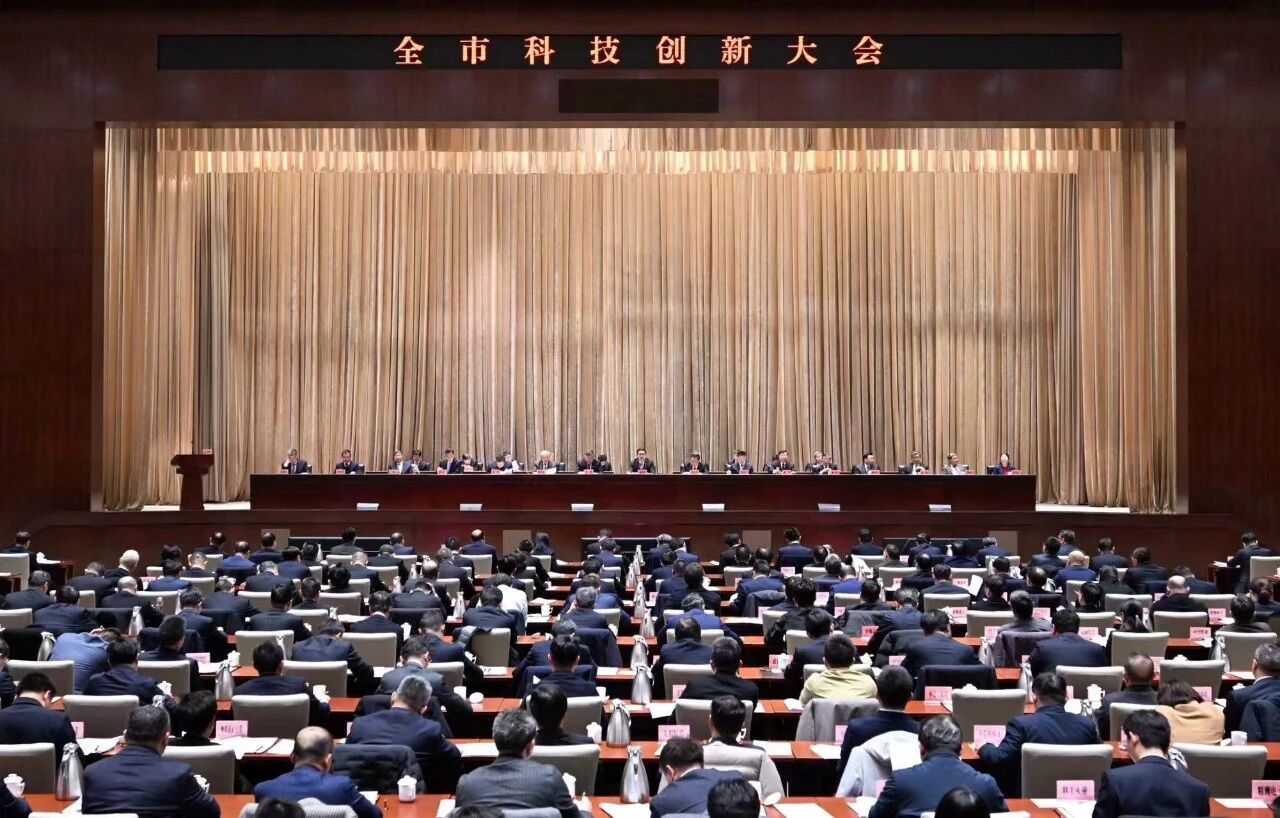
站在2026年的春天回望,这些扎实的进展并非孤立的技术堆砌,而是武汉以"一城三廊多带"重塑城市创新空间的战略定力,是创新链、产业链、资金 链、人才链深度融合的系统成效,更是武汉将科技创新置于发展全局核心位置、以最高规格连续五年部署"新春第一会"的必然结果。 大年初八的武汉,年味尚未散去。科技创新大会会场入口处,一支由机器人组成的乐队正在演奏,它们手持电吉他,敲击电子鼓,红色围巾随着节奏轻 扬。不远处,四匹装扮成彩虹小马的机器狗列队在"骐骥驰骋 势不可挡"的红色门架下,既应和马年新春,也暗喻这座城市对创新"一马当先"的雄心。 而真正的重头戏,在于武汉"新春第一会"上一系列密集释放的政策信号。近期,武汉发布了覆盖"一城三廊多带"全域创新格局的多份关键文件。除引发 关注的《车谷产业创新大走廊建设行动方案(2026—2030年)》《武汉滨江数创大走廊建设行动方案(2026—2030年)》《武汉市环大学创新发展带建设行 动方案(2026—2030年)》外,东湖科学城、光谷科创大走廊相关方案同期亮相,辅以"人工智能+"、量子、脑机接口相关行动方案及支持人工智能OPC创 新发展若干措施等。一套精密编织、彼此协同的政策矩阵浮 ...
现场直击春晚分会场,解码一座川南城市的“潮头”基因
Mei Ri Jing Ji Xin Wen· 2026-02-18 08:29
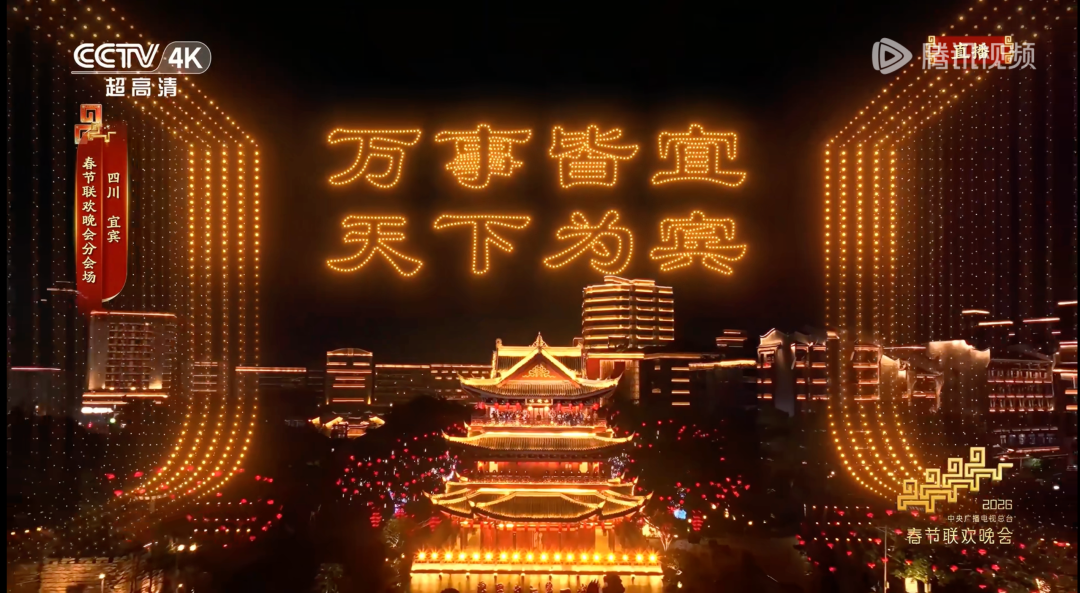
Core Viewpoint - Yibin is emerging as a hub for advanced technology and artificial intelligence, leveraging its historical strengths in industries like liquor and new energy to transition into a new era of innovation and development [3][12][16]. Group 1: Technological Advancements - The 2026 Spring Festival Gala showcased Yibin's integration of cutting-edge technology, featuring a 30-meter bamboo shoot stage and thousands of drones, highlighting the city's commitment to ecological and technological innovation [1][3]. - Yibin has established the first robot data collection center in Southwest China, creating a closed loop of data collection, model training, and application, with a projected team of over 500 people and more than 200,000 hours of high-quality data [6][9]. - The city has attracted over 100 artificial intelligence companies, with total signed investments exceeding 23 billion yuan, and has created a robust ecosystem covering data applications, hardware manufacturing, and computing infrastructure [11][12]. Group 2: Investment and Capital Logic - Yibin's innovative "fund + scene + data" model has led to the establishment of eight AI-focused funds with a total scale of 3 billion yuan, driving the headquarters of various enterprises to settle in the city [8][9]. - The city has opened urban application scenarios to encourage companies to incubate locally, exemplified by the deployment of the "space capsule" vending machine, which has been expanded to major cities like Beijing and Chengdu [4][8]. - Yibin's strategy includes providing preferential data supply and benchmark scenario resources to attract leading robotics companies, fostering local applications and driving sales and production [9][20]. Group 3: Industrial Transformation - Yibin has successfully transitioned from a liquor-centric economy to a new energy powerhouse, with the battery industry projected to exceed 100 billion yuan in output value by 2025, making it a significant player in the global electric vehicle market [14][15]. - The city has also developed a strong photovoltaic industry, with a projected output value of 37 billion yuan by 2025, marking a 28.5% year-on-year growth [14]. - Yibin's approach to industrial development emphasizes precision in key segments, focusing on core areas like power batteries and robotics, which are interconnected through shared supply chains [15][16]. Group 4: Urban Development and Environment - Yibin's urban planning integrates industrial, residential, and ecological spaces, with a focus on creating a high-quality living environment that attracts talent and supports industry [21][22]. - The city has implemented a one-stop service model for businesses, significantly reducing the time from project signing to production, as seen in the rapid deployment of the Chasing Technology project [22]. - Yibin's commitment to enhancing its business environment is reflected in its proactive approach to fulfilling promises and providing efficient services to enterprises [22].



新城市志|三省一市增速均跑赢全国,长三角凭什么
Xin Lang Cai Jing· 2026-01-31 06:04
Core Insights - The Yangtze River Delta (YRD) region has achieved impressive economic growth, with a total economic output surpassing 34.66 trillion yuan in 2025, an increase of 1.49 trillion yuan from the previous year, and a rise of 7.06 trillion yuan since the beginning of the 14th Five-Year Plan [1][3] - All provinces in the YRD outperformed the national average growth rate of 5.0%, with Shanghai, Jiangsu, Zhejiang, and Anhui recording growth rates of 5.4%, 5.3%, 5.5%, and 5.5% respectively [3][4] Economic Performance - Shanghai's GDP reached 56,708.71 billion yuan, Jiangsu at 142,351.5 billion yuan, Zhejiang at 94,545 billion yuan, and Anhui at 52,989 billion yuan, collectively adding 1.49 trillion yuan compared to the previous year [3][4] - The YRD's GDP share of the national total increased from 24.1% to 24.7% from 2021 to 2025, indicating a significant contribution to national economic growth [3] New Economic Milestones - The YRD welcomed new members to its "trillion GDP city club," with Wenzhou in Zhejiang surpassing the trillion yuan mark at 10,213.9 billion yuan, and Xuzhou in Jiangsu expected to follow suit [4] - A total of 11 cities in the YRD are now part of this club, including major cities like Shanghai, Suzhou, and Hangzhou [4] Sectoral Highlights - In specific sectors, Shanghai's fixed asset investment grew by 4.6%, while Jiangsu's productive service industry contributed 77.4% to the growth of all regulated service industries [6][10] - Zhejiang's per capita disposable income exceeded 70,000 yuan for the first time, and Anhui led the nation in automotive and new energy vehicle production [6][10] Innovation and Technology - The YRD has become a hub for technological innovation, with nearly one-third of China's 26 national advanced manufacturing clusters located in the region [8] - Shanghai's three leading industries—integrated circuits, biomedicine, and artificial intelligence—saw a manufacturing output growth of 9.6% [8] Structural Transformation - Jiangsu's high-tech industry accounted for 52.1% of the regulated industrial output, with high-tech manufacturing value-added growing by 11.9% [10] - Zhejiang's private enterprises and digital economy saw a 7.2% increase in industrial output, contributing significantly to GDP growth [10] Integration and Connectivity - The YRD has made significant progress in infrastructure connectivity, resolving historical issues with inter-provincial "broken roads" and investing over 130 billion yuan in railway construction in 2025 [12][15] - A collaborative innovation system has been established, enhancing resource allocation and optimizing industrial chains across the region [12][15] Global Competitiveness - With all provinces in the YRD now part of the "trillion-dollar foreign trade club," the region is enhancing its global competitiveness through platforms like the Belt and Road Initiative and free trade zones [16] - The YRD's economic output has reached levels comparable to major developed economies, indicating a successful regional integration model [16]
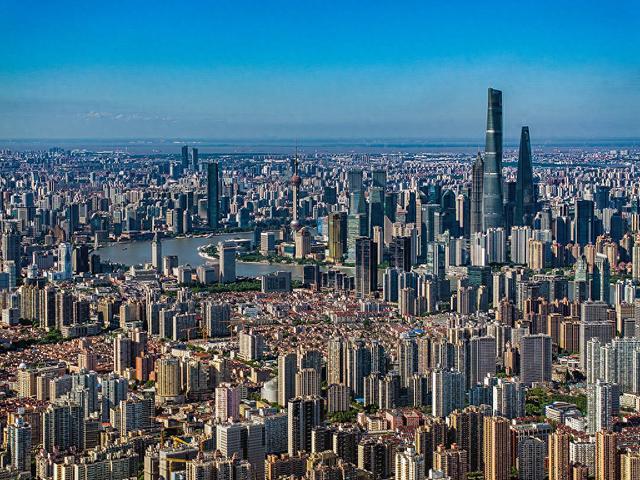
技术攻关“先行者” 服务企业“贴心人”
Xin Lang Cai Jing· 2026-01-28 19:57
Core Viewpoint - The article highlights the contributions of Xu Xuanhe, a representative figure in the digital economy innovation sector in Guizhou, who has been recognized for his efforts in driving digital transformation and talent development in the region [1][2]. Group 1: Contributions to Digital Economy - Xu Xuanhe is a core member of the first national-level digital economy innovation center in Guizhou, focusing on integrating technology innovation with local industries [1]. - He has provided tailored digital services to over 600 enterprises and developed 15 industry-specific solution scenarios [1]. - Xu has facilitated the adaptation of domestic technology systems, supporting 300 companies in implementing localized solutions [2]. Group 2: Talent Development and Ecosystem Building - Xu emphasizes the importance of talent in the digital age, organizing training for over 5,000 individuals and injecting digital thinking into 450 enterprise executives [2]. - He has collaborated with 11 universities to promote industry-education integration, ensuring that academic programs align with industry needs [2]. - Xu's initiatives have led to the establishment of over 85 ecological partners in Guizhou, with quarterly digital application scenario release events resulting in the implementation of over 300 scenarios [2].
温州新晋“万亿之城”,长三角“深水博弈”开场
2 1 Shi Ji Jing Ji Bao Dao· 2026-01-27 12:33
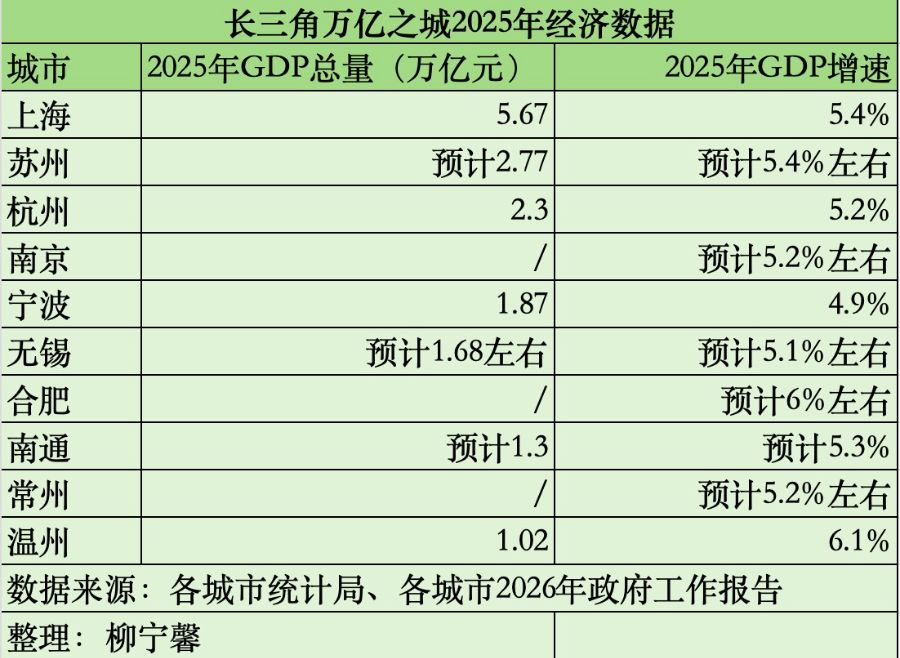
Core Viewpoint - The quality of industries is becoming a longer-term competitive variable for the trillion GDP cities in the Yangtze River Delta region, shifting the focus from mere GDP scale to the quality and sustainability of development [1][4]. Economic Data Summary - In 2025, the total number of trillion GDP cities in the Yangtze River Delta will increase to 10, with Shanghai leading at 5.67 trillion yuan and new entrant Wenzhou reaching 1.02 trillion yuan [2][3]. - Expected GDP growth rates for 2025 include: Suzhou at approximately 5.4%, Hangzhou at 5.2%, Nanjing at around 5.2%, and Ningbo at 4.9% [2][3]. Industry Development Trends - The new industrial layout in the Yangtze River Delta is focusing on high-end industrial clusters and the extension of new tracks based on existing manufacturing strengths [3][10]. - Shanghai's GDP growth is supported by new momentum in industries such as integrated circuits and artificial intelligence, with respective growth rates of 15.1% and 13.6% [5]. - Hangzhou's economy is characterized by a strong service sector, contributing 73.8% to its GDP, with significant growth in the digital economy [6][12]. - Wenzhou's manufacturing sector is evolving towards technology-intensive and intelligent production, with strategic emerging industries growing by 14.4% [8][12]. Long-term Competitiveness Factors - Key variables for long-term competitiveness include the originality and resilience of the industrial ecosystem, innovation efficiency, and the ability to attract and retain talent [13]. - The focus is shifting from GDP scale to the health of industries, innovation density, and sustainable growth metrics as new evaluation criteria for urban competitiveness [10][13].
税收数据显示中国科技创新与产业创新融合发展加快
Zhong Guo Xin Wen Wang· 2026-01-27 08:17
Group 1 - The core viewpoint of the article highlights the accelerated integration of technological innovation and industrial innovation in China, with significant growth in strategic emerging industries and enhanced conversion of scientific achievements by 2025 [1][2] - In 2025, sales revenue of China's high-tech industries is projected to grow by 13.9%, with high-tech manufacturing and high-tech services increasing by 10.1% and 16.6% respectively [1] - Specific sectors such as lithium-ion battery manufacturing, service robots, industrial robots, and biopharmaceuticals are expected to see sales revenue growth of 25.1%, 60.7%, 17.4%, and 7.7% respectively [1] Group 2 - The sales revenue of the digital economy's core industries is anticipated to grow by 9.4% in 2025, with digital product manufacturing and digital technology application sectors increasing by 9.4% and 13.8% respectively [2] - Traditional industries are accelerating their transformation and upgrading, with significant increases in the procurement of automation equipment in sectors like petrochemicals, steelmaking, and ironmaking, showing growth rates of 17.3%, 11.7%, and 12.7% respectively [2] - The data reflects China's solid achievements in technological self-reliance and the cultivation of new productive forces, indicating a shift towards high-end industrial structure and sustainable internal momentum for high-quality development [2]
人工智能领域,再迎利好!
Zheng Quan Ri Bao Zhi Sheng· 2026-01-23 04:30
Group 1 - The core viewpoint of the news is that China's intellectual property (IP) landscape is showing significant progress, with a focus on increasing the number of high-value invention patents and enhancing the contribution of patent-intensive industries to GDP [1][2] - By the end of 2025, the effective number of invention patents in China (excluding Hong Kong, Macau, and Taiwan) is expected to reach 5.32 million, with a high-value invention patent ownership rate of 16 per 10,000 people [1] - The value added of patent-intensive industries is projected to account for 13.38% of GDP by 2024, exceeding the targets set in the "14th Five-Year Plan" for intellectual property [1] Group 2 - The growth rate of high-value invention patents in China is 2.2 percentage points higher than the overall growth rate, with the total number reaching 2.292 million [1] - Key sectors such as information technology management, computer technology, and medical technology are experiencing the fastest growth in effective invention patents [1] - The value added of the digital economy-related industries within patent-intensive sectors is continuously increasing, with the combined value added of information and communication technology manufacturing and services reaching nearly 8 trillion yuan, accounting for over 40% of the total [2] Group 3 - The National Intellectual Property Administration plans to enhance legal protections for intellectual property, including comprehensive revisions to trademark laws and regulations for integrated circuit layout design [2] - The focus will also be on improving the protection of intellectual property in new fields such as artificial intelligence and data [2] - The next phase of the "15th Five-Year Plan" will involve optimizing the indicators for high-value invention patent ownership per 10,000 people, emphasizing the quality of patents and fostering the development of core high-value patents [2]
杭州2025年GDP超2.3万亿元
Hang Zhou Ri Bao· 2026-01-22 02:50
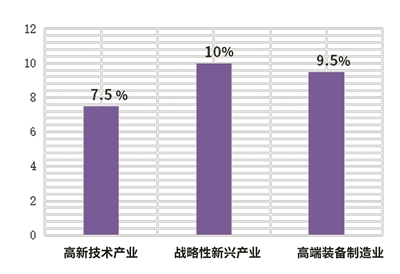
Economic Growth Overview - Hangzhou's GDP reached 2.3011 trillion yuan in 2025, growing by 5.2% year-on-year, surpassing the national growth rate [5] - The city aims to achieve a GDP of 3 trillion yuan and a per capita GDP exceeding 30,000 USD by 2030, laying a solid foundation for these targets [5] Industrial Performance - The industrial added value for large-scale industries grew by 6.0%, with high-tech industries, strategic emerging industries, and high-end equipment manufacturing increasing by 7.5%, 10.0%, and 9.5% respectively [5] - The computer communication and other electronic equipment manufacturing sectors saw a growth of 13.4%, while the automotive manufacturing sector experienced a significant increase of 36.7% [5] Emerging Technologies - New energy vehicle production surged by 383.0%, while industrial robot and 3D printing equipment production increased by 38.6% and 15.1% respectively, showcasing the success of Hangzhou's "digital-physical integration" strategy [6] Service Sector Contribution - The service sector's added value reached 1.6997 trillion yuan, accounting for 73.8% of GDP, with a growth rate of 5.3% [6] - Key digital economy enterprises like Alibaba and Ant Group are driving growth, with Alibaba's "cloud + AI" strategy supporting the national large model industry [6] Export and Domestic Demand - Total foreign trade exports reached 646.9 billion yuan, growing by 8.7%, driven by local enterprises expanding overseas [7] - Domestic consumption also showed strong growth, with retail sales of consumer goods reaching 949.9 billion yuan, reflecting a shift towards high-end, intelligent, and quality products [8] Overall Economic Strategy - Hangzhou's economic growth is characterized by a systemic high-quality development driven by new productive forces, integrating industrial upgrading with service innovation [8] - The city is positioned as a hub for private economic development, with local enterprises playing a crucial role in market innovation [9]
2025年北京数字经济增加值同比增8.7%
Xin Lang Cai Jing· 2026-01-21 08:13
Group 1 - In 2025, Beijing's digital economy added value is projected to grow by 8.7% year-on-year, with core industries growing by 10.4% [1] - From January to November 2025, revenue from strategic emerging services and high-tech services in Beijing increased by 8.9% and 12.5% respectively, with strong growth in information technology services, emerging software development, and new media services [1] - Investment in high-tech industries in Beijing grew by 40.1% last year, with orderly progress in new infrastructure investments related to information, integration, and innovation, providing solid support for industrial innovation and urban development [1] Group 2 - The Zhongguancun Demonstration Zone will initiate a new round of spatial layout adjustments in 2025, focusing on future industry characteristic parks covering 20 new tracks including quantum information, brain science, 6G, and brain-like computing [2] - From January to November last year, the technical revenue of key enterprises in the Zhongguancun Demonstration Zone grew by 13.1%, accounting for 28.4% of total revenue [2]