
JA SOLAR(002459)

Search documents
光伏反内卷攻坚,政企同心方得始终
第一财经· 2026-01-27 13:08
Core Viewpoint - The photovoltaic industry is undergoing a deep reform to combat internal competition, with regulatory measures and policy adjustments reflecting a commitment to high-quality development. However, many companies are still facing significant losses, indicating that this battle is not a short-term fix but a necessary step to resolve structural issues within the industry [2][5]. Industry Performance - Major companies like Tongwei Co., Ltd. and LONGi Green Energy are projected to incur substantial losses in 2025, with estimated net losses of 9 to 10 billion yuan and 6 to 6.5 billion yuan respectively. Other companies such as JA Solar, JinkoSolar, and Trina Solar are also expected to report significant losses, highlighting the severe challenges faced by the industry [2][3]. - The average gross margin for the entire industry is only 3.64%, with many companies trapped in a cycle of "production equals loss" due to oversupply and rising raw material costs [3][4]. Causes of Losses - The industry's performance crisis is primarily attributed to excessive homogenous production capacity and fierce price competition, compounded by soaring raw material costs. The supply of silicon materials is projected to exceed global demand by more than double over the next three years, leading to a significant imbalance [3][4]. - The price of silver, a key material in photovoltaic cells, has surged by 231% in 2025, pushing companies to adopt cost-cutting measures at the expense of technological innovation and quality [4][5]. Recommendations for Improvement - Companies must shift their focus from price competition to technological innovation and quality improvement, investing in advanced battery technologies such as TOPCon, BC, and ABC to enhance efficiency and reduce costs [4][6]. - The industry needs to establish self-regulatory standards to combat unfair competition practices, such as selling below cost and misrepresenting product capabilities, while promoting collaboration among companies to consolidate resources [4][6]. Government Role - Government policies and regulatory actions are crucial for supporting the industry's reform efforts. A unified and clear policy direction is necessary to stabilize market expectations and foster industry consensus [5][6]. - Regulatory bodies should enhance oversight on low-price dumping and set higher energy consumption and environmental standards for mature production stages, while also optimizing bidding rules to prioritize technology and quality over price [5][6]. Future Outlook - The photovoltaic industry is at a critical juncture, with the potential for recovery as companies begin to reduce losses and improve profitability. Analysts suggest that the industry may see a turning point in profitability by early 2026 [6][7]. - A collaborative effort between companies and government is essential to ensure that innovation becomes the cornerstone of industry development, allowing China to transition from a manufacturing hub to a center of innovation in the global energy transformation [7].







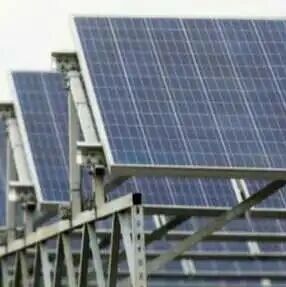
多数光伏企业2025年延续亏损状态,部分企业锚定2026年业绩扭亏
第一财经· 2026-01-27 12:49
Core Viewpoint - The photovoltaic (PV) industry in A-shares is facing significant losses, with many leading companies projecting substantial pre-loss figures for 2025 due to a challenging operating environment and supply-demand imbalances [2][3]. Group 1: Financial Performance and Projections - Major PV companies are expected to report significant pre-loss figures for 2025, including Tongwei Co. with a projected loss of 9 to 10 billion yuan, LONGi Green Energy with 6 to 6.5 billion yuan, and JinkoSolar with 5.9 to 6.9 billion yuan [2]. - The overall operating environment remains difficult, with many companies experiencing nine consecutive quarters of losses since Q4 2023, driven by price declines and insufficient end-demand [3]. Group 2: Industry Dynamics - The PV module prices are under pressure due to "involutionary competition" and a lack of terminal demand, with market transaction prices around 0.6 yuan per watt expected in mid-2025 [3]. - The industry is witnessing a supply surplus, with production rates declining across various segments, while core material prices, such as silver, continue to rise [3]. Group 3: Recovery Efforts and Future Goals - Some companies are beginning to emerge from the loss cycle, with LONGi Green Energy projecting a maximum reduction in losses of 30.38% and Aiko Solar up to 77.44% compared to 2024 [4]. - The China Photovoltaic Industry Association noted a 16.9% year-on-year decline in revenue for the main industry chain in the first three quarters of 2025, but an improvement in gross margins to 3.64% [4]. - Several leading PV companies have set profit targets for 2026, with Trina Solar aiming for a net profit of no less than 200 million yuan and LONGi Green Energy targeting positive net profits in subsequent years [5].

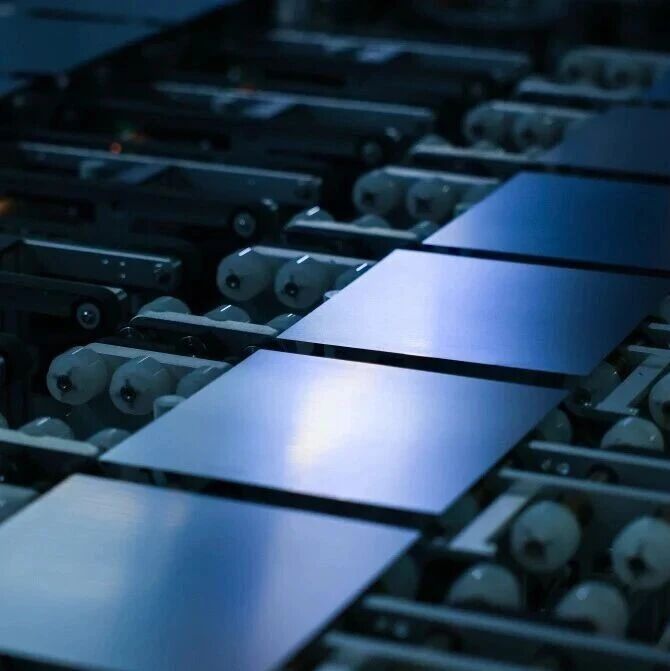
多数光伏企业2025年延续亏损状态,部分企业锚定2026年业绩扭亏
Di Yi Cai Jing· 2026-01-27 10:56
Core Viewpoint - The keyword "pre-loss" has become prominent in the 2025 performance forecasts of various photovoltaic companies, indicating that most firms continue to face losses due to operational challenges and supply-demand imbalances in the industry [1] Group 1: Financial Performance - Leading photovoltaic companies are forecasting significant losses for 2025, with Tongwei Co. expecting a loss of 9 to 10 billion yuan, LONGi Green Energy forecasting a loss of 6 to 6.5 billion yuan, and JinkoSolar projecting a loss of 5.9 to 6.9 billion yuan [1] - The overall photovoltaic industry has experienced nine consecutive quarters of losses since Q4 2023, driven by a decline in component prices due to intense competition and insufficient end-user demand [1][2] Group 2: Industry Challenges - The photovoltaic industry is facing a supply surplus, with core raw material prices rising while product prices continue to decline, leading to significant operational pressure on companies [2] - The ongoing low operating rates and the deepening market reforms in the domestic electricity sector, along with increasing trade barriers abroad, have created a complex and challenging operating environment for photovoltaic companies [2] Group 3: Recovery Efforts - Some companies are beginning to emerge from the loss cycle, with LONGi Green Energy expecting to reduce losses by up to 30.38% and Aiko Solar by up to 77.44% compared to 2024 [2] - The China Photovoltaic Industry Association reported a 16.9% year-on-year decline in revenue for the main industry chain in the first three quarters of 2025, although gross margins improved to 3.64% [2] Group 4: Future Goals - Companies like Trina Solar have set profit targets for 2026, aiming for a net profit of no less than 200 million yuan, with increasing targets for subsequent years [3] - LONGi Green Energy's employee stock ownership plan also includes targets for positive net profit in 2026, with specific profit goals for 2027 and 2028 [3] Group 5: Price Adjustments - Trina Solar has raised its component prices three times this month, with prices now ranging from 0.88 to 0.92 yuan per watt, reflecting a response to industry self-discipline [4] - Major component manufacturers are increasing prices by 0.02 to 0.04 yuan per watt, and there is a growing willingness among intermediate suppliers to support price increases [4]
壹快评丨光伏反内卷攻坚,政企同心方得始终
Di Yi Cai Jing· 2026-01-27 04:26
Core Viewpoint - The photovoltaic industry is undergoing a significant transformation towards high-quality development, driven by both internal corporate self-discipline and external government support, as evidenced by recent regulatory measures and policy adjustments aimed at combating price competition and fostering innovation [1][4][7]. Industry Performance - The photovoltaic sector is currently facing severe financial challenges, with major companies like Tongwei Co. and LONGi Green Energy projected to incur substantial losses in 2025, highlighting the industry's struggle with low-price competition and rising material costs [1][2]. - The average gross margin for the industry has plummeted to just 3.64%, leading many companies into a cycle of "production equals loss" [2]. Competitive Landscape - The industry is experiencing an oversupply of homogeneous production capacity, with silicon material capacity exceeding global demand by more than double, resulting in a fierce price war among companies [2][3]. - Companies that previously relied on scale advantages are now also facing revenue declines and negative profits, indicating a widespread crisis across the sector [2]. Material Costs and Innovation - The price of silver, a critical component in photovoltaic cells, has surged by 231% in 2025, pushing companies to adopt cost-reduction technologies such as "less silver" or "silver-free" approaches [3]. - The focus on price competition has led some companies to neglect technological innovation and quality improvement, which are essential for long-term survival [3]. Government Role and Policy Recommendations - Government intervention is crucial for the success of the anti-involution measures, requiring a unified and clear policy direction to stabilize market expectations and foster industry consensus [4][6]. - There is a need for coordinated regulatory efforts across various government departments to effectively combat unfair competition and ensure sustainable industry practices [5][6]. Future Outlook - The current challenges in the photovoltaic industry present an opportunity for transformation, shifting from a focus on quantity to value creation, which is expected to be a long-term process [7]. - Some companies are beginning to reduce losses, and there is optimism that the industry may see a profitability turning point in early 2026 [7].
“太空光伏”引爆涨停潮
第一财经· 2026-01-25 12:07
Core Viewpoint - The photovoltaic (PV) sector in A-shares has seen a significant surge, with multiple stocks experiencing a 20% increase, driven by Elon Musk's endorsement of space photovoltaics at the Davos Forum. However, the industry faces a harsh reality of prolonged losses, overcapacity, and persistent price pressures, with major companies expected to report substantial losses in 2025 [3][4][5]. Group 1: Industry Performance and Financial Outlook - A total of 32 listed PV companies have issued profit warnings, with 23 companies, over 70%, expected to incur losses in 2025 [5]. - Major players like Tongwei Co. are projected to face losses between 9 billion to 10 billion yuan, a significant increase from the previous year's loss of 7.04 billion yuan, marking it as the only company with a projected loss exceeding 10 billion yuan [5][6]. - Trina Solar and JinkoSolar are also expected to report substantial losses, with Trina Solar's losses estimated at 6.5 billion to 7.5 billion yuan, up from 3.44 billion yuan the previous year [5][6]. Group 2: Market Dynamics and Challenges - The PV industry is grappling with a dual weakness in supply and demand, leading to significant price declines across the supply chain, including silicon materials, cells, and modules [8][9]. - The rapid expansion of manufacturing capacity in recent years has coincided with a slowdown in global demand, resulting in severe supply-demand imbalances [9]. - The cost of key raw materials, particularly silver, has surged, further straining the profitability of PV companies. Silver prices have increased by over 118% since October of the previous year, significantly impacting production costs [9][10]. Group 3: Future Industry Prospects - The path to recovery for the PV industry hinges on supply-side reforms, including capacity utilization improvements and the elimination of outdated production capabilities [10]. - The industry must address the current overcapacity and restore a healthy balance between supply and demand to improve product pricing and overall profitability [10].

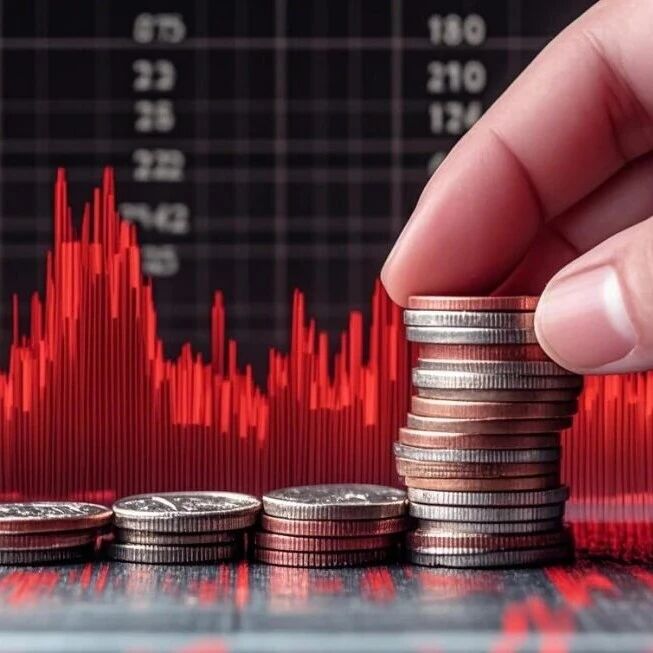
连年巨亏 光伏业如何逃出“血海”
经济观察报· 2026-01-25 10:54
Core Viewpoint - The photovoltaic industry is undergoing a brutal survival elimination race and a deep restructuring of the industrial pattern, with the next phase expected to be redefined after this intense reshuffle [2][4]. Group 1: Industry Performance and Losses - In 2025, major companies in the photovoltaic sector are expected to report significant losses, with JinkoSolar forecasting a net loss of 5.9 billion to 6.9 billion yuan, Trina Solar predicting a loss of 6.5 billion to 7.5 billion yuan, and Tongwei expecting a loss of 9 billion to 10 billion yuan [2][6]. - The total expected losses from leading companies amount to hundreds of billions, indicating that the photovoltaic industry is still mired in a loss-making situation [2][5]. - The industry has shifted from a phase of rapid expansion to a deep adjustment period, with companies generally operating at a loss to maintain operations, severely squeezing overall profitability [7][12]. Group 2: Causes of the Crisis - The root cause of the current industry crisis is attributed to aggressive expansion in the past, leading to severe structural oversupply and intense price competition [3][6]. - The prices of key materials such as silicon have plummeted from 300,000 yuan per ton in 2022 to around 55,000 yuan per ton, while silver prices have nearly doubled in recent months, further exacerbating the challenges faced by companies [4][10]. Group 3: Strategic Responses and Industry Restructuring - In response to the crisis, leading companies are turning to mergers and acquisitions to strengthen competitiveness or are extending into related fields such as energy storage and hydrogen energy to seek strategic breakthroughs [4][12]. - TCL Zhonghuan announced plans to invest in a new energy technology company to enhance its integrated strategy and expand battery and module production capacity [12]. - The industry is experiencing a "淘汰赛" (elimination race), with smaller companies likely to exit the market or seek mergers as the competitive landscape narrows [13][14]. Group 4: Future Outlook and Recovery Potential - Companies like Tongwei have seen some operational profitability in the latter half of 2025, but overall losses are expected to continue due to declining sales prices and rising raw material costs [9][10]. - The recovery of profitability is contingent on the overall price recovery across the supply chain and the expansion of photovoltaic application scenarios, which could provide significant growth opportunities [9][10]. - The photovoltaic industry is witnessing a recent increase in component prices, with some manufacturers raising prices by 0.04 to 0.15 yuan per watt, indicating a potential shift in market dynamics [18][19].
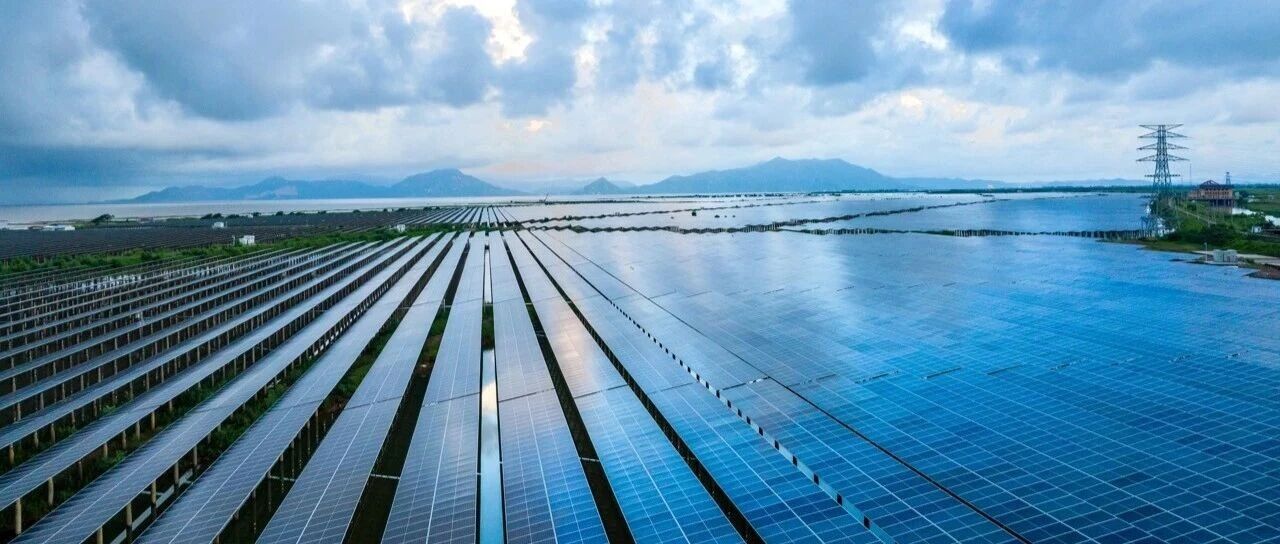
“太空光伏”引爆涨停潮,概念炒作难掩行业供需双弱
Di Yi Cai Jing· 2026-01-25 09:44
Core Viewpoint - The A-share photovoltaic sector has experienced a significant surge, with multiple stocks hitting a 20% limit-up, driven by Elon Musk's endorsement of space photovoltaics at the Davos Forum. However, the industry faces a harsh reality of prolonged losses, overcapacity, and persistent price pressure, with major companies expected to report substantial losses in 2025 [1][2]. Group 1: Industry Performance - The photovoltaic industry has seen widespread losses, with 23 out of 32 listed companies expected to report losses in 2025, accounting for over 70% of the sample [2]. - Major players like Tongwei Co. anticipate a net loss of 90 to 100 billion yuan in 2025, up from a loss of 70.39 billion yuan the previous year, marking it as the only company with a projected loss exceeding 100 billion yuan [2]. - Trina Solar and JinkoSolar are also expected to report significant losses, with Trina Solar projecting a loss of 65 to 75 billion yuan, and JinkoSolar estimating a loss of 59 to 69 billion yuan [2][3]. Group 2: Market Dynamics - The photovoltaic supply chain is experiencing intensified losses due to weak terminal demand, overcapacity, and stagnant product prices, which are the main contributors to the industry's financial struggles [2][3]. - Despite some companies like Daqo Energy and Longi Green Energy reducing their losses, the overall trend remains negative, with Daqo Energy expecting a loss of 14.18 to 17.18 billion yuan, a reduction of 52.17% to 63.21% year-on-year [3]. - The industry is facing a dual challenge of weak supply and demand, with overcapacity leading to low prices, which is the primary cause of losses [4][5]. Group 3: Cost Pressures - The rapid increase in raw material prices, particularly silver, has significantly impacted production costs, with silver prices rising over 118% since October of the previous year [6][7]. - The cost of silver paste, a critical material in photovoltaic technology, has surged, further straining the profitability of companies in the sector [6][7]. - Companies are exploring cost-reduction strategies, including substituting silver with copper and aluminum, but the impact of these innovations on profitability remains limited [7]. Group 4: Future Outlook - The industry is expected to undergo structural reforms characterized by capacity utilization improvements, elimination of outdated capacity, and potential mergers and acquisitions, which are essential for recovery [7]. - A return to a healthy supply-demand balance and a restoration of product prices to reasonable levels are crucial for the fundamental improvement of companies' profitability [7].

太空光伏为产业链带来新机遇,宁德时代推出天行II方案
GOLDEN SUN SECURITIES· 2026-01-25 08:33
Investment Rating - The report maintains an "Overweight" rating for the power equipment sector [6] Core Insights - The report highlights new opportunities in the photovoltaic industry driven by space solar power initiatives and rising prices of battery components [1][17] - It emphasizes the importance of supply-side reforms and technological advancements in creating long-term growth opportunities within the industry [1][19] - The report identifies key companies to watch in various segments, including supply chain price increases, new technology growth, and perovskite solar cell developments [1][19][21] Summary by Sections Photovoltaics - The price of multi-crystalline silicon n-type raw materials remains stable, with an average transaction price of 59,200 RMB per ton [17] - N-type battery cell prices have increased to 0.42 RMB per watt, with a price range of 0.40-0.43 RMB per watt [17] - The report notes that rising silver prices have led to increased component costs, with distributed component prices now ranging from 0.70 to 0.80 RMB per watt [17] - SpaceX and Tesla plan to achieve a combined solar manufacturing capacity of 200GW annually in the U.S. within three years, with 40GW dedicated to space solar power [1][18] - Key companies to focus on include Tongwei Co., GCL-Poly, LONGi Green Energy, JA Solar, and Trina Solar for supply-side reform opportunities [1][19] Wind Power & Grid - The Netherlands will launch a 1GW offshore wind project tender in September 2026, with a subsidy budget of approximately 32.45 billion RMB [19][20] - Turkey plans to initiate its first offshore wind tender by the end of 2026, aiming for 5GW of installed capacity by 2035 [19][20] - Southern Power Grid has set a fixed asset investment of 180 billion RMB for 2026, focusing on new power system construction and strategic emerging industries [20] - Companies to watch include Goldwind, Yunda, Mingyang Smart Energy, and Sany Heavy Energy in the wind turbine sector [20] Hydrogen Energy - A ceremony for the operation of 300 hydrogen fuel heavy trucks was recently held, showcasing advancements in hydrogen energy technology [3][21] - The trucks are equipped with a 130kW fuel cell system and can achieve a range of over 600 kilometers [3][21] - Key companies in this sector include Shuangliang Energy, Huadian Heavy Industry, and Shenghui Technology [3][21] Energy Storage - The report forecasts that new energy storage installations in China will reach 58.6GW/175.3GWh in 2025, a year-on-year increase of 38%/60% [4][22] - The average bid price for 2-hour energy storage systems is projected to be 0.55 RMB/Wh in 2025, down 16.9% from 2024 [4][22] - Companies to focus on include Sungrow Power, Canadian Solar, and Kehua Data for large-scale energy storage opportunities [4][22] New Energy Vehicles - CATL launched the "Tianxing II" series solutions for light commercial vehicles, including the industry's first intelligent battery management application [5][27] - The solutions cater to various scenarios, including high-frequency urban distribution and extreme temperature conditions [5][27] - Key companies in the battery sector include CATL, Penghui Energy, and Guoxuan High-Tech [5][29]




晶澳科技:公司主营为太阳能硅片、电池及组件的研发、生产和销售
Zheng Quan Ri Bao Wang· 2026-01-23 13:15
Core Viewpoint - Jingao Technology (002459) is actively engaged in the research, production, and sales of solar silicon wafers, cells, and modules, focusing on advancing BC battery technology through both independent and collaborative research efforts [1] Group 1 - The company is accelerating the development of BC battery technology [1] - Jingao Technology is also reserving technologies related to perovskite and high-efficiency stacked batteries [1] - Future exploration and development will include various application scenarios [1]

晶澳科技:公司高度重视公司经营情况及公司市值表现
Zheng Quan Ri Bao Wang· 2026-01-23 11:12
Core Viewpoint - Jingao Technology (002459) emphasizes the importance of operational performance and market capitalization, acknowledging that stock price performance in the secondary market is influenced by various factors [1] Group 1: Company Strategy - In 2026, the company will focus on technological innovation and global expansion to strengthen its core competitiveness [1] - The company plans to enhance long-term investment value through the release of high-quality production capacity, deepening supply chain integration, and optimizing smart manufacturing [1]