HPE(HPE)

Search documents
内存“超级周期”推高成本 摩根士丹利下调多家科技硬件巨头评级
智通财经网· 2025-11-17 15:06
Core Viewpoint - Morgan Stanley has significantly downgraded the ratings of major hardware manufacturers including Dell Technologies, HP, and HPE, citing increasing pressure on profit margins due to soaring memory prices and weakening non-AI hardware demand [1] Group 1: Memory Price Impact - The industry is currently experiencing a "memory supercycle," with NAND and DRAM spot prices rising approximately 50% to 300% over the past six months [1] - Historical data indicates that hardware OEM gross margins typically decline 60 basis points within 6 to 12 months after memory costs begin to rise, contrary to market expectations of slight expansion [1] Group 2: Dell Technologies - Morgan Stanley downgraded Dell's rating from "Overweight" to "Underweight," lowering the target price from $144 to $110, due to the impact of rising memory costs and structurally low profit margins in AI servers [2] - The forecast for Dell's fiscal year 2027 gross margin has been significantly reduced to 18.2%, down 220 basis points from previous estimates, with a 12% decrease in earnings per share (EPS) projections [2] Group 3: HP Inc. - HP's rating has been downgraded from "Equal Weight" to "Underweight," with the target price reduced from $26 to $24, as rising DRAM and NAND prices are expected to squeeze profit margins in its personal systems business [3] - The forecast for HP's fiscal year 2026 gross margin has been lowered by 90 basis points to 19.7%, which is 130 basis points below market consensus, despite an increase in revenue expectations to $56.5 billion [3] Group 4: HPE (Hewlett Packard Enterprise) - HPE's rating has been downgraded from "Overweight" to "Equal Weight," with the target price decreased from $28 to $25, as the integration of Juniper Networks is expected to limit overall profitability amid rising component costs [4] - The forecast for HPE's fiscal year 2026 gross margin has been cut by 260 basis points to 32.9%, with EPS revised down from $2.52 to $2.18 [4] Group 5: Industry Outlook - Dell and HP are identified as the most vulnerable U.S. hardware companies to the impact of rising memory prices, appearing at the top of Morgan Stanley's "most vulnerable list" [5] - The firm emphasizes a preference for technology companies with higher diversification or software revenue, warning that tight memory supply and high prices will pose greater downside risks for the industry until 2026 [5]


摩根士丹利将惠普企业目标股价从每股28美元下调至25美元。
Xin Lang Cai Jing· 2025-11-17 13:49
Core Viewpoint - Morgan Stanley has lowered the target stock price for Hewlett Packard Enterprise from $28 per share to $25 per share [1] Company Summary - The adjustment in target stock price indicates a more cautious outlook on Hewlett Packard Enterprise's future performance [1]
存储芯片疯狂涨价,PC与服务器厂商受伤!大摩:每涨10%,OEM毛利率就下降45-150个基点
美股IPO· 2025-11-17 09:54
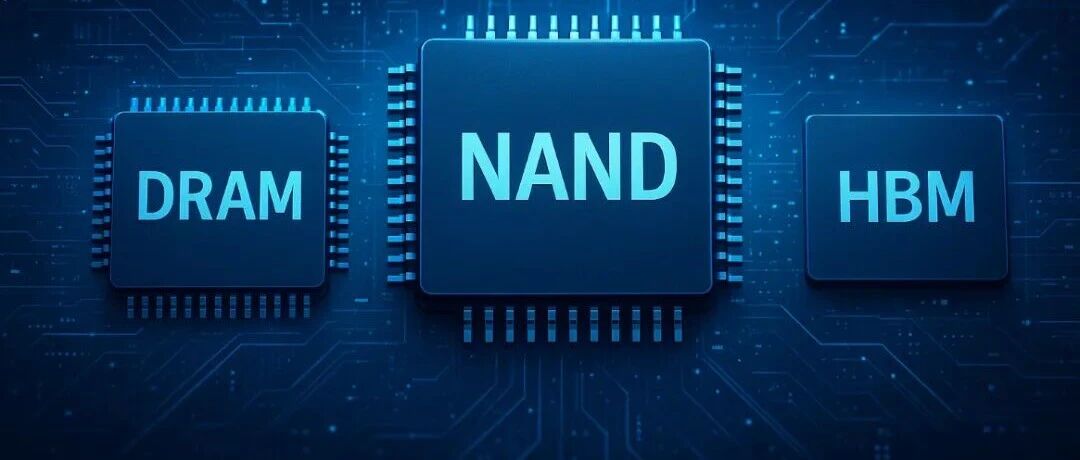
Core Viewpoint - The storage chip market is experiencing an unprecedented "super cycle" driven by AI demand and supply shortages, significantly impacting the profit outlook for PC and server manufacturers [1][3][4]. Group 1: Price Surge and Impact - Morgan Stanley warns that storage chip prices are skyrocketing due to AI demand and supply constraints, with DRAM spot prices soaring over 260% in just two months [1][5]. - The report indicates that the cost of storage chips (NAND and DRAM) constitutes 10%-70% of the BOM for high-end products, leading to a potential decline in hardware OEM gross margins by 45 to 150 basis points for every 10% increase in storage chip prices [3][6]. - The current price surge is unprecedented, with NAND flash prices rising over 50% since the beginning of the year [5][6]. Group 2: Drivers of Price Increase - The price surge is primarily driven by accelerated procurement from large cloud service providers for AI infrastructure, a spike in demand for high-bandwidth memory (HBM) for AI accelerators, and insufficient investment in NAND capacity over the past few years [6][10]. - Morgan Stanley predicts that contract prices for both NAND and DRAM could see double-digit percentage increases each quarter until 2026, far exceeding the previous cycle from 2016-2018 [6][10]. Group 3: Historical Context and Comparison - The previous storage super cycle from 2016 to 2018 serves as a reference point, where OEM margins and stock valuations began to decline 6 to 12 months after prices started to rise [8][10]. - Key differences in the current cycle include a more rapid price increase and a weaker demand environment for non-AI hardware compared to the previous cycle [10][11]. Group 4: Company Ratings and Vulnerabilities - Morgan Stanley has downgraded ratings for several major hardware companies, citing dual pressures on profits and valuations [12][13][14]. - Dell Technologies was downgraded from "Overweight" to "Underweight," with a target price cut from $144 to $110, due to significant impacts from rising storage costs [13]. - HP's rating was lowered from "Market Perform" to "Underweight," with a target price adjustment from $26 to $24, as profit margin pressures overshadow market recovery [14]. - Lenovo's rating was adjusted from "Overweight" to "Market Perform," as over 60% of its PC business targets the enterprise market, which is better positioned to pass on cost increases [17]. Group 5: Market Segmentation and Resilience - Different hardware manufacturers face varying levels of risk, with PC and server manufacturers more exposed due to their reliance on DRAM [18][20]. - Companies like Apple and Pure Storage are viewed as more resilient due to strong supply chain negotiation power and better pricing capabilities [20]. - Memory chip manufacturers such as Micron Technology, SK Hynix, and Samsung Electronics are expected to be direct beneficiaries of this super cycle [20].


Morgan Stanley slashes ratings on Dell, HP and HPE amid memory spike
Yahoo Finance· 2025-11-17 07:14
Core Viewpoint - Rising memory costs and weakening non-AI hardware demand have led Morgan Stanley to downgrade ratings for major technology hardware manufacturers, indicating increasing margin pressure across the sector [1] Group 1: Memory Cost Impact - Analysts describe the current situation as a "memory supercycle," with NAND and DRAM spot prices increasing between 50% and 300% over the past six months, which is expected to negatively impact earnings until 2026 [2] - Historical trends show that hardware OEMs typically experience gross-margin compression 6-12 months after memory costs rise, with a projected median decline of 60 basis points in global OEM margins by 2026, contrary to Wall Street's expectations of slight margin expansion [2] Group 2: Company-Specific Downgrades - Dell Technologies has been double-downgraded to "underweight" from "overweight" due to its high dependence on memory-intensive products and a shift towards AI servers with lower margins [3] - Morgan Stanley has reduced Dell's price target from $144 to $110 and lowered its fiscal 2027 gross-margin forecast to 18.2%, a decrease of 220 basis points from previous estimates, alongside a 12% reduction in EPS estimates [4] - HP Inc. has also been downgraded to "underweight" from "equal-weight," with its price target cut from $26 to $24, as higher DRAM and NAND prices are expected to pressure its Personal Systems margins [4][5] - The fiscal 2026 gross-margin outlook for HP has been reduced by 90 basis points to 19.7%, leaving it 130 basis points below consensus, with a projected 9% decline in EPS despite an increase in revenue estimates to $56.5 billion [5] Group 3: Hewlett Packard Enterprise Adjustments - Hewlett Packard Enterprise's rating has been lowered to "equal-weight" from "overweight," with a price target reduction from $28 to $25, as integration challenges and rising component costs are anticipated to limit profitability [6] - The fiscal 2026 gross-margin forecast for HPE has been cut by 260 basis points to 32.9%, balancing expected benefits from networking with the negative impact of higher memory prices, and EPS estimates have been lowered to $2.18 from $2.52 [7]
全球科技领域 - 存储芯片挤压硬件利润率-Global Technology Hardware-Memory Takes A Bite Out of Hardware Margins
2025-11-17 02:42
Summary of Key Points from the Conference Call Industry Overview - The report focuses on the **Global Technology Hardware** industry, specifically the **Hardware OEM/ODMs** sector, which is facing increasing margin pressure due to a **memory supercycle** amidst weak hardware demand [1][8][9]. Core Insights and Arguments - **Memory Pricing Surge**: Memory prices (NAND and DRAM) have surged by **50-300%** in the last six months, driven by demand from hyperscalers and underinvestment in NAND [9][11]. - **Earnings Risk**: The memory supercycle poses a downside risk to Hardware OEM earnings heading into **2026**, with memory costs accounting for **10-70%** of product costs [9][12]. - **Historical Context**: The last memory cycle (2016-2018) saw a **median gross margin compression of 70bps** year-over-year, indicating potential future earnings pressure for OEMs with high memory exposure [10][11]. - **Current Demand Trends**: The current demand for non-AI hardware is tepid, with enterprise hardware budget growth projected at only **1.6%** year-over-year in **2026**, which is below historical averages [12][15]. - **Downgrades**: Several companies, including **DELL**, **HPQ**, **Asustek**, and **Pegatron**, have been downgraded to **Underweight** due to expected margin pressures and negative EPS revisions [21][22]. Company-Specific Changes - **Dell Technologies (DELL)**: Downgraded to **Underweight** with a new price target of **$110**, down from **$144** [21]. - **HP Inc. (HPQ)**: Downgraded to **Underweight** with a new price target of **$24**, down from **$26** [21]. - **Asustek**: Downgraded to **Underweight** with a new price target of **NT$500**, down from **NT$625** [21]. - **Pegatron**: Downgraded to **Underweight** with a new price target of **NT$58**, down from **NT$73** [21]. - **Hewlett Packard Enterprise (HPE)**: Downgraded to **Equal-weight** with a new price target of **$25**, down from **$28** [21]. - **Lenovo**: Downgraded to **Equal-weight** with a new price target of **HK$10.20**, down from **HK$13.00** [21]. - **Giga-Byte**: Downgraded to **Equal-weight** with a new price target of **$290**, down from **$370** [21]. Additional Important Insights - **Mitigation Strategies**: OEMs are expected to respond to rising memory costs through pricing increases and cost management strategies, but even with these efforts, gross margins are projected to compress by **60bps** year-over-year in **2026** [12][19]. - **Risk Factors**: Potential risks include being too early in the call regarding margin pressures, successful mitigation actions, and strong demand for AI infrastructure that could overshadow margin concerns [17][18]. - **Investment Opportunities**: Companies like **Apple**, **Micron**, and **SK Hynix** are highlighted as potential beneficiaries of the memory cycle due to their strong demand trends and margin resilience [18][58]. Conclusion - The hardware OEM/ODM sector is facing significant challenges due to rising memory costs and weak demand, leading to downgrades for several key players. The historical context of memory cycles suggests that margin pressures could persist, making it crucial for investors to monitor these developments closely.
HPE to Present Live Audio Webcast of Fiscal 2025 Fourth Quarter Earnings Conference Call
Businesswire· 2025-11-13 12:45
Core Points - HPE will conduct a live audio webcast of a conference call to review financial results for Q4 of fiscal 2025 [1] - The conference call is scheduled for December 4 at 4:00 p.m. CT (5:00 p.m. ET) [1] - The webcast will be available on HPE's investor website and a replay will be accessible shortly after the call [1]

Commvault Honors the Fearless Few - Announcing Global Partner of the Year Award Winners at SHIFT NYC
Prnewswire· 2025-11-12 21:45
Core Insights - Commvault announced the winners of the inaugural Commvault Fearless Awards 2025, recognizing partners who have demonstrated resilience against cyber threats and business disruptions [1][2][8] - The awards highlight a customer-first mindset and a unified, cloud-native approach to resilience among 24 standout partners globally [2][3] Award Winners - The Global Champion Award was awarded to HPE, with CDW, Softcat, and Logicalis Australia receiving regional champion awards for AMER, EMEA, and APAC respectively [6][12] - Other notable awards included Global AI Innovation Award to AWS, Global Cloud Partner of the Year to Microsoft, and Global Cyber Readiness Award to Bytes [7] Partner Statements - HPE emphasized the importance of comprehensive cyber resilience and data protection, reflecting a shared vision with Commvault [4] - Softcat highlighted the strength of their long-standing partnership with Commvault, focusing on innovation and customer-centric solutions [4] - Logicalis Australia expressed commitment to helping customers strengthen resilience and navigate complexity in the APAC region [4] Event Context - The awards were unveiled at SHIFT NYC, which also featured significant announcements including the Commvault Cloud Unity platform release [9][11] - The Commvault Fearless Awards aim to honor partners who show unwavering commitment to resilience amid evolving threats [8]






Should You Hold or Fold HPE Stock After a 27.7% Rise in 6 Months?
ZACKS· 2025-11-12 14:26
Core Insights - Hewlett Packard Enterprise (HPE) shares have increased by 27.7% over the past six months, which is significantly lower than the Zacks Computer - Integrated Systems industry's return of 85.9% [1][5] - HPE's forward price-to-sales ratio stands at 0.75, considerably below the industry's average of 4.91, indicating potential undervaluation [2] - The company is facing margin compression due to high costs associated with AI rack deployments and integration expenses from the Juniper Networks acquisition, which has also increased HPE's leverage to 3.1x [6][7] Financial Performance - HPE's gross margins are declining due to an unfavorable product mix across its offerings, including servers, networking, and hybrid cloud solutions [6] - The Zacks Consensus Estimate for HPE's fourth-quarter fiscal 2025 earnings is projected at 59 cents per share, reflecting a year-over-year growth of 1.72% [8][9] - Earnings estimates for the current year (fiscal 2025) are at $1.90 per share, with a projected decline of 4.52% year-over-year, while the next year's estimate is $2.36, indicating a growth of 23.95% [9] Competitive Landscape - HPE faces intense competition in the cloud and server markets from major players like Amazon, Microsoft, and Dell Technologies [10][12] - Amazon Web Services dominates the cloud services sector, while Microsoft Azure has a strong enterprise presence, particularly with AI integrations [12] - Despite the competition, HPE differentiates itself through its integration of private cloud, AI factory, and networking solutions [12] Strategic Outlook - The ongoing trade tensions between the United States and China pose a significant threat to HPE's operations [8] - Lengthening sales cycles are impacting both top and bottom-line growth, creating additional challenges for the company [8] - Given the current macroeconomic and competitive pressures, it is suggested that investors should avoid HPE stock for the time being [14]

HPE Forms Quantum Computing Consortium To Develop Supercomputer
Investors· 2025-11-10 17:52
Group 1: Quantum Computing Consortium - Hewlett Packard Enterprise (HPE) is forming a quantum computing consortium called the Quantum Scaling Alliance, which includes members like Applied Materials, Qolab, Quantum Machines, Riverlane, Synopsys, the University of Wisconsin, and 1QBit. The goal is to design and develop a practically useful and cost-effective quantum supercomputer [2][5]. - HPE's High Performance Computing (HPC) division, which includes supercomputer maker Cray Research, will play a significant role in this initiative [2]. Group 2: Market Performance and Projections - HPE stock rose more than 2% to $23.94, with an 11% gain in 2025 [5]. - The company has projected fiscal 2026 adjusted earnings per share between $2.20 and $2.40 [5]. Group 3: Competitive Landscape - HPE faces competition in AI server revenue growth from Dell Technologies, with a focus on artificial intelligence-related server sales in its data center business [6]. - HPE completed a $14 billion acquisition of Juniper Networks earlier this year, enhancing its competitive position [6]. Group 4: Technical Ratings - HPE stock has an IBD Composite Rating of 83 out of a best-possible 99, indicating strong performance relative to peers [6]. - The stock holds an Accumulation/Distribution Rating of B, suggesting moderate institutional buying activity [7].
Nobel winner, HPE and chip industry firms team up to make a practical quantum supercomputer
Reuters· 2025-11-10 14:04
Core Insights - John M. Martinis, a Nobel Prize winner in physics for advancements in quantum computing, has formed a partnership with HPE and several chip manufacturers to develop practical quantum computing solutions [1] Group 1 - The collaboration aims to leverage breakthroughs in quantum computing to create commercially viable applications [1] - The alliance includes multiple chip firms, indicating a strong industry interest in quantum technology [1] - This initiative reflects a growing trend in the tech industry towards integrating quantum computing into mainstream applications [1]