United(UAL)

Search documents
United Airlines Selects GE Aerospace GEnx Engines to Power New 787 Dreamliners
Prnewswire· 2026-02-16 14:50
Core Insights - United Airlines has selected 300 GEnx engines from GE Aerospace to power its new Boeing 787 Dreamliners, making it the largest GEnx operator globally [1] - The agreement includes additional spare engines, increasing United Airlines' GEnx-powered 787 fleet to over 200 aircraft [1] - The GEnx engine family is noted for its advanced materials and technologies, providing greater durability and a 99.98% dispatch rate, indicating high reliability [1] Company Relationships - GE Aerospace has maintained a long-standing relationship with United Airlines since 1968, with United operating a diverse fleet of GE Aerospace and CFM powered aircraft [1] - The GEnx engine has accumulated over 70 million flight hours and powers two-thirds of all 787 aircraft in operation, as well as exclusively powering the 747-8 aircraft [1] Future Deliveries - This latest order increases GE Aerospace's firm GEnx future deliveries to nearly 1,800 engines, including spares [1]



United Airlines Holdings, Inc. (UAL) Expands Global Reach and Assets
Insider Monkey· 2026-02-15 09:09
Core Insights - Generative AI is viewed as a transformative technology by Amazon's CEO Andy Jassy, indicating its potential to significantly enhance customer experiences [1] - Elon Musk predicts that humanoid robots could create a market worth $250 trillion by 2040, representing a major shift in the global economy driven by AI innovation [2] - Major firms like PwC and McKinsey acknowledge the multi-trillion-dollar potential of AI, suggesting a broad consensus on its economic impact [3] Company and Industry Analysis - A breakthrough in AI technology is redefining work, learning, and creativity, leading to increased interest from hedge funds and top investors [4] - There is speculation about an under-owned company that may play a crucial role in the AI revolution, with its technology posing a threat to competitors [4] - Prominent investors, including Bill Gates and Warren Buffett, recognize AI as a significant technological advancement with the potential for substantial social benefits [8]
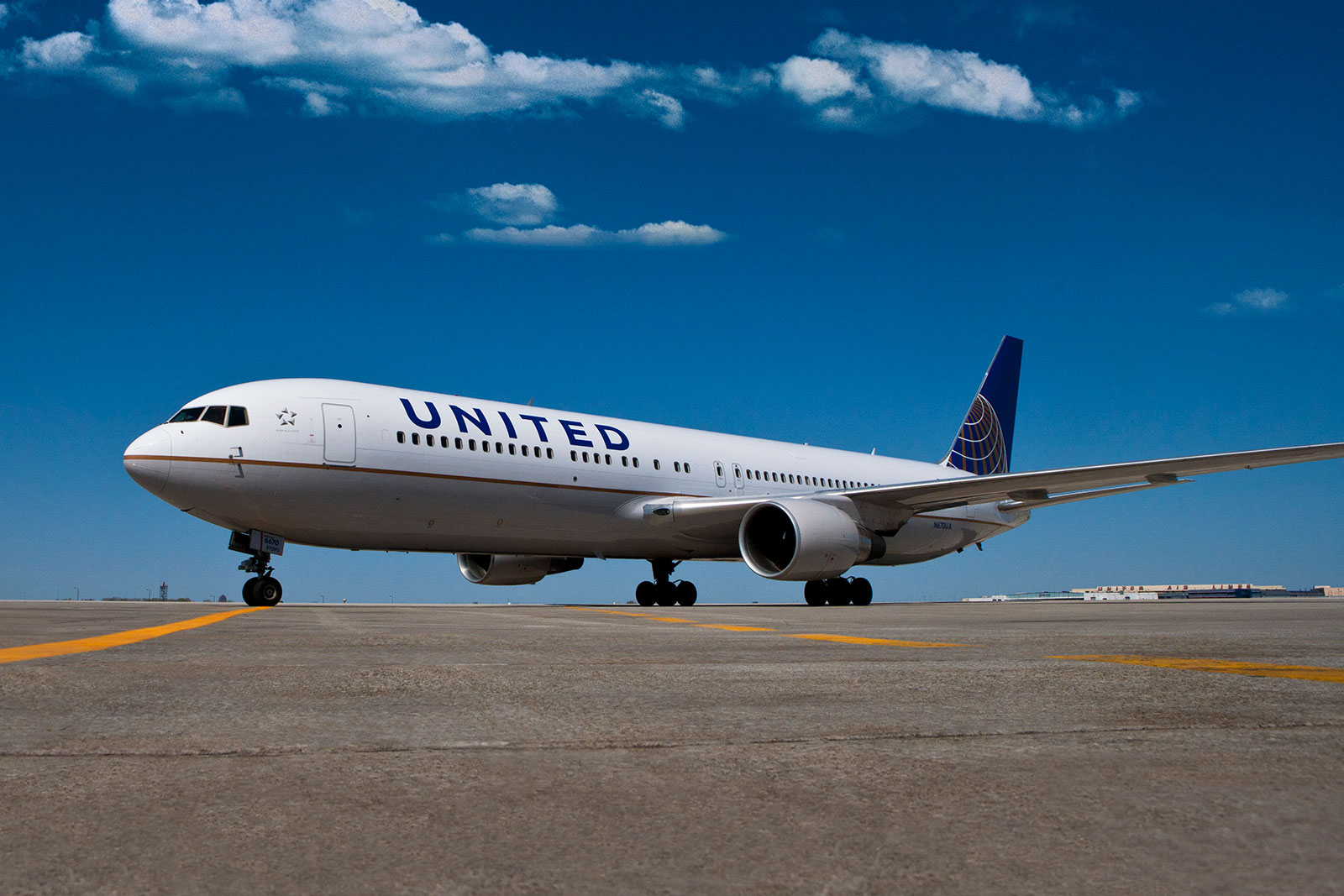
航空板块获机构看好,联合大陆航空股价波动明显
Jing Ji Guan Cha Wang· 2026-02-13 22:45
Group 1 - The aviation sector is expected to see an improvement in supply-demand dynamics, driven by demand growth from visa-free policies and service consumption, while supply remains tight due to aircraft delivery delays, leading to potential ticket price increases [1] - Domestic ticket prices have been low primarily due to reduced business travel, but this impact is expected to be largely absorbed in 2026, with load factors reaching historical highs, providing a basis for ticket price increases [1] - The decline in oil prices and appreciation of the RMB may enhance the profit elasticity for airlines [1] Group 2 - United Airlines (UAL) stock has shown volatility recently, closing at $109.18 on February 13, 2026, with a daily drop of 0.11% and a cumulative decline of 5.81% over the past five days [2] - The trading volume on February 9 was $542 million, a decrease of 47.54% from the previous day, although the stock price increased by 0.25% to $116.20 on that day [2] - The overall price fluctuation range reached 10.89%, indicating high volatility in the stock [2] Group 3 - Recent policy support for the aviation industry, such as the "Accelerating the Cultivation of New Growth Points for Service Consumption" initiative, is expected to boost leisure travel and outbound demand [3] - Spring Festival travel data shows over 280 million cross-regional movements as of February 13, 2026, a year-on-year increase of 4.5%, which may enhance air passenger demand [3] - The resumption of the Red Sea shipping route in mid-February, while primarily affecting maritime transport, indirectly reflects an improvement in global logistics, potentially benefiting air freight cost optimization [3]
United(UAL) - 2025 Q4 - Annual Report
2026-02-12 21:45
Aircraft and Fleet Expansion - United Airlines expects to take delivery of over 630 new narrow- and widebody aircraft by the end of 2034, enhancing its operational capacity and fuel efficiency [17]. - The Company has firm orders for over 630 narrow- and widebody aircraft as part of its United Next strategic operating plan [97]. - United has firm commitments to purchase 150 Boeing 787 aircraft, with expected deliveries of 48 in 2026, 9 in 2027, and 93 after 2027 [199]. - The company has 103 firm commitments for the Boeing 737 MAX 9, with expected deliveries of 76 in 2026 and 27 in 2027 [199]. - For the Boeing 737 MAX 10, United has 167 firm commitments, expecting 3 deliveries in 2026, 44 in 2027, and 120 after 2027 [199]. - United has 119 firm commitments for the A321neo, with expected deliveries of 18 in 2026, 1 in 2027, and 100 after 2027 [199]. - The company has 50 firm commitments for the A321XLR, expecting 8 deliveries in 2026, 26 in 2027, and 16 after 2027 [199]. - United has 45 firm commitments for the A350, with all deliveries expected after 2027 [199]. - As of December 31, 2025, the company's mainline fleet consisted of 1,066 aircraft with an average age of 15.3 years [198]. - The mainline fleet includes 120 Boeing 737 MAX 9 aircraft, with an average age of 2.9 years [198]. - The company operates a total of 424 regional aircraft, with 196 owned and 228 leased [198]. Financial Performance and Expenses - In 2025, United's fuel consumption was 4.663 million gallons, with a fuel expense of $11.396 million, representing 21% of total operating expenses [29]. - The Company's fuel expense for the year ended December 31, 2025, was approximately $11.4 billion, making it one of the largest operating expenses [167]. - The Company reported consolidated U.S. federal net operating loss (NOL) carryforwards of approximately $10.6 billion as of December 31, 2025 [177]. - The Company has significant financial leverage from fixed obligations, which could adversely affect its financial condition if liquidity is diminished [171]. - The Company may incur substantial costs due to environmental regulations and liabilities, including those related to aircraft emissions and hazardous materials [159]. - The Company may incur liabilities if it attempts to modify or terminate existing aircraft order commitments, impacting its financial condition [99]. - The anticipated compliance costs for the CORSIA program from 2024 to 2026 may be substantial, with the exact implementation mechanism currently unknown [79]. Employee and Labor Relations - The company has increased its employee headcount by over 38,000 since 2020, reflecting growth in operations and service capacity [20]. - As of December 31, 2025, the company employed approximately 113,200 individuals, with about 83% represented by various U.S. labor organizations [52]. - The company hired approximately 13,100 employees globally in 2025 to support its ambitious growth agenda under the United Next plan [54]. - In 2025, approximately 72% of the Company's senior leader positions were filled by internal placements, with 587 frontline employees promoted to management roles, consistent with the previous year [55]. - The Company reached a Tentative Agreement with the AFA in May 2025, which included pay rate increases and quality of life improvements, but was voted against by employees on July 29, 2025 [66]. - The Company is in active negotiations with union-represented employees regarding amendable contracts, with various employee groups having different amendable dates [68]. - Increased costs associated with employee health programs, pension benefits, and salary expenses are significant, with potential increases in future collective bargaining agreements [145]. Environmental and Sustainability Initiatives - The company aims to achieve a 50% reduction in carbon emissions intensity by 2035 compared to 2019 levels, validated by the Science Based Targets initiative [42]. - The company has established a mid-term target to reduce carbon emissions intensity by 50% by 2035, with a long-term goal of achieving net zero GHG emissions by 2050 [42]. - The company is committed to transitioning to PFAS-free materials for fire suppression, which may incur additional costs [86]. - The company is investing in sustainable aviation fuel production since 2015 and became the first airline to use SAF in regular operations in 2016 [45]. - The company utilized approximately 0.3% sustainable aviation fuel (SAF) of its total aviation fuel usage in 2024, with SAF representing less than 1% of global commercial aviation fuel [45]. - The Company is working with policymakers to adopt incentives for the production of SAF to facilitate a transition to a lower carbon future [80]. - The Company faces risks from evolving cybersecurity threats, which could lead to operational difficulties and increased costs for proactive defense measures [141]. Operational Challenges and Industry Competition - The domestic airline industry remains highly competitive, with pricing pressures necessitating alignment with competitors' fare structures [31]. - The airline industry is highly competitive, with significant pressure from low-cost carriers, which may affect the company's profitability and market position [114]. - Economic and political conditions, including inflation and consumer spending, significantly impact demand for air travel, potentially leading to reduced revenue [121]. - The Company may face operational disruptions due to disagreements with third-party service providers, potentially leading to increased fees and limited flight information availability [124]. - Extended interruptions at major airports could materially impact the Company's operations and financial results, as seen during the U.S. federal government shutdown in late 2025, which required schedule reductions across approximately 40 domestic airports [126]. - Space and infrastructure constraints at airports may prevent the Company from maintaining existing services or implementing new services in a commercially viable manner, leading to increased costs [129]. - Geopolitical conflicts and security events have adversely affected the Company's financial condition, cash flows, and operational results, particularly due to the suspension of overflying in Russian airspace [130]. Technology and Cybersecurity - The Company relies heavily on technology and automated systems, and any significant failure or disruption could materially harm its business strategy and operating results [136]. - The Company has developed a risk-based cybersecurity strategy, integrating it into its overall Enterprise Risk Management process [189]. - Cybersecurity risks are regularly evaluated and monitored as part of the company's risk management strategy [189]. - The company has experienced increasing cybersecurity risks but has not faced material adverse effects in the last three fiscal years [196]. - The Company is investing in cybersecurity frameworks and disaster recovery plans to mitigate risks associated with technology disruptions, but these measures may not be sufficient [136]. Regulatory and Compliance Issues - The Company is subject to extensive domestic and international regulatory oversight, which affects operations and increases costs [69]. - The Company is subject to various environmental regulations, including the EU's Corporate Sustainability Due Diligence Directive and California's climate disclosure requirements [83]. - The FAA's reauthorization through fiscal year 2028 has increased authorized funding levels and may impose new operational requirements that could materially impact costs [150]. - The company is involved in ongoing litigation, including a class action lawsuit related to employee vaccination requirements, which could have material adverse effects on financial condition [158]. - The Company may face challenges in implementing and integrating AI technologies, which could impair its competitive position and operational results [137]. Market and Stock Performance - The closing price of the company's common stock fluctuated between a high of $116.02 and a low of $56.15 in the year ended December 31, 2025 [181]. - A share repurchase program was authorized in Q4 2024, but the company cannot guarantee it will enhance long-term stockholder value [184]. - The Company has established a tax benefits preservation plan to protect its NOLs, which expires on December 4, 2026 [178].
‘Old Economy’ Is Hot Again, Propelled by Data and AI Backlash
Yahoo Finance· 2026-02-12 10:30
Core Viewpoint - The transportation sector in the U.S. is experiencing a significant rally, outperforming major equity benchmarks, driven by strong economic data and a shift in investor focus away from technology stocks [2][3]. Group 1: Performance Metrics - The Dow Jones Transportation Average has outperformed the S&P 500 Index by 13 percentage points over the past month and a half, marking its strongest performance since the financial crisis [2]. - The transportation gauge reached an all-time closing high following positive manufacturing data and a strong jobs report, indicating a recovering labor market [4]. Group 2: Investor Sentiment - There is a growing appeal for "old economy" stocks as investors seek diversification amid concerns over AI disruptions and significant capital spending in technology [3]. - The transportation sector is viewed as "AI resistant," attracting investors looking for companies whose core functions are less likely to be affected by technological advancements [5]. Group 3: Economic Indicators - Recent manufacturing data indicates expansion at the fastest pace since 2022, which correlates with increased demand for transportation services [4][6]. - The improvement in manufacturing activity suggests a broader economic recovery, serving as a technical signal for investors to consider stocks that benefit first from economic upturns [6].


联合大陆航空股价下跌,分析师维持增持评级
Jing Ji Guan Cha Wang· 2026-02-11 16:35
Core Viewpoint - United Airlines (UAL.US) has experienced a recent decline in stock price, but analysts maintain a buy rating, suggesting that improvements in the industry supply-demand dynamics may positively impact the company's profitability [1]. Stock Performance - On January 12, 2026, United Airlines had a trading volume of $386 million, a decrease of 12.34% from the previous day, with the stock price at $115.29, down 1.73% for the day. Over the past five trading days, the stock has increased by 0.35%, and year-to-date, it has risen by 3.10%. Barclays has maintained a "buy" rating for United Airlines with a target price of $150 [2]. Industry Policy and Environment - The demand side of the airline industry is supported by policies encouraging service consumption and an expanded visa-free travel range, leading to sustained high growth in leisure and inbound/outbound travel. On the supply side, limited aircraft deliveries may lead to a tightening period of 3-5 years, driving ticket prices up year-on-year. This trend could positively affect the profitability elasticity of global airlines, including United Airlines. On the cost side, the long-term decline in international oil prices and the appreciation of the Renminbi may reduce operational costs for airlines, but United Airlines, as a U.S. company, needs to monitor local fuel prices and debt structure [3]. Performance and Operating Conditions - In the third quarter of 2025, United Airlines reported revenue of $15.23 billion, slightly below expectations, but adjusted earnings per share were $2.78, exceeding expectations. The company anticipates earnings per share in the range of $3 to $3.5 for the fourth quarter [4].
‘Blue Sky' Reaches New Altitude: JetBlue and United Begin Offering Sales Across Both Airlines
Businesswire· 2026-02-10 19:00
Core Insights - JetBlue and United Airlines have launched a new customer benefit as part of their Blue Sky collaboration, allowing travelers to purchase eligible itineraries operated by either airline directly on their respective websites and mobile apps [1] Company Developments - Customers can now book flights on either JetBlue or United Airlines using cash, points, or miles, enhancing flexibility for travelers [1]

Why United Airlines (UAL) is a Top Momentum Stock for the Long-Term
ZACKS· 2026-02-10 15:50
Core Insights - Zacks Premium provides various tools to enhance stock market investment confidence and knowledge, including daily updates, research reports, and stock screens [1][2] Zacks Style Scores - Zacks Style Scores are indicators that rate stocks based on value, growth, and momentum methodologies, helping investors identify stocks likely to outperform the market in the short term [3] - Each stock is rated from A to F, with A indicating the highest potential for outperformance [4] Value Score - The Value Style Score focuses on identifying undervalued stocks using financial ratios such as P/E, PEG, and Price/Sales [4] Growth Score - The Growth Style Score assesses a company's financial health and future outlook, analyzing projected and historical earnings, sales, and cash flow [5] Momentum Score - The Momentum Style Score identifies optimal times to invest based on price trends and earnings estimate changes [6] VGM Score - The VGM Score combines all three Style Scores, providing a comprehensive rating based on value, growth, and momentum characteristics [7] Zacks Rank - The Zacks Rank is a proprietary model that utilizes earnings estimate revisions to guide investors in stock selection [8] - Stocks rated 1 (Strong Buy) have historically achieved an average annual return of +23.83% since 1988, significantly outperforming the S&P 500 [9] Stock Selection Strategy - For optimal returns, investors should focus on stocks with a Zacks Rank of 1 or 2 and Style Scores of A or B [10] - Stocks with lower ranks but high Style Scores may still present risks due to downward earnings forecasts [11] Company Spotlight: United Airlines (UAL) - United Airlines Holdings, a 3 (Hold) on the Zacks Rank, has a VGM Score of A and a Momentum Style Score of A, with shares up 0.8% over the past four weeks [12] - Recent analyst revisions have increased UAL's earnings estimate for fiscal 2026 by $0.42 to $13.34 per share, with an average earnings surprise of +7.7% [13]
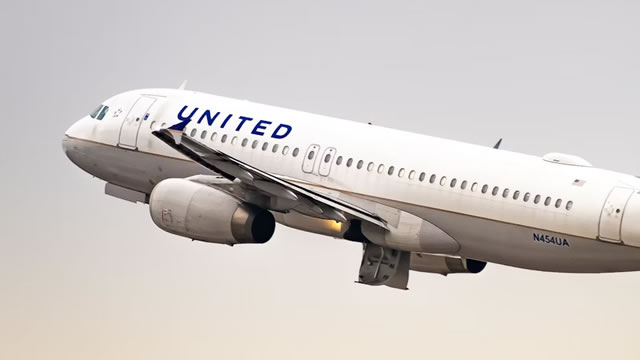
How Hershey, United Airlines, and Others Unseated AI to Become the New Stock Market Darlings
Barrons· 2026-02-09 19:09
Core Viewpoint - The article highlights a shift in investor interest from artificial intelligence (AI) stocks to companies that produce tangible goods, such as Hershey and United Airlines, indicating a changing market sentiment towards traditional manufacturing and service sectors [1]. Group 1: Company Performance - Hershey and United Airlines have emerged as new favorites among investors, suggesting a trend where companies involved in manufacturing and services are gaining traction over tech-focused firms [1]. - The performance of traditional companies is contrasted with the declining interest in AI stocks, which are currently facing pressure due to spending concerns [1]. Group 2: Market Trends - The article suggests that the current market environment favors companies that produce physical products, indicating a potential long-term shift in investment strategies [1]. - The narrative emphasizes that the "next big thing" in the stock market may not be technology-driven but rather centered around companies that create tangible goods [1].


Looking At United Airlines Holdings's Recent Unusual Options Activity - United Airlines Holdings (NASDAQ:UAL)
Benzinga· 2026-02-09 17:01
Group 1 - Investors are taking a bullish stance on United Airlines Holdings, with significant options trades indicating potential insider knowledge of upcoming events [1] - The sentiment among big-money traders is mixed, with 48% bullish and 38% bearish positions observed in the options market [2] - Major market movers are focusing on a price range between $60.0 and $130.0 for United Airlines Holdings over the past three months [3] Group 2 - The mean open interest for United Airlines Holdings options trades is 401.75, with a total volume of 3,346.00, indicating strong liquidity and interest [4] - United Airlines operates a hub-and-spoke system, primarily focusing on international and long-haul travel, especially across the Pacific [5] - Industry analysts have set an average target price of $140.2 for United Airlines Holdings based on recent insights [6] Group 3 - The current stock price of United Airlines Holdings is $115.28, reflecting a slight decrease of -0.1%, with RSI indicators suggesting the stock may be approaching overbought conditions [7]