
VF(VFC)

Search documents
Here's How V.F. Corp. Stock is Poised Ahead of Q3 Earnings
ZACKS· 2026-01-23 16:45
Core Insights - V.F. Corporation (VFC) is expected to report year-over-year declines in both revenue and earnings for the third quarter of fiscal 2026, with revenues estimated at $2.77 billion, reflecting a 2.4% decrease from the previous year [1][10] - The earnings consensus estimate is 43 cents per share, indicating a decline of over 30% compared to the same quarter last year [2] Revenue and Earnings Expectations - The anticipated revenue decline is attributed to ongoing brand-specific and structural challenges, particularly in the Americas region, where the Vans brand continues to struggle [3][10] - Revenue for Vans and Timberland is projected to decrease by 3.9% and 4.9% year-over-year, respectively, due to earlier store closures and strategic exits from certain value channels [4] Cost and Margin Pressures - Macroeconomic factors such as inflation and reduced discretionary spending are exacerbating VFC's challenges, leading to margin compression from increased promotions, tariffs, and higher input and logistics costs [5][10] - Management has indicated a decline in gross margin for the third quarter, with adjusted operating income expected to be between $275 million and $305 million, down from $324 million the previous year [6] Strategic Initiatives - The company's transformation program, "Reinvent," aims to enhance brand focus and operational performance, with ongoing investments in digital and supply-chain capabilities to improve efficiency [7] Market Position and Valuation - VFC's stock is currently trading at a price/earnings ratio of 21.13 on a forward 12-month basis, which is higher than the industry average of 16.41, but lower than its previous high of 32.49 [11] - Over the past three months, VFC's shares have increased by 22.3%, outperforming the industry's growth of 3.2% [11]



产业链视角看为何本轮补库弱弹性?:波澜互错,洪峰未至
Changjiang Securities· 2026-01-22 06:20
Investment Rating - The report maintains a "Positive" investment rating for the textile, apparel, and luxury goods industry [9]. Core Insights - The current inventory replenishment cycle in the U.S. apparel industry is characterized by weak elasticity due to several factors, including K-shaped consumer spending, misalignment in brand recovery rhythms, and constraints faced by comprehensive sports brands [3][6]. - Despite the transition from inventory destocking to replenishment, the expected rebound in manufacturing performance and market response has not materialized as anticipated [6][19]. - The report forecasts limited replenishment elasticity in the near term, with potential improvements in terminal demand expected after the current interest rate cycle concludes [3][8]. Summary by Sections Introduction - The report discusses the weak momentum in the current manufacturing replenishment cycle, noting that the U.S. apparel industry has transitioned to a phase of active replenishment after reducing inventory to healthy levels since Q1 2023 [6][17]. Analysis of Weak Replenishment Cycle - **Macro Perspective**: U.S. consumer spending is experiencing K-shaped differentiation, where high-income households support overall consumption while lower-income households face suppressed purchasing power and willingness to spend [7][32]. - **Brand Perspective**: The misalignment in recovery rhythms among brands has diluted overall replenishment elasticity, with brands like Adidas and Deckers already undergoing several quarters of replenishment without strong retail catalysts [7][30]. - **Industry Perspective**: The growth potential in the sports category is diminishing due to factors such as slowing penetration rates, reduced technological innovation, and diminishing returns from direct-to-consumer (DTC) strategies [7][30]. Future Replenishment Elasticity Expectations - In the short term, historical inventory cycles suggest that mature brands may experience shorter replenishment periods, while growth-oriented brands could see longer cycles [8][19]. - The report indicates that after the current interest rate cycle, retail demand may improve, leading to a more resilient growth trajectory for top brands transitioning into replenishment phases [8][19]. - Recommended stocks include Crystal International and Shenzhou International, with a focus on companies like Wah Lee and Yue Yuen [8][19].

美丽诺羊毛占领中产衣柜
3 6 Ke· 2026-01-20 01:36
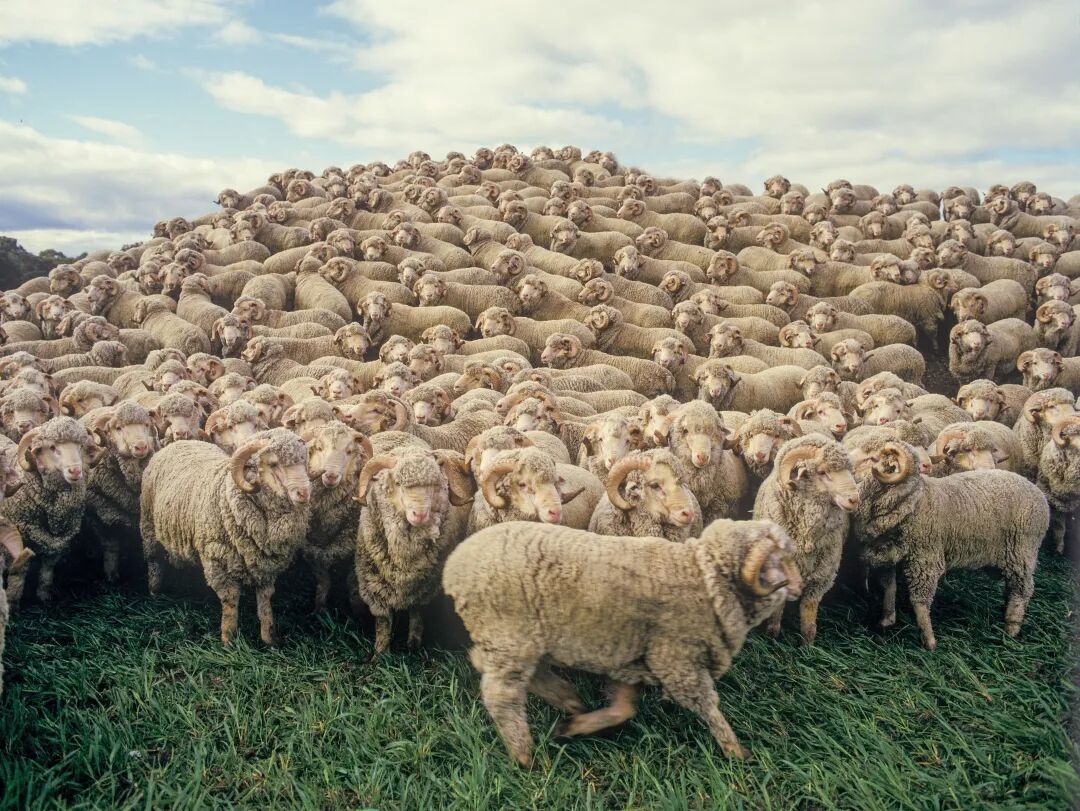
Core Insights - Merino wool is experiencing a resurgence in popularity, being utilized in various clothing items from base layers to outdoor apparel, appealing to middle-class consumers [1][3][5] - The unique properties of Merino wool, such as moisture-wicking, temperature regulation, and odor resistance, contribute to its growing market presence [3][18][20] Market Trends - Sales of Merino wool apparel are projected to grow by 18% by July 2025, with a 58% increase in outdoor sportswear GMV, and a remarkable 119% growth in Merino wool products [8] - Brands like icebreaker and Smartwool are leveraging Merino wool as a core material, with average product prices ranging from 500 to 2000 yuan [8][10] Consumer Preferences - Chinese consumers show a strong preference for finer Merino wool, which is perceived as more comfortable, leading to higher price points for finer fibers [22][24] - The perception of Merino wool as a premium product aligns with the identity of middle-class consumers seeking quality and exclusivity [24] Product Performance and Challenges - Despite its advantages, there are concerns regarding the durability of Merino wool products, with reports of pilling, wear, and damage after limited use [29][33] - The high expectations for performance and durability may challenge brands as they expand in the Chinese market [37][44] Brand Strategies - Icebreaker is actively expanding its presence in China, with plans to open over 40 stores by the end of 2025 and introducing new product lines, including a Merino wool-based outdoor jacket [39][41] - The brand aims to enhance its market position by addressing consumer concerns and expanding its product offerings beyond base layers [37][39]
V.F. (VFC) Falls More Steeply Than Broader Market: What Investors Need to Know
ZACKS· 2026-01-17 00:16
Company Performance - V.F. (VFC) closed at $18.82, down 1.88% from the previous trading session, underperforming the S&P 500 which lost 0.06% [1] - Over the past month, VFC shares appreciated by 4.47%, outperforming the Consumer Discretionary sector's loss of 1.49% and the S&P 500's gain of 1.99% [1] Upcoming Earnings Report - V.F. is scheduled to release its earnings on January 28, 2026, with an expected EPS of $0.43, indicating a 30.65% decline compared to the same quarter last year [2] - The consensus estimate projects revenue of $2.76 billion, reflecting a 2.6% fall from the equivalent quarter last year [2] Full-Year Estimates - Zacks Consensus Estimates for V.F. call for earnings of $0.69 per share and revenue of $9.29 billion, representing year-over-year changes of -6.76% and -3.67%, respectively [3] - Recent changes to analyst estimates for V.F. may indicate shifting business trends, with positive alterations suggesting analyst optimism [3] Valuation Metrics - V.F. has a Forward P/E ratio of 27.65, which is a premium compared to the industry average Forward P/E of 16.77 [6] - The company has a PEG ratio of 1.8, while the Textile - Apparel industry holds an average PEG ratio of 2.96 [6] Industry Ranking - The Textile - Apparel industry is part of the Consumer Discretionary sector and currently holds a Zacks Industry Rank of 62, placing it in the top 26% of over 250 industries [7] - The Zacks Industry Rank indicates that the top 50% rated industries outperform the bottom half by a factor of 2 to 1 [7]

VF威富集团拓展在华品牌组合:Smartwool全国首店于北京来福士盛大启幕
Sou Hu Wang· 2026-01-16 04:15
Group 1 - Smartwool, a functional outdoor brand under VF Corporation, has officially opened its first store in Beijing, aiming to meet the diverse needs of Chinese consumers [1][3] - The opening of the Smartwool store is part of VF Corporation's strategy to adapt to consumer trends and enhance retail and service experiences in the Chinese market [3][8] - Smartwool has been committed to using fine Merino wool combined with exclusive blending technology since its establishment in 1994, creating lightweight and comfortable fabrics [3][10] Group 2 - Smartwool offers a comprehensive range of outdoor products, including apparel and specialized socks for various outdoor activities such as trail running, hiking, and skiing [4][10] - The brand aims to cater to both seasoned outdoor enthusiasts and urban explorers, providing equipment that meets individual needs for outdoor adventures [4][10] - The store opening marks a new phase in VF Corporation's development in China and is a key initiative in its localization strategy [8] Group 3 - VF Corporation, founded in 1899, operates a portfolio of leading outdoor, sports, and lifestyle brands, generating nearly $10 billion in annual sales and employing over 30,000 people [9] - The company emphasizes five core values: Trust and Integrity, Consumer First, Embrace the Now, Growth Mindset, and Win Together, focusing on innovation and adapting to changing consumer demands [9] - Smartwool's philosophy of "行远,知优" (Go far, know excellence) reflects its commitment to sustainable practices and a vibrant outdoor lifestyle [10]

Smartwool全国首店落地北京来福士
Cai Jing Wang· 2026-01-16 04:06
Core Insights - VF Corporation's Smartwool brand has opened its first national store in Beijing, marking a strategic move to enhance its product matrix and optimize retail layout in China [1] - The Smartwool brand, established in 1994, specializes in high-quality Merino wool products, including apparel and accessories designed for various outdoor activities such as trail running, hiking, and skiing [1] - The President of VF Corporation's Asia-Pacific region, Matt Wang, highlighted the significant growth potential of the Chinese outdoor sports market and the ongoing prosperity of the consumer ecosystem [1] Company Overview - Smartwool focuses on products made from selected Merino wool, utilizing unique blending techniques and textile craftsmanship [1] - The product range includes short-sleeve shirts, jackets, and various types of socks tailored for outdoor activities [1] Market Strategy - The opening of the Smartwool store in Beijing aligns with the company's strategy to adapt to consumer trends and deepen its market presence in China [1] - The initiative aims to enhance local retail and service experiences, reflecting the company's commitment to the Chinese market [1]
One Apparel Legend Posted 8 Straight Beats While Its Rival Lost 74% in Five Years
247Wallst· 2026-01-15 10:58
Core Insights - Levi Strauss and VF Corporation have recently reported their quarterly results, highlighting contrasting performance trends between the two apparel companies [1] Company Performance - Levi Strauss is showing positive momentum in its financial performance, while VF Corporation is experiencing challenges [1]
V.F. Corporation (VFC) Presents at ICR Conference 2026 Transcript
Seeking Alpha· 2026-01-13 16:45
Group 1 - The article does not provide any relevant content regarding company or industry insights [1]

VF(VFC) - 2026 FY - Earnings Call Transcript
2026-01-13 15:32
Financial Data and Key Metrics Changes - The company is targeting a 10% operating margin by fiscal 2028 and is trending on plan towards that goal [15] - There has been a decline in revenue, necessitating modest revenue growth to return to baseline levels [18] - The company is confident in achieving free cash flow growth this year, supported by operating income growth and improved inventory management [42][43] Business Line Data and Key Metrics Changes - The company has seen 70% of its portfolio return to growth, excluding the Dickies business [11] - The North Face brand is underdeveloped in the U.S. compared to Europe and APAC, indicating significant growth opportunities [28] - Vans is undergoing a turnaround with new product launches and marketing strategies, although financial outcomes have yet to reflect these changes [21][24] Market Data and Key Metrics Changes - The consumer environment is showing mixed signals, with a slight increase in negative commentary from medium and lower-end consumers [12] - The U.S. market remains strong for direct-to-consumer sales, with 70% of Vans' business coming from this channel [25] Company Strategy and Development Direction - The company aims to create a multi-brand organization that leverages best-in-class processes across its brands [5] - There is a focus on elevating brand positioning and expanding distribution, particularly for Timberland and North Face [32][28] - The company is committed to minimizing markdowns and using promotions strategically during key sales periods [41] Management's Comments on Operating Environment and Future Outlook - Management remains optimistic about the consumer's resilience, particularly in the U.S., despite some signs of shifting trends [12][13] - The company is focused on long-term growth trajectories rather than short-term fluctuations, aiming for consistent upward trends over the next three to five years [26] Other Important Information - The company is implementing integrated business planning and markdown management to improve gross margins and operational efficiency [16][41] - There is a strong emphasis on training and aligning leadership teams to ensure a unified vision for the company's future [9][10] Q&A Session Questions and Answers Question: What is the company's plan to offset tariffs by fiscal 2027? - The company is on a run rate to offset all tariffs within fiscal 2027, having established a pricing plan and worked closely with supplier partners [39][40] Question: How does the company plan to drive favorable promotions? - The company aims to minimize markdowns and use promotions as a strategic tool during key moments rather than as a regular practice [41] Question: What is the outlook for cash flow and deleveraging the balance sheet? - The company is confident in its free cash flow growth and plans to pay down debt, supported by operating income growth and improved working capital management [42][43]
VF(VFC) - 2026 FY - Earnings Call Transcript
2026-01-13 15:32
Financial Data and Key Metrics Changes - The company is targeting a 10% operating margin by fiscal 2028 and is trending on plan towards that goal [15] - There has been a decline in revenue, which implies modest revenue growth is needed to return to baseline levels [18] - The company is confident in its ability to offset tariffs by fiscal 2027, with a plan in place to mitigate approximately $60 million in tariff impacts this fiscal year [40][41] Business Line Data and Key Metrics Changes - The company has seen 70% of its portfolio back to growth, excluding the Dickies business [11] - The North Face brand is underdeveloped in the U.S. compared to Europe and APAC, indicating significant growth opportunities [28] - Vans is undergoing a turnaround with new product launches and marketing strategies, although financial outcomes have yet to fully reflect these changes [21][24] Market Data and Key Metrics Changes - The consumer environment is showing mixed signals, with some negative commentary from medium and lower-end consumers, while the U.S. consumer remains "stubbornly positive" overall [12][13] - The company is focusing on the U.S. market for direct-to-consumer sales, which constitutes 70% of its business [25] Company Strategy and Development Direction - The company aims to create a multi-brand organization that leverages best-in-class processes across its brands [5] - There is a strong emphasis on improving operational efficiencies and reducing SG&A costs while maintaining a focus on growth [15][41] - The company is committed to elevating its brands, particularly Timberland and The North Face, to capture more market share and expand product offerings [32][30] Management's Comments on Operating Environment and Future Outlook - Management expresses excitement about the business's potential and the ongoing turnaround efforts, particularly in Vans and Timberland [44][46] - There is a focus on long-term consistent growth rather than short-term fluctuations, with a desire for a steady upward trajectory over the next three to five years [26] Other Important Information - The company is implementing Integrated Business Planning to improve inventory management and reduce markdowns, aiming to use promotions strategically rather than as a regular practice [41] - The company is exploring opportunities to expand its Timberland store footprint in the U.S., which currently has only eight full-price stores [34][36] Q&A Session All Questions and Answers Question: What is the company's strategy for offsetting tariffs by fiscal 2027? - The company has a pricing plan in place and is working with supplier partners to offset tariffs, expecting to be on a run rate to offset all tariffs by fiscal 2027 [39][40] Question: How does the company plan to drive favorable promotions? - The company aims to minimize markdowns and use promotions strategically during key moments, correcting its previous reliance on promotions [41] Question: What is the outlook for cash flow and deleveraging the balance sheet? - The company is confident in its free cash flow growth and plans to continue improving operating income, which will aid in deleveraging the balance sheet [42][43]