中海

Search documents
供应暴击!2026兰州四代宅竞争彻底白热化,谁能胜出?
Sou Hu Cai Jing· 2026-02-24 02:57
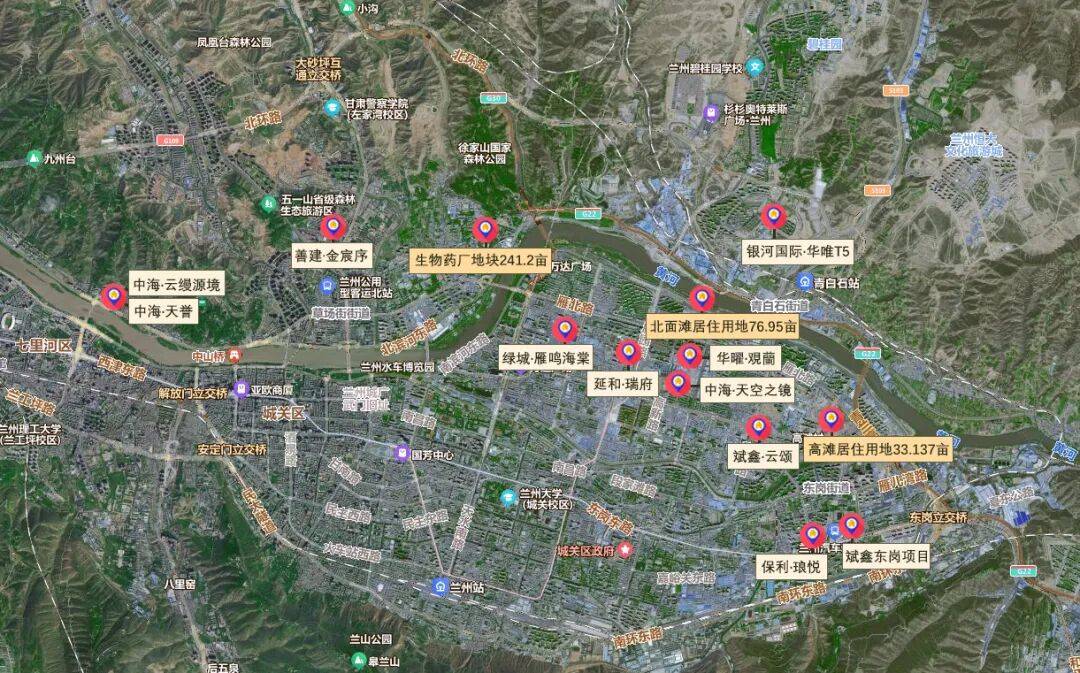
Core Viewpoint - The real estate market in Lanzhou is expected to experience a significant surge in 2026, primarily driven by the emergence of the fourth-generation residential projects, which are set to dominate the new housing market in the city [1][3]. Group 1: Market Dynamics - Currently, there are nearly 30 fourth-generation residential projects either on sale, under construction, or planned in Lanzhou [2]. - The fourth-generation residential projects are anticipated to become the main focus of the Lanzhou housing market by 2026, leading to intense competition across various dimensions such as product quality, service, and living scenarios [3][4]. - The favorable market response and improved product offerings of fourth-generation homes are expected to stimulate demand and sales in the new housing market [7][10]. Group 2: Competitive Landscape - Early movers in the fourth-generation residential sector have already gained significant sales and market reputation, benefiting from policy advantages [8]. - The land supply in Lanzhou is increasingly concentrated in core urban areas, with smaller plots becoming the norm in land auctions, attracting more developers to the fourth-generation residential market [9][10]. - The influx of numerous projects into the market is likely to intensify competition, leading to a scenario where supply may outstrip demand [11][39]. Group 3: Regional Developments - The Chengguan District is experiencing a concentrated outbreak of fourth-generation residential projects, with notable developments in the Yantan, Donggang, and Huanghebei areas [12][14]. - Yantan has several projects currently on sale, including notable developments by major developers [16][17]. - The Donggang area is set to introduce new projects that promise to enhance the aesthetic and functional appeal of fourth-generation homes [19][20]. Group 4: Future Outlook - The rapid increase in fourth-generation residential projects is expected to bring new vitality to the Lanzhou real estate market, enhancing the quality of living for residents [35]. - However, the market is also facing challenges from the competitive pressures of third-generation homes and the second-hand housing market, which may lead to a price-sensitive environment [36][38]. - The overall sentiment among potential buyers remains cautious, with many adopting a wait-and-see approach, which could further complicate the market dynamics in 2026 [41][42].



从别墅变成30层高楼,深圳一项目烂尾超30年后“复活”
Mei Ri Jing Ji Xin Wen· 2026-02-13 01:53
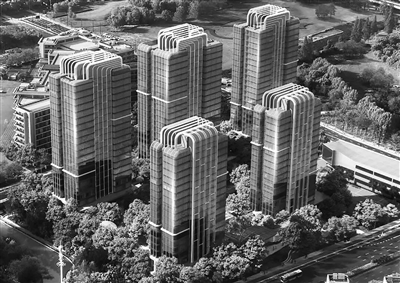
一个沉睡30余年的烂尾项目终于"苏醒"。 2月9日,《每日经济新闻》记者(以下简称每经记者)从深圳龙华恒地尊悦花园现场了解到,5栋30层高层住宅主体已完工,园林施工进入收尾阶段,整 个项目已接近准现房状态。 但目前营销中心暂未开放,楼盘尚未开售。值得一提的是,项目在2023年完成主体封顶时就有入市消息传出,但至今仍未取得预售证。 烂尾30余年 "项目迟迟不入市,既有市场低迷因素,也有开发商自身策略考量。"2月9日,深圳中原研究中心高级研究员邹少伟向每经记者分析称,从市场层面来看, 类似接近现房状态还没拿到预售证的情况不太常见,这也一定程度上反映出该项目超长时间盘活涉及的产权复杂、历史遗留纠纷、业主反对等问题。 恒地尊悦花园的前身,是被称为龙华民治"烂尾标本"的福罗拉山庄。 1993年4月18日,当时的横岭经济合作社与惠州中南房地产开发总公司深圳办事处,签订了福罗拉山庄的建设合同,规划打造别墅区。 可谁也没想到,这个承载着社区发展期望的项目,开工当年便因资金链断裂停工。 到了1994年,国家首次出台规定限制别墅用地,后续政策不断升级,2012年正式升级为"禁墅令",这也让福罗拉山庄复工的难度加大。 直到2014 ...
终于要入市了?1993年开工即烂尾,别墅如今变30层高楼!片区房价当年一两千元,现在均价已五六万
Mei Ri Jing Ji Xin Wen· 2026-02-11 08:25
每经记者|陈荣浩 每经编辑|程鹏 陈梦妤 记者|陈荣浩 编辑|程鹏 陈梦妤 杜波 校对|许绍航 一个沉睡30余年的烂尾项目终于"苏醒"。 2月9日,《每日经济新闻》记者(以下简称每经记者)从深圳龙华恒地尊悦花园现场了解到,5栋30层高层住宅主体已完工,园林施工进入收尾阶段,整 个项目已接近准现房状态。 但目前营销中心暂未开放,楼盘尚未开售。值得一提的是,项目在2023年完成主体封顶时就有入市消息传出,但至今仍未取得预售证。 "项目迟迟不入市,既有市场低迷因素,也有开发商自身策略考量。"2月9日,深圳中原研究中心高级研究员邹少伟向每经记者分析称,从市场层面来看, 类似接近现房状态还没拿到预售证的情况不太常见,这也一定程度上反映出该项目超长时间盘活涉及的产权复杂、历史遗留纠纷、业主反对等问题。 烂尾30余年 恒地尊悦花园的前身,是被称为龙华民治"烂尾标本"的福罗拉山庄。 1993年4月18日,当时的横岭经济合作社与惠州中南房地产开发总公司深圳办事处,签订了福罗拉山庄的建设合同,规划打造别墅区。 根据规划,项目总建筑面积约10.5万平方米,规划5栋30层高的住宅、1栋3层高的幼儿园,共672套住宅。 在邹少伟看来, ...

杭州新房将在春节后集中爆发
Mei Ri Shang Bao· 2026-02-04 22:29
Core Insights - In 2025, Hangzhou's urban area sold 92 residential land parcels, with only 50 projects launched within the year, indicating a shift towards longer development cycles and a focus on quality over speed [4][5] - Several high-end projects are set to enter the market after the Spring Festival, with significant competition expected among luxury developments [4][5] Group 1: High-End Projects - The Binjiang Water Power New Village project, developed by Binjiang Group, is positioned as a premium offering with a starting price of over 130,000 yuan per square meter and total prices starting at 35 million yuan [5] - The Zhonghai Wanchao Jiuxu project, designed by Zaha Hadid Architects, will feature units priced from over 30 million yuan, with sizes ranging from 233 to 413 square meters [6] - The Aoying Century project in Qiantang Bay has set a record for the highest land price in Xiaoshan, with total prices exceeding 20 million yuan and units ranging from 238 to 388 square meters [6] Group 2: Market Dynamics - The introduction of new projects in previously stagnant areas, such as the Future Technology City and San Dunbei, is expected to create a new pricing structure and influence future market values [8][9] - The launch of the Runqi Future City project, which is the first unrestricted price new residential project in its area, will face challenges from declining second-hand home prices and competition from nearby new developments [9] - The Huafeng and Puyang areas are seeing a surge in new supply, with multiple projects set to launch in early 2026, indicating a competitive landscape [10][11]

商业不动产REITs百亿级破冰,重塑房地产行业发展逻辑
第一财经· 2026-02-03 09:56
Core Viewpoint - The launch of commercial real estate REITs is seen as a significant step towards stabilizing and improving expectations in the real estate industry, facilitating a shift from developers to asset managers and enhancing the value of existing commercial assets [2][4][10]. Group 1: Policy and Market Response - The first batch of eight commercial real estate REITs has been accepted by the Shanghai Stock Exchange, with a total expected fundraising amount exceeding 30 billion yuan [2][4]. - The regulatory framework for commercial real estate REITs was officially introduced by the end of 2025, emphasizing support for assets with clear ownership and stable cash flows [3][8]. - The response from the industry has been positive, with significant participation from major developers and a wide range of asset types being included [4][9]. Group 2: Asset Types and Market Dynamics - The accepted REITs include various asset types such as hotels, office buildings, shopping centers, and service apartments, indicating a broadening of the asset categories eligible for REITs [2][4][5]. - The expansion of asset types allows previously self-held assets to have a channel for securitization, enhancing market liquidity and pricing capabilities [5][10]. - The inclusion of non-first-tier city assets in the REITs framework is expected to improve their market recognition and liquidity [5][10]. Group 3: Strategic Shift in Real Estate - The introduction of commercial real estate REITs is viewed as a transition from a "development and sales" model to a "holding and operation" model, promoting asset management as a core competency [10][11]. - The REITs framework encourages developers to retain partial equity in projects, ensuring operational stability while allowing for market-based fundraising [11]. - The shift towards REITs is seen as a necessary adaptation for the real estate industry, which is currently undergoing significant adjustments [10][11].
投资者微观行为洞察手册?1月第4期:ETF 资金大幅流出,主动外资流入边际抬升
GUOTAI HAITONG SECURITIES· 2026-01-27 08:00
Market Pricing Status - The market transaction activity has moderately decreased, while the profit effect has increased. The average daily trading volume across the A-share market has dropped to 2.8 trillion yuan, with the proportion of stocks rising by 76.7% and the median weekly return increasing to 2.7% [4][7][14]. A-share Liquidity Tracking - Financing funds have slightly flowed out, while ETF funds have continued to experience significant outflows. The new issuance scale of equity funds has risen to 26.12 billion yuan, and foreign capital has flowed into the A-share market at 39 million USD [4][18][26]. - The net outflow of ETF funds has reached 326.47 billion yuan, primarily due to state-owned enterprises selling ETFs to optimize their capital structure [4][18][26]. - The net selling amount of financing has increased to 6.89 billion yuan, with the trading volume proportion decreasing to 9.8% [4][18][26]. A-share Industry Allocation - There is a clear divergence in the behavior of foreign capital, ETFs, and financing funds. Foreign capital has seen net inflows in the metals (+27.3 million USD) and computer sectors (+12.8 million USD), while banks (-35.1 million USD) and telecommunications (-20.8 million USD) have seen net outflows [4][18][26]. - In terms of financing, the electronics sector has seen a net inflow of 20.65 billion yuan, while the beauty and construction materials sectors have experienced net outflows [4][18][26]. - The ETF sector has seen widespread outflows, particularly in electronics (-48.7 billion yuan), banks (-33.28 billion yuan), and non-banking financials (-32.33 billion yuan) [4][18][26]. Hong Kong and Global Fund Flow - Southbound funds have accelerated their inflow, with net purchases rising to 23.52 billion yuan, representing the 71.0 percentile since 2022 [4][18][26]. - Global foreign capital has marginally flowed into the US and Asian markets, with the US receiving a net inflow of 2.9 billion USD and China 2.07 billion USD [4][18][26].
未知机构:下阶段地产行业的机遇在哪-20260121
未知机构· 2026-01-21 02:05
Summary of Conference Call Notes Industry Overview - The focus is on the real estate industry, specifically the residential development sector, which is adapting to the needs of core cities, housing types, and product strength [1][2]. Key Insights - Demand is consolidating in core cities, providing growth opportunities for real estate companies heavily invested in these areas. In the period from January to November 2025, the transaction value of new homes in first and second-tier cities accounted for 43% of the total, with residential land transaction value at 61%, marking a year-on-year increase of 7 percentage points, the highest level since 2017 [2][3]. - Among 60 tracked real estate companies, the average sales share in 23 key first and second-tier cities was 72%, with an average market share of 1%. Companies with high sales proportions in core cities include: China Resources, Yuexiu, China Overseas, Greentown, Zhenro, China Resources, Jianfa, Poly Real Estate, and Longfor [3]. - Market demand is shifting towards larger, improvement-oriented products, particularly those over 120 square meters. Companies focusing on high-end improvement products are better aligned with market needs. Notable companies in this category include: China Resources, Greentown, China Overseas, Longfor, and Jianfa [3]. - Companies with strong product capabilities are at an advantage under the "good house" logic. Brands like China Resources, China Overseas, Greentown, Jianfa, Yuexiu, and Poly Real Estate have the highest brand premiums, with over 35% of their cities showing a premium rate exceeding 20% [3]. Investment Recommendations - Among mainstream real estate companies, Poly Real Estate, Yuexiu, Zhenro, and Greentown possess two of the three advantages identified. These companies are primarily state-owned or regionally focused [4]. - The current industry still faces significant pressure from macro, micro, and market perspectives, necessitating vigilance against potential market downturns [4][5]. - A policy adjustment is anticipated by the end of Q1 2026, which could help mitigate the ongoing downward spiral if executed effectively. However, until market stabilization is confirmed, the overall real estate sector may struggle to exhibit clear upward trends [6]. - Companies to watch include: China Resources, Longfor, Zhenro, Yuexiu, Jianfa, Poly Real Estate, as well as commercial real estate firms like China Resources Wanjia Life, Swire Properties, Ruian Real Estate, Kerry Properties, Dayuecheng, and Bailian [6]. Risk Factors - Risks include potential delays in policy implementation, continued declines in sales and housing prices, and slower-than-expected recovery of market confidence [7].
靠两张王牌,这家房企躲过了“斩杀线”
3 6 Ke· 2026-01-13 02:05
Core Insights - The real estate industry is facing significant challenges, with many companies experiencing a sharp decline in fortunes due to market cooling and high land acquisition costs, leading to a situation where selling properties results in losses while holding them leads to cash flow issues [1] - Successful real estate companies, particularly private enterprises, have managed to survive by minimizing errors and maintaining high-quality products, allowing them to generate cash flow even during market downturns [3][4] Group 1: Financial Challenges and Market Dynamics - The real estate sector has a fundamental flaw where properties cannot be produced on an order basis, requiring substantial upfront investment in land and construction before sales can occur, exposing risks only at the point of sale [3] - Companies that have survived the downturn typically possess strong product lines and have been able to sell properties regardless of market fluctuations, with examples like Luhuk and He Sheng demonstrating resilience [4][5] Group 2: Importance of Quality Products - High-quality products not only sell well but also help companies save costs, as evidenced by the rapid sales rates of successful projects like Luhuk and the consistent demand for He Sheng's products [6][7] - The speed of sales directly impacts financing costs, with quicker project turnover leading to significant savings in interest payments [5] Group 3: Strategic Adaptation and Business Models - Companies that have avoided the "slaughter line" share common traits, including a focus on financial discipline and strategic consistency, which have allowed them to navigate market fluctuations effectively [8] - Successful firms often develop secondary revenue streams through commercial operations and light asset businesses, providing a stable cash flow that supports their primary real estate activities [9][10] Group 4: Long-term Viability and Market Positioning - The current market environment necessitates a shift in strategy, where companies must focus on core competencies and profitable business lines to ensure long-term survival rather than rapid growth [12][15] - The industry's competitive landscape is tightening, emphasizing the importance of maintaining strong product offerings and operational efficiency to thrive in a contracting market [14][15]
合肥楼市,过去这一年!
Sou Hu Cai Jing· 2026-01-05 16:02
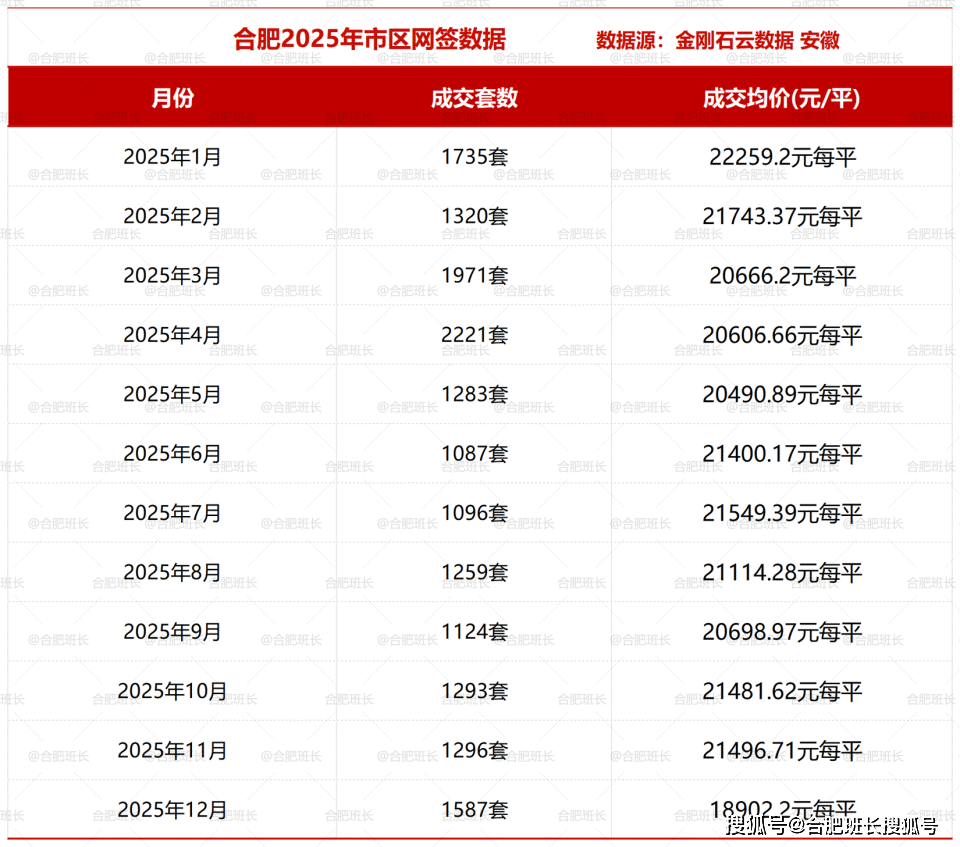
New Housing Market - In 2025, Hefei city recorded a total of 17,272 new housing units signed online, averaging approximately 1,493 units per month, with an average price of about 21,034 yuan per square meter [2] - The peak sales month was April with 2,221 units sold, while June saw the lowest sales at 1,087 units. December showed signs of recovery [2] - The average price remained stable throughout the year, with a slight decline noted only in December [2] Project Rankings - The top three projects by total transaction amount were: Yihe Chenglu (2.05 billion yuan), Greentown Jinhaitang (1.653 billion yuan), and China Resources Urban Construction Wangyun (1.518 billion yuan) [3][4] - By transaction volume, the leading projects were: Zhaoshang Aoti Park (740 units), Sichuan Bangtai Yujizhang (499 units), and Vanke Yuying Qingchuan (494 units) [4] Second-Hand Housing Market - The average price of second-hand housing in Hefei showed a downward trend throughout 2025, peaking at 14,000 yuan per square meter in January and dropping to 11,300 yuan per square meter by December [6] - The highest transaction volume for second-hand housing was recorded in March with over 3,000 units sold, while other months maintained sales above 2,200 units [6] Land Auction Market - In 2025, Hefei successfully auctioned 47 plots of land totaling 2,580 acres, generating a total revenue of 23.442 billion yuan [7] - The highest single plot price was recorded in Luyang District at 2.43 million yuan per acre, with a floor price of 26,036 yuan per square meter [7][9] - The most significant land area auctioned was in the Economic Development Zone, covering 222.5 acres [7] Regional Land Transactions - The Baohe District had the highest number of transactions, with 18 plots sold, generating 7.055 billion yuan in revenue [9] - The average price per acre varied significantly across districts, with Luyang District having the highest average at 2.43 million yuan per acre [9][10] Monthly Land Auction Details - Monthly land auctions in 2025 showed a steady trend, with June witnessing the highest supply of plots, while most months had only 2-3 plots available [10] - The average floor price for land plots remained below 2.0, with over 70% of plots having a low floor area ratio [10][11]
上海城建炸场,王伟捅破普陀豪宅天花板
Sou Hu Cai Jing· 2026-01-04 12:45
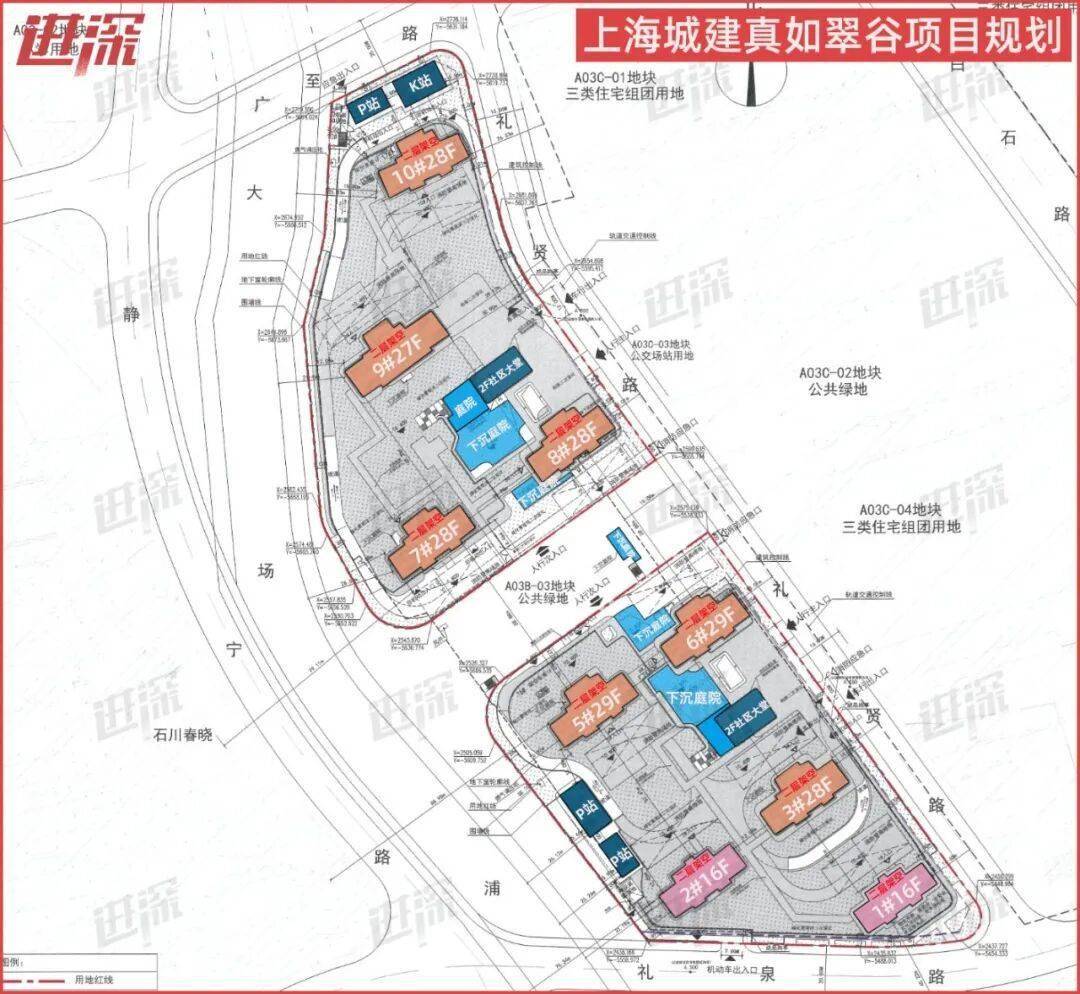
Group 1 - The core viewpoint of the article highlights the emergence of a new high-end residential project in the Putuo district of Shanghai, indicating a shift in the local real estate market dynamics [1][5] - The Shanghai Urban Construction project, named "Cui Gu Rui Shi," is positioned as a high-end product line, marking a significant upgrade in product standards in the area [11][12] - The project features innovative design elements, including a raised platform and multiple sunken courtyards, which are uncommon in the region, setting a new benchmark for luxury housing in Putuo [8][9] Group 2 - The project consists of two plots with plans for nine high-rise buildings, with unit sizes ranging from approximately 138 to 200 square meters [8] - The land was acquired by Shanghai Urban Construction for a total price of 524 million yuan, with a floor price of 79,324 yuan per square meter, establishing a new record for land prices in the Jinru area [11][12] - The rapid sales of 90 units at the nearby Zhonghai Huanyu Juzhang project within half an hour demonstrate strong market demand for high-end residential properties in the area [2][5]