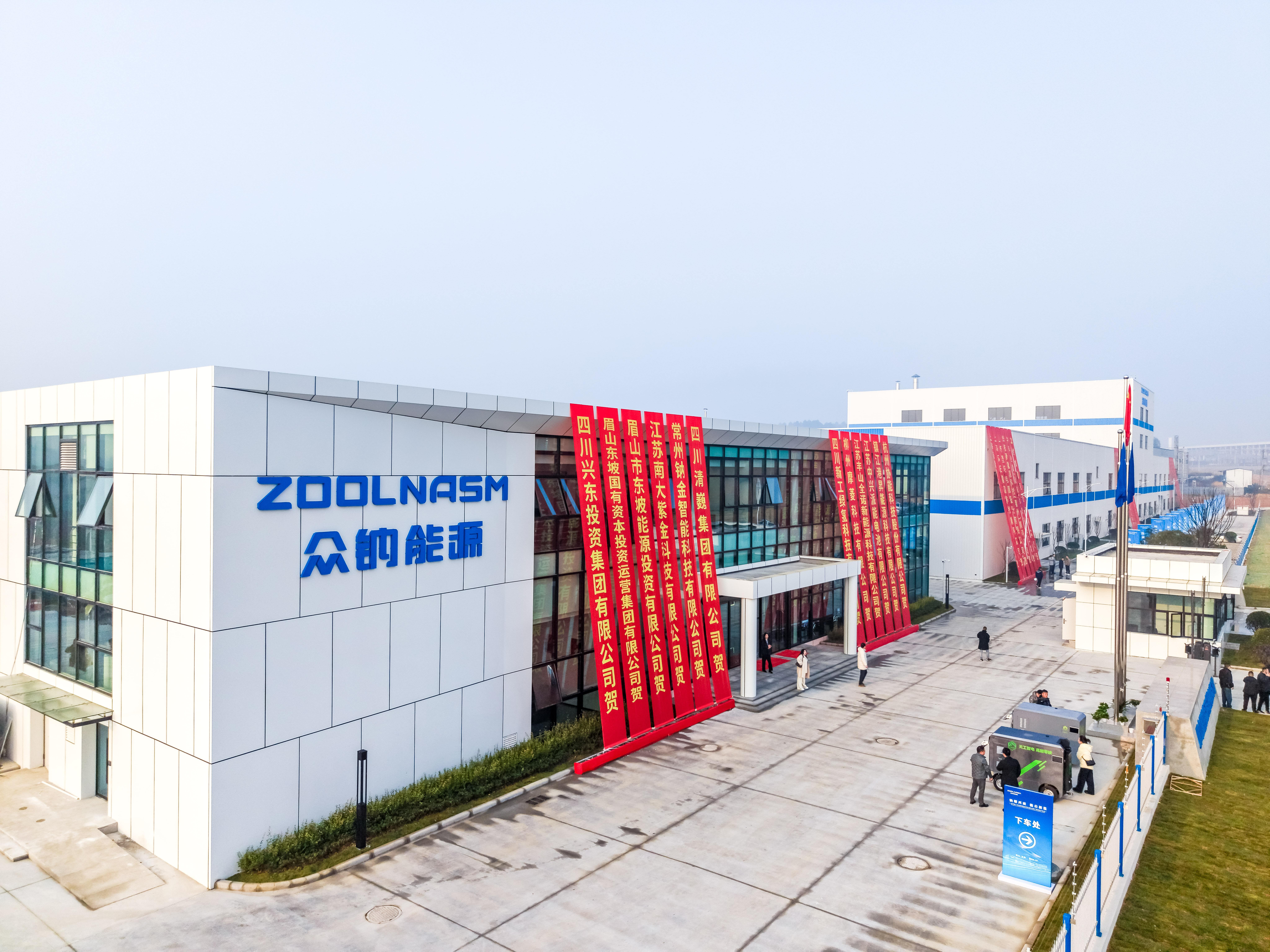
众钠能源

Search documents
钠电池商业化进程提速多元场景落地激活产业链
Zhong Guo Zheng Quan Bao· 2026-02-09 20:25
Core Viewpoint - Changan Automobile and CATL have launched the world's first mass-produced sodium battery passenger vehicle, marking the beginning of large-scale application of sodium batteries in the passenger car sector [1][2]. Industry Development - Sodium batteries have entered a new stage of maturity and technological iteration after five years of industrial exploration, with costs stabilizing and a significant acceleration in industry layout [1]. - CATL's sodium battery has achieved a maximum energy density of 175Wh/kg and over 90% capacity retention at -40°C, with future electric range potentially reaching 500-600 km [2]. - The sodium battery's advantages include abundant resources, wide distribution, and reduced reliance on scarce minerals like lithium and cobalt, enhancing supply chain security [2]. Market Dynamics - The sodium battery is currently in the initial stage of commercialization, with lower cost and energy density compared to lithium batteries [3]. - It is expected that within 2-3 years, sodium battery energy density will reach levels comparable to lithium iron phosphate batteries, with significant cost advantages emerging when lithium prices exceed 120,000 yuan/ton [3]. - By the second half of 2026, sodium batteries are projected to achieve comprehensive competitiveness in terms of cost, even if lithium prices remain stable [3]. Technological Coexistence - The sodium battery industry is still in its early development phase, but its direction is clear, with expectations for it to play a significant role in energy transformation [4]. - The sodium battery is anticipated to enter a year of large-scale application in 2026, with promising prospects for industry scale expansion [4]. Industry Collaboration - Companies across the sodium battery supply chain are actively pursuing technological research, capacity construction, and strategic partnerships to accelerate their presence in this field [4][5]. - Notable developments include the establishment of a production base for sodium battery materials and ongoing collaborations with major players like CATL [5]. - Companies like Electric Science Blue Sky and Puli Te are advancing their sodium battery initiatives, with plans for mass production and increased output expected in the coming years [5].


钠电池商业化进程提速 多元场景落地激活产业链
Zhong Guo Zheng Quan Bao· 2026-02-09 20:21
Core Viewpoint - Changan Automobile and CATL have launched the world's first mass-produced sodium battery passenger vehicle, marking the beginning of large-scale application of sodium batteries in the passenger car sector [1][2]. Group 1: Sodium Battery Development - Sodium batteries have transitioned from laboratory research to large-scale application, showing advantages such as abundant resource availability, wide temperature range, long cycle life, and high safety [1]. - The sodium battery industry has seen accelerated development, with significant cost reductions and improved product maturity over the past five years [2]. - CATL's sodium battery, with a maximum energy density of 175Wh/kg, has demonstrated over 90% capacity retention in extreme cold conditions, with future electric ranges potentially reaching 500km to 600km [2]. Group 2: Market Dynamics and Competitive Landscape - The sodium battery market is expected to reach a scale of 100GWh by 2028, transitioning from a commercialization phase to a large-scale era [5]. - Sodium batteries are anticipated to achieve competitive cost advantages by 2026, especially if lithium prices remain stable [4]. - The unique application value of sodium batteries in cold regions is highlighted, with expectations for various technologies to coexist and complement each other in the energy transformation [5]. Group 3: Industry Collaboration and Capacity Expansion - Companies across the sodium battery supply chain are actively enhancing their positions through technology development, capacity building, and strategic partnerships [6]. - ZHONGDA Energy has established a production base for sodium iron phosphate materials, while other companies are also making strides in sodium battery applications in electric two-wheelers and energy storage systems [6]. - PULIT has achieved mass production of sodium batteries and is expanding its capacity, with new production lines expected to come online in the third quarter of this year [7].
钠电风起,规模上车打响第一枪?
2 1 Shi Ji Jing Ji Bao Dao· 2026-02-05 13:32
2月5日,长安汽车联手宁德时代在牙克石正式发布全球钠电战略,全球首款钠电量产乘用车正式亮相, 预计年中上市。 钠电池并不是新鲜事物,早在新能源最火的2023年,钠电池就曾刮过一阵风,但最终雷声大雨点小,随 着锂价回归正常,钠电未能看到大规模商业化的曙光。 然而,包括宁德时代在内的电池巨头,始终未放弃这一技术路线,反而将其视为锂电池的差异化互补方 案。 2026年,正迎来钠电第二次产业化机会,并呈现出钠电新势力聚焦材料,锂电巨头定义应用、定调市场 的竞争格局。2025年12月,亿纬锂能动工建设亿纬钠能总部项目,同时研发"无痕""不可燃"钠电池产 品;众钠能源在2025年6月发布了"元钠轻擎"电池,预计在2026年第一季度上市。 1月22日,宁德时代发布天行II轻商系列产品,在该系列的四款产品中,轻商低温版属于钠离子电池。 去年,宁德时代曾在供应商大会上表示2026年将在换电、乘用车、商用车、储能四大领域大规模应用钠 电池后的首次对外展示家底,也是轻商领域首款量产的钠离子电池。这款钠电池的容量为45度,可匹配 中小VAN、小微卡等多种车型。 低温性能是钠离子电池最突出的性能优势之一。由于钠离子的溶剂化能更低、在电 ...
钠电池商业化应用迎关键节点
Zhong Guo Hua Gong Bao· 2026-02-03 03:13
2026年以来,钠电池产业迎来突破,头部企业动作频频。 近年来,钠电池凭借低温性能好、安全性高、成本潜力大等优势,在储能、两轮车、启停电源等场景持 续渗透。业内预测,钠电池将在多个领域对铅酸电池和部分锂电池形成替代或补充,2026年有望成为其 商业化落地的关键节点。 "如果说过去几年钠电池行业仍处于技术开发、市场探索等发展初期,那么从现在开始,钠电池已具备 商业推广的条件。"中科海钠总经理李树军在2025高工钠电年会上表示。而江海证券最新研报提到, 2025年钠电芯均价约为0.52元/瓦时,预计2030年将降至0.25元/瓦时。研究机构起点研究院(SPIR)预 计,到2030年,全球储能钠电池市场规模将达580吉瓦时,同期汽车用钠电池市场规模或将突破410吉瓦 时。 总体而言,场景破局是钠电池打开市场空间的关键所在。无论是储能电站的集装箱、城市街头的两轮车 换电柜,还是商用车启停电源等细分领域,钠电池的应用场景都在持续拓宽。业内人士表示,由于钠离 子半径较大、电解液凝固点低、电极材料结构稳定等特性,在低温环境下,钠电池仍能有效维持电池容 量和性能,这让钠电池成为极寒地区乘用车、轻商车辆等场景的理想选择之一。此 ...
四大证券报精华摘要:1月27日
Xin Hua Cai Jing· 2026-01-27 00:49
新华财经北京1月27日电四大证券报内容精华摘要如下: 中国证券报 ·多维协同严监管筑牢资本市场公平交易防线 证监会今年开出的"1号罚单"直指操纵市场行为,对自然人余韩操纵"博士眼镜"股价罚没逾10亿元;浙 江证监局对向日葵重组预案涉嫌误导性陈述立案调查;深交所对因涉嫌财务数据存在虚假记载被证监会 立案的*ST立方、*ST长药进行重点监控……近日,一系列监管案例密集公布,彰显出监管部门对市场 违法行为"零容忍"的坚决态度,传递出强化交易监管、维护市场公平、防止大起大落的明确信号。从行 政处罚到刑事追责,从精准打击到平台共治,监管部门正构建起一张多维度、立体化的监管网络,着力 打造"不敢违、不能违、不想违"的长效治理格局,以监管效能的提升推动市场生态持续净化。 ·经营贷利率"贴地飞行" 中小银行有点吃不消 在政策引导、市场竞争与资金成本下降等多重因素推动下,多家银行经营贷利率持续下探。"我行个人 抵押经营贷利率下限降至2.31%了,较上个月又下调了将近20个基点。"工商银行北京市西城区某支行 工作人员小唐告诉记者。此外,部分经营性贷款产品在贴息政策加持下,实际利率可降至"1字头"。业 内人士认为,金融让利实体经济 ...
头部企业动作频频,钠电池商业化应用迎来关键节点
Xin Lang Cai Jing· 2026-01-26 23:11
Core Insights - The sodium battery industry has seen significant breakthroughs since 2026, with leading companies actively engaging in various developments [1] - Companies like CATL have launched the first mass-produced sodium battery for light commercial use, while others like Zhongna Energy and Tianneng Technology are making strides in production and technology [1] - Industry experts believe that as the supply chain matures and costs continue to decrease, sodium batteries are poised for large-scale commercial deployment [1] Industry Developments - CATL has introduced the first mass-produced sodium battery in the light commercial sector [1] - Zhongna Energy has commenced production at its large-scale sodium iron sulfate cathode material base [1] - Companies such as Zhongwei New Materials and Yiwei Lithium Energy are reporting successes in order fulfillment, capacity expansion, and technological research [1] Market Potential - Sodium batteries are expected to penetrate various applications, including energy storage, two-wheeled vehicles, and start-stop power systems, due to their advantages in low-temperature performance, safety, and cost potential [1] - The industry anticipates that sodium batteries will serve as a replacement or supplement to lead-acid batteries and some lithium batteries across multiple sectors [1] - 2026 is projected to be a critical year for the commercialization of sodium batteries [1]
头部企业动作频频 钠电池商业化应用迎来关键节点
Shang Hai Zheng Quan Bao· 2026-01-26 19:16
Core Insights - The sodium battery industry has seen significant breakthroughs since 2026, with leading companies making substantial advancements in production and technology [1] - Sodium batteries are expected to replace or supplement lead-acid and some lithium batteries in various applications by 2026, marking a critical point for commercialization [1] Group 1: Company Developments - CATL launched the first mass-produced sodium battery for light commercial vehicles, maintaining over 92% usable capacity at -20°C and supporting charging even at -30°C [2] - Zhongna Energy's new production base for sodium iron sulfate cathode materials in Sichuan has begun operations, marking a shift from kiloton to megaton scale, potentially reducing cathode material costs by over 50% compared to lithium iron phosphate [2] - China Wei New Materials reported securing a kiloton-level order for sodium batteries, anticipating a significant increase in shipments by 2026 due to rising lithium carbonate prices [2][3] Group 2: Market Potential and Applications - The sodium battery market is projected to reach a global scale of 580 GWh for energy storage and over 410 GWh for automotive applications by 2030 [3] - Sodium batteries are becoming ideal for extreme cold environments, making them suitable for passenger and light commercial vehicles [4] - The electric two-wheeler market is expected to see sodium batteries become mainstream due to their cost-effectiveness and performance advantages [5] - In the energy storage sector, sodium batteries are anticipated to exceed 50 GWh in shipments by 2030, serving as a complementary alternative to lithium-ion batteries [5] - The starting and stop market is projected to see a 30% penetration rate for sodium batteries by 2030, with expected shipments of 20 GWh [5]
巨头新品发布、核心材料量产,钠电池商业化按下“加速键”
经济观察报· 2026-01-24 05:06
Core Viewpoint - The sodium battery industry is transitioning from concept validation to large-scale delivery, with significant advancements in production and cost reduction, positioning itself as a viable alternative in scenarios where lithium batteries are less effective [2][4][21]. Industry Developments - CATL launched a new series of sodium-ion batteries, including the industry's first mass-produced low-temperature version, achieving an energy density of 175Wh/kg [2]. - Jiangsu Zhongna Energy's sodium iron sulfate cathode material production facility has begun mass production, reducing the cost of sodium battery cells to approximately 0.45 yuan/Wh [5][6]. - By 2025, China's sodium-ion battery production is expected to reach 3.45GWh, nearly doubling from 2024 [4]. Cost and Economic Viability - The cost of sodium battery cells is projected to decrease further, potentially falling below 0.4 yuan/Wh by 2026, making them increasingly competitive with lithium batteries [6][7]. - Despite the cost reductions, challenges remain in achieving consistent material quality and production efficiency, particularly when scaling from laboratory to industrial production [8][9]. Unique Market Opportunities - Sodium batteries are finding unique applications in extreme temperature environments, such as low-temperature commercial vehicles and high-temperature conditions in regions like Saudi Arabia [13][14]. - In the two-wheeler battery swap market, sodium batteries offer longer cycle life compared to lead-acid batteries, leading to lower operational costs over time [16]. - The integration of sodium batteries in energy storage systems is evolving, with hybrid solutions combining lithium and sodium technologies to enhance efficiency [18][19]. Strategic Industry Positioning - The sodium battery sector is increasingly recognized as a strategic backup for energy security, with major players entering the market to leverage their supply chain capabilities [7][21]. - The industry is shifting towards a focus on long-life, lower-cost materials, with a significant portion of production expected to utilize stable, low-energy-density cathode materials by 2025 [22][24]. - The market is evolving to accept sodium batteries as a distinct product category rather than merely a cheaper alternative to lithium batteries, emphasizing their unique advantages in specific applications [10][11][24].

全球首条万吨NFS产线投产 众钠能源2026开年“第一枪”
高工锂电· 2026-01-19 11:00
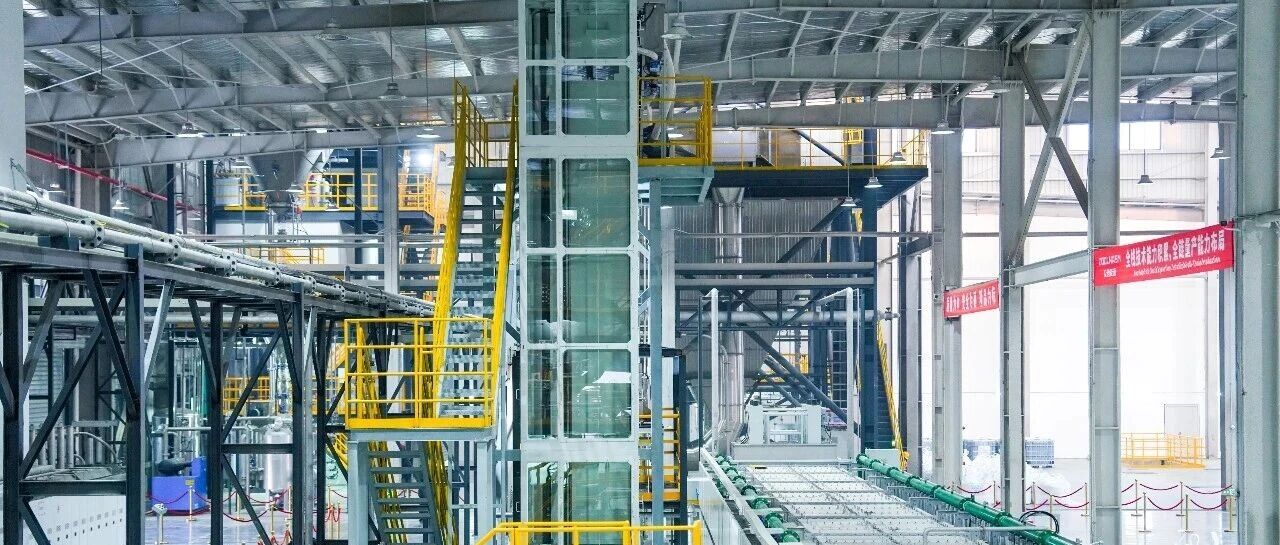
Core Viewpoint - The launch of the first 10,000-ton sodium iron sulfate cathode material production line in Meishan marks a significant step towards achieving cost parity with lithium iron phosphate materials, with potential cost reductions exceeding 50% [1][3]. Group 1: Production and Cost Reduction - The Meishan base's production is expected to drive sodium battery cathode material prices into the "10,000+" price range, significantly impacting the market [1][5]. - The sodium iron sulfate (NFS) technology is projected to experience a stable annual cost decline of 10% to 15%, enhancing its competitiveness against lithium batteries [4]. - The production line utilizes a second-generation production process, which is the first in China to achieve efficient and stable mass production of sodium iron sulfate, reducing fixed investment by approximately 20% [8][12]. Group 2: Strategic Partnerships and Market Expansion - Strategic cooperation agreements were signed with various companies to enhance collaboration across the supply chain, accelerating the commercialization of sodium batteries [3]. - The focus for 2026 includes expanding into new application scenarios such as two-wheeled vehicle battery swapping and energy storage, with the aim of achieving a cost of 0.3 yuan/Wh for NFS batteries [14][15]. Group 3: Technological Innovations - The production line integrates advanced automation and intelligent management systems, improving production efficiency and reducing overall energy consumption by over 30% [9][11]. - Continuous efforts are being made to enhance green and low-carbon practices, including recycling industrial by-products to support cost reduction [11]. Group 4: Market Potential and Future Outlook - The sodium battery's cost and performance advantages align well with the needs of battery swapping networks, potentially increasing its market share to 30% [4][13]. - The successful launch of the Meishan production line positions sodium iron sulfate as a leading candidate for mainstream technology in the battery market, supporting the potential for significant revenue growth for the company [15].
众钠能源启用全球首个万吨级硫酸铁钠正极材料工厂,钠电材料价格有望下探至“1万+”区间
3 6 Ke· 2026-01-19 07:18
Core Insights - The production base of sodium iron sulfate cathode materials by Zhongna Energy in Meishan, Sichuan, has officially commenced operations, marking the world's first production project with a capacity of over 10,000 tons, breaking the long-standing dilemma in the sodium battery industry regarding whether to prioritize market or material availability [1][6][9] Group 1: Cost Breakthrough - The sodium-ion battery industry is experiencing a pivotal turning point, with the cathode material significantly influencing battery performance and cost structure [5] - The price of sodium iron sulfate cathode materials is expected to drop to the "10,000+/ton" range, offering a cost advantage of over 50% compared to mainstream lithium iron phosphate materials [6][9] - The inherent resource advantages of sodium, which is more abundant in the earth's crust than lithium, contribute to this cost reduction, enabling a more autonomous and controllable supply chain [6][9] Group 2: Supply Chain Resolution - The release of the Meishan base's 10,000-ton capacity has resolved the long-standing "chicken-and-egg" dilemma in the sodium battery industry, providing stable and reliable core material supply to downstream battery manufacturers [9][12] - The base's production capabilities will facilitate the planning of at least 5GWh of sodium battery capacity, ensuring a seamless industrial chain [9][12] Group 3: Expanding Applications - Sodium batteries offer advantages beyond just low-cost alternatives, including superior low-temperature performance in cold regions and high discharge rates in specific applications [12] - The Meishan base is not only producing cathode materials but also unlocking new energy application scenarios, such as two-wheeled vehicle battery swap networks and large-scale energy storage systems [12][20] Group 4: Local Empowerment - The Meishan base achieved rapid establishment within 28 days, showcasing effective collaboration between local government and corporate execution, with an expected annual output value exceeding 4 billion yuan [15] - This facility is a strategic component of Zhongna Energy's national production network, enhancing service efficiency and stability for customers across China and potentially globally [15][20] Group 5: Market Potential - The sodium-ion battery market is projected to exceed 1,000GWh by 2030, driven by the ongoing carbon neutrality initiatives [18][19] - The timely launch of the Meishan base positions Zhongna Energy favorably within this trillion-yuan market, facilitating collaboration with downstream partners to develop tailored solutions [20][22]