华润三九

Search documents
2025年蜂蜜类保健食品品牌推荐:“蜜”酿时光,馈赠由内而外的润养
Tou Bao Yan Jiu Yuan· 2026-03-03 12:35
2025 年蜂蜜类保健食品品牌推荐 "蜜"酿时光,馈赠由内而外的润养 | 一、市场背景 | 3 | | --- | --- | | 1.1 摘要 | 3 | | 1.2 蜂蜜类保健食品定义 | 3 | | 1.3 市场演变 | 3 | | 二、市场现状 | 4 | | 2.1 市场规模 | 4 | | 2.2 市场供需 | 4 | | 三、市场竞争 | 5 | | 3.1 市场评估维度 | 5 | | 3.2 市场竞争格局 | 5 | | 十大品牌推荐 3.3 | 5 | | 四、发展趋势 | 7 | | 4.1 正从传统食用方式向功能化、精准化方向迈进 | 7 | | 4.2 产品形态与消费场景的持续创新成为发展的关键驱动力 | 7 | | 产业链的绿色化、标准化与科技化正重塑产品供给 4.3 | 7 | 2025 年蜂蜜类保健食品品牌推荐 蜂蜜类保健食品是以蜂蜜为主要原料的保健食品。蜂蜜是由意大利蜜蜂或中华蜜蜂等 蜜蜂科昆虫所酿的花蜜,是蜜蜂从植物活体上或植物活体分泌物中吸收植物花粉并与 自身分泌物结合后,经充分转化、脱水,在蜂巢中存放酿造待成熟后形成的物质。蜂 蜜是药理作用广泛的常用中药,具有补中润燥、 ...
2026年中国中药饮片行业产业链、市场规模、营业收入、集采情况、企业格局及未来趋势研判:市场规模增长至2633.2亿元,集采将推动行业规范化发展[图]
Chan Ye Xin Xi Wang· 2026-02-28 01:08
内容概况:中药饮片指中药材经过炮制后可直接用于中医临床或制剂生产使用的药品。中药饮片行业已 有数千年的历史,但我国古代传统药店为前店后厂模式,由药店自行加工原药材,自制成药或饮片自 售,中药饮片行业真正开始规范化和产业化是从新中国成立后才开始的。近年来,随着中医药发展战略 的推进以及扶持政策相继出台,中药饮片行业发展势头良好,市场规模不断扩大,并向着高质量发展新 阶段不断迈进。数据显示,中国中药饮片行业市场规模由2020年的1700.6亿元增长至2025年的2633.2亿 元,期间实现年复合增长率9.1%。我国已开展中药饮片集采,集采是淘汰落后产能、净化市场环境、 推动优质企业发展的"催化剂",带来的不仅是市场环境的变化,更是经营逻辑的根本性重塑。回溯全国 中药饮片联采历程,2023年山东牵头的15个联盟地区对21种中药饮片进行集采,共有100家企业中选, 平均降价29.5%,最大降幅56.5%。2024年5月山东再次牵头,中药饮片采购联盟首次扩大到全国,共45 个临床常用品种被纳入。参与采购的医药机构数量接近3.2万家,需求量合计达到9700多万公斤。2025 年2月,全国中药饮片联盟采购(ZYYPLM-2 ...


一私募踩红线,近60亿“A吃A”牵出4张内幕交易罚单?
Xin Lang Cai Jing· 2026-02-26 09:18
炒股就看金麒麟分析师研报,权威,专业,及时,全面,助您挖掘潜力主题机会! 来源:投资有道杂志 2025年3月,华润三九以59.9亿元现金收购天士力控制权,新增商誉19.21亿元。近日,天津证监局公示 四张内幕交易罚单,种种细节显示,内幕信息正与上述重大资产重组有关。 来源:摄图网 四张内幕交易罚单齐发,私募基金投资人、知情人亲戚踩红线 2026年2月24日,天津证监局向4名自然人出具《行政处罚决定书》,这4张罚单都与内幕交易有关。 罚单公布的内幕信息情况显示,2024年7月31日、8月4日,相关公司分别发布《关于控股股东筹划控制 权变更事项的停牌公告》《关于控股股东及其一致行动人签署〈股份转让协议〉暨控制权变更的提示性 公告》《2024年第十五次董事会会议决议公告》等公告,交易完成后,相关公司的控股股东、实控人将 发生变更。该并购事项属于《证券法》规定的重大事件,在公开前为内幕信息。相关内幕信息形成于 2024年5月4日,公开于7月31日、8月4日。 通过检索上市公司公告不难发现,2024年7月31日,天士力(600535.SH)发布《关于控股股东筹划控 制权变更事项的停牌公告》,8月4日发布《关于控股股东及 ...



大模型赋能投研之十八:卖方各行业2026年度展望观点AI汇总
Xin Lang Cai Jing· 2026-02-26 06:55
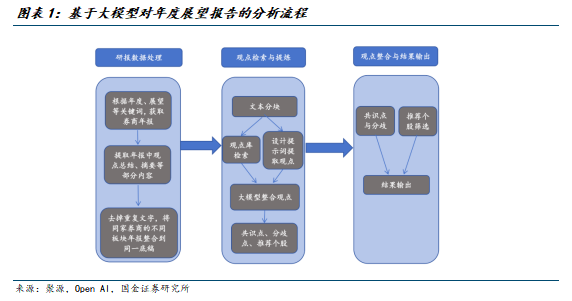
摘要 ■ 投资逻辑 基于大模型对券商年度展望的全面解析 每年的年底到年初,各券商会密集发布关于总量、行业等年度报告。对投资者而言,难以整合大量研报信息从而提取共识点,此外分歧点也同样缺乏量化 对比。大模型工具的出现解决了这一难点,大模型可以帮助分析师快速完成研报数据预处理、观点精准抓取与分类;大模型通过确定共识点与分歧点的判 定规则,系统整合分散观点,量化呈现各券商对板块不同观点的支持率,清晰核心分歧维度。本次研究以大模型为核心分析工具,全面剖析2026年各大板 块年度展望,梳理宏观、策略、固收及七大细分行业的共识与分歧,为投资者提供高效精准的决策参考。 总量观点总结 对于总量观点,我们分别从宏观经济、年度策略、固定收益三个方面分别剖析了各券商分析师的年度展望。 在宏观经济方面,大多数券商认为随着"十五五"政策发力,2026年GDP目标为5%左右;CPI、PPI从低位逐步修复,国内通货膨胀的压力得到缓解;货币 政策维持适度宽松基调,流动性保持合理充裕;财政政策延续积极取向,赤字率维持合理高位;出口保持稳健,贸易顺差维持历史较高水平;国外环境虽 然出现波动,但整体风险可控。 作者:高智威、许坤圣 在年度策略方面 ...
年报预告景气行业的个股指引
GOLDEN SUN SECURITIES· 2026-02-25 02:35
Sector Insights - The current booming sectors for 2025 earnings forecasts are primarily in new energy, pharmaceuticals, and technology[12] - Key stocks in the energy metals sector include Huayou Cobalt, which reported significant increases in product prices and production volumes[1] - In the battery sector, companies like Putailai and Xianhui Technology are highlighted due to rapid growth in demand from the new energy vehicle and energy storage markets[1] - The pharmaceutical sector shows a divergence in performance, with WuXi AppTec indicating stable growth while Dian Diagnostics faces revenue pressure[2] Market Performance - A-shares experienced slight gains with a focus on technology stocks driven by AI industry catalysts, while consumer sectors lagged[3] - The A-share ERP is currently at 2.52%, reflecting a slight recovery in market risk appetite[3] - Global equity markets mostly rose, with Asian markets leading; the KOSPI, Taiwan Stock Exchange, and Nikkei 225 saw increases of 8.21%, 5.74%, and 4.96% respectively[6] Policy and Economic Indicators - January's macroeconomic indicators in China showed positive signals, with core CPI improving and PPI's decline narrowing[7] - The U.S. labor market added 130,000 jobs in January, exceeding expectations, while CPI data met forecasts, indicating a stable inflation environment[7]






从诊室到“碳汇林”,医疗自愿碳中和的三明样本|ESG热搜榜
2 1 Shi Ji Jing Ji Bao Dao· 2026-02-15 00:51
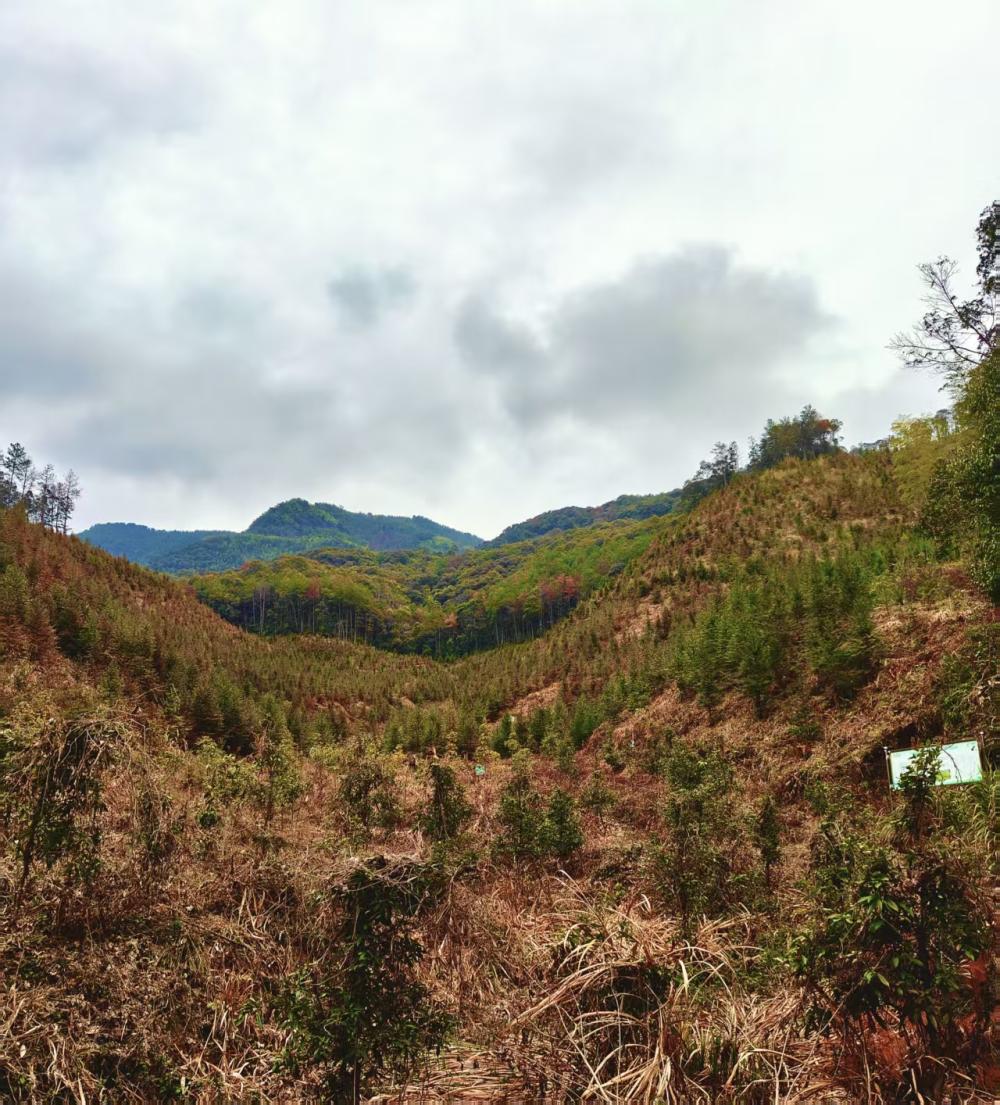
21世纪经济报道记者卢陶然、李德尚玉 三明报道 医疗行业对ESG中的碳排放议题并不陌生。 在沪深北三大交易所圈定的471家A股ESG强信披上市公司中,片仔癀、华润三九、复星医药、爱尔眼科等52家医药生物企业在列,均需在未 来两个月内按照《上市公司可持续发展报告指引》要求核算、披露自身年度碳排放量,完成ESG报告的编制和发布。 在福建省三明市将乐县常口村,另一种与医疗相关的碳中和实践正在发生。常口村是"两山"理念孕育地、中国"碳票"第一村,常口村的"沪明 杏林·'双碳'健康文化公园"中生长着一片占地148亩的医疗碳汇示范林。 21世纪经济报道记者在现场看到,这片林地中红豆杉、银杏等树种错落分布,林间立有多个认养牌,标注着认捐的医疗团队名称——上海同济 医院创伤救治中心、西安交通大学第二附属医院急诊科……共计26个来自全国各地和国际的医疗团队,在这里拥有了一片片医疗碳汇林。 三明市已是全国森林覆盖率最高的城市之一,为何还要在此种树?医疗行业的碳排放有哪些来源,减碳需求有多紧迫?通过碳汇方式进行医疗 自愿碳中和又能带来哪些实际价值?带着这些问题,21世纪经济报道记者来到福建省三明市将乐县常口村实地走访。 ( " 沪 ...
从诊室到“碳汇林”,医疗自愿碳中和的三明样本
2 1 Shi Ji Jing Ji Bao Dao· 2026-02-15 00:33
Group 1 - The medical industry is increasingly addressing carbon emissions as part of ESG initiatives, with 52 pharmaceutical and biotech companies in A-shares required to disclose their annual carbon emissions within two months [1] - A medical carbon sink demonstration forest covering 148 acres has been established in Changkou Village, Sanming City, which is recognized as the first "carbon ticket" village in China [1][8] - The average carbon emissions for a hospitalized patient is approximately 100 kilograms of CO2, necessitating the planting of three trees to offset this amount [4] Group 2 - The "voluntary carbon neutrality action" in Sanming combines healthcare and carbon sinks, allowing patients to offset their carbon emissions through tree planting and other green actions [3][4] - The carbon emissions from the medical industry are significant, arising from the use of surgical instruments, medical supplies, transportation, and food consumption during patient care [4] - The "medical green carbon index" concept has been proposed to quantify the effectiveness of integrating healthcare with green carbon initiatives by comparing annual carbon sink volumes with total carbon emissions from medical processes [5][6] Group 3 - The 148-acre medical carbon sink forest has an annual carbon sink capacity of 74 tons, with contributions from 26 medical teams and international volunteers [8] - The project aims to create a traceable and verifiable carbon neutrality mechanism, allowing patients to donate carbon sinks through a mini-program, which will be recorded as a "carbon benefit banner" to express gratitude to doctors [7][8] - Sanming City, known for its high forest coverage rate of 77.12%, is leveraging its dual pilot programs in medical and forestry reforms to provide a scientific measurement and authoritative verification platform for national medical carbon neutrality actions [7][8]
速递|14.2亿元甩卖口服胰岛素梦:华润踩雷十年止损
GLP1减重宝典· 2026-02-14 14:58
Core Viewpoint - The article discusses the divestment of a 17.87% stake in Tianmai Biotechnology by China Resources Pharmaceutical, marking a significant shift in strategy after a decade of investment in oral insulin, which has faced multiple setbacks and challenges in commercialization [5][9]. Group 1: Company Background and Investment History - China Resources Pharmaceutical began its investment in Tianmai Biotechnology in 2016, focusing on the development and commercialization of insulin and its analogs, particularly oral insulin [5]. - The initial optimism surrounding oral insulin was based on its potential to improve patient compliance by replacing injections with oral administration, thus expanding the user base [5][6]. Group 2: Challenges Faced - The development of oral insulin has proven to be extremely challenging due to the instability of insulin in the gastrointestinal tract and the difficulty in achieving stable bioavailability [6]. - Tianmai faced delays in obtaining necessary approvals for injectable insulin, and the introduction of centralized procurement in China significantly altered the market dynamics, leading to price reductions and increased competition from larger players [6][7]. Group 3: Recent Developments and Strategic Shift - In 2023, Oramed's failure to meet primary and secondary endpoints in Phase III trials for ORM-0801 posed a significant setback for the oral insulin narrative, leading to diminished investor confidence and uncertainty regarding future funding [9]. - Following these developments, China Resources Pharmaceutical opted to divest its stake in Tianmai, indicating a strategic pivot towards more certain and commercially viable products, such as a partnership with Borui Pharmaceutical for BGM0504 [10]. Group 4: Market Context and Future Outlook - The divestment reflects a broader trend in the pharmaceutical industry where large companies are increasingly focused on maximizing returns on capital and minimizing exposure to high-risk projects [11]. - Despite the withdrawal from oral insulin, the article suggests that there may still be potential for value in Tianmai, as the company explores new avenues such as GLP-1 analogs, although the competitive landscape has become significantly more challenging [10][11].

天士力国际化遇挫,复方丹参滴丸出海之路再添变数
Xin Lang Cai Jing· 2026-02-13 07:14
Core Viewpoint - Recently, the company Tian Shi Li announced the termination of its cooperation agreement with the US company Arbor, halting the joint plan for the compound Danshen dripping pill (T89) in the US market. Although the company stated it would recover related rights and receive $7.5 million, and that this would not have a significant impact on its production and operations, the event reflects the multifaceted risks and challenges faced by Tian Shi Li in the internationalization of traditional Chinese medicine, research and development progress, and corporate operations [1][4]. Group 1: Internationalization Strategy Challenges - The compound Danshen dripping pill has been under FDA clinical application in the US since 1998, making it a landmark project for the internationalization of traditional Chinese medicine. However, the termination of the partnership with Arbor signifies a setback in the strategy of leveraging local partners for market entry [5][6]. - Despite the company emphasizing its accumulated international clinical experience and that the application process is not entirely dependent on Arbor, the exit of the partner undoubtedly increases the uncertainty of its independent advancement. Currently, the two indications for the drug—chronic stable angina and acute altitude sickness—are still in phase III clinical trials, with no clear timeline for final approval [6]. Group 2: Research and Development Progress and Regulatory Risks - The approval process for the compound Danshen dripping pill in the US has been fraught with difficulties. In 2017, the FDA required the company to complete a second confirmatory clinical trial in addition to an already completed phase III trial, with both trials needing to achieve statistical significance (p<0.05). The first trial took about four years, and the second trial, which started in 2018, has exceeded four years without results [2][6]. - This prolonged and high-investment clinical process not only brings financial pressure but also reflects the stringent challenges faced by traditional Chinese medicine formulations under Western regulatory systems. If the results of the second clinical trial do not meet the standards, years of effort may be wasted. The company's "lone battle" in the internationalization of traditional Chinese medicine—where only a few traditional Chinese medicine products have attempted to navigate the FDA—also makes it difficult to learn from peers, leading to high trial-and-error costs [2][6]. Group 3: Operational Difficulties and Transformation Challenges - The journey of the compound Danshen dripping pill abroad mirrors the development trajectory of Tian Shi Li in recent years. The company's revenue approached 19 billion yuan between 2016 and 2019, but has since been under pressure due to the sale of its marketing subsidiary and the impact of medical insurance cost control and centralized procurement policies. In 2025, the company's revenue was 8.236 billion yuan, a year-on-year decline of 3.08%, while the net profit excluding non-recurring items was 786 million yuan, down 24.06% year-on-year, indicating a continued lack of growth momentum [2][7]. - Additionally, the company officially integrated into the China Resources Sanjiu system in 2025, which may provide resource support but also means that its original development strategy will face adjustments. In the context of weak growth in its main business and slow internationalization progress, how Tian Shi Li repositions its core competitive path will be a key question for its future development [7]. Conclusion - The "American dream" of the compound Danshen dripping pill remains unfulfilled, while Tian Shi Li has entered a new development cycle. From self-research challenges to setbacks in cooperation, and from peak performance to integration and transformation, the case of this leading traditional Chinese medicine enterprise illustrates that the internationalization of traditional Chinese medicine involves not only technical compliance and clinical data but also a multifaceted test of corporate strategic determination, financial endurance, and market adaptability. The company still needs to find a feasible path to bridge traditional Chinese medicine and modern pharmaceutical systems [3][8].
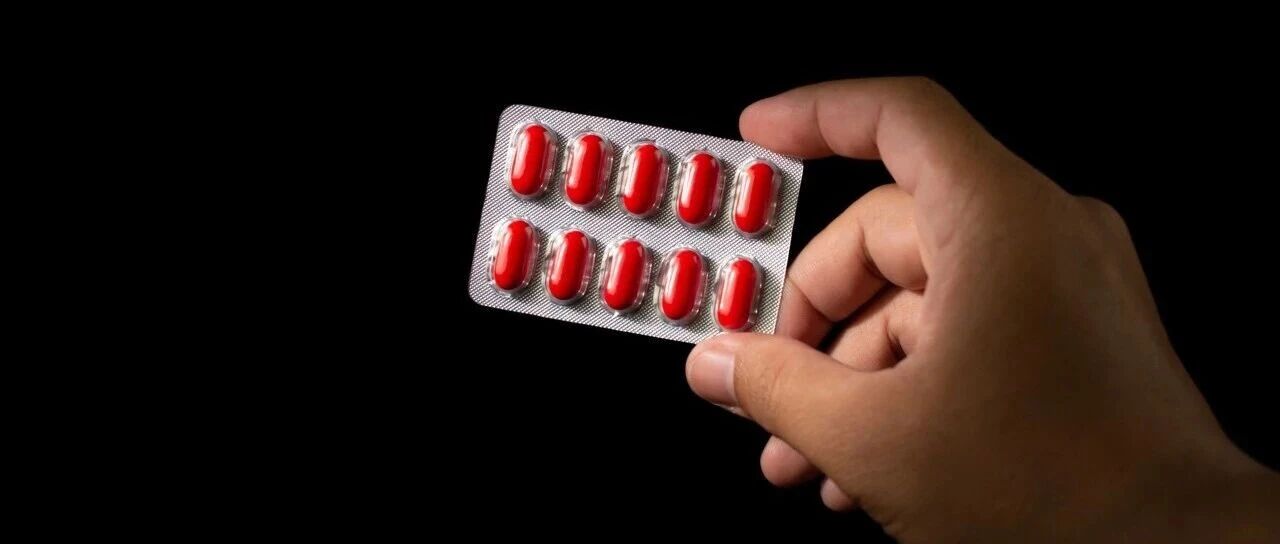
900万盲人,吃药有点难
经济观察报· 2026-02-12 10:42
有受访者指出,无障碍包装的普及是个意识问题。目前,已有 少数药企主动在药盒上印刷盲文。不过,要让数以千万计的人 群吃药更安全、更有底气,还可以有更多具体而微的系统性支 持。 作者:刘晓诺等 封图:图虫创意 生病吃药,再自然不过。然而,吃药这件小事,并非对所有人都那么"一目了然"。 感冒后的程海凭记忆摸出一包粉剂,冲泡开,入口极咸。原来他喝的不是感冒灵颗粒,而是方便面 调料。 程海今年25岁,因一场大病自幼双目失明,仅能感知到周遭有无光亮。回想那次经历,程海仍心 有余悸:"还好只是调料,如果是其他药,我可能会出问题。" 中国绝大部分药盒包装都没有盲文等无障碍措施,盲人等视障人士以及视力衰退的老年人,几乎无 法直接从包装上获取药名和用法用量等关键信息。 世界卫生组织援引的一项研究估测,2020年,中国有约890万名盲人。广义的视力障碍者则更 多,据中国残疾人联合会数据,中国有1732万名视障人士。 2026年1月27日,新修订的《中华人民共和国药品管理法实施条例》正式公布,其中要求:"药品 上市许可持有人应当按照国务院药品监督管理部门的规定,提供语音、大字、盲文或者电子等无障 碍格式版本的药品标签、说明书,方便残 ...