奈雪的茶

Search documents
0227强势股脱水
2026-03-01 17:21
Summary of Conference Call Notes Industry or Company Involved - The notes primarily discuss developments in the **solid-state battery** industry, **real estate**, and the **ready-to-drink beverage** sector, with a focus on specific companies such as **Daming City** and **Mixue Ice City**. Core Points and Arguments Solid-State Battery - **Advantages**: Solid-state batteries are expected to start being installed in vehicles by 2027 and achieve mass production by 2030. They offer higher safety, energy density, longevity, and faster charging compared to lithium batteries [3][6] - **Applications**: The potential applications for solid-state batteries are expanding to include electric vehicles, drones, humanoid robots, low-altitude aircraft, consumer electronics, and power tools [8] - **Technological Development**: The current focus is on sulfide electrolytes, which provide superior ionic conductivity compared to liquid electrolytes, making them ideal for solid-state applications [8] Real Estate and Computing Power - **Daming City**: The company is expanding into low-altitude economy and computing power sectors, leveraging its location in Fujian, which has abundant green energy resources and low land costs [9][12] - **Joint Ventures**: Daming City has formed a joint venture with Fujian Big Data Investment and Shangchou Technology to enhance its computing power capabilities, with the first batch of 2000P computing power already in place [11] - **Infrastructure**: The company is investing in a "low-altitude intercity smart hub airport" project in Fuzhou, which is crucial for the low-altitude economy [9][12] Ready-to-Drink Beverage Market - **Market Growth**: The ready-to-drink beverage market in China has seen rapid growth, with retail sales reaching 258.5 billion yuan from 2018 to 2023, reflecting a compound annual growth rate of approximately 25% [16] - **Expansion Potential**: The domestic market is expected to exceed 1 trillion yuan in the long term, with significant growth opportunities in Southeast Asia and Europe, where cultural similarities and lower brand saturation provide a favorable environment for Chinese brands [17] - **Market Position**: Mixue Ice City has become the largest ready-to-drink tea brand in Southeast Asia, with around 4,800 stores across 11 countries, capturing nearly 20% market share in 2023 [17] Other Important but Possibly Overlooked Content - **Investment Climate**: The notes highlight a favorable investment climate for companies involved in solid-state batteries and ready-to-drink beverages, driven by technological advancements and consumer trends [2][18] - **Competitive Landscape**: The competitive landscape for ready-to-drink beverages is intensifying, with companies that have strong supply chain management and innovation capabilities likely to succeed [16] - **Regulatory Environment**: The notes suggest that the regulatory environment and government support for data and computing power initiatives in Fujian may enhance Daming City's competitive edge [11][12]
2026春节饮品消费报告:一个小众品类意外爆发
3 6 Ke· 2026-02-27 01:09
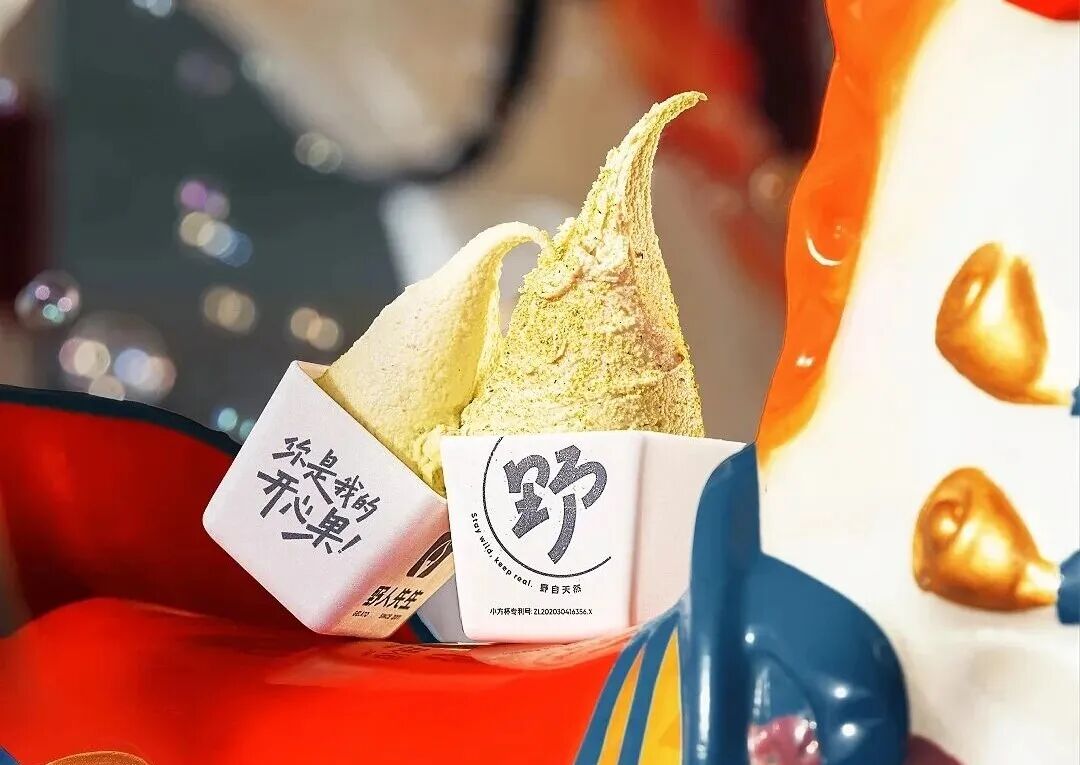
"冰淇淋已成为假日的最佳情绪伴侣,是必不可少的消费之一。"野人先生相关负责人告诉我,今年春节打了个大胜仗,"郑州、武汉等省会城市以及下沉 市场业绩亮眼,很多商场门店直到打烊还排长队。" 全国门店数是去年同期的4倍,营业额、客单价、客单数等各项店均指标增长明显,多店假期营收超50万。家庭装冰淇淋礼盒进入年货清单,"很多门店早 早卖断货。" 这个超长的春节天假期,也是一场集体性的奶茶狂欢。 调研了20多个品牌的热销产品数据,我们总结出了一份《2026春节饮品消费报告》。 什么产品在热销?哪些品类在进化?2026年的产品方向又在哪里?一起来看: 冰沙类产品销量增长50%,"反季吃冰"越来越流行 今年的暖春趋势,进一步加剧了"反季吃冰"的消费热情。 在一半以上门店增设炒冰产品的Yee3三号椰,"春节期间销量最好的产品为:冰椰系列、招牌开心果椰子糖、炒冰系列。其中炒冰除一线城市消费者外流 销量下降外,其他门店销量整体上升50%以上。 另一个冰淇淋千店品牌波比艾斯,品牌负责人表示,春节假期业绩环比增长92%,"冬天吃冰、夏天吃火锅,都是'反差爽',2026年冰淇淋下沉市场的机 会依然巨大,县域市场的渗透率会不断攀升。" ...

春节出游带火“奶茶经济”,部分品牌广东门店日均销量超2500杯
Nan Fang Nong Cun Bao· 2026-02-26 04:34
"史上最长春节 假期"落下帷 春节出游带 火"奶茶经济" , 部分品牌广东门 店日均销量超 2500杯_南方+_ 南方plus 幕,新茶饮品牌 迎来消费"开门 红"。日前,多 家品牌先后公布 春节"战报",整 体表现亮眼,其 中上海、北京、 重庆、成都、广 州、深圳等热门 目的地销量持续 领跑,更有品牌 广东、广西等多 地门店日均销量 突破2500杯。 一线城市火热, 下沉市场爆发 文化和旅游部数 据中心测算,春 节假期9天,全 国国内出游5.96 亿人次。无论是 回家过年还 是"反向过年" , 都给新茶饮销售 带来了巨大客流 量。 一线城市作为旅 游热门目的地与 团圆聚会核心场 景,门店持续保 持高客流密度。 霸王茶姬、茶百 道、茉莉奶白等 品牌数据显示, 北京、上海、广 州、深圳、重 庆、成都、杭州 等热门目的地的 门店销量持续领 跑。其中,霸王 茶姬广东、广西 等多地门店日均 销量突破2500 杯。 与此同时,低线 城市及县城核心 商圈展现出强劲 的消费潜力,成 为今年春节新茶 饮增长的核心引 擎。三线及三线 以下城市门店是 书亦烧仙草销量 最重要的贡献渠 道,乡镇店表现 尤为亮眼,日店 均销量突破54 ...

年味拉满!中国品牌刷屏泰国街头
Guo Ji Jin Rong Bao· 2026-02-25 11:43
普吉清迈的春节:有中国游客,更有中国品牌 "史上最长春节假期"刚刚结束,泰国登顶中国出境游目的地榜首,这里不仅免签、气候宜人,更是"年 味"十足。 泰北小城清迈的除夕夜,大红灯笼沿街挂起,晚风里传来邓丽君《甜蜜蜜》的吉他弹唱;商场内,泰国 工作人员穿着红色中式旗袍,向游客介绍春节特色活动;锣鼓一响,年味瞬间沸腾——金龙腾跃穿梭, 醒狮欢腾起舞,在烟花爆竹声中,春节已不只是华人的团圆时刻,更是整座城市共同庆祝的节日。 文旅与经贸协同发展,泰国不仅受游客青睐,也是中国品牌出海的重要目的地。 近十天的假期里,《国际金融报》记者在普吉和清迈两座城市看到不少熟悉身影:长城欧拉、比亚迪、 哪吒汽车、深蓝汽车行驶在泰国街道;蜜雪冰城、奈雪的茶、海底捞、泡泡玛特、名创优品等品牌门店 入驻综合商场;超市饮料柜上出现了农夫山泉东方树叶、元气森林气泡水和王老吉凉茶等国内畅销单 品。 在这里,中国品牌出海并非"喊口号"或"仅华人消费",而是打通渠道链路后深度融入街头巷尾,真实受 到当地居民和游客的喜爱。 新茶饮门店紧贴星巴克 2月的泰国,中午气温已攀升至30度以上,炎热的气候、友好的人力成本和供应链基础,为新茶饮扩张 提供天然土壤。 ...
2.6亿Z世代登场:消费正式从“功能时代”进入“情绪时代”
Sou Hu Cai Jing· 2026-02-25 04:27
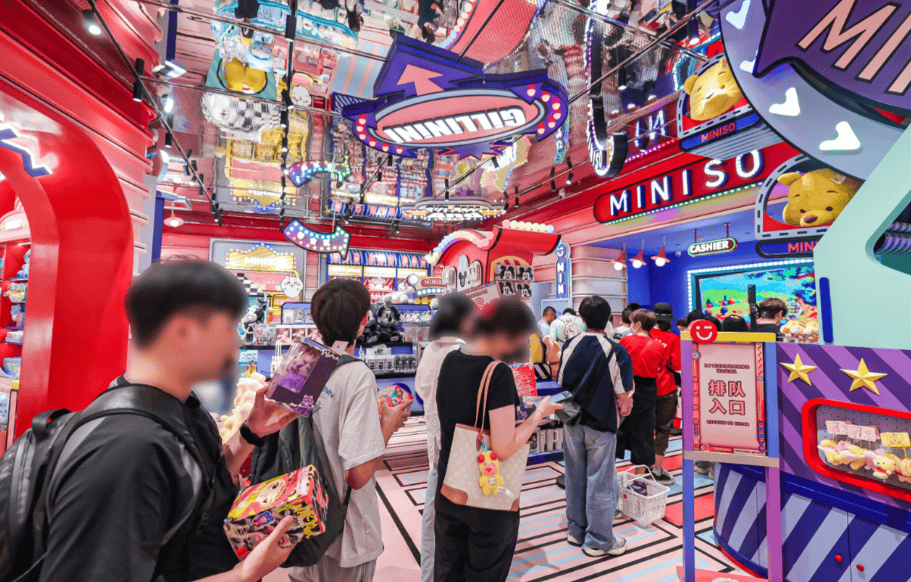
也就是说,先喜欢,再判断值不值。 情绪价值成为核心,情绪消费正在成为全球趋势。 市场研究机构数据显示:中国情绪消费相关市场规模已接近2万亿元。 相关行业包括:潮玩、宠物、体验消费、IP联名、内容娱乐、二次元文化。 这些行业的共同特点是:功能并不稀缺,但情绪非常明确。 社交传播已成为产品一部分,过去,产品与营销是两件事。 今天,越来越多产品本身就具备传播属性。 例如,名创优品近几年快速扩张。 其增长背后的关键策略之一,就是IP联名常态化。 合作IP包括:迪士尼、三丽鸥、漫威、哈利波特等。 门店不只是卖商品,而是提供:拍照场景、收藏价值、社交分享素材。 很多消费者排队,并不是因为刚需,而是参与感。 情绪成为溢价来源。 另一个明显变化是:年轻人愿意为情绪支付溢价。 例如Jellycat 在全球范围持续火爆。 Jellycat 的毛绒玩具价格往往远高于普通玩具。 但在社交平台上,用户分享的是:陪伴感、治愈感、情绪寄托。 它卖的不是毛绒,而是情绪安慰剂。 三、为什么情绪消费会爆发? Z世代消费观念的变化,并不是偶然。 背后至少有三层结构性原因。 1、物质丰富后的心理转移 中国消费市场已经进入供给极度丰富阶段。 大多数功 ...
不止是变“咸”,2026年新茶饮的另一个风口是地域食材?
3 6 Ke· 2026-02-25 02:36
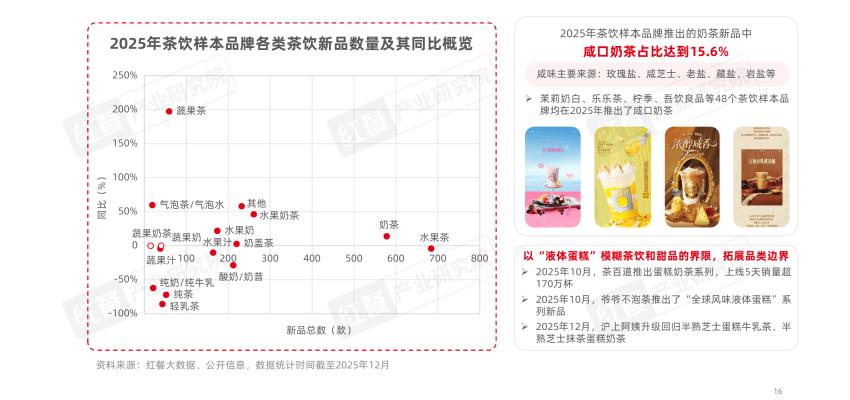
咸奶茶爆火的背后,藏着茶饮行业怎样的发展趋势? △图片来源:小红书网友分享 近日,红餐产业研究院发布了《茶饮品类发展报告2026》(以下简称《报告》)。报告显示,在2025年新茶饮样本品牌 推出的奶茶新品中,咸口奶茶占比达到15.6%,多款产品掀起市场消费热潮。如茉莉奶白的抹茶咸乳酪系列、乐乐茶的咸 法酪口味奶茶、柠季的泰式咸法酪等,均是咸口奶茶赛道的代表性产品。 社交平台上,与"咸奶茶"相关的话题热度居高不下。在小红书平台,仅"咸奶茶"这一话题,浏览量就超5460万,而在抖 音平台,与"咸奶茶"相关的视频播放量更是突破1.6亿次。 事实上,咸奶茶的走红绝非偶然。在甜味统治茶饮市场多年、消费者普遍面临味觉疲劳的当下,"咸奶茶"的口感构成了 最直接的感官差异,能让消费者建立起口味的记忆点。 尤其是当前新茶饮行业竞争一片红海,一众品牌通过在产品端的推陈出新,力求在口味创新上寻求突破。据《报告》显 示,2025年仅茶饮样本品牌就推出了新品近2700款,月均上新频次达1.3次、月均上新约3款,上新节奏保持高位。 一众新茶饮品牌均以产品创新作为核心发力点,努力为自己寻找新的市场增长点。 频繁上新的还有喜茶。据红餐网不完 ...
春节最火的茶是它?上海、深圳排长队,有品牌一年卖2.3亿
3 6 Ke· 2026-02-24 02:54
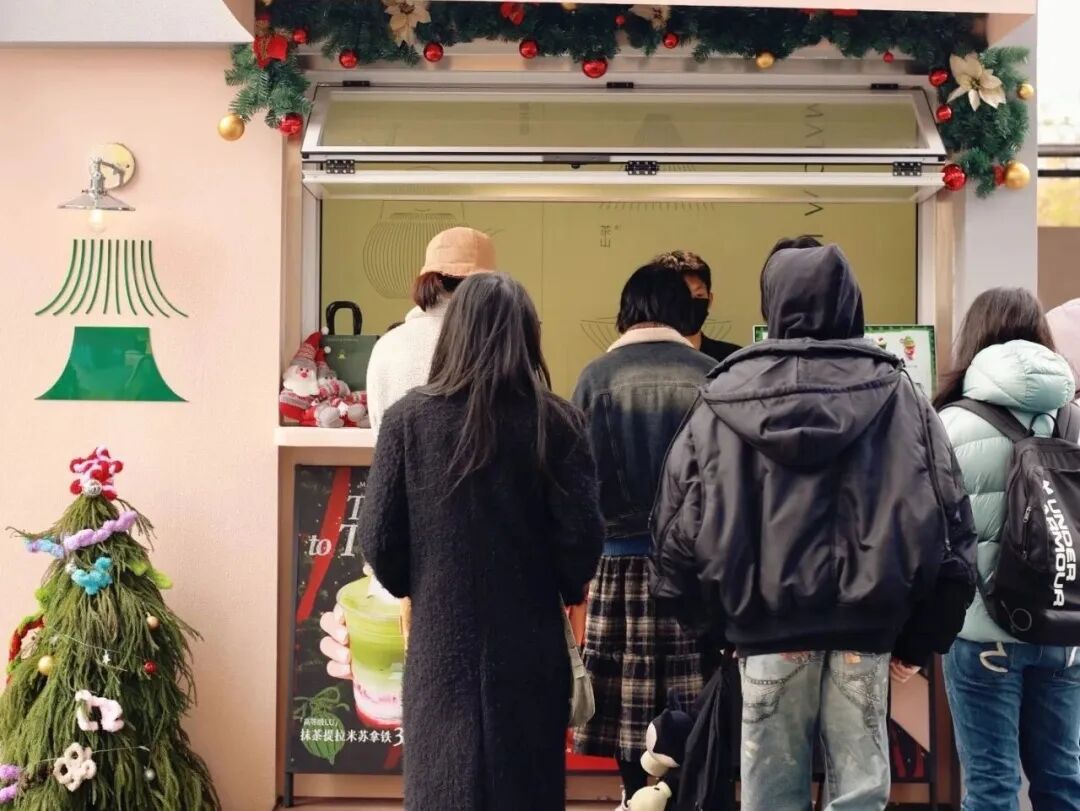
顶流商圈,正在被"一抹绿色"席卷。 上海静安大悦城、深圳万象天地、杭州万象城,抹岛抹茶在今年春节前一口气拿下三城核心点位。 开出71家门店的九十葉,2025年一年卖了2.3亿元。 专门店遍地开花,抹茶迎来真正的爆红时刻? 一年卖2.3亿 抹茶专门店成茶饮隐形黑马 刚开年,一批抹茶专门店悄然突围,成为茶饮赛道的隐形黑马。 抹岛抹茶(MATCHA ISLAND)赶在春节前,一口气在上海静安大悦城、深圳万象天地、杭州万象城开出3家新店,借着假期流量红利迅速积累口碑。 1只香草抹茶猫猫岛、青柠雪酪抹茶、草莓提拉米苏抹茶牛乳成为门店打卡爆款,有消费者直言:"颜值和口感都在线,喝起来像在吃甜品。" 不仅如此,九十葉团队还在加速布局品牌矩阵:2025年底,其在上海推出主打抹茶特调的Matcha Wang,切入精品品鉴赛道;同期在苏州落地Very Matcha 抹趣,以抹茶酱茶饮为特色,迅速成为年轻人的社交新宠。 区域抹茶品牌同样在加速突围: 主打意大利手工冰淇淋的九十葉·抹茶专门店,截至2026年2月全国在营门店已达71家,2025年全年营业额约2.3亿元。 有差异、有记忆点 新一代抹茶专门店有3个特征 观察下来不难发现, ...
告别泡沫叙事:九大关键词看懂2025中国消费 | 年终盘点
Sou Hu Cai Jing· 2026-02-20 12:37
Group 1: Core Insights - The Chinese consumer market in 2025 is characterized by both chaos and fragmentation, with a shift towards efficiency, value, and trust as the essence of competition [2] - The year witnessed significant events such as the end of the food delivery war, a crisis in the prepared food sector, and the rise of hard discounts while soft discounts declined [2] - Major international brands are seeking survival through divestitures, while the middle class experiences repeated disillusionment in consumption [2] Group 2: Food Delivery War - The food delivery war was ignited by JD's aggressive entry into the market, leading to a fierce subsidy competition among major players like Meituan and Alibaba [5][6] - In Q2 2025, the three major players burned through at least 30 billion yuan, equivalent to the total industry profit of the previous year [6] - The war has severely impacted small businesses and delivery personnel, highlighting the unsustainable nature of the competition [6] Group 3: Prepared Food Crisis - The prepared food crisis began with a public dispute involving a well-known restaurant, exposing significant gaps in consumer trust and industry standards [10][11] - The crisis has led to the closure of 102 stores by the affected restaurant and highlighted the precarious state of the industry, with many companies facing severe losses [12] - The market for prepared foods is projected to grow significantly, with the government moving towards establishing clearer standards [12][13] Group 4: Hard Discount Battle - The hard discount retail sector is experiencing explosive growth, with major players like JD and Hema aggressively expanding their store presence [16][18] - The distinction between hard and soft discounts is becoming more pronounced, with hard discounts focusing on sustainable low prices through private label products [18][19] - The competition is shifting from price wars to efficiency in supply chains and operational capabilities [19] Group 5: Dairy Product Trends - The "milk skin" product has gained immense popularity, evolving from a local specialty to a nationwide trend, with significant sales figures reported [21][22] - The product's success is attributed to its versatility and the ability to integrate into various food categories, driving demand and industry expansion [22] Group 6: Medicinal Food Market - The market for medicinal food has surpassed 370 billion yuan, with a growing emphasis on integrating traditional Chinese medicine into everyday food products [25][26] - The industry is witnessing an expansion of raw materials and innovative product forms, driven by advancements in technology and consumer demand [27][28] Group 7: International Brand Divestitures - In 2025, international brands like Starbucks and Burger King began divesting their Chinese operations, indicating a shift in market dynamics [31][32] - The decline in market share for these brands is attributed to their inability to adapt to the rapidly changing consumer landscape in China [32] - Successful local brands have capitalized on this opportunity, demonstrating the potential for growth through localized strategies [33] Group 8: Middle-Class Consumer Sentiment - The middle class in China is experiencing a sense of disillusionment, reacting negatively to price increases and perceived quality issues [36][39] - This demographic is increasingly critical of brands that do not meet their expectations, indicating a shift in consumer behavior and brand loyalty [39] Group 9: Weight Management Trends - 2025 has been dubbed the "Year of Weight Management," with a national initiative promoting healthy weight control [41][44] - The market for weight management products is projected to reach 326 billion yuan, with a significant increase in demand for functional foods [45][46] Group 10: IPO Activity in Hong Kong - The Hong Kong stock exchange has seen a surge in IPO activity, with 111 companies raising over 250 billion yuan in 2025, surpassing previous expectations [49][50] - The consumer sector has been a major focus, with numerous retail and consumption-related companies going public [50][51] - The trend of dual listings (A+H shares) is also gaining momentum, indicating a robust interest in capital markets [52]
告别泡沫叙事:九大关键词看懂2025中国消费
Xin Lang Cai Jing· 2026-02-20 02:07
Group 1: Chinese Consumption Market Trends in 2025 - The Chinese consumption market in 2025 is characterized by both chaos and transformation, moving away from bubble narratives towards efficiency, value, and trust as core competitive elements [1] - The delivery service battle resulted in a loss of at least 30 billion yuan in Q2 2025, significantly impacting small businesses and delivery personnel [3][4] - The pre-prepared food crisis highlighted a significant trust gap between consumers and the food industry, leading to a call for national standards [6][8] Group 2: Delivery Service Battle - The delivery service war was ignited by JD's aggressive entry into the market, leading to a fierce subsidy competition among major players like Meituan and Alibaba [3][4] - The battle resulted in a dramatic increase in active users for JD and Meituan, but ultimately led to unsustainable financial losses [3][4] - The strategic rationale for giants like Alibaba and JD was to cultivate consumer habits of ordering food through their platforms, thereby enhancing their core e-commerce businesses [4] Group 3: Pre-prepared Food Crisis - The pre-prepared food crisis began with a public dispute involving a well-known restaurant, revealing deep-seated issues in the food industry's industrial transformation [6][7] - The crisis underscored the clash between consumer rights and the interests of food enterprises, with consumers demanding transparency [8][9] - The industry is expected to undergo significant regulatory changes, with new national standards being proposed to ensure consumer awareness and rights [9][10] Group 4: Discount Retail Trends - The discount retail sector in China is experiencing rapid expansion, with new players entering the market and established brands accelerating their store openings [11][12] - Hard discount models are thriving due to their focus on private label products and supply chain efficiency, while soft discount models are struggling [11][13] - The competition has shifted from price wars to a broader focus on supply chain efficiency and operational capabilities [13][14] Group 5: Health and Wellness Trends - The market for health and wellness products, particularly those related to traditional Chinese medicine, has surpassed 370 billion yuan, indicating a growing consumer interest in health [18][19] - The product offerings in this sector are diversifying, with new ingredients being added to the list of approved health foods [19][20] - Retail channels are increasingly focusing on health products, with major retailers launching specialized health product lines [22] Group 6: International Brands Selling Out - In 2025, several international brands, including Starbucks and Burger King, opted to sell their Chinese operations to local partners, indicating a shift in market strategy [23][24] - The decline in market share for these brands is attributed to their inability to adapt to the fast-paced and competitive Chinese market [24][25] - Successful local brands have demonstrated the potential for growth and profitability in the Chinese market, contrasting with the struggles of foreign brands [26] Group 7: Middle-Class Consumer Sentiment - The middle-class consumer segment in 2025 is experiencing significant discontent, driven by rising prices and perceived value discrepancies [28][30] - This demographic is increasingly critical of brands that do not meet their expectations for quality and value, leading to a reevaluation of brand loyalty [30][31] - The notion of the middle class is being challenged, with discussions around its existence and relevance in the current economic landscape [30] Group 8: Weight Management as a National Strategy - 2025 has been designated as the "Year of Weight Management," with government initiatives promoting healthy eating and lifestyle choices [33][34] - The market for weight management products is projected to reach 326 billion yuan, with a significant increase in demand for functional foods [35][36] - The trend reflects a broader societal shift towards health consciousness, influencing various sectors including food and fitness [36] Group 9: IPO Activity in Hong Kong - The Hong Kong stock market saw a surge in IPO activity in 2025, with 111 companies raising a total of 250.56 billion yuan, surpassing previous expectations [37][38] - The consumer sector was a major focus, with numerous retail and consumption-related companies going public [38][39] - The trend of dual listings (A+H shares) is gaining momentum, indicating a strategic move by companies to enhance their market presence [40]
餐饮茶饮集体涨价,为啥大家都放弃了低价策略?
Bei Jing Ri Bao Ke Hu Duan· 2026-02-17 07:46
Group 1 - The core point of the article is the collective price increase in the restaurant and beverage market, which marks a shift from the previously dominant low-price strategy [1][3] - Major brands like KFC and McDonald's have recently raised prices, with KFC adjusting delivery prices by an average of 0.8 yuan while keeping dine-in prices unchanged [1][2] - Other brands such as Nayuki, Luckin Coffee, and others are also increasing prices, typically by 1-2 yuan, to balance costs and profits [1][2] Group 2 - The abandonment of low-price strategies is attributed to rising operational costs, particularly in raw materials, with fresh fruit prices increasing by 4.4% as of December 2025 [5][7] - The competitive landscape in the restaurant and beverage market has intensified, with new brands emerging and consumer demand shifting towards quality and experience, necessitating increased investment in product innovation [7][8] - Price increases are seen as a necessary response to cost pressures and market competition, but companies must also focus on establishing sustainable profit models rather than relying solely on price wars [8][10] Group 3 - The risk of collective price increases lies in potential strategic disagreements among leading companies, which could lead to market disruption if a major player opts to maintain lower prices [10] - If a brand like Mixue Ice City maintains low prices while others raise theirs, it could attract consumers away from mid-tier brands, creating a market divide [10]