
泰山玻纤

Search documents
对话华东理工曾惠丹:日本一块布,如何卡住英伟达的“脖子”?中国做不出来吗?
Sou Hu Cai Jing· 2026-02-11 03:00
曾惠丹,华东理工大学教授、博士生导师,玛丽居里学者。上海电子化学品创新研究院首席研究员、中国硅酸盐学会理事,主要研究方向为特种玻璃和电子 浆料,研究应用于光电子器件、半导体和电子元件的特种钝化材料/封装基板和电极浆料。 出品|搜狐科技 作者|张雅婷 编辑|杨锦 或许很少有人能料到,一种来自日本的布,竟会掐住全球AI芯片巨头的"咽喉"。 搜狐科技《思想大爆炸——对话科学家》栏目第148期,对话华东理工大学教授、博士生导师曾惠丹。 嘉宾简介: 高端电子玻璃纤维布,是芯片基板和印刷电路板不可或缺的核心骨架,由大概100-200 根单丝直径为4-7微米的玻璃纱股编织而成布后,再与树脂、铜箔等材 料复合,经过图形蚀刻、钻孔镀铜等精密工艺制成。 随着AI热潮带来的AI芯片需求爆发式增长,日东纺生产的高端电子玻璃纤维布供应日趋紧张,甚至陷入"一布难求"的局面。为确保供应稳定,英伟达CEO黄 仁勋近日亲自登门拜访日东纺,苹果公司也正积极向日本政府官员寻求支援。 在这场没有硝烟的供应链战争中,日东纺成为了最大赢家。这个成立于1923年的日本企业从棉纺织起家,至今已经有100多年的历史,目前在高端玻纤布市 场垄断了全球90%以上 ...



如何看待电子布的提价弹性及持续性-基于织布机和铂金
2026-02-03 02:05
如何看待电子布的提价弹性及持续性——基于织布机和铂 金 20260202 摘要 电子布市场供应集中,泰山玻纤、宁州光远等少数企业具备规模供应能 力,尤其在二代和三代电子布领域,供应商数量有限,形成结构性供应 紧张。 LCTE 主要应用于载板,LCK 应用于 PCB 板,LCTE 供应格局优于 LCK,目前中国大陆仅泰山玻纤和宏和科技能够稳定供应 LCTE。 2025 年以来,电子布行业经历需求上修、价格波动等阶段,LCTE 极端 缺货导致大幅提价,普通电子布缺口扩大,供需紧张加剧。 电子布行业依托 CCL 等级升级,各环节如铜箔、树脂及 PCB 随 AI 服务 器增长而扩容,一代到三代产品价格增长显著,市场规模预计从 2025 年的 30 亿人民币扩展至 2027 年的近 300 亿人民币。 二代电子布在 B 卡和谷歌 V8 中应用广泛,需求增长迅速,尽管仲裁科 技与国际复材良率提升,但缺口依然巨大,预计到 2027 年将进一步扩 大,提价具有持续性。 2025 年电子布行业存在 30%-40%的供需缺口,海外市场已进行两轮 提价,中国大陆企业提价空间仍存,预计未来可能出现第三轮提价。 玻纤行业供给集中,新增 ...
基于织布机和铂金视角:如何看待玻纤电子布的提价弹性及持续性
Changjiang Securities· 2026-01-27 08:55
Investment Rating - The report maintains a "Positive" investment rating for the fiberglass industry [13]. Core Insights - The fiberglass industry is currently at a relative bottom of the cycle, with price elasticity for 2026 projected as follows: AI specialty electronic cloth > ordinary electronic cloth > ordinary coarse yarn. The report is optimistic about the performance elasticity brought by price increases in electronic cloth [3][46]. - The demand for AI specialty electronic cloth remains high, driven by the AI boom, leading to a tight supply situation and price increases. The Low CTE and Low-Dk second-generation cloths are expected to face even larger supply gaps [8][20]. - Ordinary electronic cloth is expected to continue to see price increases due to capacity constraints in weaving machines, with a supply gap anticipated to persist into 2026 and widen in 2027 [10][43]. Summary by Sections AI Electronic Cloth - The demand for Low CTE electronic cloth is expected to grow significantly, with projections of 6.7 million meters in 2025, 18 million meters in 2026, and 33.6 million meters in 2027, driven by AI computing chip packaging and high-end consumer electronics [32]. - The report highlights that the Low CTE electronic cloth is critical for advanced packaging in AI applications, with current supply being scarce and domestic companies beginning to fill the gap [8][36]. - The year 2026 is anticipated to be pivotal for the application of quartz cloth and the second-generation Low-Dk cloth, with demand expected to exceed 50 million meters [26]. Ordinary Electronic Cloth - Ordinary electronic cloth prices are expected to rise due to a recovery in demand and limited new capacity, with prices increasing from 3.4 CNY/m in early 2025 to 4.1 CNY/m by January 2026 [10][38]. - The supply of weaving machines is a critical constraint, with a projected gap in machine availability starting in 2025 and expected to widen in subsequent years [10][50]. - The report notes that the price of ordinary electronic cloth is likely to continue its upward trend due to these supply constraints [10][46]. Platinum Price Impact - The significant increase in platinum prices, from 230 CNY/g in January 2025 to 672 CNY/g in January 2026, is expected to raise investment costs in the fiberglass sector by over 40%, potentially constraining supply [11][36]. - The report emphasizes that the rising costs associated with platinum will particularly impact smaller electronic cloth manufacturers [11].


电子行业点评报告:重视CCL涨价大周期,涨价持续性得到验证
KAIYUAN SECURITIES· 2026-01-24 07:45
Investment Rating - The industry investment rating is "Positive" (maintained) [1] Core Insights - The report highlights a significant price increase trend in the CCL (Copper Clad Laminate) industry, driven by rising raw material costs and strong demand from sectors such as AI and electric vehicles [5][6] - Major companies in the CCL sector have implemented multiple price hikes throughout 2025, with notable increases from leading firms like 建滔积层板 and Resonac [5][6] - The profitability of CCL manufacturers has improved significantly due to these price increases, with companies like 生益科技 reporting a substantial rise in gross margins [7] Summary by Sections Price Increase Overview - The CCL industry has experienced a global price increase trend, with key players raising prices multiple times in 2025, including a 10% increase in December [5] - Resonac announced a price hike of over 30% for its products starting in March 2026, reinforcing global price increase expectations in the CCL sector [5] Drivers of Price Increase - The primary drivers for the current price increases in the CCL industry include rising costs of core raw materials such as copper, electronic cloth, and epoxy resin [6] - Copper prices saw a cumulative increase of nearly 40% in 2025, with LME copper prices reaching $12,960 per ton [6] - The demand for high-performance epoxy resin has surged, particularly for AI servers and advanced packaging boards, contributing to the rising costs in the CCL segment [6] Profitability and Investment Recommendations - The profitability of CCL manufacturers has shown significant recovery, with 生益科技 achieving a gross margin of 26.85% in Q2 2025, reflecting a year-on-year increase [7] - The report suggests focusing on the CCL price increase cycle and AI penetration rates, recommending stocks such as 生益科技, 金安国纪, and 建滔积层板 as beneficiaries of this trend [8]


一块布,卡了英伟达的脖子?
首席商业评论· 2026-01-18 04:41
Core Viewpoint - The article emphasizes the critical role of high-end electronic fabric in the AI computing power revolution, highlighting that Japanese companies dominate this market, controlling nearly 70% of the global high-end electronic fabric market, which is essential for AI chip performance [4][6][9]. Group 1: Japanese Dominance in High-End Electronic Fabric - Japanese companies such as Nitto Denko, Asahi Kasei, and AGC dominate the high-end electronic fabric market, which is crucial for AI computing power [6][9]. - These companies have established a significant competitive advantage through decades of research and development, creating a robust patent network that covers the entire production process [9][10]. - The high cost of entry into this market, with investments in production facilities reaching up to 1.5 billion yuan, deters potential competitors, allowing Japanese firms to maintain their market position [9][10]. Group 2: Chinese Companies' Response and Innovations - Chinese companies have begun to challenge the Japanese monopoly, with firms like Honghe Technology and Linzhou Guangyuan making significant advancements in ultra-thin and low-dielectric electronic fabrics [10][11]. - Honghe Technology successfully produced 9-micron ultra-thin electronic fabric in 2021, breaking the long-standing foreign monopoly [10][11]. - Linzhou Guangyuan achieved mass production of low-dielectric fabric in 2021, marking a significant milestone in the industry [11][12]. Group 3: Material Revolution and Future Opportunities - The next generation of quartz electronic fabric is emerging as a critical material for AI applications, providing an opportunity for Chinese companies to leapfrog in technology [12][19]. - Companies like Feilihua are leading the charge in developing M9-level quartz fabric, which has been certified by NVIDIA, thus providing an alternative to Japanese suppliers [12][14]. - The ongoing material revolution is seen as essential for China's technological independence and advancement in various high-tech sectors, including aerospace, new energy, and semiconductors [19][20].
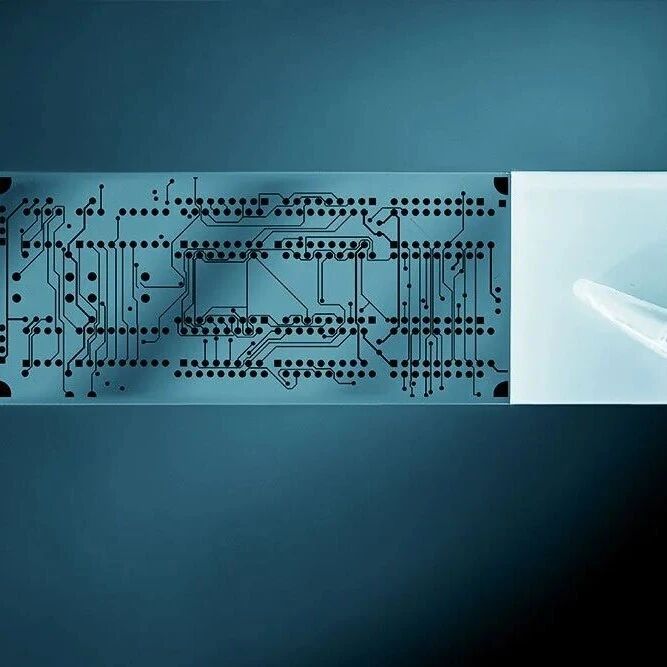
一块布,卡了英伟达的脖子?
创业邦· 2026-01-16 10:14
Core Viewpoint - The article emphasizes the critical role of high-end electronic fabric in supporting AI computing power, highlighting the dominance of Japanese companies in this sector and the emerging competition from Chinese firms. Group 1: Importance of Electronic Fabric - Electronic fabric is likened to the chassis of a supercar, essential for the performance of AI servers, which rely on advanced chips [7][10] - High-end electronic fabric is made from electronic-grade glass fiber, integrating cutting-edge materials science [8] Group 2: Market Dynamics - Japanese companies like Nitto Denko, Asahi Kasei, and AGC dominate nearly 70% of the global high-end electronic fabric market, creating an oligopoly [9] - These companies do not manufacture AI chips but control a crucial segment of AI computing power [10] Group 3: Competitive Landscape - Chinese companies are primarily engaged in the mid-to-low-end market, lacking the technological advancements of their Japanese counterparts [12] - Japanese firms have built a formidable barrier to entry through decades of research and development, creating a dense patent network [17] Group 4: Innovation and Breakthroughs - Chinese companies are beginning to challenge the Japanese monopoly, with firms like Honghe Technology successfully producing ultra-thin electronic fabric [32] - The development of low-dielectric fabric has also seen breakthroughs from companies like Linzhou Guangyuan, marking a significant shift in the competitive landscape [36] Group 5: Material Revolution - The next generation of quartz electronic fabric is emerging as a critical material for AI, with companies like Feilihua leading the charge in this new material revolution [40] - The article underscores the importance of material science in technological advancements, asserting that breakthroughs in materials are essential for the evolution of high-end manufacturing in China [56]
一块布,卡了英伟达的脖子?
芯世相· 2026-01-15 04:23
Core Viewpoint - The article emphasizes the critical role of high-end electronic fabric in the AI computing power revolution, highlighting the dominance of Japanese companies in this sector and the emerging competition from Chinese firms [5][21]. Group 1: Japanese Dominance in High-End Electronic Fabric - Japanese companies like Nitto Denko, Asahi Kasei, and AGC dominate nearly 70% of the global high-end electronic fabric market, creating a near monopoly [7][12]. - These companies do not manufacture AI chips but control a crucial component that supports AI computing power [8]. - The unique chemical formulations of NE-glass and T-glass developed by Japanese firms provide superior dielectric properties, making them difficult to compete against [12][16]. Group 2: Challenges and Innovations from Chinese Companies - Chinese companies have been primarily active in the mid to low-end electronic fabric market, but recent innovations are challenging the Japanese monopoly [10][21]. - Companies like Honghe Technology and Linzhou Guangyuan have made significant breakthroughs in producing ultra-thin and low-dielectric electronic fabrics, breaking the long-standing foreign dominance [27][31]. - The successful production of 9-micron ultra-thin electronic fabric by Honghe in 2021 marked a significant milestone in the industry [27]. Group 3: The Material Revolution - The article discusses the importance of material science in technological advancements, asserting that breakthroughs in materials are essential for the progress of industries like AI and aerospace [39][41]. - The development of M9-level quartz fabric by companies like Feilihua represents a new frontier in high-end electronic materials, providing alternatives to Japanese products [35][36]. - The ongoing material revolution is seen as a critical step for China to achieve self-sufficiency and reduce reliance on foreign technology [49].


一块布,硬卡英伟达的脖子
是说芯语· 2026-01-15 00:06
Core Viewpoint - The article emphasizes the critical role of high-end electronic fabric in the AI computing power revolution, highlighting the dominance of Japanese manufacturers in this niche market and the emerging competition from Chinese companies [4][5][7]. Group 1: High-End Electronic Fabric Market - High-end electronic fabric, essential for AI servers, is primarily produced by Japanese companies like Nitto Denko, Asahi Kasei, and AGC, which control nearly 70% of the global market [5][7]. - These companies have established a significant competitive advantage through decades of research and development, creating a robust patent network that covers the entire production process [7][10]. - The production of high-end electronic fabric requires substantial investment, with costs for advanced production lines exceeding 500 million yuan (approximately 75 million USD), making it difficult for new entrants to compete [7][10]. Group 2: Chinese Companies' Response - Chinese companies, such as Honghe Technology and Linzhou Guangyuan, have begun to break the Japanese monopoly by developing their own high-end electronic fabrics, achieving significant milestones in ultra-thin and low-dielectric materials [9][10][14]. - Honghe Technology successfully mass-produced 9-micron ultra-thin electronic fabric in 2021, marking a significant breakthrough against foreign dominance [9][10]. - Linzhou Guangyuan became the first domestic company to achieve mass production of low-dielectric fabric in 2021, showcasing the potential for innovation within the Chinese market [10][14]. Group 3: Material Science and Innovation - The development of high-end electronic fabric is a complex process that requires extensive experimentation and innovation in material science, often surpassing the challenges faced in chip and algorithm development [15][17]. - The article argues that breakthroughs in material science are crucial for the advancement of technology sectors, including AI, aerospace, and renewable energy, indicating a broader trend of material innovation in China [15][17]. - The successful production of M9-grade quartz fabric by companies like Feilihua represents a significant step in reducing reliance on Japanese materials and enhancing China's technological independence [11][13][14].

巨石与中材发布激励计划,重视传统电子布盈利弹性
Ping An Securities· 2026-01-07 03:24
Investment Rating - The industry investment rating is "Outperform the Market," indicating that the industry index is expected to perform better than the market by more than 5% over the next six months [8]. Core Insights - Recently, China Jushi and China National Materials announced stock incentive plans, highlighting the profitability elasticity of traditional electronic fabrics [1]. - The average price of electronic fabrics (7628) is reported at 9,400 CNY/ton and 4.65 CNY/meter, with continuous price increases attributed to high demand from the AI sector, leading to a production shift towards high-end products [5][6]. - The recent rise in copper prices is expected to create upward pricing pressure on downstream CCL and PCB companies, which may be passed down to the electronic fabric prices [5]. - The significant increase in precious metal prices, particularly platinum and rhodium, is anticipated to push up the prices of raw materials for glass fiber production, with current prices reaching approximately 261 CNY/gram for platinum and 1,428 CNY/gram for rhodium [5]. - The stock incentive plans from both China Jushi and China National Materials reflect confidence in future growth, with ambitious profit growth targets set for the coming years [6][7]. Summary by Sections Stock Incentive Plans - China Jushi plans to grant up to 34.5282 million restricted stocks, accounting for 0.86% of its total share capital, with a target net profit compound growth rate of no less than 38.5% from 2024 to 2026 [6]. - China National Materials aims to grant 15.4 million stock options, representing 0.92% of its total share capital, with a target net profit compound growth rate of no less than 107.0% from 2024 to 2026 [6]. Price Trends - The prices of electronic yarn and electronic fabrics have been rising, with G75 electronic yarn quoted at 9,400-9,700 CNY/ton and 7628 electronic fabric at approximately 4.8-4.9 CNY/meter [5][6]. - The demand for glass fiber products, particularly in wind power and thermoplastics, is expected to remain resilient, allowing manufacturers to pass on cost pressures through price increases [7]. Market Confidence - Recent stock purchases by major shareholders of China Jushi indicate strong confidence in the company's future development, with significant amounts pledged for share buybacks [7].
中建材两大玻纤龙头激励落地,彰显经营信心
Changjiang Securities· 2026-01-05 14:06
Investment Rating - The investment rating for the industry is "Positive" and is maintained [8] Core Insights - The two leading fiberglass companies in China, China Jushi and China National Materials, have announced stock incentive plans, reflecting their operational confidence [2][6] - China Jushi plans to grant up to 34.53 million restricted stocks, accounting for 0.86% of its total share capital, with a first grant of 31.08 million shares at a price of 10.19 CNY per share, which is about 60% of the current stock price [13] - China National Materials plans to grant 15.4 million stock options, representing 0.92% of its total share capital, with a first grant of 13.93 million options at an exercise price of 36.65 CNY per option, close to the current stock price [13] - The fiberglass yarn market is expected to stabilize and show upward momentum, with ordinary electronic cloth showing elasticity due to increased demand driven by AI applications [13] - The demand for Low-Dk electronic cloth is projected to grow significantly, with total demand expected to reach approximately 1.1 million, 2.2 million, and 3.2 million meters from 2025 to 2027 [13] Summary by Sections Stock Incentive Plans - China Jushi's stock incentive plan includes performance targets for net profit growth, with compound annual growth rates of no less than 38.5%, 27.0%, and 22.0% from 2026 to 2028 [13] - China National Materials' stock option plan also includes performance targets, with compound annual growth rates of no less than 107.0%, 73.0%, and 62.5% from 2026 to 2028 [13] Market Outlook - The fiberglass yarn prices are expected to stabilize, with a slight upward trend anticipated in 2026 due to limited new production capacity and a recovery in overseas demand [13] - The ordinary electronic cloth market is expected to see higher price increases due to the shift towards high-end products driven by AI technology [13] AI Special Electronic Cloth - The industry is poised for an upgrade with the increasing demand for Low-Dk electronic cloth, which is essential for high-frequency and high-speed PCBs [13] - The transition to M9 materials in AI PCBs is expected to drive significant growth in high-end special electronic cloth applications [13]