
问止中医

Search documents
问止中医港股IPO招股书失效
Zhi Tong Cai Jing· 2026-01-29 05:35
Group 1 - The core viewpoint of the news is that Wen Zhi Traditional Chinese Medicine submitted its Hong Kong IPO prospectus, which will expire after six months, marking the second time the company has faced a submission expiration [1] - The company has established a comprehensive traditional Chinese medicine business layout to meet customer needs ranging from disease treatment to health care and learning [2] - According to a report by Zhi Shi Consulting, Wen Zhi Traditional Chinese Medicine is the largest provider of AI-assisted traditional Chinese medical services in mainland China for 2023 and 2024, with market shares of 1.5% and 1.3% respectively [2] Group 2 - The AI-assisted traditional Chinese medical services market is considered a sub-market, accounting for 1.4% of the overall traditional Chinese medical services market in mainland China in 2024 [2]


新股消息 | 问止中医港股IPO招股书失效
智通财经网· 2026-01-29 03:33
Group 1 - The core viewpoint of the article indicates that Wenzhi Traditional Chinese Medicine submitted its Hong Kong IPO prospectus on July 29, 2025, which will expire on January 29, 2026, with Haitong International as the sole sponsor. This marks the company's second failed submission [1] Group 2 - Wenzhi Traditional Chinese Medicine has established a comprehensive TCM business layout to meet customer needs ranging from disease treatment and health care to learning and practicing TCM [2] - During the reporting period, the company generated revenue through TCM medical services, TCM lifestyle products (including various TCM health products and knowledge products), and TCM brain subscription services [2] - According to a report by ZhiShi Consulting, Wenzhi Traditional Chinese Medicine is the largest provider of AI-assisted TCM medical services in mainland China for 2023 and 2024, with market shares of 1.5% and 1.3%, respectively [2] - The AI-assisted TCM medical service market is a sub-market that is expected to account for 1.4% of the overall TCM medical service market in mainland China by 2024 [2]

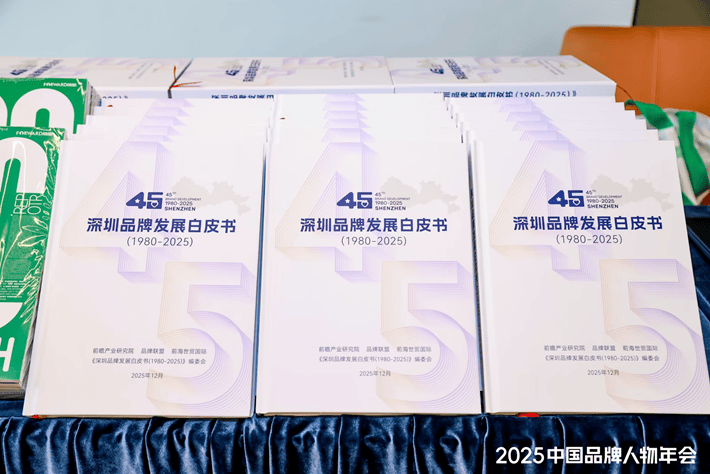
40万字重磅品牌白皮书发布:深圳45年的超级进化论
Sou Hu Cai Jing· 2025-12-31 06:11
Core Insights - Shenzhen has produced a number of globally impactful companies, showcasing a shift from "Made in China" to "Created in China" [2] - The 45th anniversary of Shenzhen Special Economic Zone marks a significant milestone in its rapid modernization and brand development [2][3] - The "Shenzhen Brand Development White Paper (1980-2025)" outlines the evolution of Shenzhen's brands and their internal logic and success factors [3][5] Group 1: Brand Evolution - Shenzhen's brand journey reflects a transition from manufacturing to innovation, with key phases including the emergence of local brands in the 1980s and 1990s, and the rise of autonomous brands in the early 2000s [7][10] - The current phase is characterized by cluster upgrades, with companies like Tencent, BYD, and DJI leading in various sectors [8][10] - As of now, Shenzhen has cultivated 1,220 notable local brands, including 13 billion-level brands and 7 trillion-level brands, with Tencent, Ping An, and Huawei each exceeding a brand value of 490 billion [10][11] Group 2: Economic Contributions - The 1,220 notable brands contribute 47.97% of the city's sales, 42.05% of tax revenue, and 32.87% of exports, serving as the backbone of Shenzhen's high-quality economic development [11] - These brands span critical sectors such as electronics, renewable energy, biomedicine, high-end equipment, financial services, and digital economy, forming a robust industrial structure [11] Group 3: Brand Development Factors - Shenzhen's brand success is attributed to a unique ecosystem supported by policy innovation, technological advancement, and collaborative industrial frameworks [15][16][19] - The government has played a crucial role in creating a conducive environment for brand growth through targeted policies and regulatory frameworks [16] - Innovation drives brand competitiveness, with companies investing over 10% of their annual revenue in R&D, fostering a comprehensive innovation ecosystem [17] Group 4: Global Expansion and Responsibility - Shenzhen brands have established clear pathways for international expansion, evolving from processing trade to localized operations and global standardization [20] - Social responsibility is ingrained in the corporate strategy, enhancing brand value and sustainability through practices like tax compliance and community support [21] Group 5: Future Outlook - The release of the white paper is a significant step in documenting Shenzhen's brand journey and providing strategic guidance for future brand development [31] - Shenzhen's brands are expected to continue thriving in emerging sectors like digital and low-altitude economies, contributing to the global narrative of Chinese brands [33][34]



“欧洲机器人企业走进深圳”活动顺利举办
Shang Wu Bu Wang Zhan· 2025-11-17 08:20
沉浸式体验宝安创新生态,政企互动共话投资未来 2025年11月16日,由商务部投资促进事务局、深圳市投资促进局、宝安区人民政府、宝安区投资推广 署、宝安区科技创新局等共同组织的"欧洲机器人企业走进深圳"活动顺利举办。来自意大利、英国、西 班牙、德国、俄罗斯、芬兰等国的机器人产业链企业、研究机构代表通过考察交流,全方位了解国内机 器人产业发展前沿动态,实地感受深圳市及宝安区创新生态和投资环境。商务部投资促进事务局副局长 唐颂,深圳市投资促进局局长李萌,深圳市前海管理局副局长袁富勇,宝安区委常委、区委区府办主任 古子熔等参加相关活动。 聚焦前沿技术,高交会现场感受机器人产业活力 16日上午,团组赴第二十七届中国国际高新技术成果交易会人工智能与机器人产业链展区参观考察。团 组重点走访宇树科技、赛博格机器人、傅利叶智能、戴盟机器人、灵心巧手、松延动力等行业领军企业 展台,近距离观摩人形机器人、灵巧手、多模态触觉感知等最新产品,现场演示引发欧洲企业浓厚兴 趣,中欧双方就加强技术转化、产品开发、市场拓展等方面合作进行热烈交流。 16日下午,团组深入宝安区产业腹地,走访卧安科技、帕西尼感知科技、问止中医和影石创新等本土创 ...

问止中医港股IPO:一家想用AI实现“医师速成”的公司
Hua Er Jie Jian Wen· 2025-08-21 03:48
Core Viewpoint - The recent surge in AI healthcare projects has led to a wave of IPOs in Hong Kong, creating various "first stock" myths, particularly in the field of traditional Chinese medicine (TCM) [1][2]. Group 1: Company Overview - Wenzhi TCM, which recently submitted its IPO application to the Hong Kong Stock Exchange, focuses on providing consultation and prescription services through its self-developed "TCM Brain" AI-assisted diagnostic system [4]. - The revenue of Wenzhi TCM is projected to grow from 62 million yuan in 2022 to 236 million yuan in 2024, while net losses are expected to decrease from 154 million yuan to 45 million yuan during the same period [4]. Group 2: Business Model and Services - Wenzhi TCM's core business is TCM medical services, contributing over 80% of its revenue, with online services accounting for nearly 90% of its TCM medical service revenue in 2024 [7][9]. - The company has opened 11 offline clinics, but most services are provided online, which differs significantly from traditional TCM practices that rely on direct patient interaction [8][9]. Group 3: Financial Performance - The average consultation fees for cancer and difficult disease patients are 1,422 yuan and 1,118 yuan, respectively, indicating a high-value service offering [10]. - However, revenue from cancer and difficult disease patients is projected to decline, with expected revenues of 58 million yuan and 67 million yuan in 2024, down 5.26% and 5.95% year-on-year [12]. Group 4: Technology and Compliance Challenges - The "TCM Brain" system, developed under the guidance of controversial figures, has not yet received approval from the drug regulatory authority, raising questions about its efficacy and compliance [17][15]. - Despite being the first TCM AI-assisted diagnostic system to pass clinical consistency research, it lacks the necessary medical device certification, which poses a significant compliance challenge for the company [17][18]. Group 5: Future Prospects and Expansion Plans - Wenzhi TCM aims to leverage the "TCM Brain" to reduce reliance on renowned doctors and facilitate low-cost clinic operations, with plans to establish 16 new offline clinics in mainland China by 2031 [20][23]. - The company has also initiated a franchise model through the "Wenzhi TCM AI Alliance," although the subscription revenue from this service remains low, indicating challenges in scaling this aspect of the business [21][22].
科创板周报(8.04-8.08):GPT-5商业价值大于技术价值-20250814
Yin He Zheng Quan· 2025-08-14 12:30
Group 1: Market Performance - The STAR Market index increased by 2.05% last week, outperforming the North Exchange A-shares[3] - The average turnover rate of the STAR Market was 17.64%, higher than the main board A-shares but lower than the ChiNext and North Exchange A-shares[6] - The total market capitalization of STAR Market companies reached 88,761.49 billion yuan, with 589 listed companies as of August 8, 2025[5] Group 2: Valuation Metrics - The overall PE (TTM) of the STAR Market is approximately 58.49, significantly higher than the other three major boards[6] - The PE of the STAR 50 is 61.93, while the PE of the Shanghai Composite Index and CSI 300 are 13.59 and 12.57, respectively[3] - The valuation gap between the STAR Market and STAR 50 has narrowed from 4.73 to 3.44[3] Group 3: Industry Insights - The non-ferrous metals sector had the highest weekly increase at +7.8%, while the computer industry saw the largest decline at -2.3%[11] - The average PE of the social services sector is the highest at 100.15, while the agriculture, forestry, animal husbandry, and fishery sector has the lowest at 11.20[16] Group 4: OpenAI and GPT-5 - OpenAI's GPT-5 was released on August 7, 2025, showing only a 10% performance improvement over the previous model, which was below expectations[40] - OpenAI's annual recurring revenue (ARR) has surpassed 13 billion USD, with active users reaching 700 million, indicating strong commercial growth[43] - OpenAI's valuation is projected to rise from 300 billion USD to 500 billion USD, making it the most valuable private company globally[40]




问止中医再闯港交所:现金储备1亿,流动负债5亿
Sou Hu Cai Jing· 2025-08-11 13:18
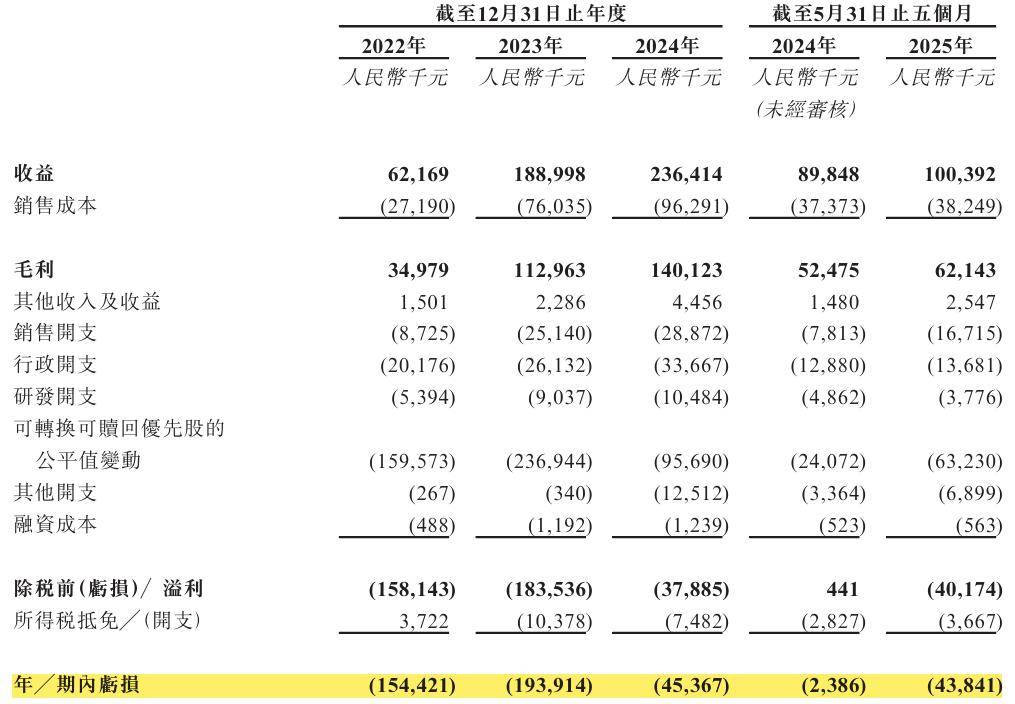
Core Viewpoint - The company, Wenzhi Traditional Chinese Medicine, has experienced rapid revenue growth from 62.17 million RMB in 2022 to 236.41 million RMB in 2024, with a compound annual growth rate of 32% over three years. However, it has faced significant losses, accumulating nearly 400 million RMB in losses by 2024, indicating a stark contrast between revenue growth and profitability [1][2]. Financial Performance - Revenue increased from 62.17 million RMB in 2022 to 236.41 million RMB in 2024, with a projected revenue of 100.39 million RMB for the five months ending May 31, 2025 [2]. - The cost of sales rose from 27.19 million RMB in 2022 to 96.29 million RMB in 2024, leading to a gross profit increase from 34.98 million RMB to 140.12 million RMB during the same period [2]. - The company reported a pre-tax loss of 37.89 million RMB in 2024, a significant reduction from the previous year's loss of 183.54 million RMB, but still indicative of ongoing financial challenges [2]. Cash Flow and Debt Situation - As of May 2025, the company has accumulated losses of 437 million RMB, a staggering 17-fold increase compared to the same period last year, with net current liabilities reaching approximately 538 million RMB and cash reserves of only 11.5 million RMB, indicating high short-term debt repayment risks [3]. - The company faces pressure from a redemption agreement that requires it to redeem preferred shares and pay 8% interest if it fails to go public by January 2027, exacerbating its cash flow issues [5]. Cost Structure and Profitability - The company has a high cost structure, with sales expenses consistently exceeding research and development (R&D) expenditures. In 2024, R&D spending was only 10.48 million RMB, accounting for just 4.9% of revenue, while marketing expenses were over double that amount at 28.87 million RMB [4]. - The reliance on AI technology has not translated into substantial contributions to the core medical services, raising concerns about the sustainability of its business model [5]. Trust and Team Composition - The company is facing a trust crisis due to complaints regarding false advertising and exaggerated efficacy of its services, which could undermine its market position [5]. - The average age of the company's 93 full-time physicians is 32, raising concerns about the experience and capability of younger doctors in handling complex medical cases, particularly in oncology [6].
留美高材生干中医:毛利率60%,年入超2亿
3 6 Ke· 2025-08-08 07:33
Core Viewpoint - The company, Wenzhi Traditional Chinese Medicine, is combining AI technology with traditional Chinese medicine to create a unique business model that aims to enhance profitability while addressing the high costs associated with quality medical services [1][16]. Group 1: Company Background - Wenzhi Traditional Chinese Medicine was founded by three talented individuals who studied in the U.S., with a focus on integrating AI into traditional Chinese medicine [2]. - The founder, Cui Xiangrui, has a background in venture capital and private equity, which influences the company's approach to scaling and innovation [5]. - The company has received multiple rounds of funding since its establishment in 2018, indicating a strong interest from investors [6][7]. Group 2: Business Model and Revenue - Wenzhi's primary revenue sources include online medical services, traditional Chinese medicine products, and subscriptions to their AI system, with online consultations accounting for nearly 90% of medical service revenue [8][10]. - The company reported a revenue growth of 281% from 2022 to 2024, driven by its innovative approach and community engagement through the establishment of Jingyi Academy [12]. - The gross margin of Wenzhi is around 60%, which is higher than traditional chain hospitals, suggesting a potentially sustainable business model [14][15]. Group 3: AI Integration and Challenges - The AI system, known as "Traditional Chinese Medicine Brain," assists in diagnosis and treatment by analyzing patient symptoms and providing treatment suggestions [10][18]. - Despite the advantages of AI, the company faces challenges in maintaining the personalized nature of traditional Chinese medicine, which relies heavily on the practitioner's experience and intuition [17][18]. - The high patient revisit rate of 67.2% indicates a level of patient loyalty, but it also raises questions about the effectiveness of treatments, particularly for chronic conditions [18][19]. Group 4: Market Position and Future Outlook - Wenzhi aims to leverage the growing interest in AI and traditional Chinese medicine to expand its market presence, but it must navigate the complexities of integrating advanced technology with traditional practices [21]. - The company has established itself as a leader in the AI-assisted traditional Chinese medicine space, but it must continue to prove the efficacy and sustainability of its model to maintain investor confidence and patient trust [21].
投资人跨界,冲刺“AI中医第一股”
3 6 Ke· 2025-08-08 00:58
Core Viewpoint - The company "Wenzhi Traditional Chinese Medicine" is aiming to become the first publicly listed company in the AI TCM sector, having submitted its prospectus for the second time and updated its operational data for the first five months of 2025 [1][12]. Business Overview - Wenzhi's main business includes online and offline TCM medical services, TCM popular science training, AI subscription services, and health food products [1]. - The core revenue source is TCM medical services, utilizing an AI-assisted diagnostic system called "TCM Brain" alongside full-time physicians [1][6]. - As of now, the company operates 11 offline clinics [1]. Financial Performance - Revenue from 2022 to May 2025 is as follows: 62.169 million RMB, 189 million RMB, 236 million RMB, 89.848 million RMB, and 100 million RMB, with net losses of 154 million RMB, 194 million RMB, 45.367 million RMB, 2.386 million RMB, and 43.841 million RMB respectively [1][10]. - The company has faced continuous losses primarily due to costs associated with health food product production, clinic operations, physician employment, and AI research and development [1]. Team and Management - The founder, Cui Xiangrui, is a seasoned private equity investor with no direct expertise in TCM, raising concerns about the management team's qualifications [3][8]. - The founding team includes two doctors with backgrounds in acupuncture and Eastern medicine, who have experience in internet-related fields [3]. - The average experience of full-time physicians is about 5 years, with approximately one-third having over 5 years of TCM practice experience [6]. Market Potential - The market for AI-assisted TCM treatment is projected to reach approximately 16 billion RMB in 2024, with a compound annual growth rate of 113.7% from 2020 to 2024 [9]. - The "TCM Brain" aims to address industry pain points such as reliance on scarce senior TCM practitioners and slow training processes [9]. Investment and Valuation - The company has raised a total of approximately 21.718 million USD (around 160 million RMB) through five financing rounds, with a valuation of 256 million USD (approximately 1.838 billion RMB) [11]. - Notable investors include BlueRun Ventures and ZhenFund, which have made multiple investments in the company [11]. Industry Context - The AI medical industry is experiencing rapid growth, with the market size increasing from 2.7 billion RMB in 2019 to 8.8 billion RMB in 2023, and projected to reach 315.7 billion RMB by 2033 [12]. - Despite the growth, many leading AI medical service providers have yet to achieve profitability, often incurring annual losses exceeding 100 million RMB [12].
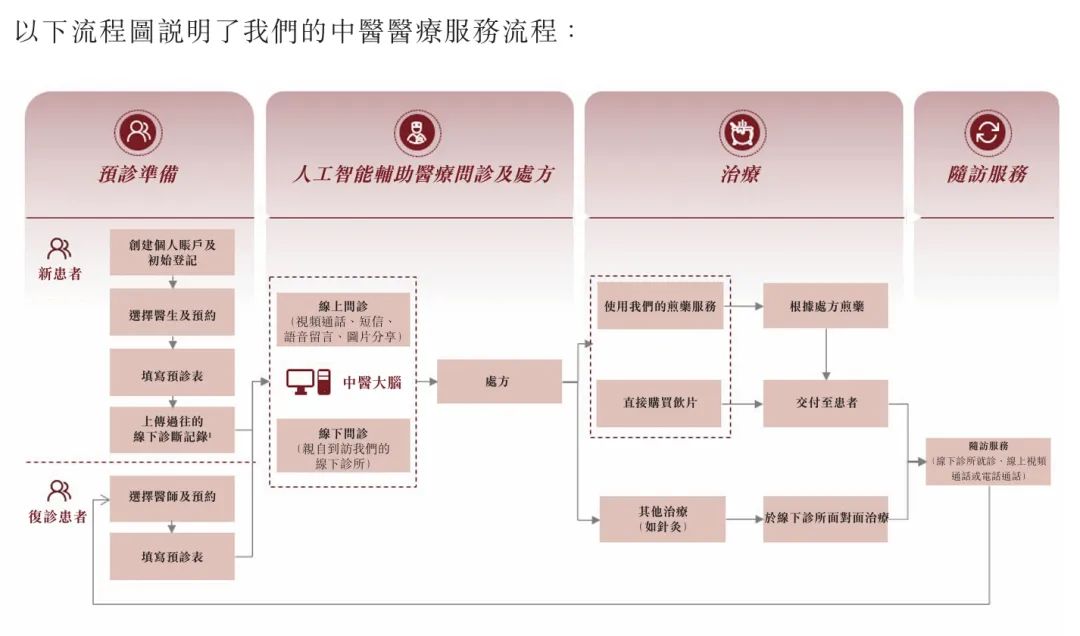
问止中医拟赴港上市,约90%诊疗收入来源于线上渠道
Zhong Guo Zheng Quan Bao· 2025-08-07 08:58
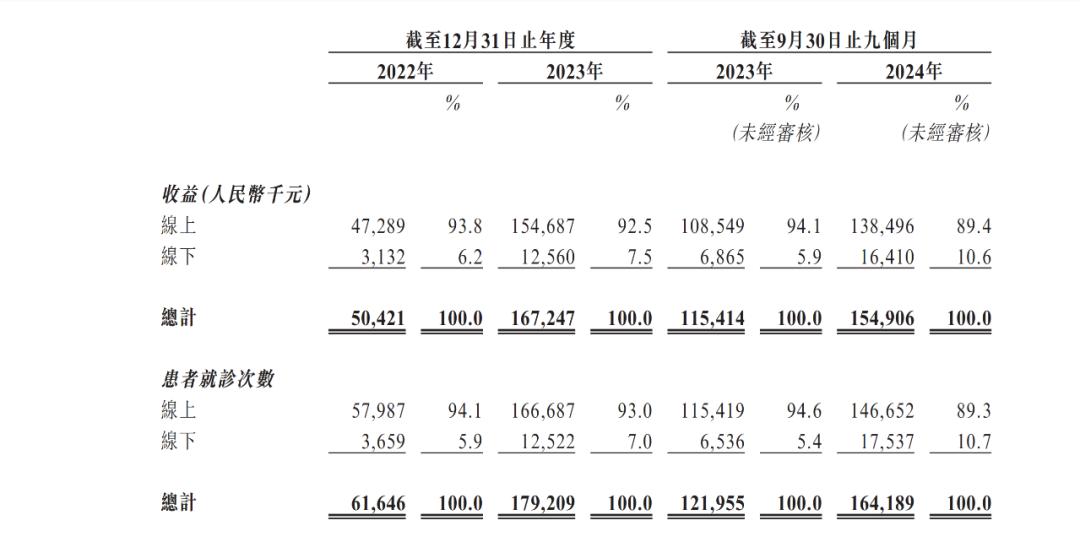
Core Viewpoint - The company, Wenzhi Traditional Chinese Medicine, has re-submitted its listing application to the Hong Kong Stock Exchange after previous attempts were unsuccessful. The company primarily generates revenue from TCM medical services, with a significant portion coming from online channels. Financial Performance - The company reported net losses of 154 million yuan, 194 million yuan, 45 million yuan, and 44 million yuan for the years 2022, 2023, 2024, and the first five months of 2025, respectively. It is expected to continue incurring losses in 2025, mainly due to fair value losses on convertible redeemable preferred shares [1][2] - Revenue figures for the same periods were 62 million yuan, 189 million yuan, 236 million yuan, and 100 million yuan, with approximately 90% of the diagnostic revenue coming from online channels [1][2] Service Offerings - The largest share of the company's TCM medical service revenue comes from general practice, accounting for 48.2% of total TCM service revenue. The company has developed treatment plans for over 3,000 types of diseases and has accumulated more than 1 million clinical cases [1] Operational Details - As of May 31, 2025, the company operates 11 offline clinics, including one outpatient department, and employs 93 full-time physicians. The average years of practice for the physicians is approximately five years [3]