TOP TOY

Search documents
大佬的2025:王宁造富
3 6 Ke· 2026-02-26 03:37
年会还请了明星沈腾,王宁和沈腾现场复刻了《羞羞的铁拳》名场面——沈腾喊"你过来啊",王宁突然一记寸拳,腾哥下意识缩脖子的真实反应,直接把 现场笑翻。 福利更是实打实:现场人手一份"马力全开"糖胶盲盒伴手礼;《飞驰人生3》双人电影票1000份免费送;30份未发售的"MEGA SPACE MOLLY风火轮"潮 玩免费抽。 这是前所未有的。往年泡泡玛特年会从未如此出圈,更没见过创始人亲自登台表演。 2026年,泡泡玛特办了场最高调的年会。 创始人王宁直接甩掉工装,上台打了一套咏春拳,行云流水,有模有样。其打咏春的视频24小时内刷爆社交平台,年会直接出圈登上热搜。 为什么今年突然这么大场面?答案很简单:有钱了,有底气了。 王宁在年会上高兴的对员工表示:LABUBU全年销量超1亿只、全品类全IP产品销量超4亿只。 2025年,LABUBU成了全球现象级IP。上半年,泡泡玛特营收达138.8亿元,同比增长204.4%。"感觉今年300亿也很轻松。"2025年中期业绩报告会上,王 宁语气淡然。这一年,公司市值还一度冲上4504亿港元。 这一年发生的一切,把这个1987年出生的河南人推到了从未站过的高度。 去年6月,据福布斯 ...


潮玩“流水线造星”的速度与隐忧
Bei Jing Shang Bao· 2026-02-25 13:41
推新节奏不断加快,已成为潮玩行业的常态。近日,泡泡玛特官宣将推出新IP——放学后的Merodi,这距离泡泡玛特推出上一个新IP仅两个多月。此外,奇 梦岛、TOP TOY等潮玩厂商也纷纷加码IP储备与孵化。然而,当IP发布进入"快车道",市场是否真的照单全收?从商业逻辑看,加速IP发布有其合理性,因 为潮玩IP的平均热度周期只有3—5年。但在批量制造的IP中,不是每一个都有机会成为真正的"星"。 名创优品旗下潮玩子品牌TOP TOY则走差异化布局路径,兼容自主IP、授权IP、他牌IP三大模式,2025年6月,Nommi糯米儿治愈系列盲盒上线;2026年2 月,与明星王鹤棣联名推出小D系列盲盒。2025年9月递表港交所时,自有IP数量已增至17个。 据智通财经报道,名创优品创始人叶国富曾表示:"名创优品大力发展自有IP,推动从零售公司向文化创意公司的转型,一年必须要浪费一个亿才能培养出 好的IP,用于富养原创IP。"他称:"浪费的意思是给予自有IP充分的尝试空间,从艺术家挖掘到IP孵化、运营,构建全链路IP运营平台。" 有效吸金 不可否认,过去几年泡泡玛特已成功摆脱对单一IP的依赖。从早期MOLLY独撑大局,到如 ...

泡泡玛特千亿反击战:王宁给LABUBU踩了脚刹车
Xin Lang Cai Jing· 2026-02-25 05:20
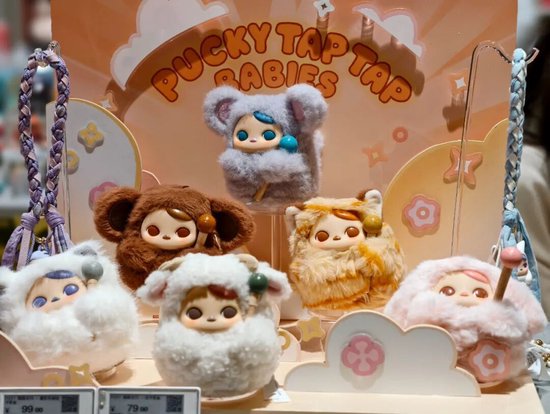
炒股就看金麒麟分析师研报,权威,专业,及时,全面,助您挖掘潜力主题机会! 一场多空大战,给泡泡玛特带去成长阵痛,也逼迫王宁思考:泡泡玛特想要成为谁,又该为此做什么? 文|《中国企业家》见习记者 孙欣 记者 王怡洁 见习编辑|李原 编辑|何伊凡 头图来源|受访者 一边是市场的追捧,一边是空头的炮火,两股相反的力量,已经撕扯了泡泡玛特6个月。 2025年8月公布半年报后,泡泡玛特经历了一场过山车行情。到2026年1月,公司股价从高位回落逾 40%,核心IP LABUBU在二手市场上的溢价,也从最高数千元跌至原价。一时间,"泡泡已破"的声音占 据了主流。 2026年开年,泡泡玛特用连上三款新品展开反击。"敲敲木鱼"火速售罄——这款名为PUCKY(毕奇) 的搪胶毛绒挂件,轻拍头部即可发出清脆木鱼声效。二手平台原价69元的单款,转售价最高超过200 元。情人节前夕,泡泡玛特推出星星人"怦然星动"毛绒盲盒,首周销量突破50万只。春节前上线的"马 力全开"毛绒系列,单日交易额也超800万元。 资本市场态度随之转向。从1月9日到2月10日,短短一个月内,泡泡玛特股价从低位反弹逾50%,市值 重回3000亿港元。空方摩根士丹利 ...

大消费渠道脉搏:泡泡玛特和毛戈平26年同店持续强劲增长,新秀丽26年初回升明显
Haitong Securities International· 2026-02-24 15:04
[Table_Title] 研究报告 Research Report 大消费渠道脉搏:泡泡玛特和毛戈平 26 年同店持续强劲增长,新秀丽 26 年初回升明显 Consumer Channel Pulse: POP MART & Mao Geping Sustain Robust SSS Growth in 2026E, Samsonite Shows Marked Rebound in Early 2026 24 Feb 2026 中国香港美国可选消费 China (A-share) Hong Kong US Discretionary 寇媛媛 Yuanyuan Kou 吴颖婕 Mindy Wu yy.kou@htisec.com mindy.yj.wu@htisec.com [Table_yemei1] 热点速评 Flash Analysis [(Table_summary] Please see APPENDIX 1 for English summary) 事件:2026 年 2 月 23 日,海通国际举办专家系列会,邀请华南百货专家分享其对春节消费趋势及重点品牌表现的 观察。 根据我们近期对某华南百货 ...
成年人的“情绪阿贝贝”走红!这些潮玩新品牌在抖音电商乘风生长
Sou Hu Wang· 2026-02-06 07:42
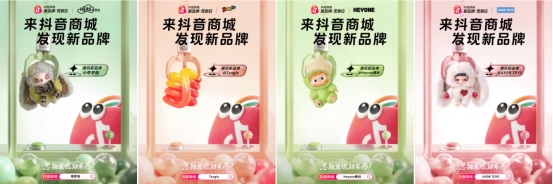
"你可别小瞧这个'塑料绳',玩一玩就没那么紧张了。" 等候大case提案的间隙,辰辰从包里拿出了一团蜷曲的扭扭乐,拇指和食指下意识地扭转起来,柔韧的 触感在指腹间反复回弹。对面同事瞥见这一幕,忍不住投来好奇的目光,她抬眼笑笑,手里的动作没 停:"真有点压力解药那意思。" 把看似"幼稚"的玩具当做慰藉,辰辰并非个例。盲盒售货机前,常有人在许愿或者深呼吸,拆开瞬间的 惊喜或意外,能带来久违的好奇与探索欲;午休时的办公室,有人对着一沓卡牌悉心搭配,将职场的嘈 杂隔绝在外,获得片刻专注与沉静;更有人在拼完迷你拼图的过程中,释放掉积攒已久的压力,走向内 心的"小圆满"……这些曾贴上"小孩子才玩"标签的潮玩,如今靠着治愈又解压的属性,正悄然成为成年 人内心的避风港,被当代网友亲昵地称作"情绪阿贝贝"。 在抖音电商,一批精准踩趋势的潮玩新品牌,在「抖音商城新品牌·宠粉日」IP加持下,率先在细分品 类中收获了声量与销量的双重爆发。截至目前,活动总曝光已超过1.5亿,相关话题词最高登抖音热点 榜、种草榜双榜第一。 爱你老己,"情绪阿贝贝"成为成年人刚需 一代人有一代人的情感寄托。当代年轻人深陷工作负荷、社交焦虑、生活压力的多重 ...
要不IP要不IPO,泛娱乐公司只有这两条活路
创业邦· 2026-01-28 12:58
Core Viewpoint - The article discusses the challenges and opportunities in the entertainment and IP economy, particularly focusing on the upcoming IPOs of six companies in the Hong Kong market and the implications of their reliance on licensed IPs for revenue growth [6][7][10]. Group 1: Market Dynamics - Six entertainment companies have filed for IPOs in Hong Kong, including major players like 乐自天成 and TOP TOY, amidst a declining valuation trend in the new consumption sector [6][7]. - Concerns about the sustainability of consumer habits and the ability of companies to maintain high growth rates, particularly for brands like 泡泡玛特, are prevalent among investors [6][7]. - The article highlights a shift towards a model of "self-developed IP + licensing + sales" in the content and toy industries, indicating a trend towards integrated operations [7][34]. Group 2: IP Dependency - Licensed IP has become a critical revenue source for these companies, with some relying heavily on acquiring numerous IPs for rapid expansion, which may pose long-term risks [10][14]. - The revenue contribution ratio of licensed IP to self-developed IP is alarmingly high, often reaching 9:1, indicating a heavy reliance on external IPs [9][10]. - Companies like 桑尼森迪 face uncertainty as their key IPs have not yet established long-term popularity, raising questions about their future revenue stability [29][30]. Group 3: Financial Metrics - The gross profit margins of card companies like 卡游 and Suplay are significantly higher, at 67.3% and 69.5% respectively, compared to toy companies, which range from 30% to 40% [13][14]. - The article notes a concerning trend where many companies are increasing their licensing fees significantly, often deferring cash payments, which could impact cash flow and growth if sales do not meet expectations [17][18]. - The financial history of companies shows a dichotomy, with some like TOP TOY and 金添动漫 having simpler shareholder structures, while others like 乐自天成 have undergone multiple financing rounds [20][21]. Group 4: Regulatory and Market Pressures - The article points out that the pressure from existing investors and regulatory scrutiny is influencing the cautious approach of companies in their IPO filings, particularly in how they present their consumer demographics [22][25]. - Companies are increasingly avoiding sensitive topics related to their consumer base, opting for broader terms to distance themselves from potential regulatory backlash [25][26]. - The competitive landscape in the new consumption sector remains intense, with many companies seeking to capitalize on overseas expansion opportunities while navigating the complexities of the Hong Kong IPO process [18][19]. Group 5: Future of IP Economy - The future of the IP economy is seen as promising, but not all companies will thrive; the ability to develop and maintain valuable IP will be crucial [27][34]. - The article emphasizes the need for companies to have a strong vision for IP selection and development, as the market becomes increasingly competitive and reliant on high-quality IP [34][35]. - The integration of content creation and merchandise production is expected to deepen, leading to more innovative ways to engage consumers and monetize IP [34][35].
潮玩产业告别“爆款赌局” IP应跨业态跨文化
Bei Jing Shang Bao· 2026-01-26 12:17
Core Insights - The competition in the潮玩 (trendy toy) industry has shifted from chasing single hit products to building comprehensive IP ecosystems, with successful IPs becoming emotional carriers and social currencies that connect deeply with young consumers [1][2] - The emotional value is now the core driver of潮玩 consumption, with companies aiming to create a sense of connection and belonging for users beyond just selling toys [2][4] Group 1: IP Development and Emotional Connection - Successful IPs are characterized by strong emotional tendencies, allowing consumers to project their feelings onto the IP, thus establishing deep emotional connections [4][9] - The concept of "product strength" is fundamental to the longevity of an IP, with companies needing to ensure that their products can carry the artistic value of the IP [5][6] - Companies are encouraged to engage users in secondary creation and integrate IP into various life scenarios to maintain relevance and avoid aesthetic fatigue [6][12] Group 2: Market Performance and Financials - 奇梦岛 (Qimengdao) reported a quarterly revenue of 127 million yuan for Q1 of the 2026 fiscal year, marking a 93.3% increase quarter-on-quarter, reflecting the market's recognition of its IPs [5] - The潮玩 industry has seen a significant increase in the number of related companies, with over 20,700 existing as of June 2025, a tenfold increase since 2020, indicating a growing market [6] Group 3: Strategic Direction and Future Trends - The future competition in the潮玩 industry will focus on "cultural narrative ability" and "full supply chain collaboration efficiency," with companies enhancing their capabilities from design to marketing [11][12] -潮玩 brands are increasingly exploring overseas markets and diversifying their operational strategies, indicating a shift from single product competition to "IP ecological operation capabilities" [10][11]
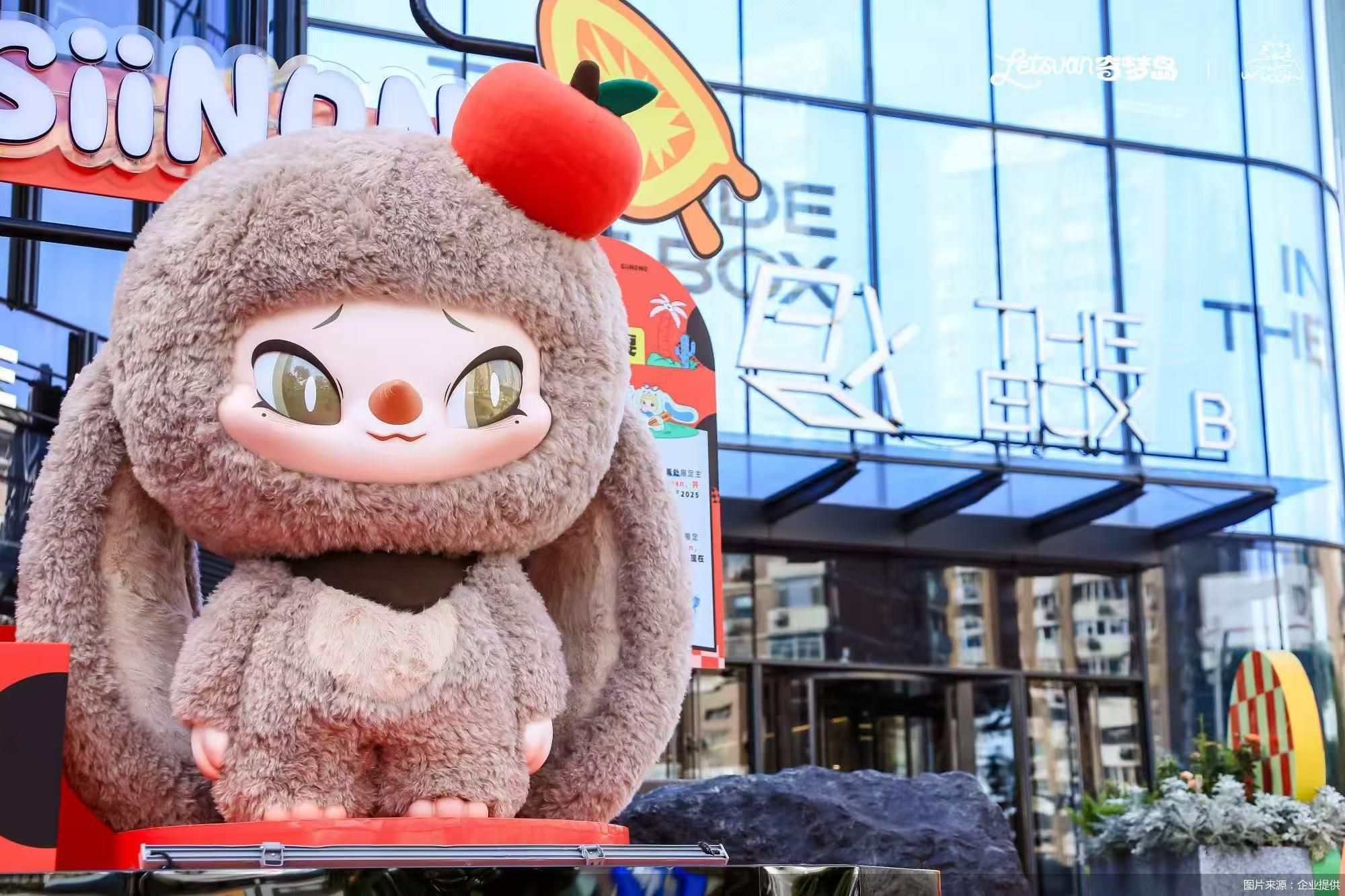
要不IP要不IPO,泛娱乐公司只有这两条活路
3 6 Ke· 2026-01-23 11:25
Core Viewpoint - The article discusses the challenges and dynamics of the entertainment and toy industry in Hong Kong, particularly focusing on the IPO prospects of six companies in the sector, highlighting concerns over their reliance on licensed IP and the sustainability of consumer habits [1][3][18]. Group 1: Industry Dynamics - Since 2025, six entertainment companies have filed for IPOs in Hong Kong, including major players like 52TOYS and TOP TOY [1]. - Despite stable performance, the valuation of new consumer stocks in Hong Kong continues to decline, reflecting investor concerns about the sustainability of the business model [1][3]. - The core focus has shifted to whether the leading concept, Pop Mart, can maintain high growth, which is a significant concern for new consumer sectors [1][3]. Group 2: IP and Revenue Contribution - Licensed IP has become a crucial contributor to the performance and growth of related companies, but rapid acquisition of IP before going public poses long-term risks [3][6]. - Companies face pressure from investors to list, but reliance on external licensed IP and negative social sentiment regarding irrational consumption complicates the IPO process for toy companies [3][6]. - The article suggests a shift towards a model of "developing, licensing, and selling" self-owned IP, indicating a trend in the content and toy industries [3][22]. Group 3: Financial Metrics and Performance - Among the six companies, the gross profit margins vary significantly, with card companies like 卡游 and Suplay showing margins of 67.3% and 69.5%, while toy companies range from 30% to 40% [9][10]. - The ratio of licensed IP revenue to licensing costs is a key indicator of a company's IP operational capability, with companies like TOP TOY and 金添动漫 demonstrating effective value from their licensed IP [9][10]. - Many companies have seen a surge in licensing costs prior to their IPOs, indicating a rush to build an "IP matrix" [12][14]. Group 4: Market Sentiment and Regulatory Concerns - The article highlights two major concerns in the toy industry: reliance on external licensed IP and societal pressures regarding consumer behavior, which could limit profitability [18][21]. - Regulatory pressures are seen as a more significant long-term concern compared to reliance on licensed IP, as companies like 卡游 have adjusted their narratives to avoid sensitive topics [18][21]. - The failure of 卡游's second IPO attempt has led other companies to adopt more cautious communication strategies regarding their consumer demographics [21]. Group 5: Future of IP Economy - The future of the IP economy is uncertain, with the article suggesting that while the industry remains vibrant, not all companies will thrive [22][29]. - The relationship between content creation and toy production is expected to become increasingly intertwined, with a focus on creating long-lasting and valuable IP [29]. - The article emphasizes the need for companies to develop strong IP selection capabilities and to consider licensing from the early stages of IP development [29].

从TOP TOY招股说明书,看潮玩集合品牌的增长空间
Changjiang Securities· 2026-01-18 07:38
Investment Rating - The report maintains a "Positive" investment rating for the industry [4] Core Insights - The Chinese潮玩 (trendy toy) industry is experiencing significant growth, with TOP TOY projected to achieve a GMV of 2.4 billion RMB in 2024, reflecting a compound annual growth rate (CAGR) of over 50% from 2022 to 2024 [10] - The global潮玩 market is expected to reach 38 billion USD by 2024, with a CAGR of 14% from 2019 to 2024, indicating a shift towards emotional consumption [11] - TOP TOY's business model leverages its parent company's retail expertise and emphasizes self-developed products, aiming for a self-research product ratio of over 50% by 2024 [12] Industry Growth - The潮玩 industry is witnessing a transition from functional attributes to emotional consumption, with strong growth in搪胶毛绒 (PVC plush) and手办 (figurines) categories [11] - By 2024, the Chinese潮玩 market is expected to account for 22% of the global market, increasing to 28% by 2030 [11] - The competitive landscape is characterized by a few dominant players, with TOP TOY ranked as the third-largest潮玩 retailer in China [28] Company Overview - TOP TOY has established a comprehensive IP matrix, combining self-owned, licensed, and third-party IPs to drive product diversity [57] - The company is expanding its international presence, with plans to open stores in Asia, including Japan and Southeast Asia [12][89] - TOP TOY's revenue is projected to reach 1.9 billion RMB in 2024, with a net profit of 294 million RMB, reflecting a year-on-year growth of 38% [10][12] Financial Performance - TOP TOY's revenue growth is supported by a strong increase in self-developed products and a diversified product matrix, with a significant portion of revenue coming from self-owned IPs [41][57] - The company is expected to achieve a net profit margin of 38% in 2024, indicating effective cost management and operational efficiency [12][44] Market Dynamics - The盲盒 (blind box) segment is projected to dominate the潮玩 market, with an expected market size of 58 billion RMB by 2025, accounting for 65% of the global market share [33][36] - The pricing strategy for盲盒 is shifting towards higher-end products, with a significant portion of sales occurring in the 50-200 RMB range [34] - The consumer demographic for盲盒 is predominantly young, with 40% of buyers aged 18-24, highlighting the importance of targeting this age group [35]

2025中国潮玩出海行业报告:引领全球风潮
Sou Hu Cai Jing· 2026-01-10 02:30
Core Insights - The report highlights the rise of Chinese潮玩 (trendy toys) brands in the global market, driven by emotional consumption trends and innovative cultural export models [1][17] - Chinese潮玩 companies are successfully penetrating mature markets in Europe and North America, as well as emerging markets in Southeast Asia, leveraging unique IP operations and efficient supply chains [1][3] Group 1: U.S. Market Dynamics - The U.S. economy is experiencing a "K-shaped" recovery, where high-income consumers show resilience while low-income groups face pressure from inflation and employment fluctuations [2][21] - The "healing economy" trend is gaining traction, with潮玩 products like blind boxes and plush toys providing emotional value and social engagement, leading to increased demand [2][21] - Chinese潮玩 brands, such as Pop Mart, differentiate themselves by offering original IPs and innovative product formats, achieving a price range of $20 to $40, appealing to various income levels [2][21] Group 2: Southeast Asia Market Opportunities - Southeast Asia is viewed as a blue ocean market for潮玩, characterized by a young population, high internet penetration, and strong consumer upgrade intentions [3][4] - The success of Pop Mart's LABUBU toy in Thailand, following a social media endorsement by local celebrity Lisa, exemplifies the alignment of潮玩 with local youth culture [3][4] - Despite challenges such as fluctuating external tariffs and internal political complexities, Chinese brands are advancing into this market with localized designs and a multi-channel approach [3][4] Group 3: Company Strategies and Differentiation - Pop Mart focuses on building a comprehensive IP ecosystem, from creation to sales, aiming to transform short-term trends into long-lasting IPs through various media [4][5] - Miniso leverages its global retail network and supply chain efficiency to act as a high-efficiency IP monetization platform, enhancing store performance through strategic IP collaborations [4][5] - TOP TOY, as a rising player, benefits from synergies with Miniso, focusing on product development while utilizing Miniso's sales channels for rapid market expansion [5][6] Group 4: Cultural and Economic Shift - The success of Chinese潮玩 brands signifies a shift from "Made in China" to "Emotional Brands from China," emphasizing universal emotional connections rather than relying solely on traditional cultural narratives [6][17] - Chinese companies are combining mature supply chains with innovative business models and original designs, transitioning from traditional manufacturing roles to becoming key players in the global潮玩 industry [6][17]