日元贬值

Search documents
不用辞职了?高市将目光看向中国,允许日元贬值,美元被釜底抽薪
Sou Hu Cai Jing· 2026-02-05 02:41
Group 1 - Japanese Prime Minister Sanna Takashi has faced domestic economic pressures and international relations challenges since taking office in October 2025, but has stabilized her position through a coalition with the Japan Innovation Party [1] - Takashi announced the dissolution of the House of Representatives on January 23, 2026, with elections scheduled for February 8, 2026, viewing this as an opportunity to consolidate power and enhance negotiation leverage with China [3] - The trade relationship between Japan and China has deteriorated, with a 5% decline in trade volume in 2025 compared to 2024, and a significant impact on Japan's semiconductor and electronics industries due to China's export restrictions on dual-use items and rare earth materials [5][9] Group 2 - The depreciation of the yen has led to a 15% increase in costs for Japanese companies, with the yen falling to around 155 against the dollar, creating inflationary pressures that have raised consumer prices by over 10% [5][7][18] - Takashi's government has increased the defense budget to 9 trillion yen, raising concerns about Japan's fiscal deficit, which is already the highest among developed countries at 230% of GDP [9] - The global shift towards de-dollarization has been accelerated, with the use of the yuan in international trade rising significantly, indicating a structural challenge to the dollar's dominance [11][20]


A股异动,三大变数突然来袭
Zheng Quan Shi Bao· 2025-11-24 08:38
Group 1: Market Overview - The market today is weaker than expected, with A50 showing average performance despite a rebound in US stocks last Friday [1] - Core assets like Industrial Fulian and Ganfeng Lithium experienced significant declines, with some reaching their daily limit down [1][4] Group 2: Industrial Fulian - Industrial Fulian faced a sharp drop, contributing 7.63 points to the decline of the Shanghai Composite Index, indicating it accounted for over half of the index's drop [3] - The decline is attributed to rumors regarding Nvidia entering the L10 system and a downward revision of Q4 performance, which some institutions believe are unfounded [3] - Industrial Fulian reported that its Q4 operations are proceeding as planned, with no adjustments to profit targets and strong customer demand [3] Group 3: Ganfeng Lithium - Goldman Sachs downgraded Ganfeng Lithium's H-shares rating from neutral to sell, citing risks of declining lithium spot prices due to weak downstream market feedback and slowing inventory replenishment [4] - Despite improvements in the lithium market fundamentals, a prolonged inventory cycle in energy storage systems may offset some positive factors [4] Group 4: Japanese Financial Market - Japanese government bond yields continue to rise, with the 10-year yield above 1.78% and the 40-year yield reaching 3.678% [4] - Analysts suggest that potential intervention measures may not reverse the broad depreciation trend of the yen but could slow its decline [5] Group 5: A-Share Market Analysis - The A-share market is currently in a phase of adjustment, characterized by a combination of a mid-bull market consolidation, critical economic verification, and a performance policy vacuum [7] - Analysts indicate that the market's downward space is limited, and the best buying opportunity may still need to be awaited [8] - A potential bottoming point for the A-share market could be around the half-year line if it declines further [8]
日本长期债券遭抛售,日元套利交易若反转,恐殃及全球流动性
Di Yi Cai Jing· 2025-11-20 09:33
Group 1 - The Japanese government has announced a $110 billion fiscal stimulus plan, leading to a sell-off of long-term Japanese bonds and a surge in yields, with the 10-year bond yield reaching its highest level since the 2008 financial crisis [1][4] - The proposed supplementary budget of over 25 trillion yen (approximately $161 billion) aims to fund the stimulus plan, significantly exceeding last year's additional budget of 13.9 trillion yen [4] - Analysts express concerns that the rising bond yields reflect a lack of confidence in Japan's sovereign debt sustainability, as the country's debt burden is about 250% of its GDP [5] Group 2 - The depreciation of the yen and rising bond yields may trigger a reversal of approximately $20 trillion in yen carry trades, posing a threat to global risk assets [3][7] - The yen has weakened against the dollar, falling below 155 yen for the first time since February, while the Nikkei 225 index experienced its largest single-day drop since April [5][6] - The Bank of Japan's potential delay in interest rate hikes, combined with fiscal expansion, could further pressure the yen and increase import costs, complicating the government's efforts to manage inflation [6][7] Group 3 - The rise in long-term Japanese bond yields could lead to forced liquidation of yen carry trades, which may impact global liquidity and risk assets [7][8] - Historical correlations suggest that unwinding yen carry trades could lead to declines in the S&P 500 and emerging market currencies, with potential drops of 1% to 3% in the latter within 30 days [8] - The tightening of liquidity may adversely affect all risk assets, including technology stocks and cryptocurrencies, as investors begin to hedge risks [8]
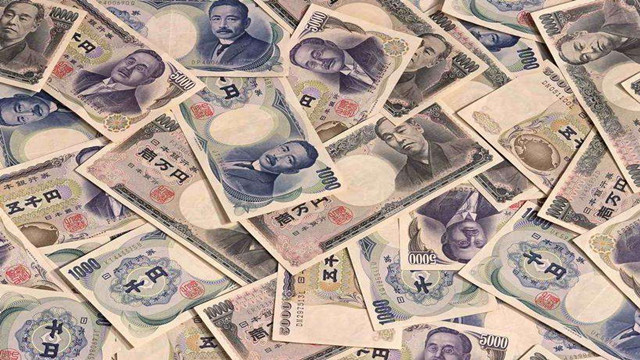
日元贬值,日本股市大跳水
第一财经· 2025-11-18 03:39
Core Viewpoint - The Nikkei 225 index experienced a significant decline, dropping over 1000 points in intraday trading, primarily due to the downturn in technology stocks and concerns regarding the U.S. economic outlook [3]. Group 1: Market Performance - On November 18, the Nikkei 225 index fell more than 2% during intraday trading, following a previous day's close that saw a decline of 0.1% and an intraday drop exceeding 1% [3]. - Stocks related to department stores, transportation, and tourism faced heavy selling pressure from investors [3]. Group 2: Currency Trends - The euro against the yen surpassed the 180 mark, marking the first time since 1999 that the yen has fallen into this range [5]. - Concerns over Japan's deteriorating fiscal situation have led to increased selling of the yen, compounded by the government's plans to implement economic measures exceeding the previously estimated 17 trillion yen [5].

日元贬值惊动华盛顿?美财长微妙施压:现在全看日本央行
Jin Shi Shu Ju· 2025-10-16 06:29
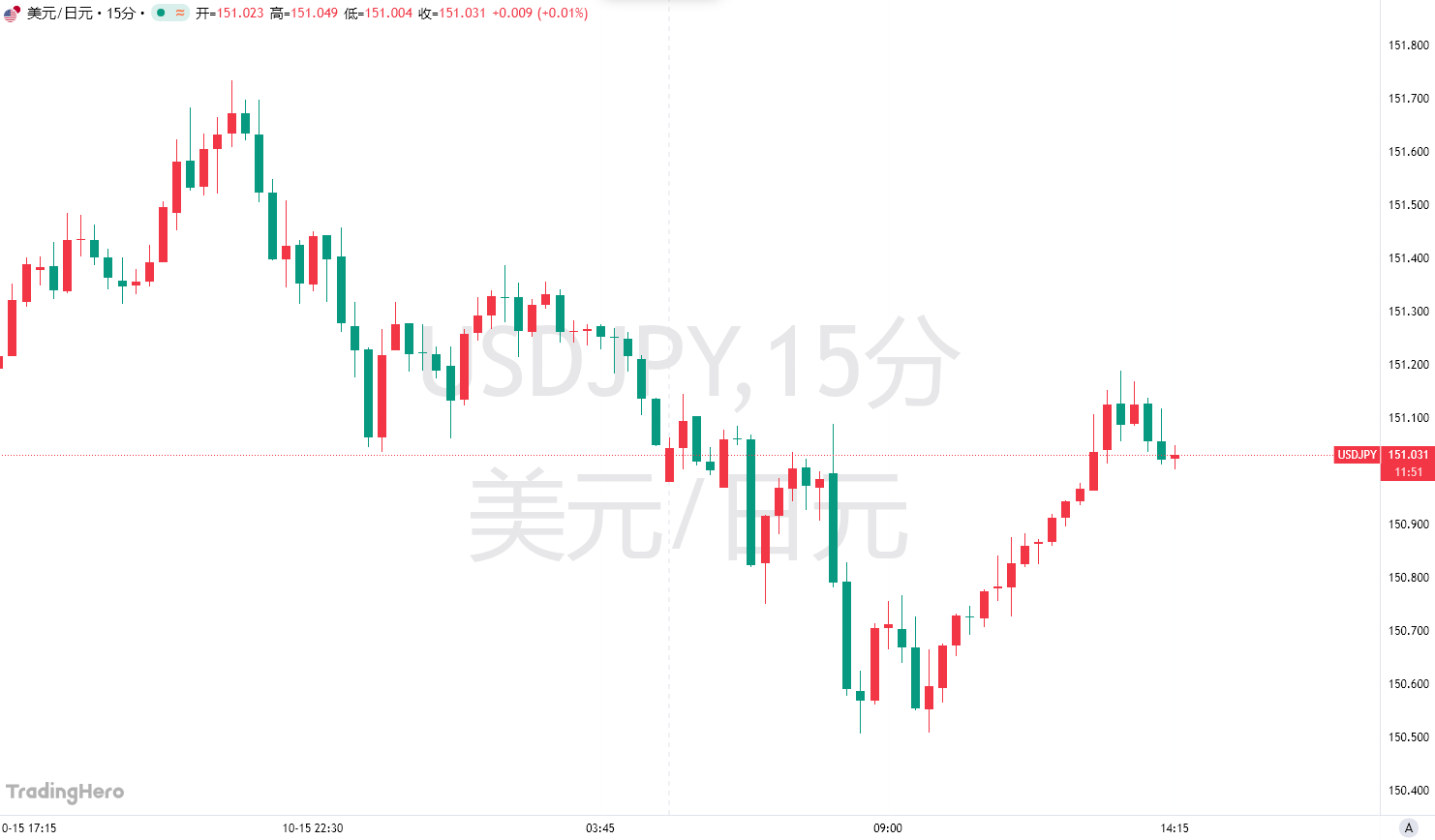
Core Viewpoint - The U.S. Treasury Secretary, Yellen, indicated that the Japanese yen could stabilize at an appropriate level if the Bank of Japan continues its correct monetary policy, amidst concerns over the yen's rapid depreciation [1][4]. Group 1: Yen Depreciation and Market Reactions - The yen's depreciation rate is at least twice that of other major currencies, reaching a low of 153.27 against the dollar on October 10, which has cooled speculation about a recent interest rate hike by the Bank of Japan [1]. - The dollar-yen exchange rate rebounded to around 151 before the European market opened on Thursday [1]. - Japanese Finance Minister Kato Masanobu acknowledged the yen's rapid movement towards weakness, supporting the currency's outlook [3]. Group 2: Monetary Policy and Economic Outlook - Yellen refrained from commenting on the specific level of the yen or the upcoming policy decision by Bank of Japan Governor Ueda Kazuo, but noted Ueda's capabilities [4]. - Hawkish member of the Bank of Japan, Tamura Naoki, suggested that inflation trends may reach targets sooner than the bank currently anticipates, despite political instability reducing the likelihood of a policy tightening this month [5]. - Market expectations for a rate hike this month have dropped significantly, with only a 15% probability as of Thursday, down from 70% at the end of the previous month [5]. - Former Bank of Japan Executive Director, Kamezawa Kazuo, indicated that if the yen depreciates to 155 or lower against the dollar, a rate hike could be likely, especially with the new government potentially accepting such actions to mitigate inflation pressures [5].
找不到稳定工作不是你的错
Hu Xiu· 2025-10-10 07:20
Core Points - The article discusses the rise of non-regular employment in Japan, particularly focusing on the "lost generation" who entered the job market during the economic downturn of the late 1990s and early 2000s, leading to a significant increase in non-regular workers from 8.81 million in 1990 to over 20 million by 2016 [2][4] - It highlights the systemic issues that have led to this phenomenon, including government policies favoring flexible employment and the impact of neoliberal reforms on job security and income inequality [4][6] Group 1: Employment Trends - The increase in non-regular employees began in the mid-1990s, with many graduates unable to find stable jobs, leading to a significant portion of the workforce remaining in non-regular positions well into their 40s [1][2] - The proportion of non-regular employees who are "involuntary" is notably high, with 70.7% of men and 57.6% of women in non-regular positions not choosing this path voluntarily [2][3] - The "lost generation" faces stark disparities in marriage rates compared to regular employees, with only 24.4% of non-regular male employees married by age 30-39, compared to 69.3% of regular employees [2] Group 2: Socioeconomic Implications - The article points out that the rise of non-regular employment has contributed to the creation of a "lower class" in Japan, characterized by low education and income levels, with a significant number of single women and single mothers [3][4] - The neoliberal reforms initiated in the 1980s have led to a labor market that favors low-cost, flexible employment, exacerbating the issues faced by the lost generation [4][5] - The widening income gap and the perception of poverty as a personal failure are prevalent, with a significant portion of the lower class internalizing the belief that their economic struggles are due to a lack of effort rather than systemic issues [12][13] Group 3: Political and Economic Context - The article discusses how political decisions, particularly tax reforms favoring corporations and the wealthy, have contributed to the growing income inequality and the challenges faced by the lower class [6][12] - It emphasizes the low political engagement of the lost generation, which is paradoxical given their direct experience with the consequences of neoliberal policies [8][9] - The concept of "parental gacha" reflects the deterministic view of socioeconomic mobility in Japan, where individuals feel their fortunes are largely dictated by their family background [10][11]

刚赢得选举,高市致命弱点曝光,特朗普犯下错误,中方先发制人
Sou Hu Cai Jing· 2025-10-08 07:08
Core Viewpoint - The election of Kishi Sanae has revealed potential weaknesses, with significant market reactions indicating both optimism and concern regarding her economic policies and political challenges [1][3]. Economic Policy - Kishi's economic stance continues the "Abenomics" approach, advocating for monetary easing and increased fiscal spending, but Japan is currently facing around 3% inflation, which poses a risk of further inflation if such policies continue [3][10]. - The Japanese stock market surged 5% to a historical high of 47,000 points following her election, while the yen depreciated sharply, falling below 150 against the dollar, and long-term bond yields reached their highest since 2008, indicating a split sentiment in the markets [1][3]. Political Landscape - Kishi faces political challenges as the ruling Liberal Democratic Party has lost its absolute majority in both houses, making it difficult to push through policies without cooperation from opposition parties [3][10]. - Her strong nationalist stance complicates potential collaborations with centrist parties, as her right-wing positions are largely unacceptable to them [3][5]. Foreign Relations - Kishi's foreign policy is marked by a strong nationalist image, particularly regarding China and Taiwan, which has led to domestic controversy and could strain international relations [5][10]. - Trump's congratulatory message mistakenly referred to Kishi as Japan's first female Prime Minister, highlighting a misunderstanding of Japanese political structure and potentially complicating U.S.-Japan relations [7][9]. - China has proactively responded to Kishi's election with three clear demands regarding historical issues and Taiwan, setting a cautious tone for future Sino-Japanese relations [9][10]. Broader Implications - Kishi's victory does not signify a new beginning but rather the continuation of existing challenges, including economic pressures, political divisions, and diplomatic complexities [10].

全球2340万百万富翁中,美790万名,日399万名,中国出人意料!
Sou Hu Cai Jing· 2025-08-18 23:58
Group 1: Global Wealth Distribution - In 2024, there are 23.4 million millionaires globally, with the US leading at 7.9 million, followed by Japan with 3.99 million, and China with 1.5 million [1] - The wealth distribution among these countries reveals stark economic realities and social disparities [1] Group 2: Japan's Economic Challenges - Japan has the highest proportion of millionaires globally, with one in every 30 people being a millionaire, but faces significant economic challenges [3] - Rising prices, including a 44.7% increase in rice prices, have led to the highest Engel coefficient in 42 years, indicating increased financial strain on households [3][5] - 27% of Japanese households have zero savings, highlighting a severe wealth gap despite the apparent prosperity of the stock market [5] Group 3: US Wealth Dynamics - The US has 7.9 million millionaires, with an increase of 560,000 in 2024, averaging over 1,000 new millionaires daily [6] - High inflation is eroding the purchasing power of American millionaires, with their actual purchasing power being half of what it was 30 years ago [8] - Wealth distribution is highly unequal, with the top 10% holding 71% of the wealth, while the bottom 50% share only 2.5% [8] Group 4: China's Wealth Landscape - China has 1.5 million millionaires, which is only 19% of the US total, but the purchasing power of the yuan presents a different wealth scenario [9] - Beijing has 728,000 affluent families, representing 15% of the ultra-high-net-worth population in China [9] - Despite a 1% decrease in the total number of millionaires in 2024, the total wealth increased by 2.4%, with an average of 380 new millionaires daily [9] Group 5: Future Wealth Outlook - The US wealth advantage is closely tied to dollar hegemony, with potential risks if countries reduce their reliance on US debt [10] - Japan faces challenges from import dependency and an aging population, which could reduce its millionaire count [10] - China's strong internal growth and rising valuations in tech sectors suggest a robust future for its wealth distribution, especially in first-tier cities [10]
日元贬值助推,日本2024年电子零部件出货回暖
日经中文网· 2025-03-05 03:48
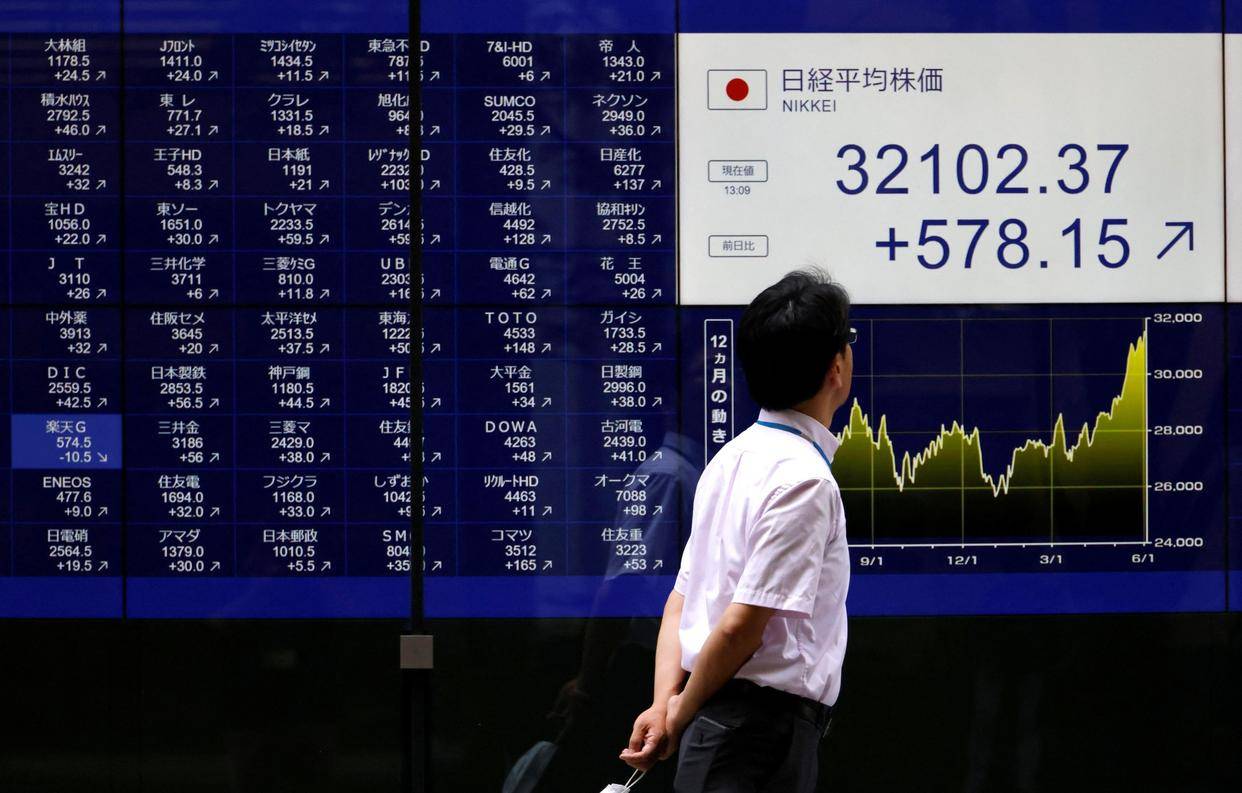
Core Insights - The demand for electronic components in data centers is significantly driven by the growth of artificial intelligence, with a notable increase in shipments of inductors and capacitors [1][2] - The total shipment value of electronic components in Japan for 2024 is projected to be 4.4844 trillion yen, reflecting a year-on-year growth of 3% [1] - The electronic components industry is expected to achieve positive growth due to the recovery of the industrial equipment market and steady demand from AI applications [1] Summary by Sections Shipment Growth - In 2024, 7 out of 11 categories of electronic components saw an increase in shipment value compared to the previous year, with inductors and capacitors growing by 14% and 7% respectively [1] - The December shipment value for electronic components was 367.3 billion yen, marking a year-on-year increase of 6% [2] Component Breakdown - Capacitor shipments reached 124.8 billion yen, while inductor shipments totaled 33.4 billion yen, with respective year-on-year growth rates of 10% and 14% [2] - Connectors also experienced a year-on-year growth of 7%, reaching 50.3 billion yen [2] Future Projections - The Japan Electronics and Information Technology Industries Association forecasts that the value of electronic components produced by Japanese companies will reach 11.2142 trillion yen by 2025, representing a 6% increase year-on-year [1] - The electronic components sector is expected to maintain competitiveness, accounting for approximately 30% of global production value [1]