New Energy Vehicles

Search documents
春节假期充电焦虑有效缓解
Jing Ji Ri Bao· 2026-02-27 22:23
服务理念与协同应急能力提升。交通运输部、国家能源局等部门联合印发春运保障方案,一方面,结合 历史数据和出行规律,提前梳理形成充电特别繁忙服务区清单,通过对其实行"一区一策",增设移动式 应急充电设备、将新能源汽车引导至对向或前向服务区充电等举措,有效满足车主充电需求;另一方 面,通过升级"e路畅通"小程序,实时发布桩位信息,变"车找桩"为"桩追车",智慧调度让资源利用更 高效。 春节假期时间延长,公众出行意愿增强,巨大的补能需求既是我国新能源汽车产业蓬勃发展的映射,更 是对我国高速公路充换电能力的极端"压力测试"。可通过此次极端"压力测试",表明我国高速公路日常 补能更有保障。平时高速公路车流平稳,充电桩利用率适中,车主基本不用排队;节假日高峰通过智慧 调度、应急支援也能满足需求,这种"平峰够用、高峰保供"的能力,正是我国新能源汽车产业与能源、 交通高效互动、共同进步的生动体现。 按照国家发展改革委、国家能源局等6部门联合印发的《电动汽车充电设施服务能力"三年倍增"行动方 案(2025—2027年)》,到2027年底,在全国范围内建成2800万个充电设施,提供超3亿千瓦的公共充 电容量,满足超过8000万辆电 ...

用好京津资源打造高能级科创平台
Xin Lang Cai Jing· 2026-02-26 22:49
京津冀协同发展战略实施以来,河北抢抓历史机遇,主动对接京津、服务京津,科技创新水平与能力显 著提升。从点对点项目合作,到共建创新平台、共组创新联盟系统推进,"京津研发、河北转化"模式日 益成熟。面向"十五五",河北要继续发扬改革创新精神,用足用好京津支撑条件,积极打造高能级科创 平台,推动更多科技成果落地转化,为高质量发展注入不竭动力。 转自:河北日报 用好京津资源打造高能级科创平台 (来源:河北日报) □师伟力 高能级科创平台是指具备高水平创新资源集聚、高能级创新策源、高效率成果转化能力的科技创新载 体。打造高能级科创平台,是提升区域创新能力、抢占科技竞争制高点的关键抓手,对于突破"卡脖 子"技术难题、培育战略性新兴产业、构建现代化产业体系具有重要意义。 传推介,营造崇尚创新、乐于合作的良好氛围;鼓励三地科研人员、企业家、投资人开展常态化交流互 动,凝聚协同创新共识,培育开放包容、合作共赢的区域创新文化。 以机制创新锻造高能级科创平台体系。聚焦科创平台体制机制创新与优化布局,构建更为灵活、高效、 富有韧性的区域创新治理体系,推动形成定位清晰、优势互补的高能级科创平台集群。积极探索跨区域 平台市场化法人治理模 ...
观车 · 论势 || 护航春运这“桩”事不再是难事
Zhong Guo Qi Che Bao Wang· 2026-02-24 09:30
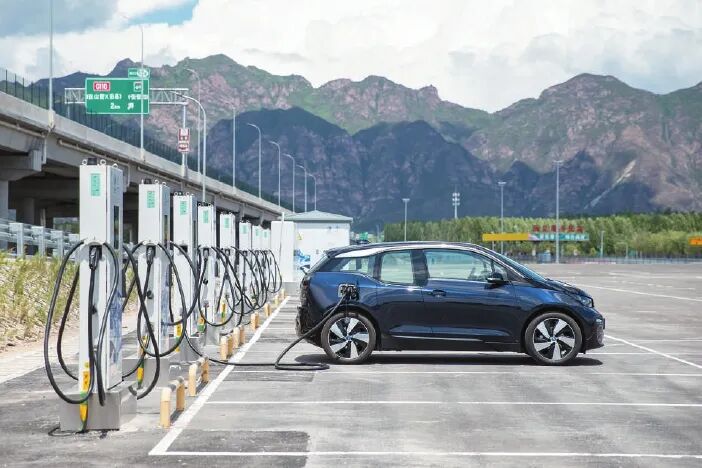
曾几何时,高速公路服务区节假日一度排长队充电,这也是很多新能源车主不愿回忆的"伤痛"。 但今年春运期间,这一旧景儿就要过时了。 交通运输部数据显示,2026年春运期间,全国高速公路网新能源汽车流量预计日均接近950万辆 次,新能源汽车出行比例越来越高。但随着多方面充电保障能力的提升,以往假期排长队充电的现象 或将成为历史。 数量不断增长的充电基础设施,成为新能源汽车春运出行的重要保障。主管部门公布的最新数据 显示,截至2025年底,全国高速公路服务区已建成电动汽车充电枪7.15万个,其中2025年新增2万 个,且计划2026年在全国高速公路服务区建设1万个以上充电枪,大功率充电枪占比不低于25%,重 点服务区新建充电设施原则上采用大功率设备。由此可见,高速公路充电网络的覆盖范围持续扩大, 充电设备数量也在持续增加,这为解决新能源汽车高速公路充电难提供了基础保障,也有效缓解了新 能源车主长途自驾出行的充电焦虑。笔者也注意到,春运开始之前,多地已经做好了充足准备,"充 电全覆盖""服务更完善"的字眼随处可见。 这两年,智能化在补能基础设施相关环节的应用,也在助力充电基础设施使用效率的提升。新能 源车主可以凭借手机 ...
29座万亿城市人均GDP出炉,南京首破20万,江苏成最大赢家
Sou Hu Cai Jing· 2026-02-10 11:10
Core Insights - Jiangsu Province has emerged as the leading region in China with five cities in the trillion-yuan GDP club, surpassing Guangdong, which has only four cities [2][11] - Nanjing's per capita GDP has exceeded 200,000 yuan for the first time, while Wuxi ranks third nationally, surpassing Shenzhen [2][8] - The total GDP of the 29 trillion-yuan cities exceeds 59.6 trillion yuan, accounting for 42.5% of the national economy [2] Economic Performance - Nanjing's GDP reached 1.94 trillion yuan in 2025, marking a significant growth driven by the integrated circuit industry and the production of new energy vehicles [6] - Wuxi's per capita GDP reached 217,000 yuan, ranking third among Chinese cities, driven by its strong IoT and integrated circuit industries [8][9] - Suzhou, Changzhou, and Nantong also show strong economic performance with significant contributions from their respective industries [10] Industry Development - Nanjing's economic growth is supported by the explosive growth of the integrated circuit industry, with over 300 supporting enterprises clustered around TSMC's factory [6] - Wuxi's IoT industry has surpassed 650 billion yuan, accounting for 1/8 of the national total, while its integrated circuit industry contributes 1/10 of the national output [9] - Suzhou's biopharmaceutical industry park has achieved a production value of over 350 billion yuan, and Changzhou's new energy vehicle production is significant [10] Regional Dynamics - All 13 cities in Jiangsu have GDPs exceeding 400 billion yuan, showcasing a balanced economic development across the province [10] - Jiangsu's economic model contrasts with Guangdong's, where there is a significant disparity in GDP among cities [11] - The integration of the Yangtze River Delta region has facilitated Jiangsu's industrial supply chain, with Jiangsu providing 45% of the intermediate goods for the region [11] Innovation and Competitiveness - Jiangsu's high-tech industry accounts for 52% of its total industrial output, with a strong emphasis on R&D investment [13] - The province has cultivated a complete industrial ecosystem, from basic research to large-scale production, fostering numerous "hidden champion" enterprises [16] - Jiangsu's pragmatic approach to economic development focuses on quality and efficiency rather than merely pursuing GDP growth [16]
春节开新能源车返乡,这份自驾安全攻略请收好!
Zhong Guo Qi Che Bao Wang· 2026-02-10 07:58
Core Viewpoint - The increasing popularity of electric vehicles (EVs) for family travel during the Spring Festival highlights the need for enhanced safety measures and systematic guarantees against unique risks associated with EVs, such as battery thermal runaway and charging anomalies [1] Group 1: Safety Testing Framework - The C-EVES (China Electric Vehicle Safety) testing framework was officially released, establishing a systematic evaluation system covering driving safety, battery safety, charging and discharging safety, and emergency safety [3] - This framework aims to promote the continuous upgrade of safety technologies and provide scientific and professional safety assessment standards for the EV industry [3] Group 2: Driving Safety Measures - The driving safety tests simulate scenarios such as simultaneous acceleration and braking, gear shifting errors, and unintended power-off during driving to assess the vehicle's ability to recognize risks and implement safety measures [5] - These measures are designed to ensure driving safety, particularly during long-distance travel when driver fatigue and operational errors are more likely [5] Group 3: Battery Safety Assessments - Battery safety tests include simulations of impacts from potholes and water immersion to evaluate the structural integrity, sealing performance, and insulation protection of the battery pack [6] - This ensures that the battery remains safe even in adverse conditions such as icy roads or construction zones [6] Group 4: Charging Safety Protocols - Charging safety tests cover various scenarios, including overcharging, microgrid fluctuations, short-circuit discharges, and charging in the rain [8] - These tests assess the vehicle's response capabilities and system recovery under abnormal charging conditions, ensuring safe electricity usage during travel [8] Group 5: Emergency Response Capabilities - Emergency safety tests focus on the vehicle's ability to respond to thermal events, including alarm systems, emergency door unlocking, smoke control, and thermal radiation protection [10] - The goal is to provide sufficient escape time for occupants and mitigate the spread of thermal runaway risks, thereby maximizing passenger safety [10] - The implementation of the C-EVES testing framework aims to enhance the safety of EV travel during the Spring Festival peak, ensuring a secure and warm return for consumers [10]
财政金融协同扩内需促消费,广东又有新动作!
Nan Fang Du Shi Bao· 2026-02-05 08:07
Core Viewpoint - Guangdong Province is implementing a comprehensive set of fiscal and financial policies to support the real economy, focusing on reducing financing costs and stimulating market vitality through a combination of "fund guidance + loan interest subsidies + risk sharing" [1] Group 1: Fiscal and Financial Policies - The Ministry of Finance launched a package of policies aimed at stimulating domestic demand, including four measures to support small and medium-sized enterprises (SMEs) with interest subsidies and guarantees, and one measure for personal consumption loan interest subsidies [2] - A loan interest subsidy policy for SMEs will provide a subsidy of 1.5% on principal for loans up to 50 million yuan, targeting 14 key industrial chains and sectors [2] - The equipment upgrade loan interest subsidy policy has been expanded to include additional sectors, maintaining a subsidy rate of 1.5% for up to two years [2][3] - The service industry loan interest subsidy policy has been expanded from 8 to 11 categories, increasing the maximum loan amount eligible for interest subsidies from 1 million yuan to 10 million yuan [3] - A special guarantee plan for private investment has been established with a total guarantee amount of 500 billion yuan, increasing the single credit guarantee limit from 10 million yuan to 20 million yuan [3] Group 2: Investment Guidance Fund - The Guangdong Provincial Strategic Emerging Industry Investment Guidance Fund has been established with a total scale of 100 billion yuan, with an initial phase of 50 billion yuan [5] - The fund aims to create a "long money long investment" policy system, providing stable long-term capital for the construction of a modern industrial system [6] - A three-tiered fund structure ("guidance fund - mother fund - sub-fund") is being developed to leverage fiscal funds and attract private investment [6] Group 3: Support for Manufacturing and High-tech Enterprises - Loan interest subsidies for manufacturing and high-tech enterprises will cover 35% of the loan interest rate, with a maximum annual subsidy of 20 million yuan [7] - The policy targets registered manufacturing enterprises and valid high-tech enterprises, focusing on areas such as factory construction, equipment purchase, and technological transformation [7] Group 4: Policy Synergy and Implementation - Guangdong's policies are designed to complement central policies, creating a synergistic effect that enhances overall support for SMEs and consumption [8] - The combination of provincial guidance funds with central interest subsidies and guarantee plans forms a comprehensive support system addressing financing challenges faced by enterprises [8] - Mechanisms for quarterly disbursement and streamlined processes are in place to reduce the policy implementation cycle and enhance the experience of market participants [9]
新能源新车销售量远超预期,绿色转型“加速度”从何而来?
Ren Min Ri Bao· 2026-02-05 02:10
Group 1 - By 2025, the sales volume of new energy vehicles in China is expected to exceed 50% of total new car sales, significantly surpassing the initial target of 20% set in 2020 [1] - The increase in non-fossil energy consumption is projected to rise from 16% in 2020 to over 20% by 2025, indicating a strong commitment to green energy [2] - China's forest coverage rate has exceeded 25%, making it the fastest-growing country in terms of afforestation globally [2] Group 2 - Traditional industries are transforming; for example, Taiyuan Iron and Steel Group has shifted focus to high-end stainless steel, showcasing innovation in a high-emission sector [3] - Various regions in China are leveraging their unique resources for green energy production, such as Inner Mongolia's wind power and Qinghai's solar energy, contributing to a comprehensive renewable energy industry [3] - The Ant Forest initiative has engaged millions of users in environmental actions, leading to the planting of over 600 million trees, reflecting a societal shift towards sustainable living [4] Group 3 - China's GDP is projected to exceed 140 trillion yuan in 2025, with a growth rate of 5.0%, while energy consumption per unit of added value in major energy-intensive industries has significantly decreased [4] - The shift towards green production is enhancing economic growth, demonstrating that high-quality development can be achieved without following the traditional path of pollution [4] - The ongoing green transformation is not only an environmental necessity but also a crucial aspect of future development, emphasizing the importance of sustainable practices [4]
Jiuzi Holdings, Inc. Further Deepens Cooperation with Xinhui Solar, with Xinhui Solar Planning an Additional US$30 Million Investment to Support Southeast Asia Expansion
Prnewswire· 2026-02-03 12:15
Core Viewpoint - Jiuzi Holdings, Inc. has deepened its strategic cooperation with Xinhui Solar Technology Group to enhance their collaboration in Southeast Asia's new energy infrastructure and electric vehicle service markets, supported by a planned US$30 million investment from Xinhui Solar [1][4]. Group 1: Strategic Cooperation - The two companies aim to leverage their strengths in new energy resources, technology, capital, and market development to advance EV charging infrastructure and energy management solutions in Southeast Asia [2]. - The cooperation will be implemented in a phased and project-based manner, focusing on scalability and replicability across the region [2]. Group 2: Joint Venture and Financial Support - A memorandum of understanding (MOU) has been established to guide future collaboration, with a proposed joint venture intended as a key platform for regional operations [3]. - The additional US$30 million investment from Xinhui Solar is expected to provide ongoing financial support for Jiuzi Holdings' strategy in Southeast Asia, contingent on relevant conditions and internal approvals [4].


车没上市AI黑稿已刷屏,起底新能源车圈黑水军产业链
Xin Lang Cai Jing· 2026-01-29 14:40
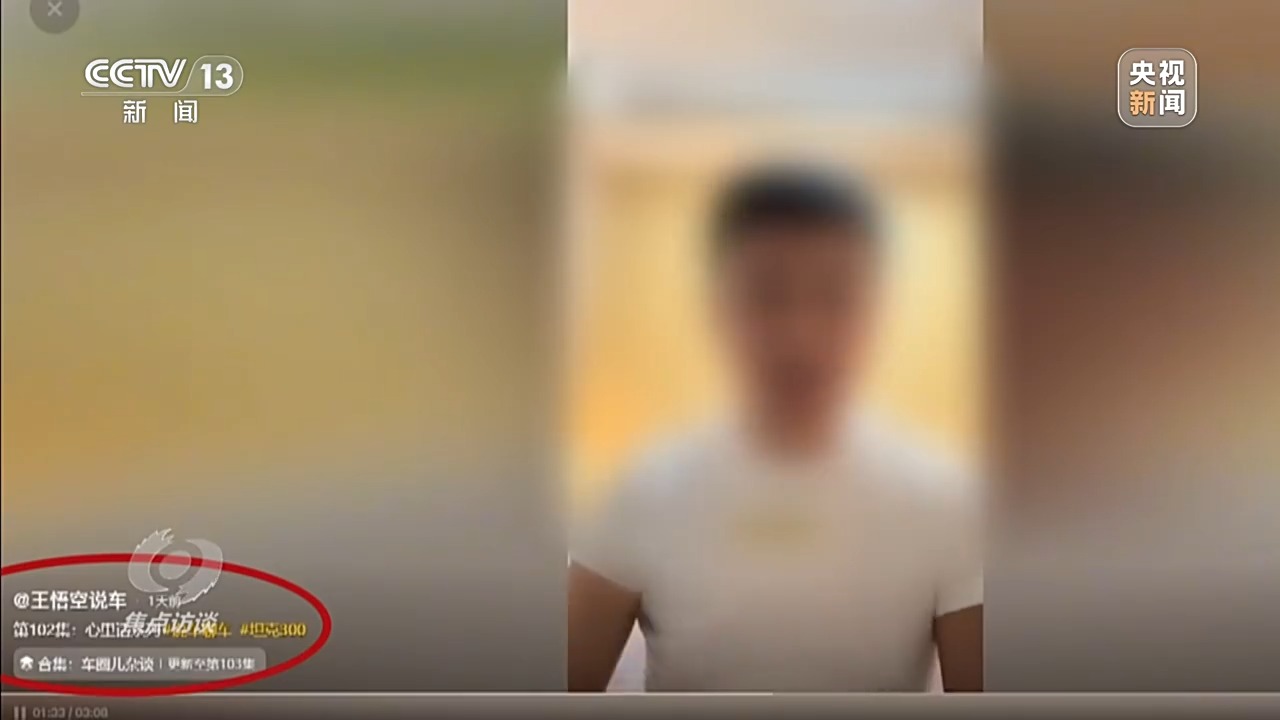
Core Viewpoint - The rapid growth of China's new energy vehicle (NEV) industry is accompanied by harmful practices such as malicious competition and misinformation, which hinder healthy industry development [1][9][11]. Industry Overview - By 2025, China's NEV production and sales are expected to exceed 16 million units, with NEVs accounting for over 50% of new car sales [1]. - The industry is experiencing a surge in malicious competition, with some influencers spreading false information to undermine competitors [1][10]. Regulatory Actions - Since September of last year, Chinese authorities have launched a special campaign to combat online misinformation and malicious attacks within the automotive sector [1][9]. - The National Internet Information Office has received over 28,000 complaints related to automotive industry infringements and has removed over 111,300 pieces of harmful content [10][11]. Impact of Malicious Practices - Malicious attacks not only damage individual brands but also threaten the overall integrity of the NEV industry [11][12]. - The prevalence of online misinformation is linked to unhealthy competition among car manufacturers, which has led to a toxic environment for fair competition [12][13]. Characteristics of Online Attacks - The attacks often involve organized efforts to discredit competitors, utilizing social media to spread negative information [10][14]. - Some influencers have been found to engage in coordinated campaigns to manipulate public perception, often for financial gain [15][18]. Use of Technology in Misinformation - The rise of AI technology has facilitated the rapid spread of false information, allowing for the mass production of misleading content [17][18]. - Influencers and content creators are using AI to generate deceptive reviews and comments, complicating the regulatory response [18][19]. Case Studies - A notable case involved the influencer "Wang Wukong Says Car," who was ordered to publicly apologize and compensate for defamation against a car brand [1][19]. - The court found that the influencer's statements contained false descriptions and derogatory evaluations that harmed the brand's reputation [19].
Kandi Technologies Enters into Strategic Cooperation with Qiji Energy, a Subsidiary of CATL
Globenewswire· 2026-01-29 08:01
Core Viewpoint - Kandi Technologies Group, Inc. has entered a three-year strategic cooperation agreement with Times Qiji Green Energy Technology to enhance the deployment of heavy-truck battery swap infrastructure, marking a significant step in the company's battery swapping business [1][4]. Group 1: Strategic Cooperation - China Battery Exchange will act as a strategic supplier to Qiji Energy, focusing on the layout, equipment selection, and manufacturing of mechanical and control systems for heavy-truck battery swap stations [2]. - The agreement includes integrated delivery and after-sales services, such as spare parts support, maintenance, servicing, training, and trial operations [2][6]. - This cooperation reinforces China Battery Exchange's position within CATL's global supplier ecosystem, showcasing its technical strength and mass-production capabilities [2]. Group 2: Battery Swap Network Development - Qiji Energy aims to deploy approximately 900 battery swap stations by 2026 as part of CATL's "Ten Thousand Station Plan," with China Battery Exchange playing a crucial role in this initiative [3]. - The collaboration combines CATL's brand recognition and battery technology with China Battery Exchange's R&D and manufacturing expertise, promoting efficient and large-scale implementation of battery swap infrastructure [3]. Group 3: Company Vision and Market Position - The CEO of Kandi Technologies emphasized that this strategic cooperation is a milestone for the battery swapping business, aiming for greater standardization, scalability, and sustainable operations [4]. - Kandi Technologies has consistently viewed battery swapping as a key component of its long-term strategy, focusing on innovation and practical applications for electric vehicles [4]. - The company expects to enhance its service capabilities in new energy infrastructure and support the commercialization of its battery swapping initiatives through this cooperation [6].