
digihuman(835670)

Search documents
政产学研医聚力!慕思“数字人体与智慧睡眠创新联合体”正式启航
Xin Lang Cai Jing· 2026-01-07 04:51
Group 1 - The "Dongguan Digital Human and Smart Sleep Innovation Consortium" led by Mousse Group has been officially registered with the Dongguan Science and Technology Bureau, marking a significant step in building a collaborative innovation platform focused on sleep health technology [1] - The consortium responds to the national strategy aimed at enhancing public health, bringing together industry players like Guangdong Sigu and Huawei Cloud, top universities such as Huazhong University of Science and Technology and Beihang University, and clinical institutions including Peking University Third Hospital [1] - The consortium aims to leverage Dongguan's strong furniture manufacturing base to focus on cutting-edge areas in artificial intelligence and health, developing a digital human and smart sleep technology system [1] Group 2 - Professor Yin Zhouping, the chief scientist of the consortium, has been elected as an academician of the Chinese Academy of Sciences, providing strong intellectual support for the consortium's development [2] - The consortium operates under a "dual leadership" model, with Professor Yin and Administrative Chief Chen Wenze at the helm, comprising over a hundred high-level talents from various fields including AI, clinical medicine, and industrial design [4] - The team will focus on seven core research topics related to smart health monitoring and sleep management, promoting technological innovation and product transformation [4] Group 3 - The consortium aims to advance sleep health management into a new phase of predictability and intervention, establishing a new paradigm for national health sleep [6] - It will deepen a collaborative innovation mechanism that integrates clinical guidance, technical breakthroughs, and design empowerment, focusing on overcoming key technological bottlenecks [6] - The initiative seeks to accelerate the transformation of cutting-edge research into internationally leading health sleep products, providing a replicable model for technological innovation and upgrading in China's health sleep industry [6]



数字人民币的特性
Sou Hu Cai Jing· 2026-01-07 03:50
Group 1 - Digital Renminbi is a digital form of legal currency issued by the People's Bank of China, operated by designated institutions, based on a broad account system, supporting loosely coupled bank account functions, and is equivalent to physical Renminbi with value characteristics and legal tender status [3] - In the era of digital Renminbi, it is considered "money," and once fully promoted, no merchant can refuse to accept it, and it can be used without internet access, with no service fees for exchanging paper currency [5] - The issuance cost of digital Renminbi is reduced as it does not require printing paper, ink, or printing machines, and it eliminates the high costs associated with recovering worn-out physical currency [7] Group 2 - Each electronic Renminbi transaction is recorded, which significantly aids in combating illegal activities [9] - Currently, digital Renminbi has established a coverage model in various fields including wholesale and retail, catering, education and healthcare, public services, social governance, rural revitalization, and cross-border settlement, featuring a replicable application model that combines both account and blockchain systems, hardware and software wallet compatibility, and universal mixed currency capabilities for online, offline, and offline payments [12]

高燕飞:探索数字人才“引育留用”新路径
Jing Ji Ri Bao· 2026-01-07 00:02
Group 1 - The core viewpoint of the article emphasizes the importance of developing a digital talent workforce to support the construction of a digital China and digital economy, highlighting the need for integration between education, talent, industry, and innovation chains [1][3] - The new generation of technological revolution is reshaping the global competitive landscape, shifting international cooperation from simple technology introduction and talent training to ecological co-construction and capability symbiosis [1][2] - The article discusses the need for cultivating composite talents through ecological co-construction, where digital technologies empower various industries, requiring higher composite capabilities from digital talents [1][2] Group 2 - The article outlines the importance of nurturing innovative talents through functional expansion, focusing on sustainable infrastructure for digital economy international cooperation [2] - It highlights the necessity of establishing a global governance framework for artificial intelligence and data elements, indicating a shift towards rule co-construction and standard coordination in international cooperation [2] - The article identifies challenges in the current talent cultivation ecosystem, such as the disconnect between talent training and industry needs, insufficient international practice platforms, and a lack of high-level talents with both technical skills and governance awareness [3][4] Group 3 - The article suggests optimizing the cultivation mechanism by enhancing practical orientation and deepening international cooperation to achieve the integration of education, talent, industry, and innovation chains [3] - It advocates for a collaborative training model involving government, universities, enterprises, and international organizations to create specialized colleges and joint laboratories [3][4] - The establishment of long-term cooperation mechanisms is emphasized, promoting sustainable platforms for knowledge transfer and technological collaboration [4]
数字人民币升级,如何影响你我
Ren Min Ri Bao Hai Wai Ban· 2026-01-06 22:59
1月1日,新一代数字人民币计量框架、管理体系、运行机制和生态体系正式启动实施,数字人民币迎来 了2.0版。 市民在北京乘坐滴滴青桔单车后,使用数字人民币支付车费。靳安然摄 新版最大的变化在于数字人民币钱包中的余额可计付利息。这一变化意味着数字人民币从数字现金升级 为数字存款货币,数字人民币钱包里的钱可以像活期存款一样产生利息了。 专家表示,这将有助于提高用户使用数字人民币的意愿,也将拓展数字人民币的使用场景,并进一步巩 固中国在全球央行数字货币探索中的领先地位。 不仅可付息,更是生态体系全面调整 在总结十年研发试点经验基础上,中国人民银行于近日出台《关于进一步加强数字人民币管理服务体系 和相关金融基础设施建设的行动方案》(以下简称《行动方案》),数字人民币迎来升级。 升级后的数字人民币,有哪些变化? 最直观的变化是数字人民币可以付息了。《行动方案》明确,银行机构为客户实名数字人民币钱包余额 计付利息,遵守存款利率定价自律约定。 工商银行、农业银行、建设银行、中国银行、邮储银行、交通银行在2025年12月31日相继发布公告,将 开立在该行的数字人民币实名钱包余额按照银行活期存款挂牌利率计付利息,计结息规则与活期 ...

探索数字人才“引育留用”新路径
Xin Lang Cai Jing· 2026-01-06 22:38
Group 1 - The core viewpoint emphasizes the importance of developing a digital talent workforce to support the construction of a digital China and digital economy, highlighting the need for integration between education, talent, industry, and innovation chains [1][3] - The new generation of technological revolution is reshaping global competition, shifting international cooperation from mere technology introduction and talent training to ecological co-construction and capability symbiosis [1][2] - The cultivation of composite talents is essential as digital technologies empower various industries, requiring higher demands for cross-disciplinary capabilities and international perspectives [1][2] Group 2 - The focus on nurturing innovative talents through sustainable infrastructure in international cooperation is crucial, with a specific example of a partnership between a Chinese AI service provider and a Malaysian institution to develop an AI service platform by 2025 [2] - The establishment of a global governance framework for AI and data elements is necessary, with China's "AI+" global cooperation being a key action to enhance international dialogue and contribute to global AI governance [2][3] - The current challenges in digital talent cultivation include a disconnect between talent training and industry needs, insufficient international practice platforms, and a lack of high-level talents with both technical skills and governance awareness [3][4] Group 3 - A systematic optimization of the talent cultivation mechanism is needed, focusing on practical orientation and deepening international cooperation to achieve the integration of education, talent, industry, and innovation chains [3][4] - The promotion of collaborative training models involving government, universities, enterprises, and international organizations is essential to create a complete chain from knowledge transfer to capability refinement [3][4] - Establishing long-term cooperation mechanisms and innovative models for industry-education integration is vital to ensure the continuity of knowledge transfer and technology collaboration [4]
升级的数字人民币,有什么不一样?
Sou Hu Cai Jing· 2026-01-06 20:13
Core Viewpoint - The digital renminbi is transitioning from a "digital cash" era to a "digital deposit currency" era, starting from January 1, 2026, when wallet balances will begin to earn interest like demand deposits [1][3]. Group 1: Digital Renminbi Overview - Digital renminbi is a digital form of legal currency issued by the People's Bank of China, equivalent to physical renminbi, and has value characteristics and legal tender status [3]. - The upgrade from version 1.0 to version 2.0 signifies a leap in functionality, allowing digital renminbi to serve as "digital demand deposits" [3]. Group 2: Benefits for Consumers - The upgrade enhances consumer convenience in three main aspects: "benefit," "convenience," and "security" [5]. - "Benefit" refers to the ability of real-name digital renminbi wallets to earn interest at the bank's demand deposit rate, increasing user willingness to hold digital renminbi [5]. - "Convenience" includes features like "dual offline payment," enabling transactions without internet access through NFC technology [5]. - "Security" is highlighted by the deposit insurance protection for amounts up to 500,000 yuan, equating the safety level to that of bank deposits [5]. Group 3: Regulatory and Strategic Significance - Digital renminbi adheres to the principle of "small amount anonymity, large amount traceability," addressing public needs while enhancing regulatory capabilities against fraud and money laundering [6]. - It is positioned not as a competitor but as a complementary tool to existing payment platforms like WeChat and Alipay, potentially leading to new business models [6][7]. - From a national perspective, digital renminbi has significant strategic implications, including ensuring financial security, promoting the internationalization of the renminbi, enhancing regulatory capabilities, and fostering inclusive finance [8].
升级的数字人民币有什么不一样
Xin Lang Cai Jing· 2026-01-06 18:32
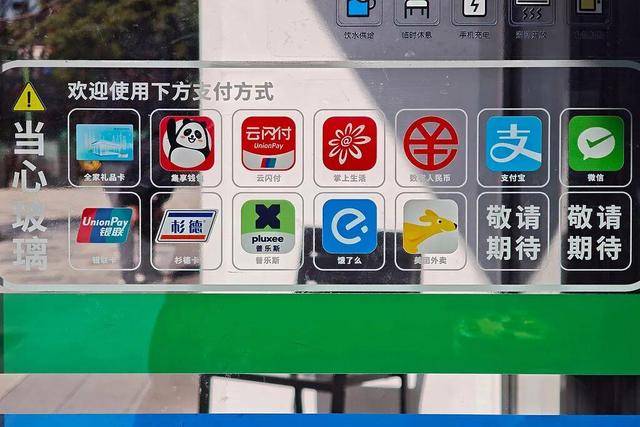
Core Viewpoint - The digital renminbi will start accruing interest on wallet balances as of January 1, 2026, marking a significant transition from "digital cash" to "digital deposit currency" after over a decade of development and trials [1]. Group 1: What is Digital Renminbi - Digital renminbi is a digital form of legal currency issued by the People's Bank of China, equivalent to physical renminbi, and backed by state credit [1]. - The upgrade from version 1.0 to version 2.0 signifies a leap in functionality, transforming it from "digital cash" to "digital demand deposits" [1]. - Digital renminbi fundamentally differs from virtual currencies, as it is a state-backed legal tender, while virtual currencies are decentralized and highly volatile [1]. Group 2: Benefits for Consumers - The upgrade enhances consumer experience through three main aspects: "interest," "convenience," and "security" [2]. - "Interest" refers to the ability of real-name digital renminbi wallet balances to earn interest at the bank's demand deposit rate, increasing user willingness to hold digital renminbi [2]. - "Convenience" includes features like "dual offline payment," allowing transactions without internet access via NFC technology [2]. - "Security" is highlighted by the fact that wallet balances up to 500,000 yuan are insured, matching the safety level of bank deposits [2]. - The "smart contract" feature of digital renminbi can effectively protect consumer interests in prepaid scenarios [2]. - Digital renminbi adheres to the principle of "small anonymous, large traceable," catering to public needs while supporting regulatory requirements [2]. Group 3: Strategic Significance at the National Level - Digital renminbi holds significant strategic importance for the country, ensuring financial security and maintaining payment system functionality in extreme situations [3][4]. - It promotes the internationalization of the renminbi, facilitating easier settlement and clearing in international transactions [3][4]. - As the first major economy to position central bank digital currency as interest-bearing deposit currency, China strengthens its leading role and influence in global digital currency regulations [3][4]. - It enhances regulatory capabilities to combat money laundering and tax evasion through high traceability [4]. - Digital renminbi fosters inclusive finance, providing basic financial services to unbanked populations, contributing to common prosperity [4].
天亿马:数字人民币的跨境结算、资产数字化等场景,与公司核心能力高度契合
Zheng Quan Ri Bao Wang· 2026-01-06 14:11
Core Viewpoint - Tianyi Ma (301178) is focusing on opportunities related to digital RMB, particularly in cross-border settlement and asset digitization, which align with the company's core capabilities [1] Group 1: Company Strategy - The company emphasizes its ability to provide compliance and efficiency support in the context of digital RMB applications [1] - Tianyi Ma plans to continuously monitor industry opportunities and actively explore synergies with digital RMB business [1] - The company aims to facilitate the implementation of relevant scenarios related to digital RMB [1]
热点追踪|升级的数字人民币,有什么不一样?
Sou Hu Cai Jing· 2026-01-06 09:38
Core Viewpoint - The digital renminbi will start accruing interest like a demand deposit from January 1, 2026, marking a significant transition from "digital cash" to "digital deposit currency" after over a decade of research and trials [1][3]. Group 1: Digital Renminbi Overview - Digital renminbi is a digital form of legal currency issued by the People's Bank of China, equivalent to physical renminbi, and has value characteristics and legal tender status [3]. - The upgrade from version 1.0 to version 2.0 signifies a leap in functionality, transforming digital renminbi from merely a digital cash tool to a digital demand deposit [3]. Group 2: Benefits for Consumers - The upgrade brings several conveniences to daily life, categorized into "benefits," "convenience," and "security" [5]. - "Benefits" include the ability for real-name digital renminbi wallet balances to earn interest at bank demand deposit rates, enhancing user willingness to hold digital renminbi [6]. - "Convenience" refers to features like "dual offline payment," allowing transactions without internet access through NFC technology [6]. - "Security" is highlighted by the protection of wallet funds up to 500,000 yuan under deposit insurance, equating its safety level to that of bank deposits [6]. Group 3: Integration with Existing Payment Systems - Digital renminbi is not in a zero-sum competition with WeChat and Alipay but rather complements them, creating a coexisting ecosystem where digital renminbi acts as "money" and these platforms serve as "wallets" [7]. - The integration of digital renminbi into existing payment options on platforms like WeChat and Alipay reflects a trend towards collaborative development in the payment landscape [7]. Group 4: National Significance - From a national perspective, digital renminbi holds strategic importance in four key areas: ensuring financial security, promoting the internationalization of the renminbi, enhancing regulatory capabilities, and fostering inclusive finance [8]. - The ability to maintain a functioning payment system under extreme conditions is crucial for national financial security [8]. - The digital renminbi's role in international transactions will facilitate the global reach of the renminbi, reinforcing China's leadership in central bank digital currency [8].
数字人民币板块1月6日涨1.56%,证通电子领涨,主力资金净流出3.37亿元
Sou Hu Cai Jing· 2026-01-06 09:38
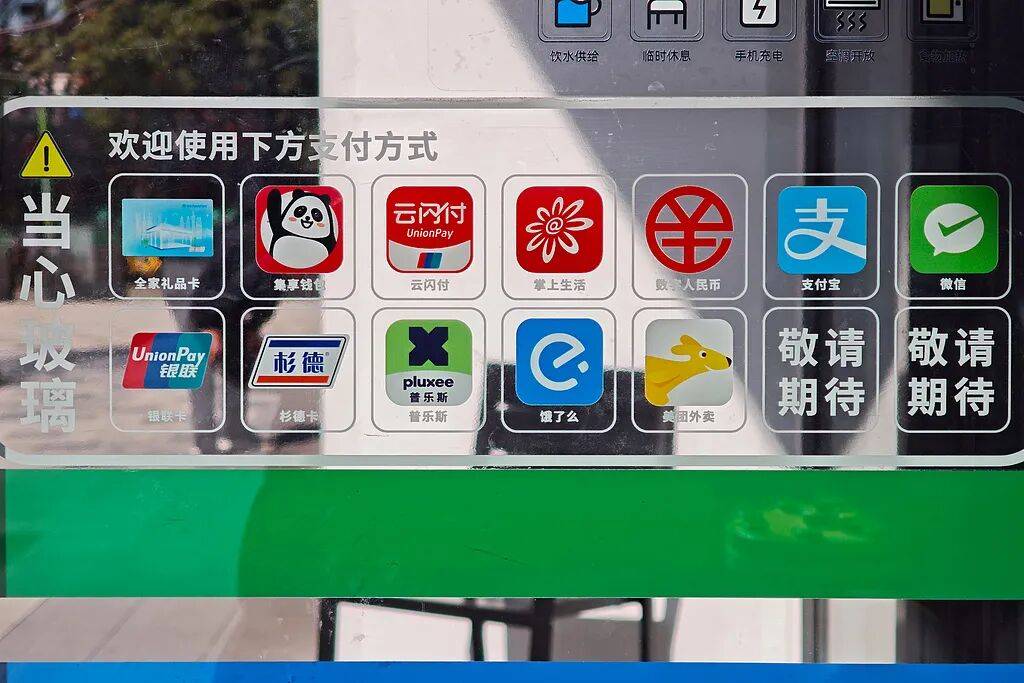
Group 1 - The digital RMB sector increased by 1.56% compared to the previous trading day, with Zhengtong Electronics leading the gains [1] - The Shanghai Composite Index closed at 4083.67, up by 1.5%, while the Shenzhen Component Index closed at 14022.55, up by 1.4% [1] - The main capital flow in the digital RMB sector showed a net outflow of 337 million yuan from institutional investors and 539 million yuan from speculative funds, while retail investors had a net inflow of 877 million yuan [1] Group 2 - Detailed capital flow data for individual stocks in the digital RMB sector is available in the accompanying table [1]
