TONGWEI CO.,LTD(600438)

Search documents
电力设备行业跟踪周报:太空光伏空间广阔,固态和AIDC潜力可期
Soochow Securities· 2026-01-26 02:24
Investment Rating - The report maintains an "Accumulate" rating for the power equipment industry [1] Core Insights - The report highlights the vast potential of space photovoltaic technology and the promising prospects of solid-state batteries and AIDC (Automated Identification and Data Capture) [1] - The energy storage sector is expected to see significant growth, with a projected increase of over 60% in 2026 due to rising demand and supply constraints [3][4] - The report emphasizes the strong performance of various segments within the power equipment industry, including wind power, nuclear power, and lithium batteries, with notable price increases in lithium carbonate and other materials [3][4] Industry Trends - The energy storage market in China is experiencing rapid growth, with new installations reaching 66.43 GW and 189.48 GWh in 2025 [3] - The report notes that the U.S. energy storage market is also booming, with a projected installation of 80 GWh in 2026, driven by AI and data center demands [7] - The report indicates that the wind power sector is expected to grow significantly, with domestic offshore wind capacity projected to exceed 8 GW in 2025 [4] Company Performance - Companies such as Ningde Times, Sunshine Power, and others are expected to see substantial profit growth in 2025, with Ningde Times projected to achieve a net profit of 11.5-14 billion yuan, representing a year-on-year increase of 93.75%-135.87% [3][4] - The report highlights several companies with strong growth potential, including Ningde Times, Sunshine Power, and others, which are positioned well in the energy storage and electric vehicle markets [4][6] Investment Strategy - The report suggests a focus on energy storage, solid-state batteries, and AIDC technologies, with recommendations for leading companies in these sectors [4][6] - It emphasizes the importance of investing in companies with strong technological advantages and overseas market access, particularly in the context of rising global demand for energy storage solutions [4][6]




深度 | 一文说清“中试平台”:如何打通技术到市场最后一公里!
证券时报· 2026-01-26 00:22
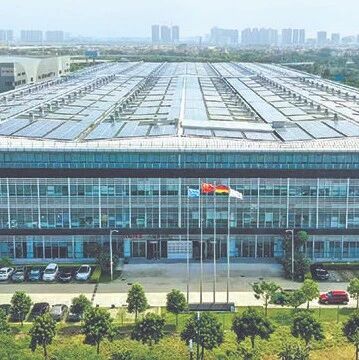
Core Viewpoint - The article discusses the emergence of "pilot testing platforms" in China's manufacturing industry, which serve as crucial facilitators for the transition of scientific innovations from the lab to mass production, effectively navigating the challenges of the "Darwinian Dead Sea" in technology commercialization [1][4]. Group 1: Pilot Testing Platforms - Pilot testing platforms are essential for overcoming the technical bottlenecks in large-scale production, allowing for efficient product validation and market acceptance [1]. - These platforms are characterized by their large physical space and significant investment in advanced equipment, enabling comprehensive testing and development across various technologies [5][6]. - The advanced photovoltaic device pilot testing platform by Tongwei has a total area of 68,000 square meters, making it the largest in the photovoltaic industry, capable of parallel research and development of multiple technologies [5][6]. Group 2: Role in Innovation - Pilot testing platforms act as "scouts" for new technologies, enabling companies to explore and develop next-generation technologies while maintaining production efficiency [10]. - They serve as "demolition experts" that help overcome technical challenges in product manufacturing, such as achieving high yield and stability in battery materials [11]. - These platforms also function as "training grounds" for products before they enter the market, allowing for full-process validation and optimization [12]. Group 3: Industry Collaboration and Ecosystem - The platforms are increasingly recognized in national policies, emphasizing their role as "locomotives" for industrial development and collaboration [15]. - By opening their capabilities to the industry, these platforms can drive collaborative innovation and enhance the overall level of the supply chain [15][16]. - The establishment of an ecosystem that includes research and development, incubation, and investment is crucial for fostering technological innovation and market expansion [16]. Group 4: Challenges Faced - The construction and operation of pilot testing platforms face significant challenges, including technical integration, funding, talent acquisition, and trust issues [18][20]. - High investment costs and uncertain returns pose economic challenges, as the platforms require substantial funding for equipment and facilities [20][21]. - The scarcity of skilled personnel who can manage the complex operations of these platforms is a major bottleneck [22][23].


“太空光伏”引爆涨停潮
第一财经· 2026-01-25 12:07
Core Viewpoint - The photovoltaic (PV) sector in A-shares has seen a significant surge, with multiple stocks experiencing a 20% increase, driven by Elon Musk's endorsement of space photovoltaics at the Davos Forum. However, the industry faces a harsh reality of prolonged losses, overcapacity, and persistent price pressures, with major companies expected to report substantial losses in 2025 [3][4][5]. Group 1: Industry Performance and Financial Outlook - A total of 32 listed PV companies have issued profit warnings, with 23 companies, over 70%, expected to incur losses in 2025 [5]. - Major players like Tongwei Co. are projected to face losses between 9 billion to 10 billion yuan, a significant increase from the previous year's loss of 7.04 billion yuan, marking it as the only company with a projected loss exceeding 10 billion yuan [5][6]. - Trina Solar and JinkoSolar are also expected to report substantial losses, with Trina Solar's losses estimated at 6.5 billion to 7.5 billion yuan, up from 3.44 billion yuan the previous year [5][6]. Group 2: Market Dynamics and Challenges - The PV industry is grappling with a dual weakness in supply and demand, leading to significant price declines across the supply chain, including silicon materials, cells, and modules [8][9]. - The rapid expansion of manufacturing capacity in recent years has coincided with a slowdown in global demand, resulting in severe supply-demand imbalances [9]. - The cost of key raw materials, particularly silver, has surged, further straining the profitability of PV companies. Silver prices have increased by over 118% since October of the previous year, significantly impacting production costs [9][10]. Group 3: Future Industry Prospects - The path to recovery for the PV industry hinges on supply-side reforms, including capacity utilization improvements and the elimination of outdated production capabilities [10]. - The industry must address the current overcapacity and restore a healthy balance between supply and demand to improve product pricing and overall profitability [10].




连年巨亏 光伏业如何逃出“血海”
经济观察报· 2026-01-25 10:54
Core Viewpoint - The photovoltaic industry is undergoing a brutal survival elimination race and a deep restructuring of the industrial pattern, with the next phase expected to be redefined after this intense reshuffle [2][4]. Group 1: Industry Performance and Losses - In 2025, major companies in the photovoltaic sector are expected to report significant losses, with JinkoSolar forecasting a net loss of 5.9 billion to 6.9 billion yuan, Trina Solar predicting a loss of 6.5 billion to 7.5 billion yuan, and Tongwei expecting a loss of 9 billion to 10 billion yuan [2][6]. - The total expected losses from leading companies amount to hundreds of billions, indicating that the photovoltaic industry is still mired in a loss-making situation [2][5]. - The industry has shifted from a phase of rapid expansion to a deep adjustment period, with companies generally operating at a loss to maintain operations, severely squeezing overall profitability [7][12]. Group 2: Causes of the Crisis - The root cause of the current industry crisis is attributed to aggressive expansion in the past, leading to severe structural oversupply and intense price competition [3][6]. - The prices of key materials such as silicon have plummeted from 300,000 yuan per ton in 2022 to around 55,000 yuan per ton, while silver prices have nearly doubled in recent months, further exacerbating the challenges faced by companies [4][10]. Group 3: Strategic Responses and Industry Restructuring - In response to the crisis, leading companies are turning to mergers and acquisitions to strengthen competitiveness or are extending into related fields such as energy storage and hydrogen energy to seek strategic breakthroughs [4][12]. - TCL Zhonghuan announced plans to invest in a new energy technology company to enhance its integrated strategy and expand battery and module production capacity [12]. - The industry is experiencing a "淘汰赛" (elimination race), with smaller companies likely to exit the market or seek mergers as the competitive landscape narrows [13][14]. Group 4: Future Outlook and Recovery Potential - Companies like Tongwei have seen some operational profitability in the latter half of 2025, but overall losses are expected to continue due to declining sales prices and rising raw material costs [9][10]. - The recovery of profitability is contingent on the overall price recovery across the supply chain and the expansion of photovoltaic application scenarios, which could provide significant growth opportunities [9][10]. - The photovoltaic industry is witnessing a recent increase in component prices, with some manufacturers raising prices by 0.04 to 0.15 yuan per watt, indicating a potential shift in market dynamics [18][19].
“太空光伏”引爆涨停潮,概念炒作难掩行业供需双弱
Di Yi Cai Jing· 2026-01-25 09:44
Core Viewpoint - The A-share photovoltaic sector has experienced a significant surge, with multiple stocks hitting a 20% limit-up, driven by Elon Musk's endorsement of space photovoltaics at the Davos Forum. However, the industry faces a harsh reality of prolonged losses, overcapacity, and persistent price pressure, with major companies expected to report substantial losses in 2025 [1][2]. Group 1: Industry Performance - The photovoltaic industry has seen widespread losses, with 23 out of 32 listed companies expected to report losses in 2025, accounting for over 70% of the sample [2]. - Major players like Tongwei Co. anticipate a net loss of 90 to 100 billion yuan in 2025, up from a loss of 70.39 billion yuan the previous year, marking it as the only company with a projected loss exceeding 100 billion yuan [2]. - Trina Solar and JinkoSolar are also expected to report significant losses, with Trina Solar projecting a loss of 65 to 75 billion yuan, and JinkoSolar estimating a loss of 59 to 69 billion yuan [2][3]. Group 2: Market Dynamics - The photovoltaic supply chain is experiencing intensified losses due to weak terminal demand, overcapacity, and stagnant product prices, which are the main contributors to the industry's financial struggles [2][3]. - Despite some companies like Daqo Energy and Longi Green Energy reducing their losses, the overall trend remains negative, with Daqo Energy expecting a loss of 14.18 to 17.18 billion yuan, a reduction of 52.17% to 63.21% year-on-year [3]. - The industry is facing a dual challenge of weak supply and demand, with overcapacity leading to low prices, which is the primary cause of losses [4][5]. Group 3: Cost Pressures - The rapid increase in raw material prices, particularly silver, has significantly impacted production costs, with silver prices rising over 118% since October of the previous year [6][7]. - The cost of silver paste, a critical material in photovoltaic technology, has surged, further straining the profitability of companies in the sector [6][7]. - Companies are exploring cost-reduction strategies, including substituting silver with copper and aluminum, but the impact of these innovations on profitability remains limited [7]. Group 4: Future Outlook - The industry is expected to undergo structural reforms characterized by capacity utilization improvements, elimination of outdated capacity, and potential mergers and acquisitions, which are essential for recovery [7]. - A return to a healthy supply-demand balance and a restoration of product prices to reasonable levels are crucial for the fundamental improvement of companies' profitability [7].

太空光伏为产业链带来新机遇,宁德时代推出天行II方案
GOLDEN SUN SECURITIES· 2026-01-25 08:33
Investment Rating - The report maintains an "Overweight" rating for the power equipment sector [6] Core Insights - The report highlights new opportunities in the photovoltaic industry driven by space solar power initiatives and rising prices of battery components [1][17] - It emphasizes the importance of supply-side reforms and technological advancements in creating long-term growth opportunities within the industry [1][19] - The report identifies key companies to watch in various segments, including supply chain price increases, new technology growth, and perovskite solar cell developments [1][19][21] Summary by Sections Photovoltaics - The price of multi-crystalline silicon n-type raw materials remains stable, with an average transaction price of 59,200 RMB per ton [17] - N-type battery cell prices have increased to 0.42 RMB per watt, with a price range of 0.40-0.43 RMB per watt [17] - The report notes that rising silver prices have led to increased component costs, with distributed component prices now ranging from 0.70 to 0.80 RMB per watt [17] - SpaceX and Tesla plan to achieve a combined solar manufacturing capacity of 200GW annually in the U.S. within three years, with 40GW dedicated to space solar power [1][18] - Key companies to focus on include Tongwei Co., GCL-Poly, LONGi Green Energy, JA Solar, and Trina Solar for supply-side reform opportunities [1][19] Wind Power & Grid - The Netherlands will launch a 1GW offshore wind project tender in September 2026, with a subsidy budget of approximately 32.45 billion RMB [19][20] - Turkey plans to initiate its first offshore wind tender by the end of 2026, aiming for 5GW of installed capacity by 2035 [19][20] - Southern Power Grid has set a fixed asset investment of 180 billion RMB for 2026, focusing on new power system construction and strategic emerging industries [20] - Companies to watch include Goldwind, Yunda, Mingyang Smart Energy, and Sany Heavy Energy in the wind turbine sector [20] Hydrogen Energy - A ceremony for the operation of 300 hydrogen fuel heavy trucks was recently held, showcasing advancements in hydrogen energy technology [3][21] - The trucks are equipped with a 130kW fuel cell system and can achieve a range of over 600 kilometers [3][21] - Key companies in this sector include Shuangliang Energy, Huadian Heavy Industry, and Shenghui Technology [3][21] Energy Storage - The report forecasts that new energy storage installations in China will reach 58.6GW/175.3GWh in 2025, a year-on-year increase of 38%/60% [4][22] - The average bid price for 2-hour energy storage systems is projected to be 0.55 RMB/Wh in 2025, down 16.9% from 2024 [4][22] - Companies to focus on include Sungrow Power, Canadian Solar, and Kehua Data for large-scale energy storage opportunities [4][22] New Energy Vehicles - CATL launched the "Tianxing II" series solutions for light commercial vehicles, including the industry's first intelligent battery management application [5][27] - The solutions cater to various scenarios, including high-frequency urban distribution and extreme temperature conditions [5][27] - Key companies in the battery sector include CATL, Penghui Energy, and Guoxuan High-Tech [5][29]




白银涨破100美元关口!光伏企业如何“渡劫”?
凤凰网财经· 2026-01-24 09:07
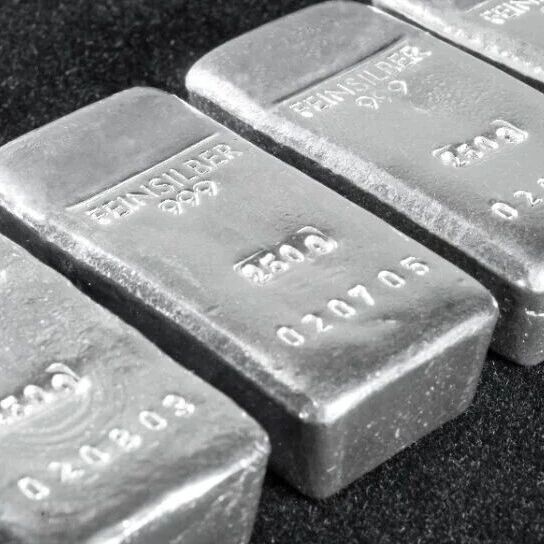
Core Viewpoint - Major photovoltaic companies such as JinkoSolar, Tongwei Co., and LONGi Green Energy have recently announced significant projected losses for 2025, primarily due to rising silver prices impacting their performance [3][4]. Group 1: Financial Projections - JinkoSolar expects a net loss of 5.9 billion to 6.9 billion yuan for 2025, while Tongwei Co. anticipates losses between 9 billion to 10 billion yuan, and LONGi Green Energy projects a net loss of 6 billion to 6.5 billion yuan [3]. - The rising costs of silver paste, a key material in photovoltaic cell production, have been cited as a major factor contributing to these losses [4]. Group 2: Cost Structure and Material Impact - Silver paste, which is crucial for manufacturing photovoltaic cells, accounts for approximately 62% of the non-silicon costs in TOPCon solar cells, with a projected cost of 0.138 yuan/W by the end of 2025 [4]. - The current spot price of silver has surged to over $100 per ounce, having more than tripled in the past year, adding to the cost pressures faced by these companies [4]. Group 3: Market Dynamics and Pricing Strategies - Companies are attempting to pass on costs by slightly increasing the prices of photovoltaic modules; however, this is constrained by a supply-demand imbalance in the industry [5]. - The domestic market demand is weakening, and overseas procurement is also declining, which may further limit the ability of companies to raise prices [5]. Group 4: Technological Developments - Companies are exploring alternatives to reduce silver usage, such as the development of "silver-free" technologies and the use of copper plating [5][6]. - While significant R&D efforts are underway, the maturity and effectiveness of these technologies remain uncertain, and their economic viability is under scrutiny [6]. Group 5: Future Outlook on Silver Prices - In the short term, the impact of alternative technologies on silver prices is expected to be limited due to their nascent stage of development [7]. - Long-term trends may see downward pressure on silver prices as these technologies mature and photovoltaic installation volumes potentially decline [7]. - The strategic resource status of silver, influenced by policy changes, may continue to support its price [8].
白银涨破100美元关口!光伏企业如何“渡劫”?
Huan Qiu Wang· 2026-01-24 05:53
Core Viewpoint - Major photovoltaic companies such as JinkoSolar, Tongwei Co., and LONGi Green Energy have issued profit warnings for 2025, citing significant losses primarily due to rising silver prices impacting their production costs [1][2]. Group 1: Financial Forecasts - JinkoSolar expects a net loss of 5.9 billion to 6.9 billion yuan for 2025 [1] - Tongwei Co. anticipates losses between 9 billion to 10 billion yuan [1] - LONGi Green Energy projects a net loss of 6 billion to 6.5 billion yuan attributable to increased costs of silver paste and silicon materials [1] Group 2: Cost Drivers - The surge in silver prices has been a critical factor, with current spot silver prices exceeding $100 per ounce, having more than tripled over the past year [2] - The cost of silver paste, a key material in photovoltaic cell production, is projected to reach 0.138 yuan/W by the end of 2025, accounting for approximately 62% of the non-silicon costs in TOPCon solar cells [1] Group 3: Market Dynamics - The photovoltaic industry is experiencing a "strong supply, weak demand" scenario, limiting the ability of companies to pass on increased costs to consumers [3] - Domestic market demand is declining, and overseas procurement is also slowing down, which may further weaken future demand [3] Group 4: Technological Developments - Companies are exploring alternatives to reduce silver usage, such as the development of "silver-free" technologies and the use of copper plating [3][4] - LONGi Green Energy has achieved mass production of its high-efficiency BC second-generation products, which utilize less silver [4] Group 5: Future Outlook - The maturity of alternative technologies and potential declines in photovoltaic installation volumes may exert downward pressure on silver prices in the long term [4] - Silver's strategic resource status is expected to strengthen, potentially driving prices higher due to policy influences [4]
深化产融结合 多晶硅期货服务光伏产业链企稳升级
Zhong Guo Zheng Quan Bao· 2026-01-23 20:57
为确保期货市场与实体产业高效对接,广期所在多晶硅期货合约设计中采用注册品牌交割制度,并对交 割品质量标准设定进行了详尽调研,以满足上下游企业产销需求。 广发期货分析师纪元菲表示,多晶硅生产企业产能较为集中,行业内的贸易对品牌声誉、质量标准较为 重视,具备品牌管理基础。同时,品牌交割制度有利于保障产业客户的需求,进一步确保入库商品质量 的可追溯性与一致性。 ● 本报记者王超 作为服务实体经济的重要金融工具,多晶硅期货上市已满一周年,在稳定光伏产业链、优化行业生态方 面发挥了不容忽视的作用。作为光伏产业链的核心原材料,当前多晶硅仍面临供需阶段性错配、价格大 幅波动的风险。期货工具的引入,为产业企业提供了重要的价格"晴雨表"和风险"防护垫",为整个光伏 行业平滑周期波动、管理风险、转型升级持续注入力量。 服务国家战略契合产业迫切需求 在"硅料-硅片-电池片-组件"组成的光伏产业链中,多晶硅位于上游,是决定光伏产品性能与成本的核心 环节。中国作为多晶硅全球最大的生产国和消费国,已建立起全球领先的产业优势。然而,近年来其价 格受产业周期、技术迭代等多重因素影响波动显著,给上下游企业的稳定经营带来挑战。数据显示, 202 ...

马斯克点燃太空光伏!大面积涨停!钙钛矿是下个“王炸”?
Sou Hu Cai Jing· 2026-01-23 12:41
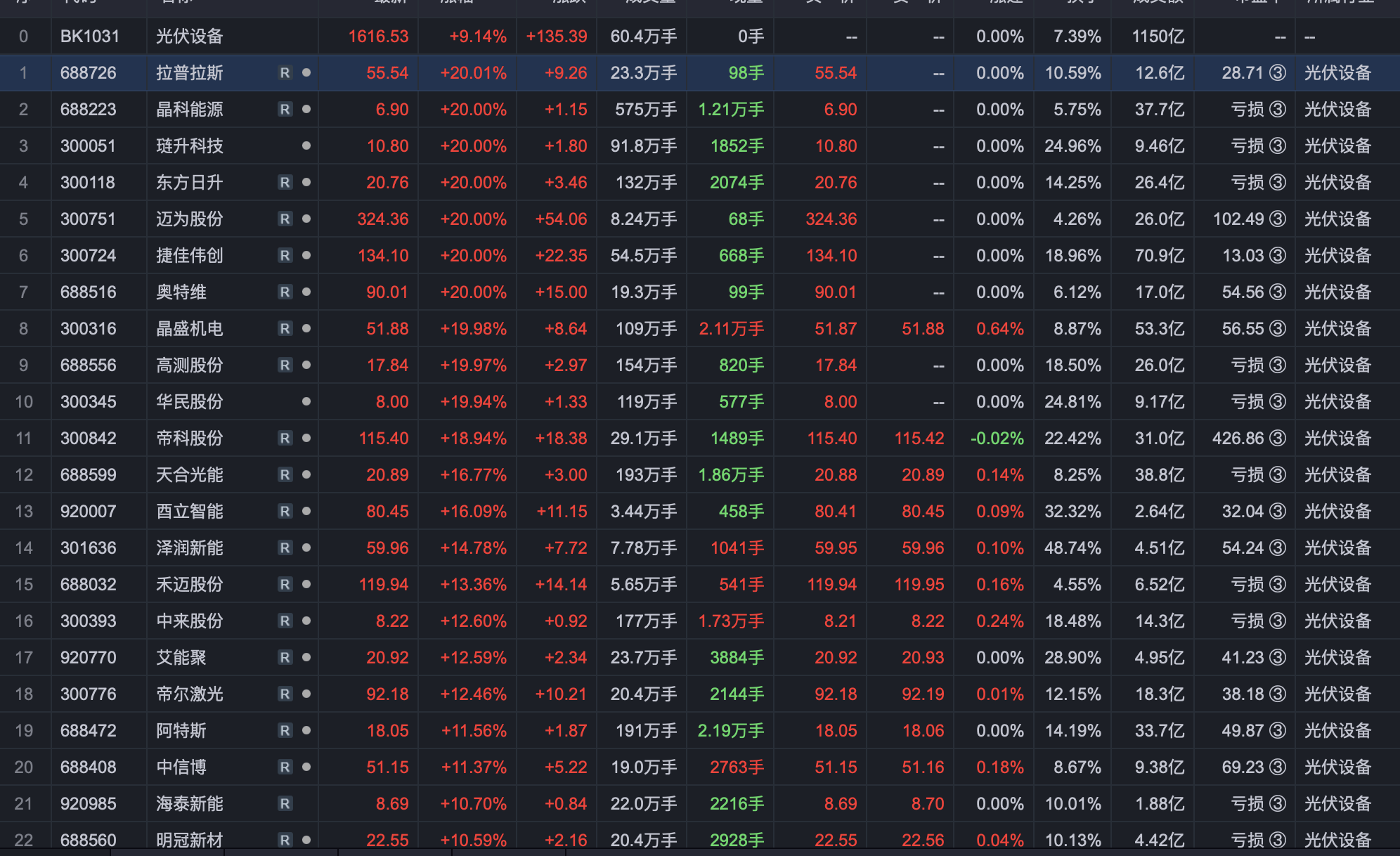
Group 1: Market Performance - The photovoltaic sector experienced a significant surge, with photovoltaic equipment (BK1031) closing at 1616.53, marking a 9.14% increase as of January 23 [1] - Several stocks, including Dongfang Risen (300118.SZ), Aotwei (688516.SH), Maiwei Co. (300751.SZ), and Longi Green Energy (601012.SH), reached their daily limit, while Tongwei Co. (600438.SH) saw an increase of over 7% [1][2] Group 2: Key Developments - Elon Musk, CEO of Tesla, expressed strong support for space photovoltaics during a discussion at the World Economic Forum, revealing plans for a solar manufacturing capacity of 100GW annually over the next three years [1] - The concept of "space photovoltaics" is highlighted as a critical energy source for satellites, providing long-term, stable, and lightweight power in extreme space environments [3] Group 3: Technological Insights - Perovskite batteries are emerging as a potential next-generation technology for space applications, offering advantages such as low material costs and high power-to-weight ratios [4] - Current applications of perovskite technology in commercial space are still in the testing phase, with successful in-orbit trials reported [6] Group 4: Company Strategies - Shanghai Portway (605598.SH) is actively involved in the satellite energy system sector, focusing on perovskite battery technology [7] - Companies like Maiwei Co. and Jiejia Weichuang are engaging in contracts related to perovskite supply and equipment solutions [7] - Trina Solar (688599.SH) is pursuing long-term strategies in various solar technologies, including perovskite and multi-junction cells [7] Group 5: Industry Challenges - Despite the recent market rally, the photovoltaic industry is facing significant challenges, with many companies, including Longi Green Energy, forecasting substantial losses due to ongoing supply-demand imbalances and competitive pressures [9][11] - The industry is currently in a cyclical downturn, with several firms reporting losses and facing increased operational costs due to rising material prices [11][12]