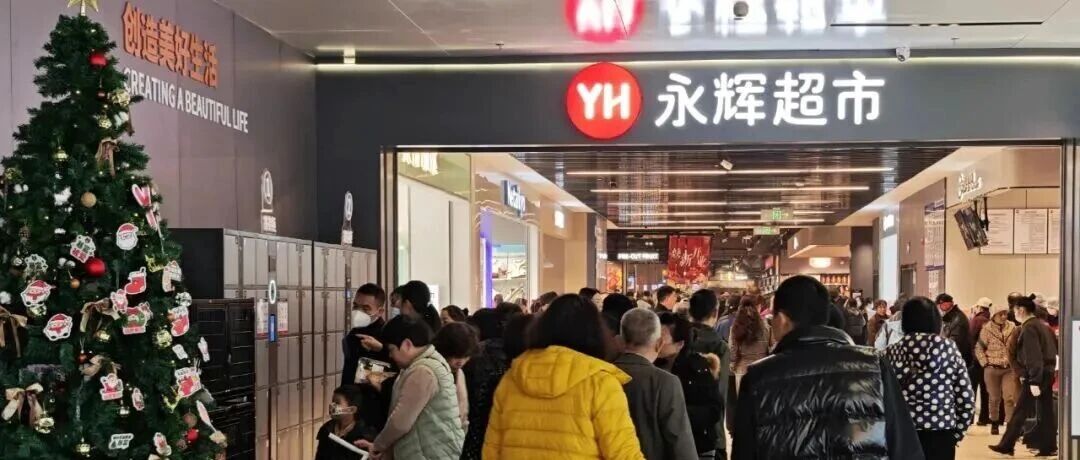
YONGHUI SUPERSTORES(601933)

Search documents
18位消费创始人和投资人这样观测潮水的方向|2026前瞻
36氪未来消费· 2026-02-10 05:49
Group 1: Consumer IP - In 2025, the consumer IP sector saw significant growth, with Pop Mart achieving a market value of 400 billion, igniting interest in the industry [2][9] - The focus on "self-owned IP" is becoming a key strategy for companies, with TOP TOY planning to split and list its brand [9][10] - The market is shifting from material consumption to cultural consumption, emphasizing the importance of emotional value in consumer products [10][12] Group 2: Offline Channels - The offline retail landscape is undergoing a transformation, with traditional supermarkets like Yonghui implementing "fat reform" to adapt to market changes [3][16] - New retail formats, such as community discount stores and near-field retail, are emerging as key growth areas, challenging traditional models [16][20] - The competition in offline retail is expected to evolve from product-centric to a focus on comprehensive operational capabilities [19][21] Group 3: Consumer + AI - 2025 is recognized as the "year of AI in consumption," with a convergence of technology maturity, user acceptance, and commercial imagination [25] - The product forms of "AI + consumption" are expected to diversify, focusing on creating emotionally engaging experiences [26][27] - AI is anticipated to play a crucial role in the development of new consumer products, particularly in the children's market [28][29] Group 4: Consumer Brands - The competition among consumer brands is shifting towards depth in consumer engagement rather than breadth of market coverage [31] - Brands are increasingly required to innovate in product development and adapt to the fragmented channel landscape [31][32] - The trend of Chinese dining brands expanding overseas is gaining momentum, with a focus on integrating into local markets [33]





连锁餐饮,扎推开进社区超市
3 6 Ke· 2026-02-10 03:01
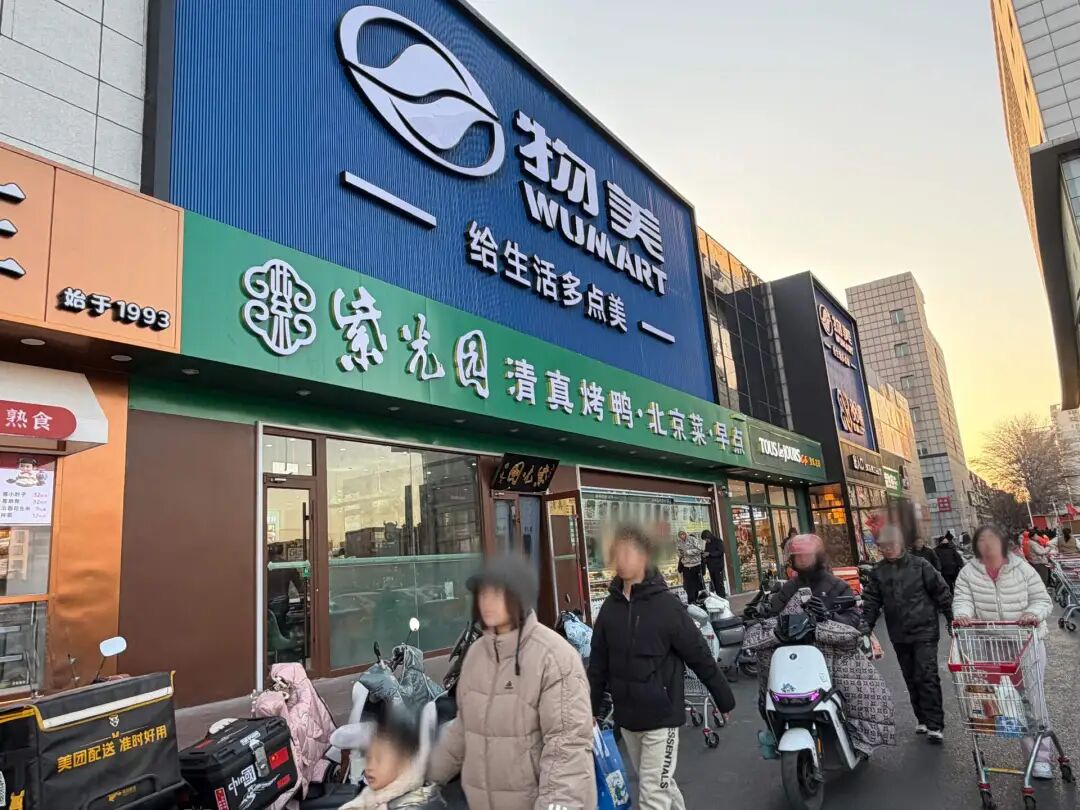
Core Insights - The article discusses the transformation of supermarkets like Wumart and Yonghui into lifestyle centers by integrating various chain restaurants, enhancing customer experience and attracting a younger demographic [6][10][17] Group 1: Supermarket Transformation - More than 20 chain restaurants have entered Wumart and Yonghui supermarkets after their transformation, creating a vibrant dining environment [1][6] - The new restaurant offerings include a diverse range of cuisines such as Chinese fast food, Western fast food, hot pot, and baked goods, with a high proportion of chain brands [3][5] - The transformation is not merely cosmetic; it aims to reposition traditional supermarkets as community lifestyle hubs where dining plays a crucial role [6][10] Group 2: Community Engagement - The integration of supermarkets and restaurants represents a strategic competition for community consumer bases, allowing both sectors to leverage each other's strengths [8][9] - Community consumers now seek a one-stop shopping experience that combines purchasing, dining, and leisure activities [8][10] - Restaurants benefit from the supermarkets' established customer flow, allowing for efficient expansion with lower operational costs [10][11] Group 3: Impact on Consumer Behavior - The introduction of dining options has attracted a younger customer base, shifting the traditional perception of supermarkets as primarily catering to older demographics [14][17] - The redesign of supermarket spaces has led to a reduction in retail area, with the freed-up space being repurposed for dining, enhancing customer engagement and sales [14][17] - Data from McKinsey indicates that integrating dining services can increase supermarket foot traffic by 15% to 20% and extend customer dwell time by 30% [14] Group 4: Evolution of Retail and Dining - The relationship between supermarkets and restaurants has evolved over decades, transitioning from a supportive role to a core component of consumer attraction [17] - The current trend reflects a response to challenges faced by both sectors, including competition from e-commerce and rising customer acquisition costs in the restaurant industry [17][18] - The collaboration between supermarkets and restaurants aims to create a more comprehensive consumer experience, transforming shopping spaces into lifestyle destinations [17][18]
山西太原商圈“马儿跑” 掀起消费潮
Sou Hu Cai Jing· 2026-02-09 07:34
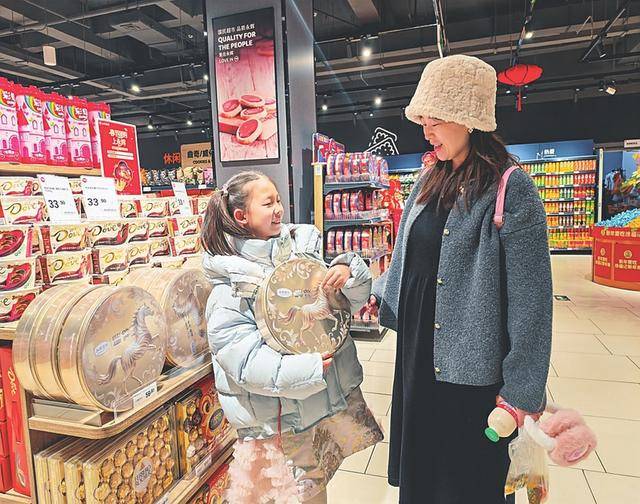
Group 1 - The upcoming Year of the Horse has sparked a consumption boom in Taiyuan, with various products featuring "horse elements" appearing in stores and online, reflecting the cultural significance of the zodiac and consumer enthusiasm for the holiday [2][4] - Major shopping malls in Taiyuan are utilizing the "horse" theme through immersive decorations and diverse promotions, enhancing the shopping experience and attracting consumers [4][7] - Jewelry stores are seeing increased sales of horse-themed items, with some products like the "cute horse fortune bag" priced around 2500 yuan, indicating a strong demand for symbolic gifts during the New Year [4][5] Group 2 - The integration of traditional zodiac culture with modern consumer trends is driving the popularity of the "horse economy," as businesses combine cultural elements with practical designs to appeal to consumers [10] - Supermarkets and online platforms are also experiencing high sales, with creative offerings such as themed gift boxes and zodiac decorations, showcasing the versatility of the market [7][8] - Restaurants are capitalizing on the zodiac theme by offering special New Year dinner packages that resonate with cultural significance, further enhancing consumer interest in festive dining options [8]
研判2026!中国社区生鲜零售行业发展历程、产业链图谱、市场规模、竞争格局及发展趋势分析:市场格局高度分散[图]
Chan Ye Xin Xi Wang· 2026-02-09 01:27
Core Insights - The community fresh food retail sector is a crucial consumer category for daily meals, characterized by high-frequency demand and stable repurchase rates, demonstrating resilience against economic cycles [1][4] - The market size of China's community fresh food retail industry is projected to reach 1,903.9 billion yuan by 2025, with a year-on-year growth of 11.2% [1][4] - The shift in consumer preferences towards convenience, freshness, and immediacy is driving the transition from traditional markets to community stores, front warehouses, and group buying [1][4] Overview - Community fresh food retail targets residents within 1-3 km, utilizing both offline stores and online channels to meet immediate consumption needs [2] - The retail format includes community fresh stores, front warehouses, community group buying, O2O integration stores, and non-chain family-run shops [2] Development History - The evolution of China's community fresh food retail can be divided into four stages: initial phase, exploratory growth, explosive expansion, and ecological transformation [4] - Since 2021, the industry has shifted focus from scale expansion to profitability, with a move towards composite business models integrating store, home delivery, and self-pickup [4] Current Development - The community fresh food retail sector is a key flow foundation for community commerce, with a significant shift towards near-field retail formats [4] - By 2025, online fresh product retail is expected to account for approximately 20.1% of the market, while offline chain and non-chain products will represent 38.3% and 41.6%, respectively [1][4] Competitive Landscape - The community fresh food retail market is highly fragmented, with a low concentration level; the CR5 in the chain sector is only 7.3% [10] - Major players include companies like Guangzhou Qian Dama Agricultural Products Co., Ltd. and Shenzhen Baiguoyuan Industrial Group, which focus on fresh product quality and consumer convenience [10][11] Future Trends - The integration of community, social interaction, and instant retail will enhance the consumer experience, transforming community stores into service hubs [12] - Supply chain optimization will become a competitive barrier, focusing on direct sourcing and improved cold chain logistics [13] - Digital technology will reshape operations and customer acquisition, moving from a traffic-driven approach to a relationship-driven model [14]


商贸零售行业周报:美团拟收购叮咚买菜,打造即时零售供应链优势
KAIYUAN SECURITIES· 2026-02-08 10:25
Investment Rating - The industry investment rating is "Positive" (maintained) [1] Core Views - The report highlights Meituan's acquisition of Dingdong Maicai for approximately $717 million, aiming to enhance its instant retail supply chain efficiency. Dingdong Maicai has achieved profitability for 12 consecutive quarters and operates over 1,000 front warehouses in China, with a monthly purchasing user base exceeding 7 million [4][24][27] - The report emphasizes the importance of supply chain efficiency and product quality in the competitive landscape of the instant retail industry, suggesting that the focus will shift towards these aspects post-acquisition [27] Summary by Sections Industry Dynamics - Meituan's acquisition of Dingdong Maicai is expected to create synergies in supply chain, regional layout, and warehouse scale, enhancing operational efficiency in the East China region [24][27] - Dingdong Maicai's established direct sourcing and self-operated production capabilities are anticipated to be preserved and amplified within Meituan's platform [27] Investment Themes - Investment Theme 1: Focus on high-end and fashionable gold jewelry brands, recommending companies like Laopuhuangjin and Chaohongji, which are expected to benefit from the emotional consumption trend [6][29] - Investment Theme 2: Emphasize retail companies adapting to trends and AI-enabled cross-border e-commerce leaders, with recommendations for Yonghui Supermarket and Aiyingshi [6][29] - Investment Theme 3: Highlight domestic beauty brands that cater to emotional value and innovative safe ingredients, recommending brands like Maogeping and Pola [6][29] - Investment Theme 4: Focus on differentiated medical beauty product manufacturers and leading chain medical beauty institutions, recommending Meilitiantian Medical Health and Aimeike [6][29] Market Performance - The retail and social service indices reported a slight decline of 0.34% and a slight increase of 0.02% respectively during the week of February 2 to February 6, 2026 [14][15] - The brand cosmetics sector showed the highest weekly increase of 4.99%, while the watch and jewelry sector led with a year-to-date increase of 16.56% [16][19] Company Highlights - Laopuhuangjin reported a significant revenue increase of 250.9% in FY2025H1, driven by brand expansion and customer base growth [31][32] - Chaohongji is expected to achieve a net profit growth of 125% to 175% in 2025, supported by differentiated product strength and multi-channel marketing [31][32] - Meilitiantian Medical Health anticipates a net profit increase of at least 34% in 2025, driven by both internal growth and acquisitions [39][40]



永辉超市股份有限公司 2026年第一次临时股东会决议公告
Zhong Guo Zheng Quan Bao - Zhong Zheng Wang· 2026-02-06 22:47
本公司董事会及全体董事保证本公告内容不存在任何虚假记载、误导性陈述或者重大遗漏,并对其内容 的真实性、准确性和完整性承担法律责任。 重要内容提示: ● 本次会议是否有否决议案:无 一、会议召开和出席情况 (一)股东会召开的时间:2026年2月6日 (二)股东会召开的地点:福建省福州市鼓楼区湖头街120号(永辉集团)6楼会议室 (三)出席会议的普通股股东和恢复表决权的优先股股东及其持有股份情况: ■ (四)表决方式是否符合《公司法》及《公司章程》的规定,会议主持情况等。 本次会议由公司董事会召集,公司董事长张轩松先生主持,会议采用现场投票与网络投票相结合的表决 方式,会议的召集、召开及表决方式符合《公司法》及《公司章程》的规定。 (五)公司董事和董事会秘书的列席情况 1、公司在任董事9人,列席9人; 2、董事会秘书黄晓枫现场出席会议;高级管理人员列席本次会议。 二、议案审议情况 (一)非累积投票议案 1、议案名称:关于公司2025年度关联交易执行情况及2026年关联交易计划的议案 审议结果:通过 表决情况: ■ (二)涉及重大事项,5%以下股东的表决情况 ■ (三)关于议案表决的有关情况说明 (1)议案1关于公 ...
永辉超市股份有限公司2026年第一次临时股东会决议公告
Shang Hai Zheng Quan Bao· 2026-02-06 19:33
证券代码:601933 证券简称:永辉超市 公告编号:2026-009 永辉超市股份有限公司 2026年第一次临时股东会决议公告 本公司董事会及全体董事保证本公告内容不存在任何虚假记载、误导性陈述或者重大遗漏,并对其内容 的真实性、准确性和完整性承担法律责任。 (一)股东会召开的时间:2026年2月6日 (二)股东会召开的地点:福建省福州市鼓楼区湖头街120号(永辉集团)6楼会议室 (三)出席会议的普通股股东和恢复表决权的优先股股东及其持有股份情况: ■ (四)表决方式是否符合《公司法》及《公司章程》的规定,会议主持情况等。 本次会议由公司董事会召集,公司董事长张轩松先生主持,会议采用现场投票与网络投票相结合的表决 方式,会议的召集、召开及表决方式符合《公司法》及《公司章程》的规定。 重要内容提示: ● 本次会议是否有否决议案:无 一、会议召开和出席情况 (二)涉及重大事项,5%以下股东的表决情况 (五)公司董事和董事会秘书的列席情况 1、公司在任董事9人,列席9人; 2、董事会秘书黄晓枫现场出席会议;高级管理人员列席本次会议。 二、议案审议情况 (一)非累积投票议案 1、议案名称:关于公司2025年度关联交 ...
永辉超市(601933) - 永辉超市股份有限公司2026年第一次临时股东会决议公告
2026-02-06 09:30
证券代码:601933 证券简称:永辉超市 公告编号:2026-009 永辉超市股份有限公司 2026年第一次临时股东会决议公告 本公司董事会及全体董事保证本公告内容不存在任何虚假记载、误导性陈述 或者重大遗漏,并对其内容的真实性、准确性和完整性承担法律责任。 重要内容提示: 本次会议是否有否决议案:无 一、 会议召开和出席情况 (一)股东会召开的时间:2026 年 2 月 6 日 (二)股东会召开的地点:福建省福州市鼓楼区湖头街 120 号(永辉集团)6 楼会 议室 (三)出席会议的普通股股东和恢复表决权的优先股股东及其持有股份情况: | 1、出席会议的股东和代理人人数 | 5,975 | | --- | --- | | 2、出席会议的股东所持有表决权的股份总数(股) | 138,036,944 | | 3、出席会议的股东所持有表决权股份数占公司有表决权股 | | | 份总数的比例(%) | 1.5466 | (四)表决方式是否符合《公司法》及《公司章程》的规定,会议主持情况等。 本次会议由公司董事会召集,公司董事长张轩松先生主持,会议采用现场投 票与网络投票相结合的表决方式,会议的召集、召开及表决方式符合 ...
永辉超市(601933) - 上海市通力律师事务所关于永辉超市股份有限公司2026年第一次临时股东会的法律意见书
2026-02-06 09:16
上海市通力律师事务所 关于永辉超市股份有限公司 2026 年第一次临时股东会的法律意见书 致: 永辉超市股份有限公司 上海市通力律师事务所(以下简称"本所")接受永辉超市股份有限公司(以下简称"公 司")的委托, 指派本所严雪瑾律师、周奇律师(以下简称"本所律师")根据《中华人民共和 国公司法》《中华人民共和国证券法》《上市公司股东会规则》等法律法规和规范性文件(以 下统称"法律法规")及《永辉超市股份有限公司章程》(以下简称"公司章程")的规定就公 司 2026 年第一次临时股东会(以下简称"本次股东会")相关事宜出具法律意见。 本所律师已经对公司提供的与本次股东会有关的法律文件及其他文件、资料予以了核 查、验证。在进行核查验证过程中, 公司已向本所保证, 公司提供予本所之文件中的所有签 署、盖章及印章都是真实的, 所有作为正本提交给本所的文件都是真实、准确、完整和有效 的, 且文件材料为副本或复印件的, 其与原件一致和相符。 在本法律意见书中, 本所仅对本次股东会召集和召开的程序、出席本次股东会人员资格 和召集人资格及表决程序、表决结果是否符合法律法规和公司章程的规定发表意见, 并不对 本次股东会所审议的 ...
悬崖上的永辉
凤凰网财经· 2026-02-05 13:07
Core Viewpoint - Yonghui Supermarket has reported a projected net loss of 2.14 billion yuan for 2025, marking a 45.6% year-on-year increase, and has faced losses for five consecutive years, raising concerns about its future amidst significant operational strategy adjustments [2][7]. Group 1: Company Background and Growth - Yonghui Supermarket was founded in 1995 by Zhang Xuansong and Zhang Xuanning, starting with a micro-profit model and officially launching the Yonghui brand in 1998 [3]. - The company gained momentum in 2000 by capitalizing on the "Agricultural Reform Supermarket" policy, leading to rapid growth and recognition as a pioneer in the sector [3]. - By 2010, Yonghui became the first fresh food stock listed on the Shanghai Stock Exchange, and by 2020, it achieved a record revenue of 93.2 billion yuan, marking its entry into the "thousand-store era" [6]. Group 2: Recent Challenges and Strategic Shifts - Despite its past successes, Yonghui has entered a prolonged period of losses, with figures of 3.944 billion yuan in 2021, 2.763 billion yuan in 2022, and projected losses of 2.14 billion yuan for 2025 [6][7]. - The company initiated a comprehensive transformation called "Fat Reform" in 2024, aiming to revamp its business model by learning from competitors, but this has led to significant financial strain, including a direct loss of 1.2 billion yuan from store adjustments [6][10]. - As of 2025, Yonghui has deeply adjusted 315 stores and closed 381, indicating a significant restructuring effort [9]. Group 3: Market Dynamics and Competitive Landscape - The retail landscape has shifted dramatically, with the rise of e-commerce and community group buying, which has eroded Yonghui's traditional advantages in fresh food retail [10][11]. - The company is caught in a "middle ground," unable to compete on price like discount stores or offer unique experiences like premium retailers, leading to a decline in customer traffic [12]. - The competitive environment has seen traditional players like Walmart and Hema rise, while Yonghui has slipped in market rankings, highlighting the challenges faced by conventional supermarket models [18]. Group 4: Future Directions and Strategic Imperatives - Yonghui's transformation should focus on establishing itself as an indispensable shopping destination rather than merely imitating successful models [17][20]. - The company must identify unique value propositions that resonate with consumers, such as emotional connections, localized offerings, or enhanced shopping experiences, to regain market relevance [20]. - The path forward requires a deep understanding of consumer behavior and market changes, as traditional retail continues to evolve [20].