
PAB(000001)

Search documents
平安银行取得铭牌VIN码识别方法专利
Sou Hu Cai Jing· 2026-02-24 08:07
声明:市场有风险,投资需谨慎。本文为AI基于第三方数据生成,仅供参考,不构成个人投资建议。 来源:市场资讯 天眼查资料显示,平安银行股份有限公司,成立于1987年,位于深圳市,是一家以从事货币金融服务为 主的企业。企业注册资本1142489.4787万人民币。通过天眼查大数据分析,平安银行股份有限公司共对 外投资了11家企业,参与招投标项目1030次,财产线索方面有商标信息497条,专利信息4652条,此外 企业还拥有行政许可71个。 国家知识产权局信息显示,平安银行股份有限公司取得一项名为"一种铭牌VIN码识别方法、装置、存 储介质及设备"的专利,授权公告号CN116994267B,申请日期为2023年7月。 ...

中国人民银行、金融监管总局 发布我国系统重要性银行名单
Jin Rong Shi Bao· 2026-02-24 01:28
Core Viewpoint - The People's Bank of China and the National Financial Regulatory Administration have conducted the 2025 assessment of systemically important banks, identifying 21 domestic banks categorized into five groups based on their systemic importance scores [1] Group 1: Assessment of Systemically Important Banks - A total of 21 domestic systemically important banks have been recognized, including 6 state-owned commercial banks, 10 joint-stock commercial banks, and 5 city commercial banks [1] - The banks are divided into five groups based on their systemic importance scores, with the first group consisting of 11 banks, the second group having 4 banks, the third group with 2 banks, the fourth group containing 4 banks, and the fifth group having no banks [1] Group 2: Breakdown of Bank Groups - The first group includes: China Minsheng Bank, China Everbright Bank, Ping An Bank, Huaxia Bank, Ningbo Bank, Jiangsu Bank, Beijing Bank, Nanjing Bank, Guangfa Bank, Zheshang Bank, and Shanghai Bank [1] - The second group consists of: Industrial Bank, China CITIC Bank, Shanghai Pudong Development Bank, and China Postal Savings Bank [1] - The third group includes: Bank of Communications and China Merchants Bank [1] - The fourth group comprises: Industrial and Commercial Bank of China, Bank of China, China Construction Bank, and Agricultural Bank of China [1] - The fifth group currently has no banks included [1] Group 3: Future Regulatory Actions - The People's Bank of China and the National Financial Regulatory Administration will implement additional regulatory measures for systemically important banks according to the "Regulations on Additional Supervision of Systemically Important Banks (Trial)" [1] - The aim is to enhance the synergy between macro-prudential management and micro-prudential supervision, ensuring the safe and sound operation of systemically important banks [1] - This initiative is intended to better support the high-quality development of the real economy [1]




平安银行取得银行影像识别模型训练方法专利
Sou Hu Cai Jing· 2026-02-24 01:28
声明:市场有风险,投资需谨慎。本文为AI基于第三方数据生成,仅供参考,不构成个人投资建议。 国家知识产权局信息显示,平安银行股份有限公司取得一项名为"银行影像识别模型的训练方法、装 置、设备及存储介质"的专利,授权公告号CN116740496B,申请日期为2023年6月。 来源:市场资讯 天眼查资料显示,平安银行股份有限公司,成立于1987年,位于深圳市,是一家以从事货币金融服务为 主的企业。企业注册资本1142489.4787万人民币。通过天眼查大数据分析,平安银行股份有限公司共对 外投资了11家企业,参与招投标项目1034次,财产线索方面有商标信息497条,专利信息4652条,此外 企业还拥有行政许可71个。 ...
今日金价!2026年2月23日最新黄金价格!各大金店、黄金回收价格
Sou Hu Cai Jing· 2026-02-23 23:35
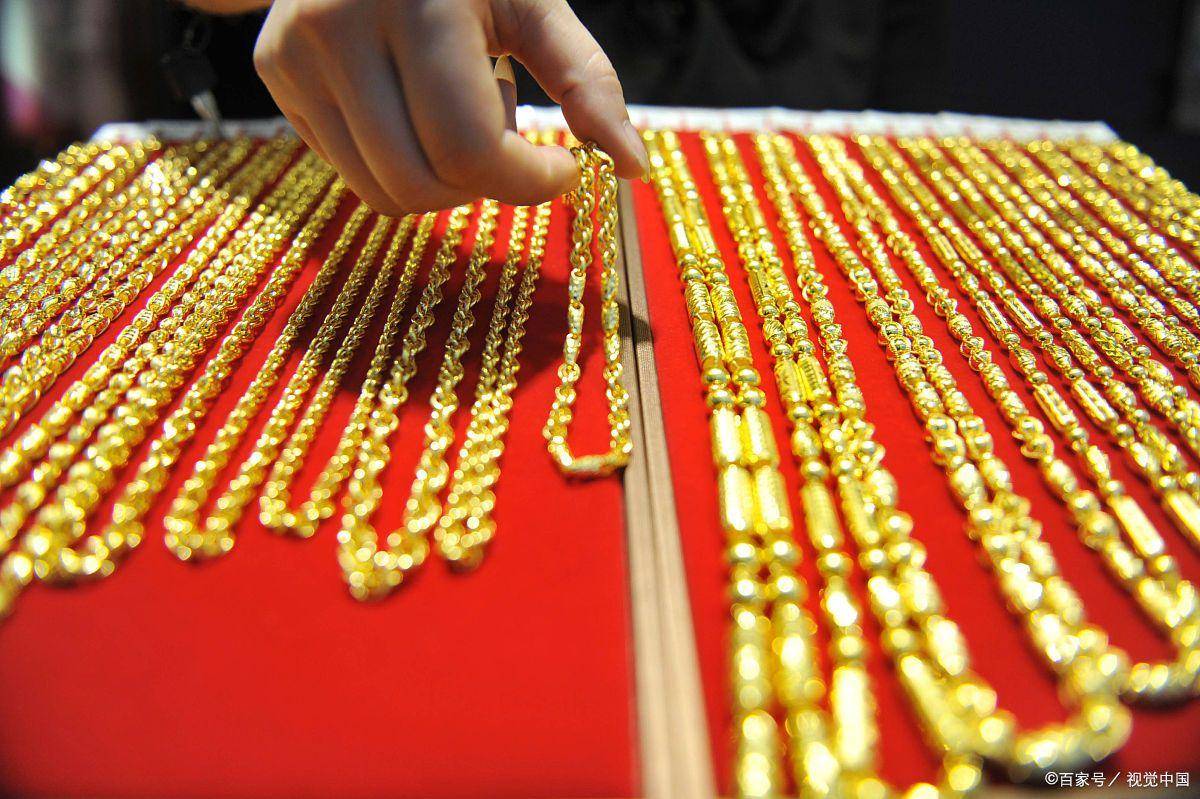
2026年2月23日,国内黄金市场迎来调整,金店零售价依然坚挺,批发端则相对亲民,回收价稳步回升,今天咱们就一起看看主流金店足金报价、深圳水贝 批发价、各地行情差异、回收价和银行投资金条价格,帮你一次摸清门道。 菜百首饰:足金999每克1505.00元。 品牌金店价格 来看看大家常买的几个牌子,足金每克多少钱: 周大福:足金每克1545.00元。 周大生:足金每克1545.00元。 周生生:足金每克1562.00元。 金至尊:足金每克1545.00元。 谢瑞麟:足金每克1545.00元。 老凤祥:足金每克1518.00元。 老庙黄金:足金每克1598.00元。 中国黄金:足金999每克1505.00元。 这些品牌都比之前有一定调价动作,有的涨了几十块,有的保持稳定。 地区价格差异 批发端先看深圳水贝:足金999每克1298.00元,高纯度足金999.9每克1299.00元,金条每克1298.00元,工艺款像古法金、5G黄金也是每克1299.00元左右,适 合想低成本入货的朋友。 一线城市像北京、武汉、天津、西安、上海、长沙、广州,金店价格按行情浮动,工艺不同每克会差个5到10元,上海周大福1545.00元,广 ...





股份制银行差异化竞争,头部效应显著
Xin Lang Cai Jing· 2026-02-18 05:56
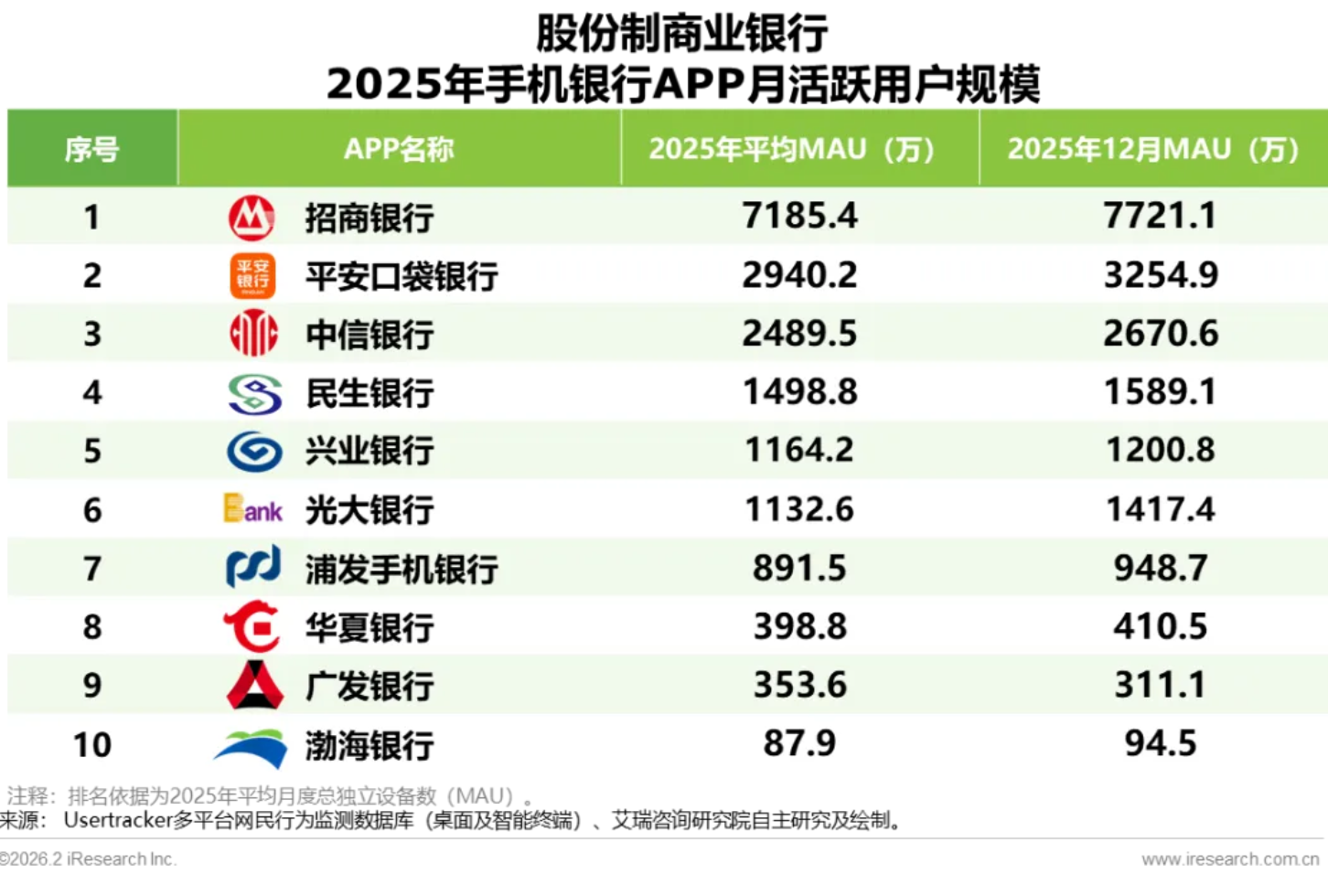
据经济观察报-经济观察网 2025年,中国手机银行用户规模见顶,行业从增量获取转入存量提升,金融 机构需极致效率与精准生态才能生存。艾瑞咨询报告显示,在存量博弈中,股份制银行选择差异化生存 路径,头部效应显著。招商银行以7185.4万MAU稳居股份制银行首位,超越部分国有大行,得益于其 在财富管理与智能交互领域的深耕。平安银行与中信银行构成第二梯队,MAU维持在2000万至3000万 区间,前者通过AI重构服务链路,后者依托消费生态整合。民生银行、光大银行等第三梯队及之后机 构,MAU滑落至1000万至2000万区间,生存空间逼仄。地方银行中,深耕本地的机构逆势增长。城商 行如江苏银行、北京银行等,MAU稳定在300万以上;农商行与农信社中,福建农信等MAU突破450 万,占据县域与农村流量腹地。民营银行处境严峻,2025年TOP50榜单几近绝迹,因缺乏线下网点、本 地生活生态,且获客成本高,在手机银行赛道失去竞争力。存量时代,生态与区域能力成为制胜关键。 ...


国有大行主导手机银行市场,生态嵌入构筑护城河
Jing Ji Guan Cha Wang· 2026-02-18 05:47
Core Insights - The Chinese mobile banking market is entering a stage of stock competition in 2025, with monthly active users (MAU) stabilizing between 648 million and 739 million [2] - State-owned commercial banks dominate the market due to their ecological embedding advantages, with Agricultural Bank of China leading at 249 million MAU, followed by Industrial and Commercial Bank of China (194 million) and China Construction Bank (109 million) [2] - Private banks are expected to collectively exit the top 50 MAU rankings in 2025 due to a lack of offline branch support and local living ecosystems [2] Group 1: Major Players - Agricultural Bank of China has the highest MAU at 249 million, followed by Industrial and Commercial Bank of China with 194 million and China Construction Bank with 109 million, forming the first tier of banks [2] - China Bank and Postal Savings Bank have MAUs exceeding 50 million, constituting the second tier [2] - China Merchants Bank leads the joint-stock banks with 71.85 million MAU, while Ping An Bank and CITIC Bank form the second tier, with other joint-stock banks generally below 20 million MAU [2] Group 2: Market Dynamics - The core advantage of state-owned banks lies in their "full-scenario integration" capabilities, embedding services deeply into high-frequency life scenarios such as government affairs, social security, healthcare, and education [2] - Agricultural Bank of China extends its services to rural areas through intelligent service matching and customer customization, while Industrial and Commercial Bank of China utilizes its "Gong Xiao Zhi" model for interactive service [2] - Regional banks like Jiangsu Bank, Beijing Bank, and Ningbo Bank show stable performance by focusing on local markets, with some rural commercial banks like Fujian Rural Credit exceeding 4.5 million MAU, indicating the sustainability of localized operations in the stock market [2]


手机银行TOP50再无民营 生态壁垒高筑草根绝迹
Jing Ji Guan Cha Wang· 2026-02-18 05:47
Core Insights - The monthly active users (MAU) of mobile banking apps in China have stabilized between 648 million and 739 million, indicating that user growth has reached a ceiling, marking the end of a decade-long traffic dividend period [2] - User behavior has shifted significantly, with average session duration decreasing from 4.9 minutes in 2023 to approximately 2.7 minutes by mid-2025, reflecting a preference for high-frequency, short-duration, and function-oriented usage [2] - Major state-owned banks have solidified their market dominance, with all six major state-owned banks ranking in the top ten for MAU, led by Agricultural Bank of China with 249 million MAU [2] Industry Dynamics - The core competitive advantage of state-owned banks lies in their "full-scenario integration" capabilities, providing financial services deeply embedded in public services such as government, social security, healthcare, and education [3] - Joint-stock banks are adopting specialized development strategies, with China Merchants Bank leading its peers with 71.85 million MAU, while Ping An Bank and Citic Bank are leveraging AI technology to enhance service processes and maintain user engagement [3] - Local banks are experiencing polarization, with some city commercial banks maintaining MAU above 3 million due to their deep understanding of local markets, while private banks like WeBank and MYbank have fallen out of the top 50 due to challenges in customer acquisition and retention [3] Future Trends - As the industry standard for single-session usage time becomes 3 minutes, banks must rethink their value creation strategies [4] - AI-driven service process optimization, real-time risk control systems, and multi-device collaboration within ecosystems are reshaping the competitive landscape [4] - Key factors for institutional success in the future will include precise user insights, prudent risk management, and robust ecosystem integration capabilities [4]

2.7分钟定生死 手机银行存量厮杀谁在“断臂”,谁在“吃肉”?
Jing Ji Guan Cha Wang· 2026-02-18 04:57
Core Insights - The report by iResearch indicates that the monthly active users (MAU) of mobile banking apps in China have stabilized after fluctuating between 648 million and 739 million, signaling a ceiling in user growth and a shift from acquiring new users to enhancing existing user engagement [2] - User behavior is undergoing a structural reversal, with the effective daily usage time per device dropping from 4.9 minutes in 2023 to around 2.7 minutes by mid-2025, leading to a focus on high-frequency, short-duration, and functional usage [2] - Financial institutions are compelled to streamline operations and focus resources on core transaction scenarios to survive in this competitive landscape, where efficiency and precision are paramount [2] Mobile Banking Market Overview - The top three banks in terms of MAU are Agricultural Bank of China (2.49 billion), Industrial and Commercial Bank of China (1.94 billion), and China Construction Bank (1.09 billion), with all six major state-owned banks ranking in the top ten [3][5][6] - Private banks, represented by WeBank and MYbank, have faced significant setbacks, with many dropping out of the top 50 MAU rankings by 2025 [4] Competitive Landscape - State-owned banks are solidifying their dominance through extensive customer bases and integrated ecosystems, leveraging services embedded in high-frequency life scenarios such as government services and healthcare [7] - Joint-stock commercial banks are adopting a "specialized and precise" survival strategy, with China Merchants Bank leading among them with 71.85 million MAU, focusing on wealth management and intelligent interaction [8][10] - Regional banks are thriving by deeply engaging with local markets, while private banks struggle due to high customer acquisition costs and lack of local ecosystem support [13][14] Future Outlook - The mobile banking market is transitioning from a phase of scale expansion to one of value cultivation, with state-owned banks building moats through ecosystems, joint-stock banks seeking niches through specialization, and regional banks solidifying their local roots [14] - The ability to create irreplaceable value in a limited user engagement environment will be crucial, with technology applications such as AI reshaping service processes and enhancing risk management [15][16]

平安银行取得一种多渠道的分期产品配置方法专利
Sou Hu Cai Jing· 2026-02-17 05:39
声明:市场有风险,投资需谨慎。本文为AI基于第三方数据生成,仅供参考,不构成个人投资建议。 来源:市场资讯 国家知识产权局信息显示,平安银行股份有限公司取得一项名为"一种多渠道的分期产品配置方法、装 置和终端设备"的专利,授权公告号CN115797040B,申请日期为2022年12月。 天眼查资料显示,平安银行股份有限公司,成立于1987年,位于深圳市,是一家以从事货币金融服务为 主的企业。企业注册资本1142489.4787万人民币。通过天眼查大数据分析,平安银行股份有限公司共对 外投资了11家企业,参与招投标项目1146次,财产线索方面有商标信息497条,专利信息4652条,此外 企业还拥有行政许可71个。 ...
平安银行取得行为数据分析方法专利
Sou Hu Cai Jing· 2026-02-17 04:28
天眼查资料显示,平安银行股份有限公司,成立于1987年,位于深圳市,是一家以从事货币金融服务为 主的企业。企业注册资本1142489.4787万人民币。通过天眼查大数据分析,平安银行股份有限公司共对 外投资了11家企业,参与招投标项目1146次,财产线索方面有商标信息497条,专利信息4652条,此外 企业还拥有行政许可71个。 国家知识产权局信息显示,平安银行股份有限公司取得一项名为"行为数据分析方法、装置、设备及存 储介质"的专利,授权公告号CN114936237B,申请日期为2022年5月。 声明:市场有风险,投资需谨慎。本文为AI基于第三方数据生成,仅供参考,不构成个人投资建议。 来源:市场资讯 ...