J&J(JNJ)

Search documents
FDA Approves J&J's Akeega for Expanded Use in Prostate Cancer
ZACKS· 2025-12-15 16:51
Core Insights - Johnson & Johnson (JNJ) received FDA approval for its precision therapy Akeega for a second indication in prostate cancer, specifically for BRCA2-mutated metastatic castration-sensitive prostate cancer (mCSPC) [2][8] - The approval is based on the phase III AMPLITUDE study, which demonstrated a 54% reduction in the risk of radiographic progression or death with the Akeega-prednisone combination [3][8] - JNJ aims to achieve $50 billion in oncology sales by the end of the decade, with oncology currently accounting for approximately 27% of its total revenues [9][11] Drug Approval and Efficacy - Akeega combines the PARP inhibitor niraparib and the CYP17 inhibitor abiraterone acetate, marking the first FDA-approved precision medicine combination for BRCA2m mCSPC [3][5] - The drug's use has been expanded to an earlier stage of the disease, following its previous approval for BRCA-mutated metastatic castration-resistant prostate cancer (mCRPC) in 2023 [4][8] Financial Performance and Growth Strategy - JNJ's oncology sales rose nearly 21% year over year in the first nine months to $18.52 billion, driven by strong market growth and key products [9] - The company has seen its stock rise 46% this year, outperforming the industry average growth of 16% [6] - JNJ is actively building its oncology pipeline through acquisitions, including a recent agreement to acquire Halda Therapeutics for $3.05 billion [13] Market Position and Future Outlook - The oncology segment's growth is supported by new drug launches, contributing significantly to revenue increases [10][12] - JNJ's ambitious target of $50 billion in oncology sales requires more than doubling its sales from 2024 levels, reflecting confidence in its marketed cancer drugs and pipeline [11][12]


US FDA grants priority voucher to J&J's blood cancer treatment
Reuters· 2025-12-15 15:39
Core Viewpoint - The U.S. Food and Drug Administration has granted a national priority voucher to Johnson & Johnson for its treatment targeting a specific type of blood cancer, indicating a significant advancement in the company's oncology portfolio [1] Group 1 - The national priority voucher is a mechanism that allows expedited review and approval for drugs that address unmet medical needs, highlighting the importance of Johnson & Johnson's new treatment in the market [1] - This approval adds to the total number of products that have received such vouchers, reflecting the ongoing innovation and development within the pharmaceutical industry [1]
Johnson & Johnson (JNJ) Is Considered a Good Investment by Brokers: Is That True?
ZACKS· 2025-12-15 15:31
Core Viewpoint - The article discusses the reliability of brokerage recommendations, particularly focusing on Johnson & Johnson (JNJ), and emphasizes the importance of using these recommendations in conjunction with other research tools like the Zacks Rank. Group 1: Brokerage Recommendations for Johnson & Johnson - Johnson & Johnson has an average brokerage recommendation (ABR) of 1.85, indicating a consensus between Strong Buy and Buy based on 26 brokerage firms' recommendations [2] - Out of the 26 recommendations, 14 are classified as Strong Buy and 2 as Buy, accounting for 53.9% and 7.7% of all recommendations respectively [2] Group 2: Limitations of Brokerage Recommendations - Solely relying on brokerage recommendations may not be advisable, as studies indicate they often fail to guide investors effectively towards stocks with high price appreciation potential [5] - Brokerage analysts tend to exhibit a positive bias due to their firms' vested interests, leading to a disproportionate number of favorable ratings compared to negative ones [6][11] Group 3: Zacks Rank as an Alternative - The Zacks Rank is presented as a more reliable indicator of a stock's near-term price performance, based on earnings estimate revisions rather than brokerage recommendations [8][12] - The Zacks Rank is timely and reflects the latest earnings estimates, unlike the ABR, which may not be up-to-date [13] Group 4: Current Earnings Estimates for Johnson & Johnson - The Zacks Consensus Estimate for Johnson & Johnson's earnings for the current year remains unchanged at $10.87, suggesting stable analyst views on the company's earnings prospects [14] - Due to the unchanged consensus estimate and other factors, Johnson & Johnson holds a Zacks Rank of 3 (Hold), indicating a cautious approach despite the Buy-equivalent ABR [15]
Take the Zacks Approach to Beat the Markets: Liquidia, Western Digital & Johnson & Johnson in Focus
ZACKS· 2025-12-15 15:11
Market Overview - The U.S. stock markets ended the week mostly lower, with the Nasdaq Composite and S&P 500 slipping by 1.49% and 0.28% respectively due to a sharp selloff in tech stocks [1] - The Dow Jones Industrial Average gained 1.51% as investors rotated toward value and traditional sectors [1] Federal Reserve Actions - The Federal Reserve cut its key overnight borrowing rate by a quarter-percentage-point, now in the range of 3.5% to 3.75% [2] - This decision was influenced by signs of gradually cooling inflation, aimed at supporting the labor market and stimulating economic growth [2] - The number of Americans filing new applications for unemployment benefits surged to a 4.5-year high of 236,000, indicating a sharp deterioration in the jobs market [2] Stock Performance and Recommendations - Liquidia Corporation (LQDA) shares gained 43.9% since being upgraded to Zacks Rank 2 (Buy) on October 13, outperforming the S&P 500's 4.4% increase [3][6] - The Bank of N.T. Butterfield & Son Limited (NTB) returned 22.7% since its upgrade to Zacks Rank 1 (Strong Buy) on October 7, compared to the S&P 500's 1.5% increase [4] - Western Digital Corporation (WDC) shares advanced 52.8% since its upgrade to Outperform on October 13, significantly beating the S&P 500's 4.4% increase [7] Portfolio Performance - A hypothetical portfolio of Zacks Rank 1 stocks returned +14.3% in 2025, slightly underperforming the S&P 500 index's +14.9% [11] - The Zacks Model Portfolio has outperformed the S&P index by more than 12 percentage points since 1988, with an annualized average return of +23.9% compared to +11.5% for the S&P 500 index [14] Sector-Specific Stocks - Cencora, Inc. (COR) and Fair Isaac Corporation (FICO) returned 18.7% and 18.6% respectively over the past 12 weeks [15] - Johnson & Johnson (JNJ) returned 19.3% over the past 12 weeks, benefiting from investor demand for quality dividend stocks [19]




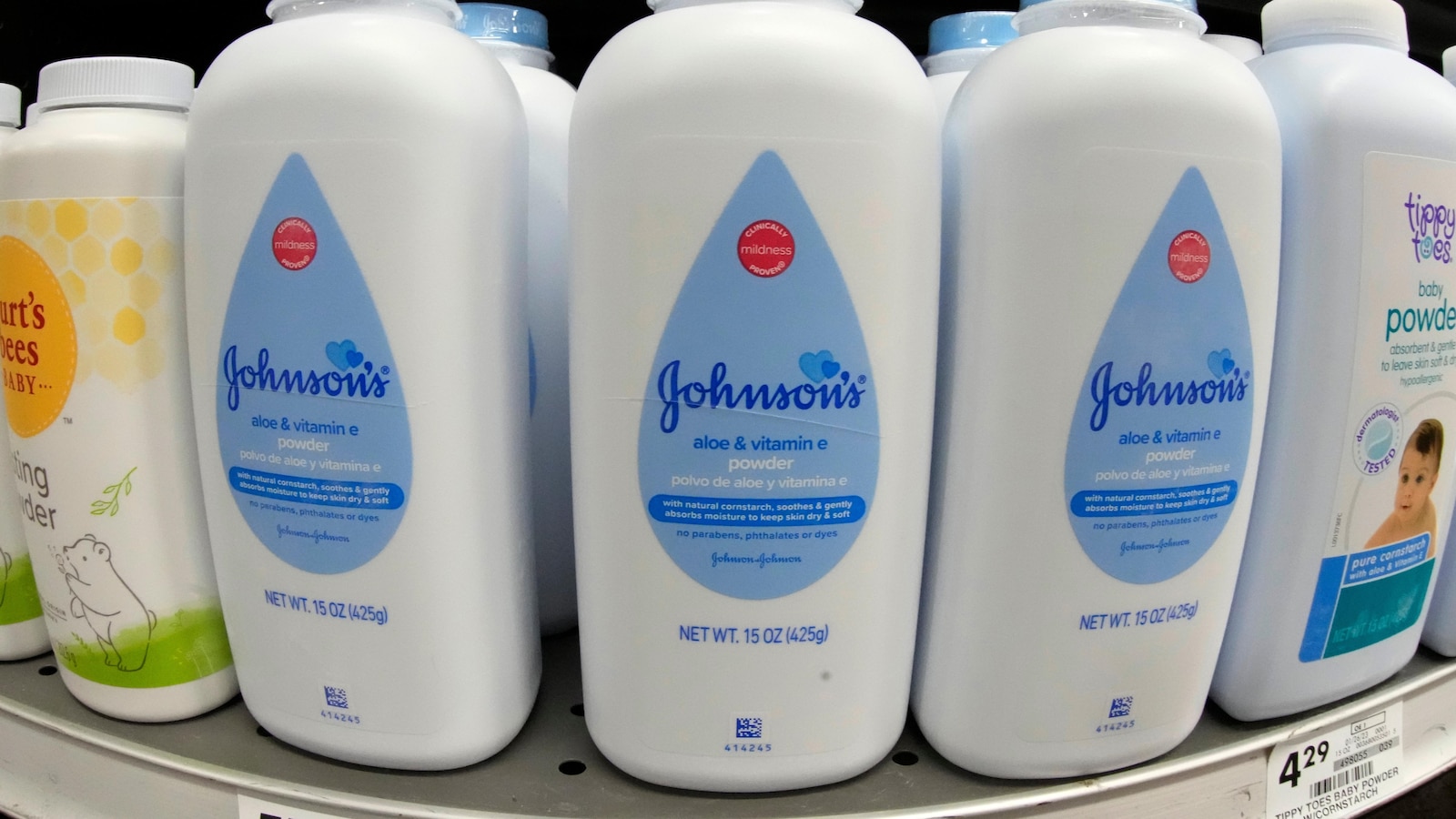
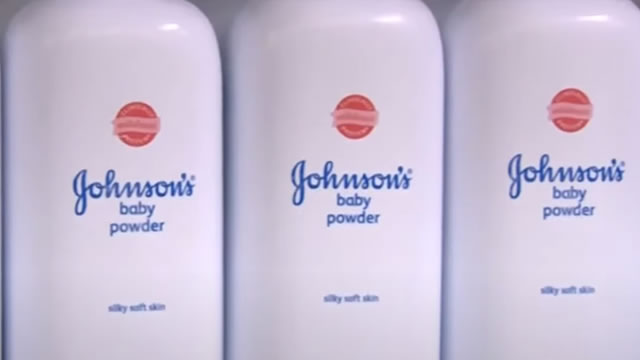
Johnson & Johnson ordered to pay $40 million to 2 women: What is baby powder cancer case?
MINT· 2025-12-15 09:23
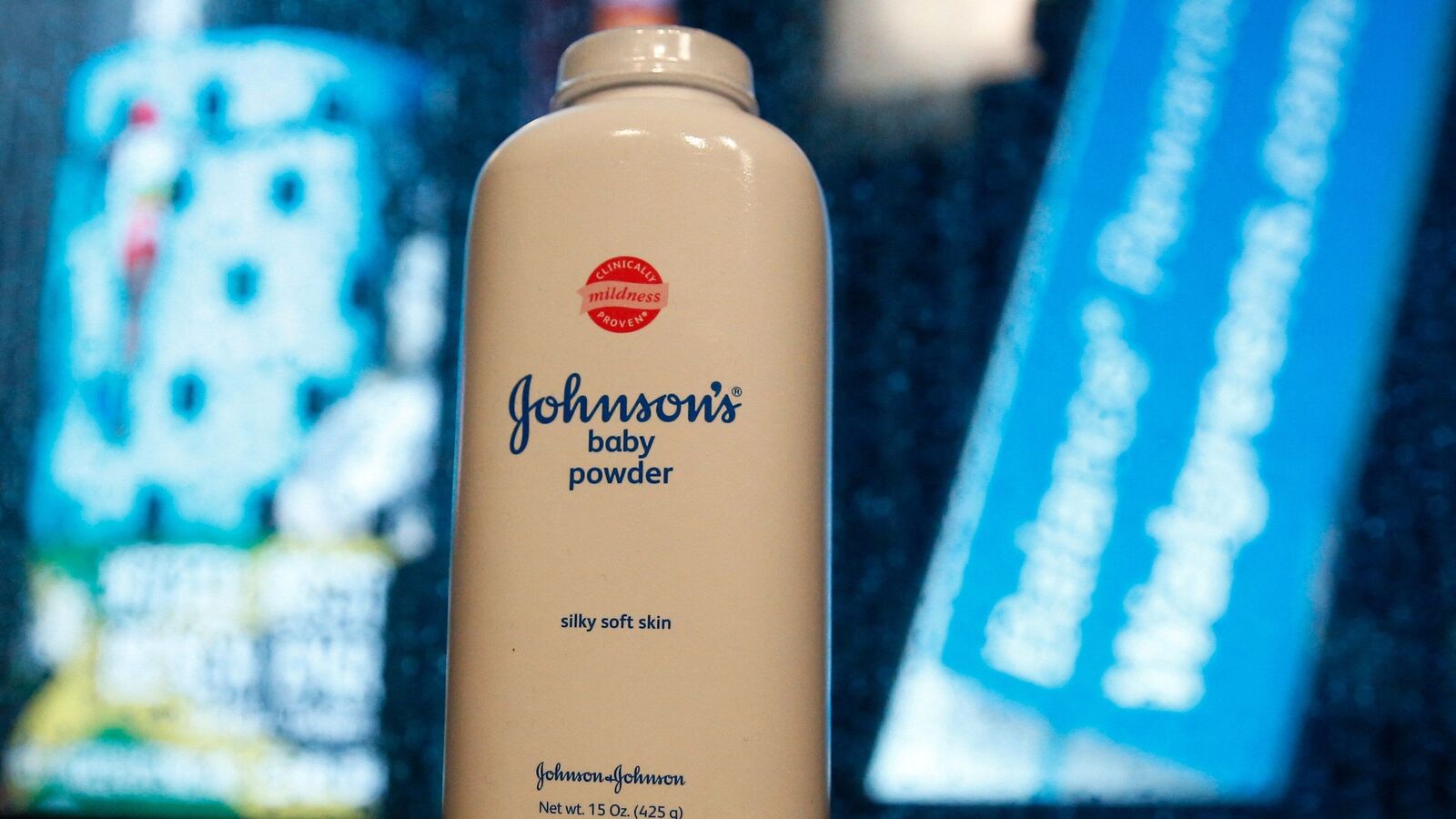
Core Viewpoint - A California jury awarded $40 million to two women who claimed that long-term use of Johnson & Johnson's baby powder led to their ovarian cancer, marking a significant legal development for the company [1][2]. Group 1: Legal Outcome - The jury ordered Johnson & Johnson to pay $18 million to Monica Kent and $22 million to Deborah Schultz and her husband, after determining that the company was aware of the potential harm of its talc-based products for years [3]. - Kent was diagnosed with ovarian cancer in 2014, while Schultz received her diagnosis in 2018 [3]. Group 2: Company Response - Johnson & Johnson plans to appeal the jury's decision regarding both liability and compensatory damages [2]. - The company maintains that its products are safe and do not cause cancer, despite facing lawsuits from over 67,000 individuals claiming cancer development due to its talc products [6]. Group 3: Historical Context - The attorney for the plaintiffs stated that Johnson & Johnson had known since the 1960s about the potential cancer risks associated with its talc products [4]. - Johnson & Johnson ceased selling talc-based baby powder in the US in 2020 and ended global sales in 2023, transitioning to a cornstarch-based formula [6]. Group 4: Defense Arguments - Johnson & Johnson's attorney argued that the link between talc and cancer is not supported by major US health authorities and that no studies have shown talc traveling from the skin to reproductive organs [5].
58起交易!一文看懂中国医疗器械BD的秋季节奏




思宇MedTech· 2025-12-15 08:59
Core Insights - The article highlights the acceleration of business development (BD) activities in the medical device sector from September to November 2025, with a total of 58 transactions identified across various subfields, including cardiovascular, nuclear medicine, and AI-enabled devices [2][3][4]. Group 1: Mergers and Acquisitions - Mergers and acquisitions have become a prominent form of BD, with companies leveraging capital control and product integration for rapid market positioning [7][8]. - Notable acquisitions include HeartLink's $680 million all-stock acquisition of Micro-Invasive Cardiology, enhancing its structural heart disease and rhythm management capabilities [7]. - Hua'an Zhonghui's acquisition of Bangni Medical marks its entry into the absorbable suture market, indicating a shift in surgical instrument competition towards material innovation [7]. Group 2: Strategic Collaborations - Strategic partnerships have been formed during the China International Import Expo, with companies like Shanghai Pharmaceuticals collaborating with international giants such as Boston Scientific and Medtronic to enhance their supply chain and academic promotion systems [7][8]. - The collaboration between GuoYao Medical and BDI Medical aims to deepen market penetration in the biomedicine and medical device sectors, focusing on compliance and distribution channel construction [13]. Group 3: Cross-Border Cooperation - Cross-border transactions have become more active, with foreign companies establishing local R&D and production systems in China, while domestic firms are exporting their solutions globally [9][10]. - The partnership between Trasis SA and Beijing Pait Biotechnology to establish a joint venture reflects a trend towards localized production and phased integration in the Chinese market [12]. Group 4: Ecosystem Building and Channel Expansion - The integration of supply chains and ecosystem building is a key theme, with companies focusing on collaborative agreements to enhance their market presence [11][15]. - The collaboration between Baxter and Neusoft Medical aims to create a comprehensive surgical solution by integrating their respective technologies [12]. Group 5: AI and Smart Healthcare - AI and data-driven approaches are becoming central to BD collaborations, with companies increasingly focusing on smart healthcare solutions [16][17]. - The partnership between Kefu Medical and Tencent Cloud to develop AI-powered hearing aids exemplifies the trend of integrating technology into healthcare products [21]. Group 6: Research and Diagnostic Synergy - The frequency of research-oriented collaborations is rising, indicating a shift from manufacturing-driven to research-driven industry dynamics [18][19]. - The collaboration between BGI and Infinera to enhance clinical applications of sequencing technology highlights the growing importance of research in driving innovation in the medical device sector [21].

Jury Orders Johnson & Johnson to Pay $40M to Two Women in Latest Talc Trial
Insurance Journal· 2025-12-15 06:11
Core Points - A California jury awarded $40 million to two women, Monica Kent and Deborah Schultz, who claimed that Johnson & Johnson's talc-based baby powder caused their ovarian cancer [1][3] - Johnson & Johnson plans to appeal the verdict, asserting confidence in overturning what they consider an aberrant decision [2] - The company faces over 67,000 lawsuits related to cancer claims from its talc products, despite maintaining that its products are safe and do not cause cancer [6][8] Legal Proceedings - The jury awarded $18 million to Kent and $22 million to Schultz and her husband after determining that Johnson & Johnson was aware of the dangers of its products since the 1960s [1][4] - Johnson & Johnson's legal team argued that there is no substantial evidence linking talc to cancer, claiming that the connection was suggested by the plaintiffs' lawyers [5] - The recent trial is the first since Johnson & Johnson's bankruptcy attempts were dismissed, which had previously stalled many cases [7] Company History and Product Changes - Johnson & Johnson stopped selling talc-based baby powder in the U.S. in 2020, transitioning to a cornstarch-based product [6] - The company has experienced a mixed record in talc-related trials, with past verdicts reaching as high as $4.69 billion [8] - Recent substantial verdicts against Johnson & Johnson in mesothelioma cases indicate ongoing legal challenges, including a notable $900 million verdict in Los Angeles [10]

寻找未被满足的临床需求(4):FXI抑制剂有望成为下一代抗凝药物
Guoxin Securities· 2025-12-14 15:01
Investment Rating - The report maintains an "Outperform" rating for the industry [1] Core Insights - The global anticoagulant market exceeds $20 billion, primarily driven by stroke prevention in atrial fibrillation patients, with other indications including VTE prevention after knee/hip replacement and prevention of ischemic complications in myocardial infarction [2][5] - FXI/FXIa inhibitors are expected to become safer anticoagulants, as they target the intrinsic pathway of coagulation, potentially reducing bleeding risks while maintaining efficacy [2][21] - Several FXI/FXIa inhibitors are in clinical stages, with promising safety profiles demonstrated in various indications, including Bayer's asundexian achieving key clinical endpoints in secondary stroke prevention [2][26] - FXI small nucleic acid drugs may offer differentiated competitive advantages, with early-stage clinical data showing effective FXI activity suppression and potential for improved patient compliance [2][26] Summary by Sections Anticoagulant Drugs: Applications and Market Size - Anticoagulants are used in various medical scenarios, with a global market size exceeding $20 billion, driven by stroke prevention in atrial fibrillation patients [5][7] - Current anticoagulants include DOACs and low molecular weight heparins, with existing drugs presenting bleeding risks alongside their efficacy [5][21] FXI Inhibitors as Next-Generation Anticoagulants - FXI inhibitors are positioned to challenge standard treatments, with clinical trials indicating superior safety profiles compared to existing DOACs [2][26] - Notably, Bayer's asundexian has shown efficacy in secondary stroke prevention, marking a significant advancement in the field [2][69] Domestic FXI Small Nucleic Acid Drug Development Progress - Domestic companies are advancing in FXI small nucleic acid drug development, with promising early clinical results indicating effective FXI suppression and potential for improved dosing schedules [2][26] Investment Recommendations - FXI/FXIa inhibitors are projected to represent an upgrade and complement to existing anticoagulants, with a potential market space exceeding $10 billion [2][26] - The report suggests focusing on companies like HengRui Medicine, which is leading in domestic FXI monoclonal antibody development [2][26]





Forget the 2.8% Social Security Increase. These Aristocrats Pay You 4% to 7% More Annually
247Wallst· 2025-12-14 14:51
Core Insights - The Social Security Administration announced a 2.8% cost-of-living adjustment (COLA) for 2026, following a 2.5% increase in 2025, impacting 71 million Americans [1][2] - Dividend growth stocks have historically provided higher annual increases compared to Social Security adjustments, with several blue-chip companies consistently outperforming these adjustments [1][2] Dividend Growth Companies - **Caterpillar**: Achieved a 10-year compound annual dividend growth rate of 7.2%, with a quarterly dividend increase of 7.1% to $1.51 in December 2025, marking 32 consecutive years of increases [3][4] - **Coca-Cola**: Raised its dividend for 62 consecutive years, with a 10-year compound annual growth rate of 4.5% and a quarterly dividend increase of 5.2% to $0.51 in 2025 [6][8] - **Johnson & Johnson**: Also increased its dividend for 62 consecutive years, with a 10-year compound annual growth rate of approximately 6.5% and a quarterly dividend increase of 4.8% to $1.30 in 2025 [9][10] - **PepsiCo**: Maintained a 52-year dividend increase streak, with a 10-year compound annual growth rate of 7.1% and a quarterly dividend increase to $1.4225 in 2025 [12][14] - **Procter & Gamble**: Holds the longest streak with 68 consecutive years of dividend increases, averaging annual growth of 5-7% [15][17] Financial Performance - **Caterpillar**: Projected annual dividend increase from $1.84 in 2012 to $6.04 in 2026, a 228% increase over 14 years, with Q3 2025 operating cash flow of $3.7 billion [4][5] - **Coca-Cola**: Quarterly dividend increased from $0.16 in 1999 to $0.51 in 2025, a 219% increase, with Q3 2025 dividends totaling $2.108 billion [7][8] - **Johnson & Johnson**: Quarterly dividend increased from $0.25 in 1999 to $1.30 in 2025, a 420% increase, with Q3 2025 dividends of $3.132 billion [10][11] - **PepsiCo**: Annual dividend growth from $2.15 in 2012 to $5.55 in 2025, a 158% increase, with Q3 2025 dividends of $1.949 billion [13][14] - **Procter & Gamble**: Paid $2.549 billion in dividends in Q1 2026, with a current dividend yield of 2.93% and a 60% payout ratio [16][17]



Jury says Johnson & Johnson owes $40M to 2 cancer patients who used talcum powders
ABC News· 2025-12-13 20:40
Core Viewpoint - A Los Angeles jury awarded $40 million to two women who allege that Johnson & Johnson's talcum powder caused their ovarian cancer, marking a significant development in ongoing litigation against the company [1][2]. Group 1: Legal Developments - The recent verdict is part of a long-standing legal battle regarding claims that talc in Johnson & Johnson's Baby Powder and Shower to Shower body powder is linked to ovarian cancer and mesothelioma [2]. - In October, another California jury ordered Johnson & Johnson to pay $966 million to the family of a woman who died from mesothelioma, asserting that her cancer was due to asbestos contamination in the baby powder [3]. - The latest jury awarded $18 million to Monica Kent and $22 million to Deborah Schultz and her husband, highlighting the plaintiffs' long-term loyalty to the brand [4]. Group 2: Company Response and Strategy - Johnson & Johnson plans to appeal the jury's liability verdict and compensatory damages, asserting that it has won 16 out of 17 ovarian cancer cases previously tried [4]. - The company maintains that the jury's findings contradict decades of independent scientific evaluations that confirm talc is safe, does not contain asbestos, and does not cause cancer [5]. - In response to declining sales, Johnson & Johnson replaced talc in its baby powder with cornstarch in 2020 and faced a setback in April when a U.S. bankruptcy court judge denied its plan to pay $9 billion to settle related litigation claims [5].