
NIO(NIO)

Search documents
汽车图谱|1月车市调整:上汽销量居首 吉利逆势增长
Xin Jing Bao· 2026-02-02 13:58
2026年1月,在政策切换与年终促销透支的双重作用下,国内车市经历深度调整。 据乘联分会初步推算,1月狭义乘用车零售市场规模约为180万辆,环比下降20.4%,同比微增0.3%。多家传统车 企和造车新品牌发布的销量数据也显示,今年1月汽车市场整体呈现销量环比下滑、同比上扬的局面。 上汽集团1月销量达32.74万辆,同比增长23.94%,为当月销量规模最高的车企。 吉利汽车集团1月乘用车销量达27.02万辆,同比增长1.29%,环比增长14.08%,成为目前唯一实现同环比正增长的 企业。 比亚迪1月销量国内下滑、海外增长。当月总销量约21万辆,其中海外市场销量超10万辆,同比增长51.47%。海 外市场的快速拓展正成为比亚迪重要的增长引擎。比亚迪品牌及公关部门总经理李云飞年初透露,公司计划在 2026年向中国以外地区销售130万辆汽车。 (文章来源:新京报) 新势力车企中,小米汽车1月交付量超3.9万辆,首次超越零跑汽车。赛力斯、极氪、蔚来1月销量同比分别增长 104.85%、99.7%和96.08%,成为当月表现亮眼的高增长梯队。 吉利汽车集团 14.08% 270167 1% 比亚迪 210051 -30. ...





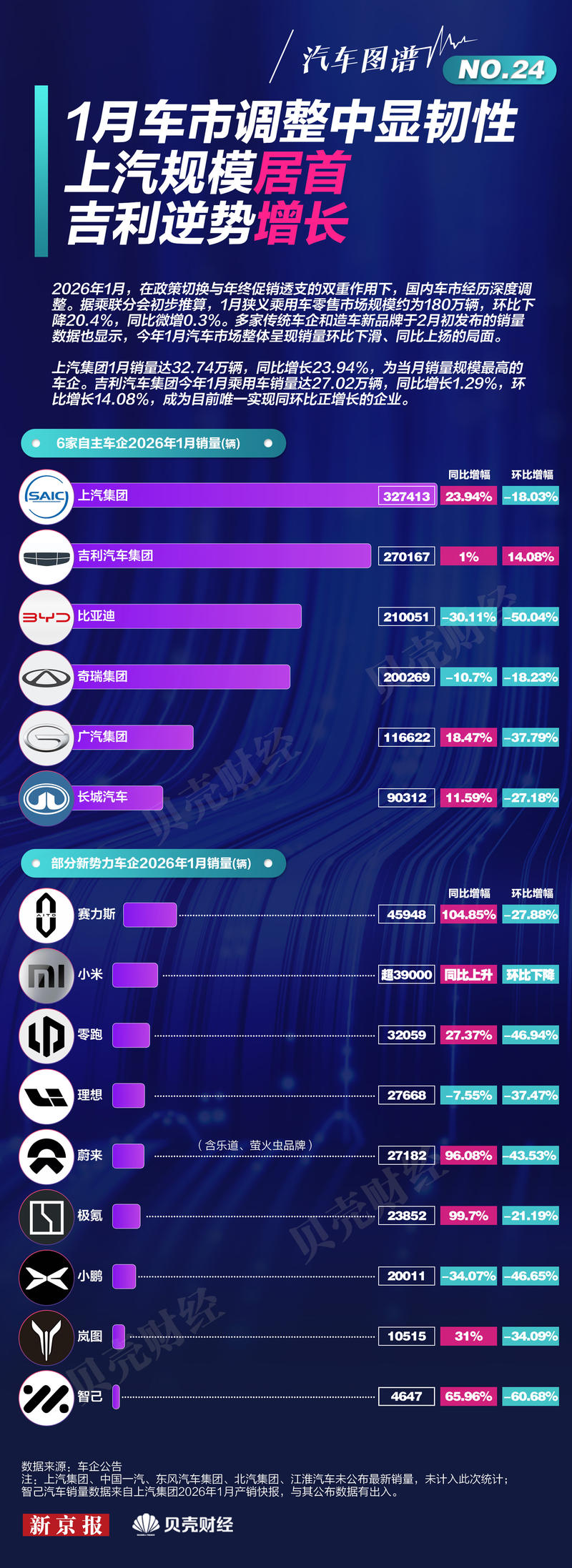
开年就迎“大逆转”:小米反超零跑,蔚来快追平理想,新造车1月环比暴跌
3 6 Ke· 2026-02-02 13:02
Core Insights - The automotive industry faced a significant downturn at the beginning of 2026, with many companies reporting disappointing sales figures compared to December 2025, despite some year-on-year growth due to low bases from the previous year [1][4][6] - The market is experiencing a reshuffling, with new entrants like AITO and Xiaomi gaining traction while established players like Li Auto and Xpeng are struggling [3][12][20] Group 1: Market Performance - January 2026 saw a 28% year-on-year decline in retail sales of passenger vehicles, with a 37% drop compared to December 2025 [6] - The new energy vehicle (NEV) market specifically experienced a 16% year-on-year decline and a 52% month-on-month decline [6] - AITO led the new energy vehicle segment with a delivery of 40,016 units, marking a significant year-on-year increase of 83% [13] Group 2: Company-Specific Performance - Xiaomi and AITO both reported over 39,000 units delivered in January, while Li Auto and Xpeng fell below the 30,000 mark [3][15] - Li Auto's deliveries were 27,668 units, showing a 37% month-on-month decline and an 8% year-on-year decline due to battery supply issues [20][22] - NIO delivered 27,182 units, a 96.1% year-on-year increase but a 43% month-on-month decline, with the new ES8 model being a key contributor [22][23] Group 3: Competitive Strategies - Companies are responding to market pressures by adjusting pricing strategies, with BMW reducing prices on 31 models and some brands offering zero-interest loans [6][7] - AITO and Xiaomi are launching new financial purchase plans to stimulate sales, including low-interest financing options [11][23] - The competitive landscape is intensifying, with companies like Geely and BYD also adjusting their strategies to maintain market share [26][28] Group 4: Traditional Automakers - Geely emerged as the top-selling automaker in January 2026 with 270,000 units sold, surpassing BYD's 210,000 units [26][28] - BYD's sales dropped by 30.11% year-on-year, with a significant 50.04% decline from December 2025 [28][30] - Chery and Great Wall Motors also reported declines, with Chery's sales at 200,269 units and Great Wall's at 90,312 units, reflecting broader market challenges [33][35]




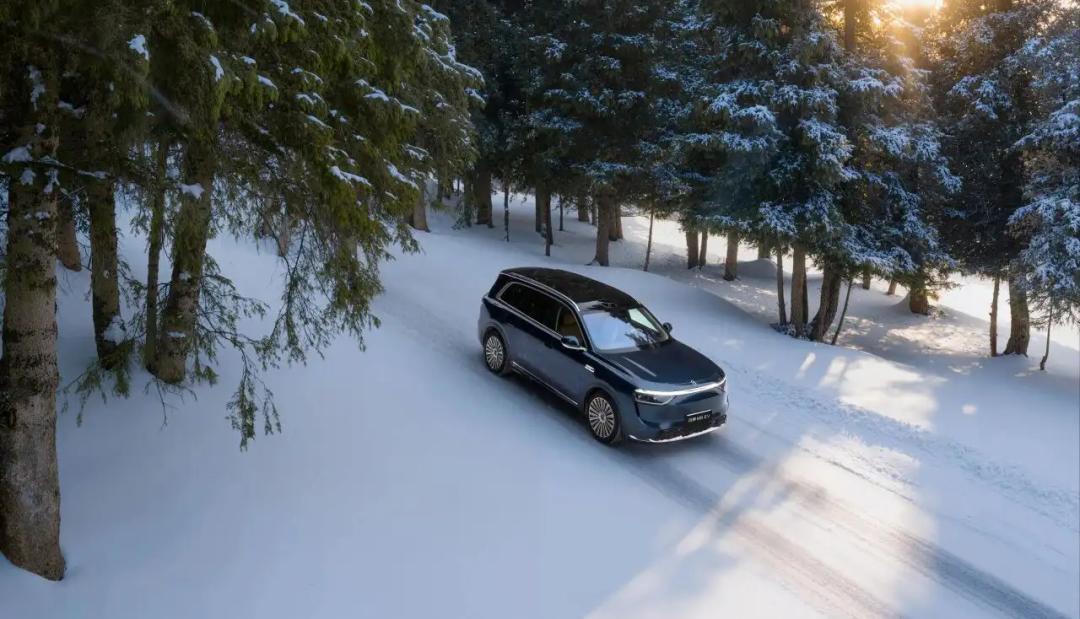
苏奥传感:公司目前与比亚迪、蔚来、小鹏、理想等多家新能源汽车企业建立了长期战略合作伙伴关系
Zheng Quan Ri Bao· 2026-02-02 12:16
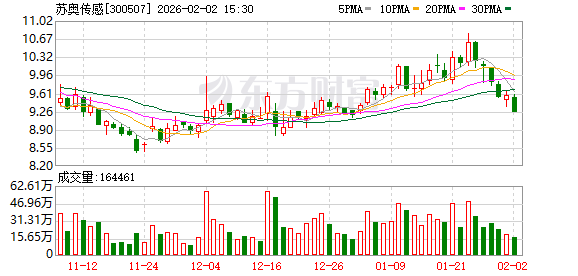
(文章来源:证券日报) 证券日报网讯 2月2日,苏奥传感在互动平台回答投资者提问时表示,公司目前与比亚迪、蔚来、小 鹏、理想等多家新能源汽车企业建立了长期战略合作伙伴关系,并与一级配套市场开展项目合作。 ...

车市卷向7年超长贷,是否暗藏风险?
Di Yi Cai Jing· 2026-02-02 09:23
Core Viewpoint - The automotive finance market is currently dominated by conventional car loans with terms of 1 to 5 years, while 7-year low-interest products are not mainstream and serve primarily as promotional tools to attract consumers [1][9]. Group 1: 7-Year Low-Interest Loan Products - Tesla has extended its low-interest loan period to 7 years, initiating a trend that other manufacturers like Xiaopeng, Li Auto, and Geely have followed with similar offerings [1][2]. - The 7-year low-interest loans typically feature lower down payments and monthly payments, with Tesla's Model 3 offering a minimum down payment of 79,900 yuan and a monthly payment of approximately 1,918 yuan [2]. - NIO offers a 7-year loan with a down payment as low as 20% and an annual interest rate of 0.49%, significantly lowering the entry barrier for consumers [2][3]. Group 2: Financial Institutions and Risk Management - Many of the 7-year low-interest products are provided by automotive financing leasing companies or third-party financial institutions rather than traditional banks, which typically do not offer loans longer than 5 years due to risk management policies [4][7]. - The current regulatory framework allows for personal auto loans to be extended to 7 years, a change that has enabled companies like Tesla and NIO to introduce these products [4]. - The financing leasing model often involves lower upfront costs but may include conditions such as penalties for early repayment, which vary by institution [8][9]. Group 3: Market Dynamics and Consumer Impact - The introduction of 7-year low-interest loans is primarily aimed at boosting vehicle sales amid intense market competition, with varying levels of interest subsidies across different manufacturers [5][10]. - Extending the repayment period from 5 to 7 years can significantly reduce monthly payments, making it easier for consumers to afford vehicles [5]. - Consumers are advised to carefully evaluate the total cost of ownership, including potential additional fees and the implications of different ownership structures (direct lease vs. return lease) when considering these financing options [9][10].

乐道登陆首个海外市场 L90/L60双车亮相乌兹别克斯坦
Feng Huang Wang· 2026-02-02 08:46
Core Insights - NIO's sub-brand, Ladao, officially entered the Uzbekistan market on February 2, with the opening of its first store in Tashkent in collaboration with ABU SAHIY MOTORS [1] - The Ladao L90 and L60 models were introduced as the main products for the local market, alongside NIO's ET9 and EL8 models [1] - The partnership aims to enhance local service networks and charging infrastructure in Uzbekistan [1] Market Context - Uzbekistan is a founding member of the Shanghai Cooperation Organization, indicating its strategic importance [1] - The automotive market in Uzbekistan is transitioning from a price-driven to a value-driven approach, with family users being sensitive to factors like space and usage costs [1] Global Expansion Strategy - Ladao's entry into Uzbekistan marks the first step in the brand's global development strategy [1] - Plans are in place for Ladao to enter the Americas later this year through a partnership with a distributor in Costa Rica [1]
1月新势力分化加剧:鸿蒙领跑,理想下滑
Bei Jing Shang Bao· 2026-02-02 08:27
Core Insights - The delivery performance of new car manufacturers in January 2026 showed a significant decline in month-on-month figures, with some brands experiencing drops exceeding 40%, while year-on-year results displayed a stark divergence among companies [2][3] - The competition in the automotive industry is shifting towards technology and ecosystem advantages, necessitating adjustments in product offerings and marketing strategies to meet changing consumer demands [2][8] Delivery Performance - In January 2026, the overall delivery volume for new car manufacturers decreased, with three companies reporting a month-on-month decline of over 40% and three others over 30% [3] - Hongmeng Zhixing led the market with nearly 58,000 deliveries, marking a year-on-year increase of 65.6%, despite a month-on-month drop of 35.4% [3][4] - Xiaomi and Leap Motor also reported strong growth, while NIO and Zeekr saw near doubling in year-on-year figures; however, Li Auto and Xpeng faced year-on-year declines [2][3] Market Trends - The automotive market is experiencing a "financial war" as companies introduce low-interest financing options to stimulate sales, with Tesla and Xiaomi leading the charge with attractive financing plans [5][6] - The long-term growth trajectory for the electric vehicle market remains positive, with projections indicating that sales in China could reach 19 million units in 2026, representing a year-on-year growth of 15.2% [7] Competitive Landscape - The competitive focus is shifting from price competition to value competition, driven by changes in government policies that encourage technological upgrades and quality consumption [7][8] - Key trends identified for 2026 include a shift towards value competition, accelerated market differentiation, and a focus on intelligent driving, smart cabins, and new battery technologies as critical areas for differentiation [7][8]

BYD, Xpeng Lead Chinese EV Stock Selloff Amid Poor January Sales - BYD (OTC:BYDDY)
Benzinga· 2026-02-02 07:32
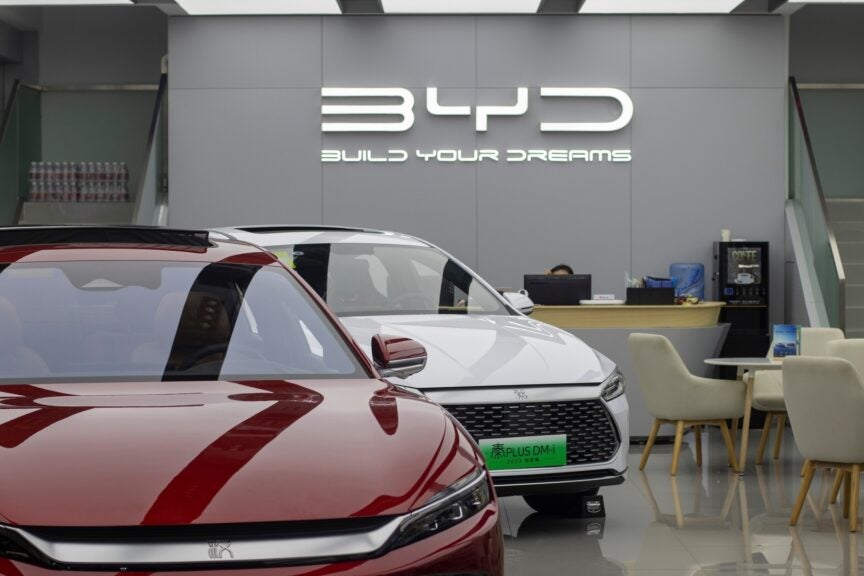
Chinese automakers BYD Co. Ltd. (OTC:BYDDY) (OTC:BYDDF) , Xpeng Inc. (NYSE:XPEV) , among others, recorded a decline in stock values on the Hong Kong exchange following poor January sales figures.BYD Shares Fell 5.1%BYD shares fell by over 5.1% in early trading on the Hong Kong stock exchange after it reported a sales decline of over 30% in January, Bloomberg reported on Sunday.The world's largest EV maker sold 210,051 units in January, which also demonstrated a 50% MoM decline in sales, amid strong overseas ...
2026车圈反思开局:我们犯了大错误
汽车商业评论· 2026-02-02 04:03
Group 1 - The automotive industry is reflecting on its challenges and opportunities as leaders like Li Shufu of Geely emphasize the importance of core values and technological innovation in navigating critical moments [9][10] - Oliver Blume, former CEO of Porsche, admits to significant strategic errors, particularly regarding the decision to fully electrify the Macan model, which has led to a product gap and financial losses for shareholders [14][15] - Xiaomi's CEO Lei Jun acknowledges the industry's issues with marketing practices and emphasizes the need for transparency and accountability in communications with consumers [17][19] Group 2 - NIO's founder Li Bin celebrates the production of the company's one millionth electric vehicle and outlines ambitious plans for expanding battery swap stations, while maintaining a focus on long-term growth and profitability [22][24] - Elon Musk expresses confidence in China's rapid advancements in AI and energy infrastructure, predicting that China will surpass the U.S. in power generation by three times by 2026 [26][27] - Zhu Hao, founder of Zhi Mi Technology, boldly claims that his company will create the world's first trillion-dollar ecosystem, aiming for a significant increase in market valuation over the next two decades [30][31] Group 3 - Renault's CEO François Provost advocates for a shift from volume-driven strategies to value-driven approaches in the Chinese automotive market, criticizing the detrimental effects of price wars [41] - Li Xiang of Li Auto announces a strategic pivot towards humanoid robotics and AI, emphasizing the need for innovation in product development and collaboration within the industry [44][46] - Huawei's executive Yu Chengdong expresses dissatisfaction with the current capabilities of the HarmonyOS cockpit, calling for improvements to meet user expectations [36][37]

“网红”电动车,谁能跨过“斩杀线”
创业邦· 2026-02-02 03:36
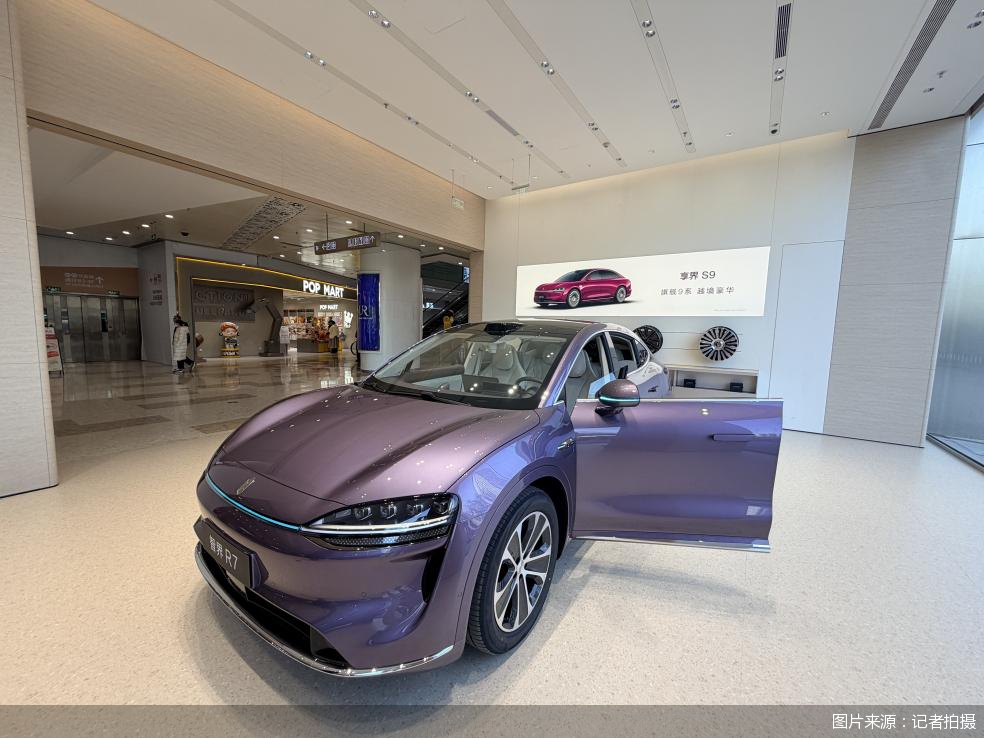
Core Viewpoint - The article discusses the evolving landscape of the electric vehicle (EV) market, emphasizing the need for sustainable sales strategies beyond initial hype and the importance of establishing a strong value proposition for long-term success [6][54]. Group 1: Market Dynamics - The EV market has seen a surge in new models, but success is often measured by initial sales figures and year-end rankings, which can be misleading [6][7]. - Traditional "internet celebrity cars" tend to follow a parabolic sales curve, peaking shortly after launch and then declining, relying on short-term marketing and product appeal [11][12]. - The article identifies three new models that have successfully navigated the market, showcasing different strategies for sustained sales [12]. Group 2: Case Studies of Successful Models - **Xiaomi SU7**: Achieved peak sales of nearly 30,000 units in March 2025, supported by Xiaomi's extensive user base and effective marketing. However, it faces the challenge of maintaining interest beyond initial hype [15][16]. - **Xpeng MONA M03**: Launched in August 2024, it quickly reached over 10,000 units in sales within three months and maintained monthly sales between 10,000 and 16,000 units, capitalizing on a key price segment and offering advanced features [18][20]. - **AITO M8**: Experienced a "deep squat and jump" sales pattern, stabilizing at over 20,000 units monthly by summer 2025, benefiting from Huawei's technology integration and brand recognition [23][24]. Group 3: Challenges and Market Positioning - The article highlights the importance of establishing a "value anchor" in consumers' minds to ensure long-term sales, as seen with models like Li Auto L6, which despite a decline, remains a top seller due to its defined market position [28][29]. - Models in the competitive 200,000 to 300,000 yuan price range face significant challenges, with many struggling to differentiate themselves in a crowded market [31][32]. - The **智界 R7** and **享界 S9** illustrate the difficulties faced by models that fail to establish a unique market position, leading to declining sales despite technological backing [34]. Group 4: The Importance of Sustainable Sales - The article emphasizes the existence of "low-profile long runners" that, while not flashy, maintain steady sales through balanced product offerings and precise market positioning [36][38]. - Models like **零跑 C10** and **腾势 D9** demonstrate the effectiveness of a stable sales strategy, contributing significantly to their brands' overall performance [41][43]. - The need for a healthy product matrix is highlighted, as brands that rely solely on a single "hit" model face increased risks in a competitive environment [51]. Group 5: Emerging Market Rules - The article outlines new market rules where "smart equality" becomes a baseline requirement, and the importance of a comprehensive product matrix is emphasized for risk mitigation [51][52]. - The concept of "value for money" has evolved to include total ownership costs, making it a critical factor in consumer decision-making [51]. - The success of models like AITO is attributed to deep collaboration between technology providers and manufacturers, contrasting with less effective loose partnerships [52].

造车新势力1月销量承压 环比平均降幅达38%
Zhong Zheng Wang· 2026-02-02 03:16
Core Insights - The domestic new energy vehicle market experienced a significant decline in January 2026, with all nine major manufacturers reporting a month-on-month drop in deliveries averaging 38%, with the highest decline exceeding 47% [1][2] - However, year-on-year performance showed a stark contrast, with leading brands like Zeekr and NIO nearly doubling their deliveries, while brands like Xpeng and Li Auto faced declines of 34.1% and 7.6% respectively, highlighting a widening gap between top and smaller brands [1][2] Group 1: Market Performance - The nine major manufacturers saw month-on-month delivery declines ranging from 21.2% to 47.0%, indicating market volatility due to policy adjustments and changes in consumer behavior [2][5] - Leading brand Homologous Intelligence maintained the highest delivery volume at 57,915 units, despite a 35.4% month-on-month decline, showcasing a year-on-year growth of 65.6% [2][3] - Xiaomi's deliveries exceeded 39,000 units, with a month-on-month drop of 22.3% but a year-on-year surge of 70%, indicating strong market acceptance [2][3] Group 2: Brand-Specific Insights - NIO and Zeekr emerged as the "dual engines" of year-on-year growth, both exceeding 95% growth, with NIO delivering 27,182 units (up 96.1% year-on-year) and Zeekr delivering 23,852 units (up 99.7% year-on-year) [3][4] - Li Auto and Xpeng faced challenges with year-on-year declines, with Li Auto delivering 27,668 units (down 7.6%) and Xpeng delivering 20,011 units (down 34.1%) [4][5] - Leap Motor and Lantu maintained steady growth, with Leap Motor delivering 23,591 units (up 63.9% year-on-year) and Lantu delivering 10,515 units (up 31.3% year-on-year) [4][5] Group 3: Market Dynamics and Future Outlook - The decline in January sales is attributed to short-term factors such as policy changes, seasonal demand fluctuations, and inventory management by dealers, with a forecasted 40% month-on-month drop in national retail sales of new energy vehicles [5][6] - Despite short-term pressures, the long-term growth trajectory for the new energy vehicle industry remains intact, with projections of 19 million units sold in 2026, representing a 15.2% year-on-year increase [6] - The market is expected to stabilize post-policy transition, with new product launches and supportive measures from local governments anticipated to drive recovery in February and March [6]