
NIO(NIO)

Search documents
债市早报:资金面整体平稳向宽;债市偏强震荡
Sou Hu Cai Jing· 2026-01-22 02:54
Group 1: Domestic News - The People's Bank of China (PBOC) emphasizes accelerating the construction of a cross-border payment system for the renminbi, aiming for a diversified and multi-layered development by 2026 [2] - The Ministry of Industry and Information Technology (MIIT) reports that the industrial and information sectors contributed over 40% to economic growth, with a projected 5.9% increase in industrial value added by 2025 [3] - The Ministry of Housing and Urban-Rural Development (MOHURD) plans to stabilize the real estate market by focusing on urban renewal, community construction, and improving housing sales systems [5] Group 2: International News - Former President Trump announces a framework agreement with NATO regarding Greenland, temporarily halting planned tariffs on European countries [6] - The U.S. Treasury yields show a general decline, with the 10-year Treasury yield down by 4 basis points to 4.26% [25] Group 3: Bond Market Dynamics - The bond market shows a strong performance with the 10-year government bond yield decreasing by 0.05 basis points to 1.8335% [10] - The credit bond market experiences significant price deviations, with some industrial bonds seeing price changes exceeding 10% [11] - Vanke announces a bondholder meeting where a proposal to extend the maturity of a portion of its bonds was approved [12] Group 4: Commodity Market - International crude oil prices rise, with WTI crude up 0.43% to $60.62 per barrel, and natural gas prices surge nearly 30% to $5.040 per million British thermal units [7] Group 5: Equity and Convertible Bond Market - The equity market sees a collective rise, with major indices increasing, and the convertible bond market also reflects this trend with major indices up by approximately 0.90% [21] - The convertible bond market records a trading volume of 912.89 billion yuan, with 308 out of 385 bonds rising in value [21]



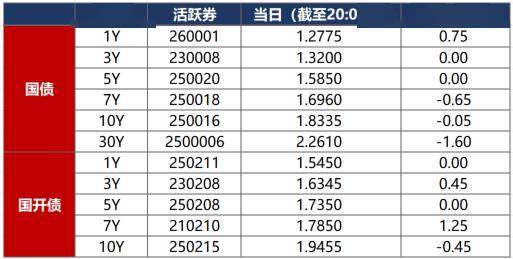
英特尔涨11.7%,AMD涨7.1%,美光科技涨6.6%,英伟达涨2.9%
财联社· 2026-01-22 00:39
Core Viewpoint - The U.S. stock market experienced a significant rebound following President Trump's cancellation of new tariffs on European countries and his announcement of a "framework agreement" regarding Greenland [1][3]. Market Performance - The Dow Jones Industrial Average rose by 1.21%, closing at 49,077.23 points; the S&P 500 increased by 1.16%, ending at 6,875.62 points; and the Nasdaq Composite gained 1.18%, finishing at 23,224.82 points [2]. Political Developments - Trump stated at the World Economic Forum in Davos that he would not use military force to acquire Greenland, which positively influenced the stock market. He mentioned a productive discussion with NATO Secretary General Mark Rutte, leading to a future agreement framework concerning Greenland and the Arctic region [3]. - Trump had previously announced a 10% tariff on goods from Denmark, Norway, Sweden, France, Germany, the UK, the Netherlands, and Finland, set to take effect on February 1, with a potential increase to 25% by June 1 if an agreement on Greenland was not reached [4]. Market Reactions - The stock market had previously declined sharply due to Trump's escalation of tariff threats and the possibility of military action regarding Greenland, marking the worst single-day performance since October 10 [6]. - The market's reaction to Trump's tariff cancellation reflects a trend where investors no longer assume his statements will be executed, indicating a level of unpredictability in his administration's policies [7]. Stock Performance - Major technology stocks mostly rose, with Nvidia up 2.95%, Apple up 0.39%, Microsoft down 2.29%, Google up 1.98%, Amazon up 0.13%, Meta up 1.46%, Tesla up 2.91%, Broadcom down 1.14%, Oracle down 3.36%, Netflix down 2.18%, Micron Technology up 6.61%, AMD up 7.11%, and Intel up 11.72% [7]. - Chinese concept stocks also saw gains, with the Nasdaq Golden Dragon China Index rising 2.21%, Alibaba up 3.87%, JD.com up 2.43%, Pinduoduo up 1.40%, NIO up 2.41%, Xpeng up 1.70%, Li Auto up 2.48%, Bilibili up 5.65%, Baidu up 8.17%, while NetEase fell 4.07%, Tencent Music down 0.80%, and Pony.ai up 2.55% [7].



存储芯片价格暴涨好几倍,雷军在关注,蔚来李斌直言“根本抢不过”
Mei Ri Jing Ji Xin Wen· 2026-01-21 15:05
TrendForce集邦咨询公布的数据显示,2025年9月以来,DDR5内存价格上涨超300%,DDR4涨幅也超 150%;PCPartPicker平台数据则显示,消费级DDR4与DDR5内存条价格已翻两至三倍,部分面向数据中 心的高端服务器内存条单价更是逼近5万元。 "相较之下,上游动力电池原材料的价格波动对车价的影响,反而不如近期存储芯片等关键电子元器件 价格变化对整车成本和定价的影响更为显著。"日前,Omdia高级分析师刘运程在接受《每日经济新 闻》记者采访时道出了汽车行业当前面临的一项难题。 动态随机存取存储器(DRAM)广泛应用于智能汽车的信息娱乐系统、高级驾驶辅助功能以及日益集中 的电子架构中。而与此同时,作为电子设备的核心运行内存,DRAM能实现数据随机高速存取,被广泛 应用于服务器、手机、PC等各类需要高速数据处理的场景。 摩根士丹利在近日发布的研究报告中指出,传统存储芯片供需缺口正持续扩大,2025年第二季度至2026 年,行业将迎来新一波超级周期,DDR4(一种计算机内存规格)、DDR3、NOR Flash(一种非易失性 闪存)及SLC/MLC NAND(闪存的两种存储单元)等内存产品供应 ...
价格暴涨好几倍,雷军在关注,蔚来李斌直言“根本抢不过”!华尔街巨头:恐慌性购买迹象已现,车企要留心
Mei Ri Jing Ji Xin Wen· 2026-01-21 14:39
每经记者|孙磊 每经编辑|程鹏 余婷婷 "相较之下,上游动力电池原材料的价格波动对车价的影响,反而不如近期存储芯片等关键电子元器件价格变化对整车成本和定价的影响更为显著。"日 前,Omdia高级分析师刘运程在接受《每日经济新闻》记者采访时道出了汽车行业当前面临的一项难题。 摩根士丹利在近日发布的研究报告中指出,传统存储芯片供需缺口正持续扩大,2025年第二季度至2026年,行业将迎来新一波超级周期,DDR4(一种计 算机内存规格)、DDR3、NOR Flash(一种非易失性闪存)及SLC/MLC NAND(闪存的两种存储单元)等内存产品供应紧张态势加剧。 "2026年1月,头部企业对DDR4采购态度积极,受供应限制,其一季度价格涨幅可能达50%,涨势将延续至二季度,将波及汽车等行业。"上述研究报告显 示。 富国银行(Wells Fargo)分析师在一份研究报告中表示,由于数据中心和人工智能(AI)应用的需求飙升,全球范围内内存芯片短缺加剧,汽车制造商可 能面临新的成本压力和潜在的供应中断。富国银行分析师表示,汽车行业在全球DRAM市场中所占份额不到10%,这使得该行业处于劣势,因为芯片制 造商理所当然会优先考 ...

价格暴涨好几倍 雷军在关注 蔚来李斌直言“根本抢不过”!
Mei Ri Jing Ji Xin Wen· 2026-01-21 14:34
Core Insights - The automotive industry is facing significant cost pressures due to rising prices of memory chips, which are critical for smart vehicle systems, as demand from AI and data centers outpaces supply [1][2][6][8]. Group 1: Market Dynamics - The demand for DRAM and NAND flash memory is surging, driven by AI applications and data centers, leading to a supply shortage that is expected to worsen [2][4]. - Memory chip prices have seen dramatic increases, with DDR5 prices rising over 300% and DDR4 over 150% since September 2025 [3]. - The automotive sector, which accounts for less than 10% of the global DRAM market, is at a disadvantage as chip manufacturers prioritize higher-margin clients in the AI and cloud sectors [2][6]. Group 2: Supply Chain Challenges - Major semiconductor manufacturers are reallocating production capacity to meet the growing demand from AI, leaving automotive manufacturers to compete for limited resources [6][7]. - The transition to new memory technologies, such as LPDDR5, is hampered by the ongoing demand from AI, leading to a mismatch between automotive needs and available supply [7][8]. Group 3: Cost Implications - Automotive manufacturers are currently unable to fully pass on the increased costs of memory chips to consumers due to competitive market pressures [8][10]. - There are concerns that the supply of memory chips may not meet automotive production needs, with forecasts suggesting that supply satisfaction could fall below 50% [8][9]. Group 4: Strategic Recommendations - Industry experts suggest that automotive companies should consider long-term agreements with local memory manufacturers to secure supply and stabilize prices [10]. - A balanced approach to product memory configuration and transparent communication with consumers regarding pricing adjustments is recommended to manage cost pressures effectively [10].
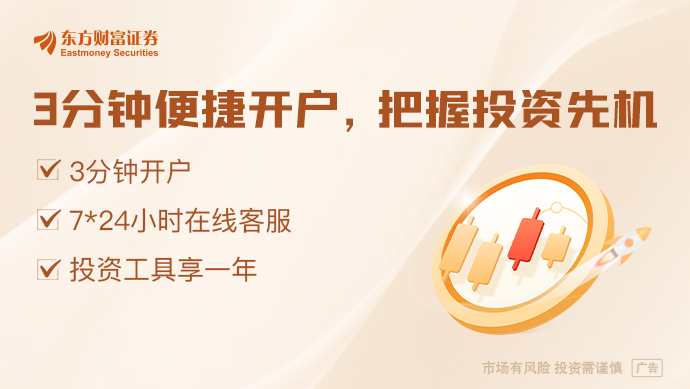
2025四季度国内热销SUV质量排行:小米YU7第一,投诉销量比为万分之0.9
Xin Lang Cai Jing· 2026-01-21 12:53
Core Insights - The report from the third-party automotive quality complaint platform Chezhizhong indicates a significant decrease in quality complaints for domestic SUVs in Q4 2025, with a total of 11,984 complaints received, reflecting a quality complaint-to-sales ratio of 24.8 per ten thousand units, a notable improvement from Q3 [1][4]. Group 1: Quality Performance - The average quality complaint-to-sales ratio for domestic SUVs in Q4 2025 is 24.8 per ten thousand units, which shows a substantial recovery in overall quality performance compared to Q3 [1][4]. - Among the 358 models analyzed, 71 models performed better than the average complaint ratio of 24.8 per ten thousand units [1][4]. Group 2: Top Performing Models - The top-performing SUV in terms of quality is the Xiaomi YU7, with a complaint ratio of 0.9 per ten thousand units [1][4]. - The second and third positions are held by the Zeekr 9X and the Shangjie H5, with complaint ratios of 1.4 and 1.7 per ten thousand units, respectively [1][4]. - Other notable models in the top eight include the Toyota Platinum 3X, Changan X5 Plus, NIO ES8, Hongqi HS3 PHEV, and the Fangcheng Bao Titanium, with complaint ratios ranging from 2.0 to 3.0 per ten thousand units [1][4].



英国要恢复疫情前市场规模?中国新车加速进程
Guan Cha Zhe Wang· 2026-01-21 10:38
Group 1 - The UK automotive market is attracting attention from Chinese manufacturers due to the lack of domestic automakers targeting the mass market and the absence of tariffs on Asian electric vehicle imports [1][3] - The UK automotive market has not yet recovered to its pre-pandemic level of 2.5 million vehicles annually, and the entry of Chinese brands is expected to accelerate this recovery [1] - Chinese brands, led by SAIC's MG, doubled their market share in the UK to 10% last year, with BYD and Chery increasing their shares significantly in December [3][5] Group 2 - New entrants such as Geely, Changan, Xpeng, and Leap Motor have entered the UK market since 2023, with Geely's premium electric brand targeting the UK after entering 12 European markets [3] - BYD plans to introduce its high-end brand Tengshi, while Chery may launch its new energy brand Lepas in the UK [5] - The UK market is projected to see Chinese brands capture 20% of the market share by 2028, with plans to offer not only electric vehicles but also fuel and hybrid models [5]




美股中概股盘前多数上涨,拼多多涨7%
Jin Rong Jie· 2026-01-21 09:15
Core Viewpoint - The majority of Chinese concept stocks in the US pre-market are experiencing gains, indicating positive market sentiment towards these companies [1] Group 1: Stock Performance - Pinduoduo is up by 7% [1] - Bilibili has increased by 4% [1] - Alibaba shows a rise of 3% [1] - Trip.com is up by 2% [1] - JD.com has gained 1% [1] - NIO is up by 0.6% [1]


一代“神车”本田飞度跌破7万元上市,但这个市场早已不属于它
Xin Lang Cai Jing· 2026-01-21 04:07
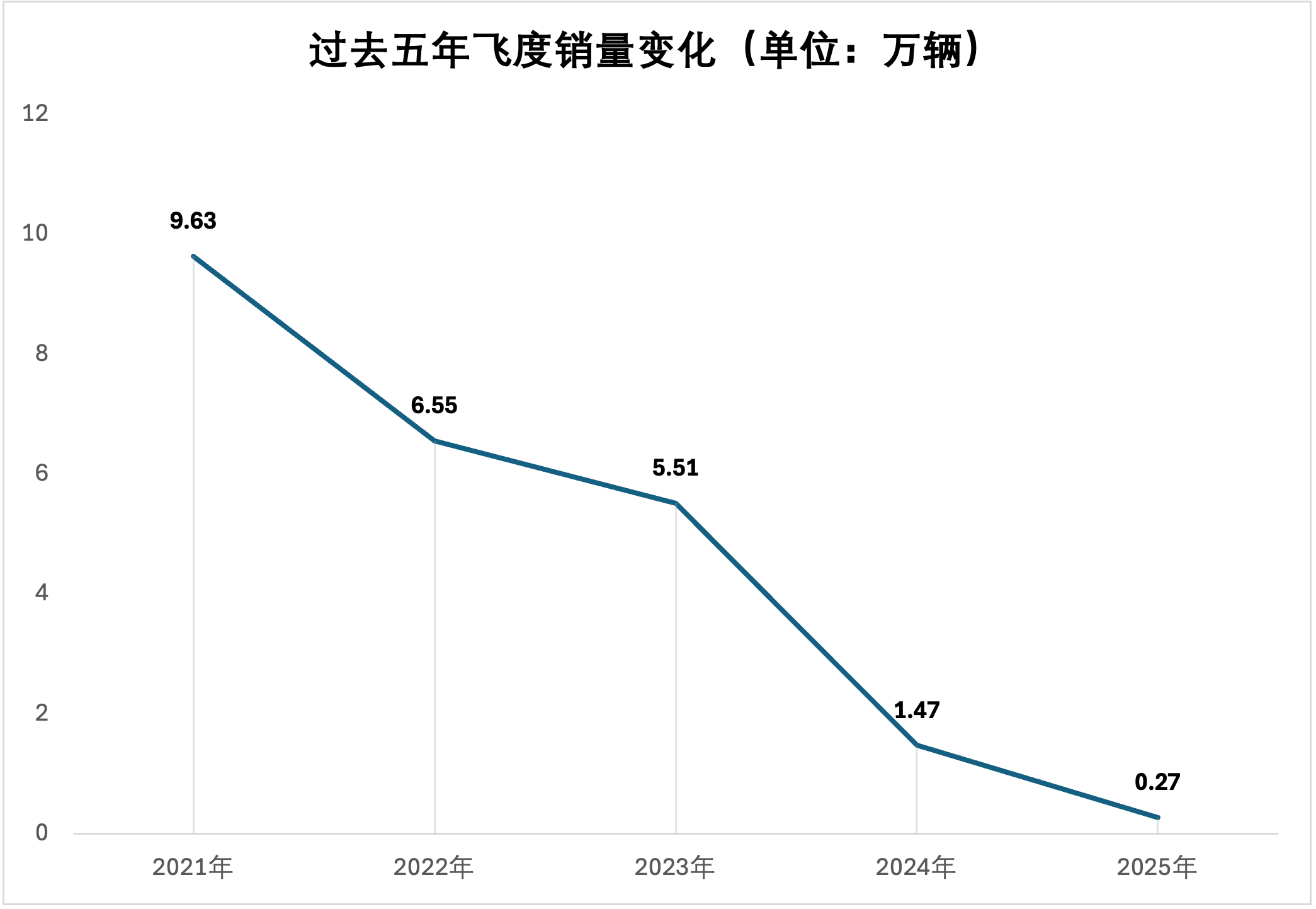
Core Viewpoint - Honda Fit is attempting to regain market attention through price reductions and limited marketing strategies, launching a new model priced at 66,800 yuan with a limited release of 3,000 units, despite only selling 2,695 units in 2025, which is less than the new model's release quantity [1][2] Group 1: Honda Fit's Market Position - The new Honda Fit has not changed in body size or power parameters compared to the 2024 model, with updates primarily in interior features, including a new 10.1-inch central control screen and standard Bluetooth and CarPlay functions [1] - The previous market dominance of the Fit was due to its competitive advantages in the fuel vehicle era, offering better interior space and fuel economy in the 100,000 yuan price range, making it a preferred choice for young consumers [1] - In 2018, the Fit achieved peak annual sales of 129,200 units in China, but by 2024, its sales plummeted over 70% to 14,700 units, dropping to eighth place in its segment [2] Group 2: Competitive Landscape - BYD has quickly filled the market gap left by the declining Fit, with its Dolphin and Seagull models dominating the small car market, achieving sales of 453,600 units for the Seagull in 2024, nearly double that of the second-place Wuling Bingo [4] - In 2025, Geely's Star Wish surpassed BYD's Seagull with sales of 465,800 units, becoming the new leader in the small car market and the overall sales champion in the Chinese passenger car market [4][5] - The small car market is highly concentrated, with only two to three models actively competing, making it crucial for brands to maintain a presence in consumer purchase intentions [5] Group 3: Challenges for Other Brands - Great Wall's Ora brand has seen a decline in market share, with sales dropping from 73,600 units in 2023 to 29,300 units in 2025, due to a strategic focus on profitability and reduced investment in the Ora brand [6] - The new Ora 5 model, launched after a three-year hiatus, is positioned as a compact SUV with a higher price range of 99,800 to 133,800 yuan, moving away from the small car segment [7] - The shift in branding strategy for Ora, moving from a female-focused identity to a broader market appeal, raises questions about the effectiveness of this change in a competitive environment [7] Group 4: Emerging Trends in the Small Car Market - The market for premium small cars, represented by brands like BMW MINI and NIO's Firefly, focuses on design and brand positioning rather than scale, achieving higher price points and brand premiums [10] - NIO's Firefly has captured 61% of the high-end small car market share, with plans for international expansion, including a launch in Singapore [11] - In contrast, Smart's sales have declined from 42,300 units in 2023 to 30,800 units in 2025, as its product strategy lacks focus, failing to maintain its classic small car appeal in the electric era [12] Group 5: Policy and Market Dynamics - The new subsidy policies for electric vehicles will limit the financial incentives for low-priced models, making it essential for companies to compete based on real value and product strength [13] - The small car market is expected to face overall declines in 2026 due to the dual pressures of subsidy reductions and tax changes, necessitating a balance between sales volume and profitability for all participants [13]
蔚来全新ES8交付超5万辆,上汽MG7智能化升级|一周车闻
Di Yi Cai Jing· 2026-01-21 01:01
Group 1 - Chinese brands are accelerating their scale layout in the high-end and segmented markets, particularly in the high-end electric vehicle sector [1][2] - NIO delivered its 50,000th new ES8 vehicle in just 120 days since the launch, achieving a retail sales volume of 22,258 units by December 2025, ranking first in insurance volume among large SUVs in 46 cities [2] - The strong sales performance of NIO is attributed to its internal "efficiency revolution," but the company faces challenges in converting this into stable annual profitability to cover high R&D and infrastructure investments [2] Group 2 - SAIC's MG brand launched the 2026 MG7 with a starting price of 116,900 yuan, targeting the competitive 100,000 to 150,000 yuan sports sedan market, featuring significant upgrades in intelligence [3] - The 2026 MG7 aims to compete with models like Lynk & Co 03 and Honda Civic, leveraging "beyond-class" configurations to attract consumers [3] - SAIC-GM Wuling introduced its first rugged SUV, the Starlight 560, with a price range of 59,800 to 95,800 yuan, offering fuel, plug-in hybrid, and pure electric options [4] - The Starlight 560's fuel version features a 1.5T engine with a maximum torque of 290 Nm, while the pure electric version boasts a range of 500 km and a consumption of 13.1 kWh/100 km [4] - Wuling aims to achieve a total output value exceeding 100 billion yuan by 2025, with a year-on-year growth of 24%, and expects its new energy vehicle sales to surpass 1 million units, reflecting a 31.9% increase [4] Group 3 - Geely Galaxy launched its first large MPV, the Galaxy V900, with a starting price of 269,800 yuan, filling a gap in the MPV segment for Geely [5] - The Galaxy V900 features a range-extended power system with a 1.5T engine and dual motors, offering a pure electric range of 260 km and a combined range of 1,220 km [5] - The year 2026 is anticipated to be significant for MPV products, with other models like the Zhijie V9 and Leap Motor D99 expected to debut [5]