Stellantis(STLA)

Search documents
特朗普计划启动“金库计划”
财联社· 2026-02-02 13:43
Core Viewpoint - The article highlights the significant rise in the rare earth sector, driven by the announcement of the "Project Vault," a strategic critical minerals reserve initiative by the U.S. government, aimed at protecting manufacturers from supply shocks. Group 1: Market Reaction - On February 2, pre-market trading showed a strong performance in rare earth stocks, with NioCorp Developments up nearly 9% and Critical Metals up over 7% [1] - Other notable gains included TMC the metals (6.5%), American Resources (6.01%), United States Antimony (6%), USA Rare Earth (5.71%), and MP Materials (4.88%) [2] Group 2: Project Vault Details - The "Project Vault" will combine $1.67 billion in private capital with a $10 billion loan from the Export-Import Bank of the United States, aimed at purchasing and storing mineral resources for various industries [3] - The Export-Import Bank's board is expected to approve this record-setting 15-year loan, which is more than double the size of the bank's second-largest transaction in history [4] Group 3: Strategic Importance - The reserve will cover rare earths and other strategically important elements, helping companies hedge against price volatility without the need to stockpile materials [4][5] - Major companies involved include General Motors, Stellantis, Boeing, Corning, GE Vernova, and Google, indicating strong industry support for the initiative [5] Group 4: Market Stability - The initiative is designed to stabilize markets and mitigate price fluctuations, which can significantly impact financial statements, as seen with the historical spike in nickel prices following the Russia-Ukraine conflict [5] - Commodity traders will be responsible for sourcing raw materials to fill the reserves, further emphasizing the project's market-oriented approach [5] Group 5: Investor Confidence - The project has reportedly received oversubscription, reflecting investor confidence in the creditworthiness and long-term commitments of the participating companies [6]




Trump to launch $12 billion critical mineral stockpile to blunt reliance on China
Yahoo Finance· 2026-02-02 13:16
Core Insights - The U.S. is launching a strategic critical-minerals stockpile named Project Vault with $12 billion in initial funding to reduce reliance on Chinese rare earths and other metals [1][4] - The initiative combines $1.67 billion in private capital with a $10 billion loan from the U.S. Export-Import Bank to procure and store essential minerals for various industries [1][2] - The stockpile will focus on critical minerals like gallium and cobalt, which are vital for products such as smartphones, batteries, and jet engines [3][4] Industry Impact - U.S. rare-earths stocks experienced a surge in premarket trading following the announcement of the stockpile plan, indicating positive market sentiment [2] - The project aims to strengthen supply chains in the automotive, aerospace, and energy sectors, reducing dependency on China, the leading provider of critical minerals [4][5] - Participation from major companies, including General Motors, Boeing, and Google, highlights the broad industry support for the initiative [5][6] Financial Aspects - The Export-Import Bank's board is set to approve a record-setting 15-year loan, which is more than double the size of the previous largest deal executed by the bank [6] - The involvement of commodities trading houses to manage raw material purchases for the stockpile indicates a structured approach to sourcing critical minerals [5]


出行革命_自动驾驶与机器人出租车-Mobility Revolution_ Autonomous driving and robotaxi
2026-02-02 02:22
Summary of Key Points from the Conference Call Industry Overview - The automotive sector is undergoing significant transformation with advancements in electrification, automation, and informatization, potentially leading to a revolution in transportation similar to the introduction of the moving assembly line by Ford over a century ago [2][10] Autonomous Driving and Robotaxi Trends - The shift from rule-based systems to end-to-end (E2E) architectures and variable large architectures (VLA) is evident, with many companies pursuing hybrid designs that combine safety mechanisms with AI models [3] - Advanced Driver Assistance Systems (ADAS) and Autonomous Driving (AD) penetration is expected to rise significantly, with L2+ systems projected to reach approximately 34% penetration by 2035, up from 12% in 2025 [5] - The global robotaxi market is anticipated to grow to USD 67.3 billion by 2030, with China being the most scalable market due to supportive policies and deployment momentum [6] Key Players and Strategies - Major automakers are adopting diverse strategies for autonomous driving: - **Toyota** is pursuing a multi-pathway strategy, combining in-house development with partnerships [10] - **Honda** is focusing on developing its own E2E system while collaborating with Helm.ai [10] - **Nissan** is leveraging Wayve's E2E technology [10] - In China, companies like **Pony.ai**, **WeRide**, and **Apollo Go** are leading the robotaxi deployment, with significant partnerships enhancing their capabilities [45] Investment Implications - Japanese automakers are expected to launch software-defined vehicles (SDVs) starting with Toyota's RAV4 in 2025, followed by Honda's 0 Series and Sony Honda Mobility's AFEELA in 2026 [10] - The transition to SDVs presents both opportunities and risks for traditional auto parts suppliers, as automakers increasingly assert control over software layers, potentially eroding supplier revenues [11] - The Japanese government has set a target for 30% SDV penetration by 2030-2035, which may accelerate strategic initiatives across the sector [12] Market Ratings - **Outperform Ratings**: Toyota, Suzuki, BYD, Xiaomi, Li Auto, Grab, BMW, Ferrari, Renault, Aston Martin, Hesai, Tuopu - **Market-Perform Ratings**: Honda, Denso, XPeng, NIO, Volkswagen, Mercedes, Stellantis, Volvo Cars, Continental - **Underperform Ratings**: Nissan, Mazda, Subaru, Black Sesame, Daimler Truck [12][15][17][26] Additional Insights - The integration of advanced technologies in the automotive sector is leading to a shift in competitive dynamics, with traditional OEMs partnering with tech companies to enhance their offerings [14] - The development of autonomous driving capabilities is closely linked to the operational design domain (ODD), which defines the conditions under which autonomous vehicles can operate [41][42] - The future of tyre technology is also evolving, with tyres expected to function as sensors that communicate data to vehicles, enhancing predictive maintenance and driving performance [18]


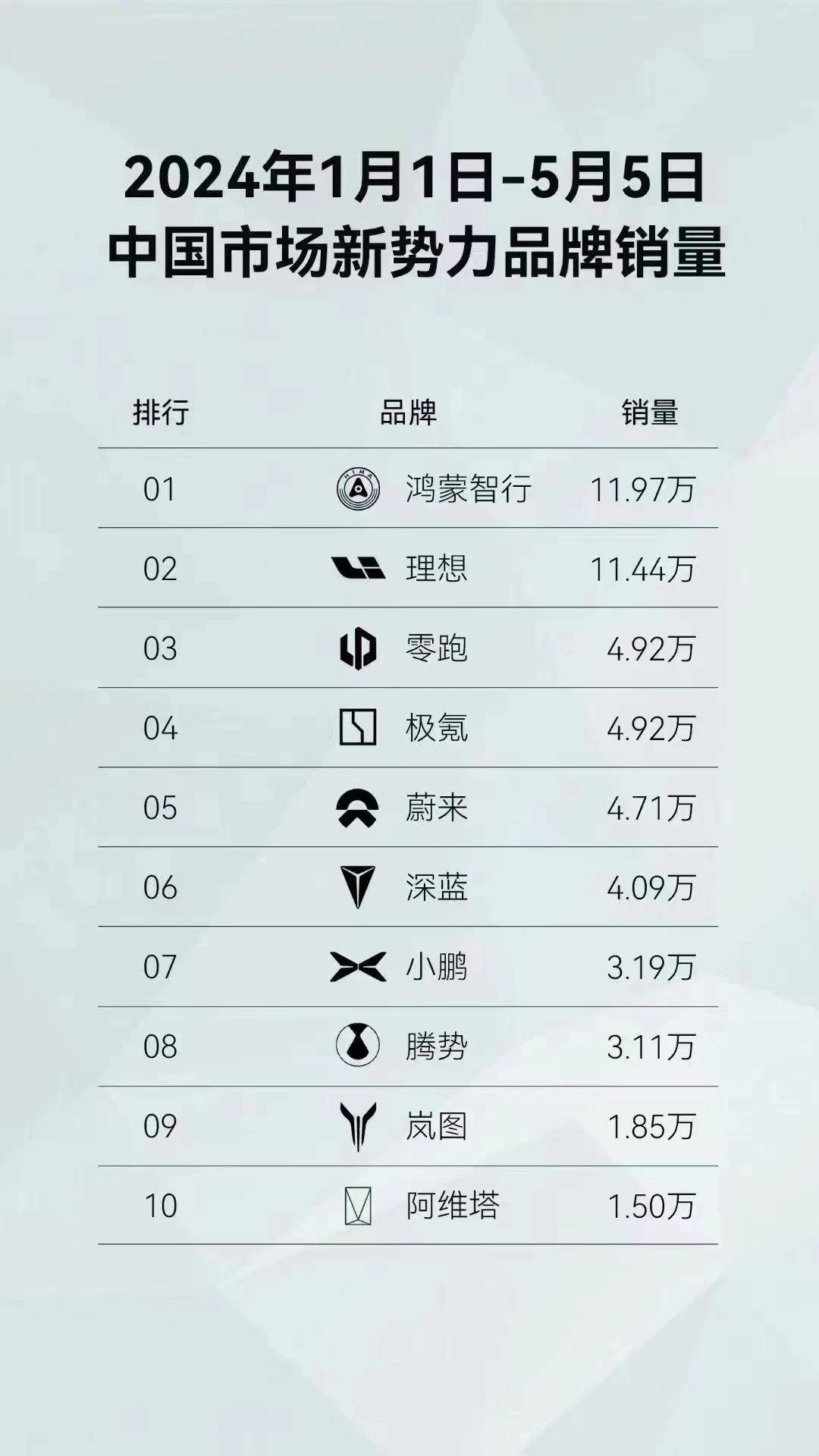
结合优势,轻资产运营,零跑国际合资公司的出海模式值得期待吗?
Sou Hu Cai Jing· 2026-02-01 04:12
Group 1 - The core viewpoint of the article is that the establishment of the joint venture between Leap Motor and Stellantis, named Leap International, represents a promising overseas expansion model through a light asset operation strategy [1][2] - Leap International has received a significant investment of €1.5 billion from Stellantis, which enhances its operational capabilities and market entry potential [1] - The joint venture aims to leverage Stellantis's global strength and local market knowledge to mitigate legal and cultural risks associated with entering foreign markets [1] Group 2 - The management team for Leap International has been established with an international perspective, focusing on developing products and services that cater to local consumer preferences [2] - The light asset operation model adopted by Leap International is expected to reduce costs and time, allowing for a quicker market entry compared to traditional methods of establishing local manufacturing and direct sales [1] - The collaboration with Stellantis is seen as a strategic advantage that can help Leap Motor navigate the complexities of international markets more effectively [1][2]
Automaker Stellantis is rolling out a 5-day return to office for US staff
Business Insider· 2026-01-30 16:15
Core Viewpoint - Stellantis has mandated a return to office (RTO) policy requiring US employees to work on-site five days a week starting March 30, aiming to enhance customer satisfaction and foster innovation [1][2][7]. Group 1: RTO Policy Details - Directors and above must be on-site five days a week from February 16, as per an internal email from Stellantis CFO Joao Laranjo [2]. - The RTO initiative, titled "Back Together We Win," will apply to all employees globally, with specific timings varying by country [3]. - Employees are expected to confirm their on-site working hours with managers and teams [7]. Group 2: Employee Support and Flexibility - While the majority of work hours are expected to be on-site, the company continues to support flexibility in work hours [8]. - Resources available to assist employees during the transition include childcare discounts and access to 10 free counseling sessions annually through an employee assistance program [8]. Group 3: Company Context and Challenges - Stellantis has faced significant challenges, including struggling US sales and underperforming stock compared to rivals Ford and GM [11]. - The company employed nearly 250,000 people globally as of the end of 2024 [9]. - Recent leadership changes include the departure of CEO Carlos Tavares in December 2024, replaced by former Jeep CEO Antonio Filosa [11].

Stellantis to hike Italy output this year thanks to new models, Europe chief says
Reuters· 2026-01-30 11:25
Core Viewpoint - Stellantis anticipates an increase in production in Italy this year due to the introduction of new models, aligning with commitments made to the Rome government regarding enhanced investments [1] Group 1 - The company is focusing on new model launches to boost output [1] - Stellantis is working to fulfill its investment commitments to the Italian government [1]

Stellantis to Present Strategic Plan at May 21 Investor Day
Globenewswire· 2026-01-29 13:12
Core Insights - Stellantis N.V. will present its strategic plan at the Investor Day 2026 on May 21 in Auburn Hills, Michigan [2] Company Overview - Stellantis N.V. is a leading global automaker with a diverse portfolio of brands including Abarth, Alfa Romeo, Chrysler, Citroën, Dodge, DS Automobiles, FIAT, Jeep®, Lancia, Maserati, Opel, Peugeot, Ram, Vauxhall, Free2move, and Leasys [3]

Stellantis cuts French prices in bid to rebuild market share
Yahoo Finance· 2026-01-29 11:44
Group 1 - Stellantis is lowering vehicle prices in France to recover lost market share, specifically on Fiat, Opel, and Peugeot models [1][2] - A new deal for the Fiat Pandina has been launched at €9,990 ($11,973) under certain conditions, with cheaper leasing options also available for the Peugeot 208 [1][2] - The entry price for petrol versions of the Opel Corsa has been reduced from €20,900 to €15,900 [2] Group 2 - CEO Antonio Filosa, who took over in June, is implementing price reductions to stabilize brands like Jeep and Peugeot after market share losses [2] - Filosa has plans for billions of dollars in investment in the US while addressing excess capacity in Europe and competition from Chinese manufacturers [3] - Stellantis operates twelve factories in France and is expected to unveil a new strategic plan in the first half of the year [3] Group 3 - Passenger car and van output in France increased to 661,000 units last year, up from 569,000 in 2024, aided by stronger production at sites like Sochaux [4] - Filosa has expressed concerns that the European Commission's updated vehicle emissions regulations do not provide a clear growth strategy for the EU car industry [4] - There is a possibility that Stellantis may increase European spending if the planned 2035 phase-out of petrol engines is relaxed [5]
欧盟:纯电销量首次超越汽油车
Zhong Guo Qi Che Bao Wang· 2026-01-29 01:32
Core Insights - The European passenger car market is experiencing a significant shift towards electric vehicles, with battery electric vehicle (BEV) sales surpassing gasoline vehicle sales for the first time in December 2025, achieving a market share of 22.6% [2][5]. Group 1: Market Trends - In December 2025, BEV sales increased by 51% year-on-year to 217,898 units, while gasoline vehicle sales decreased to 216,492 units, marking a pivotal change in market dynamics [2][5]. - The overall passenger car sales in the EU reached 963,319 units in December 2025, reflecting a 5.3% year-on-year growth, with electric vehicles (including hybrids) accounting for 67% of total sales, up from 57.8% in December 2024 [5][6]. Group 2: Electric Vehicle Growth - The sales of plug-in hybrid vehicles (PHEVs) also saw a substantial increase of 36.7%, totaling 102,914 units in December 2025 [5][6]. - For the entire year of 2025, the EU passenger car market recorded total sales of 10.82 million units, a slight increase of 1.8%, with BEV sales reaching 1.88 million units, up 30% year-on-year [6][7]. Group 3: Competitive Landscape - Chinese brands are rapidly penetrating the European market, with SAIC Motor and BYD showing significant growth. SAIC sold 305,700 units, up 24.9%, while BYD's sales skyrocketed by 269% to 188,000 units [8]. - In contrast, Tesla's sales declined by 26.9% to 239,000 units, highlighting the competitive pressures from emerging brands [8].




Stellantis France steps up discounts in 2026 to regain volume levels
Reuters· 2026-01-28 10:58
Core Viewpoint - Stellantis plans to increase price cuts on new cars sold in France to boost sales volumes in its largest European market [1] Group 1 - The initiative is led by Stellantis France chief Xavier Duchemin, indicating a strategic move to enhance competitiveness in the French automotive market [1] - The decision comes as part of a broader strategy to recover from declining sales and improve market share in France [1]