
库卡

Search documents
从家电巨头到全球机器人前四,美的八年布局终破局
机器人大讲堂· 2026-02-13 00:00
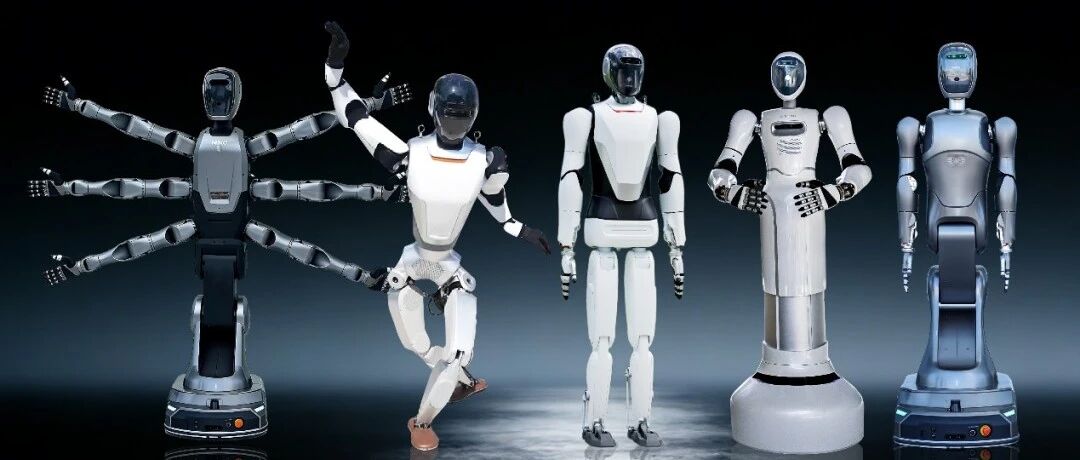
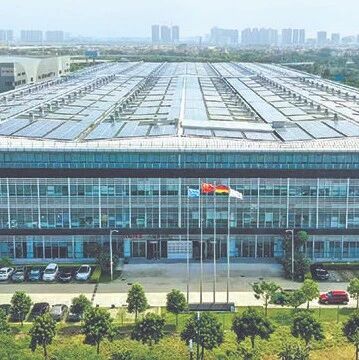
Core Viewpoint - Midea has successfully transformed from a home appliance manufacturer to a leading player in the industrial robotics sector, ranking among the top four globally, with a focus on integrating robotics into its core business strategy [3][4][10]. Group 1: Technological Strength - Midea has established a robust technological and production capacity, with the KUKA intelligent manufacturing technology park being the largest industrial robot production base in China, expected to deliver over 30,000 units by 2025 [4][5]. - The "Mei Luo U," a six-arm humanoid robot, enhances operational efficiency by performing multiple tasks simultaneously, achieving a cost-saving of over 8 million yuan annually for factories [7][10]. - Midea's R&D investment has exceeded 43 billion yuan over the past three years, with a 14.4% year-on-year increase in the first half of 2025, significantly outpacing overall revenue growth [8][10]. Group 2: Strategic Path - Midea's approach to robotics has been pragmatic, focusing on industrial applications before expanding into commercial and household sectors, ensuring a solid foundation for long-term growth [11][14]. - The integration of KUKA's technology into Midea's operations has resulted in a 30% revenue contribution from KUKA's Chinese business by 2025, with a market share of 9.4% in the industrial robotics sector [12][14]. - Midea's strategy emphasizes using its own manufacturing facilities as testing grounds for robotic technology, allowing for iterative improvements based on real-world applications [14][18]. Group 3: Growth Engine - The robotics and automation segment has become a core growth driver for Midea, with revenues reaching 22.6 billion yuan in the first three quarters of 2025, reflecting a 9% year-on-year increase [15][16]. - Midea's unique "scene synergy advantage" allows for the seamless integration of robotics into its manufacturing processes, enhancing both technical validation and cost optimization [16][17]. - The expansion of Midea's robotics applications beyond home appliances into sectors like automotive, aerospace, and healthcare is opening new revenue streams [17]. Group 4: Ultimate Logic - Midea's long-term investment in robotics aligns with its strategic transformation from a product-focused company to a technology-driven enterprise, integrating robotics into its broader ecosystem [18][20]. - The company is positioning itself as a standard setter in technology, with robotics serving as a key component in its smart home ecosystem and global expansion efforts [20][21]. - Midea's commitment to robotics reflects a broader trend in China's industrial landscape, showcasing the potential for domestic companies to achieve technological breakthroughs and redefine industry standards [21][22].


阿童木机器人冲击港股,聚焦工业机器人产品,净利润连续两年亏损
Ge Long Hui· 2026-02-03 03:21
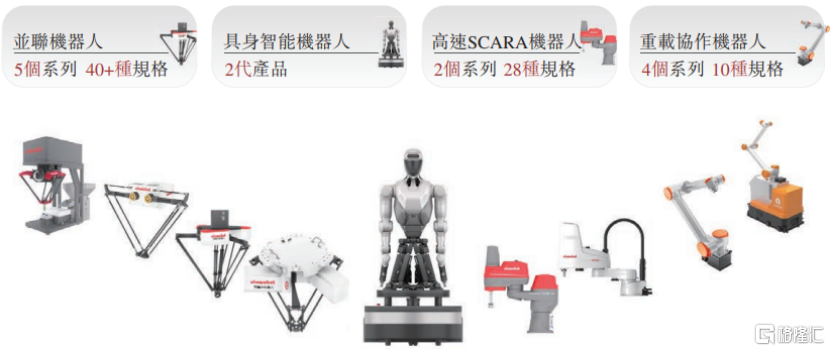
Core Insights - The article highlights the increasing importance of industrial robots in manufacturing, driven by the rise of smart manufacturing and structural increases in labor costs, positioning robots as key tools for efficiency and cost reduction [1] Company Overview - Tianjin Atongmu Robot Co., Ltd. (referred to as "Atongmu Robot") has submitted an IPO application to the Hong Kong Stock Exchange, aiming to list under Chapter 18C, with Huatai International as the sole sponsor [1] - The company focuses on the research, production, sales, and service of high-speed and high-reliability industrial robots, with products spanning parallel robots, high-speed SCARA robots, heavy-duty collaborative robots, and embodied intelligent robots [1][4] Financial Performance - Approximately 50% of Atongmu Robot's revenue comes from parallel robots, but the company has reported net losses for two consecutive years [3] - Revenue for the years 2023, 2024, and the first nine months of 2025 is approximately RMB 93.49 million, RMB 135.26 million, and RMB 156.96 million, respectively, with corresponding gross margins of 17%, 22.8%, and 28.9% [8] - The company has incurred net losses of approximately RMB -39.25 million, RMB -47.07 million, and a profit of RMB 0.938 million for the same periods [8] Product and Market Dynamics - Atongmu Robot's product matrix includes parallel robots, high-speed SCARA robots, and heavy-duty collaborative robots, with a significant portion of revenue derived from robot bodies [6][8] - The average selling prices of the company's products have declined during the reporting period, which may impact revenue [8][9] - The global and Chinese industrial robot market is projected to grow, with expected shipment values of approximately RMB 101.3 billion and RMB 46.6 billion in 2024, respectively [15][16] Competitive Landscape - The industrial robot market is characterized by intense competition, with Atongmu Robot needing to compete against multinational corporations and established domestic manufacturers [10][18] - In 2024, Atongmu Robot is expected to rank second among global parallel robot manufacturers with a market share of 4.8% and first in China with a market share of 12.3% [18] Future Outlook - The company plans to use the funds raised from the IPO for ongoing research and development, expanding its multifunctional headquarters, enhancing production capacity, and developing overseas markets [22] - The future growth of the industrial robot market is anticipated due to ongoing automation upgrades across various industries, with a compound annual growth rate of approximately 12.3% for the global market from 2024 to 2029 [16]

美的集团(000333):系列报告一:机器人与自动化业务,迈向智造未来
GOLDEN SUN SECURITIES· 2026-01-27 11:55
美的历经全面要约、控股收购与退市计划三步推进,完成全球机器人龙头 库卡的控股与战略整合。美的机器人战略自引进到控股,构建"自主研发 +国际并购+生态协同"一体化自动化产业体系。KUKA 自 1898 年创立以 来,历经焊接设备扩展、工业机器人研发突破及自动化系统整合发展,成 功转型为全球领先的智能自动化解决方案提供商。产品结构:KUKA 的产 品体系以工业机器人为核心,向移动平台、焊接设备、系统集成、机队管 理、教育培训与软件生态等方向纵深拓展。客户群体:覆盖新能源车、电 池、电商零售至医疗健康,库卡构建起多行业适配的自动化客户群体系。 ➢ 工业机器人行业:长链合作,"四大家族"优势领先。 美的集团(000333.SZ) 美的系列报告一:机器人与自动化业务,迈向智造未来 ➢ 机器人与自动化业务:要约收购 KUKA,成功布局工业机器人业 务。 证券研究报告 | 公司深度 gszqdatemark 2026 01 27 年 月 日 | 买入(维持) | | | --- | --- | | 股票信息 | | | 行业 | 白色家电 | | 前次评级 | 买入 | | 01 月 22 日收盘价(元) | 77.49 ...
深度 | 一文说清“中试平台”:如何打通技术到市场最后一公里!
证券时报· 2026-01-26 00:22
Core Viewpoint - The article discusses the emergence of "pilot testing platforms" in China's manufacturing industry, which serve as crucial facilitators for the transition of scientific innovations from the lab to mass production, effectively navigating the challenges of the "Darwinian Dead Sea" in technology commercialization [1][4]. Group 1: Pilot Testing Platforms - Pilot testing platforms are essential for overcoming the technical bottlenecks in large-scale production, allowing for efficient product validation and market acceptance [1]. - These platforms are characterized by their large physical space and significant investment in advanced equipment, enabling comprehensive testing and development across various technologies [5][6]. - The advanced photovoltaic device pilot testing platform by Tongwei has a total area of 68,000 square meters, making it the largest in the photovoltaic industry, capable of parallel research and development of multiple technologies [5][6]. Group 2: Role in Innovation - Pilot testing platforms act as "scouts" for new technologies, enabling companies to explore and develop next-generation technologies while maintaining production efficiency [10]. - They serve as "demolition experts" that help overcome technical challenges in product manufacturing, such as achieving high yield and stability in battery materials [11]. - These platforms also function as "training grounds" for products before they enter the market, allowing for full-process validation and optimization [12]. Group 3: Industry Collaboration and Ecosystem - The platforms are increasingly recognized in national policies, emphasizing their role as "locomotives" for industrial development and collaboration [15]. - By opening their capabilities to the industry, these platforms can drive collaborative innovation and enhance the overall level of the supply chain [15][16]. - The establishment of an ecosystem that includes research and development, incubation, and investment is crucial for fostering technological innovation and market expansion [16]. Group 4: Challenges Faced - The construction and operation of pilot testing platforms face significant challenges, including technical integration, funding, talent acquisition, and trust issues [18][20]. - High investment costs and uncertain returns pose economic challenges, as the platforms require substantial funding for equipment and facilities [20][21]. - The scarcity of skilled personnel who can manage the complex operations of these platforms is a major bottleneck [22][23].


开箱广货爆款!广东机器人产量全国领跑,供应链全球最齐
Nan Fang Du Shi Bao· 2026-01-25 13:41
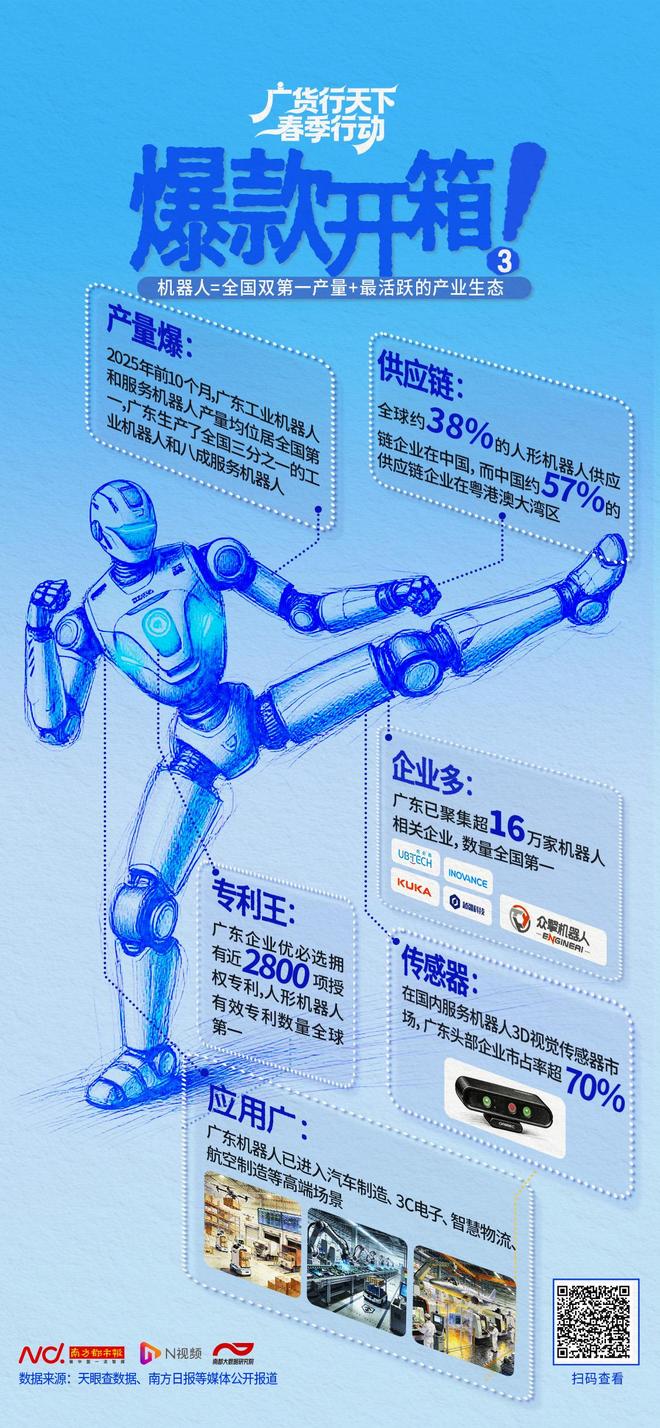
广货爆款开箱 开箱!解码广货。每期一爆款,开箱见真章。 从一部智能手机到一辆新能源车,"广货"早已是国民生活中的"硬核存在"。它到底有多能打?爆款背后 藏着怎样的创新密码?南都大数据研究院"广货爆款开箱"专栏上线!用数据带您透视广货从核心零件到 全球布局的真实战力,解码它如何风靡世界。 第三期,开箱生产线上的"钢铁手臂",物流仓库里的"灵活身姿",以及迈向通用场景的"人形先锋"—— 广东造机器人。 机器人=全国双第一产量+最活跃的产业生态 ******************* 2025年前10个月广东工业机器人 HOLES 和服务机器人产量均位居全国第 全球约380/0的人形机器人供应 亚机器人和八成服务机器人 链企业在中国, 而中国约579/0的 供应链企业在粤港澳大湾区 talles: 广东已聚集超16万家机器人 相关企业, 数量全国第一 INQUANCE 或者 : 0 Kallik 公擊机器/ 广东企业优必选拥 有近2800 项授 TRACE 权专利,人形机器人 在国内服务机器人3D视觉传感器市 有效专利数量全球 场,广东头部企业市占率超 700/ ■!! 0 0 航空制造等高端场景 and and ...

中企对德投资十年迭代:从规模扩张到价值深耕︱问海·中企出海新观察
Di Yi Cai Jing· 2026-01-18 12:41
Core Insights - The systematic risks associated with Chinese enterprises' direct investment in Germany have significantly increased over the past decade, shifting from opportunistic technology acquisitions to deeper integration within the industrial chain [1] - The investment landscape has transformed, necessitating a transition from broad-scale expansion to a more refined focus on value creation and compliance [7] Regulatory Changes - Since 2016, Germany has progressively strengthened its foreign direct investment (FDI) security review mechanisms through amendments to the Foreign Trade Regulation (AWV), impacting the investment environment for Chinese firms [2] - The introduction of the EU Foreign Direct Investment Screening Regulation in 2019 established a unified framework for FDI reviews among member states, enhancing scrutiny on investments from China [2][3] - Key revisions in 2021 expanded the scope of review to include critical technologies such as AI, semiconductors, and cybersecurity, increasing compliance costs and uncertainties for Chinese investors [3] Compliance Risks - Compliance risks for Chinese companies in Germany have evolved from transaction-based compliance to ongoing operational and governance responsibilities, particularly in light of the European Green Deal and the Supply Chain Due Diligence Act [4] - The implementation of the General Data Protection Regulation (GDPR) has intensified scrutiny on data security and privacy, posing additional challenges for Chinese investments [5] - The upcoming Corporate Sustainability Reporting Directive (CSRD) will require comprehensive ESG disclosures, further complicating compliance for Chinese firms operating in Germany [5] Investment Environment Changes - The investment environment in Germany has undergone significant changes due to structural and cyclical factors, with economic growth slowing and macroeconomic uncertainties rising since 2020 [6] - Despite challenges, Germany remains an attractive destination for high-end manufacturing and technology investments due to its skilled labor force and robust vocational education system [6] - Rising energy costs and labor market changes have impacted operational costs, prompting a shift in investment strategies towards clean energy and infrastructure [6][7] Strategic Shifts - Chinese enterprises have shifted their investment strategies from large-scale acquisitions to minority stakes, strategic partnerships, and greenfield investments, reflecting a more diversified approach [8] - The focus has moved towards compliance-friendly sectors aligned with EU policies, emphasizing local employment, R&D investment, and supply chain collaboration [7][8] - The competitive advantage for Chinese firms in Germany will increasingly hinge on compliance capabilities, depth of local integration, and innovation in green technologies [9]
科技制造产业月报(2025年12月):奔跑的机器人,与变局的制造业-20260117
Huachuang Securities· 2026-01-17 14:01
Investment Rating - The report does not explicitly provide an investment rating for the industry Core Insights - The human-shaped robot's ability to run smoothly represents a significant technological leap from mere functionality to human-like capabilities, indicating a potential shift towards practical applications in complex environments [9][20] - The competition in the humanoid robot industry has evolved into a multi-dimensional strategic game, with different focuses across the supply chain, emphasizing the need for companies to integrate technology, establish standards, and meet real industry demands [22][30] - The future of humanoid robots hinges on overcoming five critical conditions: technological maturity, cost control, clear market positioning, infrastructure development, and societal acceptance [30][31] Summary by Sections Section 1: The Impact of Robot Running Demonstrations - The recent running demonstrations by Tesla's Optimus and Figure AI have generated significant global interest, suggesting a potential breakthrough in the commercialization of humanoid robots [5][6] - These demonstrations challenge the notion that advanced robotics can only exist in controlled environments, indicating a shift towards practical, scalable applications [31] Section 2: Technical Breakdown of Running Capabilities - Achieving running capabilities involves overcoming substantial technical challenges, including dynamic balance, rapid response times, and energy efficiency [10][19] - The transition from walking to running signifies a fundamental change in robotic capabilities, moving from static to dynamic balance, which is essential for operating in unpredictable environments [12][20] Section 3: Business Logic Behind the Demonstrations - The timing of these demonstrations reflects a strategic move by industry leaders to signal their technological advancements and readiness for market integration [32] - Both Tesla and Figure AI are pursuing different paths: Tesla aims for a universal platform while Figure AI focuses on specific industrial applications, highlighting the diverse strategies within the industry [26][30] Section 4: Industry Chain Dynamics - The competition among suppliers, manufacturers, and application developers is intensifying, with each segment vying for control over standards and market share [22][30] - The report emphasizes the importance of establishing a robust ecosystem that supports the development and deployment of humanoid robots in real-world applications [30] Section 5: Future Outlook - The next few years are critical for validating the feasibility of humanoid robots, with key indicators including commercial orders, supply chain formation, and cost reduction trends [31] - The industry is at a pivotal moment, transitioning from experimental demonstrations to practical implementations that can deliver economic value [31]





合格评定引领国产机器人崛起—— 访上海电器科学研究所(集团)有限公司副总裁郑军奇
Zhong Guo Zhi Liang Xin Wen Wang· 2026-01-13 06:56
Core Insights - The article discusses the advancements in the certification system for industrial robots in China, highlighting the role of Shanghai Electric Appliance Research Institute (SEARI) in promoting high-quality development through certification [1][2]. Group 1: Certification System Development - SEARI has established a comprehensive certification technical system covering key components, complete machines, and system integration, which includes 19 certification implementation rules and over 100 technical specifications and standards [1][2]. - The CR certification system has evolved to include a comprehensive certification framework that combines compliance and grading, with levels ranging from L1 (basic) to L5 (ideal) [2]. Group 2: Industry Impact - Nearly 300 companies have obtained CR certification, including major domestic brands like Siasun and Estun, with applications across various sectors such as manufacturing, logistics, and emergency rescue [3]. - The localization rate of key components has significantly increased, with controllers and servo motors achieving basic domestic replacement, and the localization rates for harmonic and RV reducers exceeding 70% [3]. Group 3: Quality Improvement and Market Share - The introduction of quantifiable metrics like MTBF (Mean Time Between Failures) has enabled domestic robots to improve quality, with leading companies achieving MTBF levels of up to 120,000 hours [3]. - In 2023, the domestic market share of Chinese robots surpassed 50%, reaching 52.45%, and is projected to approach 60% by 2025 [4]. Group 4: Policy Support and International Recognition - The CR certification system has received support from multiple industrial policies from the Ministry of Industry and Information Technology, and its results have been widely accepted in significant events like the 2022 Beijing Winter Olympics [4]. - Collaboration with international certification bodies has led to CR certification results being recognized for CE and other international certifications, facilitating the entry of Chinese robots into global markets [4].
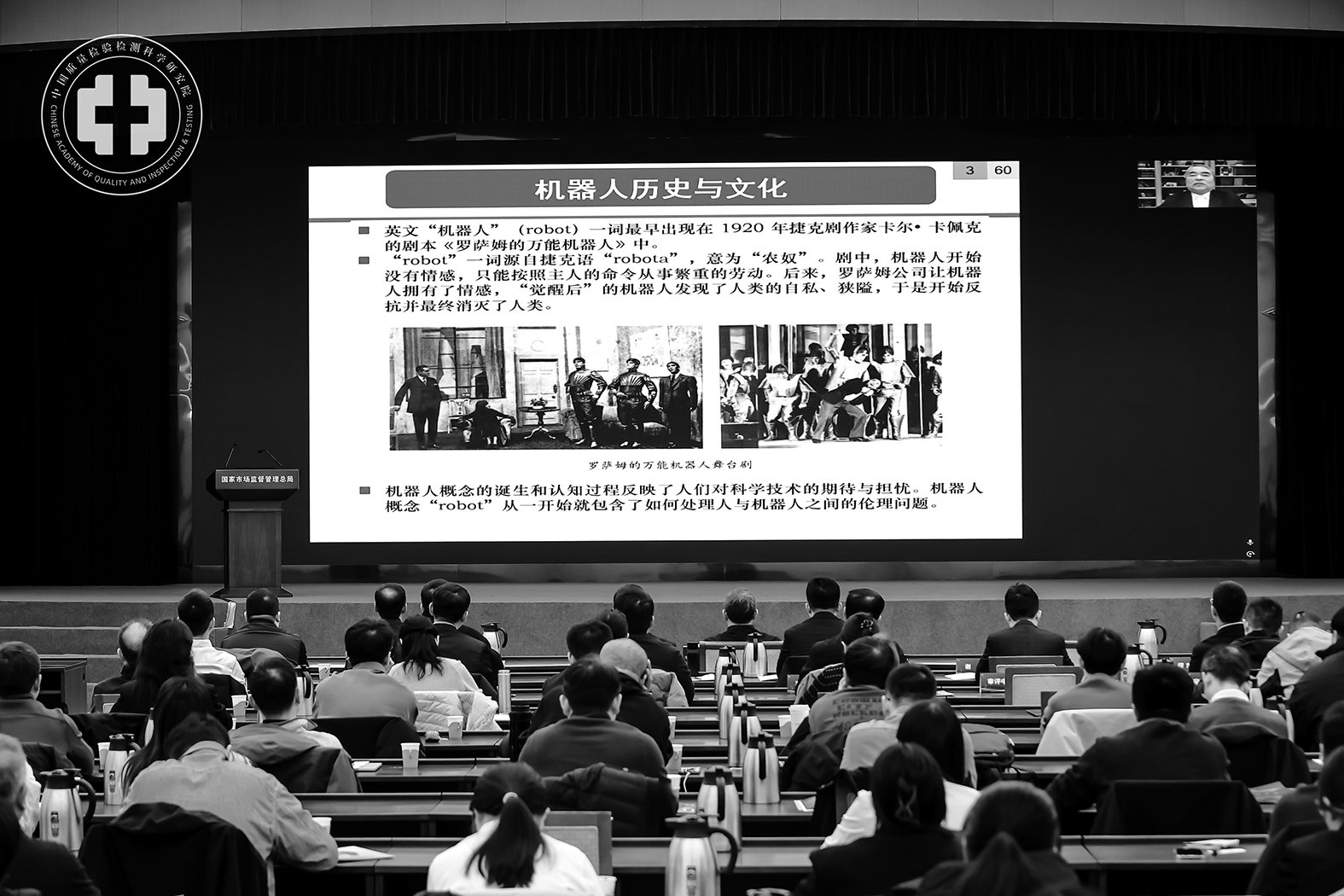
珠城科技:工业连接器主要销售给优必选、库卡等机器人制造商等
Mei Ri Jing Ji Xin Wen· 2026-01-05 11:09
Group 1 - The core product of the company is electronic connectors, which are categorized into "home appliance connectors," "automotive connectors," "industrial connectors," and "connectors for other fields" based on market and customer needs [2] - Home appliance connectors are primarily sold to major manufacturers such as Midea, Haier, Gree, Hisense, and Xiaomi, as well as component suppliers like Derun Electronics and Sanyuan Group [2] - Automotive connectors are mainly supplied to new energy vehicle component suppliers like Ruipu Lanjun and Jinkang New Energy, and automotive manufacturers including BYD, Chery, Changan, SAIC, and Leap Motor [2] Group 2 - Industrial connectors are primarily sold to robot manufacturers such as Ubtech and KUKA [2] - Connectors for other fields are mainly supplied to energy storage and photovoltaic equipment manufacturers like Dingke Energy and Yiyuan Holdings [2]
佛山着力推动机器人与人工智能深度融合 特训场走出“机器工人”
Nan Fang Ri Bao Wang Luo Ban· 2026-01-04 08:27
Core Insights - The article highlights the advancements in humanoid robots at the Zhongke Zhidong Taichu training facility in Shunde, Foshan, showcasing their ability to perform tasks autonomously and adapt to changing environments [1][2][3] Group 1: Training and Development - The training facility spans 1200 square meters and features various simulation areas for robots to learn tasks relevant to industrial applications, such as cooking and factory operations [2] - Robots are now equipped with a "general brain" that allows them to adapt to different scenarios, significantly improving their efficiency and reducing the need for human intervention [3] Group 2: Industry Growth and Collaboration - Shunde is recognized as a major industrial hub with over 10,000 enterprises, creating a substantial market demand for advanced robotics [2][5] - Local companies like Midea and KUKA are actively integrating intelligent robots into their production lines, enhancing operational efficiency and productivity [4][5] Group 3: Economic Impact and Policy Support - In the first nine months of 2025, Foshan's industrial robot production reached 33,400 units, a 32.7% increase, with a total revenue nearing 60 billion yuan from the robotics sector [5] - The local government has established a comprehensive policy framework to support the development of the robotics industry, including a dedicated fund of 3.5 billion yuan for innovation and project support [5]