TOPTOY

Search documents
盲盒不能七天无理由退换,合法吗?
Zhong Guo Xin Wen Wang· 2026-02-25 14:05
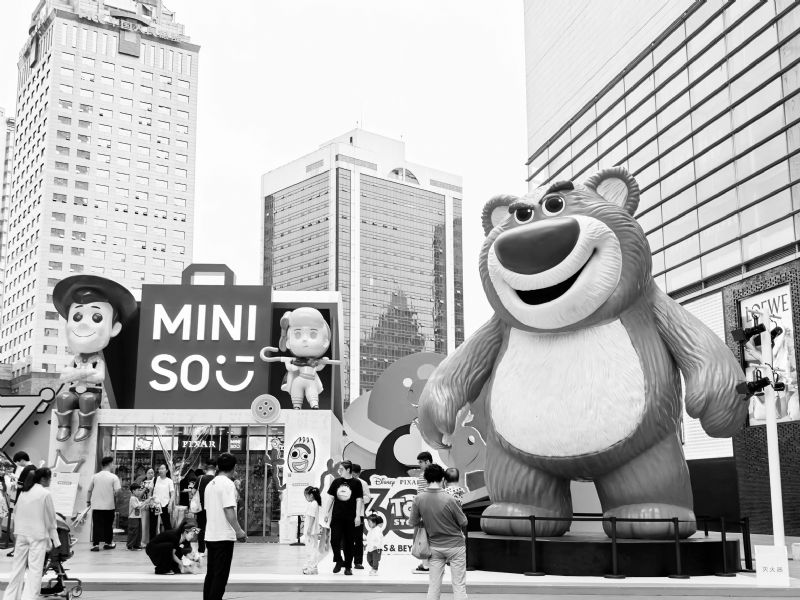
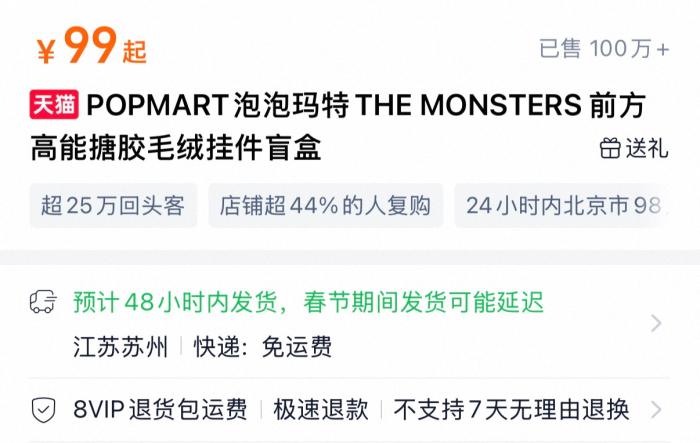
盲盒不能七天无理由退换,合法吗? 中新网北京2月25日电(记者 王昊 刘星晨)随着盲盒消费持续升温,与之相关的消费纠纷也同步攀升。近 期,黑猫投诉平台及各大社交媒体上,不少消费者反映,自己通过线上渠道购买盲盒后,提出退货退款 申请时均遭到商家拒绝。 这一现象也引发了一些消费者的质疑:盲盒产品一刀切地标注"不支持七天无理由退换",究竟是否属于 霸王条款? "不支持七天无理由退换" 记者在多个流量较大的电商平台搜索"盲盒"发现,服装、护肤品、化妆品等相对小众的盲盒品类,大多 支持七天无理由退换;而话题度更高、交易体量更大的玩偶、手办类盲盒,商家普遍标注"不支持七天 无理由退换",成为行业常态。 以52TOYS淘宝旗舰店为例,该店铺直接售卖的毛绒公仔可正常享受七天无理由退换服务,但当毛绒公 仔以盲盒形式售卖时,便明确标注不支持该服务。 电商平台截图。 电商平台截图。 这并非单个品牌的个例。泡泡玛特、拳头游戏、miniso名创优品、TOPTOY、迪士尼等多个涉足盲盒销 售的线上店铺,其盲盒类产品的详情页中,均清晰标注了"不支持七天无理由退换"的提示。 记者就此咨询了淘宝、京东以及抖音平台。其中,淘宝客服回复了平台要求 ...

盲盒不能七天无理由退换 合法吗?
Zhong Guo Xin Wen Wang· 2026-02-25 13:59
中新网北京2月25日电(记者王昊刘星晨)随着盲盒消费持续升温,与之相关的消费纠纷也同步攀升。近 期,黑猫投诉平台及各大社交媒体上,不少消费者反映,自己通过线上渠道购买盲盒后,提出退货退款 申请时均遭到商家拒绝。 这一现象也引发了一些消费者的质疑:盲盒产品一刀切地标注"不支持七天无理由退换",究竟是否属于 霸王条款? "不支持七天无理由退换" 记者在多个流量较大的电商平台搜索"盲盒"发现,服装、护肤品、化妆品等相对小众的盲盒品类,大多 支持七天无理由退换;而话题度更高、交易体量更大的玩偶、手办类盲盒,商家普遍标注"不支持七天 无理由退换",成为行业常态。 以52TOYS淘宝旗舰店为例,该店铺直接售卖的毛绒公仔可正常享受七天无理由退换服务,但当毛绒公 仔以盲盒形式售卖时,便明确标注不支持该服务。 电商平台截图。 电商平台截图 这并非单个品牌的个例。泡泡玛特、拳头游戏、miniso名创优品、TOPTOY、迪士尼等多个涉足盲盒销 售的线上店铺,其盲盒类产品的详情页中,均清晰标注了"不支持七天无理由退换"的提示。 记者就此咨询了淘宝、京东以及抖音平台。其中,淘宝客服回复了平台要求7天无理由退货的产品品 类,其中并未明确 ...
海通国际:泡泡玛特(09992)和毛戈平(01318)26年同店持续强劲增长 新秀丽(01910)26年初回升明显
Zhi Tong Cai Jing· 2026-02-25 06:50
智通财经APP获悉,海通国际发布研报称,2026年春节期间华南百货客流下滑,消费分化明显。潮玩赛 道高景气,泡泡玛特(09992)预计全年增长超25%,毛戈平(01318)凭借核心产品维持高双位数增长。箱 包品牌新秀丽(01910)受益出行需求,1-2月同比回升约15%。餐饮服饰表现平淡,黄金珠宝靠金价支撑 销售额。 海通国际主要观点如下: 事件 2026年2月23日,海通国际举办专家系列会,邀请华南百货专家分享其对春节消费趋势及重点品牌表现 的观察。 根据该行近期对某华南百货渠道的调研反馈,该百货渠道2026年春节期间零售市场整体表现平淡,客流 下滑及客单价下降为主要拖累因素 根据专家对多个核心项目的监测,2026年春节假期前六天中有五天商场客流同比录得下跌,仅一天实现 同比增长,整体经营表现低于公司内部预期。尽管车流数据因部分商圈周边停车费用相对较低而普遍上 升,但部分驾车客流可能仅停留于周边项目,并未完全转化为场内实际消费,专家分析指出华南地区消 费者出游人数增多是导致商圈客流同比下降的主要原因之一。 潮玩赛道持续高景气,头部品牌凭借IP运营能力及会员粘性保持强劲增长 根据专家数据,泡泡玛特整体增长强劲 ...

山西太原商圈“马儿跑” 掀起消费潮
Sou Hu Cai Jing· 2026-02-09 07:34
Group 1 - The upcoming Year of the Horse has sparked a consumption boom in Taiyuan, with various products featuring "horse elements" appearing in stores and online, reflecting the cultural significance of the zodiac and consumer enthusiasm for the holiday [2][4] - Major shopping malls in Taiyuan are utilizing the "horse" theme through immersive decorations and diverse promotions, enhancing the shopping experience and attracting consumers [4][7] - Jewelry stores are seeing increased sales of horse-themed items, with some products like the "cute horse fortune bag" priced around 2500 yuan, indicating a strong demand for symbolic gifts during the New Year [4][5] Group 2 - The integration of traditional zodiac culture with modern consumer trends is driving the popularity of the "horse economy," as businesses combine cultural elements with practical designs to appeal to consumers [10] - Supermarkets and online platforms are also experiencing high sales, with creative offerings such as themed gift boxes and zodiac decorations, showcasing the versatility of the market [7][8] - Restaurants are capitalizing on the zodiac theme by offering special New Year dinner packages that resonate with cultural significance, further enhancing consumer interest in festive dining options [8]

新消费行业周报:泡泡玛特“星星人”新款热销,关注潮玩消费与AI+消费-20260206
Shanghai Securities· 2026-02-06 11:53
Investment Rating - The industry investment rating is "Hold" [9] Core Insights - The total retail sales of social consumer goods in 2025 surpassed 50 trillion yuan, with a growth rate of 3.7% compared to the previous year. Online retail sales reached 15.97 trillion yuan, growing by 8.6%, while service retail sales increased by 5.5%. The contribution rate of final consumption expenditure to economic growth was 52.0%, an increase of 5 percentage points from the previous year [3][9] - The 2026 CES showcased a strong embrace of AI technology, focusing on practical applications. Major chip companies like NVIDIA, AMD, and Intel are shifting their attention to physical AI and edge AI, indicating a significant trend in AI hardware development [12][9] - The popularity of collectible toys is rising, with products from Pop Mart, such as the PUCKY series, gaining significant attention and selling out quickly. This trend suggests a potential new focus in the collectible toy market [14][15] Summary by Sections Macro Consumption - In 2025, the retail sales of social consumer goods reached 50.12 trillion yuan, with online retail and service retail sales growing by 8.6% and 5.5%, respectively. The contribution of final consumption to economic growth was 52.0% [3][9] - Service consumption is becoming more vibrant, with a projected 46.1% of per capita consumption expenditure dedicated to service-related spending in 2025. Various sectors like tourism, entertainment, and sports are expected to see double-digit growth [3][11] AI + Consumption - The CES 2026 highlighted the integration of AI in consumer products, with a focus on AI hardware that is becoming more mature and applicable. The emergence of AI glasses and other smart devices indicates a shift towards consumer-grade AI products [12][9] - Companies such as Luxshare Precision, GoerTek, and KANAT Optical are recommended for investment in the AI hardware sector [16] Collectible Toys - Pop Mart's new product lines, including the "Starry Person" series, have quickly sold out, indicating a strong market interest. The resale prices of these products have seen significant increases, suggesting a robust demand in the collectible toy market [15][16]
TOPTOY:中国位居前列的潮玩集合品牌:招股书·解牛系列报告(一)
Hua Yuan Zheng Quan· 2026-01-23 12:35
Investment Rating - The industry investment rating is optimistic (maintained) [1] Core Insights - The revenue of TOPTOY is rapidly growing, with a significant improvement in profitability. The GMV in mainland China is expected to reach 2.4 billion RMB in 2024, with self-developed products accounting for nearly 50% of revenue. The compound annual growth rate (CAGR) of GMV from 2022 to 2024 exceeds 50%. The company achieved revenues of 679 million, 1.461 billion, 1.909 billion, and 1.360 billion RMB for the years 2022, 2023, 2024, and the first half of 2025, respectively, with corresponding gross margins of 19.9%, 31.4%, 32.7%, and 32.4% [3][15][16]. Summary by Sections Company Overview - TOPTOY started as a physical store and has become a retail brand for trendy toys. The brand was established in December 2020, with its first store opening in Guangzhou. The company plans to open over 1,000 stores globally in the next five years [4][8]. Industry Overview - The trendy toy IP industry is experiencing continuous upward adjustments in its prosperity. The global trendy toy market is projected to grow from 19.8 billion USD in 2019 to 38 billion USD in 2024, with a CAGR of 13.9%. The Chinese trendy toy market is expected to grow from 20.7 billion RMB in 2019 to 58.7 billion RMB in 2024, achieving a CAGR of 23.2% [23][32]. Company Business - TOPTOY has built a multi-layered matrix of "self-owned IP + authorized IP + third-party IP," focusing on a comprehensive value chain platform. The company has 17 self-owned IPs and 43 authorized IPs, with self-developed product sales expected to account for nearly 50% of total revenue in 2024 [37][46]. The company has established a comprehensive sales network, with offline sales accounting for nearly 90% of revenue as of the first half of 2025 [3][64]. Financial Analysis - TOPTOY's revenue has accelerated, with gross margins significantly improving. The total revenue for 2022 to the first half of 2025 is 6.79 billion, 14.61 billion, 19.09 billion, and 13.60 billion RMB, with corresponding gross profits of 1.35 billion, 4.59 billion, 6.24 billion, and 4.41 billion RMB [15][16]. The company has effectively controlled its expense ratios, with total expenses of 1.68 billion, 1.69 billion, 2.29 billion, and 1.83 billion RMB for the same periods [19][20]. Market Position - TOPTOY ranks third among trendy toy retailers in China, with a market share of 2.2% and a retail revenue of 1.3 billion RMB in 2024. The top five trendy toy retailers in China have a combined market share of 20.7%, indicating a relatively fragmented market [36][36]. Product Strategy - The core product categories for TOPTOY include figurines, 3D puzzle models, and rubber plush toys. The company emphasizes self-developed products, which accounted for 39.6%, 53.6%, 49.1%, and 47.2% of total sales from 2022 to the first half of 2025 [56][62]. The company has a strong focus on product quality and consumer experience [88]. Channel Strategy - TOPTOY primarily relies on offline channels, with a rapid expansion of its distributor network. As of the first half of 2025, the company had 293 stores, including flagship, mainstream, and pop-up stores [64][66]. The online sales channel is also growing, with significant contributions from major e-commerce platforms [70][74]. Overseas Expansion - The company began its overseas expansion in 2024, with revenues from international markets reaching 11.81 million RMB and 52.48 million RMB in the first half of 2025. The number of overseas stores increased from 4 in 2024 to 10 in the first half of 2025 [75][78].
9.9卖盲盒,5000万买IP:桑尼森迪的港股IPO成色几何
Sou Hu Cai Jing· 2026-01-19 08:12
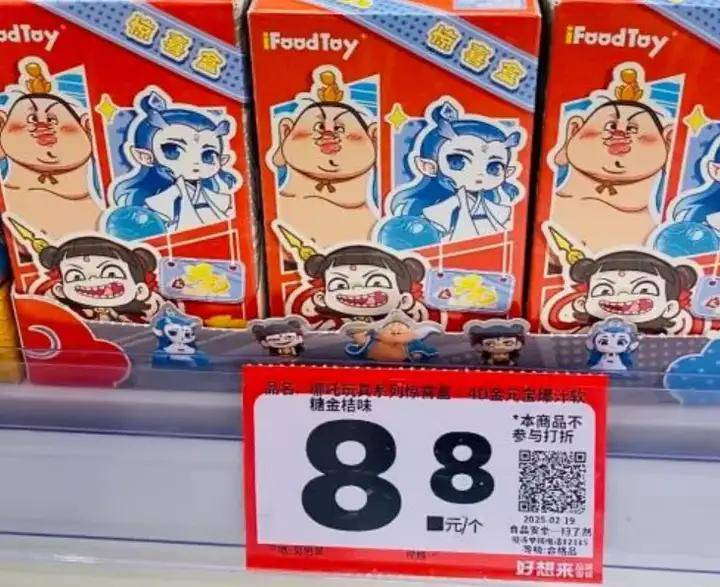
Core Viewpoint - The company, Sannisen Di, has successfully entered the Hong Kong stock market with its affordable IP toys, leveraging the popularity of the "Nezha" franchise, but faces challenges due to high IP costs and reliance on single-hit products [1][3][36] Financial Performance - In the first three quarters of 2025, Sannisen Di reported revenue of 386.49 million yuan, significantly surpassing the total revenue of 245 million yuan for 2024 [5][6] - The company's net profit reached over 50 million yuan in the first three quarters of 2025, a turnaround from a loss of over 19 million yuan in the same period of 2023 [9] - The gross profit margin increased from 16.9% in 2023 to 35.3% in the first three quarters of 2025, nearly doubling due to scale effects and supply chain optimization [10] Product Strategy - Sannisen Di focuses on affordable toys priced around 9.9 yuan, targeting lower-tier markets and price-sensitive consumers, differentiating itself from mid-to-high-end brands like Pop Mart [13][15] - The company has expanded its product distribution to 32,000 retail points across China, primarily in regional supermarkets and community toy stores, enhancing accessibility to a broader consumer base [15] IP Dependency and Costs - The revenue from IP toys, particularly from "Nezha 2," accounted for approximately 50.8% of total revenue, contributing around 196 million yuan [6][18] - The cost of IP licensing surged from over 6 million yuan in 2023 to over 50 million yuan in the first three quarters of 2025, becoming a significant operational expense [18][20] Market Competition - The toy industry is experiencing intense competition, with multiple companies, including 52TOYS and TOPTOY, also seeking IPOs, which may dilute Sannisen Di's market position [31][32] - Sannisen Di's reliance on non-exclusive IP licenses poses a risk, as competitors can produce similar products, potentially impacting long-term revenue stability [23] Strategic Challenges - The company faces a strategic dilemma between maintaining its low-cost model and pursuing brand upgrades, which may require significant investment and could alienate existing customers [35][36] - Sannisen Di's product line remains relatively narrow, primarily focusing on plastic figures and blind boxes, which may limit its competitiveness against rivals offering a broader range of products [28] Future Outlook - The company plans to use IPO proceeds to enhance product competitiveness, increase IP acquisitions, and expand sales channels, aiming to convert short-term gains into long-term brand equity [36]
2025年第53周:服装行业周度市场观察
艾瑞咨询· 2026-01-14 00:06
Industry Environment - The domestic mid-to-high-end women's clothing market is witnessing the emergence of new brands that attract high-net-worth customers through differentiated positioning and high-quality materials [2] - Brands like AWPROJECT and CHICJOC are expanding rapidly, with AWPROJECT focusing on urban women and CHICJOC implementing a "luxury alternative" strategy to achieve high repurchase rates [2] - International brands such as AnnAndelman are accelerating their presence in the Chinese market, leveraging unique designs and online-offline integration to drive market reshuffling [2] Outdoor Lifestyle Migration - Over 500 million participants are engaged in outdoor sports in China, with a shift in consumer logic towards multi-scenario adaptability, sustainability, and emotional value [3] - The outdoor apparel market is growing at an annual rate of 49%, with consumers prioritizing durability, environmental friendliness, and multifunctionality [3] - Future trends include the proliferation of smart equipment, community integration, and the "no-trace outdoor" concept, driving professional development in the industry [3] Fast Fashion Trends - The fast fashion industry is undergoing significant changes by 2025, characterized by three main trends: premiumization, acceleration, and technology-driven innovation [5] - International brands like Uniqlo and H&M are entering the high-end market through price increases and collaborations, while local brands are expanding overseas [5] - The integration of online and offline channels is deepening, with brands utilizing AI technology in design, warehousing, and marketing to enhance efficiency [5] Luxury Goods Market - The luxury goods sector is experiencing a "store opening wave," with brands like CHANEL and Louis Vuitton opening new stores in China, indicating signs of recovery [7] - The Asia-Pacific market, particularly China, is a key growth driver, while the Japanese market shows mixed performance due to currency and tourism impacts [7] - Brands are focusing on core markets and accelerating localization marketing to strengthen cultural resonance [7] Consumer Behavior Shifts - Consumers are increasingly prioritizing functionality and brand trust over mere trends, as evidenced by the popularity of high-value down jackets [4] - The success of Sam's Club's down jackets reflects a new rational consumption trend where consumers value core needs like warmth and cost-effectiveness [4] - The shift in women's shopping behavior towards men's and children's clothing highlights a growing demand for quality and practicality over traditional fashion norms [13] Jewelry Market Trends - The jewelry market is witnessing a resurgence of retro styles, with a focus on emotional resonance and personalized design appealing to younger consumers [14] - The global jewelry market is expected to grow, with the U.S. and U.K. projected annual growth rates of 1.78% and 3.35%, respectively [14] - The industry is transitioning from "material consumption" to "spiritual consumption," emphasizing the balance between craftsmanship and emotional needs [15] Brand Dynamics - The luxury e-commerce platform Mile has acquired the bankrupt fashion retailer Matches, aiming to reshape luxury retail with a new business model [24] - Scottish luxury cashmere brand Begg x Co is expanding into the Chinese market through a strategic partnership with Meizui, launching its official Tmall flagship store [25] - Sequoia China has acquired a controlling stake in the fashion brand Golden Goose, aiming to support its global expansion and strengthen its market position [26]


名创优品也想进步
远川研究所· 2025-12-09 13:12
Core Viewpoint - Miniso's third-quarter report shows a significant revenue milestone, with quarterly income surpassing 5 billion and a year-on-year growth of 28.2%, exceeding expectations. The founder's comments about transforming the company into a cultural and creative entity by closing and reopening 80% of stores have drawn considerable attention, overshadowing the actual performance of the company [5][7]. Group 1: Financial Performance - Miniso's revenue has fluctuated around 9 billion from 2019 to 2021, with a nearly halved adjusted net profit margin of 5.3% in the 2021 fiscal year [9][11]. - The company aims to achieve a global brand recognition comparable to Nike and Starbucks, focusing on opening larger stores and increasing premium product offerings [14][19]. Group 2: Strategic Shift - The company is transitioning from a low-cost, high-volume model to a high-value, premium pricing strategy, with plans to upgrade smaller stores to larger formats and increase the proportion of IP products [19][25]. - Miniso's flagship store in Shanghai has a sales structure where nearly 80% of revenue comes from IP products, reflecting a shift towards interest-driven consumption [21][18]. Group 3: Market Positioning - The average selling price in overseas markets is reported to be twice that of domestic prices, with a gross margin exceeding 50% [16]. - The company is facing competition from other brands like Pop Mart, which has a higher revenue per store despite having fewer locations [17][30]. Group 4: IP Strategy - Miniso's revenue is primarily derived from various popular IPs, with a significant increase in IP product sales, which accounted for over 30% of total sales in the first half of the year [18][28]. - The company has signed contracts with multiple IP artists, aiming for half of its store offerings to consist of proprietary IPs in the future [32][33].

名创优品IP破圈单季营收58亿 完善布局全球门店突破8000家
Chang Jiang Shang Bao· 2025-11-24 00:42
长江商报消息 ●长江商报记者 江楚雅 凭借门店扩张与"名创优品+TOPTOY"双品牌策略,名创优品(09896.HK)营收增长。 得益于高质量发展战略深化,名创优品2025年第三季度经营质量与竞争力双提升,营收、同店销售等指标超预 期,展现强劲增长韧性。 财报数据显示,该季度集团总营收57.97亿元,同比增长28%。其中,核心品牌名创优品营收52.2亿元,同比增长 23%;潮玩品牌TOPTOY表现亮眼,单季度营收5.7亿元,同比激增111%,创历史新高。利润端同样稳健,集团该 季度毛利25.9亿元,同比增长28%,毛利率维持44.7%;经调整净利润(非国际财务报告准则)7.7亿元,同比增长 12%,经调整净利率13.2%。 门店网络布局持续完善,截至2025年9月30日,名创优品集团全球门店总数突破8000家,达8138家。具体来看,名 创优品品牌全球门店7831家;TOPTOY全球门店增至307家,其中海外门店15家,已覆盖泰国、马来西亚、印度尼 西亚、日本等市场。 渠道战略升级进一步拉动销售,公司当前进入"大店驱动增长"阶段,同店销售贡献显著。分市场来看,中国内地 市场营收29.1亿元,同比增长19%,增 ...