社交媒体

Search documents
特朗普媒体考虑将Truth Social分拆为上市公司
Xin Lang Cai Jing· 2026-02-28 00:23
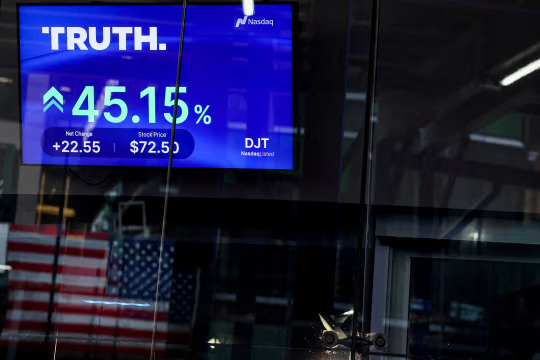
查看最新行情 由美国总统特朗普创立的特朗普媒体与科技集团(TMTG)正在考虑将其社交媒体平台Truth Social分拆 成一家上市公司。 该公司周五表示,正在与TAE Technologies和Texas Ventures AcquisitionIII讨论拟议中的交易。 根据提议,分拆后公司的股份将分配给符合条件的TMTG股东,之后新实体将与一家特殊目的收购公司 合并。 这将把TMTG的社交媒体和数字媒体资产从其最近宣布的聚变能源企业中分离出来,从而有效地把公司 拆分成两个具有不同战略的上市企业。 2025年,Truth Social母公司的净亏损从一年前的4.009亿美元扩大到7.123亿美元,主要反映了该公司购 买比特币和Cronos带来的未实现亏损。 该公司表示,TMTG在2025年底的金融资产约为25亿美元,是去年同期7.768亿美元的三倍多。净销售 额从2024年的362万美元增至368万美元。 TMTG由特朗普创立,以其面向保守派受众的Truth Social平台而闻名,在大型社交网络的竞争和用户增 长不平衡的情况下,TMTG的媒体业务规模一直面临挑战。 现在,它正寻求在核心的Truth Soc ...

青少年“社媒禁令”面临哪些挑战(环球热点)
Ren Min Ri Bao Hai Wai Ban· 2026-02-27 23:01
近日,中国国家互联网信息办公室等八部门联合发布《可能影响未成年人身心健康的网络信息分类办 法》,明确可能影响未成年人身心健康的网络信息类型及具体表现形式。专家认为,针对内容进行分级 推荐或是在网络空间保护未成年人的更优方案。 商海春作(新华社发) 自2025年12月10日澳大利亚率先实施全球首个针对16岁以下未成年人社交媒体禁令以来,法国、西班 牙、英国等多国纷纷推动类似禁令。2个多月过去,这场"社媒禁令"浪潮正面临不少质疑:一纸禁令真 能"精准阻断"未成年人接触社媒吗?本报记者采访香港中文大学信息工程系副教授周亚金和中国社会科 学院大学法学院副教授、互联网法治研究中心主任刘晓春,探讨"社媒禁令"面临的挑战与可能的优化方 案。 "对一个稍有技术常识的16岁少年来说,要突破禁令防线并不难。"周亚金认为,从技术原理上看,目前 针对年龄的主流验证方案在实施效果上存在不确定性: 身份证件验证是目前最常见的方案,即用户上传证件,系统识别年龄。然而,一次性核验无法持续确认 实际使用者身份,未成年人完全可以用家长的证件完成注册,后续使用中屏幕前坐的是谁,平台无从得 知。 人脸年龄估算是另一种被寄予厚望的技术,平台通过摄像头 ...

穆迪:Meta Platforms(META.O)展望稳定,确认Aa3高级无担保评级。
Jin Rong Jie· 2026-02-27 18:17
本文源自:金融界AI电报 穆迪:Meta Platforms(META.O)展望稳定,确认Aa3高级无担保评级。 ...
特朗普媒体集团正洽谈分拆Truth Social
Xin Lang Cai Jing· 2026-02-27 16:39
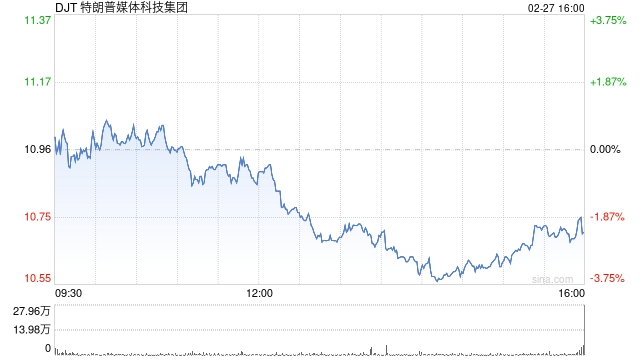
两家公司周五称,若交易达成,新成立公司的股份将分配给 TAE 合并完成前登记在册的特朗普媒体与 科技集团股东。 新公司随后将与特殊目的收购公司 Texas Ventures Acquisition III 合并。 此次潜在分拆前,特朗普媒体集团已于去年 12 月同意与核聚变能源公司 TAE 合并,交易估值60 亿美 元。该合并旨在抓住人工智能繁荣带来的巨大电力需求机遇。 《华尔街曰报》此前报道,此次合作是对一项尚未商业化、但有美国政府支持的技术下重注。随着 AI 电力需求成为紧迫经济问题,特朗普政府已推出多项计划,支持核聚变等技术以满足激增的需求。 TAE 的投资方包括谷歌母公司 Alphabet、雪佛龙、高盛,是商业核聚变这一相对新兴领域中历史最 久、最知名的企业之一。 特朗普媒体集团股价早盘上涨1.6%,至 11.15 美元。截至周四收盘,该股在过去一年已跌去超一半市 值。 此前已完成与 TAE 科技公司的合并 特朗普旗下媒体集团表示,在完成此前宣布的与 TAE 科技公司的合并后,正洽谈将包括社交媒体平台 Truth Social在内的业务分拆至一家新的上市公司。 两家公司表示,有关分拆包括 Truth ...
食之无味,弃之可惜?印度裔CEO的终点站:美企大清洗背后小九九
Sou Hu Cai Jing· 2026-02-27 03:10
这些年,美国科技和消费领域的印度裔高管越来越多地坐上了CEO的宝座,似乎成了常态。但自2022年起,几位知名的印度裔高管却突然被更换,这让人不 禁觉得背后似乎有些难以言明的复杂原因。推特方面,帕拉格·阿格拉瓦尔在2021年年底接手后,迅速对广告系统进行了调整,利用机器学习推送精准内 容。同时,他还改进了内部审核流程,通过算法筛查违规内容,节省了一些人力成本。然而,平台的用户活跃度始终停滞不前,他试图通过增加推文字数和 引入创作者来刺激增长。但随着马斯克介入,从2022年春天开始,他谈收购、做尽职调查、应对各种审查,面对董事会内部分歧,阿格拉瓦尔力图保住平台 的独立性。然而,马斯克坚持认为管理层藏匿数据,最终收购成功后,阿格拉瓦尔和其他几位印度裔高管一起被换下,原因是他们管理松散,成本过高,平 台没有实质性进展。最终,印度裔员工数量从两百多人急剧减少到十几位,马斯克进行了大刀阔斧的裁员,推动了新功能的上线。 星巴克这边,拉克曼·纳拉辛汉在2023年春季接任CEO一职,董事会认为他在利洁时有过丰富的消费品管理经验,且对供应链有深刻理解,能够帮助星巴克 的门店扭转局面。上任后,纳拉辛汉立刻对菜单进行了调整,推出了更 ...

突发!道指狂拉400点,黄金却崩了,AMD一夜暴涨8%,只因Meta砸下6000亿,芯片战争迎来终极变局?
Sou Hu Cai Jing· 2026-02-25 17:47
市场成交量较前一日明显萎缩,标普500指数成交量约31.7亿股,远低于周一的56.4亿股,显示抛售压力有所减轻。 超过3000只个股上涨,市场广度得到 改善。 大型科技股多数收高,苹果公司股价上涨2.24%,特斯拉上涨2.39%,微软和亚马逊涨幅均超过1%。 然而,真正点燃市场热情、并决定当天市场走向的,是一则来自芯片行业的爆炸性新闻。 超威半导体公司,也就是AMD,在当天盘前交易中一度暴涨 超过14%,收盘时涨幅锁定在8.77%,股价报收于213.84美元。 推动其股价飙升的,是其与社交媒体巨头Meta Platforms达成的一项战略性合作协议。 这项协议在2月24日正式对外公布。 根据协议内容,Meta将在未来五年内部署高达6吉瓦(GW)算力的AMD Instinct系列图形处理器(GPU),用于其 下一代人工智能数据中心。 6吉瓦的算力规模有多大? 根据AMD方面的描述,满负荷运行所需的电力,相当于500万美国家庭一年的用电量。 这笔交易的价值引发了市场广泛猜测。 路透社等多家媒体报道称,交易总价值预计在600亿美元至超过1000亿美元之间。 AMD首席执行官苏姿丰博士 在谈及协议价值时透露,每千兆瓦 ...


字节跳动新估值,5500亿美元!
Hua Er Jie Jian Wen· 2026-02-25 09:52
据路透2月25日报道,投资机构General Atlantic正计划出售其持有的字节跳动部分股权,这笔潜在交易 对这家中国社交媒体巨头的估值高达5500亿美元。 此次股权剥离是自特朗普政府于今年1月批准TikTok美国业务出售以来的首笔重大交易。这一最新估值 较去年员工股票回购时逾3300亿美元的定价实现了66%的显著增长。 在私募市场估值大幅且持续上涨的背景下,此次交易直观反映了资本市场对字节跳动的高度认可。这不 仅印证了其资产吸引力,也极大提振了其他投资者在公司最终登陆公开市场时获取丰厚回报的预期。 知情人士向媒体透露,General Atlantic在近几周启动了售股流程,并希望在3月完成交易。目前,该交 易的具体财务条款及出售后General Atlantic的持股比例等细节尚未披露,字节跳动与General Atlantic均 未对此置评。 估值水涨船高测试市场胃口 虽然未上市公司的估值在二级市场交易中往往差异巨大,但这类新交易通常被视为测试投资者对该公司 股票胃口的试金石。 据知情人士向路透表示,General Atlantic内部对其持有的字节跳动股份估值即为5500亿美元,因此在计 划中的二级 ...
美股全线受挫,微软特斯拉暴跌,软件外包云计算领跌,中概股小跌
Sou Hu Cai Jing· 2026-02-24 23:55
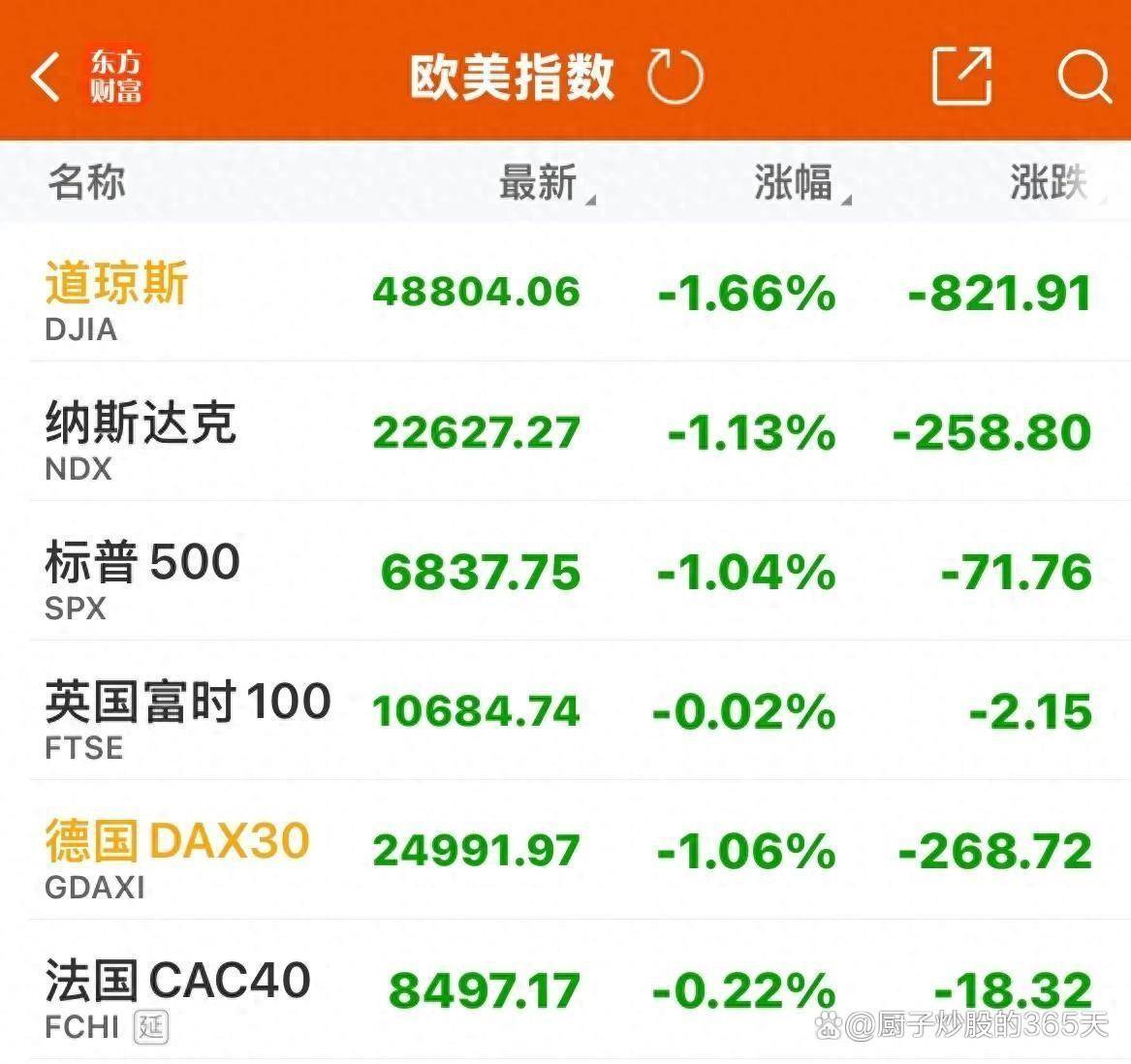
Market Overview - On February 24, 2026, U.S. stock markets experienced a significant drop, with all three major indices falling over 1%. The Dow Jones Industrial Average dropped by 821.91 points, closing at 48,804.06, a decline of 1.66%. The S&P 500 fell by 71.76 points to 6,837.75, down 1.04%. The Nasdaq Composite also declined by 258.80 points, closing at 22,627.27, a drop of 1.13% [1][2]. Sector Performance - The software services, information technology services, and financial sectors were heavily impacted, while precious metals and non-ferrous metals sectors showed resilience, indicating a shift of funds from high-risk assets to traditional safe havens like gold. The price of gold reached a critical level of $5,200 per ounce, with a daily increase of over 2% [2]. Company-Specific Impact - International Business Machines Corporation (IBM) faced a catastrophic decline, with its stock price plummeting by 13.15%, marking its largest single-day drop since March 2020. This decline was attributed to advancements in artificial intelligence, particularly a new capability from the startup Anthropic that modernizes the COBOL programming language, which is crucial for many legacy systems [3][4][5]. AI Disruption - The introduction of AI tools like Claude Code threatens traditional business models reliant on outdated technologies, as they can significantly reduce the time and resources needed for modernizing legacy systems. This has raised concerns about IBM's future, as it is a major provider of COBOL systems [5][6]. Broader Technology Sector Trends - Other major tech companies also saw declines, with Microsoft down 3.21%, Tesla dropping over 3%, and Amazon falling 2.30%. However, Nvidia and Apple managed to stay slightly positive, indicating a selective investment approach within the tech sector [8][9]. Chinese Stocks Performance - The Nasdaq Golden Dragon China Index fell by 0.95%, showing resilience compared to U.S. indices. However, individual stocks exhibited significant volatility, with declines in cloud computing and online travel sectors. Notably, NIO, a Chinese electric vehicle company, surged by 4.34% due to strong operational data [10][22]. Global Market Reaction - European markets followed the U.S. trend, with major indices like the DAX and CAC40 closing lower. The global market exhibited interconnectedness, with panic selling in the U.S. quickly affecting European stocks [13].




扎克伯格被迫出庭自辩,成瘾算法被指毒害青少年
Xin Lang Ke Ji· 2026-02-24 01:59
Core Argument - The lawsuit against Meta, led by a 20-year-old woman named Kaley, accuses the company of intentionally designing Instagram's algorithm to be addictive, particularly affecting minors, leading to mental health issues such as anxiety and suicidal tendencies [3][5][26]. Group 1: Lawsuit Details - Kaley's usage of Instagram reportedly exceeded 16 hours in a single day, despite her mother's attempts to limit her access [3]. - TikTok and Snapchat settled with Kaley before the trial, while Meta and YouTube chose to continue the litigation [4]. - This case is considered a "landmark case" that could influence hundreds of similar lawsuits across the U.S. [5]. Group 2: Implications of the Trial - The trial challenges the protections provided to social media companies under Section 230 of the Communications Decency Act, focusing on the design features of platforms rather than user-generated content [25]. - The outcome could set a precedent for how social media companies are held accountable for their design choices, particularly regarding user addiction [25][27]. Group 3: Zuckerberg's Testimony - Mark Zuckerberg's appearance in court marks a significant moment, as he faced direct questioning about Meta's design decisions and their impact on users [10][18]. - Evidence presented during the trial included internal documents indicating that Meta had set specific user engagement targets, suggesting a deliberate strategy to maximize user time on the platform [15][27]. - Zuckerberg defended the company's practices by stating that the focus has shifted to user value rather than maximizing time spent on the platform, although this was contradicted by previous statements [17]. Group 4: Industry Context - The case has drawn parallels to the tobacco industry, where companies were held accountable for knowingly marketing addictive products, suggesting that a similar reckoning could occur for social media platforms [29]. - The trial's outcome may lead to significant changes in how social media companies operate, particularly in their engagement strategies with minors [29].

扎克伯格被迫出庭自辩,成瘾算法被指毒害青少年|硅谷观察
Xin Lang Cai Jing· 2026-02-24 00:04
Core Argument - The lawsuit against Meta, involving CEO Mark Zuckerberg's testimony regarding the "addictive algorithms" of Instagram, is seen as a potential landmark case that could reshape the future algorithms and accountability of major social media companies [2][23]. Group 1: Lawsuit Background - The plaintiff, a 20-year-old woman named Kaley from California, alleges that her addiction to Instagram during her teenage years led to anxiety, depression, and suicidal tendencies, despite her mother's attempts to limit her usage [3][24]. - Initially, Kaley sued four social media giants, but TikTok and Snapchat settled before the trial, leaving Meta and Google's YouTube to face the lawsuit [3][24]. - This case is classified as a "benchmark case," meaning its outcome could influence hundreds of similar lawsuits across the U.S. [3][24]. Group 2: Core Controversy - The central issue of the case is whether social media companies intentionally embedded addictive mechanisms in their product design, which would hold them legally responsible for the psychological harm suffered by users, particularly minors [4][25]. - This lawsuit challenges the broad immunity granted to online platforms under Section 230 of the Communications Decency Act, which has historically protected them from liability for user-generated content [4][25]. Group 3: Zuckerberg's Testimony - Zuckerberg's appearance in court marks his first time testifying before a jury, where he faced intense questioning regarding Meta's product design decisions aimed at increasing user engagement [6][26]. - The courtroom was filled with parents of children affected by social media, highlighting the emotional weight of the trial [7][28]. - The plaintiff's attorney, Mark Lanier, aggressively questioned Zuckerberg to demonstrate his direct involvement in Meta's key decisions [9][30]. Group 4: Evidence and Defense - The lawsuit accuses Meta of using behavioral science techniques similar to those used in gambling and tobacco industries to maximize youth engagement for advertising revenue [11][32]. - Internal documents revealed that Meta had set specific daily usage time goals for Instagram, indicating a deliberate strategy to extend user engagement [11][32]. - In response, Zuckerberg claimed that the company has shifted its focus to measuring "utility and value" rather than maximizing time spent on the platform, although this contradicts previous statements made during congressional hearings [12][33]. Group 5: Age Restrictions and User Safety - The effectiveness of age restrictions on platforms like Instagram is under scrutiny, as many underage users reportedly bypass these limitations [14][35]. - An internal report estimated that over 4 million users under the age of 13 were active on Instagram in 2015, raising questions about the platform's ability to enforce age restrictions [14][35]. - The lawsuit also highlighted Meta's internal documents that categorized younger users as a valuable demographic, suggesting a profit-driven approach to user engagement [14][35]. Group 6: Legal Implications - The lawsuit seeks to bypass the protections of Section 230 by focusing on the design features of the platform rather than user-generated content, which could set a precedent for future cases [17][38]. - If successful, this legal strategy could open the floodgates for thousands of similar lawsuits against social media companies, increasing legal pressure on Meta [39][40]. - Analysts draw parallels between this case and historical tobacco lawsuits, suggesting that a ruling against Meta could fundamentally alter the business models of social media companies, especially regarding their operations targeting minors [19][40].