3C

Search documents
4.5万亿,年轻人正在为“开心”买单
Zhong Jin Zai Xian· 2026-02-04 10:30
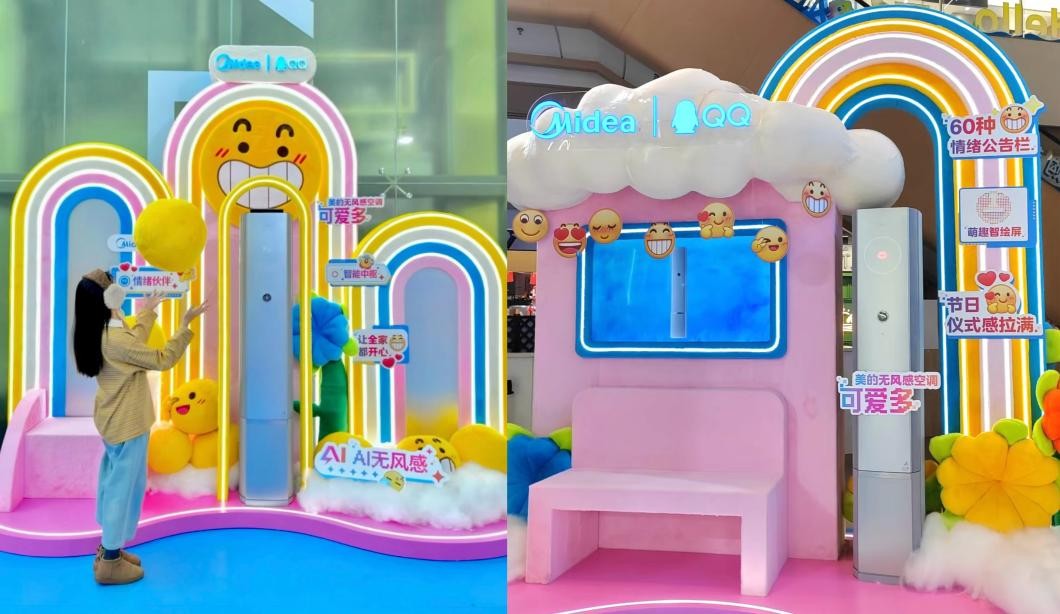
Core Insights - The rise of "emotional economy" reflects a shift in consumer behavior, where young consumers prioritize emotional satisfaction over traditional value-for-money considerations [1][4] - The emotional economy market in China is projected to grow from 16.3 trillion yuan in 2022 to 23.1 trillion yuan in 2024, and is expected to reach 27.2 trillion yuan by 2025, surpassing 45 trillion yuan by 2029 [1] - Nearly 60% of young consumers are willing to pay for "emotional value," indicating a significant change in purchasing motivations [1] Group 1: Emotional Consumption Trends - Emotional consumption is characterized by a focus on products that enhance personal experiences and feelings, moving from "cost-performance ratio" to "emotional value ratio" [1] - Young consumers are increasingly asking questions about the aesthetic and emotional impact of products, such as whether a coffee machine can enhance kitchen decor or if a sound system can create a better atmosphere [1][4] Group 2: Product Examples and Market Offerings - Retailers like Suning are offering a variety of appliances that cater to emotional value, including collaborations with popular IPs and products designed for emotional engagement, such as "emotion air conditioners" and AI televisions [4] - The in-store experience at Suning includes immersive setups that showcase products in emotionally resonant contexts, such as cozy coffee corners and gaming stations, enhancing the emotional appeal of the shopping experience [4]

引力传媒(603598.SH):预计2025年净利润1400万元到2000万元
Ge Long Hui A P P· 2026-01-29 13:38
Core Viewpoint - Gravity Media (603598.SH) is expected to achieve a net profit attributable to shareholders of the parent company ranging from 14 million to 20 million yuan in 2025, marking a turnaround from losses in the previous year [1] Financial Performance - The company anticipates a net profit attributable to shareholders after deducting non-recurring gains and losses between 13.5 million and 19.5 million yuan for the year 2025 [1] - The revenue growth remains strong despite a challenging consumer environment, driven by robust demand from clients in the internet social, daily chemical beauty, and 3C industries [1] Business Strategy - The company is actively optimizing its client structure by reducing low-margin performance marketing services and focusing on integrated marketing services for major clients [1] - The launch of the self-developed AIGC creative platform "Jiuhe Creative" and the deep application of AI tools in content production, strategy planning, and operational management are key initiatives to enhance efficiency and reduce costs [1] Operational Efficiency - The company has improved its sales expense ratio and management expense ratio, leading to enhanced overall operational efficiency while maintaining steady revenue growth [1]

怡合达20260127
2026-01-28 03:01
Summary of the Conference Call for Yihada Industry Overview - The lithium battery industry is projected to account for 24% of the market share in 2025, showing a year-on-year growth of 57%, making it the largest segment. The 3C sector is expected to hold 20% with a 10% increase, while the automotive sector is anticipated to reach 12% with a 15% growth. The semiconductor segment is expected to account for 6% with a 29% increase, and the photovoltaic sector is projected to be at 3% with a negative growth of 46% [2][4][10]. Core Insights and Arguments - The lithium battery market is expected to maintain some continuity in 2026, although growth rates may not match the 57% seen in 2025. Downstream customer expansion is stable, leading to optimistic demand for the lithium segment [2][7]. - Yihada's 3C business grew approximately 10% in 2025, with expectations for significant revenue contributions in 2026 due to new Apple foldable phone models. The focus will remain on the 3C, lithium, and semiconductor strategic segments [2][8]. - The automotive business is experiencing positive growth, but the rate of increase is expected to slow in the second half of the year. Yihada will not prioritize investments in this sector in the short term but aims for modest growth through online channels [2][10]. - The semiconductor industry could significantly contribute to revenue if its penetration rate increases to 50%, although current growth is slow due to long supply chain integration cycles [2][11]. Additional Important Points - Yihada's strategic focus for 2026 is based on market space and product capability, with a strong emphasis on lithium, 3C, and semiconductors due to their high demand and growth potential [11]. - The company is cautious about the photovoltaic sector, as there are no significant signs of demand growth, and it does not expect substantial increases in this area [13][14]. - The semiconductor sector's current penetration is around 20%, and if it can accelerate to 50%, it could surpass the automotive sector in revenue contribution [14]. - Yihada's products in the semiconductor industry are expected to have a gross margin higher than the industry average by about 4-5 percentage points, with a focus on long-term gross margin improvement [15][20]. - The company is preparing for the impact of new products in the 3C industry by maintaining a light asset operation model and a flexible supply chain to quickly respond to market demands [25]. This summary encapsulates the key points discussed in the conference call, highlighting the company's strategic focus, market expectations, and operational strategies across various sectors.

家电、3C、汽车消费补贴落地,政策红利精准滴灌
Nan Jing Ri Bao· 2026-01-12 03:02
Group 1 - The "National Subsidy" policy has been implemented at the beginning of the year, stimulating consumer activity in sectors such as automotive, home appliances, and digital products, leading to a shift towards greener and smarter consumption [1][2] - Consumers are benefiting from significant savings, with reports of individuals saving up to 1,000 yuan on purchases by combining the "National Subsidy" with store discounts [2] - Sales data indicates a substantial increase in consumer traffic and sales volume, with a 110% increase in foot traffic at stores and a notable rise in sales of energy-efficient appliances and smart devices [2][3] Group 2 - The automotive subsidy policy has been upgraded, allowing for higher subsidies based on the price of new vehicles, with maximum subsidies of 20,000 yuan for scrapping old cars and 15,000 yuan for trade-ins [4][5] - The proportion of consumers opting for scrapping or trading in vehicles has increased from 10% to 30%, indicating a growing enthusiasm for new car purchases [5] - The "National Subsidy" policy is expected to drive further growth in the automotive market, with dealers reporting a 50% increase in customer traffic following the policy's implementation [5] Group 3 - The "National Subsidy" policy is aligned with the central government's focus on boosting domestic demand and upgrading industries, with over 2.6 trillion yuan in sales related to the trade-in program benefiting over 360 million people in the previous year [5][6] - The policy emphasizes quality upgrades and the adoption of new technologies, promoting energy-efficient and environmentally friendly products, which is expected to enhance consumer experience and drive long-term industry upgrades [6] - Retailers are adapting to the new policy by enhancing their service offerings, including integrated services for old product recycling and new product activation, to improve customer satisfaction [3][6]

1至11月四川省退税商品销售额同比增长超142%
Xin Hua Cai Jing· 2025-12-20 09:52
Core Insights - Sichuan Province's tax refund sales have increased by over 142% year-on-year from January to November, ranking fourth in the country behind Shanghai, Beijing, and Guangdong [1] - The number of outbound tourists applying for tax refunds has surged by 284% [1] Group 1: Sales Performance - The sales scale of tax refund goods in Sichuan is significant, with a notable increase in inbound tourism contributing to this growth [1] - Tourists from 122 countries and regions have participated in the tax refund program, an increase of 56 compared to last year [1] - Tourists from Hong Kong and Macau lead in consumption, accounting for 41% of total spending [1] Group 2: Consumer Trends - Southeast Asian and South Asian tourists represent the largest number of consumers, with their total participation increasing by nearly four times and spending rising by over 2.5 times [1] - Sales of international brands such as luxury bags and jewelry are prominent, while "Made in China" and "Sichuan-made" products have also shown remarkable performance [1] - Sales of Xiaomi phones, smartwatches, and DJI drones have increased by 728% in quantity and 176% in sales value, making up 62% of total sales in the 3C product category [1] Group 3: Retail Environment - Chengdu is the core consumption area, with over 99% of tax refund participants and sales coming from the city [2] - The adjustment of the tax refund threshold and the rapid expansion of tax refund stores have positively impacted small and medium-sized businesses [2] - There are currently 662 tax refund stores in Sichuan, doubling the number since the beginning of the year, with a significant increase in stores selling domestic brands [2] Group 4: Innovative Measures - Sichuan has introduced innovative measures such as "immediate refund" online services and cross-province recognition to enhance the tax refund process [2] - Two major tax refund points have been established in key shopping areas to facilitate the consumption of foreign tourists [2] - The number of stores offering "immediate refund" services has increased nearly threefold since the beginning of the year, with a 16-fold increase in the number of participants and a 19-fold increase in sales [2]
国泰海通:AI端侧加速落地 关注3C产业链企业切入人形机器人赛道带来的投资机会
Zhi Tong Cai Jing· 2025-12-11 23:04
Core Insights - The 3C supply chain is benefiting from the cyclical recovery of its industry and the accelerated penetration of AI at the edge, presenting growth opportunities [1][2] - The compatibility of the 3C supply chain with humanoid robots is high, and its specialized manufacturing model is expected to adapt well to the mass production phase of humanoid robots [1][2] Group 1 - The 3C supply chain is fully embracing humanoid robots due to rapid innovation and scalable manufacturing capabilities [2] - The development of humanoid robots is still in its early stages, but the ability of 3C manufacturers to innovate with new materials, processes, and structures allows for quick integration into the humanoid robot supply chain [2] - As humanoid robots enter mass production, the industry is expected to shift to a specialized manufacturing model of "components-modules-finished products," maintaining a strong competitive advantage for the 3C supply chain [2] Group 2 - The acceleration of AI at the edge injects new growth vitality into the 3C industry [2] - The overall 3C terminal market, represented by smartphones, is entering a recovery cycle, laying the foundation for industry growth [2] - Major industry players are driving the acceleration of AI at the edge, with Apple set to launch its edge AI assistant, Apple Intelligence, in October 2024, potentially triggering a new replacement cycle for its extensive terminal products [2] Group 3 - Companies like Meta are collaborating with Qualcomm to optimize the Llama model for Snapdragon chips, enabling smooth operation of 3B parameter models on smartphones [3] - Domestic company ByteDance has launched the Doubao AI smartphone assistant, showcasing smooth cross-app operation capabilities [3] - Major AI companies are competing for dominance in the smartphone edge market, while also pushing for rapid iterations of AI glasses and other wearable devices, which could bring additional growth to the overall industry [3] Group 4 - Catalysts for growth include the large-scale production of robots and the accelerated implementation of AI at the edge [4]





SHEIN(希音)跻身Z世代最喜爱中国全球化品牌前三、电商品类第一
Sou Hu Cai Jing· 2025-12-05 16:26
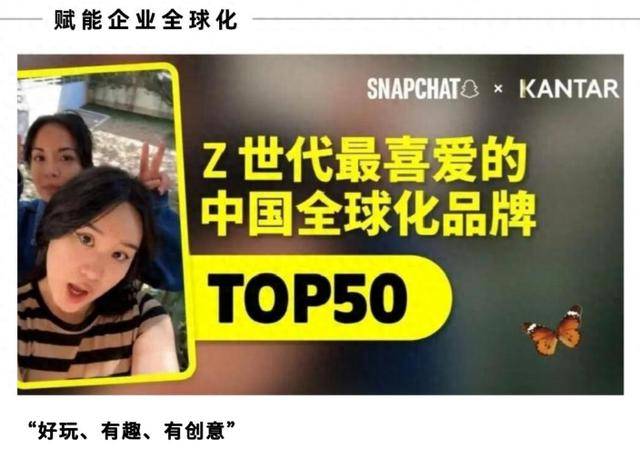
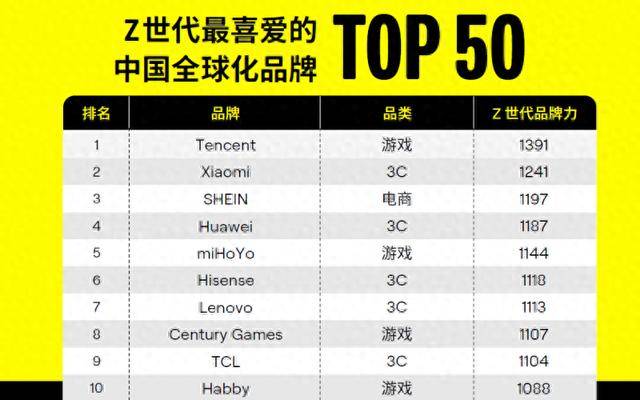
Group 1 - Snapchat and Kantar released the first "Top 50 Global Brands Loved by Generation Z in China," with Tencent, Xiaomi, and SHEIN ranking in the top three [1][2] - SHEIN ranked first in the e-commerce category, indicating its strong appeal to the young consumer demographic [1][2] - The survey covered multiple markets including Europe, North America, and the Middle East, focusing on Generation Z born between 1997 and 2012, who represent about 25% of the global population [2] Group 2 - The research evaluated brand performance based on three dimensions: emotional connection, recognition of functional value, and brand preference during demand [2] - Generation Z is noted for being particularly discerning about cross-border brands, showing the highest acceptance of Chinese brands compared to other generations [2] Group 3 - Seven e-commerce brands, including SHEIN and AliExpress, made it to the list, attributed to their engaging short video content marketing and immersive online shopping experiences [3] - SHEIN's innovative "small batch quick response" flexible supply chain model is identified as its core competitive advantage, enabling real-time trend insights and flexible production arrangements [5] Group 4 - Since launching its platform model in 2023, SHEIN has attracted merchants from nearly 400 cities across China, covering a wide range of products [7] - SHEIN has invested over 15 billion yuan to build a smart supply chain system centered in Guangzhou, enhancing the digital, intelligent, and green transformation of traditional industries [7][8]
中石科技:公司坚持大客户市场战略,基本实现3C行业头部客户全覆盖
Zheng Quan Ri Bao Wang· 2025-12-02 11:13
Group 1 - The company, Zhongshi Technology, has implemented a major client market strategy, achieving comprehensive coverage of leading clients in the 3C industry [1] - The company has established long-term service relationships with major North American clients, including Samsung, Microsoft, Google, Amazon, H clients, Honor, DJI, and Finisar [1]
怡合达:接受易方达基金等投资者调研
Mei Ri Jing Ji Xin Wen· 2025-12-01 12:30
Company Overview - Yihua Da (SZ 301029) announced an investor research meeting scheduled from October 28 to November 28, 2025, with participation from key representatives including the board secretary and investor relations personnel [1] - As of the report, Yihua Da has a market capitalization of 16.5 billion yuan [1] Revenue Composition - For the first half of 2025, Yihua Da's revenue composition is as follows: Other businesses account for 41.94%, the 3C industry for 24.12%, new energy for 21.98%, and the automotive industry for 11.96% [1]
中国品牌逆袭海外,年轻人主动买单,核心逻辑太意外
Sou Hu Cai Jing· 2025-11-23 01:40
Core Insights - Generation Z has become a dominant force in the global consumer market, accounting for 25% of the global population and holding a spending power of $9.8 trillion, projected to rise to $12.6 trillion by 2030 [3][12] - Their consumption logic challenges traditional views, favoring brands that communicate authenticity, equality, and emotional connection over established luxury brands [3][8] Consumer Behavior - Unlike Millennials, Generation Z's purchasing decisions resemble a "trust vote" within their social circles, showing skepticism towards traditional advertising while valuing content shared by influencers [8] - This generation prioritizes brands that align with their values and integrate into their daily lives, reflecting a shift towards user-driven market dynamics [12][31] Brand Preferences - Generation Z exhibits a strong preference for local Chinese brands, demonstrating an openness to innovation and high cost-performance ratios, which presents opportunities for Chinese brands to expand internationally [12][15] - The top Chinese global brands favored by Generation Z include Tencent, Xiaomi, and SHEIN, with 26 3C brands recognized for their quality, innovation, and integration into local ecosystems [13][20] Brand Strategy - Chinese brands are transitioning from merely exporting products to establishing a global brand presence, leveraging a combination of hard strengths (quality and innovation) and soft communication strategies [15][17] - Effective communication involves engaging local communities through relatable content and influencers, transforming them into trust intermediaries rather than just sales channels [17][31] Technological Integration - The use of technology, such as AR, enhances user experience and engagement, with examples including Tencent's immersive gaming experiences and SHEIN's virtual fitting rooms [19][27] - AIGC technology is expected to play a crucial role in future brand strategies, enabling personalized experiences and localized communication without the need for large teams [23][25] Future Trends - The competition for Generation Z's loyalty will hinge on brands' abilities to provide ongoing engagement and personalized experiences, shifting from traditional advertising to deeper emotional connections [27][29] - The perception of Chinese brands is evolving from being seen as cost-effective to being recognized as innovative partners in trends, reflecting a cultural exchange that benefits both parties [29][31]