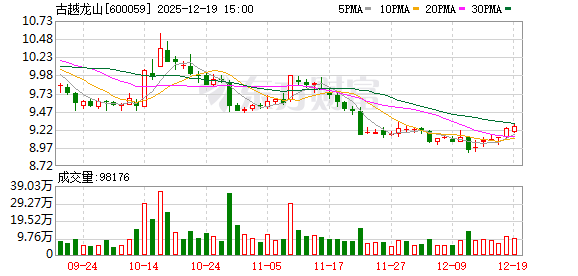
GYLS(600059)

Search documents
非白酒板块12月29日跌1.42%,惠泉啤酒领跌,主力资金净流出8152.72万元
Zheng Xing Xing Ye Ri Bao· 2025-12-29 09:06
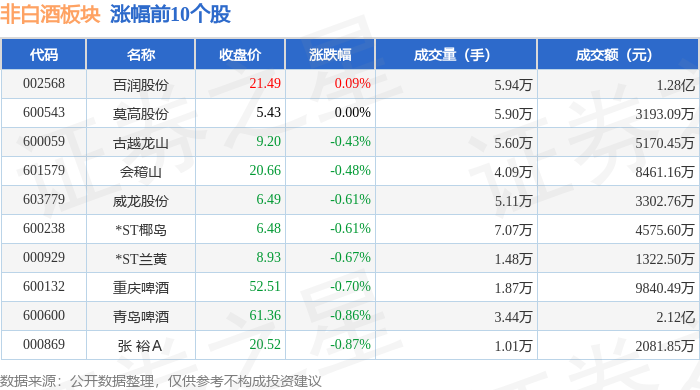
Market Overview - The non-white liquor sector experienced a decline of 1.42% on the previous trading day, with Huichuan Beer leading the drop [1] - The Shanghai Composite Index closed at 3965.28, up 0.04%, while the Shenzhen Component Index closed at 13537.1, down 0.49% [1] Stock Performance - Key stocks in the non-white liquor sector showed varied performance, with Baijiu Co. closing at 21.49, up 0.09%, while other notable declines included Chongqing Beer at 52.51, down 0.70%, and Gu Yue Long Shan at 9.20, down 0.43% [1] - The trading volume for Baijiu Co. was 59,400 shares, with a transaction value of 128 million yuan, while Chongqing Beer had a trading volume of 18,700 shares and a transaction value of 98.4 million yuan [1] Capital Flow - The non-white liquor sector saw a net outflow of 81.52 million yuan from institutional investors, while retail investors contributed a net inflow of 9.23 million yuan [2] - Notable capital flows included Yanjing Lang with a net inflow of 18.08 million yuan from institutional investors, while ST Yedao experienced a net outflow of 9.32 million yuan [3]


观酒 气泡黄酒爆火后“泡沫”散去,黄酒年轻化路在何方?
Nan Fang Du Shi Bao· 2025-12-26 06:25
Core Insights - The Chinese liquor industry is undergoing significant transformation in 2025, facing challenges such as high channel inventory and weak terminal sales, while also experiencing new opportunities driven by policy, consumption, and scenario changes [1] - The trend of product innovation targeting younger consumers is emerging, with low-alcohol beverages, fruit wines, and sparkling yellow wines becoming key connections to Generation Z [1] - The industry is witnessing a shift towards international markets as domestic growth slows, with liquor companies accelerating their global expansion efforts [1] Group 1: Industry Trends - The yellow wine sector is unexpectedly gaining attention, with Kuaijishan's "sparkling yellow wine" achieving over 10 million yuan in sales within 12 hours during a live stream event, leading to a surge in its stock price and market capitalization [3] - Despite initial success, the popularity of "sparkling yellow wine" has declined rapidly, highlighting the challenges traditional yellow wine companies face in appealing to younger consumers [5] - The competition between Kuaijishan and Guyuelongshan reflects a renewed market interest in the yellow wine industry, with both companies experiencing significant stock price fluctuations and market capitalization changes [6] Group 2: Company Performance - Kuaijishan reported a revenue of 1.212 billion yuan in the first three quarters of 2025, a year-on-year increase of 14.12%, while its net profit grew by 3.32% [6] - In contrast, Guyuelongshan's revenue for the same period was 1.186 billion yuan, a decline of 8.11%, although its net profit saw a slight increase of 0.17% [6] - Both companies are pursuing different strategies for product innovation, with Kuaijishan focusing on a "sparkling" series and Guyuelongshan expanding its product matrix to include diverse offerings [7] Group 3: Marketing and Channel Strategies - Kuaijishan emphasizes online marketing and influencer-driven sales, while Guyuelongshan focuses on upgrading traditional channels and forming cross-industry alliances to enhance offline penetration [9] - The rapid stock buyback plan initiated by Guyuelongshan indicates its confidence in the capital market and strategic stability in response to Kuaijishan's market capitalization lead [9] - The yellow wine industry's competition is not only about immediate marketing results but also reflects long-term transformation expectations, indicating a shift towards a more sustainable approach to young consumer engagement [9] Group 4: Future Directions for Yellow Wine - The yellow wine industry must innovate beyond mere imitation, focusing on flavor essence and health value to meet modern consumer preferences [11] - A nationwide channel network is essential for the success of young-oriented products, requiring a blend of online and offline strategies to cultivate consumer habits [12] - Cultural narratives surrounding yellow wine need to evolve from traditional storytelling to contemporary lifestyle integration, making it relevant to younger demographics [12]
酒业年度盘点:2025热榜事件简述,你最关注的是哪件事?
Sou Hu Cai Jing· 2025-12-26 03:11
Core Insights - The Chinese liquor industry in 2025 is undergoing significant transformation amidst challenges such as a sluggish macro environment, consumption differentiation, production contraction, and weak sales, leading to a reshaping of the industry landscape [2] - The industry is encouraged to innovate and break old rules to find new growth paths, reflecting a mix of pressure and hope [2] Group 1: Industry Developments - The Ministry of Industry and Information Technology has classified liquor production as a "historical classic industry," elevating its status and marking a shift towards high-quality development [3] - A stringent "ban on alcohol" was introduced, impacting high-end liquor sales and indicating a shift from government consumption to market-driven consumption [4] - The launch of "Da Zhen·Zhen Jiu" by Zhen Jiu represents a strategic move towards creating a "super product" in the liquor market, emphasizing quality and innovative packaging [5] Group 2: Market Strategies - The establishment of two platform companies by Wuliangye's distributors aims to enhance market control and stabilize high-end product prices, reflecting a shift towards a dual-driven model of channels and capital [7] - Sichuan Province has released a 21-point action plan to promote the high-quality development of the liquor industry, focusing on production capacity and market expansion [8] - Wuliangye's 12·18 conference emphasized the importance of quality, cultural heritage, and innovation in navigating market changes [9] Group 3: Consumer Engagement - The return of the white liquor milk tea "Drunk Step on the Road" by Tea Baidao highlights the growing trend of "micro-drunk" consumption among younger consumers [13] - The fifth live broadcast by Zhen Jiu's chairman garnered significant attention, showcasing innovative business models and strong consumer engagement [10] Group 4: Awards and Recognition - The 16th China (Dalian) Light Industry Commodity Expo featured a wine exhibition and quality competition, showcasing the strength and cultural appeal of Chinese liquor brands [16] - The announcement of the first batch of Chinese consumer brands included notable liquor brands, indicating recognition of quality and market position [5][6] Group 5: Future Outlook - The liquor industry is expected to continue evolving with a focus on quality, cultural integration, and innovative marketing strategies, as seen in the initiatives from various companies and government bodies [18][19]





从“卖产品”到“卖文化” 酒企出海新征程
Bei Jing Shang Bao· 2025-12-25 13:52
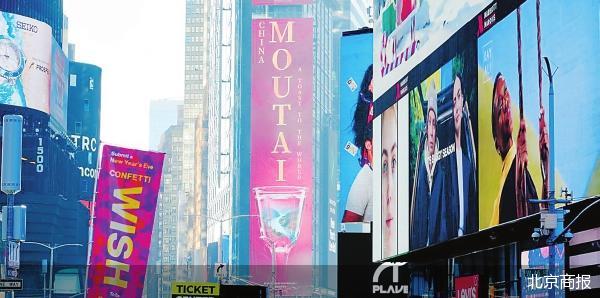
Core Viewpoint - The Chinese liquor industry is increasingly focusing on international markets as domestic competition intensifies, with a significant number of companies expanding overseas to seek new growth opportunities [1][8]. Group 1: Market Expansion - As of December 25, 2023, 63.9% of Chinese liquor companies are either expanding or have already established a presence in overseas markets, indicating a collective shift towards internationalization [1]. - Major brands like Moutai, Wuliangye, and Luzhou Laojiao are actively entering global markets, while Huangjiu brands such as Guyue Longshan and Kuaijishan are also leveraging traditional culture alongside their products [1][3]. Group 2: Product Strategy - Companies are adopting two distinct strategies for internationalization: "cultural integration" with tailored products for foreign markets, and "value output" by exporting established domestic products [3]. - Moutai has launched a series of products specifically designed for international markets, while other brands like Luzhou Laojiao and Wuliangye are exporting their star products that have already gained traction in China [3][4]. Group 3: Cultural Integration - The cultural aspect of product export is becoming increasingly important, with companies recognizing that successful internationalization involves not just product sales but also cultural storytelling [6]. - Initiatives such as Wuliangye's "He Mei Global Tour" and various cultural exchange activities by other brands aim to promote Chinese liquor culture globally [6][7]. Group 4: Market Challenges - Despite the enthusiasm for international expansion, challenges remain, including the need for localization and the predominance of Chinese consumers in overseas markets [8][9]. - The Southeast Asian market is currently the primary focus for many companies, supported by a significant Chinese diaspora, but broader acceptance among local consumers is still a hurdle [8][9]. Group 5: Future Directions - To penetrate mainstream overseas markets, companies must innovate and adapt their products to local tastes, particularly through the integration of liquor with Chinese cuisine [9].

从“卖产品”到“卖文化” 营销变革下酒企出海新征程
Bei Jing Shang Bao· 2025-12-25 13:30
Core Viewpoint - The Chinese liquor industry is increasingly focusing on international markets as domestic competition intensifies, with a significant number of companies expanding overseas to seek new growth opportunities [1][7]. Group 1: Market Expansion - As of December 25, 2023, 63.9% of Chinese liquor companies are either expanding or have already established a presence in overseas markets [1]. - Major brands like Kweichow Moutai, Wuliangye, and Luzhou Laojiao are actively entering international markets, alongside traditional yellow wine brands like Guyue Longshan and Kuaijishan [1][2]. Group 2: Product Strategy - Companies are adopting two distinct strategies for internationalization: "cultural integration" with tailored products for foreign markets and "value output" by exporting established domestic products [2]. - Kweichow Moutai has launched a series of new products specifically designed for overseas markets, marking a significant expansion after six years [2]. - Luzhou Laojiao is innovating with products like ready-to-drink cocktails and oak barrel liquor to cater to international consumer preferences [3]. Group 3: Cultural Integration - The liquor industry recognizes that cultural storytelling is essential for successful international expansion, with many companies engaging in high-profile cultural activities to promote Chinese liquor [4][5]. - Initiatives like Wuliangye's "He Mei Global Tour" and the opening of tasting houses by Guyue Longshan in Paris highlight the industry's focus on cultural exchange [5][6]. Group 4: Market Challenges - Despite the enthusiasm for international markets, challenges remain, including a reliance on Chinese consumers abroad and the need for deeper localization to appeal to diverse international tastes [7][8]. - The Southeast Asian market is identified as a primary target for expansion, supported by a significant Chinese diaspora that influences local consumption patterns [7]. Group 5: Future Directions - Industry experts suggest that to penetrate mainstream markets, liquor companies must innovate and adapt products to local tastes, potentially developing lower-alcohol or pre-mixed beverages [8]. - There is a call for greater integration of liquor with Chinese cuisine to enhance market appeal and consumer acceptance [8].
古越龙山人事变动引发市场热议,“父辈的酒”如何打动年轻人的心 换个董秘90后,能让黄酒成潮饮?
Shen Zhen Shang Bao· 2025-12-24 23:19
Core Viewpoint - The goal of the Huangjiu industry is to transform Huangjiu from a "drink of the older generation" to a "trendy drink for young people" Group 1: Management Changes - Gu Yue Long Shan appointed 90s-born Zhang Leiguang as the company secretary, aiming to bring fresh financial thinking and communication methods to engage with a new generation of investors [1] - The appointment has sparked debate among shareholders, with some expressing skepticism about whether a young executive can attract younger consumers [1] Group 2: Financial Performance - In the first three quarters of 2025, Gu Yue Long Shan reported revenue of 1.186 billion yuan, a year-on-year decline of 8.10%, while net profit grew only 0.17% to 135 million yuan [2] - Competitor Kuaijishan surpassed Gu Yue Long Shan with revenue of 1.212 billion yuan, marking a year-on-year increase of 14.12% [2] Group 3: Product Innovation - Gu Yue Long Shan launched innovative products like coffee Huangjiu and low-sugar variants, targeting young consumers' preferences for novelty and social drinking [3] - The "No High Low" product sold over 3.3 million bottles and topped sales charts on Douyin, although consumer reviews were polarized [3] - A strategic partnership with China Resources Beer led to the co-launch of "Yue Xiao Pi," a product aimed at young consumers, although its availability on major platforms was not found [3] Group 4: Industry Challenges - Industry experts noted that Gu Yue Long Shan faces challenges such as a lack of standout products, stagnant brand recognition, and delayed market impact [4] - The company must balance scale expansion with refined operations to overcome these hurdles and establish a strong market presence [4] Group 5: Competitive Landscape - Kuaijishan successfully marketed its sparkling Huangjiu, achieving sales of 50 million yuan during the 618 shopping festival and diversifying its presence across various social and entertainment platforms [5][6] - Kuaijishan's dual strategy of "premiumization + youthfulness" aims to reshape the Huangjiu industry, focusing on cultural branding and quality enhancement [6] Group 6: Learning from International Examples - The success of Japan's Dassai sake brand offers insights for Huangjiu's youth-oriented development, emphasizing the importance of brand storytelling and long-term strategic commitment [7] - Analysts suggest that the Huangjiu industry should focus on enhancing brand recognition and creating distinctive narratives, similar to Dassai's approach [7]
换个董秘90后,能让黄酒成潮饮?
Shen Zhen Shang Bao· 2025-12-24 17:27
Group 1 - The core objective of the Huangjiu industry is to transform Huangjiu from a "drink of the older generation" to a "trendy drink for young people" [2] - The appointment of 90s-born Zhang Leiguang as the secretary of the board at Guyue Longshan has sparked discussions, with some investors skeptical about whether a younger executive can attract young consumers [2][3] - Guyue Longshan's revenue for the first three quarters of 2025 was 1.186 billion yuan, a decrease of 8.10% year-on-year, while its net profit only grew by 0.17% to 135 million yuan [3] Group 2 - Guyue Longshan has launched innovative products like coffee Huangjiu and bubble ice sculpture, targeting young consumers' preferences for novelty and social drinking [4] - The "Wugao Di" product has sold over 3.3 million bottles and topped the Douyin sales charts, indicating a positive reception among young consumers [4][5] - However, consumer feedback on the "Wugao Di" product is polarized, with some praising its quality while others find it unpalatable [5] Group 3 - Competitor Kuaijishan has successfully marketed its sparkling Huangjiu, achieving sales of 50 million yuan during the 618 shopping festival and implementing a dual strategy of high-end and youth-oriented products [6] - Kuaijishan's approach includes cultural empowerment and quality upgrades, aiming to establish itself as a leader in the high-end Huangjiu market [6] Group 4 - The experience of Japan's Dassai sake brand offers insights for the Huangjiu industry, highlighting the importance of brand storytelling and long-term strategic development [7] - Dassai's sales increased from 4.6 billion yen in 2014 to 19.5 billion yen by 2024, demonstrating the potential for growth through strategic branding and market positioning [7]
食品饮料行业周度更新:从中国快消品数据报告,看食品饮料消费结构-20251222
Changjiang Securities· 2025-12-21 23:30
Investment Rating - The industry investment rating is "Positive" and is maintained [9] Core Insights - In the first three quarters of 2025, the Chinese fast-moving consumer goods (FMCG) market exhibited distinct characteristics of "price reduction, volume increase, structural differentiation, and channel reshaping." The overall market average price decreased by 2.4% year-on-year, but the decline has narrowed, indicating price stabilization. Third to fifth-tier cities have become the main drivers of sales recovery, while competition in first and second-tier cities has intensified. Notably, packaged food sales led with a growth rate of 3.4%, although the momentum is slowing due to price sensitivity. Beverages are the only category to experience a decline, significantly impacted by price wars and competition from freshly brewed tea drinks [2][4][27]. Summary by Sections Market Overview - The FMCG market in China is characterized by a "price reduction, volume increase" trend, with a 2.4% year-on-year decline in average prices, which is stabilizing. Sales growth in lower-tier cities contributed approximately 80% to market growth, with a year-on-year increase of 4-6% [17][21][27]. Category Performance - Packaged food sales grew by 3.4% year-on-year, driven by stable demand for core and snack food categories. However, growth momentum is slowing, with quarterly growth rates of 4.6%, 4.2%, and 2.9%. In contrast, the beverage category saw a 1.1% decline in sales, despite a 3.6% increase in volume, primarily due to a 4.6% drop in average prices [21][25][27]. Channel Dynamics - The channel landscape is evolving, with traditional offline channels continuing to shrink. Emerging formats such as warehouse membership stores and snack collection stores are experiencing rapid growth, with increases of approximately 40%, 51%, and 92% respectively. E-commerce channels also showed resilience with a growth rate of about 7% [22][27]. Subsector Performance - The food and beverage sector has seen a mixed performance, with the overall index down 3.66% since the beginning of the year, lagging behind the CSI 300 index. However, subsectors like snack foods, food composites, and soft drinks have shown relative strength in recent weeks [29][35]. Industry Trends - The liquor industry is undergoing strategic adjustments, with major companies like Kweichow Moutai and Wuliangye implementing market reforms. Fast food and coffee brands are leveraging price adjustments and co-branding initiatives to attract consumers. The soft drink sector is focusing on product innovation and brand exposure, while the dairy sector is investing in capacity expansion and governance changes [35][36][37].



古越龙山:股东大会审议通过《关于取消监事会并修订<公司章程>的议案》等多项议案
Zheng Quan Ri Bao Zhi Sheng· 2025-12-19 08:27
(编辑 丛可心) 证券日报网讯 12月18日晚间,古越龙山发布公告称,公司2025年第一次临时股东大会审议通过《关于 取消监事会并修订的议案》《关于修订和制定公司部分治理制度的议案》《关于增补独立董事的议案》 等多项议案。 ...
古越龙山:选举马川为副董事长并聘张磊光为董事会秘书
Zheng Quan Ri Bao· 2025-12-19 08:11
证券日报网讯 12月18日晚间,古越龙山发布公告称,公司于2025年12月18日召开第十届董事会第十二 次会议,选举马川先生为公司副董事长,任期至第十届董事会届满之日止;同时聘任张磊光先生为公司 董事会秘书,任期同上。 (文章来源:证券日报) ...