WuXi AppTec(603259)

Search documents
医药行业周报(2026/01/19-2026/01/23):本周申万医药生物指数下跌0.4%,关注AI制药板块-20260125
Shenwan Hongyuan Securities· 2026-01-25 13:35
Investment Rating - The report maintains a "Cautious" investment rating for the pharmaceutical sector, highlighting the need to focus on specific investment opportunities within the CXO segment and AI pharmaceutical developments [2]. Core Insights - The pharmaceutical sector is currently experiencing a mixed performance, with the Shenwan Pharmaceutical and Biological Index down by 0.4% this week, ranking 27th among 31 Shenwan primary sub-industries [3][5]. - The overall valuation of the pharmaceutical sector stands at 30.3 times earnings, placing it 12th among 31 Shenwan primary industries [5]. - The report emphasizes the ongoing transformation of the pharmaceutical retail industry towards comprehensive health services, driven by a joint opinion from nine government departments [13][14]. - New drug development remains active, with significant advancements such as the NDA acceptance for Bai Li Tianheng's EGFR×HER3 dual antibody ADC and Moderna's personalized mRNA cancer vaccine showing promising results [15][16]. Market Performance - The Shenwan Pharmaceutical and Biological Index decreased by 0.4%, while the Shanghai Composite Index increased by 0.84% [3]. - Among the secondary sectors, the performance varied, with raw materials (+2.4%) and offline pharmacies (+9.7%) showing positive growth, while medical research outsourcing (-4.0%) and chemical preparations (-1.7%) faced declines [5][12]. Industry Dynamics - By the end of 2025, China's total population is projected to be approximately 1.40489 billion, with a birth rate of 7.92 million, indicating a slight decrease in population compared to the previous year [12]. - The pharmaceutical retail industry is undergoing a critical transformation, with a focus on enhancing pharmacy services and optimizing industry structure [13][14]. - The report outlines five key measures to promote high-quality development in the pharmaceutical retail sector, including improving pharmacy service capabilities and enhancing emergency service functions [14]. Company Developments - Bai Li Tianheng's NDA for the EGFR×HER3 dual antibody ADC has been accepted, targeting esophageal squamous cell carcinoma [15]. - Moderna's personalized mRNA cancer vaccine has shown a 49% reduction in recurrence or death risk compared to monotherapy with Keytruda [16]. - The launch of Insilico Medicine's large language model training framework aims to enhance drug discovery capabilities significantly [16]. Financing Dynamics - OpenEvidence, an AI medical platform, successfully raised $250 million in Series D funding, achieving a post-money valuation of $12 billion [22]. - Qixing Pharmaceuticals completed a $287 million D1 round of financing to advance its clinical pipeline for cardiovascular and metabolic diseases [22]. Performance Forecasts - Several companies in the pharmaceutical sector have released optimistic earnings forecasts for 2025, indicating a clear industry trend [2]. - Notable companies to watch include WuXi AppTec, Kanglong Chemical, and Tigermed, among others, as they are expected to benefit from the ongoing industry developments [2].

医药行业周报:本周申万医药生物指数下跌0.4%,关注AI制药板块-20260125
Shenwan Hongyuan Securities· 2026-01-25 12:44
Investment Rating - The report indicates a cautious outlook on the pharmaceutical sector, with a focus on investment opportunities in the CXO segment and AI pharmaceutical development [2][3]. Core Insights - The pharmaceutical sector's performance has been mixed, with the Shenwan Pharmaceutical and Biological Index declining by 0.4% while the Shanghai Composite Index rose by 0.84% [4][6]. - The report highlights the ongoing transformation in China's pharmaceutical retail industry, emphasizing the shift from traditional drug sales to comprehensive health services, supported by government initiatives [13][14]. - New drug development remains active, with several significant clinical trial applications and promising results from innovative therapies, particularly in oncology and AI-driven drug discovery [15][16][17]. Market Performance - The Shenwan Pharmaceutical and Biological Index ranked 27th among 31 Shenwan first-level sub-industries, with a current overall valuation of 30.3 times earnings, placing it 12th among all first-level industries [4][6]. - Various sub-sectors showed differing performance, with raw materials (+2.4%) and offline pharmacies (+9.7%) performing well, while medical research outsourcing (-4.0%) and chemical preparations (-1.7%) faced declines [6][8]. Recent Key Events - The report notes the significant population dynamics in China, with a total population of approximately 1.40489 billion by the end of 2025, which continues to support economic growth [12]. - The Ministry of Commerce and other departments have issued guidelines to promote high-quality development in the pharmaceutical retail sector, focusing on enhancing service capabilities and optimizing industry structure [13][14]. - Several companies, including BaiLi Tianheng and Moderna, have made strides in drug development, with notable advancements in cancer therapies and AI applications in pharmaceuticals [15][16][17]. Company Dynamics - The report identifies several companies with promising performance forecasts for 2025, including WuXi AppTec, Kanglong Chemical, and Tigermed, highlighting their potential as investment targets [23][26]. - The AI healthcare platform OpenEvidence successfully raised $250 million in Series D funding, reflecting strong growth and increasing adoption among healthcare professionals [23][24].
没想到吧,除了稀土,我们还有一张“王牌”……
虎嗅APP· 2026-01-25 09:33
Core Viewpoint - The article emphasizes China's dominant position in the global pharmaceutical supply chain, particularly in the production of Active Pharmaceutical Ingredients (APIs) and Key Starting Materials (KSMs), which poses a significant asymmetric threat to U.S. national security [4][5]. Group 1: China's Dominance in Pharmaceutical Supply Chain - China holds a near-monopoly in the production of various pharmaceutical raw materials, with over 90% of global antibiotic intermediates supplied by China [18]. - Approximately 70%-80% of global vitamin production capacity is controlled by China, making it a critical player in the pharmaceutical industry [19]. - China's low-cost, high-output chemical manufacturing capabilities create significant barriers for competitors, allowing it to define prices and capacities in the market [21]. Group 2: Impact of Geopolitical Tensions - The U.S.-China trade tensions have led to concerns about the dependency of the U.S. on Chinese pharmaceutical supplies, which could lead to drug shortages in critical situations [9][10]. - The article illustrates a hypothetical scenario where geopolitical tensions could disrupt the supply of essential medications, highlighting the risks of "asymmetric interdependence" [7][9]. - The ongoing drug shortage issues in the U.S. are exacerbated by the complex global supply chain, where many active ingredients are sourced from China [10][11]. Group 3: Historical Context and Strategic Decisions - The article discusses the historical context of the pharmaceutical industry's shift, where Western companies outsourced low-margin API production to lower-cost countries, primarily China, while retaining high-margin R&D and marketing functions [23][24]. - This outsourcing has led to a significant loss of industrial capability in the West, as the foundational skills and infrastructure for API production have diminished [32]. Group 4: Challenges for India as an Alternative - India, often referred to as the "world's pharmacy," lacks the complete supply chain necessary for API production, relying heavily on Chinese intermediates [36][38]. - Despite efforts to establish a domestic API supply chain, India's progress is hindered by infrastructure challenges and the dominance of Chinese suppliers [37][39]. Group 5: Future Outlook and Strategic Recommendations - The article suggests that China is transitioning from merely being a low-cost producer to becoming a leader in technology and standards within the pharmaceutical industry [43]. - As geopolitical tensions rise, the need for China to innovate in green technologies and maintain its competitive edge in the pharmaceutical supply chain becomes critical [55][56]. - The future of the pharmaceutical industry will focus on balancing efficiency and safety, with the ability to provide cost-effective and safe drugs being a key determinant of success [58].



医疗服务行业周报1.19-1.23:J.P.摩根医疗大会回顾:CXO前景乐观-20260125
Xiangcai Securities· 2026-01-25 09:04
证券研究报告 2026 年 01 月 25 日 湘财证券研究所 根据 Wind 数据,本周申万一级行业医药生物下跌 0.39%,涨幅排名位列申 万 31 个一级行业第 27 位。沪深 300 指数下跌 0.62%,医药跑赢沪深 300 指数 0.23 个百分点。申万医药生物二级子行业医疗服务 II 报收 7280.46 点,下跌 2.17%;中药 II 报收 6350.32 点,上涨 0.89%;化学制药Ⅱ报收 13328.75 点,下跌 1.11%;生物制品Ⅱ报收 6427.70 点,上涨 0.07%;医 药商业Ⅱ报收 5457.63 点,上涨 4.26%;医疗器械 II 报收 6881.47 点,上 涨 0.30%。细分板块来看,医疗服务跌幅较大。 根据 Wind 数据,从医疗服务板块公司的表现来看,表现居前的公司有: 诺禾致源(+11.5%)、新里程(+9.4%)、迪安诊断(+8.2%)、ST 中珠(+7.1%)、 光正眼科(+6.2%);表现靠后的公司有:博腾股份(-6.9%)、诚达药业 (-6.6%)、药明康德(-6.4%)、美迪西(-4.8%)、成都先导(-4.5%)。从 个股涨跌幅来看 CXO ...
医药健康行业研究:Q4基金医药持仓情况出炉,关注板块调整后布局机遇
SINOLINK SECURITIES· 2026-01-25 07:50
Investment Rating - The report suggests a positive outlook for the innovative drug sector, indicating it will continue to be a core investment direction in 2026 due to the maturation of the industry chain and normalization of medical insurance negotiations [4]. Core Insights - The public fund's pharmaceutical holdings decreased to 8.11% in Q4 2025, down by 1.66 percentage points (pp) from the previous quarter. Excluding actively managed pharmaceutical funds, the holdings dropped to 3.90%, a decrease of 1.36pp [11][12]. - The innovative drug ETF reached a scale of 100.62 billion yuan in Q4, accounting for 13.11% of the pharmaceutical fund, which is a slight decrease of 1.35pp [13][15]. - The CXO sector saw a decline in holdings due to geopolitical disturbances, while the medical device sector benefited from innovations like brain-computer interfaces and surgical robots, leading to an increase in holdings [14][17]. - The report highlights the acquisition of PART by GSK for $2.2 billion to strengthen its position in the IgE antibody market, with the core product Ozureprubart showing significant market potential [2][31]. - The oral weight loss drug Wegovy has shown strong early commercial progress, with retail prescriptions reaching approximately 3,071 in the first four days post-launch, nearly three times that of its competitor Zepbound [2][31]. Summary by Sections Pharmaceutical Sector - The report indicates a significant decrease in public fund holdings in the pharmaceutical sector, with a noted resilience in the innovative drug segment [11][14]. - The report emphasizes the importance of focusing on leading companies with core pipeline competitiveness and global layout capabilities for investment [4]. Medical Devices - The introduction of new pricing guidelines for auxiliary medical services is expected to accelerate the adoption of innovative products in the medical device sector [3][17]. - The report suggests monitoring domestic leading companies in this sector for increasing product penetration [3]. Drugstores - The report discusses the potential for leading drugstore companies to increase market share, supported by recent government policies promoting high-quality development in the retail pharmaceutical industry [3][17]. - Specific companies like Yifeng Pharmacy and Dazhenglin are highlighted as having low valuations and significant cost reduction achievements [3]. CXO and Pharmaceutical Supply Chain - Several CXO companies have released optimistic earnings forecasts for 2025, indicating a clear upward trend in industry prosperity [2][31]. - The report recommends active investment in this sector due to the positive signals regarding industry growth [2][31].


创新药还能加仓?这场会定调2026
Jing Ji Guan Cha Wang· 2026-01-24 10:07
Core Insights - The 2026 JPM conference showcased a positive outlook for Chinese innovative pharmaceutical companies, with significant interest from multinational corporations in collaboration opportunities [2][3][4] - Chinese companies are shifting from merely licensing patents to deeper involvement in clinical development and commercialization in international markets [3][8] - The FDA's stance at JPM was relatively moderate, acknowledging the R&D efficiency of Chinese companies and suggesting improvements in approval processes using AI [3][6] Group 1: Conference Overview - The JPM conference, held in San Francisco, attracted numerous founders, executives, and investors from Chinese innovative pharmaceutical companies, indicating a vibrant atmosphere compared to previous years [2][5] - The event has evolved from a small gathering to a major industry benchmark, with participation from nearly all multinational pharmaceutical companies [5][10] - The number of attendees increased significantly in 2026, reflecting a more optimistic market sentiment compared to the previous year [5][10] Group 2: Market Trends - The Chinese innovative drug sector experienced a substantial stock price increase from March to August 2025, driven by business development (BD) transactions and foreign capital inflow, but faced a market correction afterward [4][11] - The interest in Chinese assets is growing, with many multinational companies expressing intentions for mergers and acquisitions (M&A) and BD transactions [11][12] - The trend of Chinese companies seeking deeper engagement in global markets is evident, moving beyond simple patent licensing to collaborative operational models [8][9] Group 3: Regulatory Environment - FDA officials at JPM highlighted the efficiency of Chinese clinical trials, with China completing Phase I trials in four weeks compared to much longer timelines in the U.S. [6][12] - The FDA's comments suggested a focus on optimizing clinical trial approval processes rather than emphasizing protectionist policies [5][6] Group 4: Future Outlook - The absence of major transactions at JPM 2026 was noted, but many multinational companies expressed a willingness to explore significant deals in the near future [11][12] - The upcoming expiration of patents for several blockbuster drugs is expected to drive increased M&A activity as companies seek to replenish their pipelines [12][13] - The trend of U.S. biotech firms considering establishing operations in China to leverage R&D efficiencies is emerging, indicating a shift in cross-border collaboration dynamics [10][11]


有色金属半导体等行业表现亮眼
Zhong Guo Zheng Quan Bao· 2026-01-23 21:02
Core Insights - A total of 710 A-share listed companies have disclosed their 2025 annual performance forecasts, with 284 companies expected to report positive results, resulting in a positive forecast ratio of 40% [1] Group 1: Performance Highlights - Among the 710 companies, 43 reported slight increases, 57 turned losses into profits, 4 maintained profitability, and 180 projected profit increases [2] - 295 companies expect a net profit growth of over 10%, with 237 anticipating over 30%, 183 over 50%, and 67 over 100% [2] - Notable companies with significant expected net profit growth include Southern Precision, Shanghai Yizhong, Jin'an Guoji, Shenzhen Nande A, Limin Co., and SAIC Motor [2] Group 2: Industry Performance - The industries showing strong performance include non-ferrous metals, biomedicine, semiconductors, hardware equipment, chemicals, and automotive parts [3] - In the non-ferrous metals sector, companies like Xianglu Tungsten, Zhenghai Magnetic Materials, Jinli Permanent Magnet, Northern Rare Earth, Chifeng Gold, Zijin Mining, and others have performed well due to rising product prices and improved downstream demand [3][4] Group 3: Specific Company Forecasts - Southern Precision expects a net profit of 300 million to 370 million yuan, representing a year-on-year increase of 1130% to 1417%, primarily due to fair value changes from investments [2] - WuXi AppTec anticipates a revenue of approximately 45.456 billion yuan, a year-on-year increase of about 15.84%, and a net profit of around 19.15 billion yuan, a growth of approximately 102.65% [3] - Xianglu Tungsten forecasts a net profit of 12.5 million to 18 million yuan, significantly turning losses into profits due to improved market conditions and cost control [4] Group 4: Challenges in Certain Industries - The real estate sector is under pressure, with only one out of 31 companies reporting profits, while most are facing significant losses [7] - In the photovoltaic industry, companies like Tongwei Co., TCL Zhonghuan, Trina Solar, JinkoSolar, and LONGi Green Energy are expected to report varying degrees of losses due to rising costs of key raw materials [7]


药明康德:公司持续聚焦自身独特的CRDMO业务模式
Zheng Quan Ri Bao Zhi Sheng· 2026-01-23 12:23
Core Viewpoint - WuXi AppTec focuses on its unique CRDMO business model to efficiently serve global clients and benefit patients worldwide [1] Group 1 - The company emphasizes the importance of its CRDMO business model in generating industry insights quickly [1] - The CRDMO model allows the company to respond promptly to new molecular demands from clients [1] - The commitment to the CRDMO business model is seen as a strategy to ensure the company's long-term development [1]
2025年中国医药研发外包(CRO)行业政策分析 药审改革推动行业发展提速【组图】
Qian Zhan Wang· 2026-01-23 09:08
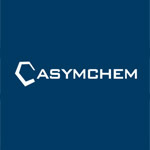
Core Viewpoint - The report highlights the significant growth and development of China's Contract Research Organization (CRO) industry, driven by a comprehensive policy framework and regulatory reforms that enhance innovation and operational efficiency in the pharmaceutical sector [1][3][9]. Group 1: Industry Overview - The main listed companies in China's CRO industry include WuXi AppTec (603259.SH), Kanglong Chemical (300759.SZ), Tigermed (300347.SZ), Kelaiying (002821.SZ), Zhaoyan New Drug (603127.SH), Jiuzhou Pharmaceutical (603456.SH), Haoyuan Pharmaceutical (688131.SH), Boteng Co., Ltd. (300363.SZ), Chengdu XianDao (688222.SH), and Yaoshi Technology (300725.SZ) [1]. - The CRO industry is recognized as a strategic emerging industry that supports pharmaceutical innovation, transitioning China from a major pharmaceutical market to a strong one [1]. Group 2: Policy Framework - The policy framework for the CRO industry is centered around the National Medical Products Administration (NMPA) and includes collaboration with other regulatory bodies such as the National Health Commission (NHC) and the Drug Administration (CDR) [3]. - Key regulatory measures include the Marketing Authorization Holder (MAH) system, implicit licensing for clinical trials, Good Laboratory Practice (GLP) and Good Clinical Practice (GCP) certifications, and priority review and approval processes [3]. Group 3: Industry Support Policies - National policies provide financial support through initiatives like the "Major New Drug Creation" program, tax reductions for high-tech enterprises, and increased deductions for R&D expenses, which lower operational costs for the industry [6]. - Local governments implement differentiated policies that align with regional industrial characteristics, including subsidies for innovative drug development and funding for CRO platform construction [6]. Group 4: Drug Review Reforms - Recent reforms in drug review processes have significantly improved approval efficiency, reducing the average clinical trial review time from 420 days to 30 days in pilot areas, and addressing a backlog of 22,000 cases [9][12]. - The definition of new drugs has shifted from "China New" to "Global New," aligning with international standards and enhancing the quality of innovation [12]. Group 5: Future Trends - The future of the CRO industry in China is expected to be driven by a robust policy framework, with trends including deeper collaboration in service models, increased application of AI and digital platforms, and a focus on specialized market segments [13]. - The competitive landscape is anticipated to evolve with the rise of domestic leaders and accelerated internationalization, benefiting from improved mechanisms for mutual recognition of clinical trial data [13].


医疗服务板块1月23日涨1.19%,诺禾致源领涨,主力资金净流入9.91亿元
Zheng Xing Xing Ye Ri Bao· 2026-01-23 09:04
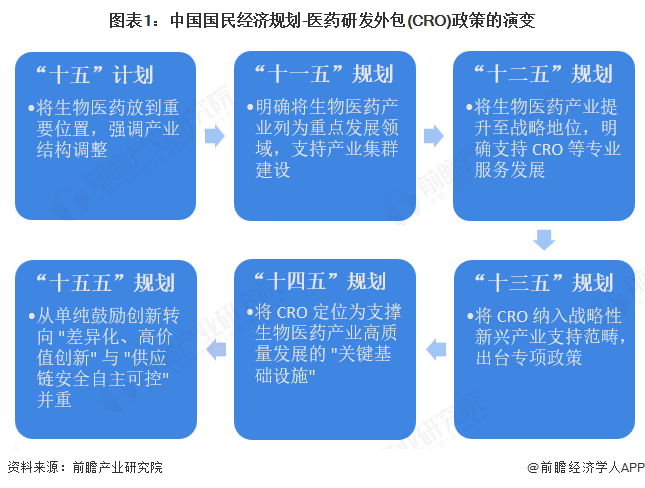
Core Viewpoint - The medical services sector experienced a rise of 1.19% on January 23, with notable gains from companies like Nuohua Zhiyuan, which led the sector's performance [1]. Group 1: Market Performance - The Shanghai Composite Index closed at 4136.16, up 0.33%, while the Shenzhen Component Index closed at 14439.66, up 0.79% [1]. - The medical services sector saw significant individual stock movements, with Nuohua Zhiyuan (688315) closing at 17.00, up 13.26%, and Hai Te Biological (300683) closing at 33.31, up 7.66% [1]. Group 2: Trading Volume and Value - Nuohua Zhiyuan had a trading volume of 219,500 shares and a transaction value of 365 million yuan [1]. - Hai Te Biological recorded a trading volume of 190,900 shares with a transaction value of 632 million yuan [1]. Group 3: Capital Flow - The medical services sector saw a net inflow of 999.1 million yuan from institutional investors, while retail investors experienced a net outflow of 1.069 billion yuan [2]. - The capital flow data indicates that major stocks like Diyan Diagnosis (300244) had a net inflow of 288 million yuan from institutional investors [3].