TSMC(TSM)

Search documents
The Big Tech losers as AI fears wipe billions of dollars off valuations
Yahoo Finance· 2026-02-16 09:38
Group 1 - The world's most valuable technology stocks have experienced significant declines in market value this year, raising concerns about the return on heavy AI investments [1] - Microsoft shares have dropped approximately 17% year-to-date, resulting in a market value loss of about $613 billion, bringing its valuation to around $2.98 trillion [2] - Amazon's stock has decreased by about 13.85% this year, erasing roughly $343 billion in market value, leaving it valued at approximately $2.13 trillion [2] Group 2 - Capital spending for Amazon is expected to increase by more than 50% this year [3] - Other major companies like Nvidia, Apple, and Alphabet have also seen declines in market value, totaling $89.67 billion, $256.44 billion, and $87.96 billion, respectively [3] - The shift in market psychology indicates a move from long-term AI ambitions to a demand for near-term earnings visibility [4] Group 3 - Companies such as TSMC, Samsung Electronics, and Walmart have gained market value, adding $293.89 billion, $272.88 billion, and $179.17 billion, respectively [4] - The current valuations for TSMC, Samsung Electronics, and Walmart stand at $1.58 trillion, $817 billion, and $1.07 trillion [4]





1 Unstoppable Stock to Buy Before It Joins Nvidia, Apple, and Alphabet in the $3 Trillion Club
The Motley Fool· 2026-02-16 08:02
Core Viewpoint - Taiwan Semiconductor Manufacturing Company (TSMC) is positioned to potentially join the $3 trillion market cap club, driven by its leadership in advanced semiconductor manufacturing and strong financial performance [2][3]. Company Overview - TSMC is the world's largest semiconductor foundry with a market capitalization of $1.9 trillion, holding a 71% share of the global chip market and producing over 90% of the most advanced semiconductors [5][9]. - The company has transitioned from generating most of its revenue from smartphone chips to advanced chips for AI, data centers, and high-performance computing, which now account for 55% of its sales [6]. Financial Performance - In Q4, TSMC reported revenue of $33.7 billion, a 26% year-over-year increase, and earnings per American Depository share of $3.14, up 35% [7]. - The gross margin improved to 59.9%, up 380 basis points, and the operating margin increased to 50.8%, up 510 basis points, indicating enhanced operational leverage [8]. - The company forecasts Q1 revenue of $35.2 billion, representing a 38% year-over-year growth [8]. Market Position and Future Outlook - Analysts project TSMC's revenue to reach $157.8 billion by 2026, with expectations of $193.9 billion and $232.8 billion in 2027 and 2028, respectively, positioning the company for a potential $3 trillion market cap by 2029 [10][11]. - The demand for high-end semiconductors is expected to grow, with annual sales projected to approach $1 trillion by 2026, benefiting TSMC as a leading provider [12].

AI芯片加速,三星斩获代工大单
半导体行业观察· 2026-02-16 01:58
Core Viewpoint - Tesla is accelerating its in-house chip development, focusing on the production of next-generation AI5 and AI6 chips, aiming to surpass the current global AI chip output [2][6]. Group 1: Recruitment Strategy - Tesla's recruitment for AI chip design engineers emphasizes practical experience over formal education, asking candidates to describe three challenging technical problems they have solved [3]. - The choice to recruit in South Korea is strategic, leveraging the advanced manufacturing capabilities of companies like Samsung and SK Hynix, which are key suppliers of High Bandwidth Memory (HBM) technology [3]. Group 2: Chip Specifications and Production Strategy - Tesla's chip production strategy involves a dual-foundry approach, utilizing different wafer foundry partners to enhance flexibility and reduce single-source risks [4][8]. - The specifications for AI4, AI5, and AI6 chips show significant improvements: AI6 is expected to integrate multiple functions into a single SoC, enhancing efficiency and reducing power consumption [6][10]. Group 3: Manufacturing Locations and Partnerships - AI4 is manufactured by Samsung in South Korea, while AI5 is being developed with TSMC in Taiwan and the U.S. Arizona, and AI6 will be produced at Samsung's facility in Taylor, Texas [7]. - The decision to produce AI6 at Samsung's Texas facility is influenced by supply chain risk management, policy incentives, and cost structures, particularly in light of the U.S. CHIPS Act [9]. Group 4: Implications for Autonomous Driving and Robotics - AI6 is positioned as a core component for Tesla's advancements in embodied AI, supporting both autonomous driving and humanoid robots, with a significant increase in demand expected as production scales up [10]. - Advanced packaging technologies are anticipated to be utilized for AI6 to meet high bandwidth and computational requirements, supporting large neural network models [10]. Group 5: Semiconductor Supply Chain Dynamics - TSMC currently holds major orders for AI5, but Tesla's expansion in South Korea and push for localized advanced manufacturing indicate a shift in global supply chain dynamics [11]. - The success of Taiwan's semiconductor supply chain will depend on maintaining technological advantages in advanced packaging and integration technologies [14].

刘胜院士专访 深度解读:玻璃基板与先进封装
是说芯语· 2026-02-16 01:02
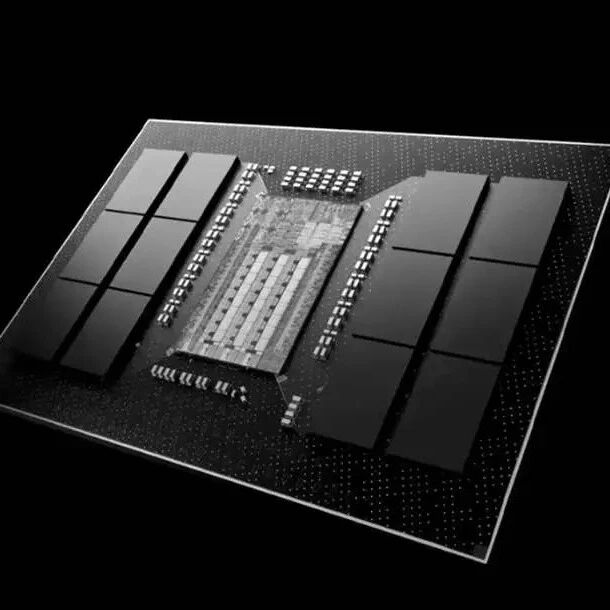
Core Viewpoint - The article discusses the urgent need for innovative cooling technologies in the face of increasing power demands from AI and HPC chips, highlighting a paradigm shift from external cooling methods to intrinsic solutions that integrate with chip materials and structures [1][11]. Group 1: Breakthroughs in Cooling Technologies - The article identifies three disruptive breakthroughs in cooling technologies: material-level innovations, packaging architecture competition, and structural integration [2]. - The first breakthrough involves the use of diamond and SiC materials to overcome the thermal resistance limitations of silicon, with diamond being a key material due to its superior thermal conductivity [3][4]. - The second breakthrough focuses on the competition between SiC interposers and glass substrates for packaging architecture, with SiC offering significantly better thermal efficiency [8][9]. - The third breakthrough is the concept of embedded microfluidics, where cooling fluids are integrated within the chip structure to manage extreme heat loads effectively [10]. Group 2: Future of Packaging Materials - For large-scale production of structural substrates by 2028, glass substrates are expected to dominate, while diamond will play a crucial role in addressing AI computing bottlenecks [12][16]. - Glass substrates are favored for their high interconnect density capabilities, which are essential as AI chips evolve [14][15]. - Diamond is positioned as a critical component for thermal management in high-performance AI chips, expected to be integrated into packaging solutions alongside glass substrates [16][17]. Group 3: Addressing Thermal Management Challenges - The article outlines three key strategies for improving thermal management in glass substrates: vertical thermal vias, lateral heat diffusion enhancements, and integrated microfluidic cooling systems [19][20][21]. - Vertical thermal vias involve creating high-density copper pillar arrays to facilitate heat dissipation [19]. - Lateral heat diffusion can be enhanced by thickening metal layers on the substrate to improve thermal conductivity [20]. - Integrated microfluidics leverage the chemical properties of glass to create internal cooling channels, significantly improving heat management [21]. Group 4: Multi-Physics Co-Design in Chip Manufacturing - The article emphasizes the importance of multi-physics co-design in semiconductor manufacturing, integrating electrical, thermal, mechanical, and magnetic fields to optimize performance and reliability [22][29]. - The approach advocates for eliminating interface issues through hybrid bonding techniques, which enhance electrical, thermal, and mechanical properties [23][26]. - Material selection is evolving from traditional methods to computational approaches that balance multiple physical fields, ensuring optimal performance under high thermal loads [28][29].



3 Stocks to Buy and Hold Forever: A Long-Term Play for Your Portfolio
The Motley Fool· 2026-02-15 13:00
Core Viewpoint - The article discusses three technology companies—Nvidia, Alphabet, and Taiwan Semiconductor—that are well-positioned to thrive in the current market, particularly in the context of artificial intelligence (AI) advancements. Nvidia - Nvidia is recognized as a leading designer of AI processors, with increasing demand driven by tech companies investing in AI data center infrastructure [4][5] - The company’s stock has a price-to-earnings (P/E) ratio of approximately 47, which is slightly above the tech sector average of 43, indicating it may still be a viable investment [7] - Nvidia's current market cap is $4.4 trillion, with a gross margin of 70.05% and a dividend yield of 0.02% [9] Alphabet - Alphabet's Gemini chatbot has achieved 750 million monthly active users, marking a 67% increase in just nine months, showcasing its success in AI [9][10] - The company is doubling its capital expenditures to $185 billion this year, which is expected to enhance its competitiveness in the AI market [6][11] - Alphabet's stock is trading at a P/E ratio of 30, presenting a relatively attractive investment opportunity [11][12] Taiwan Semiconductor - Taiwan Semiconductor (TSMC) holds a 70% market share in semiconductor manufacturing and is the preferred choice for tech companies needing AI processors [13][14] - TSMC's revenue is projected to increase by 30% to $122.4 billion in 2025, with diluted earnings expected to rise by 47% to $10.65 per ADR [16] - The company’s stock has a P/E ratio of 34, indicating it is well-priced for potential growth [16][15]

Prediction: Artificial Intelligence (AI) Will Drive the Next Wave of Tech Leadership, and This Stock Stands to Win
The Motley Fool· 2026-02-15 10:34
Core Insights - The company is positioned as a leading foundry partner for AI chip designers, enabling it to benefit from the ongoing AI revolution [1] - AI software stocks have faced sell-offs, while hardware-oriented AI companies, particularly in semiconductors, continue to attract investor interest, as evidenced by a 14% increase in the PHLX Semiconductor Sector index in 2026 [2] - Semiconductors are crucial for AI development, with Taiwan Semiconductor Manufacturing Company (TSMC) being a key player in this sector [3] Company Performance - TSMC is recognized as the primary manufacturer of chips for next-generation AI applications, with a significant market share in AI server compute and custom AI processors at 99% [6] - The company reported a 36% revenue increase in 2025, reaching $122.4 billion, and a 51% increase in earnings per share, with a strong start in 2026 showing nearly 37% revenue growth in January compared to the same month in 2025 [8][9] - TSMC is expected to exceed its 2026 revenue growth target of 30%, supported by higher prices for advanced chip nodes [9] Market Opportunity - The long-term potential for AI chips is substantial, with RBC Capital Markets projecting sales to rise from $220 billion last year to over $550 billion by 2028 [10] - TSMC's status as the preferred foundry for AI chip design positions it well to capitalize on this lucrative market opportunity [10] - The company's forward earnings multiple of 26 aligns closely with the Nasdaq-100 index, indicating strong growth potential compared to the broader market [11]
高毅资产美股持仓曝光!加仓拼多多、贝壳等
Ge Long Hui· 2026-02-15 08:04
Group 1 - Gao Yi Asset held stocks of 13 companies in the US stock market with a total market value exceeding $600 million as of the end of 2025 [2] - The top ten holdings of Gao Yi Asset prominently feature Chinese concept stocks, with significant increases in positions for Pinduoduo and Beike, and a new investment in Yixian E-commerce [2] - The top ten holdings include Huazhu Group, Pinduoduo, Google, Yum China, Beike, Wuxi AppTec, NetEase, iQIYI, TSMC, and ISHARES TR, indicating a dominant presence of Chinese concept stocks [2] Group 2 - As of the end of last year, Gao Yi Asset held 1.333 million shares of Pinduoduo, having increased its position by 629,000 shares compared to the end of the third quarter [3]



AI吓坏美股,亚洲股市“因祸得福”,芯片股抢跑成最大受益者
美股研究社· 2026-02-15 06:24
以下文章来源于硬AI ,作者专注科技产研的 硬AI . AI时代,快人一步~ 来源 | 硬AI 市场押注的核心在于 , 全球资金正在从"烧钱"的AI先锋,转向具备定价权的硬件与上游供应链,且亚洲在先进芯片制造、代工与组装环节占 据关键位置。 美光关于存储芯片供应趋紧的最新表态,以及英伟达关于支出可持续性的评论,进一步巩固了这种配置逻辑。据彭博援引多位机构人士表 态,随着市场开始定价"AI agents的ChatGPT时刻", 基础设施需求可能更先兑现到亚洲资产上。 资金从"AI颠覆交易"撤离, 美股承压与亚洲受益同步发生 本轮美股波动的导火索, 是投资者担心AI模型会威胁部分软件、法律以及房地产服务提供商的商业模式 ,相关股票遭遇抛售。彭博称,这 一"AI Scare Trade"还波及美国房地产服务股与保险经纪板块。 与之相对,亚洲市场的科技敞口更多集中在上游环节。宝盛集团香港研究主管Richard Tang表示:"美国主要担心的是超大规模企业的支出 问题。亚洲大部分科技敞口在上游。 无论最终谁获胜,上游仍将从下游参与者那里获得收入。" 存储芯片价格上涨强化了硬件端的景气信号,三星等区域龙头从中受益。台积电 ...

高毅资产去年四季度加仓 拼多多、贝壳等
Mei Ri Jing Ji Xin Wen· 2026-02-15 03:37
Core Insights - Gao Yi Asset disclosed its US stock holdings as of the end of 2025, indicating a total market value exceeding 600 million USD across 13 companies [2] - The firm increased its positions in Chinese concept stocks such as Pinduoduo and Beike in the fourth quarter of the previous year, and initiated a new investment in Yixian E-commerce [2] - The top ten holdings of Gao Yi Asset in the US stock market include Huazhu Group, Pinduoduo, Google, Yum China, Beike, Wuxi AppTec, NetEase, iQIYI, TSMC, and ISHARES TR, with Chinese concept stocks dominating the portfolio [2]
台积电改写GaN格局
半导体行业观察· 2026-02-15 01:37
Core Viewpoint - TSMC's decision to exit the GaN foundry service by July 2027 is reshaping the GaN industry landscape, transitioning from reliance on advanced foundries to a focus on specialty process foundries [2][19]. Group 1: TSMC's Exit and Industry Impact - TSMC has been a crucial player in the GaN industry, being the only foundry capable of providing both high and low voltage GaN solutions [2]. - The exit of TSMC is prompting second-tier foundries to accelerate their capacity to fill the void left behind, leading to a reconfiguration of GaN manufacturing capabilities [2][5]. - GlobalFoundries (GF) has signed a GaN technology licensing agreement with TSMC, aiming to establish itself as a strategic GaN production center in the U.S. with over $80 million in federal funding [3]. Group 2: New Entrants and Strategic Moves - World Advanced (VIS), a TSMC subsidiary, is also entering the GaN market by expanding its GaN-on-Si capabilities, targeting mid-to-low margin orders previously handled by TSMC [3]. - Navitas, a major GaN customer of TSMC, is diversifying its supply chain by partnering with PSMC for 200mm GaN-on-Si production and strengthening ties with GF to mitigate manufacturing risks [4]. - ROHM is shifting from relying on TSMC to producing GaN devices in-house, establishing a new 8-inch wafer production line in Japan [7]. Group 3: Market Dynamics and Growth Projections - The GaN market is expected to grow significantly, with projections indicating a market size of approximately $3 billion by 2030 and a compound annual growth rate (CAGR) of 42% from 2024 to 2030 [10]. - The demand for GaN is expanding beyond consumer applications into high-reliability sectors such as data centers and electric vehicles, with automotive applications projected to grow at a CAGR of 73% from 2024 to 2030 [13]. - The shift in GaN applications is moving from consumer electronics to critical systems in data centers and automotive power supplies, emphasizing the need for reliability and efficiency [19]. Group 4: Structural Changes in the GaN Industry - The exit of TSMC is not a sign of declining GaN demand but rather a transition towards a decentralized manufacturing model, where multiple foundries share the production load [19]. - The industry is witnessing a redistribution of power, with IDM manufacturers regaining control over core processes and Fabless companies gaining more flexible manufacturing options [19]. - The GaN industry is evolving into a more independent and scalable sector, moving away from dependence on a single advanced foundry [19].