
货币金融服务

Search documents
一批上市公司用回购增持传递信心
Shang Hai Zheng Quan Bao· 2026-02-24 17:49
Group 1: Share Buybacks - Companies such as Zhongshun Jierou and Yuanli Co. have announced new share buyback plans, with Zhongshun Jierou planning to repurchase shares at a price not exceeding 12.4 yuan per share, with a total fund of no less than 60 million yuan and no more than 120 million yuan [1] - Kaipu Cloud plans to repurchase shares with a total fund of no less than 50 million yuan and no more than 100 million yuan, at a price not exceeding 315 yuan per share [1] - Aidi Precision has repurchased 209,000 shares for a total payment of approximately 5.09 million yuan, as part of a buyback plan with a total fund range of 100 million to 200 million yuan [3] Group 2: Shareholder Increases - Conch Cement's controlling shareholder, Conch Group, plans to increase its stake in the company with a minimum investment of 700 million yuan and a maximum of 1.4 billion yuan within six months [2] - Huaneng Hydropower's controlling shareholder's investment fund has increased its stake by 3.276 million shares for a total of 30.02 million yuan, with plans to continue increasing its stake by an estimated total of 100 million to 150 million yuan [2] - Fuguang Co. reported that its controlling shareholder has cumulatively increased its stake by 233,300 shares, costing approximately 6.76 million yuan, with plans for further increases [2] Group 3: Buyback Progress - Xingsui Technology has cumulatively repurchased 2.98 million shares, with total payments exceeding 68.41 million yuan, surpassing the lower limit of its buyback plan [3] - Jiutian Pharmaceutical has completed its buyback plan, having repurchased 6.1808 million shares, accounting for 1.24% of the total share capital, with a total transaction amount reaching 100 million yuan [3]





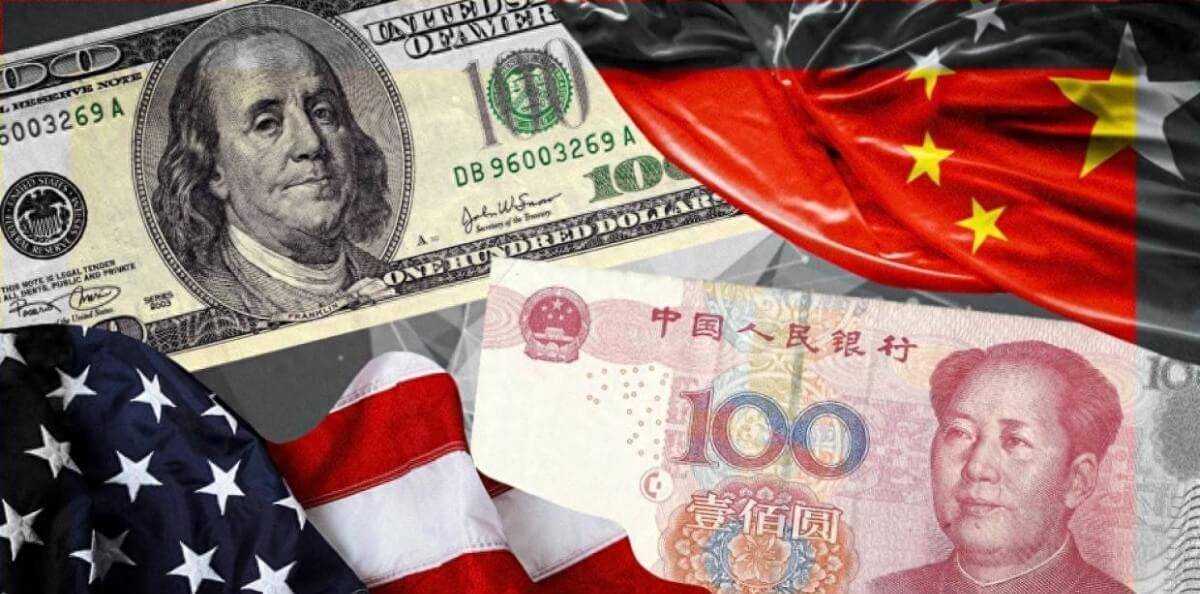
人民币能反超美元吗?中国迎来大时代,揭秘美国加息减息与战争的深层联系
Sou Hu Cai Jing· 2026-02-23 17:23
Core Viewpoint - The global monetary system is undergoing a significant and silent restructuring, moving away from a dollar-dominated framework towards a more diversified reserve currency landscape, with the Chinese yuan emerging as a credible alternative [1][5][39]. Group 1: Dollar's Historical Dominance - For decades, the dollar has been the sole safe-haven asset globally, with central banks and investors instinctively turning to it during crises [2][3]. - The dollar's dominance is supported by its deep ties to oil transactions and the U.S.'s strong military presence, which underpins its role in international payment systems [4]. Group 2: Rise of the Yuan - The international use of the yuan is expanding, particularly as countries seek to reduce their reliance on the dollar, positioning it as a new risk-hedging tool [6]. - China's robust economic structure, characterized by its status as the world's second-largest economy and largest goods trader, provides a solid foundation for the yuan's value [9][10]. - China's approach to currency internationalization emphasizes stability and mutual benefit, contrasting with other nations that may resort to excessive money printing [12][13]. Group 3: Global Financial Dynamics - Many countries are incorporating the yuan into their official foreign exchange reserves and establishing bilateral currency settlement arrangements with China, indicating a shift in financial behavior [14][15][16]. - The U.S. is increasingly anxious about this shift, as evidenced by the geopolitical tensions that often coincide with Federal Reserve interest rate adjustments [19][20]. Group 4: U.S. Monetary Policy and Geopolitical Tensions - The U.S. employs a strategy where interest rate hikes attract international capital back to the U.S., supporting the dollar but causing debt pressures and financial instability in other nations [23][25]. - The U.S. often escalates regional tensions to reinforce the dollar's status as a safe haven during global turmoil, thereby artificially inflating demand for the dollar [27][28]. Group 5: Future of Currency Dynamics - The rise of the yuan disrupts the dollar's monopoly, signaling the beginning of a new era where countries seek stable financial cooperation with China rather than passively accepting the dollar's fluctuations [39][40]. - The transition towards a diversified reserve system is not merely theoretical but is actively occurring, as countries recognize the risks of over-reliance on a single currency [41][42]. Group 6: Trust and Stability in Financial Systems - The evolution of the global monetary landscape will depend on which currency can provide certainty and stability, with the yuan increasingly seen as a trustworthy alternative [46][48]. - The yuan's credibility is bolstered by China's complete industrial chain, large domestic market, and consistent policy, contrasting with the dollar's reliance on military and financial coercion [47][48].

出口猛增至3020亿创历史新高,美国数据飙升暗藏啥玄机?背后究竟有啥“杀机”?
Sou Hu Cai Jing· 2026-02-18 05:04
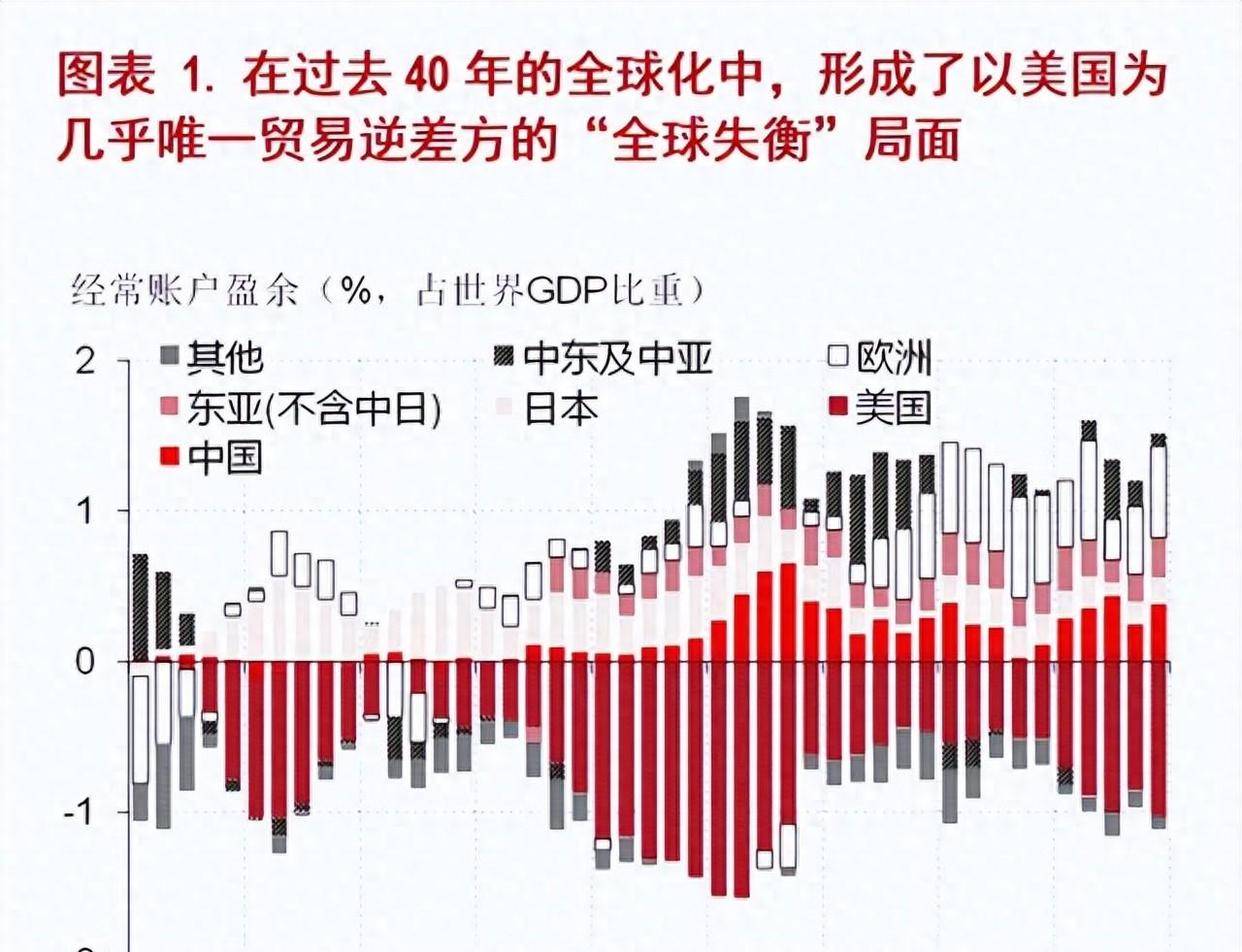
美国常年维持巨额贸易逆差,这事已经持续几十年了。 人们总问,为什么只有美国能这样干?答案藏在美元的全球地位里。 要理解这个问题,得先搞清楚什么是贸易顺差和逆差。 一个国家如果进口多于出口,账面上就是逆差;反过来,出口多于进口,就是顺差。 通常来说,长期逆差意味着财富外流,经济失血,对大多数国家是危险信号。 但美国不是普通国家,它是美元的发行者。 印一张二十美元纸币,成本可能连五美分都不到,却能换回实实在在的商品、服务,甚至别国的主权资产。 这种交换本身就极不平等——别人用真金白银生产的东西,换来的是美国财政部印的一张纸。 更关键的是,全球需要美元来交易、结算、储备,那这些美元从哪儿来? 只能靠美国对外"花钱"——也就是持续买进外国商品,输出美元。 这个过程天然制造逆差:美国拿纸换货,外国收下美元,再把它们存进银行、买美债,或者用于其他国际支付。 于是,逆差成了美元全球流通的必要条件。 没有这个逆差,全世界就缺美元,国际贸易就会卡壳。 这不是巧合,而是制度切换的必然结果。 在金本位时代,情况完全不同。 但问题也来了:长期逆差堆积出天文数字的财政赤字,债务越滚越大。 为了填补窟窿,美国要么借更多钱,要么开动印钞机 ...
外媒:美元时代正以一种悲剧性的方式结束,人民币为啥还不出手?
Sou Hu Cai Jing· 2026-02-17 04:01
Group 1 - The dominance of the US dollar as the global reserve currency is facing unprecedented challenges, with its global share declining from 59% to 56% [1][5] - The US national debt has surpassed $38 trillion and continues to grow at a rate of $64 billion per day, raising concerns about the sustainability of the dollar [1][3] - Gold prices have surged, with projections indicating a rise from over $2000 in early 2025 to potentially $5000, prompting central banks, especially in Asia, to increase their gold reserves significantly [3][5] Group 2 - China is not in a rush to replace the dollar but is focusing on the internationalization of the renminbi (RMB) as a protective measure, with its share in global payment systems increasing by 20% in 2025 [7][11] - The promotion of the CIPS system, independent of SWIFT, allows China to use RMB for purchasing energy and resources in extreme situations, ensuring financial security [9] - China's strategy emphasizes maintaining a robust industrial base while avoiding the pitfalls of currency overreach that led to the US's economic challenges [5][9] Group 3 - The development of China's digital currency, eYuan, and collaboration with BRICS nations on blockchain payment systems indicate a strategic move towards reducing reliance on the dollar [11] - The global financial landscape is shifting towards a more decentralized system, moving away from dependence on a single dominant currency, which could lead to increased volatility [11] - The end of dollar hegemony is viewed as a significant and tragic shift in the global financial system, highlighting the need for a more balanced approach [11]
美元霸权还能挺多久?西非15国将统一货币,欧元和人民币将崛起
Sou Hu Cai Jing· 2026-02-16 11:49
新冠疫情爆发后,美国特朗普政府为了保住经济,拖延了采取有效抗疫措施,结果经济反而受到了重创。为了挽救困局,美联储再次开启了老一套的操作 ——大规模向市场注入美元。美国政府通过印钞来对抗经济危机,这种方式并非首次应用,但凭借美元的全球霸权地位,美国能轻松将通货膨胀的压力转嫁 给其他国家。虽然其他国家明知道石油等国际大宗商品价格暴涨背后是美元泛滥,但他们仍然只能无奈承受。 然而,随着美国整体实力的持续下滑,今天 即便美联储拼尽全力印钞,也无法阻止美国在全球经济舞台上的衰退。 最近,西非国家共同体在加纳首都阿克拉召开了年度峰会。会议上,西共体主席布鲁宣布,成员国一致决定从2027年起启用新的货币埃科,以取代目前8个 使用西非法郎的国家以及其余7个国家的本国货币。尽管非洲经济体量较小,很少有人关注其经济新闻,但此次非洲国家勇敢迈出了关键的一步,决定建立 自己的货币联盟,反抗殖民主义的经济剥削。这一举措,无疑将在很大程度上改变未来世界的格局。 提到西非经济共同体,很多人可能感到陌生。因为非洲大多时候鲜少见到关于经济方面的正面报道。西非经济共同体最早成立于1975年,随着合作的深化, 15个成员国逐步从最初的货币同盟扩展 ...

1月PMI数据点评:价格指数回升,结构亮点突出
Yong Xing Zheng Quan· 2026-02-09 08:33
1. Report's Industry Investment Rating No information provided about the industry investment rating in the report. 2. Core Viewpoints - Seasonal effects dragged down manufacturing production and demand, and the foundation for economic recovery needs to be consolidated. In January, the manufacturing PMI was 49.30%, down 0.8 percentage points from the previous value, falling below the boom - bust line. The new orders index on the demand side dropped 1.60 percentage points to 49.20%, and the production index on the supply side dropped 1.10 percentage points to 50.60% [1]. - Changes in the international trade environment disrupted the growth of external demand. In January, the new export orders index was 47.80%, down 1.20 percentage points from the previous value, while the import index was 47.30%, up 0.30 percentage points from the previous value. Although the manufacturing PMIs in the US and the Eurozone rebounded, changes in import policies or rules in some international markets expanded the impact on China's product exports [1]. - Driven by the rise in commodity prices, the price side of the manufacturing industry continued to recover. The raw material purchase price index remained in the expansion range, and the ex - factory price index rose above the boom - bust line, with the spread between the two widening by 1.3 percentage points to 5.50 pct [2]. - Non - manufacturing business slowed down, and the service industry was relatively stable. In January, the official non - manufacturing PMI was 49.40%, down 0.80 percentage points from the previous value. The service industry PMI was 49.50%, down 0.2 percentage points. The construction industry's business climate declined due to weather and holiday factors [2]. 3. Summary by Relevant Catalogs 3.1 PMI Presents Structural Highlights - The manufacturing PMI in January was 49.30%, down 0.8 percentage points from the previous value, falling below the boom - bust line. The new orders index on the demand side and the production index on the supply side both declined. The slowdown in demand due to the approaching Spring Festival and the pre - placement of some production capacity led to a seasonal contraction in manufacturing production and demand [12]. - Among different industries, the high - tech manufacturing PMI was 52.0%, remaining at a relatively high level for two consecutive months; the equipment manufacturing PMI was 50.1%, staying in the expansion range; the consumer goods industry and high - energy - consuming industries had PMIs of 48.3% and 47.9% respectively [12]. 3.2 External Environment Disturbance - In January, the new export orders index dropped, while the import index rebounded. Although the manufacturing PMIs in the US and the Eurozone improved, changes in international market import policies or rules increased the impact on China's exports, and the probability of export disturbances and uncertainties remained [19]. 3.3 Price - end Recovery - Driven by rising commodity prices, the manufacturing price - end continued to recover. The raw material purchase price index remained in the expansion range, and the ex - factory price index rose above the boom - bust line, with a wider spread. The current price recovery may be due to rising global commodity prices and previous policies to rectify "involution - style" competition, which may also be reflected in the next stage of PPI data. However, if raw material prices rise much faster than finished - product prices, it may put pressure on corporate profits [27][29]. 3.4 Attention to Corporate Business Vitality - In January, the PMIs of large, medium, and small enterprises all declined. Against the backdrop of rapidly rising raw material prices and uncertain external demand, improving corporate prosperity is a key link for continuous economic recovery, which helps promote the upstream - downstream transmission of prices and stabilize and expand domestic demand [31]. 3.5 Non - manufacturing Business Climate Decline - The non - manufacturing business slowed down in January, with the non - manufacturing PMI at 49.40%, down 0.80 percentage points from the previous value. The service industry PMI was 49.50%, down 0.2 percentage points. Some industries in the service sector, such as monetary and financial services, capital market services, and insurance, had high market activity, while the real estate industry was weak. The service industry's business activity expectation index increased, indicating enhanced confidence [34]. - The construction industry was still in the contraction range. Affected by weather and holiday factors, the construction industry's business climate declined, with the business activity index dropping 4.00 percentage points from the previous value. The business activity index and new orders index both decreased significantly, and the business activity expectation index fell below the critical point, showing cautious expectations from construction enterprises [35]. 3.6 Investment Suggestions - The domestic PMI data in January showed structural highlights. Although the manufacturing PMI, non - manufacturing PMI, and composite PMI output index declined from the previous values, indicating a short - term slowdown in economic prosperity during the traditional off - season, there were still highlights such as the expansion of the production side, the leading role of new - energy industries, and positive expectations in the service industry [3][40]. - The recovery of the price index was another feature of the manufacturing PMI in January. Affected by rising commodity prices, the main raw material purchase price index and ex - factory price index both increased, which was conducive to improving corporate revenue and profit margins [3][40]. - Looking forward to February 2026, manufacturing production may continue to slow down due to the Spring Festival, but it will gradually recover after the holiday. The service industry in the non - manufacturing sector is expected to benefit from Spring Festival consumption, and its business climate is likely to continue to improve. Overall, the economy will maintain a weak recovery trend, and the bond market will continue to show a slightly stronger oscillatory trend [3][40].
高估的美元在走弱:人民币该如何应对
李迅雷金融与投资· 2026-02-05 05:23
Core Viewpoint - The article argues that the common belief that the renminbi will depreciate significantly upon achieving free convertibility is misguided. Instead, it suggests that the renminbi is undervalued and should be accelerated in its internationalization process, especially in the context of a weakening US dollar [1]. Group 1: Currency Valuation - Purchasing Power Parity (PPP) is used to assess the valuation levels of various currencies, indicating that the market exchange rates of developing countries' currencies, including the renminbi, are generally lower than their PPP rates [2][3]. - The renminbi's market exchange rate was 7.19 against the US dollar in June 2025, while its PPP rate is approximately 3.43, indicating a significant undervaluation [3]. Group 2: Factors Contributing to Undervaluation - The primary reason for the long-term undervaluation of the renminbi is its weak liquidity, which limits its circulation and acceptance compared to other currencies [5]. - The renminbi's international payment share was only 2.89% as of May 2025, ranking it as the sixth-largest payment currency, while the US dollar accounts for over 40% [8][9]. - The geographical concentration of renminbi payments is primarily in Hong Kong, with only 2.9% occurring in the US, highlighting its limited global reach [10][12]. Group 3: Global Reserve Currency Status - The renminbi's share in global official reserves is low, with approximately $249.7 billion as of the end of 2024, accounting for only 2.2% of total reserves, making it the sixth-largest reserve currency [12][15]. - In contrast, the US dollar constitutes about 60% of global reserves, indicating a significant disparity in reserve currency status [15]. Group 4: Implications of Currency Internationalization - Accelerating the internationalization of the renminbi could enhance its global demand and liquidity, potentially leading to an appreciation of its value [31][34]. - The article suggests that increasing the renminbi's share in global reserves from around 2% to 10% could lead to a reduction in M2 growth, as more renminbi would be held abroad [34]. - The need for financial market openness is emphasized as a means to enhance the renminbi's credit rating and international acceptance, which are crucial for its transformation into a strong currency [35].

高质量发展数字人民币 助力金融强国建设
Xin Lang Cai Jing· 2026-02-03 19:47
Core Viewpoint - The development of digital RMB is positioned as a crucial component in enhancing the central banking system and constructing a robust monetary policy framework, aiming to establish a financial powerhouse in China [1] Group 1: Digital RMB Development - The digital RMB has been recognized as an essential financial infrastructure in the digital economy era, with its development being a strategic initiative for deepening financial supply-side structural reforms and maintaining national financial security [1] - The People's Bank of China plans to implement a new generation of digital RMB management and service systems by January 1, 2026, marking the upgrade from version 1.0 (digital cash) to version 2.0 (digital deposit currency) [1] Group 2: Monetary Policy Effectiveness - The comprehensive promotion of digital RMB is expected to significantly enhance the precision and transmission efficiency of monetary policy, providing robust monetary tools for building a financial powerhouse [2] - Digital RMB's programmable features allow for targeted fund allocation, ensuring that credit flows to key sectors such as technological innovation and green manufacturing, thus addressing structural challenges in traditional monetary policy [2] Group 3: Financial Security - In the context of rising geopolitical risks, digital RMB plays a strategic role in maintaining national financial security, with its infrastructure and core data fully controlled by the state [3] - Digital RMB aims to reconstruct the cross-border payment and settlement system, enhancing the international competitiveness of the RMB by lowering costs and barriers for cross-border transactions [3] Group 4: Financial Inclusion - Digital RMB is designed to lower the barriers to accessing financial services, improving coverage and quality, particularly benefiting small and micro businesses by saving transaction costs [5] - The offline payment capability of digital RMB ensures basic payment needs are met even in areas with poor network signals, thus bridging the "digital divide" in financial services [5] Group 5: Empowering the Real Economy - Digital RMB is viewed as a vital financial innovation tool for promoting the integration of digital and real economies, enhancing the efficiency of supply chain finance and industry collaboration [6] - The low-cost settlement mechanism of digital RMB is expected to alleviate funding bottlenecks for enterprises, thereby supporting their operational needs [6] Group 6: Social Governance Innovation - Digital RMB offers unique advantages in government public service payments, enhancing transparency, security, and convenience for vulnerable groups [7] - The "controllable anonymity" feature of digital RMB protects user privacy while allowing the state to monitor for serious crimes, thus improving governance efficiency [7] Group 7: Strategic Value Recognition - Recognizing the strategic value of digital RMB, the implementation of the action plan is seen as an opportunity to innovate steadily, improve the ecosystem, and expand application scenarios, contributing to the construction of a financial powerhouse and providing a reference for global digital currency development [8]

【数据发布】2026年1月中国采购经理指数运行情况
中汽协会数据· 2026-02-02 05:03
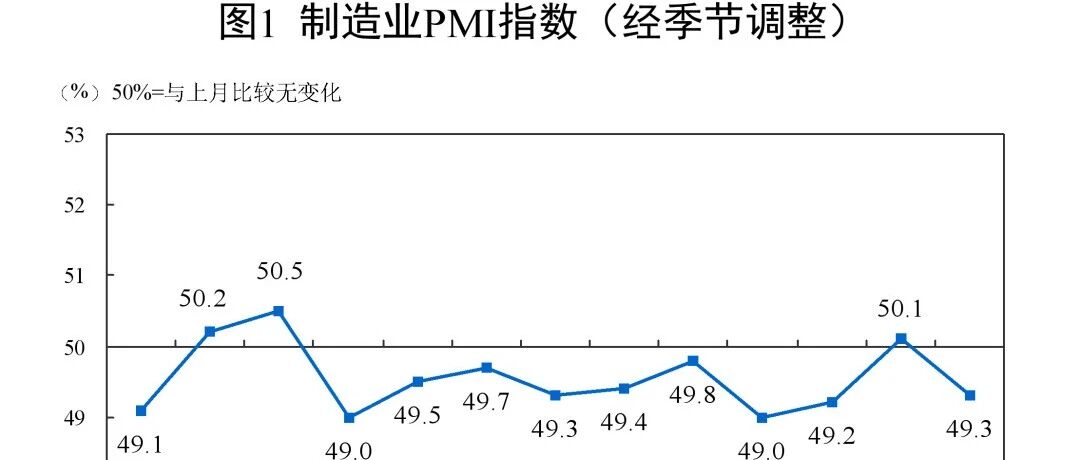
Group 1: Manufacturing PMI Overview - In January, the Manufacturing Purchasing Managers' Index (PMI) was 49.3%, a decrease of 0.8 percentage points from the previous month, indicating a decline in manufacturing activity [1] - Large enterprises had a PMI of 50.3%, down 0.5 percentage points, while medium and small enterprises had PMIs of 48.7% and 47.4%, down 1.1 and 1.2 percentage points respectively, both below the critical point [3] - The production index was 50.6%, down 1.1 percentage points, indicating continued expansion in manufacturing production [3] - The new orders index was 49.2%, down 1.6 percentage points, suggesting a slowdown in market demand [3] - The raw materials inventory index was 47.4%, down 0.4 percentage points, indicating a continued decrease in major raw material inventories [3] - The employment index was 48.1%, down 0.1 percentage points, reflecting a slight decline in employment conditions within manufacturing [3] - The supplier delivery time index was 50.1%, down 0.1 percentage points, indicating that supplier delivery times continued to accelerate [4] Group 2: Non-Manufacturing PMI Overview - In January, the Non-Manufacturing Business Activity Index was 49.4%, a decrease of 0.8 percentage points from the previous month [6] - The construction industry business activity index was 48.8%, down 4.0 percentage points, while the service industry business activity index was 49.5%, down 0.2 percentage points [8] - The new orders index for non-manufacturing was 46.1%, down 1.2 percentage points, indicating a decline in market demand [13] - The input prices index was 50.0%, down 0.2 percentage points, indicating stable input prices for non-manufacturing enterprises [13] - The sales prices index was 48.8%, up 0.8 percentage points, suggesting a narrowing decline in sales prices [13] - The employment index was 46.1%, stable from the previous month, indicating stable employment conditions in non-manufacturing [13] - The business activity expectation index was 56.0%, down 0.5 percentage points, remaining in a high optimism range [14] Group 3: Comprehensive PMI Overview - In January, the Comprehensive PMI Output Index was 49.8%, a decrease of 0.9 percentage points, indicating a general slowdown in production and business activities compared to the previous month [18]
未知机构:国海银行资产配置1月PMI点评景气度有所回落非制造业持续扩张-20260202
未知机构· 2026-02-02 02:10
Summary of Conference Call Notes Industry Overview - The overall economic sentiment in China has declined, with the composite PMI output index at 49.8% (↓0.9pp) indicating a contraction in economic activity [1] - Manufacturing PMI stands at 49.3% (↓0.8pp), below Bloomberg's expectation of 50.1% [1][2] - Non-manufacturing PMI is at 49.4% (↓0.8pp), also below Bloomberg's expectation of 50.3% [1][2] Manufacturing Sector Insights - Manufacturing supply and demand indices have decreased: - Production index at 50.6% (↓1.1pp), indicating continued expansion [4] - New orders at 49.2% (↓1.6pp) and new export orders at 47.8% (↓1.2pp), showing a decline in demand [4] - Price indices show signs of recovery: - Main raw material purchase price index at 56.1% (↑3.0pp) and factory price index at 50.6% (↑1.7pp), with the latter exceeding the critical point for the first time in 20 months [4] - Large enterprises maintain expansion with PMI at 50.3% (↓0.5pp), while medium and small enterprises show contraction at 48.7% (↓1.1pp) and 47.4% (↓1.2pp) respectively [4] - Market expectations remain generally positive with a production and business activity expectation index at 52.6% (↓2.9pp), still above the critical point [4] - Specific industries such as agricultural and food processing have maintained high activity levels, with expectation indices above 56.0% for two consecutive months [4] Non-Manufacturing Sector Insights - The construction industry has entered a contraction phase due to factors like low temperatures and the upcoming Spring Festival, with a business activity index at 48.8% (↓4.0pp) [5] - New orders index at 40.1% (↓7.3pp) and business activity expectation index at 49.8% (↓7.6pp), marking the latter's first drop into contraction since March 2020 [5] - Input prices have risen to 52.0% (↑1.1pp) for four consecutive months, while sales prices at 48.2% (↑0.8pp) and employment index at 41.1% (↑0.1pp) show varying degrees of recovery [5] - Service sector shows slight decline with a business activity index at 49.5% (↓0.2pp) [6] - Financial services, capital markets, and insurance sectors remain active with indices above 65.0%, while the real estate sector's index has dropped below 40.0%, indicating weak sentiment [6]