
LI AUTO(LI)

Search documents
盘前:纳指期货涨0.83% 全球股市小幅走高
Xin Lang Cai Jing· 2026-01-22 13:49
Group 1 - Global stock markets experienced a slight increase following Trump's withdrawal of trade threats against Europe, alleviating concerns about a trade war [2][28] - As of the report, Dow futures rose by 0.35%, S&P 500 futures increased by 0.56%, and Nasdaq futures climbed by 0.83% [3][29] - The European Stoxx 600 index rose by 1.1%, with the automotive sector leading gains, particularly Volkswagen which surged by 5.2% [3][29] Group 2 - Gold prices remained stable near record highs, indicating that risk appetite in the stock market has not fully translated into a significant drop in safe-haven demand [4][30] - The market interpreted Trump's statements as a sign of easing geopolitical and trade tensions, leading to a renewed preference for stock assets [4][30] Group 3 - Semiconductor stocks strengthened, with Nvidia's CEO comments at Davos boosting enthusiasm for AI investments, leading to a 17% surge in Disco Corp. and a 2.3% increase in Samsung Electronics [6][31][32] - The Korean benchmark index, a tech stock indicator, reached a historical high [32] Group 4 - The VIX volatility index, known as the "Wall Street fear gauge," saw a significant decline, indicating a reduction in market panic [34] - Japanese government bonds rebounded for the second consecutive trading day, while Bitcoin traded around $90,000 [33] Group 5 - Focused stocks included Western Digital, which rose over 4%, Micron Technology up over 3%, and Seagate Technology increasing by 2.5% [40] - Moderna continued to rise by 5.6% following positive data on its mRNA cancer vaccine [41] - GE Aerospace saw a pre-market increase of over 5%, with adjusted earnings per share expected to be between $7.10 and $7.40 for 2026, exceeding market expectations [42]



基于9份官网的急招岗位, 推测理想在做人形机器人
理想TOP2· 2026-01-22 12:16
Core Viewpoint - The company is actively recruiting for various engineering positions related to humanoid robotics, indicating a strategic focus on developing advanced robotic technologies. Group 1: Job Positions and Responsibilities - The company is hiring for roles including dexterous robotic hand design, algorithm development, embedded software engineering, and joint module engineering, suggesting a comprehensive approach to humanoid robot development [1][5] - Specific roles emphasize the need for experience in bipedal walking algorithms, coordination of body parts, and the design of multi-joint systems, indicating a focus on complex motion control [1][8][9] Group 2: Technical Specifications - The robotic hand will utilize a direct drive structure rather than a cable-driven system, highlighting a preference for advanced motor technologies such as hollow cup and brushless DC motors [2] - The core driving mechanism will involve high-power joint modules with hundreds of amperes and a hybrid architecture combining reinforcement learning and model predictive control, emphasizing the importance of advanced algorithms in motion control [3] - The system architecture will incorporate STM32 or TI C2000 series microcontrollers, with real-time operating systems like FreeRTOS and RT-Linux, indicating a focus on high-performance computing and real-time processing [4] Group 3: Design Challenges - The design of the dexterous hand requires independent control of fingers and the ability to handle multimodal data from visual and tactile sensors, which presents significant engineering challenges in terms of bandwidth and latency [4] - The integration of high-torque direct drive motors in compact spaces while managing heat dissipation and wiring issues is a critical design challenge, necessitating collaboration between mechanical and electronic engineering teams [4]

理想下了“死命令”,势必拿回属于自己的一切
3 6 Ke· 2026-01-22 10:08
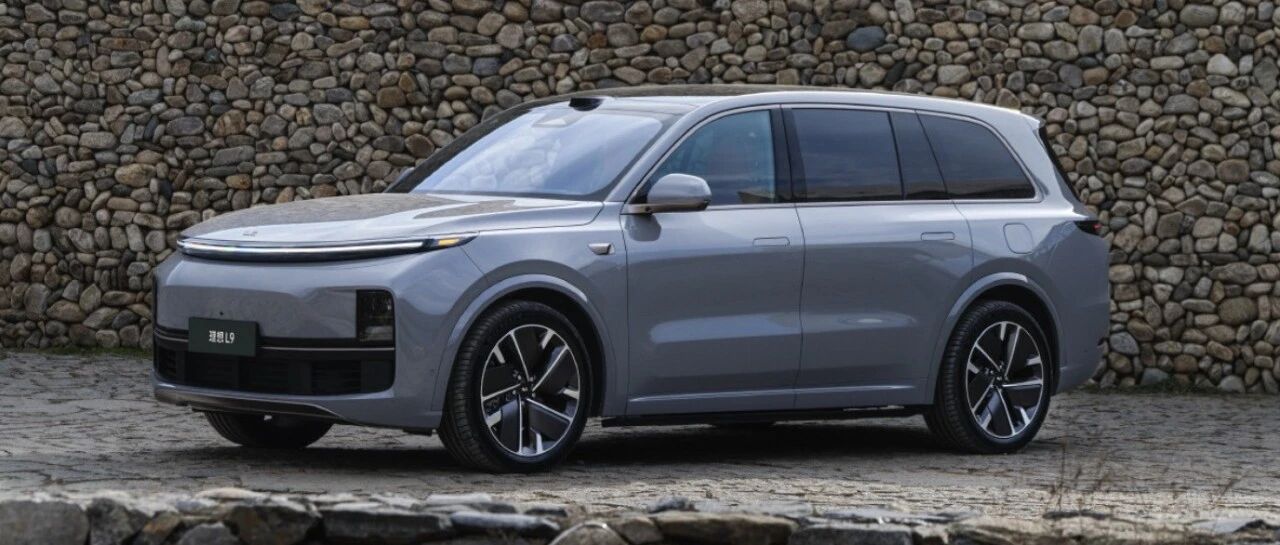
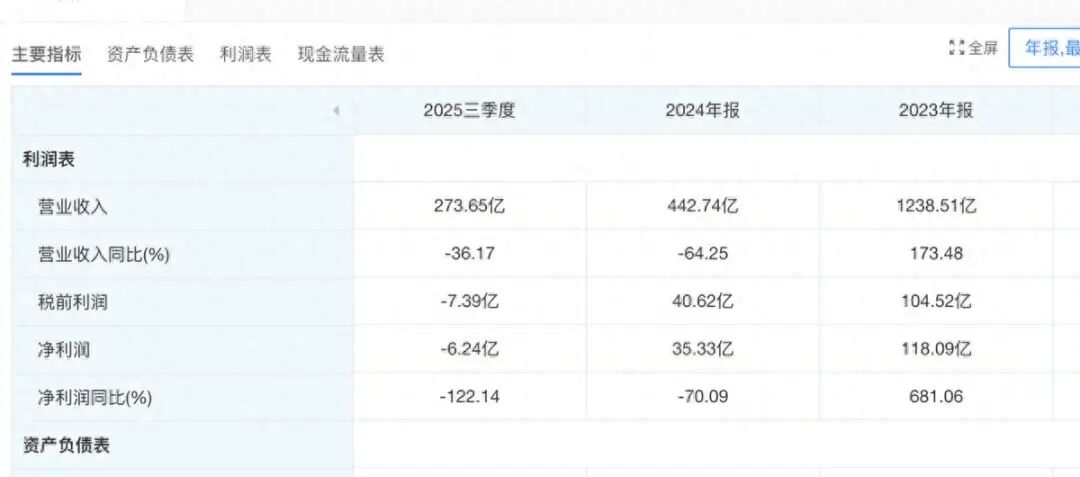
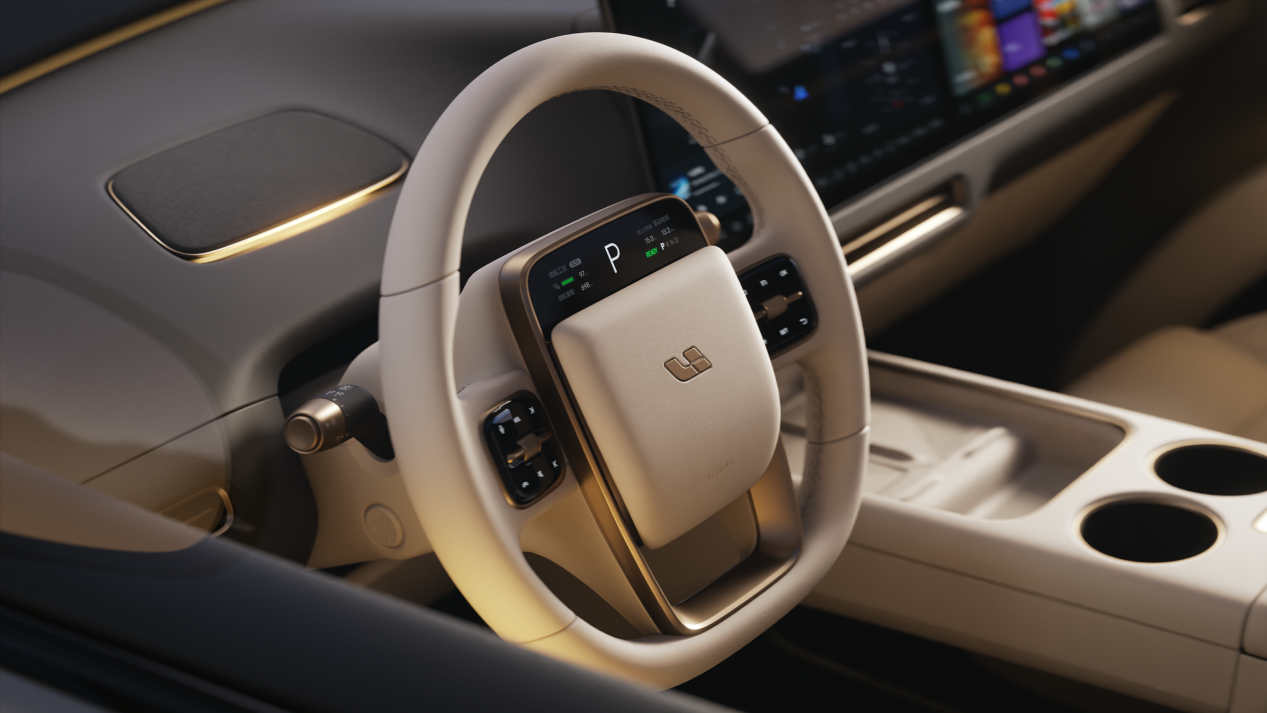
Core Viewpoint - Li Auto has established its strategic focus for 2026, aiming to regain its leading position in the range-extended vehicle segment [1] Group 1: Product Strategy - The company has issued a strict internal directive that its self-developed smart driving chip M100 must debut in the L9 model to ensure successful implementation [2] - The new L9 model is expected to feature significant enhancements, including a revamped exterior and interior design, with an anticipated increase in vehicle dimensions [4] - The L9 will incorporate a large front display and improved software interactivity, alongside a battery pack exceeding 70 kWh, aiming for a pure electric range of over 400 km, a notable increase from the current 280 km [5][6] Group 2: Market Performance - In 2024, Li Auto was the top seller among new energy vehicle manufacturers, with cumulative deliveries of 500,500 units, reflecting a year-on-year growth of 33.1% [8] - However, in 2025, sales dropped to 406,300 units, marking an 18.81% decline, leading to a shift from profitability to losses [9][10] - In Q3 2025, Li Auto reported revenues of 27.4 billion yuan, a 36.2% year-on-year decrease, with a net loss of 624 million yuan [11] Group 3: Competitive Landscape - The decline in sales is attributed to Li Auto's struggle to establish itself in the range-extended segment while facing strong competition from rivals like Tesla and others in the pure electric market [13][15] - The competitive landscape has intensified, with more manufacturers entering the range-extended segment, leading to increased pressure on Li Auto [13][15] - The company aims to reclaim its position in the market by reallocating resources to the L9 model, signaling a renewed focus on range-extended vehicles [15][16] Group 4: Industry Trends - The range-extended vehicle segment has seen explosive growth over the past four years, with market size reaching 1.075 million units in 2024, but has faced a downturn in 2025, with only a 2.1% year-on-year increase in sales [18][19] - As of October 2025, sales of range-extended vehicles have declined by 11.6% year-on-year, with market share dropping to 8.57% [20] - The future of range-extended vehicles is uncertain, as advancements in pure electric battery technology continue to improve range and charging speed [21][31]
理想的VLA,不只是辅助驾驶
Jin Rong Jie· 2026-01-22 09:22
Core Insights - The introduction of the VLA (Visual-Language-Action) driver model by Li Auto in 2025 marks a significant leap in AI's understanding of the physical world, moving beyond traditional assisted driving to a more advanced form of intelligent interaction [1][9][14] Group 1: Evolution of Assisted Driving - Li Auto's evolution in assisted driving reflects the technological advancements and cognitive deepening within China's smart automotive industry, transitioning from rule-based systems to AI-driven models [3][6] - The shift from "imitation" to "thinking" in driving models highlights the limitations of earlier systems, which relied heavily on human-engineered rules and lacked deep reasoning capabilities [3][6] - The introduction of the VLA model aims to overcome the communication barriers and slow reasoning speeds that hindered previous models, enhancing the overall performance of assisted driving [6][10] Group 2: VLA Technology and Its Implications - The VLA model is positioned as a foundational technology for the next generation of AI systems, transforming vehicles from passive tools into proactive service robots [9][12] - Li Auto's commitment to the VLA model is supported by a vast dataset from over 1.5 million vehicles, enabling a data loop that enhances the model's training and performance [6][10] - The VLA model's ability to exhibit "human-like" behaviors signifies a shift towards a more intuitive interaction between humans and vehicles, allowing for voice commands and complex decision-making [7][10] Group 3: Future of the Automotive Industry - The ongoing development of the VLA model is expected to lead to the emergence of "automobile robots," capable of achieving higher levels of automation and intelligence [12][14] - Li Auto's exploration of VLA technology is influencing other leading companies in the industry, indicating a broader trend towards integrating large-scale data and advanced algorithms into automotive systems [12][14] - The ultimate goal of the assisted driving industry may evolve from merely achieving "autonomous driving" to creating mature embodied intelligent products, marking a new era in the automotive and AI sectors [12][14]
美股异动丨理想汽车盘前涨3.5% H股今日涨超4% 全新理想L9 3月登场
Ge Long Hui· 2026-01-22 09:18
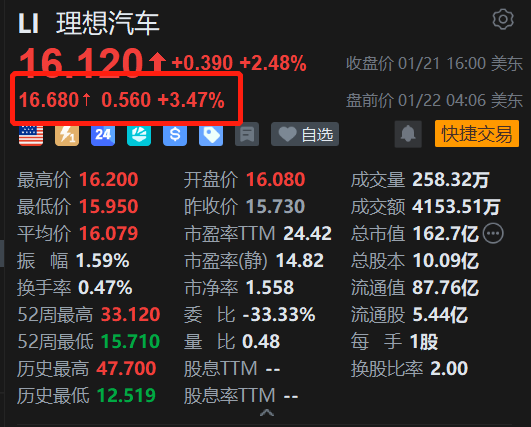
Core Insights - Li Auto's Hong Kong stock rose over 4%, leading to a 3.5% pre-market increase in its U.S. shares, driven by anticipation for the new model, the Li L9, set to launch in March [1] Group 1: Company Performance - The closing price of Li Auto on January 21 was $16.120, with a pre-market price of $16.680, reflecting a 3.47% increase [2] - The stock's highest price was $16.200, and the lowest was $15.950, with a trading volume of 2.5832 million shares [2] - The total market capitalization of Li Auto is approximately $16.27 billion, with a total share count of 1.009 billion [2] Group 2: New Model Launch - The new Li L9 model is expected to create significant market impact due to its multiple upgrades, although specific pricing details have not yet been disclosed [1] - Industry expectations suggest that the new model will maintain a competitive price-performance ratio while enhancing brand premium through upgraded features [1]
2025年几家自动驾驶公司的采访总结
自动驾驶之心· 2026-01-22 09:07
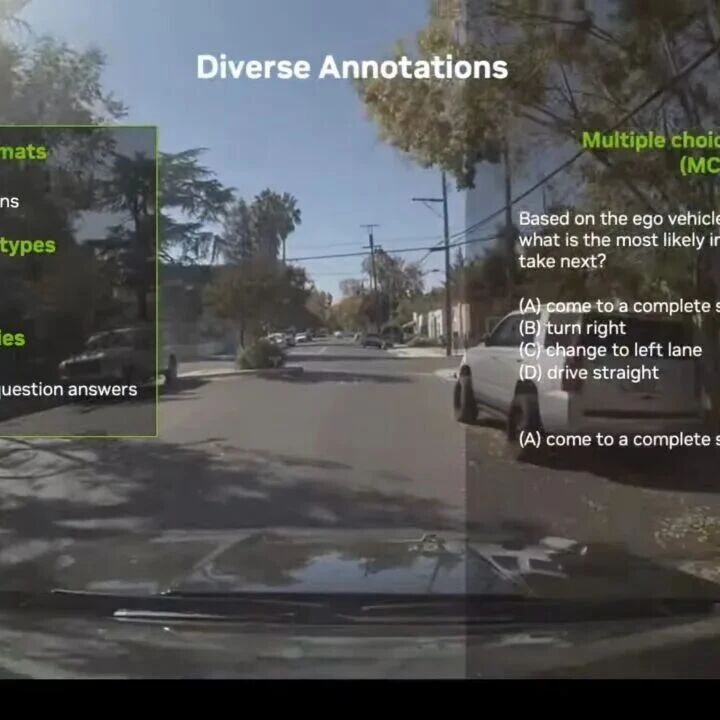
Core Algorithm - The industry has shifted towards end-to-end solutions, moving away from modular approaches, at least in public discourse [1] - The introduction of world models is prevalent, with some companies using them to generate training data, while others incorporate them into end-to-end models to enhance performance [1][8] - There is a divergence in opinions regarding the necessity of language models (VLA) in autonomous driving, with some companies arguing that language is not essential for driving tasks [1][11] Simulation and Infrastructure - The closed-loop systems have evolved from data-driven to simulation testing and training loops [2] - 3DGS is highlighted as a crucial technology for building simulation environments, as emphasized by Tesla at CVPR 2025 [5] - Infrastructure is critical, with companies like Xiaomi and Li Auto noting its benefits for development efficiency [3][14] Organizational Capability - Organizational ability is vital, as large autonomous driving teams face significant management challenges [4] - Team culture and collaboration are emphasized as essential for overcoming complex technical and management issues [5] Technical Choices Comparison - A comparison of various companies' technical choices reveals differing approaches to core technologies and the role of world models and simulation tools [9] - Companies like Li Auto advocate for a training loop that evolves from imitation to self-learning, while NVIDIA emphasizes interpretability and reasoning in AI [9] Key Non-Core Factors - R&D infrastructure and engineering efficiency are crucial for the success of autonomous driving technologies [14] - Simulation and synthetic data are becoming essential for addressing corner cases that real-world data cannot cover [14] - The scale of computing power and chip adaptation is critical, as autonomous driving is not just a software issue but also a hardware challenge [15] User Experience and Safety - User experience and safety are paramount, with companies like Xiaomi stressing the importance of balancing advanced technology with user concerns [17] - The need for a dual-stack safety mechanism is highlighted, ensuring that even aggressive end-to-end models have a fallback to traditional rule-based systems for safety [19]


安全端到端首发量产轻舟智航单芯片跑通城市NOA
Zhong Guo Jing Ji Wang· 2026-01-22 09:04
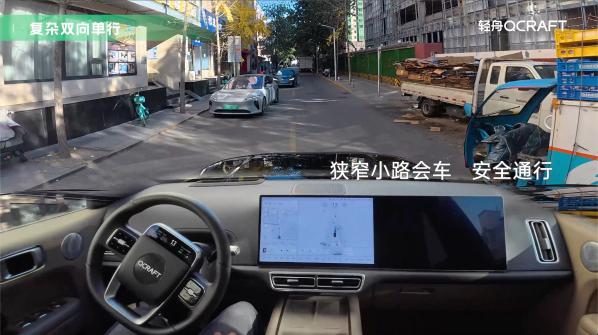
Core Insights - QCraft has announced the mass production of the industry's first city NOA solution based on a single Horizon 6M chip, which is now available in the Li Auto L series [1] - The solution utilizes 128 TOPS computing power to deliver an advanced urban NOA experience, emphasizing the efficient use of computing resources [1] - QCraft's co-founder and CEO, Dr. Yu Qian, highlighted the company's pioneering approach in identifying the potential of a single chip for urban NOA and achieving high performance [1] Group 1 - The mass production solution is based on QCraft's innovative end-to-end safety model, which comprehensively covers urban travel scenarios [1] - The system features human-like defensive driving capabilities, ensuring safety throughout the driving process by anticipating and mitigating risks in complex environments [2] - The safety model integrates with the vehicle's HMI, providing real-time insights into system decision-making, moving away from traditional "black box" models [4] Group 2 - The solution is designed to efficiently handle various urban driving scenarios, including traffic lights and city cruising, by automatically adjusting driving rhythms [6] - The system's smooth action planning enhances passenger comfort by avoiding abrupt stops and hesitations in complex situations [6] - The successful mass production of the single Horizon 6M city NOA demonstrates QCraft's capabilities in large-scale production and optimization, making advanced driving assistance more accessible to a wider range of vehicles [6]
Macquarie Keeps an Underperform Rating on Li Auto Inc. (LI)
Insider Monkey· 2026-01-22 08:30
Core Insights - Artificial intelligence (AI) is identified as the greatest investment opportunity of the current era, with a strong emphasis on the urgent need for energy to support its growth [1][2][3] - A specific company is highlighted as a key player in the AI energy sector, owning critical energy infrastructure assets that are essential for meeting the increasing energy demands of AI technologies [3][7] Investment Opportunity - Wall Street is investing heavily in AI, with hundreds of billions directed towards developing smarter technologies, but there is a looming question regarding the energy supply needed to sustain this growth [2] - The company in focus is positioned to benefit from the surge in demand for electricity driven by AI data centers, making it a potentially lucrative investment [3][8] Company Profile - The company is described as a "toll booth" operator in the AI energy boom, collecting fees from energy exports and poised to capitalize on the onshoring trend due to tariffs [5][6] - It possesses significant nuclear energy infrastructure, enabling it to play a crucial role in the U.S. energy strategy and LNG exportation [7][8] Financial Health - The company is noted for being debt-free and having a substantial cash reserve, which is approximately one-third of its market capitalization, providing it with a strong financial position [8][10] - It is trading at a low valuation of less than 7 times earnings, making it an attractive option for investors seeking undervalued stocks in the AI and energy sectors [10][11] Market Trends - The article discusses the broader trends of AI disruption across industries, emphasizing the importance of investing in companies that are adapting to these changes [11][12] - The influx of talent into the AI sector is expected to drive continuous innovation and advancements, further solidifying the importance of investing in this field [12][13] Future Outlook - The potential for significant returns is highlighted, with projections suggesting a possible 100% return within 12 to 24 months for investors who act now [15][19] - The company is positioned to benefit from the convergence of AI, energy infrastructure, and tariff-driven onshoring, making it a unique investment opportunity [14][19]

地平线(09660)与轻舟智航深度协同 行业首个单征程6M城区NOA量产交付
智通财经网· 2026-01-22 08:01
Core Insights - The first end-to-end city NOA solution based on Horizon's Journey 6M chip has been officially delivered, marking a significant milestone in urban mobility [1] - The collaboration between Li Auto, Lightyear, and Horizon showcases a complete closed-loop from technology development to large-scale delivery [7] Group 1: Product and Technology - The city NOA system, built on a single Journey 6M chip, offers advanced defensive driving capabilities, enhancing safety during urban travel [2][5] - The system utilizes 128 TOPS of computing power, optimizing safety and traffic efficiency while supporting various sensor integrations [4] - The Journey 6M chip enables lightweight urban driving assistance and memory driving functions, significantly improving performance and reducing costs [4] Group 2: Industry Collaboration - The partnership between Horizon, Lightyear, and Li Auto exemplifies a strong industry collaboration, achieving multiple industry records since their strategic alliance began in May 2022 [7] - Horizon is also collaborating with Bosch, Denso, and other partners to promote the mass production of the city NOA solution, targeting the 100,000 yuan market segment [8] - The ecosystem collaboration is seen as a key pathway to advancing the widespread adoption of intelligent driving technology [8] Group 3: Market Impact - Li Auto's L series models are equipped with the Journey 6M chip, enhancing their reputation as reliable and user-friendly smart driving vehicles [7] - The successful deployment of the city NOA solution is expected to accelerate the scale of mass production in the intelligent driving sector [8] - Horizon aims to continue building a reliable and inclusive future for intelligent driving through its collaborative ecosystem approach [10]
汽车视点 | 7年低息购车潮席卷车市,行业格局加速洗牌
Xin Hua Cai Jing· 2026-01-22 07:30
Core Insights - The automotive market is experiencing a significant shift towards innovative financial services, with multiple companies introducing 7-year low-interest financing options to stimulate sales [1][2][3] - The trend indicates a move away from traditional price-cutting strategies, as companies seek to enhance competitiveness through financial promotions [2][3] Group 1: Financial Innovations - Xpeng Motors announced a 7-year low-interest financing plan with monthly payments starting at 1,355 yuan [1] - Geely Galaxy followed suit, offering a similar plan with a down payment starting at 25,800 yuan and monthly payments from 1,999 yuan [1] - Tesla initiated the trend with a financing option for its Model 3 and Model Y, featuring an annual interest rate of approximately 0.98% and monthly payments starting at 2,947 yuan [2] Group 2: Market Dynamics - Over 20 automotive companies have implemented price reductions since the beginning of 2026, but retail sales have not shown significant growth, with a 28% year-on-year decline in passenger vehicle sales from January 1-18 [3] - The retail sales of new energy vehicles also fell by 16% year-on-year during the same period [3] - Regulatory bodies are emphasizing the need to avoid chaotic price wars, aiming to maintain a fair market environment [3] Group 3: Consumer Impact - The 7-year low-interest financing significantly lowers the barrier to vehicle ownership, making it accessible for younger consumers [5] - However, the long loan term introduces uncertainties, as rapid technological advancements may lead to depreciation of vehicles, potentially resulting in negative equity [5] - The extended repayment period requires stable financial conditions, as any significant changes could create financial pressure [5] Group 4: Industry Challenges - Companies face challenges in cash flow management due to the extended repayment period associated with 7-year financing [4] - Financial reports indicate that companies like Xpeng and Li Auto are experiencing thin profit margins, with Li Auto reporting its first quarterly loss [4] - The long-term viability of low-interest financing strategies may lead to a "sell one at a loss" scenario for brands with already tight margins [4] Group 5: Competitive Landscape - The shift towards 7-year financing may accelerate industry consolidation, favoring companies with strong technological foundations [6][7] - Non-leading brands may struggle to balance the costs of low-interest financing with the risk of declining sales if they do not adopt similar strategies [6] - Ultimately, the competitive edge will rely on technological innovation rather than financial gimmicks, as the market will revert to valuing product quality and user experience [6][7]