
Regeneron(REGN)

Search documents
Press Release: Sanofi and Regeneron's Dupixent approved in Japan for children aged 6 to 11 years with bronchial asthma
Globenewswire· 2025-12-23 06:00
Core Viewpoint - Sanofi and Regeneron's Dupixent has received approval in Japan for treating bronchial asthma in children aged 6 to 11 years, expanding its previous approval for patients aged 12 and older [1][4]. Group 1: Approval and Clinical Data - The approval is based on data from the VOYAGE global phase 3 study, which showed that Dupixent significantly reduced severe asthma exacerbations by 54% to 65% and improved lung function by 4.68% to 5.32% compared to placebo [2][8]. - Additional support for the approval came from the EXCURSION study, which included a sub-study of Japanese pediatric patients, demonstrating improved lung function and a low rate of severe exacerbations over one year [2][8]. Group 2: Asthma in Children - Asthma is a prevalent chronic disease in children, often leading to serious symptoms and impaired lung function, which can have long-lasting effects if not treated early [3]. - Uncontrolled asthma can disrupt daily activities such as sleeping, attending school, and playing sports [3]. Group 3: Dupixent Overview - Dupixent is a fully human monoclonal antibody that inhibits IL-4 and IL-13 signaling pathways, which are key drivers of type 2 inflammation [6][8]. - The drug is available in Japan as a 200 mg or 300 mg pre-filled syringe or pen, administered subcutaneously every two or four weeks based on weight [5]. Group 4: Broader Indications and Global Reach - In addition to asthma, Dupixent is approved for various conditions in Japan, including atopic dermatitis and chronic rhinosinusitis with nasal polyposis [4]. - Dupixent has received regulatory approvals in over 60 countries and is currently being used to treat more than 1.3 million patients globally [7].



Regeneron Announces Presentation at the 44th Annual J.P. Morgan Healthcare Conference
Globenewswire· 2025-12-22 21:05
Core Insights - Regeneron Pharmaceuticals, Inc. will present at the 44th Annual J.P. Morgan Healthcare Conference on January 12, 2026, at 2:15 p.m. Pacific Time, with a webcast available on their website [1] Company Overview - Regeneron is a leading biotechnology company focused on inventing, developing, and commercializing life-transforming medicines for serious diseases, with a strong emphasis on homegrown treatments [2] - The company’s product pipeline addresses a wide range of conditions, including eye diseases, allergic and inflammatory diseases, cancer, cardiovascular and metabolic diseases, neurological diseases, hematologic conditions, infectious diseases, and rare diseases [2] Technological Advancements - Regeneron utilizes proprietary technologies like VelociSuite to produce optimized fully human antibodies and new classes of bispecific antibodies, enhancing drug development [3] - The company is advancing genetic medicine platforms and leveraging data from the Regeneron Genetics Center to identify innovative treatment targets [3]

Regeneron: The Turnaround Is Gaining Steam
Seeking Alpha· 2025-12-20 14:30
Group 1 - Brendan completed a Ph.D. in organic synthesis at Stanford University in 2009 and has a background in both pharmaceutical and biotech industries [1] - He worked for Merck from 2009 to 2013 and was involved in biotech startups such as Theravance and Aspira before joining Caltech [1] - Brendan is a co-founder of 1200 Pharma, which spun out of Caltech and received significant investment in the 8 figures [1] Group 2 - Brendan remains an avid investor, focusing on market trends, particularly in biotechnology stocks [1]

Trump unveils major drug price deals with 9 Pharma giants, launches TrumpRx.gov to cut medicine costs in US
MINT· 2025-12-19 23:46
Core Insights - President Trump announced a set of drug-pricing agreements with nine major pharmaceutical companies, aiming to align U.S. medicine costs with those in Europe [1][2] - The initiative includes a new direct-to-consumer portal, TrumpRx.gov, allowing patients to purchase certain medicines directly from manufacturers [2][4] Group 1: Agreements and Participants - The agreements involve 14 out of 17 drugmakers that Trump previously urged to lower prices, including Amgen, GSK, and Merck [2][3] - Drug companies are motivated to negotiate to avoid potential regulatory measures that could impact their profits [3] Group 2: TrumpRx.gov Functionality - TrumpRx.gov will serve as a central directory for patients to access selected medicines directly from manufacturers' websites [4] - The portal is expected to be fully operational by January, following a promotional launch [4] Group 3: Pricing Details - Highlighted medicines include Amgen's Repatha at $239/month, GSK's Advair Diskus at $89/month, and Merck's Januvia at $100/month [6] - Gilead's Epclusa will be priced at $2,492/month, despite lower costs for insured patients [6] Group 4: Impact on Medicaid and Medicare - Companies committed to launching new medicines in the U.S. at prices comparable to those in other wealthy countries [8] - Medicaid programs are legally entitled to the lowest drug prices, with Bristol Myers Squibb offering Eliquis free to Medicaid [9] Group 5: Industry Response and Future Outlook - Health policy experts express skepticism about the agreements' impact on overall drug prices for most Americans [10] - The agreements do not impose mandatory price controls and leave many brand-name drug costs unchanged [15] - Ongoing discussions with additional manufacturers like AbbVie and Johnson & Johnson may lead to further agreements [14]


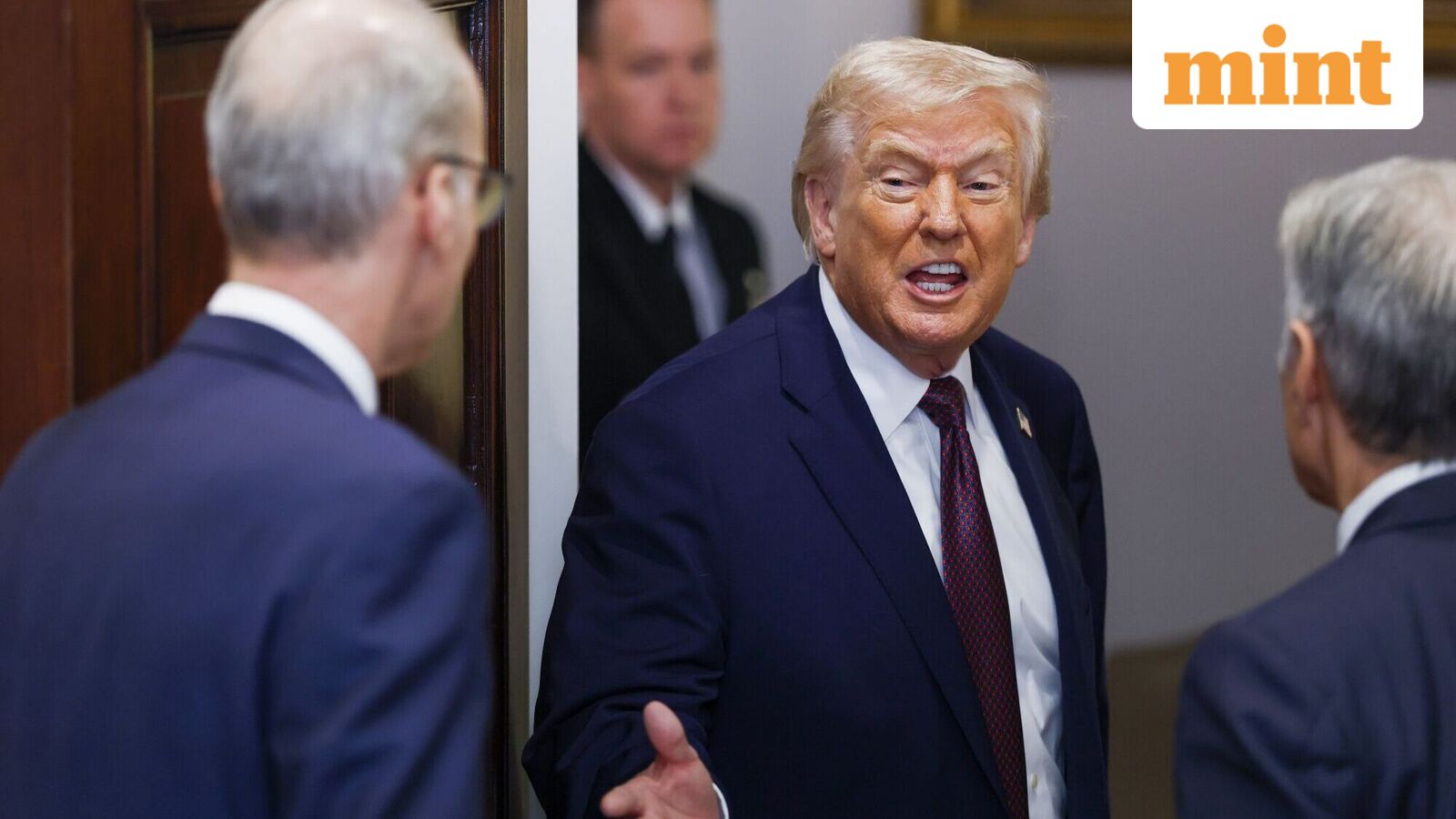
Trump strikes deal with US drugmakers to cut Medicaid medicine costs
The Guardian· 2025-12-19 20:14
Core Insights - Donald Trump and nine major pharmaceutical companies have reached agreements to significantly reduce drug prices for the Medicaid program and cash payers, aiming to align US costs with those in other wealthy nations [1][2] Group 1: Price Reductions and Agreements - Drugmakers will cut prices on most drugs sold to Medicaid, promising "massive savings" on commonly used medicines, although specific figures were not disclosed [2] - The deals include agreements to lower cash-pay prices for select drugs, launch drugs in the US at prices equal to those in other wealthy nations, and increase manufacturing [3] - Merck plans to sell its diabetes drugs at approximately 70% off list prices directly to US consumers, with potential for its experimental cholesterol drug to be offered through direct channels [4] Group 2: Previous and Current Deals - Five companies had previously made agreements with the administration to control prices, while three companies have yet to announce deals [6] - Drugmakers committed to "most-favored-nation" pricing for all new US drug launches across various markets, including Medicare [7] Group 3: Financial Commitments and Investments - Companies pledged to invest over $150 billion in US research and development and manufacturing, with Merck contributing $70 billion of that total [8] - A portion of revenues from foreign sales will be remitted to the US to help offset costs [8] Group 4: Medicaid and Market Impact - Medicaid, which represents about 10% of US drug spending, already benefits from significant price discounts, sometimes exceeding 80% [9] - Pfizer indicated that Medicaid discounts would lead to price and margin compression in the upcoming year [9]



Trump secures agreements with Merck, Amgen, Novartis and others to cut drug prices under Medicaid
MINT· 2025-12-19 20:04
Core Points - US President Donald Trump announced agreements with nine major pharmaceutical companies to reduce drug prices for Medicaid and cash-paying consumers, aiming to align US drug costs with those in other wealthy nations [1][4] - Trump emphasized that the US was previously subsidizing global drug costs and will no longer do so [2] Group 1: Drugmakers Involved - Participating companies include Bristol Myers Squibb, Gilead Sciences, Novartis, Amgen, Boehringer Ingelheim, Sanofi, GSK, Merck, and Roche's US unit Genentech [3] - Additional companies like Regeneron, Johnson & Johnson, and AbbVie are expected to join after the holidays [3] Group 2: Price Reductions and Commitments - Drugmakers will reduce prices on most medicines sold to Medicaid, promising "massive savings" on widely used drugs, although specific figures were not disclosed [4] - The agreements also include commitments to cut cash prices for select medicines and to launch new drugs in the US at prices equal to those in other wealthy countries [5] Group 3: Specific Drug Pricing - Merck plans to sell diabetes drugs Januvia, Janumet, and Janumet XR at discounts of about 70% off list prices [7] - Amgen will price its migraine drug Aimovig and arthritis treatment Amjevita at $299 per month, which is nearly 60% and 80% below current US list prices, respectively [7] Group 4: Investment and Revenue Sharing - Companies pledged to invest over $150 billion in US research, development, and manufacturing, with Merck alone committing $70 billion [8] - A portion of each company's overseas revenue will be remitted to the US to help offset domestic drug costs, and several companies agreed to donate drug ingredients to the US strategic reserve [9] Group 5: Industry Reaction - Five drugmakers, including Pfizer and Eli Lilly, had already struck similar deals with the administration, and AbbVie is expected to announce its agreement soon [10]

Regeneron Pharmaceuticals, Inc. (REGN) Discusses Lynozyfic Development Strategy and Pipeline Opportunities in Multiple Myeloma - Slideshow (NASDAQ:REGN) 2025-12-16
Seeking Alpha· 2025-12-16 23:05
Group 1 - The article does not provide any relevant content regarding the company or industry [1]

寻找未被满足的临床需求(4):FXI抑制剂有望成为下一代抗凝药物
Guoxin Securities· 2025-12-14 15:01
Investment Rating - The report maintains an "Outperform" rating for the industry [1] Core Insights - The global anticoagulant market exceeds $20 billion, primarily driven by stroke prevention in atrial fibrillation patients, with other indications including VTE prevention after knee/hip replacement and prevention of ischemic complications in myocardial infarction [2][5] - FXI/FXIa inhibitors are expected to become safer anticoagulants, as they target the intrinsic pathway of coagulation, potentially reducing bleeding risks while maintaining efficacy [2][21] - Several FXI/FXIa inhibitors are in clinical stages, with promising safety profiles demonstrated in various indications, including Bayer's asundexian achieving key clinical endpoints in secondary stroke prevention [2][26] - FXI small nucleic acid drugs may offer differentiated competitive advantages, with early-stage clinical data showing effective FXI activity suppression and potential for improved patient compliance [2][26] Summary by Sections Anticoagulant Drugs: Applications and Market Size - Anticoagulants are used in various medical scenarios, with a global market size exceeding $20 billion, driven by stroke prevention in atrial fibrillation patients [5][7] - Current anticoagulants include DOACs and low molecular weight heparins, with existing drugs presenting bleeding risks alongside their efficacy [5][21] FXI Inhibitors as Next-Generation Anticoagulants - FXI inhibitors are positioned to challenge standard treatments, with clinical trials indicating superior safety profiles compared to existing DOACs [2][26] - Notably, Bayer's asundexian has shown efficacy in secondary stroke prevention, marking a significant advancement in the field [2][69] Domestic FXI Small Nucleic Acid Drug Development Progress - Domestic companies are advancing in FXI small nucleic acid drug development, with promising early clinical results indicating effective FXI suppression and potential for improved dosing schedules [2][26] Investment Recommendations - FXI/FXIa inhibitors are projected to represent an upgrade and complement to existing anticoagulants, with a potential market space exceeding $10 billion [2][26] - The report suggests focusing on companies like HengRui Medicine, which is leading in domestic FXI monoclonal antibody development [2][26]



2 Reasons to Buy Regeneron Stock Like There's No Tomorrow
The Motley Fool· 2025-12-13 15:01
Core Insights - Regeneron has faced challenges over the past year and a half, but recent performance indicates a potential recovery with significant upside ahead [1] Group 1: Eylea-Related Developments - The decline in Regeneron's shares was primarily due to intensified competition for Eylea, leading to decreased sales [3] - The introduction of a high-dose formulation of Eylea, which allows for administration every eight to sixteen weeks, is expected to enhance its market competitiveness [4] - The FDA's approval of high-dose Eylea for macular edema following retinal vein occlusion, with a new dosing schedule, positions it favorably against competitors like Roche's Vabysmo [5] Group 2: Product Pipeline and Growth Potential - Regeneron has a strong pipeline of new products that are anticipated to drive top-line growth, including cemdisiran, which showed positive results in phase 3 studies for generalized myasthenia gravis [7] - The company is also developing therapies to help patients on GLP-1 drugs maintain muscle mass, with one candidate, trevogrumab, performing well in phase 2 studies [8] - Additionally, a gene therapy for hearing loss is in development and has shown promising results in clinical trials, further strengthening Regeneron's product lineup [8] Group 3: Investment Considerations - The recent developments may present an attractive buying opportunity for investors, as Regeneron's shares are currently trading below their previous highs, indicating potential for recovery [9]

Regeneron (REGN) Just Flashed Golden Cross Signal: Do You Buy?
ZACKS· 2025-12-12 15:35
Core Viewpoint - Regeneron (REGN) is showing potential for a bullish trend as it has recently surpassed the 20-day moving average and reached a key support level, indicating a positive short-term outlook [1][4]. Technical Analysis - REGN has recently moved above the 20-day moving average, which is a significant indicator for short-term traders, suggesting a bullish trend [1][2]. - The stock has increased by 7.5% over the past four weeks, reinforcing the positive technical outlook [4]. Earnings Estimates - There have been 8 upward revisions in earnings estimates for the current fiscal year, with no downward revisions, indicating strong positive sentiment among analysts [4]. - The consensus earnings estimate for REGN has also increased, further supporting the bullish case for the stock [4]. Investment Consideration - Given the positive technical indicators and favorable earnings estimate revisions, investors are encouraged to consider adding REGN to their watchlist [5].
