
万代

Search documents
澳大利亚摩洛哥游客来广东抢购潮玩:兼具本土特色与全球IP
Nan Fang Du Shi Bao· 2026-02-09 06:01
Core Insights - Guangdong is leveraging its unique resources and strong manufacturing capabilities to attract international tourists and promote local products, particularly in the toy and cultural merchandise sectors [1][11] - The region is becoming a significant hub for global toy brands, with many international IPs seeking collaboration with local companies to penetrate the Chinese market [7][10] Group 1: International Engagement - Tourists from countries like Malaysia and Australia are actively purchasing Guangdong's cultural merchandise, indicating a growing interest in local products [2][3] - The APEC year is highlighted as a pivotal moment for Guangdong, enhancing its role as a key player in the international toy market [1][10] Group 2: Local IP Development - Guangdong's homegrown IPs such as "奶龙" (Nai Long), "劳拉" (Laura), and "胖哒" (Pang Da) are gaining traction globally, showcasing the region's creative potential [11] - The local toy industry benefits from a robust supply chain that supports the entire production process, from design to manufacturing, enhancing its competitiveness [11] Group 3: Market Opportunities - The 15th China International Animation Expo in Dongguan is set to attract over 40 countries, showcasing the region's importance in fostering international collaborations [10] - Local companies are reporting significant interest from international buyers, with one Malaysian company noting around 100 potential cooperation intentions on the first day of an exhibition [10]
新股前瞻|当资本爱上9.9元手办:桑尼森迪的“下沉奇迹”能持续多久?
智通财经网· 2026-01-11 10:40
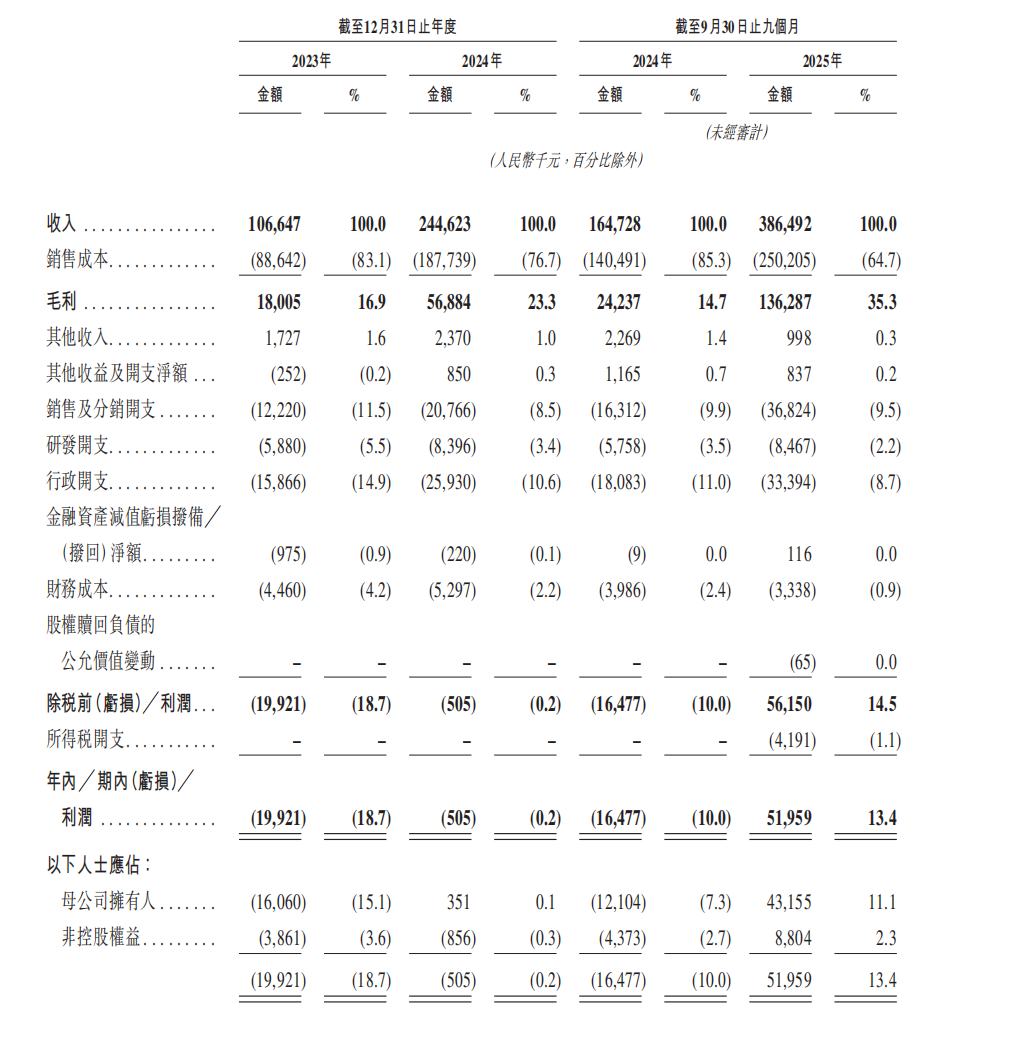
港交所主板近日迎来又一"小而美"的玩具赛道突围者。 1月8日,平价IP玩具企业桑尼森迪正式递交上市申请,高盛与中金担任联席保荐人。这家成立仅十年的公司,凭借精准定位20元以下大众消费价格 带,以均价9.9元的正版IP手办打开下沉市场,迅速抢占低价位玩具销量全国第一。 高增长背后的结构性隐忧 在乐高、万代等国际巨头主导的高端市场之外,桑尼森迪以"正版平价"策略切入被长期忽视的大众消费缺口,通过"IP零售+企业定制"双轮驱动模 式,构建起覆盖全国超3.2万个零售点的分销网络。2025年前三季度,公司营收达3.86亿元,同比增长135%,净利润超过5200万元,净利率连续三 年保持在14%左右,展现出在消费分级趋势下清晰的增长逻辑与可持续的盈利韧性。 | | | 截至12月31日止年度 | | | | 截至9月30日止九個月 | | | | --- | --- | --- | --- | --- | --- | --- | --- | --- | | | 2023年 | | 2024年 | | 2024年 | | 2025年 | | | | 金額 | 90 | 金額 | 90 | 金額 | 90 | 金額 | 90 ...

2026大消费:看不清的市场,藏不住的增长
Tai Mei Ti A P P· 2026-01-05 00:40
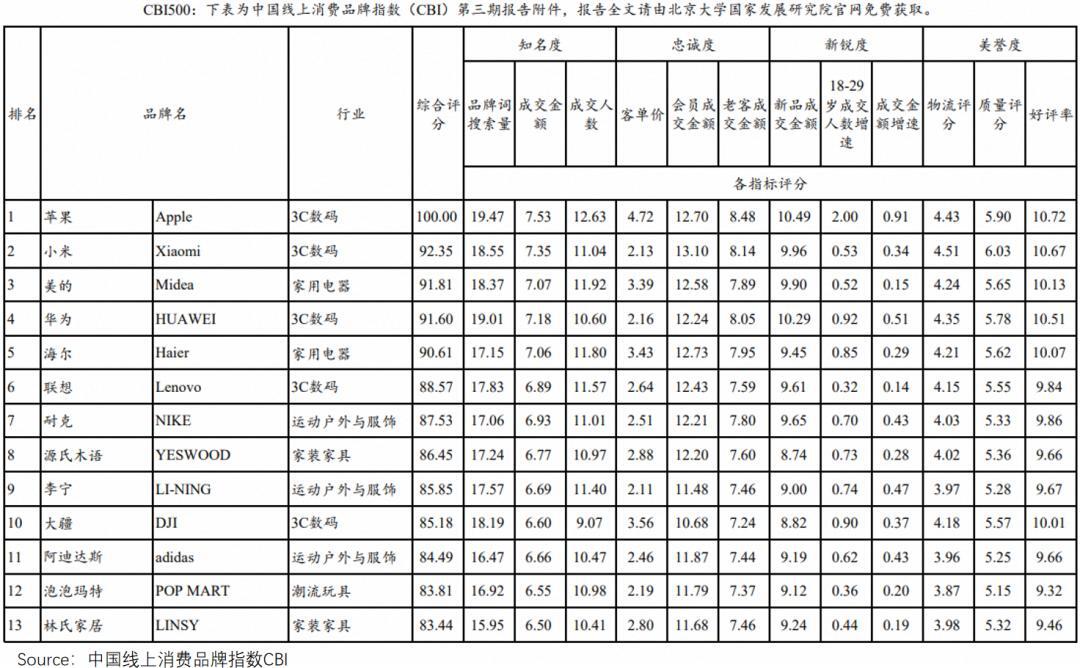
Group 1 - The consumer market in China is viewed as one of the biggest investment opportunities by 2026, but there are differing opinions on where and how to invest [1] - Traditional consumption sectors like liquor, apparel, and beauty have faced challenges, yet some brands have managed to achieve stock price increases of 30% to 50% [2] - The complexity of the consumer market requires investors to connect macro trends with micro behaviors to identify structural opportunities [3] Group 2 - The "China Online Consumption Brand Index" (CBI) and the "Global Brand China Online 500" list reveal significant shifts in consumer preferences, with traditional liquor brands like Moutai and Wuliangye declining while newer brands like Pop Mart are rising [3][4] - The CBI index reflects the performance of brands based on real consumer behavior, including sales, price, search volume, and reputation [4] - The liquor industry is undergoing a transformation, with brands like Jian Nan Chun and Shanxi Fenjiu adapting to new consumer preferences, particularly among younger demographics [6][7][13] Group 3 - The outdoor apparel market is shifting from niche enthusiasts to mainstream consumers, with brands like Berghaus gaining traction due to their stylish and affordable offerings [17] - Emerging brands in the cosmetics sector, such as Huazhi Xiao, are capitalizing on specific consumer trends and achieving significant growth in brand rankings [20][22] - The CBI index serves as a lens to identify changes in consumer demand and potential growth opportunities across various sectors [24] Group 4 - Pop Mart's financial performance shows a significant increase in overseas revenue, yet the stock has faced volatility due to market sentiment rather than fundamentals [26][28] - The brand maintains a leading position in the industry despite short-term fluctuations, indicating strong brand loyalty and potential for future growth [29][30] - The luxury gold market is experiencing challenges as competition increases, impacting customer loyalty and market positioning for brands like Laopufeng [40][35] Group 5 - The beauty industry is witnessing a resurgence for brands like Chanel and YSL as they adapt to new marketing channels and consumer preferences [22] - The investment landscape is influenced by varying investor strategies, with short-term traders reacting differently than long-term investors to market signals [34][41] - The Chinese consumer market is complex and requires a multifaceted approach to uncover hidden opportunities [42]

泡泡玛特已成潮玩界「黑洞」
3 6 Ke· 2025-12-15 23:33
Core Insights - Bubble Mart has significantly increased its market share from 8.5% to 14% over five years, while its market value has surpassed HKD 250 billion, indicating a strong competitive position in the collectible toy industry [1] - The company has built a robust ecosystem that attracts users, creators, and market attention through its platform model, which focuses on artist discovery, IP incubation, and omnichannel operations [1][8] - The current landscape of the collectible toy industry shows that competitors like TOP TOY and 52TOYS struggle with IP dependency and lack core competitive advantages, leading to a challenging environment for smaller brands [1][8] Market Position - Bubble Mart's CEO Wang Ning has projected that the company can easily achieve revenue of RMB 30 billion by 2025, highlighting its dominant market position with few real competitors [2] - The company has shifted the focus from artist value to operational efficiency, which has allowed it to capitalize on market trends and consumer demand [4][8] - The average inventory turnover for Bubble Mart is 83 days, significantly better than the industry average of 180 days, reinforcing its operational efficiency [9] IP Strategy - Bubble Mart's IP operation capabilities have been enhanced, allowing it to create a standardized pipeline for artist signing, user research, and supply chain response, which can turn creative ideas into potential bestsellers in as little as six months [8][9] - The company has secured 14 out of 32 hot-selling collectible toy IPs for 2024, representing a 43% market share in that segment [9] - Bubble Mart's approach to IP management resembles that of a talent agency, focusing on nurturing top-tier IPs while also identifying emerging artists early [8][11] Industry Trends - The collectible toy market in China is increasingly defined by marketing-driven strategies that prioritize consumer engagement over artistic integrity, contrasting with more established markets like Japan, where cultural depth and storytelling are key [12][14] - Smaller brands in the Chinese market face significant challenges in competing with Bubble Mart's scale and efficiency, leading to a trend of reliance on short-term marketing tactics [11][12] - The potential for new entrants exists, but they must navigate a landscape where replicating Bubble Mart's success is nearly impossible due to high barriers to entry and established market dominance [14]


情绪经济的背后是经济情绪
Xin Lang Cai Jing· 2025-12-07 11:02
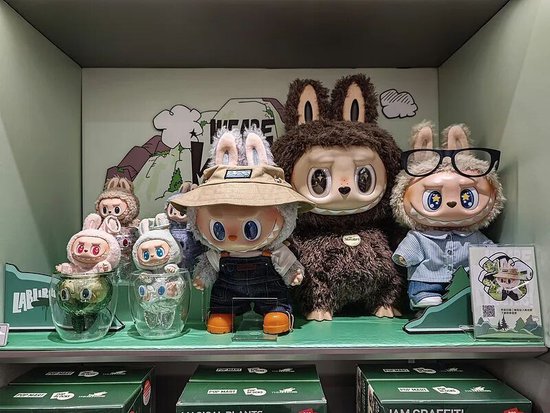
Core Insights - "Emotional value" is becoming a key driver in the 2025 consumer market, reflecting a complex interplay between economic cycles and collective psychology [3][25] - The rise of LABUBU as a cultural icon signifies a shift in consumer behavior, where emotional resonance surpasses practical functionality [25][30] - The emotional consumption market in China is projected to exceed 2 trillion yuan in 2025, indicating significant growth potential [4][22] Group 1: Emotional Consumption Trends - The emotional consumption market has been growing at an annual compound rate of 12% since 2013, with expectations to reach over 2 trillion yuan by 2025 [22][41] - Companies like IKEA are adapting their strategies to incorporate emotional value into product development, moving beyond mere market trends to capture the emotional temperature of consumers [4][26] - The success of LABUBU illustrates the emergence of "social currency," where products serve as symbols of identity and belonging among affluent consumers [28][41] Group 2: LABUBU's Market Impact - LABUBU, a key IP from Pop Mart, has seen its popularity soar, with a peak auction price of 1.08 million yuan for a unique sculpture, highlighting its status as a luxury item [6][28] - In the first half of 2025, Pop Mart's revenue reached 13.88 billion yuan, a year-on-year increase of 204.4%, largely driven by LABUBU's success [7][28] - The LABUBU series generated 4.81 billion yuan in revenue, accounting for 34.7% of Pop Mart's total revenue, showcasing its significant contribution to the company's growth [7][28] Group 3: Cultural and Global Resonance - LABUBU represents a successful case of Chinese cultural creativity going global, employing a "borderless aesthetic" that resonates with diverse consumer bases [29] - The brand has faced challenges with counterfeit products, leading to significant enforcement actions against piracy, indicating its high demand and cultural significance [29] - LABUBU's design and marketing strategies effectively engage with global consumers, creating a cultural phenomenon that transcends traditional toy markets [29][30] Group 4: Emotional Value in Consumer Behavior - The interplay between "belonging" and "existence" is crucial in emotional consumption, with products often serving dual roles in providing security and individual expression [19][39] - The rise of characters like LABUBU and the capybara reflects a collective yearning for emotional stability and personal identity in a rapidly changing social landscape [20][39] - Emotional consumption is not a new phenomenon; historical examples like Hello Kitty and Jellycat illustrate its enduring relevance across different economic contexts [11][32]
潮流玩具:方寸潮玩,万象人间
Xinda Securities· 2025-12-03 15:07
Investment Rating - The investment rating for the light industry manufacturing sector is "Positive" [2] Core Insights - The global IP toy market is projected to reach 525.1 billion yuan in 2024, with a year-on-year growth of 21.7%, and is expected to grow to 771.7 billion yuan by 2029 [3][12] - The Chinese IP toy market is anticipated to reach 75.6 billion yuan in 2024, growing at a year-on-year rate of 29.2%, and is expected to reach 167.5 billion yuan by 2029 [3][13] - Generation Z is becoming the main consumer group, accounting for over 70% of the market, driven by emotional attachment, social needs, and companionship attributes [3][18] - The core competitiveness of the trendy toy industry lies in IP, with the highest cumulative revenue IP, Pokémon, reaching 98.9 billion USD [3][29] - The industry is witnessing a diversification of competition, with domestic IP gradually rising, and the market is still in a rapid development phase [3][4] Summary by Sections 1. Market Expansion and Consumer Demographics - The trendy toy market is expanding, with Generation Z becoming the primary consumer group [3][12] - The market structure is becoming more balanced, with static and movable dolls experiencing the fastest growth [3][13] 2. Value Transformation and Industry Trends - Leading IPs are enriching their cultural content through various media, creating a cross-media IP content ecosystem [3][4] - Companies are actively expanding their IP value transformation paths, achieving multi-category expansion and full ecosystem construction [3][4] 3. Full Industry Chain Coverage - The trend indicates that trendy toy companies are evolving from single-point breakthroughs to full industry chain layouts [3][4] - Companies like Disney and LEGO have achieved full chain layouts, while others are still working on their weaknesses [3][4] 4. Investment Recommendations - The report recommends investing in companies with full industry chain layouts such as Pop Mart, and those transforming retail into IP like Miniso and Morning Glory [4]


卡牌的下一站,是破圈吗?
3 6 Ke· 2025-11-26 04:48
Group 1 - Whatnot completed a $225 million Series F funding round, achieving a valuation of $11.5 billion [1] - Founded in 2019, Whatnot initially focused on live auctions for collectible trading cards, which helped it stand out in a market dominated by eBay for over two decades [1][3] - The platform has expanded its offerings to include clothing and sneakers, competing with Amazon Live, eBay Live, and TikTok Shop, and has extended its live auction business to Canada and Europe [3] Group 2 - Hasbro reported that the operating profit from the Magic: The Gathering IP accounts for nearly 90% of the entire group's net profit [5] - The success of Magic: The Gathering is attributed to its cross-brand collaborations, such as the recent partnership with Final Fantasy, which generated $200 million in a single day [5][7] - The annual MagicCon event saw a 29% increase in VIP badge sales, with participation and interest metrics at historical highs [7] Group 3 - The Japanese trading card market is seeing a shift towards a more diverse player base, with significant participation from women and younger demographics [10][11] - Approximately 30% of men aged 20-39 and about 20% of women in the same age group have purchased trading cards, indicating a growing market [11] - The market is characterized by a digital transformation and the influence of popular IPs attracting new players [11] Group 4 - Bandai's sales for the Mobile Suit Gundam card game increased by 66.27% year-on-year, making it the top-selling toy IP for the company [14][15] - The company has established a dedicated division for trading card games, focusing on brands like One Piece and Dragon Ball, with plans for future releases [15] - Bandai is actively promoting its card games through global events and tournaments, enhancing player engagement [17][18] Group 5 - Tomy reported a 1.91% year-on-year increase in sales, with a notable 14.68% growth in action toys, including trading cards [22] - The Duel Masters card game continues to perform well, supported by collaborations with popular VTubers and a focus on digital card gaming [24][26] - The Disney Lorcana card game has successfully attracted a diverse player base, particularly women, through its engaging promotional strategies [26] Group 6 - Bushiroad's TCG business saw a 33.07% year-on-year increase in sales, driven by strong performance in both domestic and international markets [31] - The Godzilla card game has been well-received, contributing to the company's growth through targeted promotional events [35] - The company is leveraging its IPs to attract new players and maintain stable popularity across its card game offerings [33] Group 7 - Konami's digital entertainment segment, including TCG, reported an 18.17% year-on-year increase in sales, with a significant boost from the Yu-Gi-Oh! franchise [43] - The company is actively developing digital card games and has launched new services to enhance player engagement [49][50] - Yu-Gi-Oh! continues to attract a dedicated player base, supported by various tournaments and promotional events [47] Group 8 - The Pokémon Trading Card Game (PTCG) remains a market leader, with strong sales and a vibrant secondary market [53] - The recent Pokémon World Championships saw participation from over 2,400 players, highlighting the game's global appeal [59] - The PTCG is expanding its reach through various events and collaborations, including a partnership with Uniqlo for merchandise [57]
千亿玩具潮玩市场,在淘宝天猫寻找下一个“爆款密码”?
Sou Hu Cai Jing· 2025-11-21 16:04
Core Insights - The younger generation is increasingly engaged in purchasing collectibles and trendy toys, indicating a shift in consumer behavior towards emotional value rather than practicality [2][20] - The toy and trendy toy market in China is projected to reach approximately 153.6 billion yuan by 2025, with a year-on-year growth of 26%, highlighting it as a significant new consumption trend [2][11] - Tmall has established itself as the leading online platform for trendy toys, capturing 75.8% of the market share during the first phase of the Double 11 sales event in 2025 [5][11] Market Dynamics - The Tmall platform has seen a consistent double-digit growth in the trendy toy sector during the Double 11 period, with over 300,000 new products launched and more than 10,000 merchants experiencing doubled growth [2][10] - The trend of limited edition releases and the cultural significance of collectibles have created a unique consumer experience, where purchasing items at original prices is perceived as a victory [9][10] - The collaboration between Tmall and major IP companies like miHoYo and Bubble Mart has led to significant sales achievements, with some products reaching sales figures exceeding 500 million yuan [13][19] Consumer Behavior - The consumer base for trendy toys is expanding across various age groups, from elementary school students to older generations, indicating a broad appeal [8][28] - The emotional connection and community aspect of collecting trendy toys are driving consumers to engage in late-night purchases and participate in exclusive sales events [9][30] - The rise of "star trendy toys" associated with popular figures has further accelerated sales, showcasing the intersection of fandom and consumerism [28][30] Strategic Positioning - Tmall's long-term strategic investments in the trendy toy sector have established a robust infrastructure that supports brands in logistics, marketing, and consumer engagement [14][18] - The platform's ability to provide comprehensive support for brands, including data insights and marketing strategies, has positioned it as a critical player in the growth of the trendy toy market [23][24] - Tmall's focus on emotional value and community engagement is reshaping the landscape of consumer goods, making it a fertile ground for emerging brands and trends [30][22]
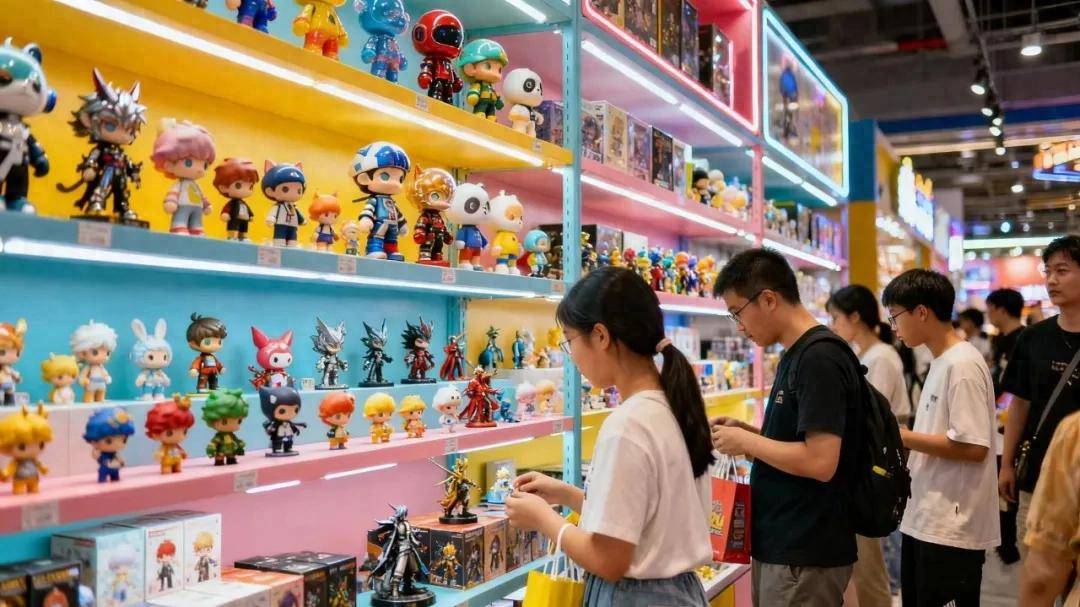
万联证券:潮玩市场近年来快速扩容 建议关注龙头企业
智通财经网· 2025-11-14 03:05
Core Insights - The Chinese潮玩 market is rapidly expanding due to factors such as rising disposable income, the emergence of emotional consumption, the rise of domestic潮流 culture, and quality IPs [1][4] - The competitive landscape of the潮玩 market in China is relatively fragmented, with significant room for improvement compared to Japan [1][5] 潮玩 Industry Overview -潮玩 is defined as toys that integrate elements of潮流 culture, art, design, and various other concepts, characterized by high visual recognition, limited releases, and cross-industry collaborations [1] - The潮玩 industry includes various forms such as blind boxes, figurines, plush toys, gashapon, cards, dolls, art toys, assembly toys, and building sets [1] 潮玩 Industry Chain - The upstream segment consists of IP suppliers and operators, where high-quality IP suppliers hold strong bargaining power based on the scarcity and market popularity of their IPs [2] - The midstream includes潮玩 product manufacturers, who generally have weaker bargaining power; manufacturers with large-scale production capabilities are more likely to succeed [2] - The downstream segment involves retailers and consumers, where retailers' bargaining power depends on the quantity and quality of their IP reserves [2] Comparison with Japanese Toy Industry - The Japanese toy industry has matured and offers valuable lessons for China; despite challenges like declining birth rates, the industry has thrived due to the rise of gaming and anime [3] - In China, rising disposable income and a shift towards emotional consumption are driving demand for潮玩 and related products, despite demographic challenges [3] Market Growth and Projections - The Chinese潮玩 market is projected to grow from 22.9 billion yuan in 2020 to 76.3 billion yuan by 2024, with a CAGR of 35.11% [4] Market Concentration and Competition - The Chinese潮玩 market is currently fragmented, with the top five companies holding a combined market share of only 23.7% [5] - New domestic companies are rapidly expanding, with significant growth rates compared to international giants [5] - The quality and quantity of domestic IPs are increasing, with notable examples including《原神》,《黑神话:悟空》, and characters from泡泡玛特 [5]
万联晨会-20251114
Wanlian Securities· 2025-11-14 00:42
Core Insights - The A-share market saw a comprehensive rise, with the Shanghai Composite Index increasing by 0.73% to 4029.50 points, the Shenzhen Component Index rising by 1.78%, and the ChiNext Index up by 2.55% [2][8] - The total trading volume in the A-share market reached 2.07 trillion RMB, with nearly 4000 stocks experiencing gains [2][8] - The banking index (CITIC) rose by 14.8% from January 2, 2025, to November 11, 2025, underperforming the CSI 300 Index by 3.5 percentage points [13] Market Review - The performance of various sectors showed that the power equipment and non-ferrous metals industries led the gains, while public utilities and telecommunications sectors lagged [2][8] - In the concept sectors, fluorine chemical and organic silicon concepts led the rise, while fentanyl and Tonghuashun fruit index concepts fell [2][8] - The Hong Kong Hang Seng Index increased by 0.56%, and the Hang Seng Technology Index rose by 0.80% [2][8] - In contrast, the US stock market indices all fell, with the Dow Jones down by 1.65%, the S&P 500 down by 1.66%, and the Nasdaq down by 2.29% [2][8] Important News - The People's Bank of China reported that the cumulative increase in social financing scale for the first ten months of 2025 was 30.9 trillion RMB, with the broad money (M2) balance at 335.13 trillion RMB, reflecting an 8.2% year-on-year growth [3][9] - The stock of social financing reached 437.72 trillion RMB, with a year-on-year growth of 8.5% [3][9] - RMB loans increased by 14.97 trillion RMB during the same period [3][9] Retail Financial Business Changes - The contribution of retail financial business to total revenue increased from 39.6% to 45.4% from 2020 to 2024, with a compound annual growth rate (CAGR) of 5% [10][11] - However, the profit contribution from retail financial business decreased from 39.1% to 31.7%, with a CAGR of only 0.2% [10][11] - The net interest income growth was the main factor for the increase in retail financial revenue contribution, with a CAGR of 8.5% [10][11] Retail Financial Asset Quality - The asset quality of retail financial business has weakened, with the non-performing loan ratio increasing and the provisioning for bad debts rising [11] - The proportion of retail loans in total loans decreased to 35.7%, down by 5.1 percentage points [11] - The share of housing-related loans fell from 64.7% to 54.7%, while the share of operational loans rose from 12.7% to 22.7% [11] Excavator Sales Trends - In October 2025, excavator sales reached 18,096 units, a year-on-year increase of 7.77%, with domestic sales at 8,468 units and exports at 9,628 units [19][20] - Loader sales maintained high growth, with 10,673 units sold in October, reflecting a 27.7% year-on-year increase [19][20] - The total sales of excavators from January to October 2025 reached 192,135 units, up by 17% year-on-year [20] Industry Outlook - The engineering machinery industry is entering a new growth phase, with domestic demand supported by equipment upgrades and large infrastructure projects [21] - The overseas market is becoming a significant growth engine, with excavator exports exceeding domestic sales in October [21] - The competitive landscape is shifting towards global operational capabilities and technological advancements [21]