
SINOPHARM(CNCM LTD)(600511)

Search documents
国药股份估值偏低,机构预测股价有上涨空间
Jing Ji Guan Cha Wang· 2026-02-13 07:32
Core Insights - China National Pharmaceutical Group (国药股份) is a leading pharmaceutical commercial enterprise, currently holding a 20% stake in Yichang Humanwell, which is expected to contribute approximately 500 million yuan in investment income in 2024 [1] - The company dominates the pharmaceutical direct sales market in Beijing and has a current market capitalization of approximately 22 billion yuan, which is below the reasonable valuation of 26.5 billion yuan, indicating potential undervaluation [1] - For 2024, the company is projected to achieve revenue of 50.597 billion yuan and a net profit attributable to shareholders of 2 billion yuan, with stable operating cash flow [1] - The pharmaceutical industry is influenced by centralized procurement policies, but fluctuations for distribution companies are relatively minor [1] Institutional View - As of February 13, 2026, the comprehensive target price for the stock is 36.49 yuan, indicating a potential upside of 26.35% from the latest stock price, with a forecasted net profit growth of 1.04% year-on-year for 2025 [2] Stock Performance - Over the past week (February 7-13, 2026), the stock price of China National Pharmaceutical Group experienced slight fluctuations, closing at 28.99 yuan on February 13, reflecting a decline of 0.82% during this period, with a volatility of 1.71% [3] - The stock performance was slightly better than the pharmaceutical commercial sector, which saw a decline of approximately 0.55% during the same timeframe [3] - The highest trading volume reached 138 million yuan on February 9, with a turnover rate of 0.44% on February 13, indicating stable market trading [3] - Technically, the stock price has been hovering around the 20-day moving average of 29.12 yuan, with support at 28.67 yuan and resistance at 29.53 yuan [3]

美国医药调研反馈:肿瘤、代谢、自免、中枢神经系统赛道推荐更新
Haitong Securities International· 2026-02-06 11:33
Investment Rating - The report provides an "Outperform" rating for multiple companies in the healthcare sector, including BeiGene, JD Health, WuXi Biologics, and others, indicating a positive outlook for these stocks [1]. Core Insights - The macro and industry environment is improving due to the resolution of policy uncertainties, the release of significant clinical data, and a resurgence in global M&A activity, leading to a notable increase in investor sentiment towards innovative drugs for 2026 [4][11]. - In oncology, the PD-1/VEGF dual antibody approach is transitioning from "mechanism validation" to "clinical and industrial resonance," with multiple global Phase III trials underway, expected to catalyze approvals and data releases within the year [5][17]. - The metabolic sector is seeing growth in the cash-pay market for GLP-1 drugs, driven by limited insurance coverage and high out-of-pocket costs, prompting companies to enhance accessibility through direct sales and pricing adjustments [6][25]. - In the autoimmune space, there is a growing concentration risk among major products from multinational corporations (MNCs), with new antibody platforms expected to yield significant data in 2026, potentially leading to new business development opportunities [7]. - The central nervous system (CNS) investment focus remains on advancing Aβ monoclonal antibody treatments, with key data expected to open up early intervention market opportunities [9]. Summary by Sections Oncology - The PD-1/VEGF dual antibody's clinical and industrial certainty is strengthening, with major companies conducting multiple global Phase III trials across high-value indications [17]. - The Pan-RAS precision therapy is entering a realization phase, with key Phase III data expected in 2026 for pancreatic cancer and NSCLC [22]. Metabolic - The cash-pay market for GLP-1 drugs is expanding due to limited insurance coverage, with companies like Eli Lilly and Novo Nordisk adopting different direct-to-consumer strategies to enhance accessibility [25][26]. - Small nucleic acid therapies are expected to upgrade treatment paradigms, showing competitive data in weight loss and safety profiles when combined with GLP-1 [30]. Autoimmune - MNCs are increasingly reliant on a few blockbuster products, with structural opportunities arising from new antibody platforms expected to report data in 2026 [7]. - The trend towards oral formulations in autoimmune diseases is gaining traction, offering advantages in adherence and competitive differentiation [7]. CNS - The focus in CNS remains on Aβ monoclonal antibody treatments, with advancements expected to shift treatment towards earlier intervention populations [9]. - New delivery methods, such as systemic administration of small nucleic acids, are being explored as complementary approaches [9].


九部门发文“救市”,从大扩张到大并购,70万家药房化解关店危机
Hua Xia Shi Bao· 2026-01-29 04:53
Core Viewpoint - The A-share pharmaceutical retail sector is experiencing a significant rebound, driven by a new policy aimed at promoting high-quality development in the industry, which is expected to help around 700,000 pharmacies currently facing challenges [2][3]. Group 1: Industry Trends - The pharmaceutical retail industry is undergoing a wave of closures, with a projected net closure of 39,000 stores in 2024, significantly higher than the 3.8% closure rate in 2023 [5][6]. - The market is witnessing a shift from passive closures to proactive consolidation, as the new policy addresses industry pain points and encourages mergers and acquisitions [2][3][9]. - The concentration of the market is increasing, with the top 10 companies expected to reach a market share of over 35% by 2026, moving towards the levels seen in mature markets [9]. Group 2: Financial Performance - Major players in the industry are facing declining revenues and profits, with companies like YaoYao and GuoDa Pharmacy reporting significant drops in net profits, highlighting the financial strain on the sector [4][5]. - Only one out of six major private listed chains, Yifeng Pharmacy, is expected to achieve positive net profit growth in 2024, indicating a narrowing profitability landscape [5][6]. Group 3: Policy Impact - The new policy aims to standardize and optimize the merger and acquisition process, reducing costs and time for major chains, thus facilitating industry consolidation [7][9]. - The policy encourages a shift from a focus on drug sales to a broader health service model, aligning with changing consumer demands and promoting diversification in product offerings [8][9]. Group 4: Future Outlook - The industry is expected to evolve from merely selling drugs to becoming comprehensive health service providers, enhancing efficiency and better meeting consumer needs [10][11]. - The ongoing transformation is anticipated to eliminate inefficient capacities and elevate industry standards, marking a transition to a new phase of value growth [11].




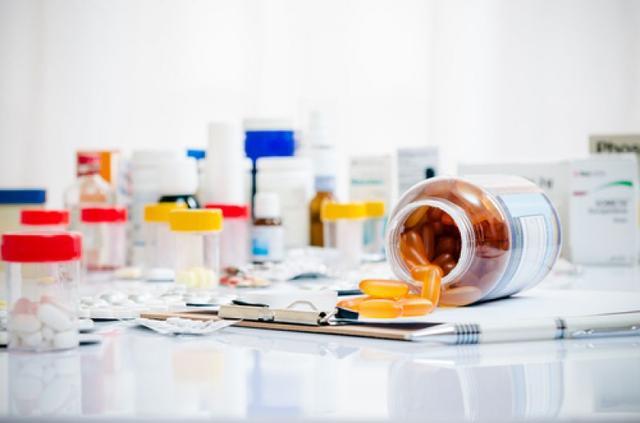
2026年中国医疗器械物流配送行业发展历程、政策、运力情况、竞争格局及趋势研判:医疗器械物流基础建设不断完善,物流运输自有车辆突破4万台[图]
Chan Ye Xin Xi Wang· 2026-01-24 02:30
Core Viewpoint - The strategic importance of medical device logistics and distribution is increasingly recognized as the market for medical devices continues to expand, leading to a strong demand for specialized and efficient logistics services [1][8]. Industry Overview - Medical device logistics and distribution involves the effective transfer of medical device products from suppliers or manufacturers to medical institutions, pharmacies, or other relevant endpoints, ensuring safety, timeliness, and accuracy [2][3]. - The industry has evolved through four stages, from minimal focus during the early marketization phase to a rapid development period from 2010 to 2020, driven by increasing demand and regulatory policies [3]. Industry Policies - Recent government policies have provided strong support for the development of the medical device logistics industry, promoting standardization, efficiency, and scale [4]. - Key policies include the establishment of a risk-sharing alliance for online sales of medical devices and encouragement for wholesale companies to integrate storage and transportation resources [4]. Industry Chain - The upstream of the medical device logistics chain includes suppliers of logistics vehicles, software, medical devices, storage equipment, and packaging materials [4]. - The midstream consists of logistics service providers, which are crucial for the entire supply chain, while the downstream includes medical institutions and patients as the primary demand side [4]. Current Industry Status - The logistics total cost for medical devices in China is projected to reach 26.78 billion yuan in 2024, with a year-on-year growth of 1.88% [8]. - The logistics warehousing area is expected to be 23.58 million square meters in 2024, reflecting a 0.8% increase [8]. Market Trends - The medical device logistics industry is expected to accelerate its digital transformation and integration of intelligent technologies, utilizing IoT for real-time monitoring and big data for demand forecasting [12][14]. - Service models are evolving towards highly specialized and integrated solutions, addressing specific requirements for different categories of medical devices [14]. - The logistics network is anticipated to deepen into lower-tier cities, establishing regional distribution centers to enhance efficiency and reduce costs [15].




医药商业板块1月15日跌2.19%,华人健康领跌,主力资金净流出9.9亿元
Zheng Xing Xing Ye Ri Bao· 2026-01-15 08:58
Market Overview - The pharmaceutical commercial sector experienced a decline of 2.19% on January 15, with Huaren Health leading the drop [1] - The Shanghai Composite Index closed at 4112.6, down 0.33%, while the Shenzhen Component Index closed at 14306.73, up 0.41% [1] Individual Stock Performance - Notable gainers included: - RunDa Medical (603108) with a closing price of 20.04, up 1.83% and a trading volume of 700,800 shares [1] - LiuYao Group (603368) closed at 18.58, up 0.60% with a trading volume of 79,700 shares [1] - LaoBaiXing (603883) closed at 16.11, up 0.50% with a trading volume of 226,200 shares [1] - Significant decliners included: - Huaren Health (301408) closed at 23.81, down 19.99% with a trading volume of 491,100 shares [2] - ShangYu PingMin (301017) closed at 18.50, down 13.75% with a trading volume of 373,900 shares [2] - YaoYiGou (300937) closed at 37.40, down 11.79% with a trading volume of 121,400 shares [2] Capital Flow Analysis - The pharmaceutical commercial sector saw a net outflow of 990 million yuan from institutional investors, while retail investors had a net inflow of 977 million yuan [2] - The table of capital flow indicates that: - LaoBaiXing (603883) had a net inflow of 46.10 million yuan from institutional investors [3] - JiuZhouTong (600998) had a net inflow of 40.43 million yuan from institutional investors [3] - RunDa Medical (603108) had a net inflow of 37.80 million yuan from institutional investors [3]


芬太尼概念涨4.74%,主力资金净流入这些股
Zheng Quan Shi Bao Wang· 2026-01-05 08:53
Group 1 - The fentanyl concept index rose by 4.74%, ranking 6th among concept sectors, with 8 stocks increasing in value, including Botao Bio which hit a 20% limit up [1] - The leading stocks in the fentanyl sector included Dongfang Bio, Lingrui Pharmaceutical, and ST Renfu, which rose by 5.12%, 4.88%, and 2.26% respectively [1] Group 2 - The fentanyl concept sector saw a net inflow of 55 million yuan, with ST Renfu leading the inflow at 69.89 million yuan, followed by Guoyao Shares, Guoyao Modern, and Lingrui Pharmaceutical [2] - The net inflow ratios for ST Renfu, Guoyao Modern, and Guoyao Shares were 14.70%, 7.69%, and 5.96% respectively, indicating strong interest from major funds [3]


医药商业板块12月29日跌1.82%,漱玉平民领跌,主力资金净流出8.04亿元
Zheng Xing Xing Ye Ri Bao· 2025-12-29 09:06
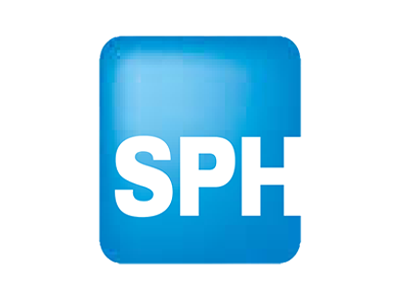
Market Overview - The pharmaceutical commercial sector experienced a decline of 1.82% on December 29, with the leading stock being Shuyupingmin [1] - The Shanghai Composite Index closed at 3965.28, up 0.04%, while the Shenzhen Component Index closed at 13537.1, down 0.49% [1] Stock Performance - Notable gainers included: - Denglushiyao (002788) with a closing price of 22.26, up 6.00% and a trading volume of 869,000 shares, totaling 1.863 billion yuan [1] - Saily Medical (603716) closed at 21.64, up 0.74% with a trading volume of 109,600 shares, totaling 237 million yuan [1] - Significant decliners included: - Shuyupingmin (301017) with a closing price of 15.58, down 17.91% and a trading volume of 481,800 shares, totaling 767 million yuan [2] - Renmintongtai (600829) closed at 11.17, down 6.84% with a trading volume of 367,700 shares, totaling 414 million yuan [2] Capital Flow - The pharmaceutical commercial sector saw a net outflow of 804 million yuan from institutional investors, while retail investors experienced a net inflow of 892 million yuan [2] - The capital flow for specific stocks showed: - Nanjing Pharmaceutical (600713) had a net inflow of 11.27 million yuan from institutional investors [3] - Shanghai Pharmaceutical (601607) saw a net inflow of 8.81 million yuan from institutional investors [3] - Dajia Weikang (301126) had a net outflow of 406,000 yuan from institutional investors [3]
芬太尼概念下跌0.26%,主力资金净流出6股
Zheng Quan Shi Bao Wang· 2025-12-24 09:45
Core Viewpoint - The fentanyl concept sector experienced a decline of 0.26% as of the market close on December 24, with several companies within the sector showing significant drops in stock prices [1] Market Performance - The top-performing concept sectors today included: - Terahertz: +4.02% - Commercial Aerospace: +3.60% - Satellite Navigation: +3.47% - Fentanyl: -0.26% [1] Fund Flow Analysis - The fentanyl concept sector saw a net outflow of 63 million yuan from main funds today, with six stocks experiencing significant outflows. The stock with the highest outflow was ST Renfu, which had a net outflow of 42.89 million yuan [1] - Other notable outflows included: - Enhua Pharmaceutical: -13.02 million yuan - Wanfu Biology: -5.15 million yuan - Botao Biology: -2.70 million yuan [1] - Conversely, the stocks with the highest net inflows included: - Guoyao Modern: +1.77 million yuan - Guoyao Shares: +1.47 million yuan [1] Individual Stock Performance - The following stocks within the fentanyl concept sector had notable price changes: - ST Renfu: -2.06% with a turnover rate of 1.92% - Enhua Pharmaceutical: -0.79% with a turnover rate of 0.68% - Wanfu Biology: +0.61% with a turnover rate of 0.51% - Botao Biology: -0.28% with a turnover rate of 0.74% - Guoyao Modern: +0.20% with a turnover rate of 0.51% [1]


国药系山东药玻董事长辞职
Xin Lang Cai Jing· 2025-12-24 02:50
Group 1 - The chairman of Shandong Pharmaceutical Glass Co., Ltd., He Yonggang, has resigned, marking a significant personnel change shortly after the company was indirectly controlled by China National Pharmaceutical Group (Sinopharm) [1][19] - He Yonggang, aged 61, has had a long career with Shandong Pharmaceutical Glass, holding various key positions, and his resignation is attributed to age despite his term being set until May 2028 [2][20] - Zhang Jun, the current general manager, has been appointed to take over the chairman's responsibilities, bringing extensive production management and R&D experience to the role [2][20] Group 2 - Shandong Pharmaceutical Glass, established in 1970 and listed in 2002, specializes in the production of pharmaceutical glass packaging, covering a complete pharmaceutical packaging industry chain [4][22] - In June, Sinopharm and its Hong Kong subsidiary invested 2.449 billion yuan in Shandong Pharmaceutical Glass, acquiring a 51% stake in its controlling shareholder, thus indirectly controlling 19.5% of the company [4][22] - The company has achieved a nearly 90% market share in the domestic borosilicate molded bottle sector, which has been historically dominated by international giants [5][22] Group 3 - In 2024, Shandong Pharmaceutical Glass reported revenues of 5.125 billion yuan, a year-on-year increase of 287 million yuan, and a net profit of 904 million yuan, up 21.86% [5][22] - However, in the first three quarters of 2025, the company experienced a revenue decline of 11.1% to 3.4 billion yuan and a net profit drop of 24.7% to 543 million yuan, attributed to product homogenization and weak downstream demand [5][23] - The overall pharmaceutical distribution industry in China is experiencing a slowdown, prompting a trend towards consolidation among major players [14][30] Group 4 - Sinopharm is undergoing significant personnel changes across its pharmaceutical distribution companies, reflecting potential strategic shifts within the organization [6][13] - Recent leadership changes include the resignation of several key executives, indicating a response to the challenges faced by the company, including declining revenue growth [6][29] - Sinopharm is focusing on expanding its market presence by enhancing core customer relationships and increasing the share of high-value products in its overall revenue [31]


国药集团药业股份有限公司 2025年第四次临时股东会决议公告
Sou Hu Cai Jing· 2025-12-10 01:09
Meeting Attendance and Voting - The shareholder meeting was held on December 9, 2025, at the specified location in Beijing [2] - A total of 778 shareholders and proxies attended the meeting, representing 464,351,992 shares [1][2] - The voting method complied with the Company Law and Articles of Association, with both on-site and online voting conducted [2] Board Meeting Details - The board meeting had 9 directors present, including 4 independent directors, and was chaired by Liu Yuetao [7] - The meeting was convened following proper notification procedures, and all attendees were qualified to participate [4][7] Resolutions Passed - The board approved the adjustment of the specialized committee members with a unanimous vote of 9 in favor [9] - The board also approved an increase in the estimated amount for daily related transactions for 2025, amounting to 85,302.36 million yuan, with independent directors abstaining from the vote [9][15] - The board confirmed the operating performance assessment for 2024, based on audited financial data [10][11] Legal Verification - The meeting was witnessed by Beijing Guofeng Law Firm, which confirmed that the meeting's procedures complied with legal and regulatory requirements [4] Daily Related Transactions - The company plans to increase the estimated amount for daily related transactions for 2025, which is necessary for its operational needs and does not harm the interests of non-related shareholders [14][15] - The total expected amount for new daily related transactions is 85,302.36 million yuan, and the pricing policies are aligned with market principles [16][18]
