BeiGene(688235)

Search documents
医药生物行业跟踪周报:JPM2026最前线观察:中国创新药再次成为全球焦点-20260118
Soochow Securities· 2026-01-18 14:38
Investment Rating - The report maintains an "Overweight" rating for the pharmaceutical and biotechnology industry [1]. Core Insights - The Chinese innovative drug sector has regained global attention, with over 20 Chinese pharmaceutical companies showcasing their advancements at the JPM 2026 conference. Notable companies like Heng Rui and BeiGene are expected to see significant revenue growth and product approvals in the coming years [4][17]. - The A-share pharmaceutical index has shown a year-to-date increase of 7.08%, outperforming the CSI 300 index by 4.88% [4][9]. - The report highlights specific sub-sectors within the industry, ranking them as follows: innovative drugs > research services > CXO > traditional Chinese medicine > medical devices > pharmacies [10]. Summary by Sections Industry Trends - The A-share pharmaceutical index has increased by 0.9% this week, with a year-to-date performance of 7.08%, while the Hang Seng Healthcare Index has risen by 15.63% [4][9]. - Medical services, raw materials, and medical devices have shown strong performance, with weekly increases of 5.63%, 1.70%, and 1.31%, respectively [4][9]. Company Highlights - Heng Rui is projected to achieve over 25% growth in innovative drug revenue in 2026, with multiple key drug approvals expected [17][18]. - BeiGene has solidified its position in hematological malignancies and is accelerating breakthroughs in solid tumors, with significant revenue growth reported [19]. Investment Recommendations - The report suggests focusing on specific companies based on their strengths in various therapeutic areas, including: - PD1 PLUS: Sangamo Therapeutics, CanSino Biologics, Innovent Biologics, and Zai Lab [13]. - ADC: I-Mab Biopharma, Kelun Pharmaceutical, and Bai Li Tianheng [13]. - Small nucleic acids: Frontier Biotechnologies, Fuyuan Pharmaceutical, and Yuyuan Pharmaceutical [13]. - Autoimmunity: Kangnuo Pharmaceutical, Yifang Biopharmaceutical, and Yipinhong [13]. - Leading innovative drug companies: BeiGene and Heng Rui [13]. - CXO and upstream research services: WuXi AppTec, Haoyuan Pharmaceutical, and Aopumai [13]. - Medical devices: United Imaging Healthcare and Yuyue Medical [13]. - AI drug development: Crystal Technology [13]. - GLP-1: Lianbang Pharmaceutical, Borui Pharmaceutical, and Zhongsheng Pharmaceutical [13]. - Traditional Chinese medicine: Zhaoli Pharmaceutical, Fangsheng Pharmaceutical, and Dong'e Ejiao [13].

国泰海通医药 2026年1月第三周周报:JPM 大会落幕,推荐创新药械产业链-20260118
GUOTAI HAITONG SECURITIES· 2026-01-18 12:07
Investment Rating - The report maintains an "Overweight" rating for the pharmaceutical sector [6][26]. Core Insights - The report emphasizes the continuous recommendation of innovative pharmaceuticals and medical devices, highlighting the high growth potential in the sector. It maintains "Overweight" ratings for companies such as Heng Rui Medicine, Hansoh Pharmaceutical, Sanofi, Kelun Pharmaceutical, and Enhua Pharmaceutical. It also recommends Biopharma/Biotech companies like Kelun Biotech, BeiGene, and others, as well as CXO and upstream pharmaceutical companies [6][3]. Summary by Sections 1. Continuous Recommendation of Innovative Pharmaceuticals and Medical Devices - The report highlights the high growth potential of innovative drugs and recommends several companies for investment, including Heng Rui Medicine, Hansoh Pharmaceutical, Sanofi, Kelun Pharmaceutical, and Enhua Pharmaceutical. It also suggests Biopharma/Biotech companies like Kelun Biotech, BeiGene, and others, as well as CXO and upstream pharmaceutical companies [6][7]. 2. A-share Pharmaceutical Sector Performance - In the third week of January 2026, the A-share pharmaceutical sector underperformed the broader market, with the Shanghai Composite Index declining by 0.4% and the SW Pharmaceutical and Biotech index falling by 0.7% [8][11]. 3. Hong Kong and US Market Performance - The Hong Kong pharmaceutical sector performed in line with the market, while the US pharmaceutical sector underperformed. In the same week, the Hang Seng Healthcare index rose by 2.4%, and the S&P 500 healthcare sector fell by 1.1% [19][20].




中国创新药交出“黄金答卷” 全年76个创新药获批
Xin Lang Cai Jing· 2026-01-17 00:12
Core Insights - In 2025, China's innovative pharmaceutical industry reached a "golden moment" with 76 innovative drugs approved, over 80% of which were domestically developed, and total licensing transaction amounts exceeding $130 billion, marking a historical high [2][5] - The surge in innovative drugs reflects a significant shift from quantity to quality, with over one-third of the approved drugs targeting cancer treatment, and a notable presence of GLP-1 drugs for metabolic diseases [3][4] - The capital market responded positively, with the Hong Kong innovation drug index rising by 66.52%, outperforming the Hang Seng Index, indicating strong market confidence in the sector [9] Group 1: Innovative Drug Approvals - A total of 76 innovative drugs were approved in 2025, significantly higher than the 48 approved in 2024, including 47 chemical drugs, 23 biological products, and 6 traditional Chinese medicines [2] - Among the approved chemical drugs, 80.85% were domestically developed, while 91.30% of biological products were also from domestic sources, showcasing the dominance of local innovation [2] Group 2: Market Trends and Drug Development - The oncology sector led the innovation with over 20 drugs, accounting for approximately one-third of the total, while metabolic diseases represented about 20% of the approvals, highlighting the diverse therapeutic areas being addressed [3] - The approval of first-in-class drugs in China, with 4 out of 11 being domestically developed, signifies a shift towards more innovative and effective treatments available to patients [4] Group 3: Licensing and International Collaboration - The total value of licensing transactions for Chinese innovative drugs surpassed $130 billion in 2025, with over 150 deals, reflecting a significant increase compared to 2024 [5][6] - Notable collaborations included a $10.8 billion deal between Innovent Biologics and Roche, and a $12.5 billion upfront payment from Pfizer to 3SBio, indicating a trend towards deeper strategic partnerships [5][6] Group 4: Capital Market Performance - The performance of the innovative drug sector in the capital market was robust, with the Hong Kong innovation drug index increasing by 66.52%, and the CS innovation drug index in A-shares rising by 19.34% [9] - The successful commercialization of leading biotech companies like BeiGene and Innovent Biologics demonstrates the growing profitability and market presence of Chinese innovative drug firms [9] Group 5: Future Outlook - The ongoing reforms in drug approval processes and supportive policies are expected to further enhance the development of innovative drugs in China, positioning the country as a key player in global pharmaceutical innovation [8][10] - Predictions indicate that the next five years will see an increase in the proportion of original innovative drugs, with a focus on balancing scientific exploration and commercial value [11][12]


JPM 2026:AI破局,肥胖引爆,巨头血战新王座
Xin Lang Cai Jing· 2026-01-15 14:15
Core Insights - 2026 is identified as a pivotal year for transformation and output in the global biopharmaceutical industry, with major companies revealing strategic developments at the JMP conference [1] - The industry is experiencing extreme differentiation, with ADC and GLP-1 seen as key growth engines for the next five years, while mRNA, siRNA, and RLT are transitioning from concepts to clinical norms [1][9] - The BD strategies are becoming more precise, with 2025's small-scale acquisitions starting to yield results, and the logic behind mergers and acquisitions in 2026 expected to diversify [1] Hot Track Dynamics: Dual Drivers of Technology Iteration and Indication Expansion - ADC remains a leading player in the oncology sector, with Merck advancing multiple ADC assets through collaboration with Daiichi Sankyo [12] - BeiGene views ADC as a core technology and is actively promoting drug accessibility globally [12] - Eli Lilly has completed several ADC-related transactions to enhance its capabilities in cancer treatment [12] Weight Management Market Transition - The weight management market is shifting from simple weight loss to comprehensive management of metabolic syndrome, with Eli Lilly focusing on AI-driven drug discovery and direct patient engagement [14] - Roche's acquisition of Carmot Therapeutics enhances its pipeline with new metabolic therapies [14] - Sanofi is expanding the indications for its core asset Dupixent and advancing its autoimmune pipeline [14] Key Corporate Strategic Planning: Core Track Deepening and Platform Layout - Eli Lilly's strategy focuses on obesity and AI-driven drug development, with a projected investment of up to $1 billion in collaboration with NVIDIA [15] - Pfizer aims to maximize core transaction value and apply AI across its business chain, targeting a $150 billion market in obesity by 2030 [15] - Amgen is accelerating the integration of biotechnology and AI, with a focus on rare diseases and partnerships in China [16] BD Trends: Core Logic of Track Reinforcement and Ecological Synergy - The pharmaceutical industry is seeing a concentration of mergers and acquisitions in ADC and bispecific antibodies, with major companies acquiring key assets and technology platforms [17] - Big Pharma is shifting from scale expansion to pipeline restructuring to avoid revenue cliffs due to upcoming patent expirations [18] - The focus is on mid-stage assets with immediate Phase 3 potential, which are expected to have a premium advantage over early-stage assets [18] Industry Outlook - The biopharmaceutical industry is entering an "innovation harvest period" from 2026 to 2030, with GLP-1 drugs evolving into comprehensive metabolic management platforms [19] - The market for GLP-1 receptor agonists in China is projected to reach approximately 38.3 billion yuan by 2030 [19] - The commercialization of cutting-edge therapies is approaching a "singularity," with advancements in cell and gene therapies and RNA therapies expected to overcome production and reimbursement challenges [19][20]


出发前就约了四五十家公司洽谈!“全球医药行业春晚”的中国面孔:参会者背景更多元,肿瘤药不再是“独宠”
Mei Ri Jing Ji Xin Wen· 2026-01-15 13:56
Core Insights - The 44th J.P. Morgan Healthcare Conference (JPM) is a significant event in the global healthcare sector, attracting over 8,000 participants, with a strong representation from biotechnology and pharmaceutical companies [1][3] - Chinese pharmaceutical companies are increasingly participating in JPM, focusing on collaboration and showcasing their innovative pipelines, particularly in the context of a booming merger and acquisition landscape in the industry [1][4] Group 1: Conference Overview - The conference is recognized as a "barometer" for development and investment in the pharmaceutical sector, featuring industry leaders and innovators discussing trends and opportunities [3] - Key areas of focus at this year's conference include biotechnology and pharmaceuticals, which account for 35% and 33% of participating companies, respectively [3] Group 2: Chinese Pharmaceutical Companies - At least 30 Chinese pharmaceutical companies are participating, with several being regular attendees, indicating a growing presence in the global market [4][5] - Notable Chinese companies presenting include BeiGene, Zai Lab, and Legend Biotech, with significant advancements in their clinical pipelines being highlighted [4] Group 3: Investment Trends - Investors are increasingly interested in the integration of AI in pharmaceuticals and how multinational companies are addressing patent cliffs and BD strategies [4][5] - The perception of Chinese pharmaceutical companies is shifting from mere asset providers to co-creators of global pharmaceutical innovation, reflecting their growing capabilities [9] Group 4: Company Innovations - Companies like China Biologic Products are undergoing significant innovation transformations, aiming for over 50% of their revenue from innovative products by 2025 [7] - Yuyuan Pharmaceutical, previously seen as a generic drug company, is transitioning to focus on nucleic acid and peptide innovative drugs, indicating a strategic shift in their business model [8]
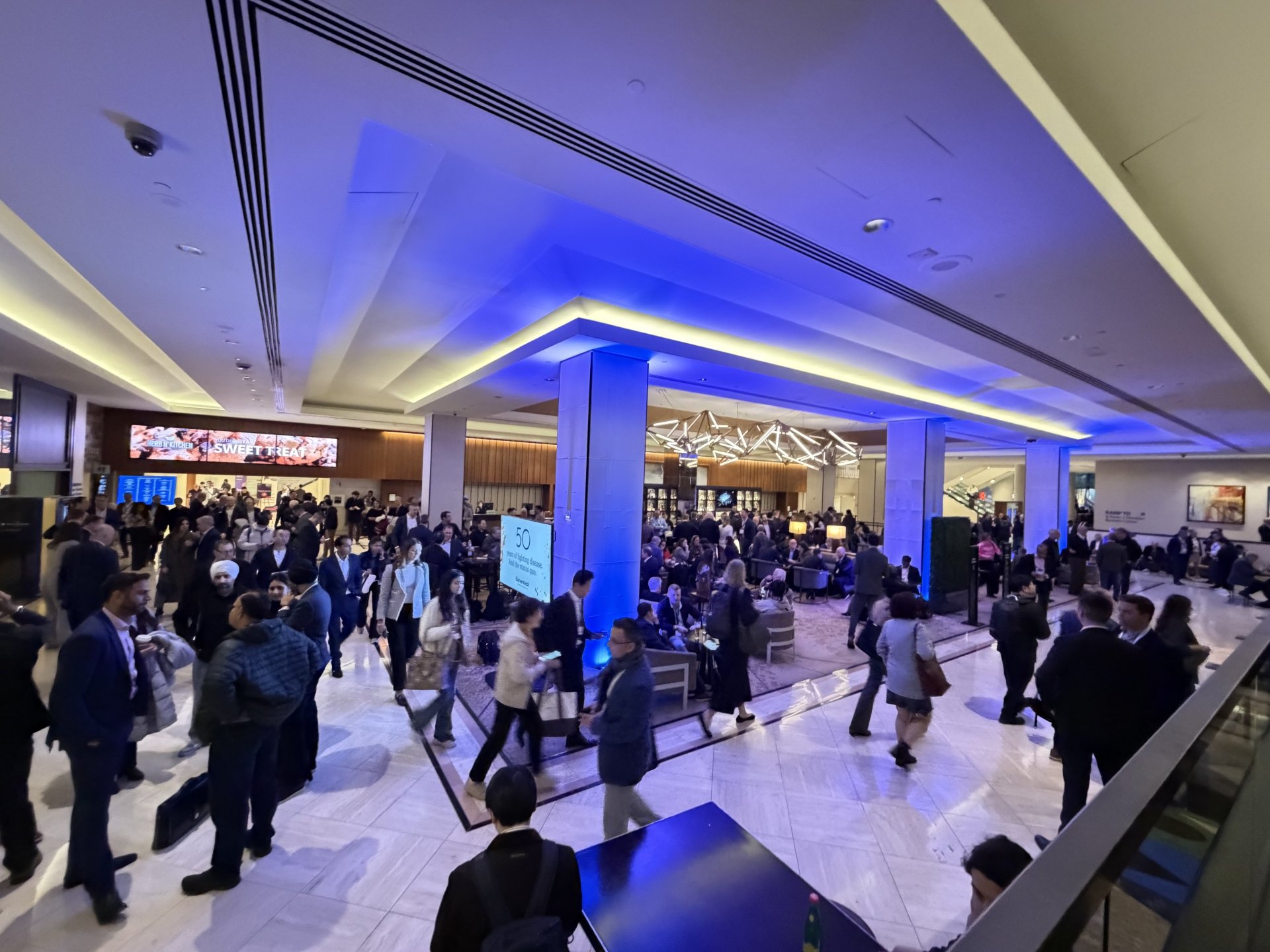
百济神州:百悦达 在中国商业化上市,惠及中国慢性淋巴细胞白血病/小淋巴细胞淋巴瘤及套细胞淋巴瘤成人患者
Cai Jing Wang· 2026-01-15 06:35
Core Viewpoint - BeiGene has rapidly commercialized its product, Baiyueda, just eight days after receiving approval, benefiting adult patients with chronic lymphocytic leukemia/small lymphocytic lymphoma and mantle cell lymphoma in China [1] Group 1 - BeiGene leverages its comprehensive capabilities in research, production, and commercialization to achieve swift market entry [1] - The product is now available for clinical use, indicating a quick transition from approval to patient access [1]
AI重塑新药研发!英伟达礼来砸百亿建联合实验室,医疗板块迎技术革命?
Jin Rong Jie· 2026-01-15 01:47
Core Insights - The 44th J.P. Morgan Healthcare Conference has highlighted significant industry developments, including a $1 billion investment by NVIDIA and Eli Lilly to establish a joint research lab in the San Francisco Bay Area to accelerate AI applications in the pharmaceutical sector [1] - The conference serves as a critical platform for domestic pharmaceutical companies to showcase core molecular product capabilities and advance overseas business development collaborations, indicating a return to global value validation for products [2] - The participation of over 8,000 global attendees and more than 500 listed companies underscores the strengthening global competitiveness of Chinese companies in the pharmaceutical sector [2] Group 1: Innovative Drugs - BeiGene focuses on oncology drug development and global commercialization, presenting progress on core products like CDK4 at the conference [2] - Rongchang Biologics has entered an exclusive licensing agreement with AbbVie for the novel PD-1/VEGF bispecific antibody drug RC148, granting AbbVie rights outside Greater China for development, production, and commercialization [2] - Hengrui Medicine, involved in the R&D, production, and sales of innovative and generic drugs, reported that over 50% of its revenue now comes from innovative drugs, with multiple self-developed products receiving approvals [2] Group 2: CRO/CMO - WuXi AppTec provides integrated CXO services covering the entire drug development and manufacturing process, projecting a 32.56% year-on-year growth in net profit for 2025 [3] - WuXi Biologics, specializing in biopharmaceutical CRDMO services, announced 209 new projects, bringing the total to 945, with potential milestone payments exceeding $4 billion from new research contracts [3] - Tigermed offers clinical trial CRO services and participated in the Asia-Pacific session of the conference, providing outsourcing services related to clinical trials for global pharmaceutical companies [3] Group 3: AI in Healthcare - NVIDIA and Eli Lilly's collaboration aims to build AI models to enhance new drug development, with a planned investment of $1 billion over the next five years [4] - RunDa Medical focuses on comprehensive medical testing services and is developing an automated testing interpretation system based on large models [4] - Anbiping has launched a digital pathology AI system and is exploring the registration and commercialization of AI medical devices in cervical cytology [4]


中证500成长ETF华夏(159620)涨2.30%,半日成交额58.20万元
Xin Lang Cai Jing· 2026-01-14 12:32
Core Viewpoint - The China Securities 500 Growth ETF (Hua Xia, 159620) has shown a positive performance with a 2.30% increase, reaching a price of 1.291 yuan, and a trading volume of 582,000 yuan as of the midday close on January 14 [1] Group 1: ETF Performance - The China Securities 500 Growth ETF (Hua Xia, 159620) has a year-to-date return of 26.34% since its inception on July 19, 2022 [1] - The ETF has achieved a return of 9.61% over the past month [1] Group 2: Top Holdings Performance - Among the top holdings, Changchuan Technology increased by 6.39%, Ecovacs by 1.92%, and BeiGene by 1.20% [1] - Other notable performances include Guanghe Technology rising by 1.90%, Amlogic increasing by 3.40%, and Rockchip gaining 2.73% [1] - Hengxuan Technology saw a significant increase of 4.54%, while Ninebot Company experienced a slight decline of 0.18% [1]



港股异动 | 百济神州(06160)高开逾3% 宣布百悦达®在中国商业化上市 首批药品将覆盖全国70个城市
Zhi Tong Cai Jing· 2026-01-14 01:51
Core Viewpoint - BeiGene's new drug, a BCL2 inhibitor named Baiyueda (sotoclisib), has officially launched in China, marking a significant advancement in treatment options for adult patients with chronic lymphocytic leukemia (CLL) and small lymphocytic lymphoma (SLL), as well as relapsed or refractory mantle cell lymphoma (MCL) [1] Group 1 - BeiGene's stock opened over 3% higher, reaching a price of 210.8 HKD with a trading volume of 16.78 million HKD [1] - The drug Baiyueda has commenced supply in 70 cities across China as of January 13 [1] - Multiple medical institutions nationwide have begun prescribing Baiyueda, allowing it to benefit patients with CLL/SLL and R/R MCL [1] Group 2 - Baiyueda received conditional approval from the National Medical Products Administration (NMPA) on December 30, 2025, based on positive results from clinical studies BGB-11417-201 and BGB-11417-202 [1] - The clinical results demonstrated significant remission benefits in treated CLL/SLL and R/R MCL patients, with good overall tolerability and safety [1]
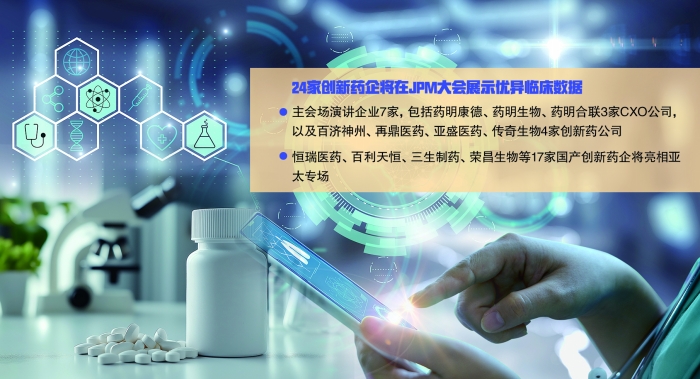
24家中国创新药企JPM大会“秀”实力
Shang Hai Zheng Quan Bao· 2026-01-13 18:34
Core Insights - The 44th JPMorgan Healthcare Conference (JPM 2026) took place from January 12 to 15 in San Francisco, focusing on biotechnology, biopharmaceuticals, and AI in medicine, serving as a significant investment and trading window for the global biopharmaceutical industry [2] Group 1: Market Reactions - Following the announcement of the JPM conference, both A-shares and Hong Kong stocks in the pharmaceutical sector saw a collective surge, with companies like Rongchang Biopharmaceutical, Hongbo Pharmaceutical, and Boji Pharmaceutical hitting the daily limit up in A-shares [2] - In Hong Kong, companies such as Cornerstone Pharmaceuticals, Qiming Medical, and Rongchang Biopharmaceutical also performed notably well [2] Group 2: Clinical Research and Innovations - A total of 24 domestic innovative pharmaceutical companies are set to showcase their clinical data at the JPM conference, with seven companies presenting in the main session, including WuXi AppTec and BeiGene [3] - BeiGene will discuss the progress of its core products, including the widely approved BTK inhibitor, Brukinsa, and its new BCL2 inhibitor, which is the first of its kind approved in China for treating certain lymphomas [3] - Ascentage Pharma will present advancements in its apoptosis pipeline, focusing on inhibitors targeting key proteins involved in cancer treatment [4] Group 3: Business Development and Collaborations - The JPM conference is expected to be a hotspot for business development (BD) transactions, with five BD deals already announced in January, showcasing China's leading position in various technological fields [6] - Rongchang Biopharmaceutical signed an exclusive licensing agreement with AbbVie for its new PD-1/VEGF dual-specific antibody drug, potentially worth up to $5.6 billion [6] - Yilian Biopharmaceutical reached a licensing agreement with Roche for its YL201 project, securing an upfront payment of $570 million and additional milestone payments [6] Group 4: AI in Pharmaceuticals - The rapid development of AI has made it a focal point for many innovative pharmaceutical companies, with firms like Hengrui Medicine and BeiGene integrating AI technologies into their drug development processes [5] - NVIDIA and Eli Lilly announced a $1 billion investment to establish a joint research lab in the San Francisco Bay Area to accelerate AI applications in the pharmaceutical industry [5]