QUANJUDE(002186)

Search documents
全聚德2025年业绩预告净利润下滑超77%,战略转型应对行业挑战
Jing Ji Guan Cha Wang· 2026-02-14 02:34
Core Viewpoint - Company Quanjude (002186) anticipates a significant decline in net profit for 2025, driven by weak recovery in the restaurant industry and cost pressures, while implementing strategic initiatives such as store upgrades and menu innovation to adapt to market conditions [1][2]. Financial Performance - The company forecasts a net profit attributable to shareholders ranging from 6 million to 7.8 million yuan for 2025, representing a decrease of 77.15% to 82.42% compared to the previous year [2]. - The decline in performance is attributed to weak recovery in the restaurant sector, fluctuations in store visitor numbers, fixed cost pressures, and reduced joint investment income, although non-recurring income from asset disposals and government subsidies is expected to positively impact net profit [2]. Strategic Initiatives - The company continues to implement a "restaurant + food" dual-driven strategy, focusing on store scene upgrades, menu innovation, and online business expansion to align with new consumer trends [3]. - Specific initiatives include the thematic restaurant "Jingmeng Wangfujing: Four Seasons Fireworks" and seasonal product iterations, aimed at enhancing brand youthfulness and diversification [3]. Stock Performance - As of February 12, 2026, the company's stock price experienced volatility, declining by 2.00% with a net outflow of 14.1256 million yuan in principal funds [4]. - The third quarter report for 2025 indicated an 11.62% year-on-year decline in revenue, putting pressure on net profit, highlighting the need to monitor the impact of subsequent consumer recovery on performance [4].

全聚德总经理周延龙:以“+餐饮”重构增长边界 | 2026商业新愿景
Jing Ji Guan Cha Wang· 2026-02-13 11:19
Group 1 - The year 2025 is crucial for the Quanjude Group as it aims to solidify its foundation and accumulate momentum amidst challenges in the dining industry, including structural adjustments and differentiated consumer demand [2] - The company is focusing on a dual-driven strategy of "catering + food," enhancing core stores, and creating immersive spaces that integrate traditional Beijing cuisine with urban culture and tourism experiences [2] - Quanjude is leveraging holiday economies to boost consumption, achieving new operational highs in key stores, while also advancing the transformation of dining into food products and expanding sales channels [2] Group 2 - In 2026, the company plans to continue its core concept of "+ catering," deepening the integration of dining with sports, culture, exhibitions, and commercial complexes, transforming meals into cultural experiences and social interactions [3]


从吃什么到怎么吃,体验与场景重构团圆味儿
Xin Jing Bao· 2026-02-12 07:26
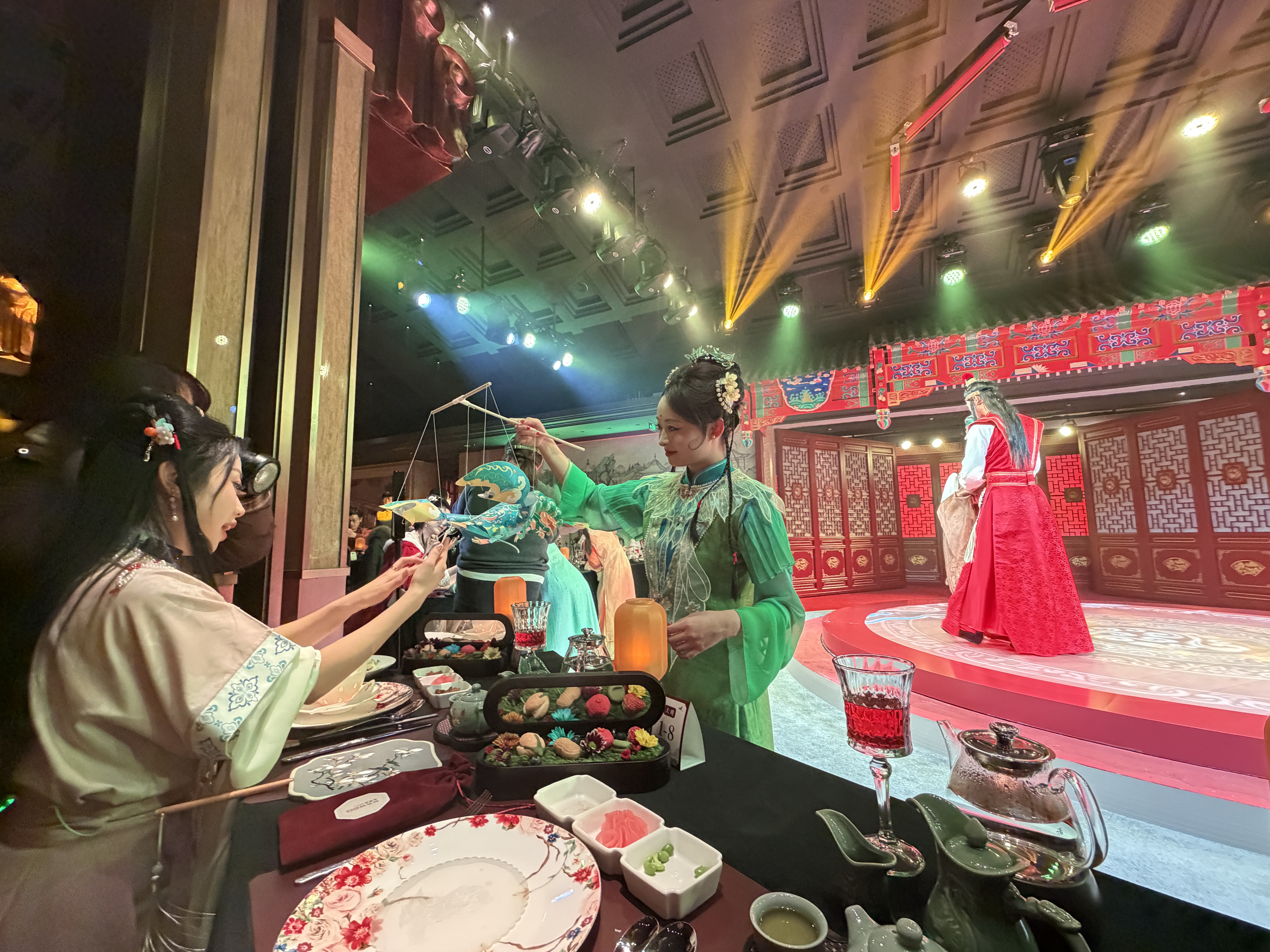
Core Insights - The dining experience during the Spring Festival is evolving from mere sustenance to a focus on cultural immersion, aesthetic space, and ritualistic experiences, with consumers prioritizing how they eat over what they eat [1][2][8] - High-end hotels and traditional brands are collaborating to create unique dining experiences that blend cultural elements with modern culinary techniques, appealing to younger consumers seeking novelty and engagement [3][4][5][8] Group 1: Dining Experience Transformation - The traditional family reunion dinner is shifting towards an experiential model, where cultural themes and interactive elements are central to the dining experience, as exemplified by the "Dream of the Red Chamber" immersive dining event [2][8] - Consumers are increasingly valuing the atmosphere and cultural interaction during meals, leading to a rise in smaller group dining orders compared to traditional large family gatherings [4][8] Group 2: Brand Innovations and Collaborations - Brands like Wangshun Pavilion and Beijing Guomao Hotel are innovating by integrating traditional flavors with modern culinary practices, creating unique menus that attract younger demographics [3][4][5] - Quanjude is launching over 30 new products for the Spring Festival, with 50% being new offerings aimed at younger consumers, emphasizing convenience and cultural significance [5][8] Group 3: Market Trends and Consumer Behavior - The demand for dining experiences has shifted from basic needs to higher-order desires for cultural and emotional value, with younger consumers leading this trend [8] - The integration of dining with cultural and retail experiences is becoming mainstream, as seen in various successful collaborations across the industry [8]
从吃什么到怎么吃,体验与场景重构团圆味儿|年货新趋势
Bei Ke Cai Jing· 2026-02-12 07:25
Group 1 - The core viewpoint of the articles highlights a transformation in the Chinese New Year dining experience, shifting from mere sustenance to an immersive cultural and experiential focus, where atmosphere, cultural significance, and scene-setting are prioritized by consumers [1][15] - The dining experience is evolving with offerings such as the "Dream of Red Mansions" immersive dining show, which combines classical literature with culinary experiences, allowing diners to engage in interactive storytelling while enjoying traditional dishes [2][6] - High-end hotels and traditional brands are collaborating to create unique dining experiences, such as the "Beijing Flavor" tasting menu that merges traditional Chinese ingredients with Western cooking techniques, reflecting a trend towards differentiated dining options [7][15] Group 2 - The consumer demographic for New Year dining is shifting towards younger groups, particularly those aged 20 to 45, who seek unique cultural experiences and strong emotional connections during festive meals [6][15] - The trend of "dining + food" is gaining traction, with traditional brands like Quanjude launching portable and snackable products that cater to various social settings, thus expanding their market reach beyond traditional dining [8][13] - The overall dining landscape is witnessing a fusion of various sectors, with examples like "dining + culture," "dining + food retail," and "dining + tourism," indicating a broader trend of industry integration and collaboration [15]
北京高速服务区新亮点!稻香村全聚德等都备齐了
Bei Jing Ri Bao Ke Hu Duan· 2026-02-12 06:34
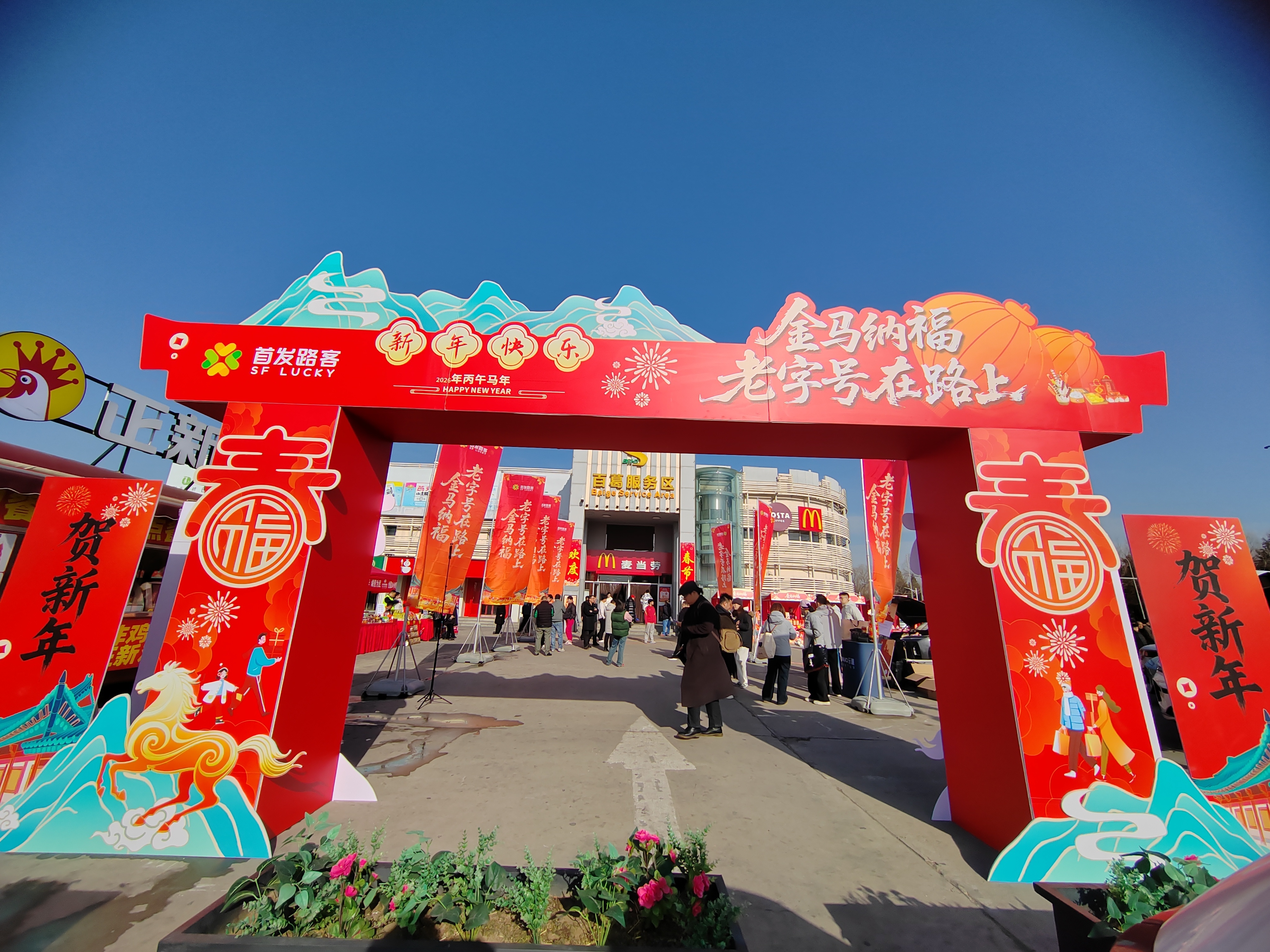
Core Viewpoint - During the Spring Festival travel period, Beijing's highway service areas will feature "Beijing Time-honored Brand" counters, showcasing over 40 well-known brands to enhance travelers' experience and highlight the cultural charm of the capital [1][4]. Group 1: Product Offerings - The initiative includes a variety of products across different categories such as food and beverages, daily necessities, and cultural creative items [1][3]. - Food and beverage brands like Daoxiangcun and Liubiju cater to travelers' high-frequency demands for gifts and ready-to-eat products [3]. - Daily necessities from brands like Hongdu and Daming Eyewear offer practical and culturally distinctive products [3]. - Cultural creative items are themed around famous Beijing landmarks, including products like traditional Beijing porcelain jars and refrigerator magnets [3]. Group 2: Event Activities - The highway service units have planned a "Time-honored Brand Market" event, featuring a new spring market from February 12 to 14, showcasing classic food items from brands like Quanjude and Wangzhihhe [4]. - The event will also include live demonstrations of intangible cultural heritage skills, such as sugar figurine making and paper cutting, along with innovative performances like robotic lion dances [4]. - Previous similar activities during the National Day holiday showed significant success, with average traveler stay times increasing from 10 minutes to over 40 minutes, and a 27% year-on-year increase in dining revenue [4]. Group 3: Additional Offerings - In addition to the main market event, other service areas like the Miyun Service Area on the Jingcheng Expressway and the Fangshan South Parking Area on the Jingxiong Expressway will also feature "Beijing Specialty Zones" to display classic local gifts [7].
食品业务发展再提速 全聚德“手工片制烤鸭”海外首发新加坡
Huan Qiu Wang· 2026-02-12 04:01
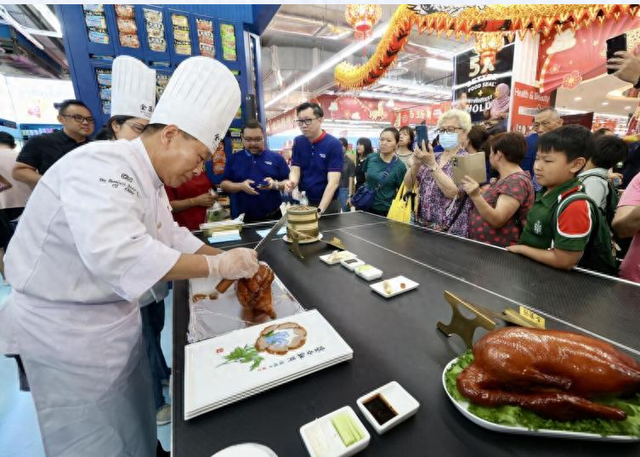
Core Viewpoint - The launch of "Hand-sliced Roast Duck" by Quanjude in Singapore marks a significant step in the brand's internationalization and the popularization of its intangible cultural heritage techniques [5][3]. Group 1: Product Launch and Features - Quanjude's "Hand-sliced Roast Duck" is a retail product that replicates the dining experience, adhering to the national-level intangible cultural heritage technique of Quanjude's roast duck [3]. - The product is crafted through a meticulous process involving traditional wood-fired roasting and is hand-sliced by a master under the supervision of a sixth-generation inheritor, ensuring authentic taste and quality [3]. - It includes classic accompaniments such as pancakes and sauce, aiming to deliver a dining experience comparable to that in restaurants [3]. Group 2: Strategic Importance - The overseas launch of "Hand-sliced Roast Duck" is a key implementation of Quanjude's strategy to transform dining products into retail offerings and to enhance brand internationalization [5]. - Quanjude has been committed to balancing the inheritance of intangible cultural heritage techniques with innovative development, evolving from a single transmission of skills to training the seventh generation of inheritors and welcoming international apprentices [5]. - The company aims to adapt its century-old roast duck to diverse global consumer scenarios while maintaining traditional flavors [5]. Group 3: Market Trends and Business Strategy - The food business has become a crucial component of Quanjude's dual-driven strategy, leveraging its SC production qualifications to ensure food quality [7]. - The company is transforming its dining experience into packaged foods, such as vacuum-sealed roast duck and mooncakes, to reach consumers in various locations [7]. - As the consumer market shifts towards quality, convenience, and emotional value, Quanjude is expanding its food product offerings and retail channels both domestically and internationally [7].
全聚德“手工片制烤鸭”海外首发新加坡,食品业务发展再提速
Quan Jing Wang· 2026-02-11 10:49
Core Viewpoint - The launch of "Hand-sliced Roast Duck" by Quanjude marks a significant step in the company's strategy of product innovation and international brand expansion, aiming to bring traditional Chinese cuisine to a global audience [1][2] Group 1: Product Innovation - "Hand-sliced Roast Duck" is a retail product that replicates the dining experience, adhering to the national intangible cultural heritage of Quanjude's roasting technique [1] - The product is crafted through a meticulous process involving traditional roasting and low-temperature freezing to preserve the authentic taste and texture of the duck [1] - Quanjude's commitment to innovation is evident as it continues to adapt its offerings to meet the preferences of younger consumers while maintaining traditional flavors [1] Group 2: International Expansion - The overseas launch of the product is a key milestone in Quanjude's strategy for brand internationalization and the popularization of its intangible cultural heritage [2] - The company aims to collaborate with global partners to make Quanjude roast duck a shared culinary classic across diverse consumer demographics [2] - Quanjude's food business has become a crucial component of its dual-driven strategy, focusing on quality assurance and transforming dining experiences into packaged food products [2] Group 3: Market Trends - The current consumer market is shifting towards quality, convenience, and emotional value, prompting Quanjude to expand its food product offerings [2] - The company is actively broadening its consumer engagement through the release of new products domestically and breaking into overseas retail channels [2]
市商务局负责人:诚邀八方客,感受北京消费新活力
Xin Jing Bao· 2026-02-10 12:29
Core Viewpoint - The Beijing consumption market is vibrant and unique during the Spring Festival, showcasing a blend of traditional culture and modern experiences, inviting visitors to enjoy its charm and new vitality [1]. Group 1: Characteristics of Beijing's Consumption Market - The market features a rich cultural experience, allowing visitors to appreciate both the solemn elegance of royal celebrations at places like the Forbidden City and Temple of Heaven, as well as the lively atmosphere of traditional hutongs and modern art exhibitions [2]. - Culinary offerings are abundant, ranging from time-honored brands like Quanjude and Donglaishun to innovative local eateries, ensuring that visitors enjoy a warm and satisfying gastronomic experience [2]. - Winter sports activities, benefiting from the legacy of the Winter Olympics, provide diverse and enjoyable experiences for visitors, enhancing the charm of Beijing's winter [2]. - The city has improved its commercial facilities and deepened the integration of online and offline services, creating a more convenient and pleasant shopping environment for consumers [2]. Group 2: Measures for Ensuring Market Supply and Consumer Confidence - The city's business system has proactively prepared for the festival by ensuring sufficient supply and stable prices for essential goods, collaborating with various departments to create unique consumption scenarios and activities [2]. - Efforts are being made to maintain market order in collaboration with regulatory bodies, ensuring that visitors can shop with confidence and enjoy their holiday [3]. - The city is ready to welcome visitors with sincere offerings, abundant supplies, and high-quality services, allowing them to experience both traditional customs and modern innovations [3].

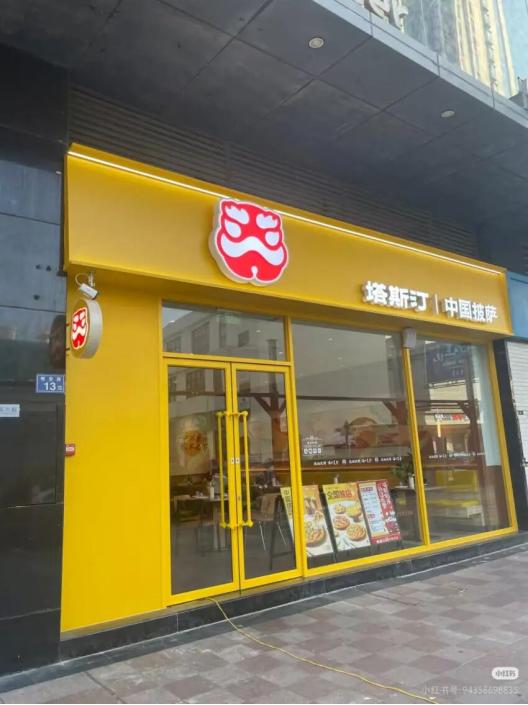
中国大佬,集体改造“披萨”
3 6 Ke· 2026-02-09 23:45
Group 1 - Chinese restaurant giants are collectively transforming pizza, integrating local flavors and cultural elements into the product offerings [1][14] - Tastin is applying its successful model from the "Chinese hamburger" sector to the pizza category, focusing on local ingredients and affordable pricing [2][20] - The company aims to capture a significant share of the rapidly growing pizza market, projected to exceed 50 billion yuan this year, with a pricing strategy that keeps individual pizzas under 30 yuan [4][19] Group 2 - Haidilao is leveraging its strong supply chain capabilities to explore a new fast-food model with its brand "Xiao Hai Ai Zha · Chinese Pizza," introducing regional flavors into its offerings [6][24] - The pricing strategy for Haidilao's pizzas is positioned at a moderate level, focusing on unique flavors rather than engaging in price wars [10][27] - Ziguangyuan, a century-old brand, has successfully attracted younger consumers by innovating traditional dishes into pizza formats, such as the "Milk Skin Roast Duck Pizza" [12][36] Group 3 - The pizza market in China is characterized by a large scale and low concentration, providing ample opportunities for innovation and growth [15][19] - The market is expected to surpass 60.8 billion yuan by 2025, with a significant portion of growth coming from lower-tier cities [18][19] - Established players are replicating their successful business models in the pizza sector, as seen with Tastin's approach [20][22] Group 4 - The trend of affordable dining is driving the pizza category to penetrate deeper into everyday fast food consumption [27][28] - The adaptability of pizza as a meal option aligns with the growing demand for convenient and shareable food [28][36] - The transformation of Western fast food into a localized format reflects a significant shift in market dynamics, with Chinese brands now defining the rules of the game [28][39]

老字号玩转“新国潮”
Xin Lang Cai Jing· 2026-02-09 16:13
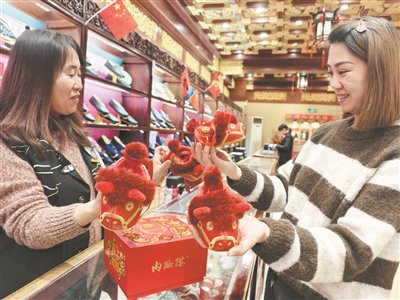
Group 1 - The core idea of the article highlights the transformation of traditional Beijing brands, which are innovating through cross-industry collaborations and scene innovations to attract younger consumers during the Spring Festival [4][5]. - Beijing Daoxiangcun has launched a new "Jingwei Western Pastry" series, including the "Little Horse Mousse," which has quickly become popular among consumers [4]. - The "Zao Hua Su" cultural creative products from Daoxiangcun, such as pillows and decorative items, are in high demand, drawing many consumers to visit [4][5]. Group 2 - The "Ma Year" themed shoes designed by the intangible cultural heritage master team at Neiliansheng are characterized by cute designs and fine craftsmanship, symbolizing good fortune for the New Year [5]. - Traditional brands in Beijing are increasingly adopting fashionable approaches, blending styles to create a "New National Trend," which resonates well with younger audiences [5]. - The Bai Ta Si pharmacy features a "Yao Coffee" shop offering unique health drinks and products that appeal to young consumers, showcasing the integration of traditional culture with modern lifestyle [5].