BABA(BABA)

Search documents
大厂AI竞速,争抢超级入口|TMT年度盘点
经济观察报· 2026-02-15 02:55
Core Viewpoint - By 2025, the paradigm, value, and capabilities of AI will be fully confirmed, leading to significant technological investments, competitive differentiation, and market segmentation in 2026 [1][3]. Group 1: Industry Trends - The technology and internet sectors are experiencing rapid changes, with major companies competing fiercely in computing power and large model applications [2]. - Companies are shifting from a focus on technology arms races to defining scenarios for technology application, emphasizing the need to reconstruct existing business loops or create new interaction entry points [5]. Group 2: Major Company Strategies - Tencent, Alibaba, and ByteDance are heavily investing in AI, with Tencent's annual investment reaching hundreds of billions, Alibaba planning to invest 380 billion over three years, and ByteDance's capital expenditure projected to increase from 150 billion in 2025 to 160 billion in 2026 [3][4]. - Alibaba is developing its own AI chip and deploying large-scale clusters to serve over 400 clients, while Tencent is procuring GPUs and establishing AI research centers [3][4]. Group 3: Market Dynamics - The competition is intensifying, with companies like ByteDance developing their own AI chips and achieving significant daily usage metrics for their models [4]. - The narrative around computing power is shifting, with a focus on achieving greater value from lower energy costs, as exemplified by Alibaba's cloud initiatives [4]. Group 4: Future Outlook - 2026 is anticipated to be a watershed year, with the emergence of multi-modal foundational models leading to a Matthew effect, where only a few general intelligent agents will prevail [5].




从米兰巨幅广告到快闪店,冬奥迎来史上最多中国顶级赞助商
第一财经· 2026-02-15 01:23
Core Viewpoint - The article highlights the significant presence and impact of Chinese brands as TOP sponsors at the Milan-Cortina Winter Olympics, showcasing the evolving landscape of sports marketing and sponsorship dynamics in the context of global sporting events [5][15]. Group 1: Sponsorship Landscape - The Milan-Cortina Winter Olympics features a record number of Chinese brands as TOP sponsors, with TCL, Alibaba, and Mengniu participating, marking the highest representation of Chinese sponsors in Olympic history [5][15]. - The TOP sponsorship program is crucial for the financial support of the Olympics, with companies paying over $300 million per cycle, contributing significantly to the International Olympic Committee's revenue [12]. - The article notes that the TOP sponsorship program has seen a shift in participants, with traditional sponsors like Panasonic and Toyota exiting, while new entrants like TCL and Budweiser are filling the gaps [17][18]. Group 2: Marketing and Brand Visibility - Major sponsors have utilized prominent advertising spaces in Milan, with TCL securing the largest outdoor billboard, showcasing their products alongside Olympic themes [7][10]. - The presence of sponsors extends beyond advertising, as they provide services and products within the Olympic Village, enhancing the experience for athletes and staff [10][11]. - The article emphasizes the importance of sports marketing for brand recognition, with TCL's market share in Italy growing by approximately 50% due to their Olympic sponsorship efforts [20]. Group 3: Technological Integration - The integration of new technologies, such as AI and cloud services, is highlighted as a key trend among sponsors, enhancing the viewing experience and operational efficiency during the Olympics [18][20]. - Alibaba's AI assistant and TCL's advanced display technologies are examples of how sponsors are leveraging innovation to improve engagement and service delivery at the event [11][18]. Group 4: Economic Impact and Market Strategy - The article discusses the economic implications of the Olympics for sponsors, noting that brands are seeking to expand their global presence through strategic marketing initiatives tied to the event [20]. - Companies like TCL are adapting their strategies to local market conditions in Italy, recognizing the diverse economic landscape and competitive environment [20].



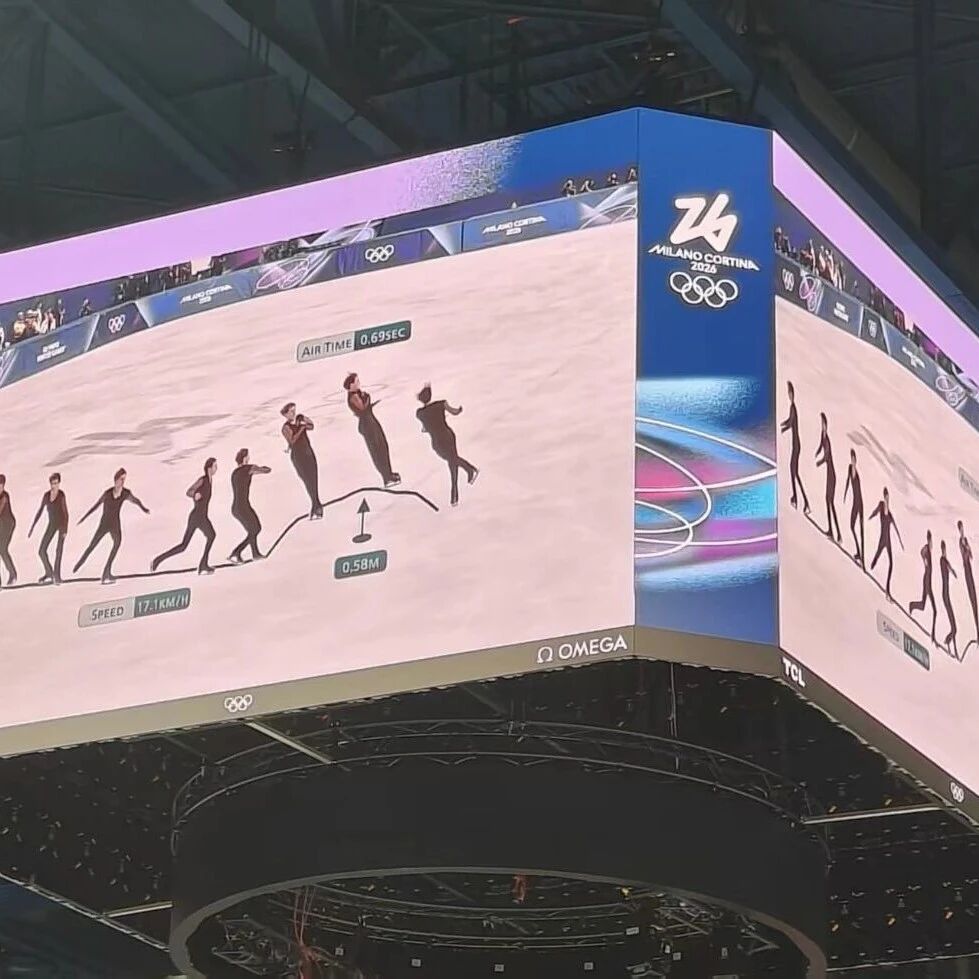
杜绝内卷式竞争,市场监管总局约谈7家平台
Xin Lang Cai Jing· 2026-02-15 01:08
Core Viewpoint - The State Administration for Market Regulation (SAMR) has summoned major platform companies including Alibaba, Douyin, Baidu, Tencent, JD.com, Meituan, and Taobao Shanguo to ensure compliance with various laws and regulations, emphasizing the need for fair competition and innovation in the platform economy [1] Group 1: Regulatory Compliance - The platform companies are required to strictly adhere to the Anti-Unfair Competition Law, Price Law, Consumer Rights Protection Law, and E-commerce Law of the People's Republic of China [1] - Companies are urged to take proactive responsibility in implementing these regulations to enhance their promotional practices [1] Group 2: Market Environment - The SAMR has highlighted the importance of eliminating "involution" competition among platforms to maintain a fair competitive market environment [1] - The initiative aims to promote innovation and healthy development within the platform economy [1]


【财经早报】关于AI应用等,华为新合作
Zhong Guo Zheng Quan Bao - Zhong Zheng Wang· 2026-02-15 00:28
Group 1: Financial Support for Rural Enterprises - The People's Bank of China and other regulatory bodies issued an opinion to enhance financial support mechanisms for rural enterprises, aiming to help them utilize multi-level capital markets for financing [1] - The policy includes a "green channel" for companies registered in former poverty-stricken areas to facilitate their listing, and supports refinancing through various methods such as additional issuance and convertible bonds [1] - The initiative also promotes the listing of futures and options for specialty agricultural products, providing risk management tools tailored to rural industry needs [1] Group 2: Regulatory Actions on Major Platforms - The State Administration for Market Regulation held discussions with major platform companies including Alibaba, Douyin, and Tencent, urging them to comply with the Anti-Unfair Competition Law and to avoid "involution" in competition [2] - The aim is to foster a fair competitive market environment and promote innovation and healthy development within the platform economy [2] Group 3: Industry Developments - The Ministry of Industry and Information Technology released guidelines for the tea industry, targeting a total industry scale of 1.5 trillion yuan by 2030, with the goal of cultivating over five tea industry clusters with annual revenues exceeding 10 billion yuan by 2028 [2] - The guidelines emphasize modernization of the industry chain and the development of diverse product types and consumption scenarios [2] Group 4: Corporate Collaborations - Huawei signed a cooperation agreement with Shandong Haohua Group to collaborate on digital transformation, AI applications, and smart mining, aiming for high-quality business development [4] Group 5: Corporate Penalties and Developments - ST Cube was penalized by the Anhui Securities Regulatory Bureau for significant financial misconduct, including inflated revenue through false trading practices, resulting in a fine of 10 million yuan and potential delisting [5] - Xiamen Rural Commercial Bank was fined 6.05 million yuan for governance and management failures across various business operations [5] Group 6: AI and Technology Advancements - ByteDance launched the Doubao Model 2.0, featuring significant upgrades in multi-modal understanding and enterprise-level capabilities, marking a major advancement since its initial release [5] - The AI sector is experiencing explosive growth, particularly among internet giants competing in the AI space, which is straining backend infrastructure and highlighting the scarcity of computing resources [7]
发春节红包的大厂都被约谈了
Jing Ji Guan Cha Wang· 2026-02-15 00:12
Core Viewpoint - The Chinese market regulator has conducted a centralized interview with major platform companies, including Alibaba, Douyin, Baidu, Tencent, JD.com, Meituan, and Taobao Shanguo, to regulate promotional activities and eliminate "involution" competition. This coincides with the release of the "Internet Platform Antitrust Compliance Guidelines," which outlines four categories of antitrust risks [2][3]. Group 1: Regulatory Actions - The market regulator's interview with the seven platform companies is seen as a follow-up action to the implementation of the new guidelines [3]. - The guidelines specifically address monopolistic agreements, abuse of market dominance, operator concentration, and the misuse of administrative power to restrict competition [2]. Group 2: Promotional Activities - All seven platform companies have recently announced significant cash red envelope campaigns for the Spring Festival, with Tencent and Baidu leading the charge by offering 10 billion yuan and 5 billion yuan, respectively [4]. - Alibaba has committed 30 billion yuan to its "Spring Festival Treat Plan," while JD.com plans to distribute 30 billion yuan in red envelopes on New Year's Eve [4]. - The total planned red envelope distribution from Tencent, Baidu, Alibaba, and JD.com for the 2026 Spring Festival exceeds 7.5 billion yuan [4]. Group 3: Antitrust Risks - The guidelines identify eight new types of monopolistic risks specific to the platform economy, including algorithm collusion, unfair pricing, and discriminatory treatment [5]. - The guidelines emphasize the need for platform operators to ensure fair rules, ethical algorithms, and compliant competition [5]. Group 4: Industry Insights - Industry insiders suggest that while issuing red envelopes is not inherently problematic, it could lead to harmful subsidies or discriminatory practices if not managed properly [6]. - The competition for traffic has expanded from e-commerce to AI platforms, presenting new regulatory challenges that require monitoring for algorithmic collusion and exclusionary practices [6].
从米兰巨幅广告到快闪店 冬奥迎来史上最多中国顶级赞助商
Di Yi Cai Jing· 2026-02-14 23:49
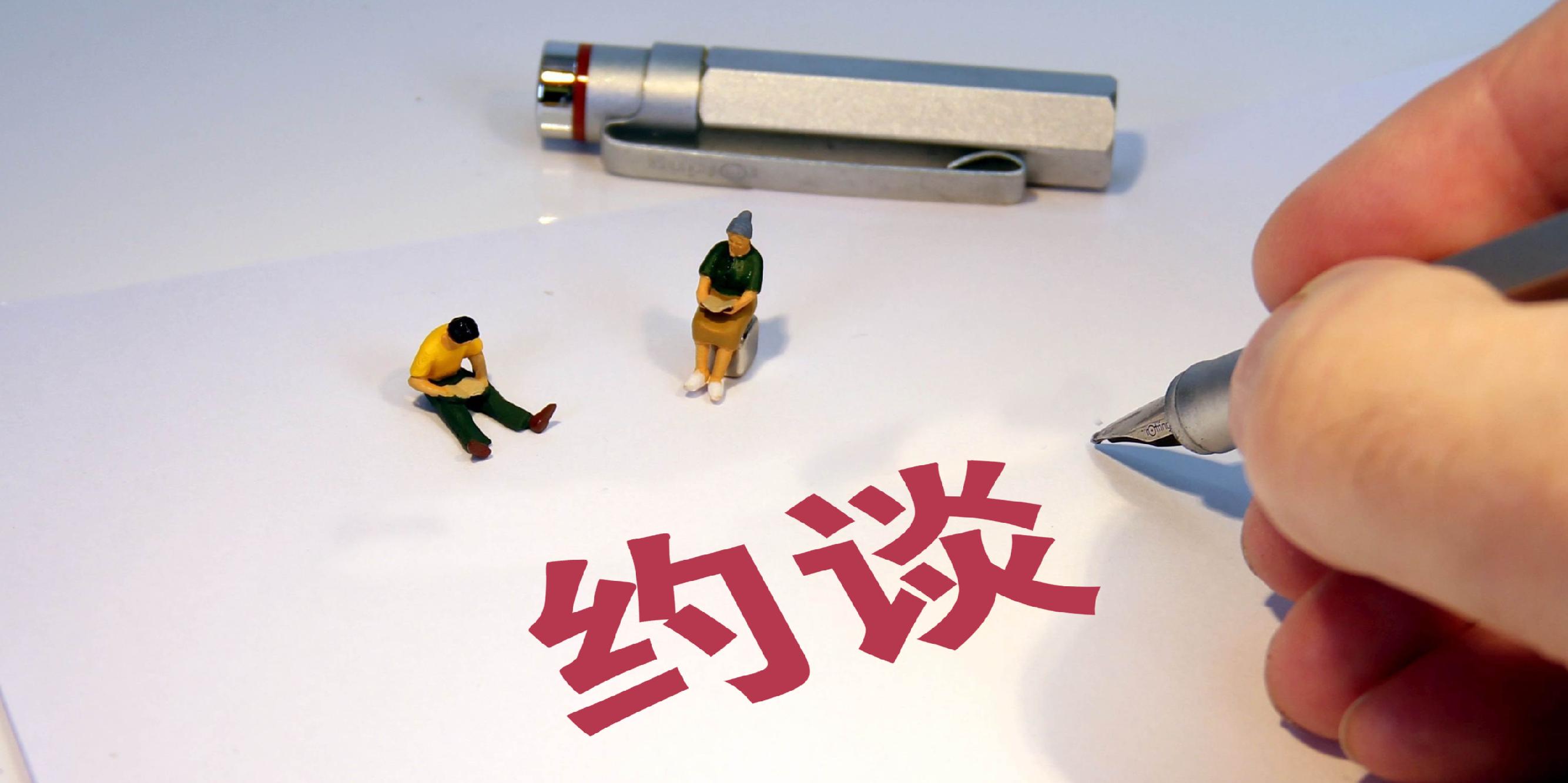
Core Insights - The Milan-Cortina Winter Olympics is showcasing a strong presence of global brands, particularly Chinese sponsors, marking a significant moment in sports marketing [1][7]. Group 1: Sponsorship and Advertising - Major sponsors like TCL, Alibaba, and Coca-Cola are leveraging the Olympics for extensive advertising, with TCL securing the largest outdoor billboard in Milan [1][2]. - The city has transformed into a winter Olympics-themed venue, with advertisements from various sponsors visible in public spaces, including bus stops and tram bodies [2]. - The current Winter Olympics features 12 TOP sponsors, including three from China, highlighting the increasing influence of Chinese brands in global sports [3][7]. Group 2: Services and Products Provided by Sponsors - TOP sponsors are not only providing financial support but also services, such as TCL setting up a lounge in the Olympic Village equipped with their products [4]. - Other sponsors like Alibaba and Procter & Gamble are also providing unique experiences and products for athletes, enhancing the overall Olympic experience [4]. - The use of advanced technology, such as AI and cloud services, is evident in the broadcasting and event management, with Alibaba's AI assistant deployed for operational support [9]. Group 3: Economic Impact and Market Dynamics - The TOP sponsorship program is a significant revenue source for the International Olympic Committee, with companies paying over $300 million per cycle [6]. - The financial contributions from TOP sponsors are crucial for the organization and development of Olympic events globally [5]. - TCL's market share in Italy has grown by approximately 50%, indicating the effectiveness of sports marketing in enhancing brand recognition [10]. Group 4: Changes in Sponsorship Landscape - The upcoming Paris Olympics will see a shift in the sponsorship landscape, with several long-standing sponsors exiting the TOP program, creating opportunities for new entrants [8]. - The departure of traditional sponsors reflects a broader trend of industry transformation, with a focus on new technologies and market dynamics [8]. - The increasing presence of Chinese brands in the TOP sponsorship ranks signifies a shift in global commercial power within the Olympic framework [7].
从米兰巨幅广告到快闪店,冬奥迎来史上最多中国顶级赞助商
Di Yi Cai Jing· 2026-02-14 23:45
Core Insights - The Milan-Cortina Winter Olympics has become a significant platform for commercial competition among global brands, with a strong presence of sponsors in the city and at the events [1][3][12] Group 1: Sponsorship and Advertising - Major sponsors like TCL, Alibaba, and Coca-Cola are part of the Olympic Top Partners (TOP) program, with this edition featuring the highest number of Chinese brands as TOP sponsors [3][12] - The city of Milan has transformed into a Winter Olympics-themed venue, with prominent outdoor advertisements from sponsors like TCL and Samsung, showcasing their products alongside Olympic imagery [4][5] - The TOP program includes 12 sponsors, with significant representation from both Chinese and American companies, highlighting a shift in commercial power dynamics [5][12] Group 2: Brand Engagement and Experience - Sponsors have created interactive experiences for athletes and visitors, such as TCL's lounge in the Olympic Village featuring their products and Alibaba's interactive booth [6][8] - The use of advanced technology, including AI and cloud services, enhances the viewing experience and operational efficiency during the Olympics, with Alibaba and TCL playing key roles [14][16] Group 3: Financial Impact and Revenue - The TOP program is a crucial revenue source for the International Olympic Committee (IOC), contributing significantly to the funding of the Olympics and global sports development [8][9] - Historical data shows that the TOP program's revenue share has increased from 30% to 36% in recent Olympic cycles, indicating its growing importance [9] Group 4: Market Expansion and Strategy - Companies like TCL are leveraging the Olympics to expand their international market presence, particularly in Italy, where they have seen substantial growth in market share [16] - The competitive landscape is shifting, with traditional brands exiting the TOP program and new technology-focused companies gaining prominence, reflecting changes in consumer preferences and market dynamics [13][16]
阿里巴巴AI战略加速推进,云智能业务收入增长强劲
Jing Ji Guan Cha Wang· 2026-02-14 18:08
Business and Technology Development - Alibaba's AI application Qianwen App achieved over 10 million downloads in its first week of public testing, with the Cloud Intelligence Group's revenue continuing to grow due to AI demand [1] - The company plans to invest 380 billion yuan in cloud and AI infrastructure over the next three years, with the possibility of additional investments [1] Performance and Operating Conditions - For the first quarter of fiscal year 2026 (April to June 2025), Alibaba reported revenue of 247.65 billion yuan, with the Cloud Intelligence Group's revenue increasing by 26% year-on-year, and AI-related product revenue achieving triple-digit growth for several consecutive quarters [2] - Investors should monitor upcoming quarterly earnings releases to assess the monetization effects of AI investments [2] Strategic Advancement - Over the past four quarters, Alibaba's capital expenditure on AI and cloud infrastructure amounted to approximately 120 billion yuan, with 31.5 billion yuan spent in the second quarter of fiscal year 2026, representing an 80.1% year-on-year increase [3] - The company is optimizing its capital allocation by divesting non-core assets and promoting IPOs of invested enterprises, such as MiniMax and Changxin Technology, to focus on the AI sector [3] Business Progress - Following the release of Quark AI glasses in November 2025, Alibaba continues to enhance its consumer application matrix, including the AI upgrade of Gaode Map and the transformation driven by DingTalk Agent, strengthening the synergy between AI, e-commerce, and local services [4] - These initiatives may impact future user experience and revenue structure [4]
AI超级入口争夺及变现开启:一场关乎未来生态的生死博弈
Sou Hu Cai Jing· 2026-02-14 17:28
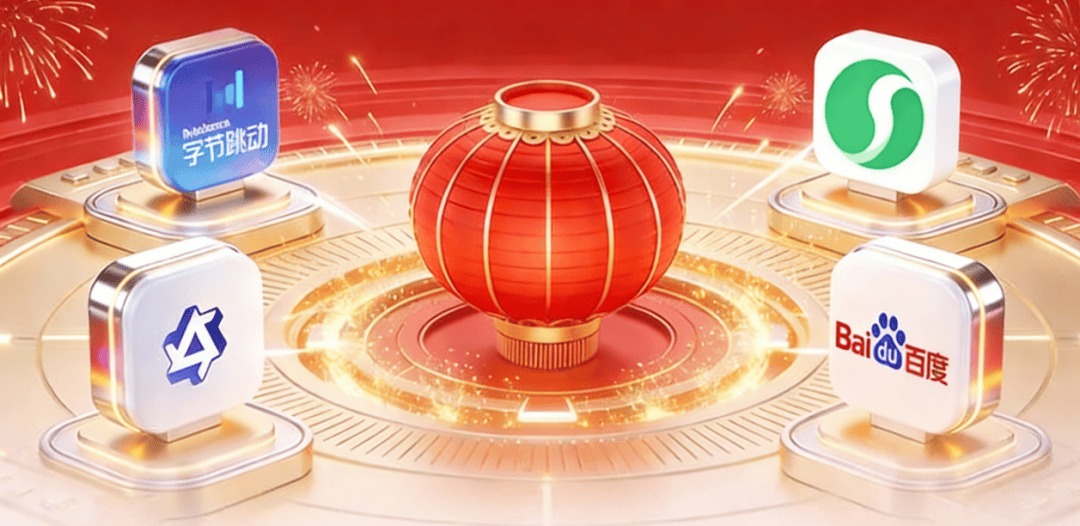
Core Insights - Major tech companies are investing heavily in AI platforms, with Alibaba, Tencent, and Baidu collectively spending over 45 billion yuan to attract new users during the 2026 Spring Festival [2][8] - The marketing strategies have evolved from simple cash giveaways to more sophisticated methods that include subsidies, scenario binding, and social sharing, reflecting a shift from technical competition to ecosystem development [2][4] Group 1: Investment and Marketing Strategies - Tencent initiated the competition by distributing 10 billion yuan in cash red envelopes, leveraging its social ecosystem with over 1.4 billion monthly active users to enhance user engagement [3] - Baidu followed with 5 billion yuan in red envelope benefits, integrating its AI product with its existing app ecosystem to capture new traffic [3] - Alibaba's strategy involved offering 30 billion yuan in vouchers through its app, which connects various services within its ecosystem, enhancing user experience and engagement [3] Group 2: Evolution of AI Applications - AI applications are transitioning from basic functionalities to becoming integral parts of daily life, evolving into comprehensive digital assistants that can handle various tasks beyond simple queries [4][7] - The competition is moving towards embedding AI deeply into everyday scenarios, making it a necessity rather than an optional feature [7][12] Group 3: Future Implications and Competitive Landscape - The current marketing tactics are seen as a short-term strategy for user acquisition, with the real challenge being user retention post-subsidy [9][12] - The battle for AI dominance is not just about immediate user engagement but about establishing a long-term operational system that can integrate various services seamlessly [9][17] - Companies that can effectively create a reliable and compliant AI ecosystem will likely emerge as leaders in the global market, as the competition extends beyond local user engagement to include technological sovereignty and adaptability [16][17]
奔驰中国 CEO 段建军辞职,市场监管总局约谈阿里等互联网企业,豆包大模型2.0发布,法拉第未来机器人月底交付,这就是今天的其他大新闻!
Sou Hu Cai Jing· 2026-02-14 16:49
Group 1: Leadership Changes in Automotive Industry - The CEO of Mercedes-Benz China,段建军, has resigned for personal reasons, effective March 1, 2026, transitioning to a strategic advisor role until April 30, 2026 [4] - 李德思, with over 20 years of experience at Mercedes-Benz, will take over as the new CEO starting March 1, 2026 [4] - 段建军 has been instrumental in maintaining China's position as the largest single market for Mercedes-Benz for over a decade [4] Group 2: Regulatory Actions in the Tech Industry - The State Administration for Market Regulation has summoned major platform companies including 阿里巴巴, 抖音, 百度, and others to ensure compliance with the Anti-Unfair Competition Law [6] - Companies are urged to eliminate "involution" competition and promote a fair market environment to foster innovation and healthy development in the platform economy [6] Group 3: Advancements in AI Technology - 字节跳动 has announced the launch of Doubao 2.0, which includes systematic optimizations for large-scale production environments, enhancing capabilities in multi-modal understanding and complex task execution [8] - The Doubao 2.0 series features three general agent models and a code model, with the Pro version aimed at deep reasoning and long-chain task execution, competing with GPT 5.2 and Gemini 3 Pro [8] Group 4: Robotics Development - 法拉第未来 has introduced its first series of embodied intelligent robots, with non-refundable, non-binding pre-orders now open, and first deliveries expected by the end of this month [11] - The robot series includes the Futurist series (full-size professional humanoid robots), Master series (athletic humanoid robots), and Aegis series (security and companion quadrupedal robots) [11]