LI AUTO(LI)

Search documents
“卖得不好”的门店开始关闭,理想汽车进入转型阵痛期
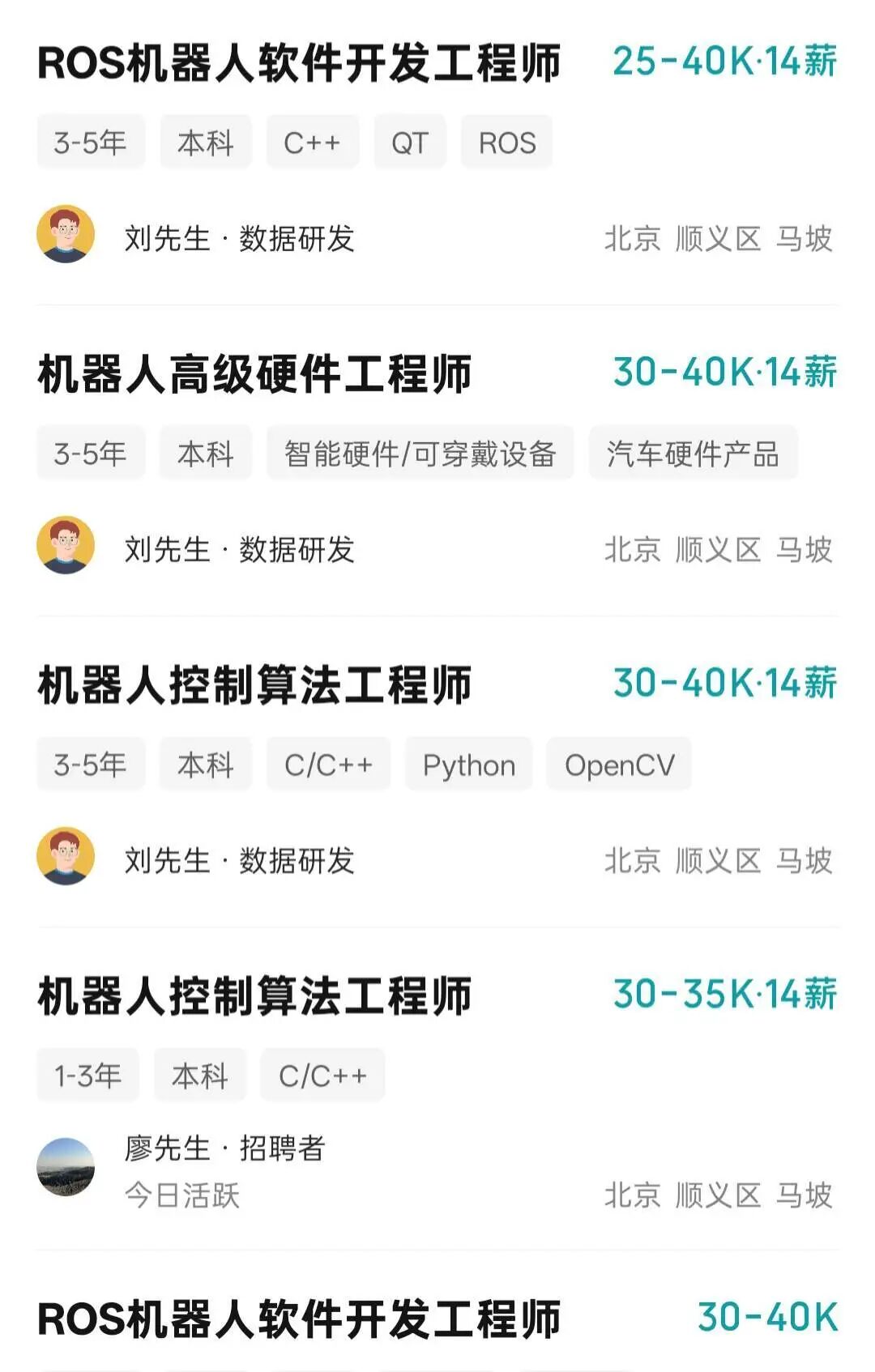
Guo Ji Jin Rong Bao· 2026-01-28 13:10
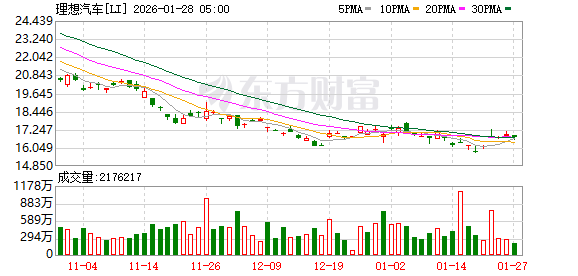
曾凭借增程车型稳居新势力头部的理想汽车,陷入了前所未有的压力。 近期,有消息称理想将在2026年上半年关闭100家低效门店,同时当前理想常州工厂处于不饱和的工作 状态,消息一出立马得到市场关注。 对于门店关闭的消息,理想选择辟谣,公司方面表示,近期网络上出现关于理想汽车出现批量闭店、裁 员的舆情,均为不实信息。今年公司会针对少量能效较低的商超门店关停,但不涉及批量关闭情况。 但对于当前工厂状态,理想并未进行说明。 一边是"关闭100家门店"的传闻发酵,一边是常州工厂产能冷热不均的现实困境,叠加销量同比下滑、 产品战略摇摆的难题,这家车企正经历成立以来艰难的转型阵痛。 虽然理想辟谣了关店100家的说法,但其闭店的行为确在进行中。 近日,《国际金融报》记者发现位于上海浦东陆家嘴中心的理想门店已经关闭。世纪汇购物中心理想门 店工作人员向《国际金融报》记者透露,前述理想汽车零售门店确实已于1月14日关门,两家门店距离 仅3公里。 据上述销售人员介绍,老佛爷门店关闭的直接原因是 "卖得不好":"虽然MEGA车型在这家店的销量算 不错,但和 i6、i8 这些主力车比差太多。"更关键的是区位缺陷——该门店周边居民密度低,且 ...

理想汽车站在“理想”的十字路口
Zhong Guo Jing Ying Bao· 2026-01-28 12:48
Core Viewpoint - Li Auto is strategically shifting its focus towards artificial intelligence and humanoid robotics while closing underperforming retail stores to enhance operational efficiency and reduce costs [2][4][5] Group 1: Store Closures and Strategic Shift - Li Auto announced plans to close a small number of low-efficiency retail stores by 2026, but emphasized that this will not involve mass closures [2] - The company is transitioning from a focus on "new energy" to "intelligent" strategies, indicating a long-term organizational restructuring [2][4] - As of November 30, 2025, Li Auto had a retail network of 544 centers, 170 delivery centers, and 556 service centers across 230 cities [3] Group 2: Performance and Market Strategy - In 2025, Li Auto delivered 406,300 vehicles, a year-on-year decline of 18.81%, failing to meet its target of 640,000 deliveries [4] - The company faced profitability challenges, reporting a net loss of 624 million yuan in Q3 2025 due to a recall event [4] - Li Auto's previous growth model, based on rapid expansion and market penetration, is nearing its limits as competition increases and market growth slows [5] Group 3: Future Focus and AI Investment - Li Auto is restructuring its product lines from three to two, aiming for efficiency and market coverage [6] - The company is reinforcing its brand positioning around "embodied intelligence" and is venturing into humanoid robotics [6][7] - Li Auto's CEO has indicated a commitment to maintaining high R&D investments, particularly in AI, even during challenging sales periods, viewing this as a long-term strategic bet [7]

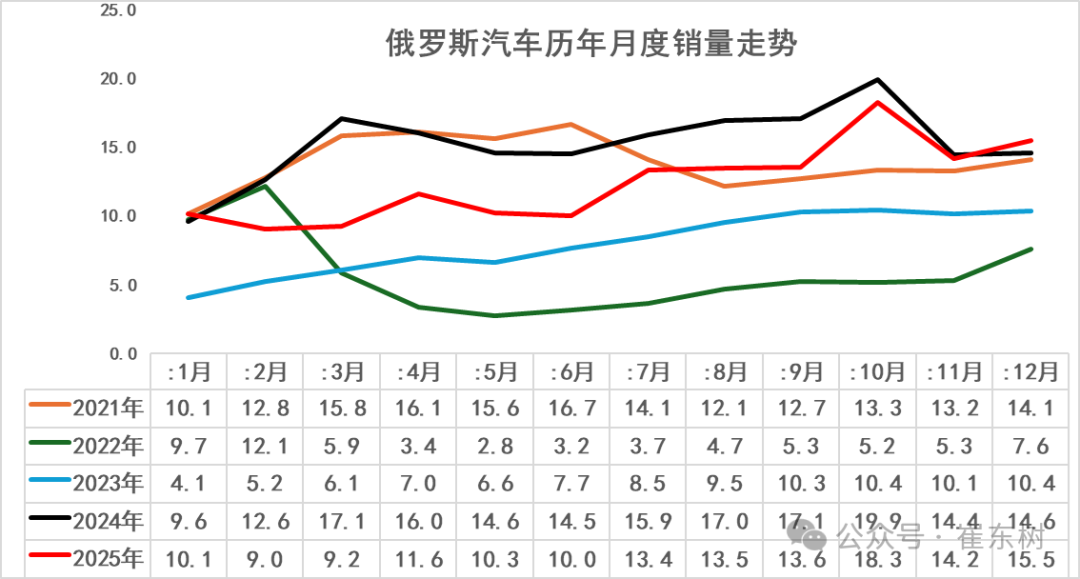
崔东树:2025年1-12月俄罗斯的中国自主车企份额回升到57.2%
智通财经网· 2026-01-28 12:26
Group 1 - The core viewpoint of the articles indicates that the Russian automotive market is experiencing a complex recovery, with significant fluctuations in sales and a notable increase in the market share of Chinese automotive brands [1][8][14] - In December 2025, Russian automotive sales are projected to reach 150,000 units, reflecting a year-on-year increase of 6%, while the total sales for the year are expected to decline by 19% to 1.49 million units [1][8] - Chinese automotive companies have significantly increased their market share in Russia, reaching 57.2% in December 2025, with a notable recovery from previous lows [1][16] Group 2 - The Russian automotive market has shown volatility, with sales dropping to around 30,000 units during the peak of the Ukraine crisis in 2022, but recovering to approximately 100,000 units per month in 2023 [5][8] - The market is undergoing a transformation due to policy changes, including increased import tariffs and local production incentives, which have reshaped the competitive landscape [6][12] - Chinese automotive companies are adapting to the Russian market by enhancing local production, improving supply chain resilience, and developing products suited for extreme weather conditions [2][12] Group 3 - The sales of Chinese automotive brands in Russia have surged from 157,000 units in 2021 to 1.28 million units in 2024, indicating a strong response to the market gap left by exiting foreign brands [11][14] - The local production strategy has been emphasized, with Chinese companies establishing regional production bases and increasing local parts sourcing to mitigate tariff impacts [2][12] - The overall market dynamics are shifting towards lower-powered models and domestic brands due to the rising costs of imported vehicles and changing consumer preferences [6][12]




理想i6延期方案
理想TOP2· 2026-01-28 12:25
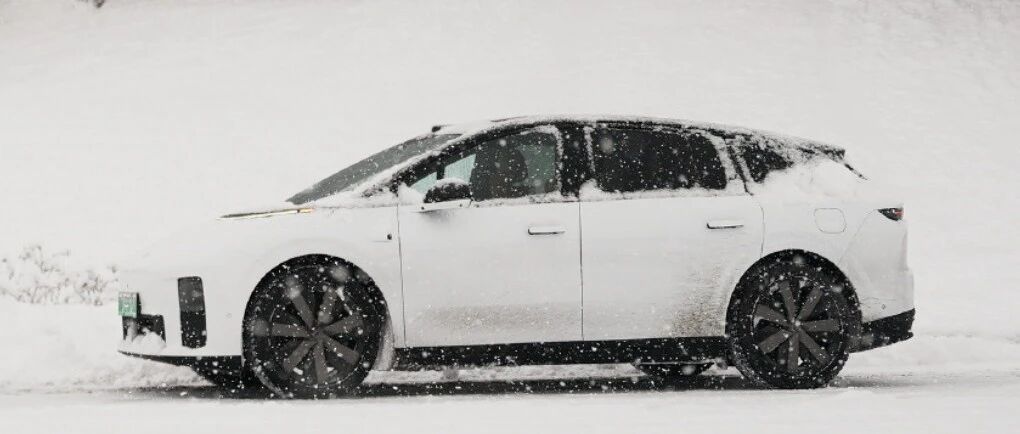
Core Viewpoint - The company acknowledges delays in the delivery of the Li Auto i6 due to production capacity issues and aims to provide clearer delivery timelines to alleviate customer anxiety [1]. Delivery Time Update - The latest production schedule indicates that orders are expected to be delivered within 4-6 weeks from now, with updates provided through the Li Auto App by January 28, 2026 [2]. Customer Options - To minimize the impact on customers' vehicle plans, the company offers several options: 1) Customers can continue to wait for the Li Auto i6 and will receive daily points as compensation for delays, with a maximum accumulation of 20,000 points [3]. 2) Customers can opt to switch to the XWANDA battery version for earlier delivery, with an additional 2-year or 40,000 km battery warranty for enhanced assurance [4]. 3) Customers can change their order to other available models (Li Auto L series, Li Auto i8, Li Auto MEGA) by February 14, receiving a cash subsidy of 10,000 yuan, with specific conditions regarding ownership transfer [5].
为什么L3还没正式上路,汽车公司却要直接跳过?
3 6 Ke· 2026-01-28 12:04
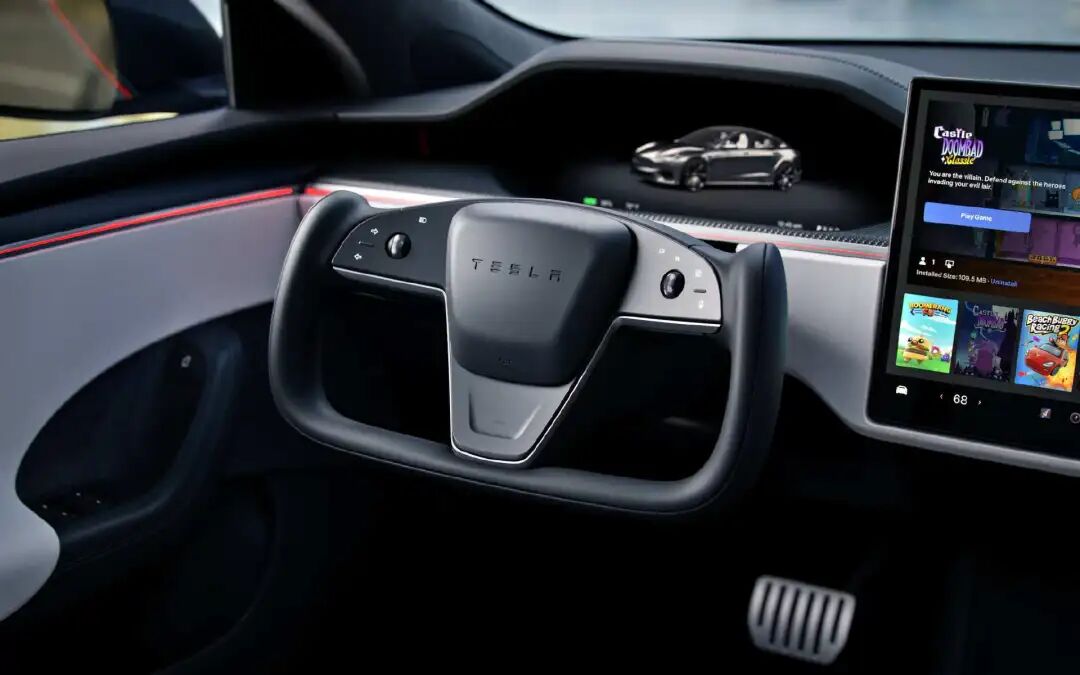
Group 1 - The automotive industry is divided on the approach to L3 and L4 autonomous driving, with some companies advocating for skipping L3 and moving directly to L4, while others are focused on accelerating the implementation of L3 [2][3] - Companies like Xiaopeng and Mercedes-Benz have expressed skepticism about L3, with Xiaopeng's founder stating that true fully autonomous driving will arrive by 2026, skipping L3 altogether [2][3] - In contrast, the Ministry of Industry and Information Technology in China has issued licenses for L3 vehicles, indicating a push towards practical implementation, with companies like BYD and Hongmeng already conducting extensive testing [2][8] Group 2 - The distinction between L3 and L4 is primarily based on legal and responsibility frameworks rather than clear technological differences, with L3 being seen as a limited version of L4 [4][6] - The current classification system for autonomous driving levels may not accurately reflect the technological capabilities, as many experts believe that the future will categorize driving into two main scenarios: driver assistance and true autonomous driving [4][6] - Despite the push for L3, regulatory hurdles remain significant, with companies facing lengthy approval processes and strict operational limitations even after receiving licenses [9][11] Group 3 - The market demand for L3 systems is currently insufficient, as evidenced by Mercedes-Benz's decision to pause its L3 rollout due to high costs and low consumer interest [13][14] - Tesla's Full Self-Driving (FSD) option has seen low adoption rates, prompting the company to shift to a subscription model to increase accessibility [14] - The timeline for mass production of L3 vehicles remains uncertain, with various interpretations of what "mass production" entails, leading to discrepancies between technical capabilities and regulatory approvals [15][16]




为什么不让李想谈AI?
3 6 Ke· 2026-01-28 11:56
Core Viewpoint - The CEO of Li Auto, Li Xiang, presented an ambitious vision focused on AI during a company-wide meeting, which did not resonate well with employees who are more concerned with immediate sales and performance metrics [1][2][4]. Group 1: AI Strategy and Investment - Li Auto is making a significant bet on AI, with a timeline indicating that 2026 is the last chance for companies to establish themselves as leaders in AI [2][3]. - The company plans to invest over 12 billion RMB in R&D in 2024, with a substantial portion allocated to AI technologies, including foundational models and inference chips [2][3]. - The VLA (Vision-Language-Action) model aims to unify various intelligences to create a vehicle that can understand, think, and act like a robot [3][4]. Group 2: Employee Concerns and Company Performance - Li Auto's third-quarter revenue was 27.4 billion RMB, a 36.2% year-over-year decline, with vehicle deliveries down 39.0% [6]. - The company reported a net loss of 624 million RMB, marking a significant shift from profitability in previous quarters [6]. - Employees expressed dissatisfaction regarding year-end bonuses and high work pressure, indicating a disconnect between the CEO's vision and their immediate concerns [6][7]. Group 3: Organizational Changes and Challenges - The restructuring of the R&D organization into three teams (base model, software, and hardware) reflects a shift in focus from traditional automotive production to AI technology [11][12]. - Employees are experiencing anxiety and confusion due to the new organizational structure, which may divert attention from current automotive projects to long-term AI goals [12][13]. - Sales and marketing teams are particularly concerned about how the AI strategy will translate into actionable products and market strategies to meet their KPIs [13][14]. Group 4: Leadership and Communication - Li Xiang's inability to effectively communicate the AI vision in a way that resonates with employees highlights a leadership challenge [14][15]. - Employees are looking for concrete plans and strategies that connect the ambitious AI goals with their day-to-day responsibilities and performance metrics [15].
理想汽车内部会曝光:必做人形机器人!全网急聘“最好的人”、连跳槽的前员工都要揪回来?
Xin Lang Cai Jing· 2026-01-28 10:08
Core Insights - The CEO of Li Auto, Li Xiang, emphasized that 2026 is the last year for companies aiming to become leaders in AI to get on board, with Level 4 (L4) autonomy expected to be realized by 2028. He believes that ultimately, no more than three companies will dominate the global landscape in foundational models, chips, operating systems, and embodied intelligence, and Li Auto aims to be one of them [2][11]. Group 1: AI and Robotics Strategy - Li Auto plans to strengthen its brand positioning in embodied intelligence, moving beyond just creating mobile homes to developing humanoid robots, which are expected to be unveiled soon [2][11]. - The company will undergo a reorganization of its R&D teams, categorizing them into foundational model teams, software teams, and hardware teams, with automotive and robotics projects falling under the hardware category [2][11]. - Li Auto is actively recruiting top talent, including former employees who left to start their own ventures in the robotics field, to bolster its capabilities in embodied intelligence [2][11]. Group 2: Market Position and Product Development - During a Q3 2025 earnings call, Li Xiang stated that the electric vehicle industry has reached a dead end in parameter competition, and that simply integrating mobile applications into vehicles is redundant. Instead, Li Auto is defining its vehicles as "embodied intelligent" products, transforming them from mere transportation tools into robots with sensory and cognitive capabilities [9][18]. - Although Li Auto had previously paused its humanoid robot development due to technological and supply chain challenges, it has continued to make strides in the broader robotics field, establishing departments for "space robots" and "wearable robots" [9][18]. - The company has recently posted multiple job openings for humanoid robot development on its official recruitment page, indicating a comprehensive approach to developing core components and system integration for humanoid robots [3][12].


理想汽车内部会曝光:必做人形机器人,全网急聘“最好的人”、连跳槽的前员工都要揪回来?
3 6 Ke· 2026-01-28 09:58
1 月 26 日,理想汽车 CEO 李想召开了一场两个小时的线上全员会。据多位内部员工反馈,李想强调,2026 年是所有想要成为 AI 头部公司上车的最后一 年;最晚 2028 年,L4 一定能落地;最终全球布局基座模型、芯片、操作系统、具身智能等业务的公司不会超过 3 家,理想会努力成为其中一家。 "未来,理想会进一步强化具身智能的品牌定位,而不仅仅是创造移动的家。在汽车之外,理想一定会做人形机器人,并会尽快落地亮相。"而接下来,理 想为了迎接新一轮的 AI 竞争,公司将对研发进行新一轮的组织变革,将研发团队按照基座模型团队、软件本体团队、硬件本体团队等进行划分,其中汽 车、机器人等都归为硬件本体团队。 同时,李想表示,要去招聘最好的人,把原来那些去到机器人创业公司的人再招回来。在此之前,已经有不少智驾核心技术人员从该公司离职,去具身智 能赛道创业了。2025 年下半年,前理想自动驾驶研发负责人贾鹏、量产负责人王佳佳与前 CTO 王凯等核心高管一起创办了具身智能公司至简动力,且很 快就拿到多家头部美元基金和互联网科技公司的投资意向。 当前,理想已在官网社招页面放出多个人形机器人研发岗位。从招聘信息可以看出, ...
美股中概股盘前涨跌互现,哔哩哔哩涨4%
Jin Rong Jie· 2026-01-28 09:21
Group 1 - U.S. Chinese concept stocks showed mixed performance in pre-market trading, with Bilibili rising by 4% [1] - Xpeng Motors, Li Auto, and NIO each increased by 3% [1] - Alibaba's stock saw a 2% increase [1]


理想汽车内部会曝光:必做人形机器人!全网急聘“最好的人”、连跳槽的前员工都要揪回来?
AI前线· 2026-01-28 08:33
Core Insights - The CEO of Li Auto, Li Xiang, emphasized that 2026 is the last year for companies aiming to become leaders in AI to enter the market, with Level 4 (L4) autonomy expected to be realized by 2028. The company aims to be one of the three global leaders in foundational models, chips, operating systems, and embodied intelligence [2] - Li Auto plans to strengthen its brand positioning in embodied intelligence, moving beyond just creating mobile homes to developing humanoid robots, which will be showcased soon [2] - The company will undergo organizational changes in R&D, dividing teams into foundational model teams, software teams, and hardware teams, with a focus on recruiting top talent, including those who previously left for startups in the embodied intelligence sector [2] - Li Xiang stated that the electric vehicle industry has reached a dead end in parameter competition, and Li Auto has chosen to define its vehicles as "embodied intelligent" products, transforming them from mere transportation tools into robots with perception and intelligence [7][8] Recruitment and Development - Li Auto has posted multiple job openings for humanoid robot R&D positions on its official recruitment page, indicating a comprehensive approach to developing humanoid robots from core components to system integration [3] - The company has established secondary departments for "space robots" and "wearable robots," with the first product being the smart glasses Livis, under the leadership of Senior Vice President Fan Haoyu [8]