Luckin Coffee(LKNCY)

Search documents
咖啡行业一年之变:瑞幸库迪多了2个万店对手,星巴克卖身求生
3 6 Ke· 2026-02-09 09:44
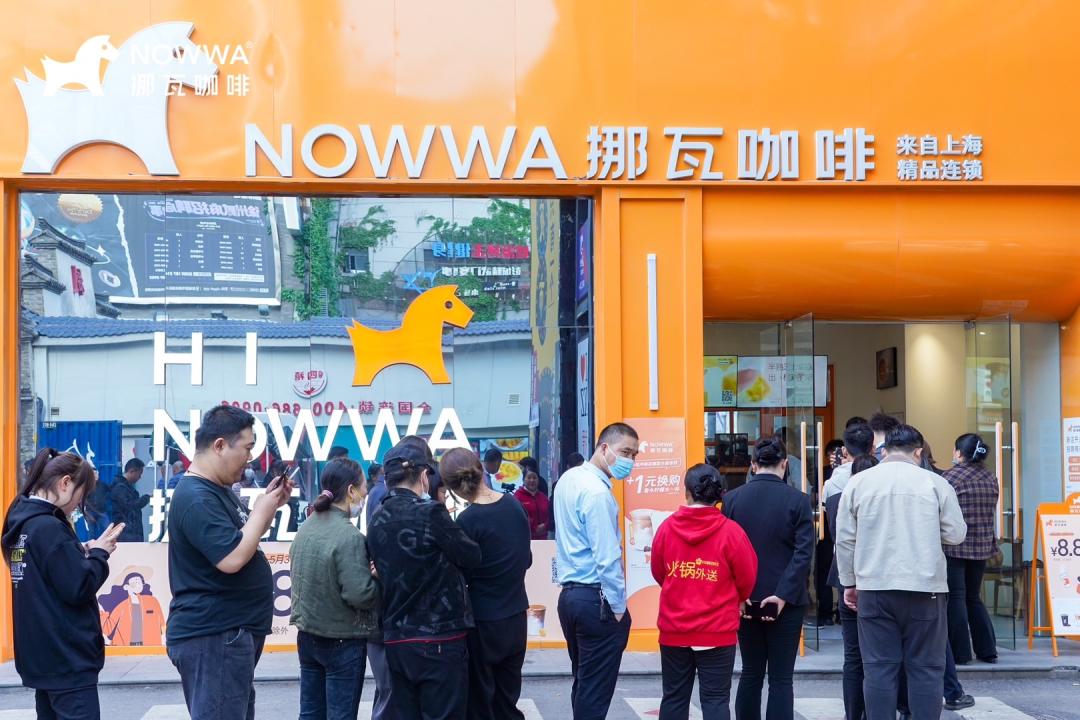
Core Insights - Luckin Coffee is advancing towards a secondary listing, while Nova Coffee and Lucky Coffee have moved from the industry fringe to the forefront, indicating a significant shift in the coffee sector by 2026 [1][3] - The recent actions of these two major coffee brands signal key trends in the industry, particularly in terms of competition and market dynamics [3][4] Industry Dynamics - Nova Coffee completed a multi-billion C round financing in January, attracting several prominent investment firms, marking the largest financing in China's catering industry over the past year [1] - The end of the "9.9 yuan unlimited drinks" promotion by Kudi Coffee on February 1 is seen as a sign of the retreat from price wars, although the impact on consumer pricing strategies remains significant [3][11] - The coffee industry in China underwent a paradigm shift driven by the delivery wars, with growth factors transitioning from brand premium to cost-effectiveness and convenience [3][11] Market Expansion - The "10,000 store club" expansion in 2025 is a key indicator of industry evolution, with Nova Coffee and Lucky Coffee joining this elite group, emphasizing the necessity of scale for top-tier brands [4][6] - Luckin Coffee has solidified its market leadership with a total of 29,214 stores globally by Q3 2025, having opened 3,008 new stores in a single quarter [6][10] - Kudi Coffee's aggressive expansion strategy, primarily through a franchise model, has led to over 18,000 stores by December 2025, despite not reaching its target of 50,000 stores [6][9] Competitive Landscape - The competitive landscape is characterized by a divergence in business models, with Kudi Coffee and Nova Coffee adopting lighter operational models for rapid growth [6][9] - Starbucks has entered a phase of strategic contraction in China, highlighted by its partnership with Boyu Capital, which allows Boyu to hold up to 60% equity and control [10][24] - The delivery wars have significantly altered pricing strategies, with Kudi leveraging platform subsidies to offer extremely low prices, impacting overall market dynamics [11][12] Financial Performance - Starbucks reported a 5% revenue growth in its China segment for the fiscal year 2025, but faced a 7% decline in average transaction value, indicating challenges in maintaining profitability amid competitive pressures [12][13] - The cost of delivery has surged for brands like Luckin, with delivery expenses rising to 28.9 billion yuan, a 211% increase year-on-year [13] Strategic Adjustments - Kudi Coffee's shift away from its aggressive pricing strategy marks a transition towards more rational competition, signaling the end of the price war era [14][16] - The trend of coffee brands diversifying into other food categories, such as Kudi's foray into fast food, reflects a broader strategy to capture more consumer spending [18][19] - The coffee sector is increasingly focusing on non-coffee products, with brands like Luckin and Lucky Coffee expanding their tea and juice offerings to adapt to changing consumer preferences [21][24] Future Outlook - The coffee industry is expected to continue evolving, with brands exploring international markets and lower-tier cities as growth avenues, while also addressing the challenges posed by price wars and delivery costs [24][25]



中国咖啡行业发展里程碑!瑞幸咖啡门店突破30000家
Yang Guang Wang· 2026-02-09 06:10
Core Insights - Luckin Coffee has opened its 30,000th store, a "Origin Flagship Store" in Shenzhen, marking a significant milestone in its expansion and positioning as a leader in the Chinese coffee industry [1][6] - The store emphasizes a global sourcing strategy, showcasing high-quality coffee from various regions, and aims to enhance consumer experience through a focus on professional quality and sustainable development [1][3] Expansion and Coverage - The company has established over 30,000 stores across 32 provincial-level administrative regions and more than 300 cities in China, with international presence in Singapore, Malaysia, and the United States [1][6] - Luckin Coffee's extensive network covers 94% of provincial-level regions in China, significantly contributing to the rapid popularization of coffee consumption among Chinese consumers [6] Strategic Development - The new flagship store features a 420 square meter space designed to provide an immersive experience of coffee sourcing and preparation, aligning with the brand's philosophy of "drinking original origin" [3][5] - The store adheres to international green building standards and aims to set a benchmark for sustainable practices in the coffee retail sector [5] Future Vision - Luckin Coffee plans to transition from a scale leader to a value co-creator deeply connected with core coffee-producing regions, aiming to reshape the global coffee supply chain from the Chinese market [7]
国泰海通:千问加码外卖补贴 预计一季度现制饮品销售保持高景气度
智通财经网· 2026-02-09 05:53
Group 1 - The launch of the 30 billion yuan subsidy project by Alibaba's Qianwen App is expected to benefit the sales of ready-to-drink beverages [2][3] - The first wave of the subsidy activity runs from February 6 to 12, offering users a 25 yuan no-threshold free order card, which can be used at over 300,000 tea and coffee shops nationwide [2] - The second wave starting February 13 will allow users to receive cash red envelopes, with a maximum of 2888 yuan available [2] Group 2 - The activity has seen significant engagement, with over 1 million orders placed within 3 hours and over 10 million orders within 9 hours of launch [3] - The current trend indicates a high level of activity in the ready-to-drink beverage market during the Spring Festival, with ongoing subsidies for delivery services [3] - The competitive landscape in the beverage industry is improving, with a slowdown in price wars and a reduction in the number of new stores opening [4] Group 3 - Recommended companies in the beverage sector include Gu Ming (01364), Mixue Group (02097), Luckin Coffee (LKNCY.US), Cha Bai Dao (02555), and Hu Shang A Yi (02589) [5]

首破30000店、覆盖32省级区域300多市,瑞幸“原产地旗舰店”落地深圳
Xin Lang Cai Jing· 2026-02-09 02:38
作为里程碑式的门店,瑞幸原产地旗舰店面积达420平方米,分为上下两层,设有墙面艺术装置、产区 风味星球图及互动品鉴空间。该店遵循国际权威绿色建筑认证LEED铂金级最新标准建造,并符合中国 建筑节能协会《建筑零碳空间评价标准》低碳空间要求。同时,旗舰店配置半自动咖啡机、大师空间及 原产地特调实验室、门店专属特调与手冲菜单。 门店试营业期间,绯色月光、南山烟雨、提拉米苏拿铁等限定特调和手冲产品成为周边市民特地来打卡 的爆款产品。开业当天,品鉴会上以2025首届云南瑰宝咖啡生豆大赛(云南CoE试点赛)冠军豆制作的 咖啡,以及门店全新推出的"品味原产地"系列SOE产品也赢得在场嘉宾一致赞誉。 目前,瑞幸咖啡已有超三万家门店落地,全国覆盖32个省级行政区域、300多个城市,海外覆盖新加 坡、马来西亚和美国。另外,瑞幸也已构建起巴西、埃塞俄比亚、中国云南等咖啡原产地,以及印尼专 属生椰岛,广西横州茉莉花专属产区,湖北秭归万亩脐橙原产地等优质原料供应基地。 大钲资本董事长兼首席执行官、瑞幸咖啡董事长黎辉表示:"我们致力于将印度尼西亚、巴西、哥伦比 亚和全球不同产区的优质咖啡跨越山海,原汁原味地呈献给每一位用户。我们希望,消 ...
首破30000店,覆盖32省级区域300多市,瑞幸咖啡门店数再创新高
Di Yi Cai Jing· 2026-02-09 02:28
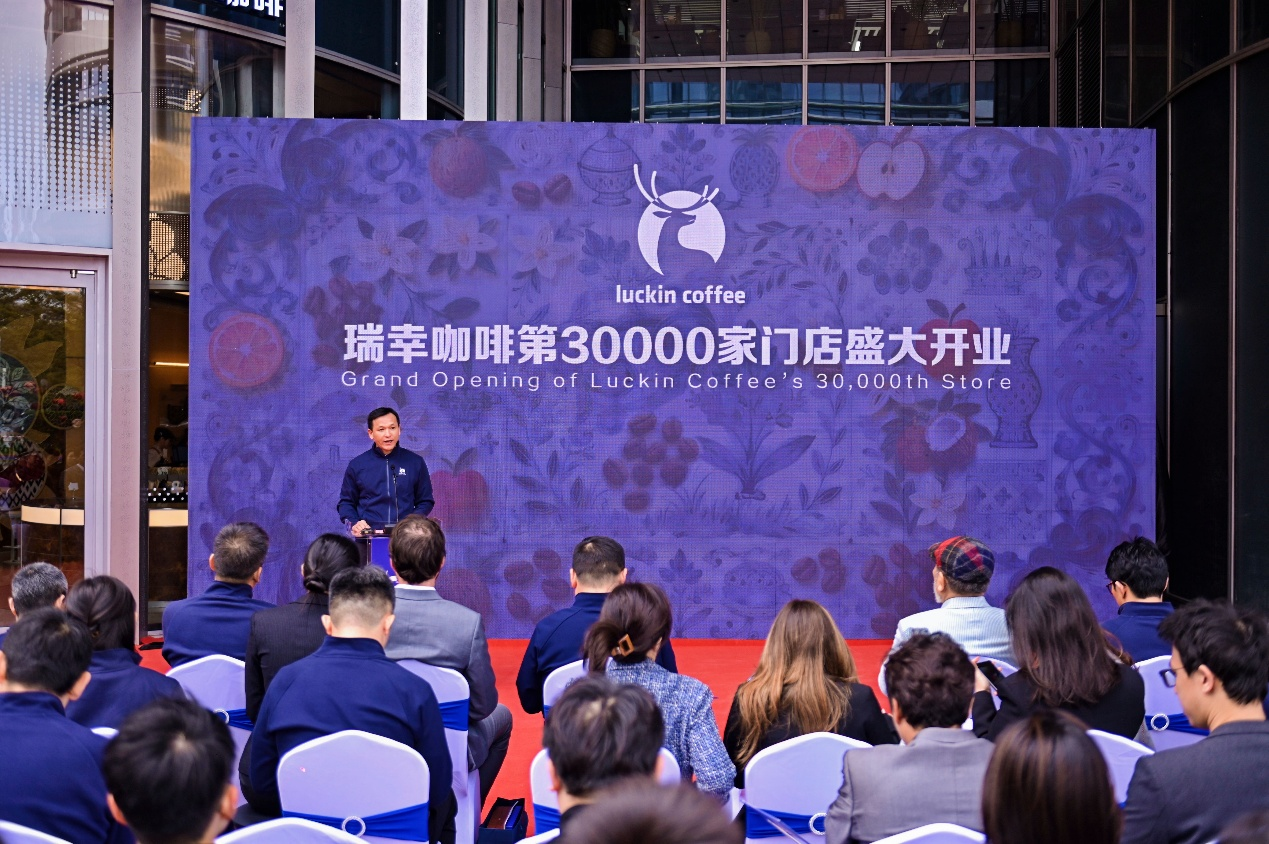
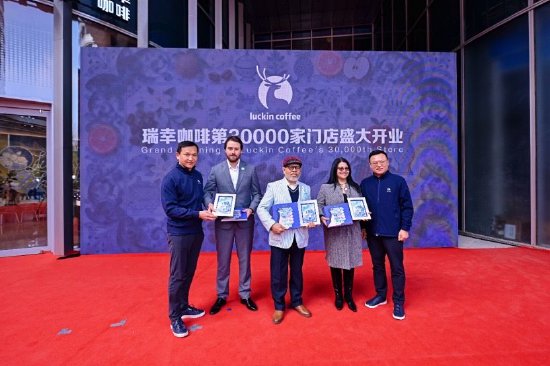
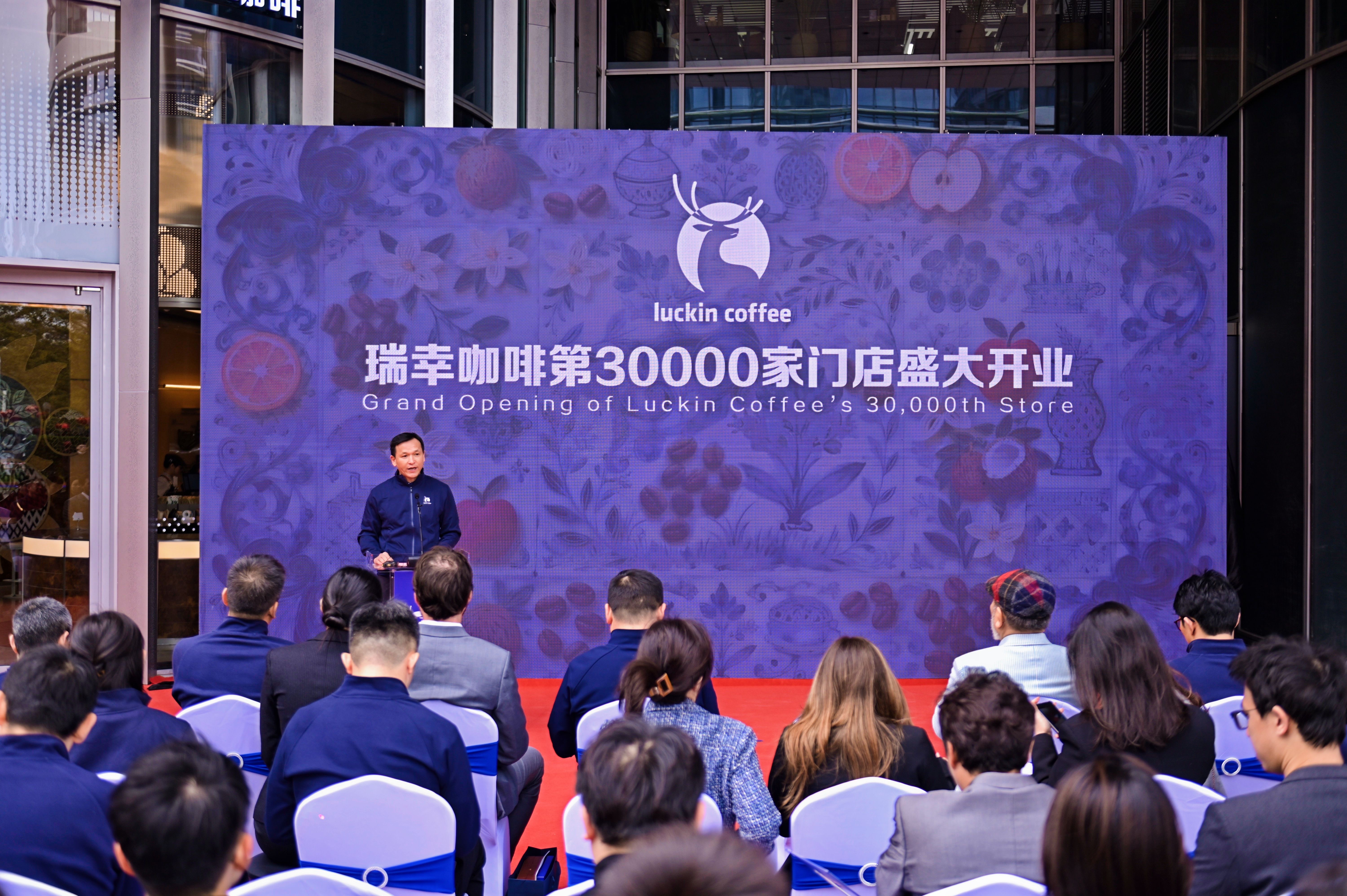
国内率先突破三万家门店的咖啡品牌诞生!2月8日,瑞幸咖啡全国第30000家门店——"原产地旗舰店"在深圳龙岗区星河WORLD园区正式开业。该门店 以"全球原产地"为主题,系统呈现瑞幸在实现规模领先之后,围绕专业品质、全球供应链布局和可持续发展等维度的战略升级。超三万家门店落地,全国覆 盖32个省级行政区域、300多个城市,海外覆盖新加坡、马来西亚和美国,作为中国咖啡行业领军者,瑞幸不仅推动了咖啡消费在国内的深度普及,提升了 中国咖啡品牌的全民认知,更开启了中国消费品牌重塑全球咖啡产业链的新纪元。 作为里程碑式的门店,瑞幸原产地旗舰店面积达420平方米,分为上下两层,通过墙面艺术装置、产区风味星球图及互动品鉴空间,展示了瑞幸的全球化原 产地布局,让顾客体验从源头一粒豆到门店一杯饮品的风味之旅。近年来,立足"要喝就喝原产地"的品牌理念,瑞幸不断深入上游核心原料产区,构建起巴 西、埃塞俄比亚、中国云南等咖啡原产地,以及印尼专属生椰岛,(中国)广西横州茉莉花专属产区,(中国)湖北秭归万亩脐橙原产地等优质原料供应基 地。瑞幸持续加强"全球精选风味"的融合研发,并以中国庞大的咖啡市场,驱动全新的咖啡供应链"价值共同体"。 ...
瑞幸咖啡全国店达到3万家
Mei Ri Jing Ji Xin Wen· 2026-02-09 01:40
(文章来源:每日经济新闻) 每经AI快讯,2月9日,瑞幸咖啡宣布全国店突破30000家,第30000家店在深圳落地。 ...
AI“血洗”奶茶店
虎嗅APP· 2026-02-07 13:34
Core Viewpoint - The article discusses the recent surge in orders for milk tea shops due to the "AI War" initiated by the Qianwen APP, which offered a massive promotion leading to over 10 million orders in just 9 hours, highlighting the intense competition in the food and beverage industry and the challenges faced by businesses in managing such demand [5][7][21]. Group 1: AI War and Its Impact - The Qianwen APP launched a "Spring Festival 3 billion free orders" campaign, resulting in a nationwide frenzy for milk tea, with major brands like Mixue Ice City and Luckin Coffee participating [6][7]. - Within 9 hours of the campaign, over 10 million milk tea orders were placed, causing stock prices of several tea brands to rise significantly, with Gu Ming increasing over 5% to reach a record high [7]. - The article notes that this is the second major order surge within a year, indicating a pattern of intense promotional activities in the restaurant industry [8]. Group 2: Previous Delivery Wars - The article references a previous "Delivery War" that occurred on July 5, 2025, which also resulted in overwhelming order volumes, with some stores reporting a 230% increase in orders compared to normal [9][10]. - Following the Delivery War, many restaurant operators expressed concerns about the sustainability of such high demand and the negative impact on service quality [10][12]. - Regulatory actions were taken to address the chaotic competition in the delivery sector, aiming to create a healthier market environment for the restaurant industry [11][12]. Group 3: Characteristics of the Milk Tea Market - The milk tea market is characterized by its ability to attract young consumers, with a projected market size of 354.72 billion yuan in 2024, growing at 6.4% annually [17]. - The consumer base primarily consists of young women aged 22-30, with a high frequency of purchases, making milk tea a low-cost, high-repurchase category [17][18]. - The efficiency and high turnover of milk tea shops make them attractive to platforms seeking to acquire users at a lower cost [19]. Group 4: Financial Implications for Businesses - Despite the surge in orders, the profitability of milk tea shops remains challenging, as the sudden influx of orders can overwhelm staff and disrupt service quality [21][22]. - Many businesses struggle to manage the increased demand, leading to longer wait times and potential customer dissatisfaction, which can harm long-term customer loyalty [23][25]. - The article emphasizes the need for businesses to balance leveraging platform promotions for growth while maintaining their operational integrity and customer experience [27].


库迪挥别全场9块9,咖啡市场“走出”野蛮生长丨小贺说
2 1 Shi Ji Jing Ji Bao Dao· 2026-02-06 13:15
Core Viewpoint - Kudi Coffee is ending its "all products at 9.9 yuan" promotion earlier than expected, indicating a shift in the coffee market towards a more stable and conventional industry environment [3][13]. Pricing Strategy - Starting February 1, 2026, Kudi will retain only 3-7 products at the promotional price of 9.9 yuan, while other products will revert to regular prices ranging from 11.9 to 16.9 yuan, with some core items seeing price increases of 30% to 60% [1][4]. - The new store opening coupon has increased from 6.9 yuan to 8.8 yuan, and the new user reward coupon has risen from 8.8 yuan to 9.9 yuan, with only delivery platform subsidies remaining [1]. Market Context - Kudi's decision to withdraw from the 9.9 yuan pricing strategy reflects a broader trend in the coffee market, moving away from aggressive growth tactics [1][13]. - The coffee market is experiencing a cooling period, with external pressures from regulatory bodies on delivery platforms to ensure fair competition [5][11]. Financial Performance - Kudi Coffee achieved profitability starting in May 2024, aided by cost reductions across the supply chain and low-priced raw materials [4]. - Despite the end of the 9.9 yuan promotion, Kudi reportedly does not face immediate profitability pressures, making the decision to adjust prices somewhat unexpected [4][6]. Competitive Landscape - Kudi's total store count stands at 18,000, which is below initial projections, and franchisees are experiencing longer payback periods [7]. - The entry of new low-priced competitors has significantly compressed profit margins, contrasting with previous years when competition was primarily with Luckin Coffee [7][9]. Consumer Behavior - Despite the price adjustments, Kudi's stores remain busy, indicating that customer traffic is still strong, particularly through delivery platforms [10]. - Franchisees suggest that actual customer spending may not increase due to the continued dominance of delivery platforms in sales [10][11]. Strategic Shift - Kudi's move away from the 9.9 yuan pricing strategy may signify a transition towards a focus on profitability rather than aggressive growth [8][11]. - The company is likely to prioritize flexible cash flow and pricing autonomy, moving away from reliance on self-owned channels for sales [11].

Luckin Coffee (LKNCY) Soars 5.7%: Is Further Upside Left in the Stock?
ZACKS· 2026-02-05 15:36
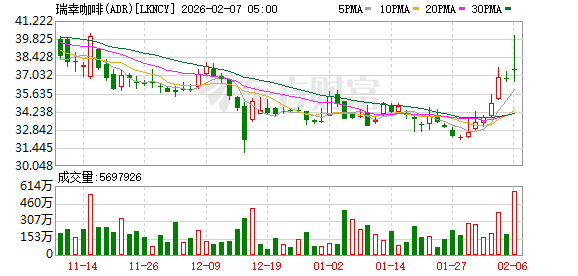
Core Viewpoint - Luckin Coffee Inc. has shown significant stock performance with a recent increase of 5.7% to $36.87, driven by strong trading volume and positive growth indicators [1]. Company Performance - The company is leveraging a robust digital model, strategic pricing, and store expansion, along with efficient small-format outlets to enhance customer engagement and drive growth in the coffee market [2]. - Upcoming quarterly earnings are projected at $0.43 per share, reflecting a year-over-year increase of 7.5%, while revenues are expected to reach $1.9 billion, marking a 44.1% increase from the previous year [3]. Earnings Estimates and Stock Trends - The consensus EPS estimate for Luckin Coffee has remained stable over the last 30 days, indicating that stock price movements may not sustain without changes in earnings estimate revisions [4]. - The stock currently holds a Zacks Rank of 3 (Hold), suggesting a neutral outlook in the context of the beverages-soft drinks industry [4].
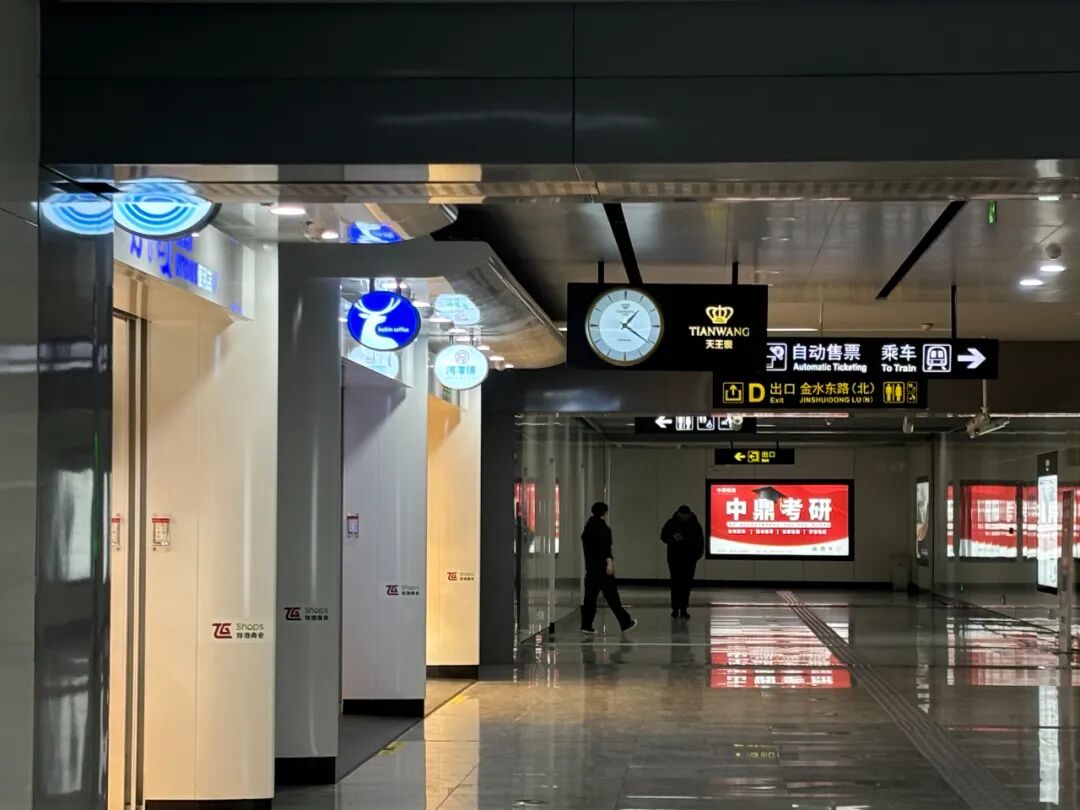
“半小时200单!”蜜雪冰城、瑞幸头部品牌“杀入”地铁站
3 6 Ke· 2026-02-05 02:09
Core Insights - Beverage brands are increasingly entering subway stations, with Luckin Coffee planning to open at least 30 stores in Suzhou by 2026 and Kudi Coffee recently opening a store at Beijing Subway Line 15 [1][2][5] - The trend reflects a growing consumer demand for convenience during commutes, as evidenced by high order volumes at subway coffee shops [1][10] Group 1: Market Trends - The phenomenon of coffee brands entering subway stations has become more pronounced since the beginning of 2026, with multiple brands like Manner and Tims also expanding their presence [2][6] - Data shows that some subway coffee shops can sell up to 200 cups in just half an hour during peak hours, indicating strong consumer demand [10][12] Group 2: Consumer Behavior - The primary consumer demographic in subway stations consists of white-collar workers aged 25 to 40, who have strong purchasing power and a preference for instant gratification [12] - The convenience of picking up coffee or breakfast on the way to work has become a daily routine for many commuters, enhancing the likelihood of repeat purchases [12][19] Group 3: Competitive Landscape - As price wars cool down, the focus has shifted to location as a key competitive factor, with brands prioritizing convenience over price in high-frequency commuting scenarios [13][19] - The saturation of traditional retail spaces has led brands to seek opportunities in subway stations, which offer more manageable rent and less competition [15][17] Group 4: Strategic Insights - Brands are strategically targeting subway stations as they provide a stable and predictable flow of customers, making them an attractive option compared to traditional retail locations [19] - Recent policy changes in cities like Tianjin are facilitating the entry of convenience stores and beverage brands into subway systems, further enhancing the commercial potential of these locations [19]